-
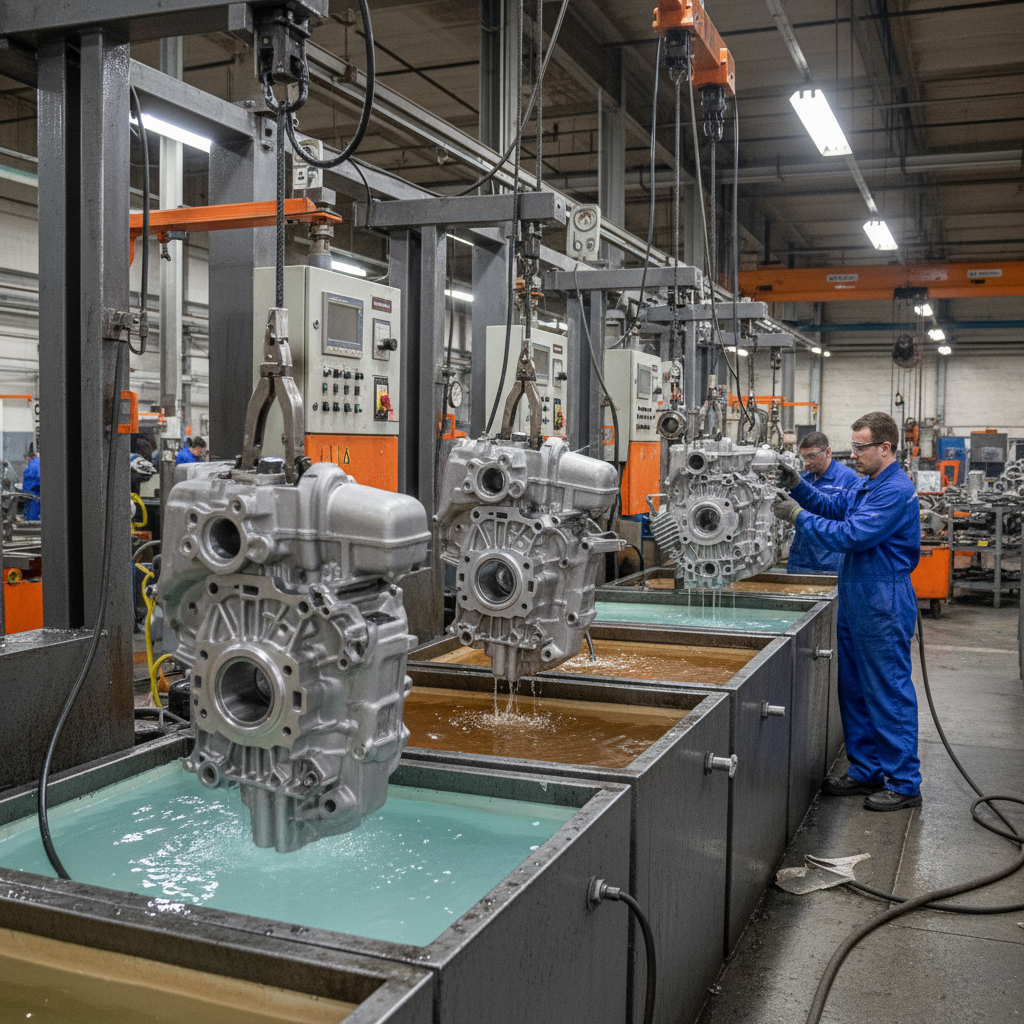 In the world of high-performance manufacturing, achieving the perfect balance between structural integrity and surface durability is critical. anodizing die cast aluminum has emerged as a premier solution for engineers and designers who refuse to compromise on quality. By transforming the natural surface of the metal into a hard, protective oxide layer, anodizing not only enhances corrosion resistance but also provides a sophisticated aesthetic finish. Whether you are developing automotive components or aerospace hardware, understanding the nuances of this process is key to optimizing product longevity. This guide will explore everything from the technical chemistry to the practical applications of anodized die-cast parts.Read more
 -
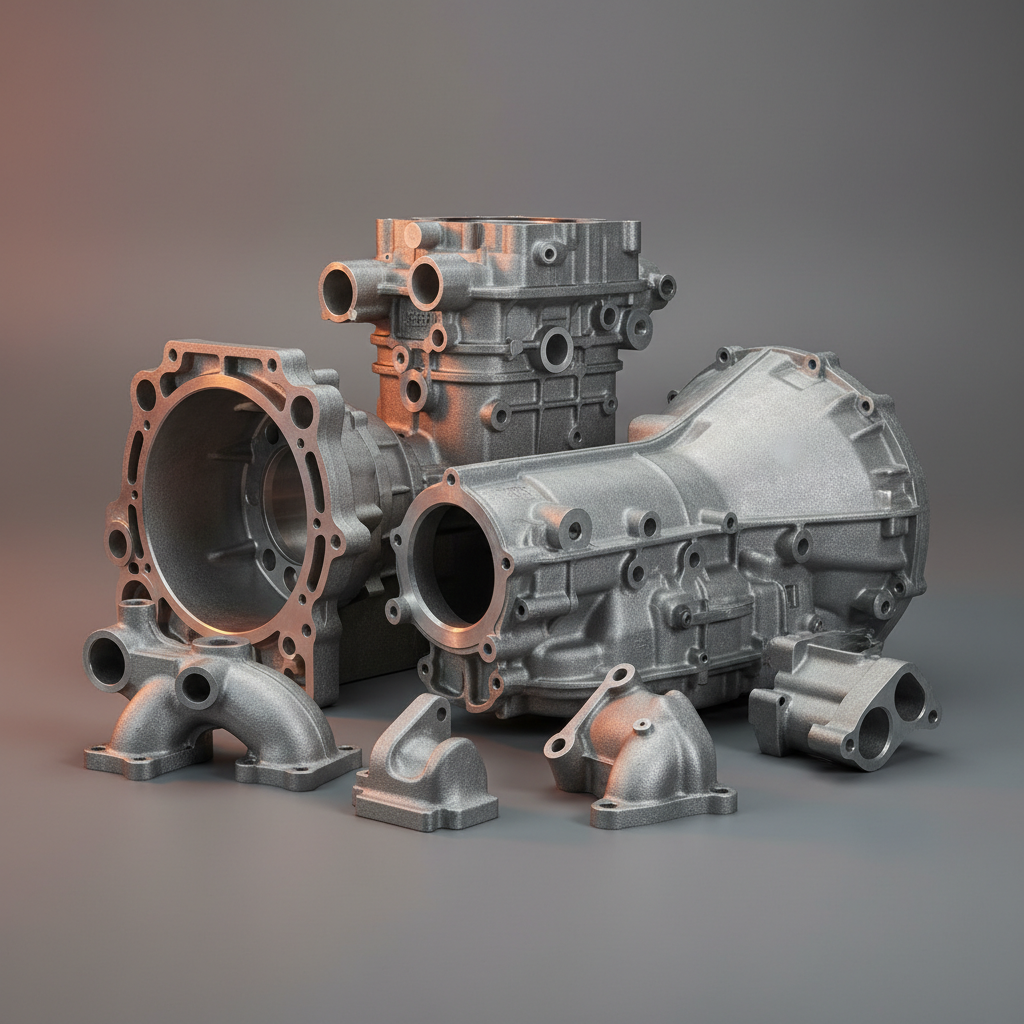 In the modern industrial landscape, the demand for lightweight yet durable materials has never been higher. aluminum die casting components have emerged as the gold standard for manufacturers seeking a perfect balance between strength, weight, and cost-efficiency. From automotive engine parts to complex aerospace housings, these components provide the structural integrity required for high-stress environments while reducing overall assembly weight. This guide will explore the intricate process of die casting, the advantages of choosing aluminum, and how to select the right sourcing partner for your precision engineering needs.Read more
 -
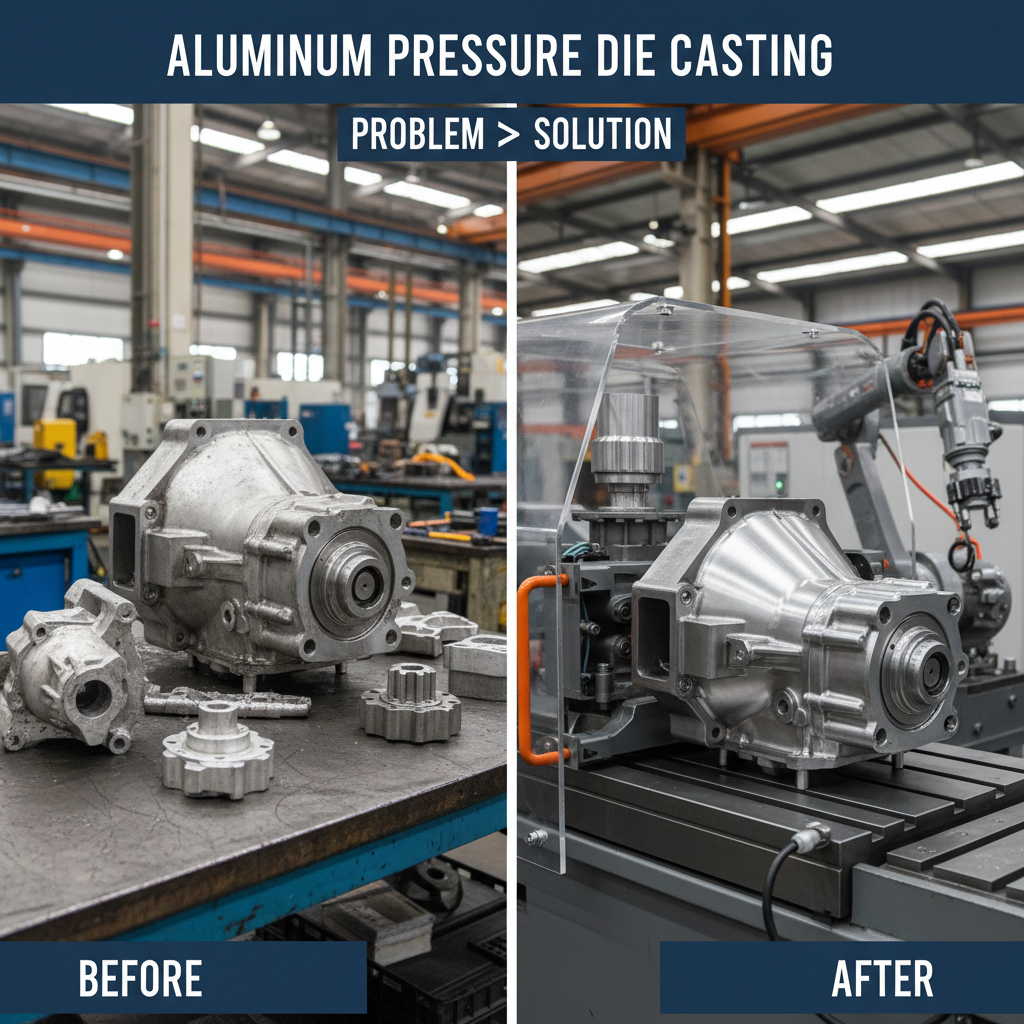 Aluminium pressure die casting products are vital components across numerous industries, known for their precision, durability, and cost-effectiveness. This article delves into the intricacies of this manufacturing process, exploring its benefits, applications, common materials, design considerations, and quality control measures. Whether you're a design engineer, procurement manager, or simply curious about the process, this guide provides a clear understanding of aluminium pressure die casting.Read more
 -
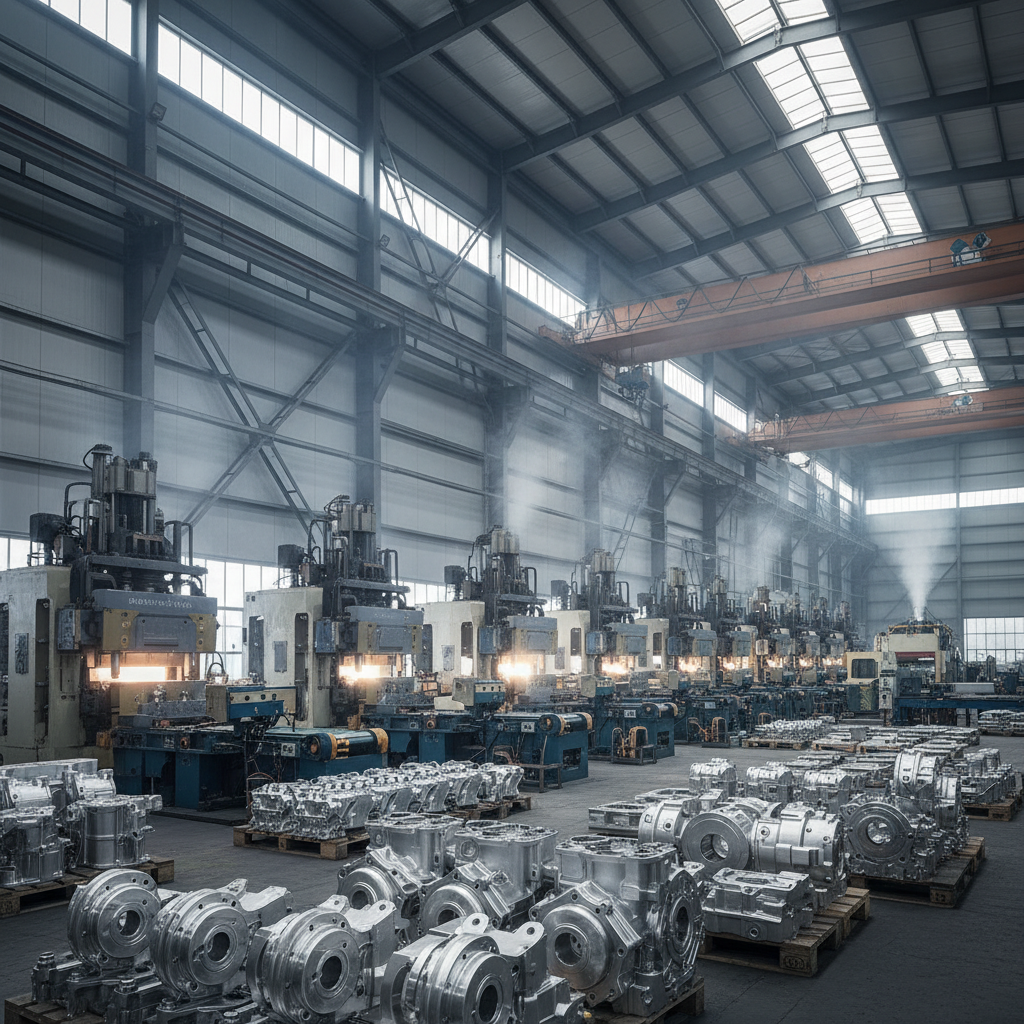 Aluminium pressure die casting components are crucial for a vast array of industries, offering a cost-effective and efficient solution for producing complex, high-precision parts. This article delves into the benefits, process, applications, and considerations when sourcing these components. Whether you're a design engineer, purchasing manager, or simply exploring manufacturing options, this guide will provide valuable insights. Understanding the intricacies of this process allows for informed decision-making and optimized product development.Read more
 -
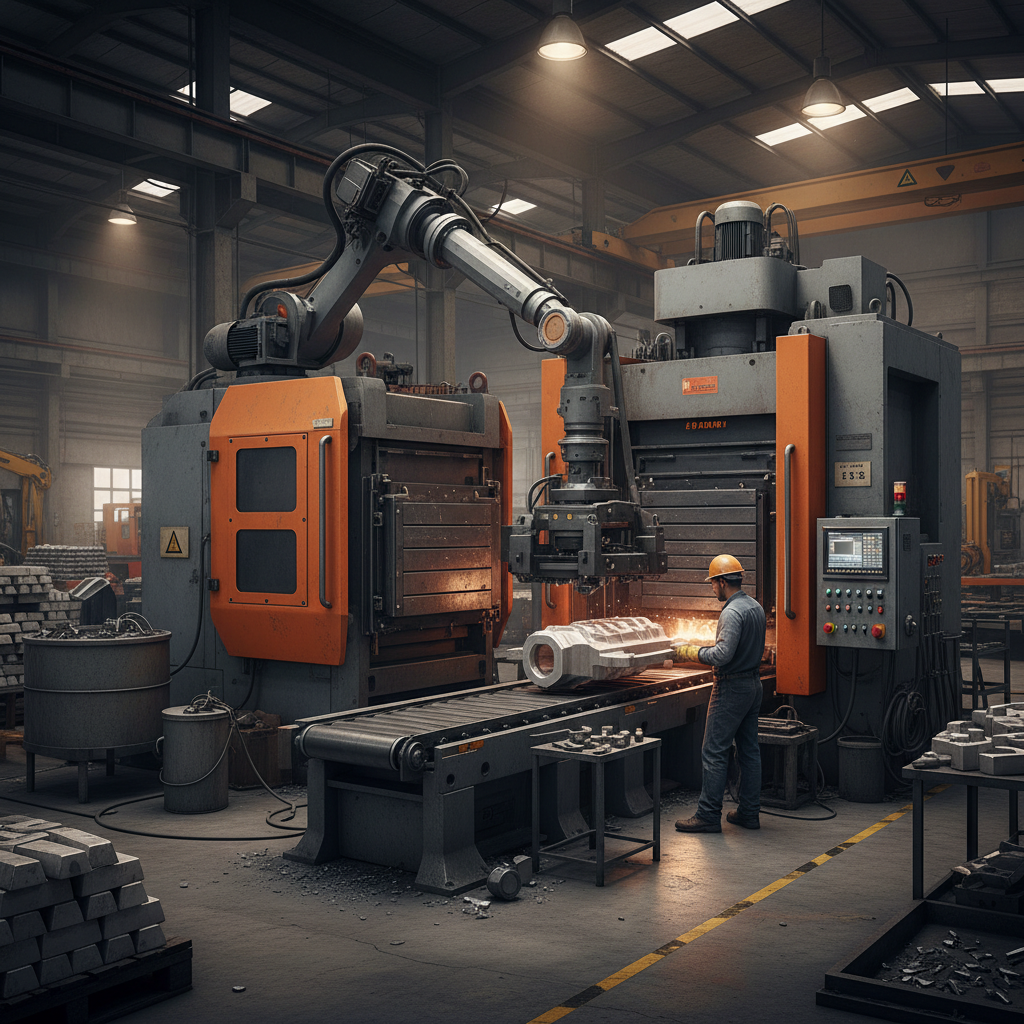 High-Pressure Die Casting (HPDC) of aluminium is a manufacturing process critical for a vast array of industries, from automotive and aerospace to consumer electronics and beyond. As a leading sourcing and manufacturing partner, Hairun Sourcing specializes in delivering high-quality aluminium HPDC castings to clients worldwide. This article will explore the intricacies of this process, its advantages, applications, and considerations for successful international trade.Read more
 -
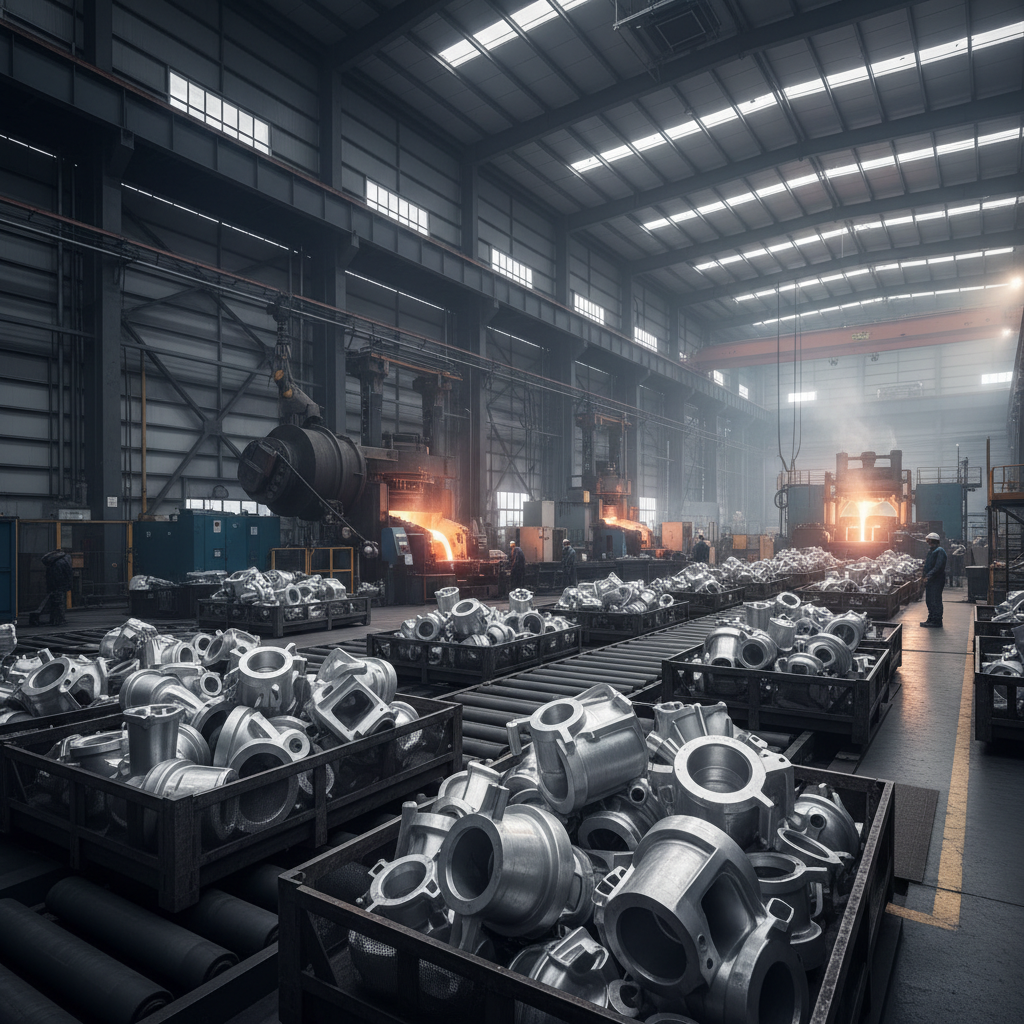 Aluminium die castings are a versatile manufacturing process producing high-quality, intricate parts with exceptional dimensional accuracy and surface finish. This method is favoured across numerous industries, from automotive and aerospace to electronics and medical devices. At Hairunsourcing.com, we specialize in providing precision aluminium die casting services tailored to your specific needs. Understanding the benefits, process, and applications of this technology is crucial for making informed decisions about your manufacturing projects. We provide a complete solution, from design assistance to final production, ensuring quality and cost-effectiveness.Read more
 -
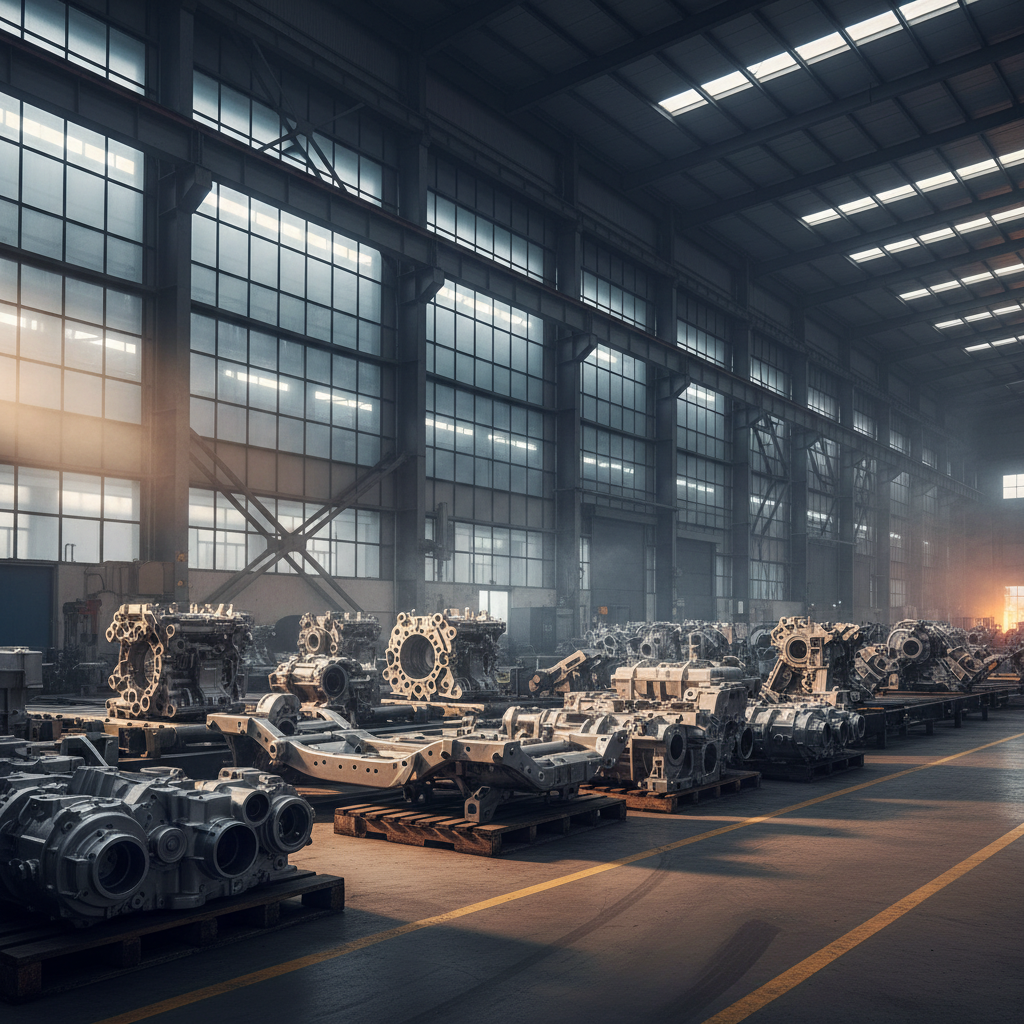 Aluminium die casting components are integral to a wide range of industries, from automotive and aerospace to electronics and medical devices. Their strength, lightweight properties, and ability to be formed into complex shapes make them a preferred material for many applications. This article will explore the benefits, processes, applications, and key considerations when sourcing aluminium die casting components, offering a comprehensive overview for engineers, designers, and procurement professionals. Understanding the intricacies of this manufacturing process is key to ensuring product quality and cost-effectiveness. Aluminium die casting offers numerous advantages over other manufacturing processes. The high strength-to-weight ratio of aluminium is a significant benefit, particularly in applications where weight reduction is critical, like automotive parts. Die casting also allows for intricate geometries and tight tolerances, resulting in parts with excellent dimensional accuracy.Read more
 -
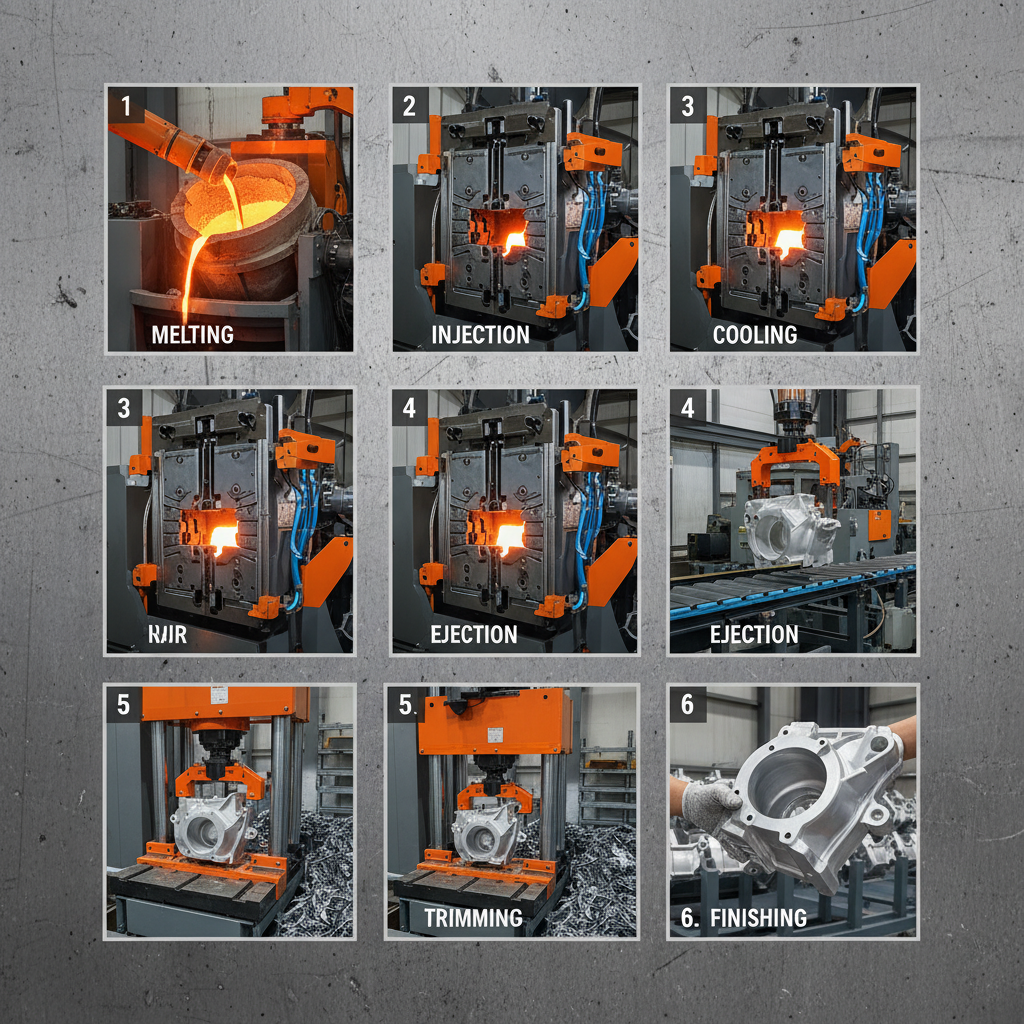 Aluminium die cast products are integral to a vast array of industries, valued for their strength, lightweight properties, and cost-effectiveness. From automotive components to electronic housings, these products offer exceptional performance and design flexibility. This article provides an in-depth exploration of aluminium die casting, its advantages, applications, and how Hairunsourcing can be your trusted partner for high-quality die casting solutions. Understanding the intricacies of this process is crucial for engineers, designers, and procurement professionals seeking optimal material choices. Aluminium die casting is a metal casting process where molten aluminium is forced into a mould cavity under high pressure. This process results in parts with precise dimensions, smooth surfaces, and excellent mechanical properties. There are two primary types of die casting: hot chamber and cold chamber. Hot chamber is primarily used for alloys with low melting points (like zinc and magnesium), while cold chamber is preferred for aluminium due to its higher melting point. The speed and precision of die casting make it ideal for high-volume production runs, delivering consistent quality and reduced waste.Read more
 -
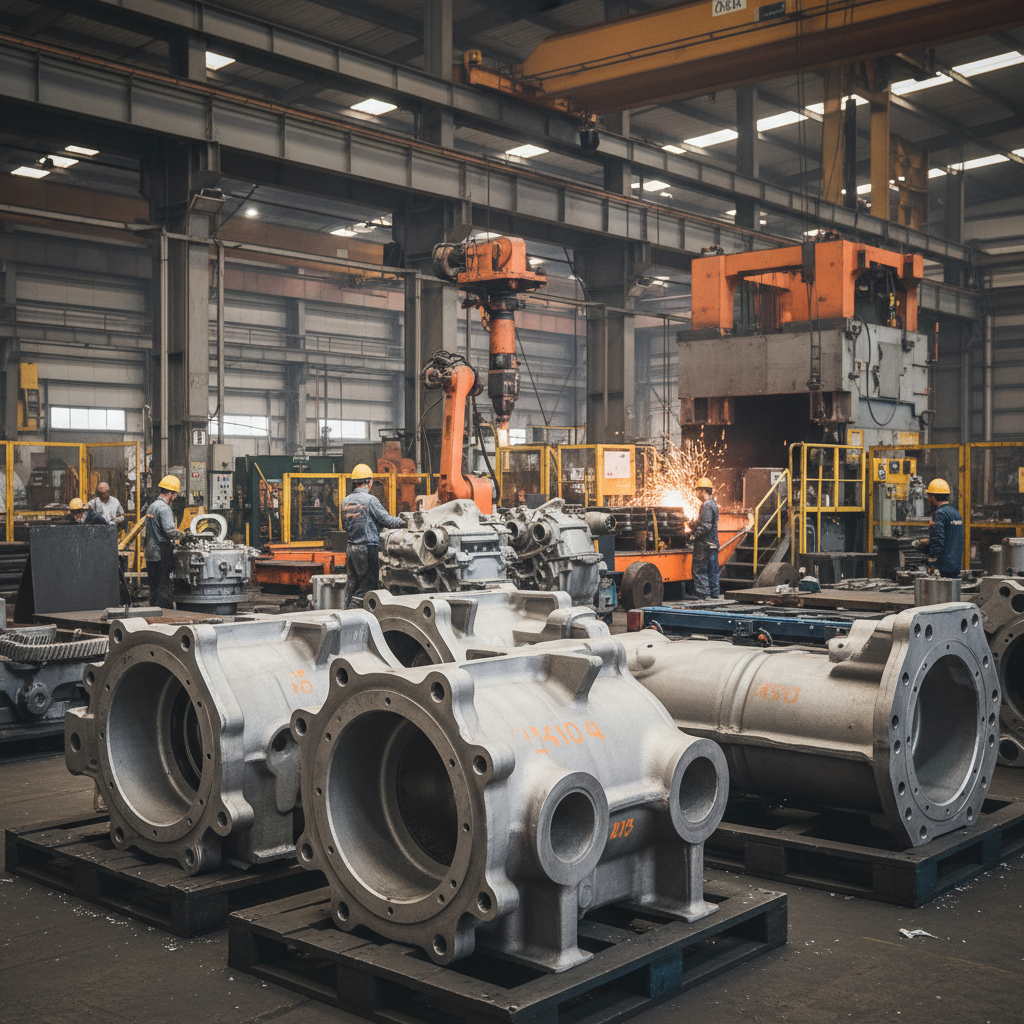 Aluminium casting components are essential parts used across numerous industries, from automotive and aerospace to medical and consumer goods. Their lightweight nature, corrosion resistance, and excellent mechanical properties make them a preferred choice for many applications. This article delves into the benefits, processes, common alloys, and quality control considerations surrounding aluminium casting, with a focus on how Hairunsourcing can provide tailored solutions for your specific needs. Understanding these components is crucial for optimizing designs and ensuring reliable product performance. Choosing aluminium casting offers several key advantages. Firstly, aluminium is significantly lighter than steel or iron, contributing to reduced weight in final products—critical in industries like aerospace and automotive. Secondly, aluminium boasts excellent corrosion resistance, making it ideal for outdoor or harsh environments. Thirdly, it possesses high thermal and electrical conductivity. Finally, aluminium is readily recyclable, promoting sustainable manufacturing practices.Read more
 -
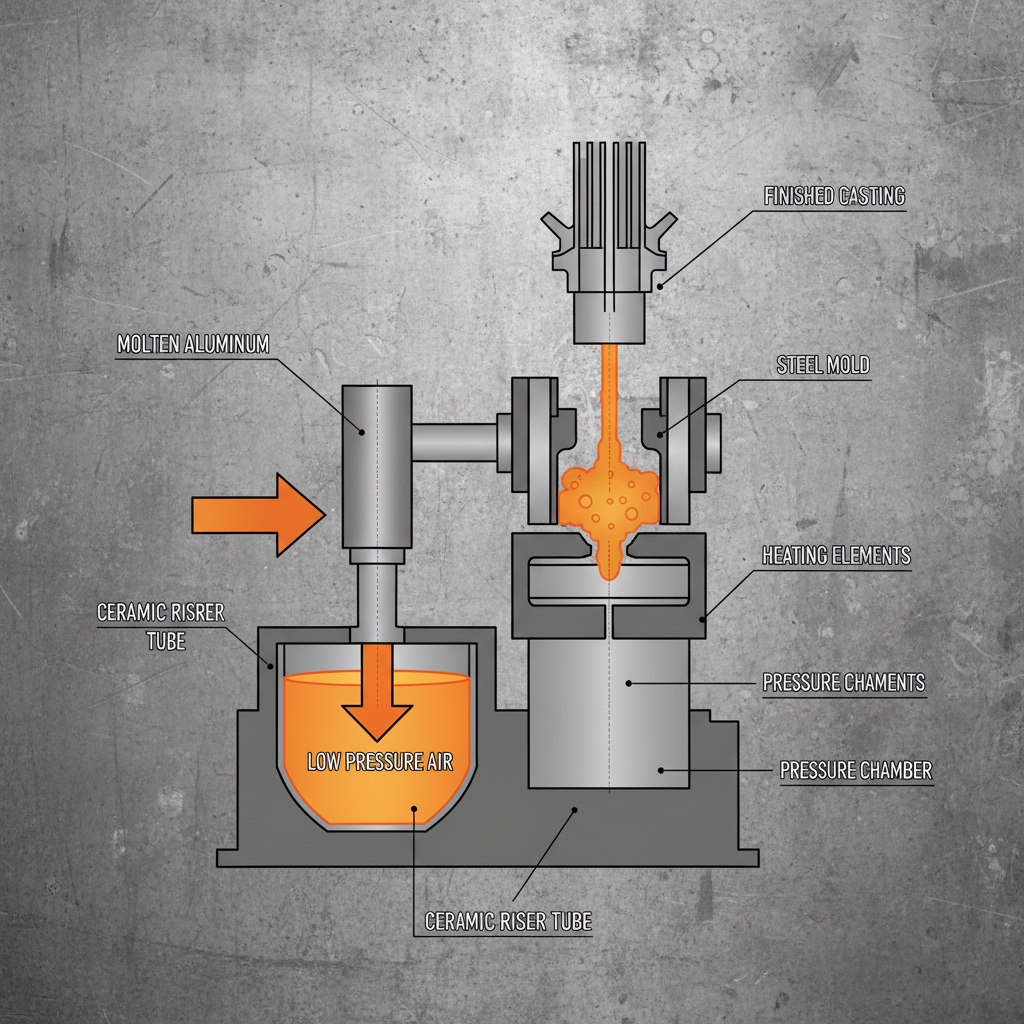 Low pressure aluminum casting is a versatile and cost-effective manufacturing process used to create high-quality aluminum parts. It’s particularly suited for complex geometries and larger components where precision and mechanical properties are crucial. At Hairun Sourcing, we specialize in providing comprehensive low pressure aluminum casting solutions, from design assistance to final production. This article will delve into the intricacies of this process, exploring its benefits, applications, and the factors that contribute to successful casting results. Understanding the nuances of this method is vital for optimizing your manufacturing processes and achieving superior part quality. Low pressure aluminum casting involves injecting molten aluminum into a mold at a controlled, low pressure. This differs from high-pressure die casting, which uses significantly greater force. The process begins with a preheated mold, typically made of steel or cast iron. Molten aluminum is held in a crucible and introduced into the mold cavity via a riser tube. The pressure is maintained throughout the solidification process, ensuring a dense, void-free casting.Read more
 -
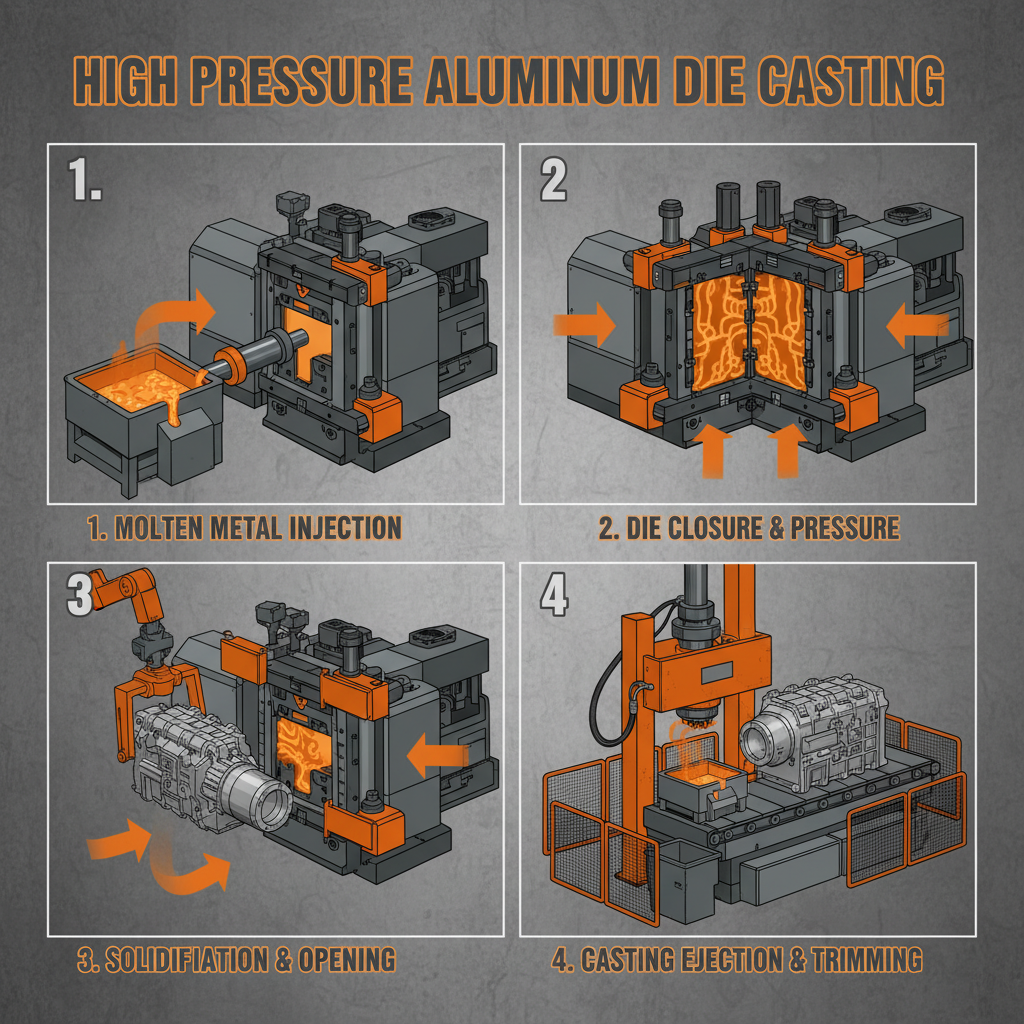 High pressure aluminum die casting is a widely used manufacturing process for producing intricate metal parts with excellent dimensional accuracy and surface finish. This process is favored across various industries, including automotive, aerospace, electronics, and telecommunications. At Hairun Sourcing, we specialize in providing high-quality die casting solutions tailored to your specific needs. This article will delve into the intricacies of high-pressure aluminum die casting, covering its process, advantages, applications, and considerations for successful implementation. Understanding the fundamentals of this process is crucial for anyone involved in product development or sourcing metal components. The high pressure aluminum die casting process involves injecting molten aluminum alloy into a reusable steel mold (die) under high pressure. This pressure, typically ranging from 10 to 210 MPa (1,450 to 30,450 psi), forces the molten metal to fill the die cavity quickly and completely. Once the metal solidifies, the die is opened, and the casting is ejected. The process consists of several key steps: die preparation, metal melting, injection, solidification, ejection, and finishing.Read more
 -
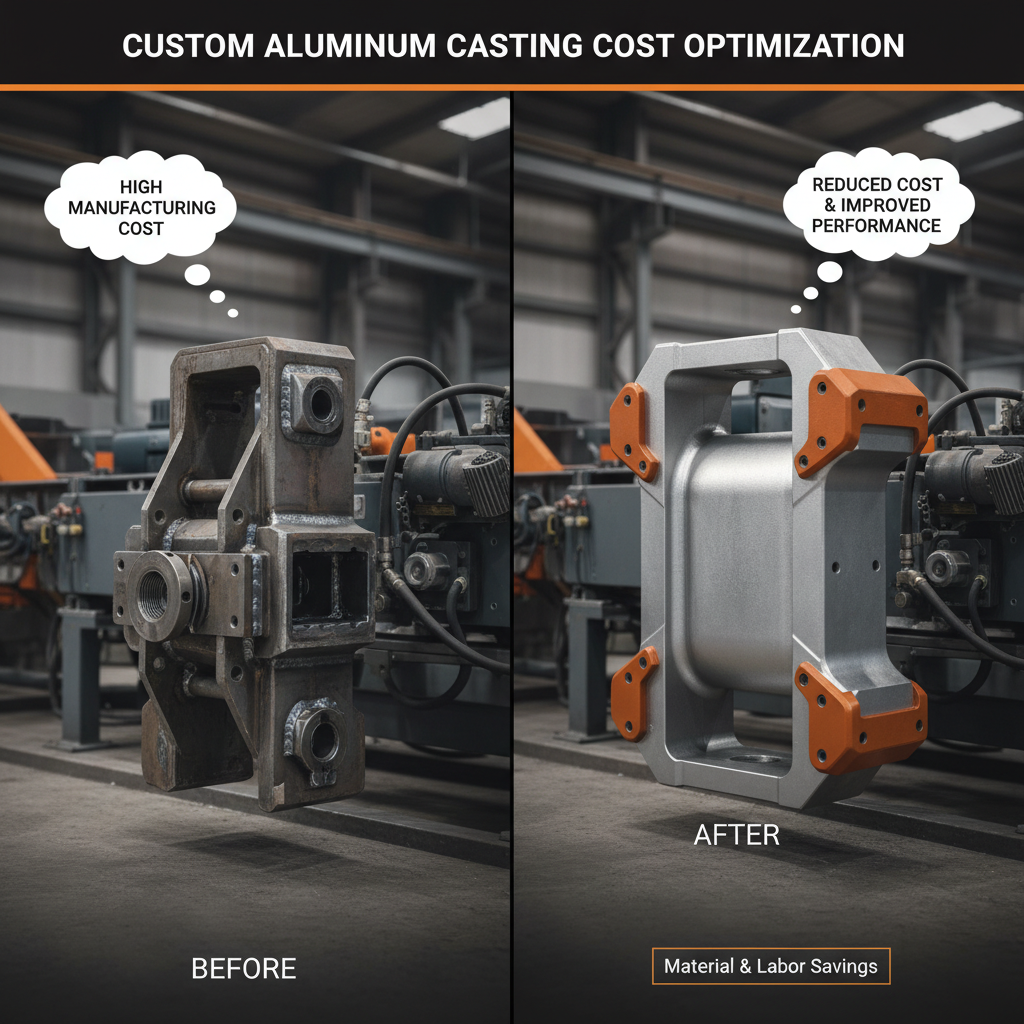 Navigating the world of manufacturing often involves specialized processes like aluminum casting. Understanding the custom aluminum casting cost is crucial for successful project planning and budgeting. This article will break down the factors influencing these costs, providing a comprehensive guide for businesses seeking high-quality, cost-effective aluminum casting solutions. We will cover everything from design complexity to material selection and production volume, helping you make informed decisions for your next project. Several key factors contribute to the final cost of custom aluminum casting. These can broadly be categorized into design, material, tooling, and production. Design complexity directly impacts machining time and tooling costs. More intricate designs require more detailed molds and longer machining processes. Material selection, specifically the alloy, plays a role, as different alloys have varying prices and casting characteristics. Tooling, encompassing mold creation, is a significant upfront investment. Finally, production volume influences the cost per unit – higher volumes generally lead to lower per-unit costs due to economies of scale.Read more