


Comprehensive Guide to Aluminium Die Casting Components and Their Applications
Aluminium Die Casting Components: A Comprehensive Guide
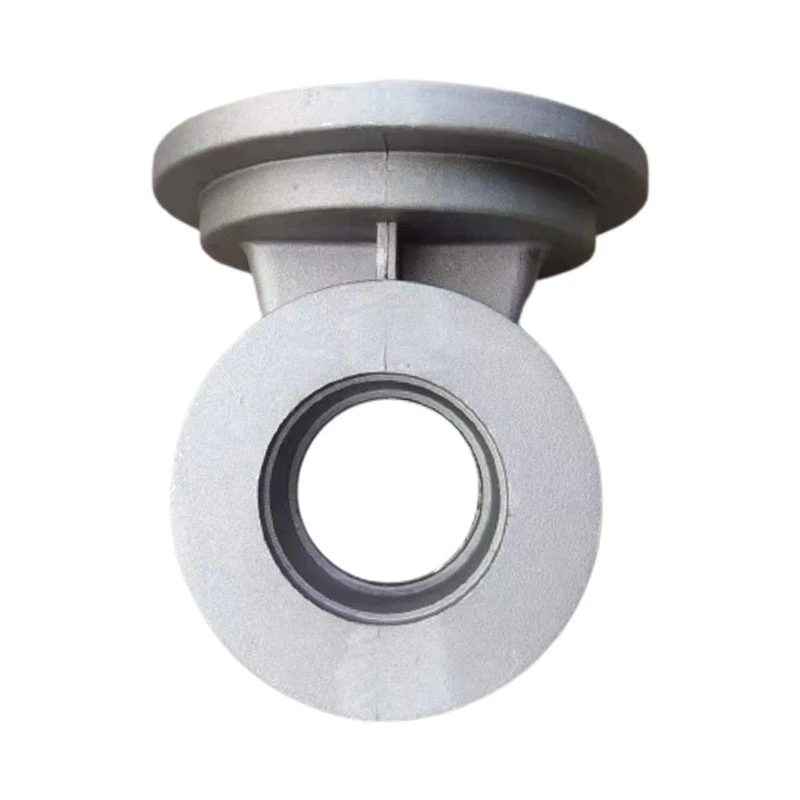
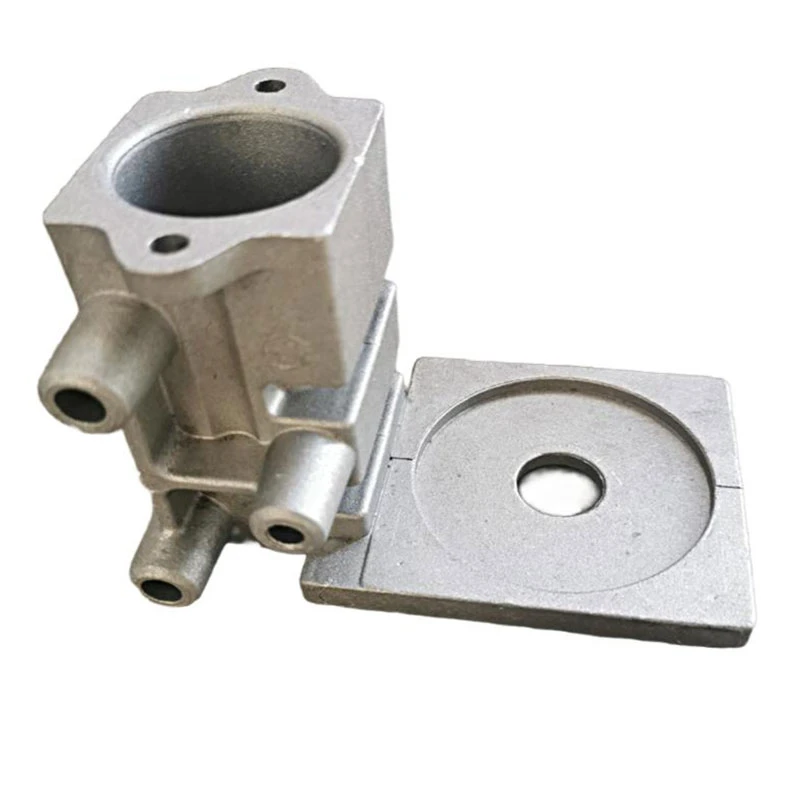
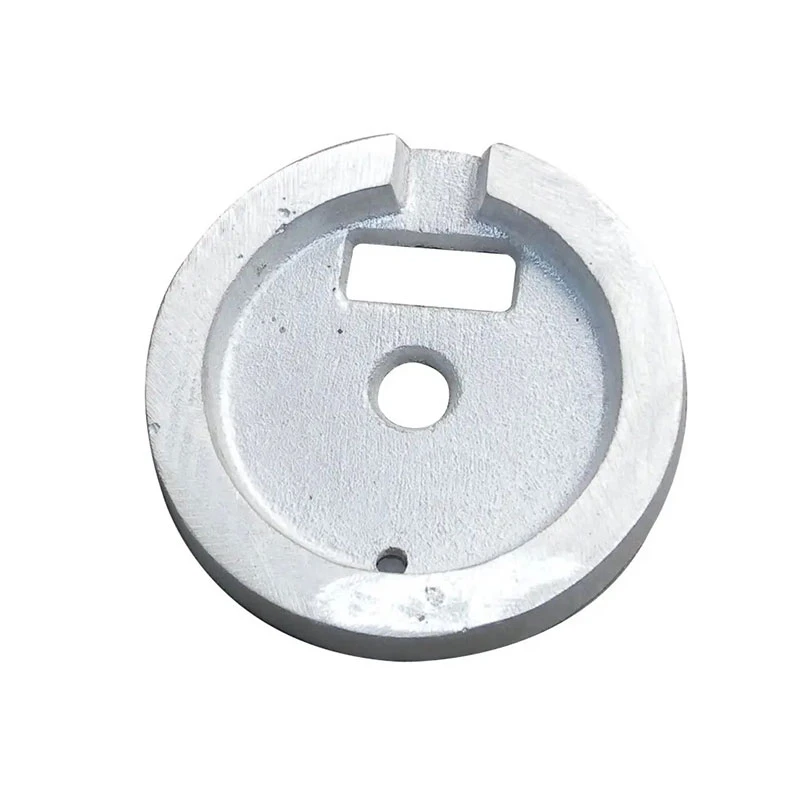
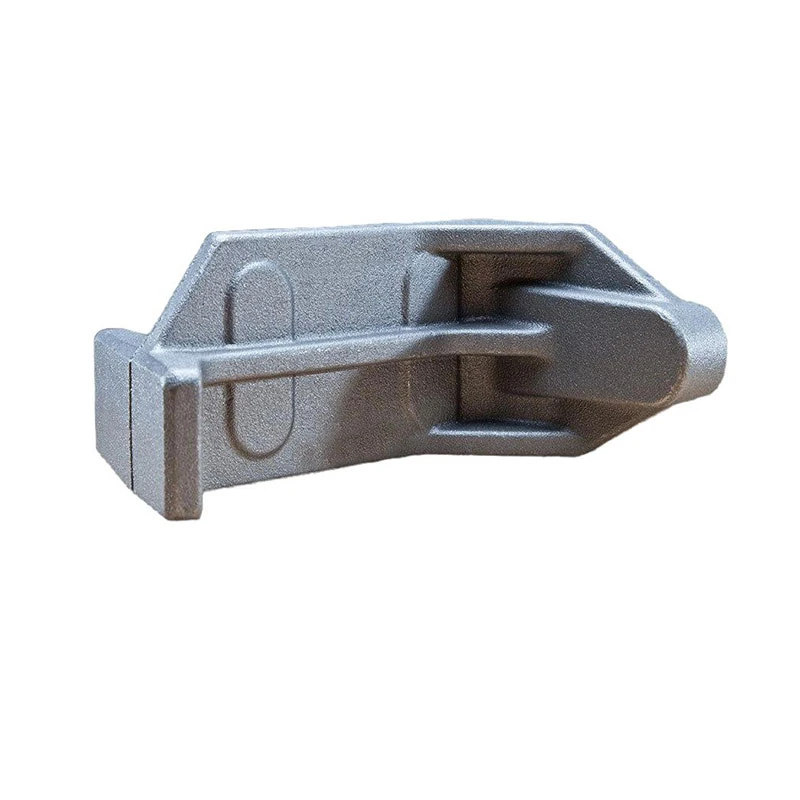
Aluminium die casting components are integral to a wide range of industries, from automotive and aerospace to electronics and medical devices. Their strength, lightweight properties, and ability to be formed into complex shapes make them a preferred material for many applications. This article will explore the benefits, processes, applications, and key considerations when sourcing aluminium die casting components, offering a comprehensive overview for engineers, designers, and procurement professionals. Understanding the intricacies of this manufacturing process is key to ensuring product quality and cost-effectiveness.
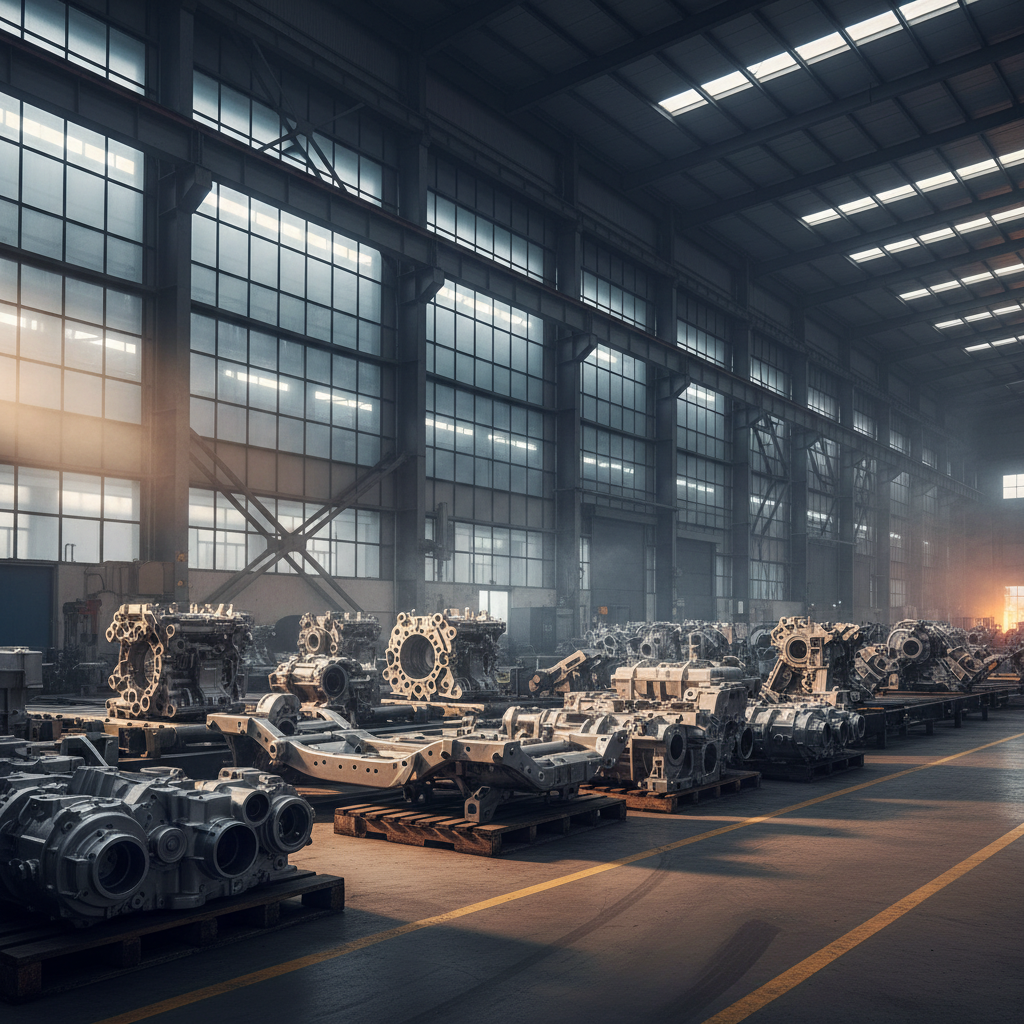
The Advantages of Aluminium Die Casting
Aluminium die casting offers numerous advantages over other manufacturing processes. The high strength-to-weight ratio of aluminium is a significant benefit, particularly in applications where weight reduction is critical, like automotive parts. Die casting also allows for intricate geometries and tight tolerances, resulting in parts with excellent dimensional accuracy. Furthermore, the process is highly repeatable and suitable for large-scale production runs, leading to cost efficiencies. The smooth surface finish often eliminates the need for secondary machining operations. Finally, aluminium’s excellent thermal and electrical conductivity make it ideal for applications requiring heat dissipation or electrical grounding.
Key Advantages: High strength-to-weight ratio, intricate geometries, tight tolerances, high production rates, excellent surface finish, and good thermal/electrical conductivity.
The Die Casting Process: How it Works
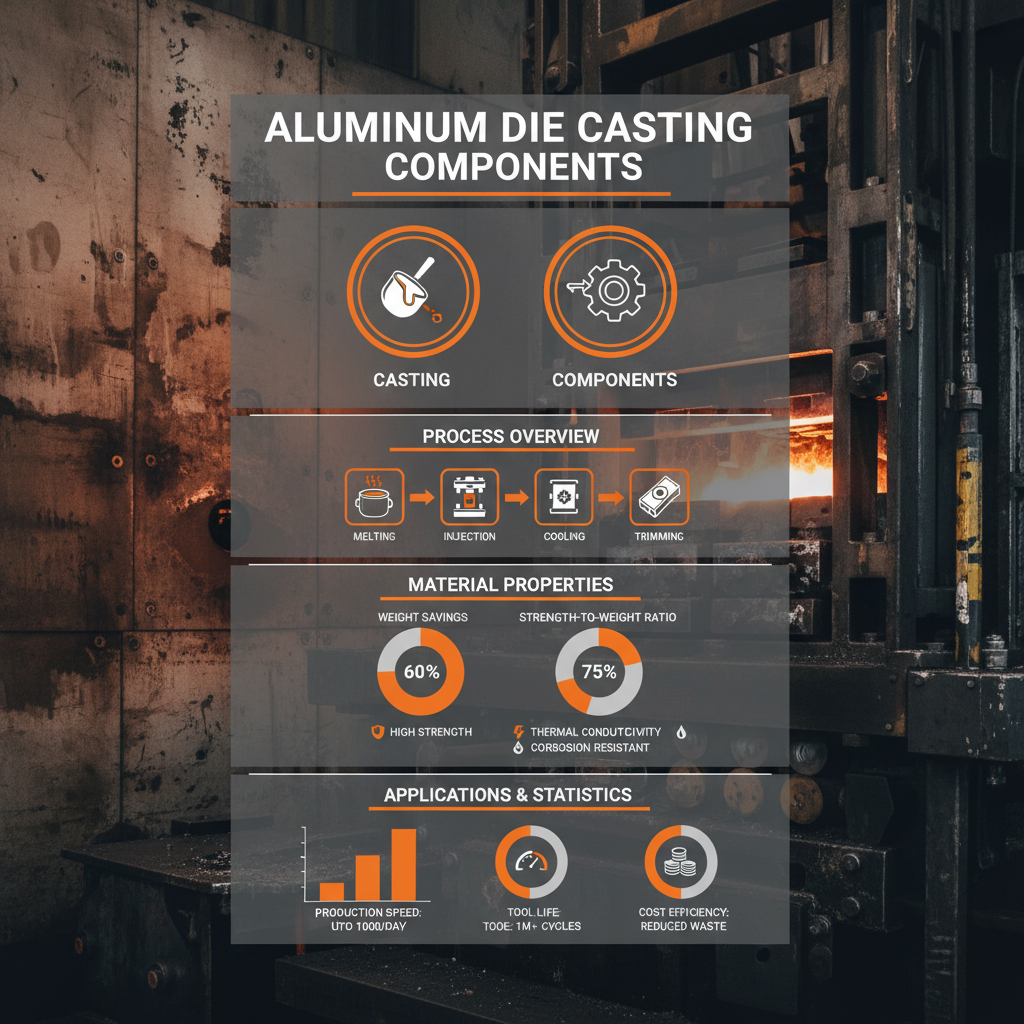
The die casting process involves injecting molten aluminium into a reusable metal die (mold) under high pressure. This pressure ensures the metal fills every cavity of the die, capturing intricate details. Once cooled and solidified, the part is ejected from the die. There are two main types of die casting: hot chamber and cold chamber. Hot chamber casting is typically used for alloys with lower melting points, while cold chamber casting is preferred for aluminium due to its higher melting point. The process is highly automated and efficient, making it suitable for mass production. Careful control of temperature, pressure, and injection speed is crucial for producing high-quality parts.
Die Casting Process Steps:
• Clamping: Die halves are securely closed.
• Injection: Molten aluminium is injected into the die.
• Cooling: Metal solidifies under pressure.
• Ejection: Part is removed from the die.
Applications of Aluminium Die Casting Components
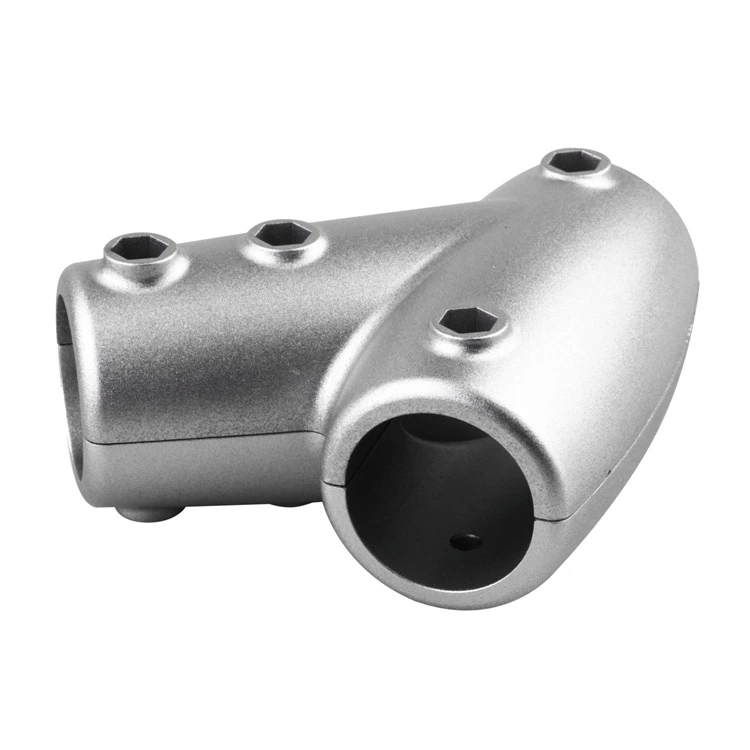
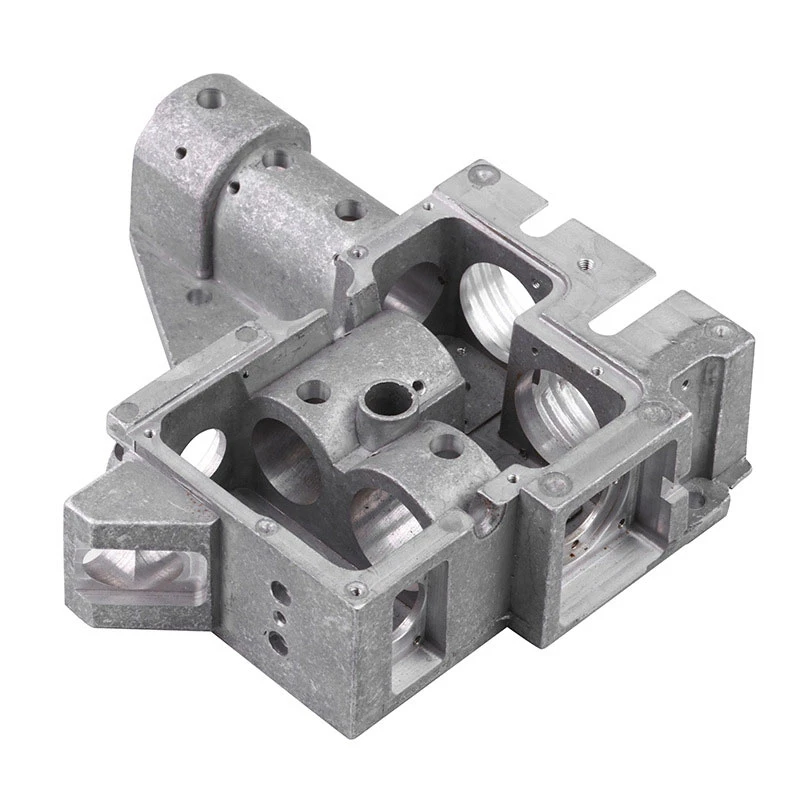
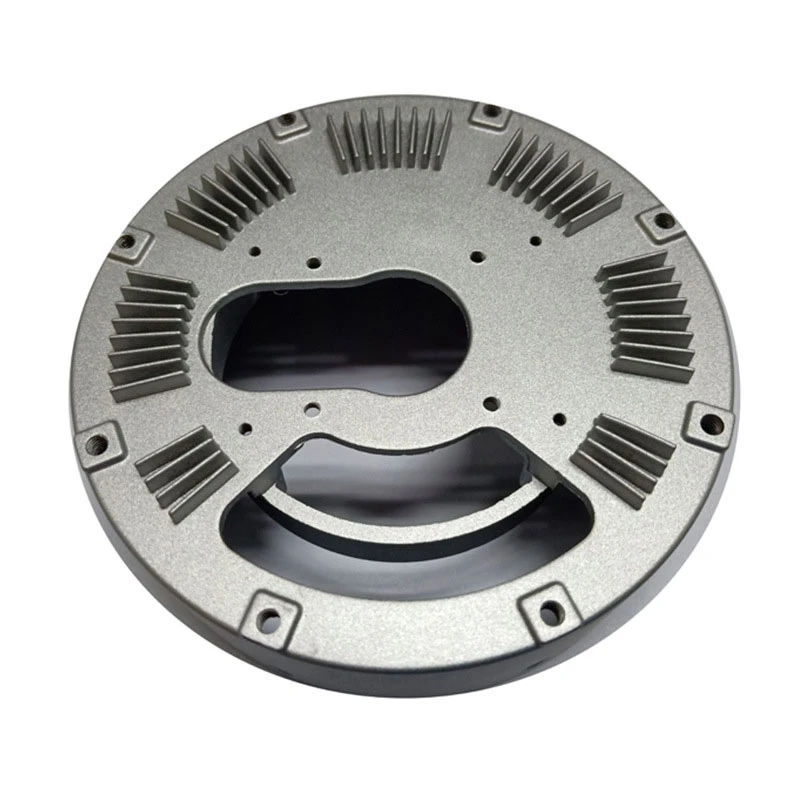
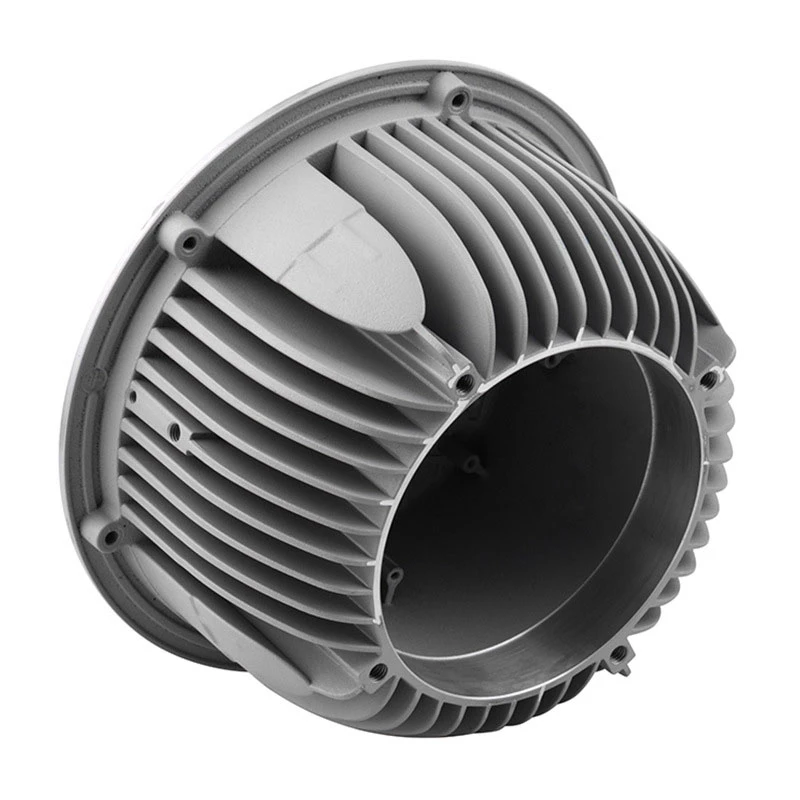
The versatility of aluminium die casting components leads to their widespread use across numerous industries. In the automotive sector, they are found in engine parts, transmission housings, and structural components. The aerospace industry utilizes them for lightweight structural parts and housings. Electronics benefit from their thermal conductivity in heat sinks and housings for sensitive components. Medical devices employ them for their biocompatibility and precision. Consumer products, such as power tools and appliances, also frequently incorporate die-cast aluminium parts.
Choosing the Right Aluminium Alloy for Die Casting
Several aluminium alloys are suitable for die casting, each offering different properties. A380 is the most commonly used alloy, known for its excellent castability and mechanical properties. ADC12 provides higher strength and corrosion resistance. A360 offers superior fluidity, making it suitable for complex geometries. The selection of the appropriate alloy depends on the specific application requirements, including strength, ductility, corrosion resistance, and operating temperature. Consulting with a knowledgeable die casting supplier is crucial for optimal alloy selection.
Sourcing Aluminium Die Casting Components: Key Considerations
When sourcing aluminium die casting components, consider factors beyond just price. Evaluate the supplier’s experience, quality control processes, and engineering expertise. Confirm their capabilities in die design, tooling, and secondary operations like machining and finishing. Clear communication and a robust quality assurance system are essential. Furthermore, consider lead times, shipping costs, and the supplier’s ability to meet your specific volume requirements. A reputable supplier will offer design for manufacturability (DFM) assistance to optimize your parts for the die casting process.
Conclusion: Partnering for Success
Choosing the right partner for your aluminium die casting components needs is a critical decision. A reliable supplier provides not only high-quality parts but also valuable engineering support and efficient project management. By considering the factors outlined in this article, you can ensure a successful outcome and a competitive advantage.
Frequently Asked Questions (FAQs)
What is the typical lead time for aluminium die casting?
Lead times can vary significantly depending on the complexity of the part, the tooling requirements, and the supplier's current workload. Generally, expect a lead time of 4-8 weeks for new tooling and 2-4 weeks for production runs once tooling is complete. It’s crucial to discuss lead time expectations upfront with your supplier and factor them into your project schedule. Factors such as alloy selection and part size can also influence the overall timeline.
What secondary operations can be performed on die cast parts?
Several secondary operations can enhance the functionality and finish of die cast parts. These include machining (CNC milling, drilling, tapping), surface finishing (powder coating, painting, anodizing), deburring, and assembly. Many die casting suppliers offer these services in-house, providing a streamlined and cost-effective solution. The choice of secondary operations depends on the specific application requirements and desired aesthetic.
What are the common defects in aluminium die casting?
Common defects include porosity (gas bubbles), shrinkage, hot tears, and flash (excess material). These defects can be caused by various factors, such as improper temperature control, insufficient venting, or die design flaws. Reputable die casting suppliers employ rigorous quality control measures to minimize these defects and ensure parts meet specified standards. Preventive measures include proper die maintenance, alloy selection, and process optimization.
How can I minimize costs when die casting?
Cost minimization involves several strategies. Optimizing part design for manufacturability (DFM) can reduce tooling costs and cycle times. Selecting the appropriate alloy and streamlining secondary operations can also lower expenses. Working with a supplier who offers competitive pricing and efficient production processes is crucial. Larger production volumes generally lead to lower per-unit costs.
-
Guide to Anodizing Die Cast Aluminum for Industrial ExcellenceNewsApr.16,2026
-
High Quality Precision Aluminum Die Casting Components GuideNewsApr.09,2026
-
Comprehensive Guide to High Quality Aluminium Pressure Die Casting ProductsNewsApr.07,2026
-
Comprehensive Guide to Aluminium Pressure Die Casting Components and SolutionsNewsApr.04,2026
-
Comprehensive Guide to Aluminium HPDC Casting for Global SourcingNewsMar.31,2026
-
Comprehensive Guide to Precision Aluminium Die Castings and Manufacturing SolutionsNewsMar.28,2026