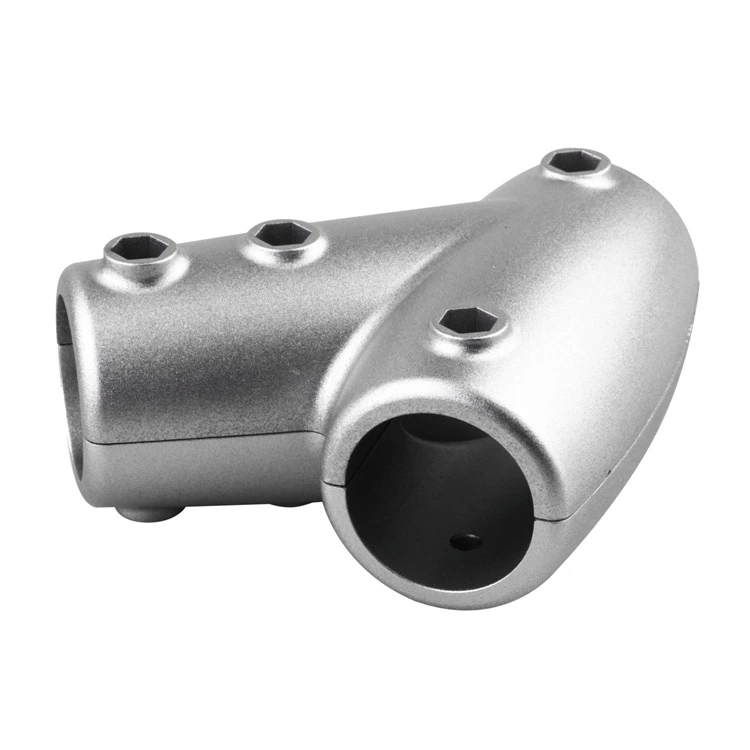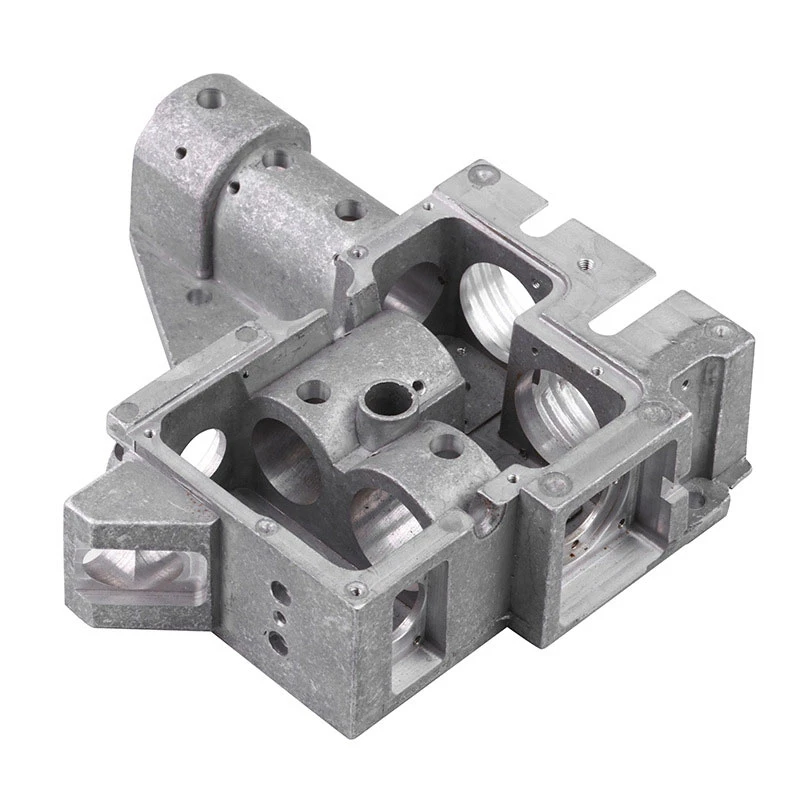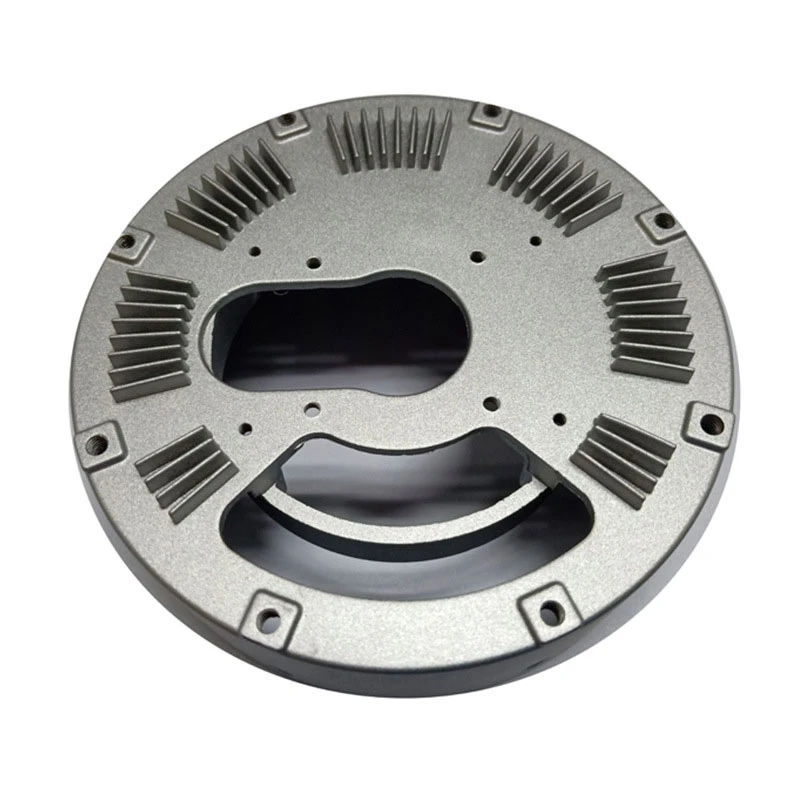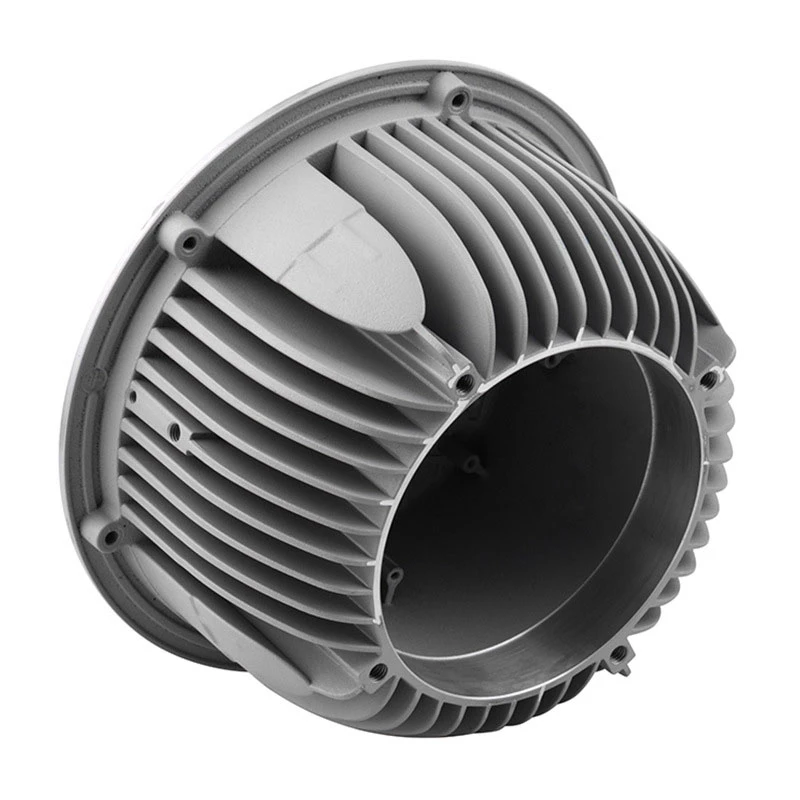



High Quality Precision Aluminum Die Casting Components Guide
The Ultimate Guide to High-Quality Aluminum Die Casting Components
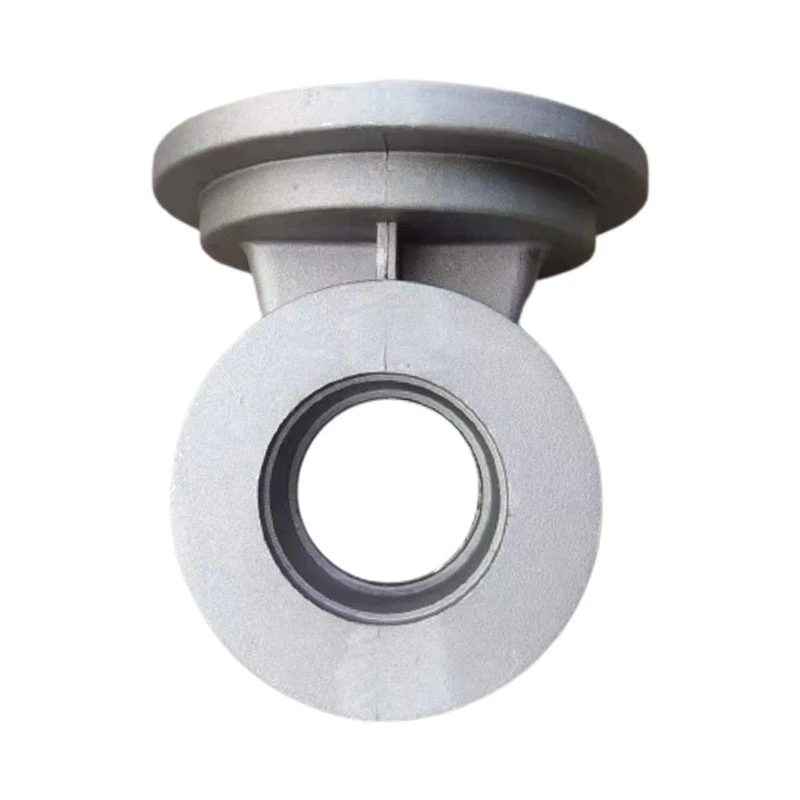
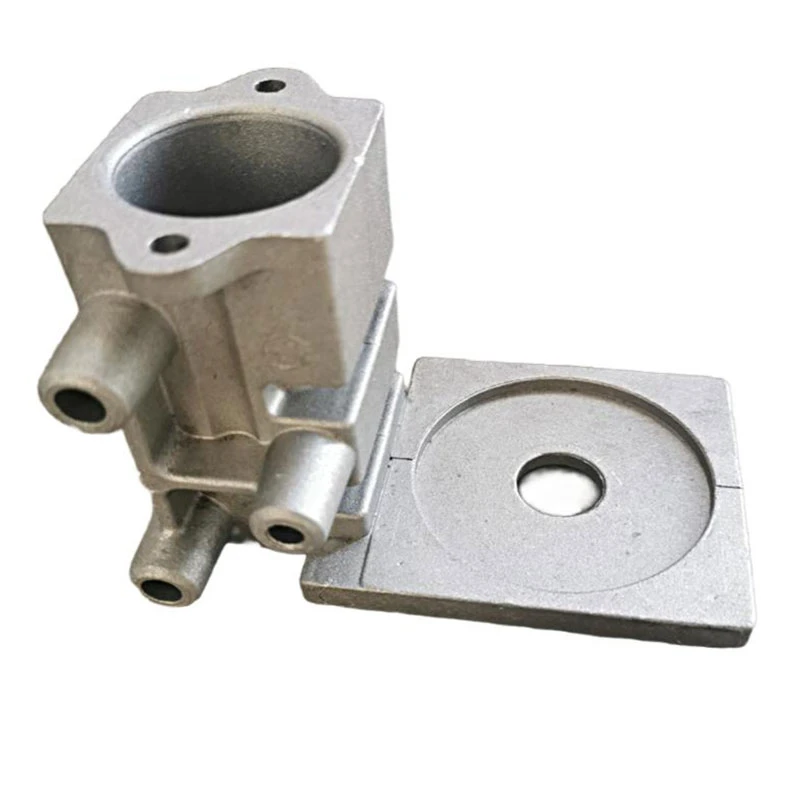
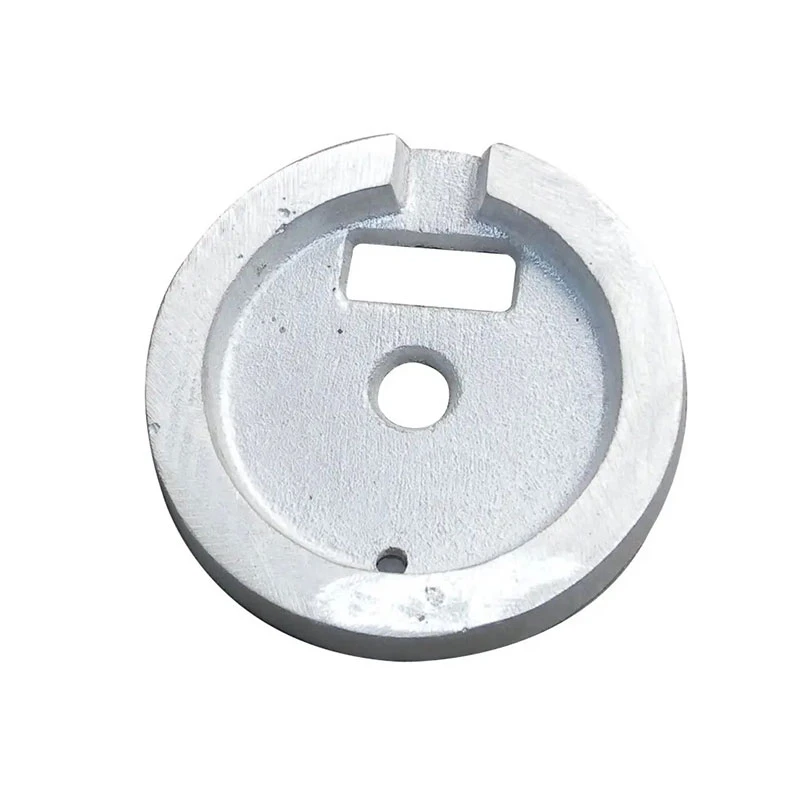
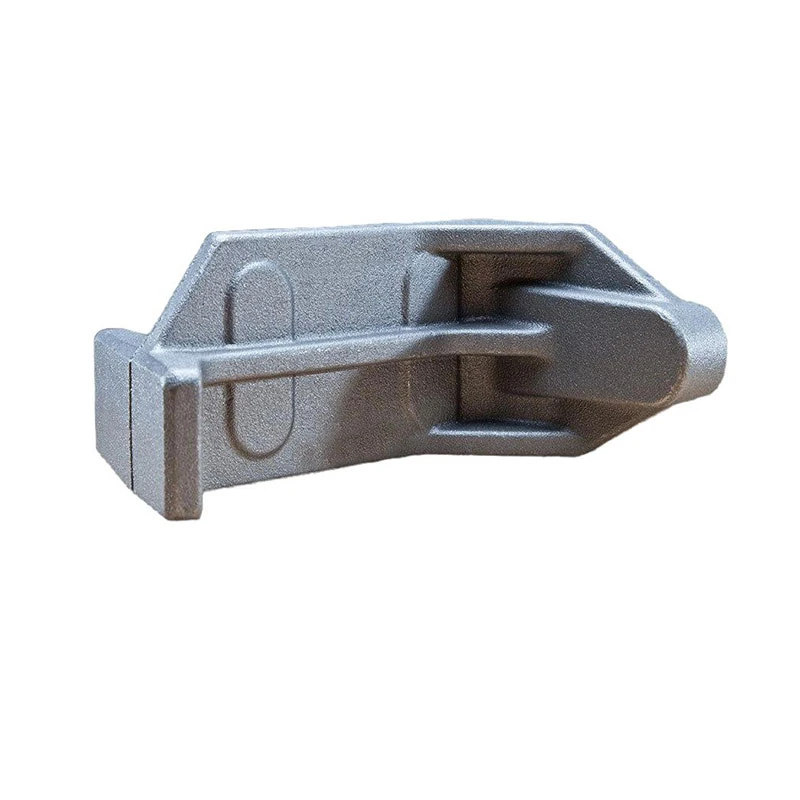
In the modern industrial landscape, the demand for lightweight yet durable materials has never been higher. aluminum die casting components have emerged as the gold standard for manufacturers seeking a perfect balance between strength, weight, and cost-efficiency. From automotive engine parts to complex aerospace housings, these components provide the structural integrity required for high-stress environments while reducing overall assembly weight. This guide will explore the intricate process of die casting, the advantages of choosing aluminum, and how to select the right sourcing partner for your precision engineering needs.
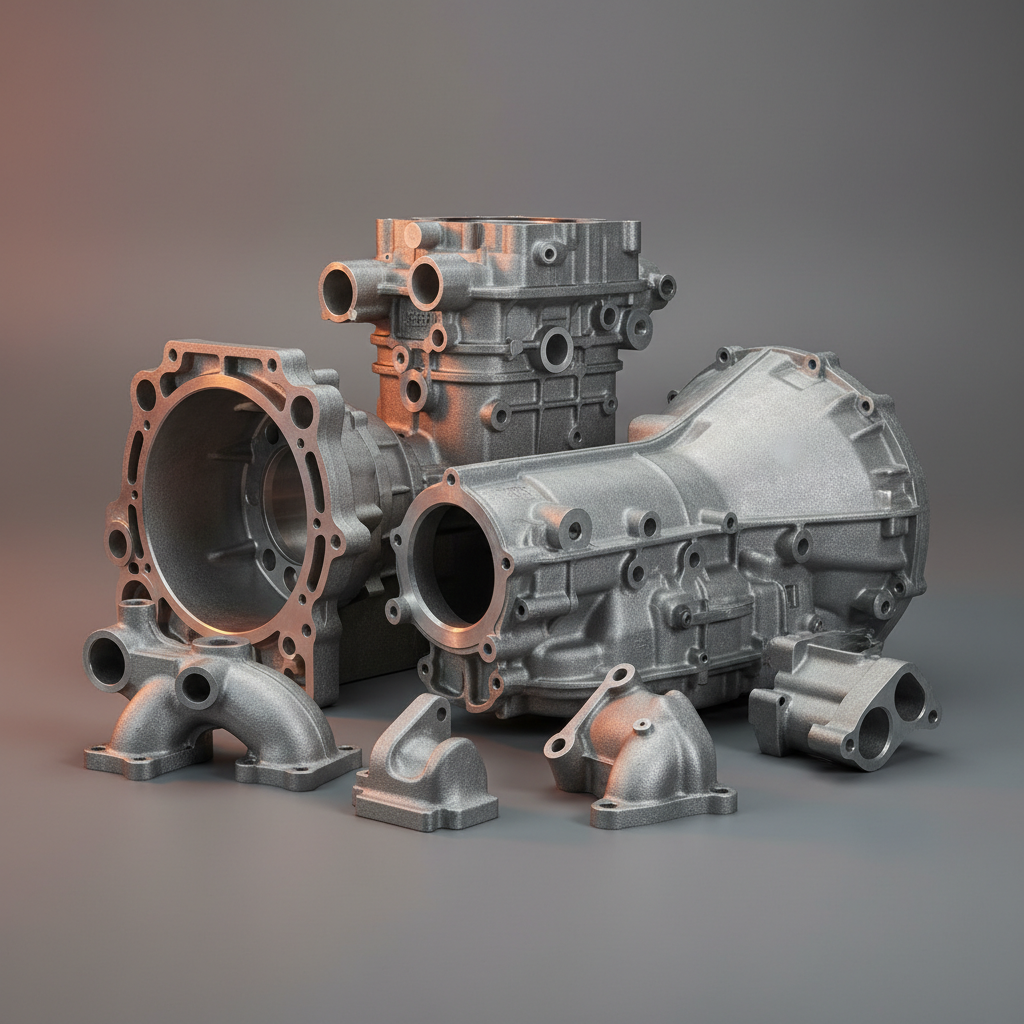
Why Choose Aluminum Die Casting Components for Your Project?
Aluminum is favored in die casting due to its exceptional thermal conductivity and corrosion resistance. Unlike steel, aluminum forms a natural oxide layer that protects the metal from environmental degradation, making it ideal for outdoor or marine applications. Furthermore, the ability to produce complex geometries with tight tolerances reduces the need for secondary machining, which significantly lowers production costs. When you integrate aluminum die casting components into your design, you are choosing a material that supports both high-volume production and long-term durability.
Core Advantages: High strength-to-weight ratio, excellent machinability, superior heat dissipation, and 100% recyclability, supporting sustainable manufacturing goals.
Precision Engineering of Aluminum Die Casting Components
Achieving precision in die casting requires a combination of advanced mold design and strict process control. The process involves forcing molten aluminum under high pressure into a steel mold (die), ensuring that every detail of the part—down to the thinnest wall—is perfectly filled. For those utilizing aluminum die casting components, the focus is often on minimizing porosity and preventing shrinkage. By optimizing the gating system and cooling cycles, manufacturers can ensure that the final product is free from internal defects and meets rigorous industrial standards.
Comparing Aluminum Die Casting vs. Sand Casting
When deciding on a manufacturing method, it is essential to understand the trade-offs between different casting techniques. While sand casting is suitable for extremely large parts or low-volume prototypes, die casting is the superior choice for mass production of aluminum die casting components due to its speed and consistency. The following table illustrates the key differences in performance and cost.
Key Applications for Aluminum Die Casting Components
The versatility of aluminum makes it suitable for a vast array of sectors. In the automotive industry, it is used for transmission cases, cylinder heads, and wheel rims to improve fuel efficiency by reducing vehicle weight. In the electronics sector, aluminum is indispensable for heat sinks and chassis components due to its thermal properties. When sourcing aluminum die casting components, clients often look for parts that can withstand extreme temperatures without warping, ensuring the safety and longevity of the end product.
Industry Use-Cases:
• Aerospace: Lightweight structural brackets and housings
• Telecommunications: Durable enclosures for 5G equipment
• Medical Devices: Precision casings for diagnostic equipment
• Consumer Goods: High-end appliance frames and laptop shells
Technical Specifications for Quality Control
To ensure the reliability of aluminum die casting components, rigorous technical standards must be followed. Quality control typically involves X-ray inspection to detect internal voids and coordinate measuring machines (CMM) to verify dimensional accuracy. Below are the common specifications used to evaluate high-grade aluminum castings.
Conclusion: Optimizing Your Supply Chain with Aluminum Casting
Choosing high-quality aluminum die casting components is a strategic decision that impacts the performance, cost, and sustainability of your final product. By leveraging the benefits of lightweight materials and precision manufacturing, companies can stay competitive in a demanding global market. Whether you are in the automotive, electronics, or aerospace sector, partnering with an experienced sourcing expert ensures that your components meet the highest standards of quality and efficiency. Invest in precision; invest in the future of your product line.
Frequently Asked Questions (FAQs)
What are the most common alloys used for aluminum die casting components?
The most widely used alloys include A380, ADC12, and AlSi10Mg. A380 is highly popular due to its excellent castability and strength, making it a go-to for general industrial parts. ADC12 is frequently used in the Asian market for its high fluidity and precision. Each alloy offers different properties regarding tensile strength, corrosion resistance, and thermal conductivity. Choosing the right alloy depends on the specific environmental stressors and mechanical requirements of your project. Our experts at Hairun Sourcing can help you select the optimal material for your specific application.
How do you ensure the quality of die-cast aluminum parts?
Quality assurance for aluminum die casting components involves a multi-step verification process. First, we perform raw material spectrometry to ensure the alloy composition is correct. During production, we monitor pressure and temperature in real-time. Post-production, we use X-ray imaging to check for internal porosity or cracks and employ Coordinate Measuring Machines (CMM) to ensure the parts adhere to the technical drawings. This rigorous approach minimizes reject rates and ensures that every part delivered to the client is functionally perfect.
Can aluminum die casting components be surface treated?
Yes, one of the biggest advantages of aluminum is its compatibility with various surface treatments. Powder coating and painting are common for aesthetic purposes and additional protection. Anodizing is highly recommended for components that require extreme wear resistance or a specific metallic finish, as it hardens the surface and improves corrosion resistance. Additionally, chemical filming or chromating can be used to prepare the surface for subsequent painting. These treatments allow the components to thrive in harsh chemical or weather environments while maintaining a professional appearance.
What is the typical lead time for producing custom die-cast parts?
The lead time consists of two main phases: tooling and production. Tooling (the creation of the steel die) typically takes 3 to 6 weeks depending on the complexity of the geometry. Once the mold is validated and the first samples are approved, the production phase is incredibly fast, with thousands of parts being produced in a matter of days. For those looking to optimize their timeline, working with a professional sourcing partner can expedite the design phase and ensure that the mold is created correctly the first time, avoiding costly and time-consuming revisions.
-
Guide to Anodizing Die Cast Aluminum for Industrial ExcellenceNewsApr.16,2026
-
Comprehensive Guide to High Quality Aluminium Pressure Die Casting ProductsNewsApr.07,2026
-
Comprehensive Guide to Aluminium Pressure Die Casting Components and SolutionsNewsApr.04,2026
-
Comprehensive Guide to Aluminium HPDC Casting for Global SourcingNewsMar.31,2026
-
Comprehensive Guide to Precision Aluminium Die Castings and Manufacturing SolutionsNewsMar.28,2026