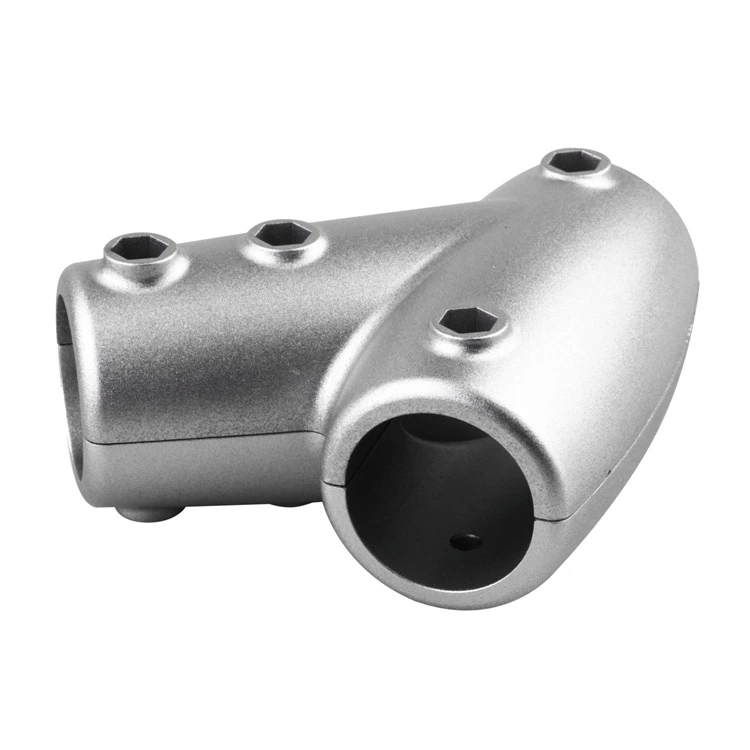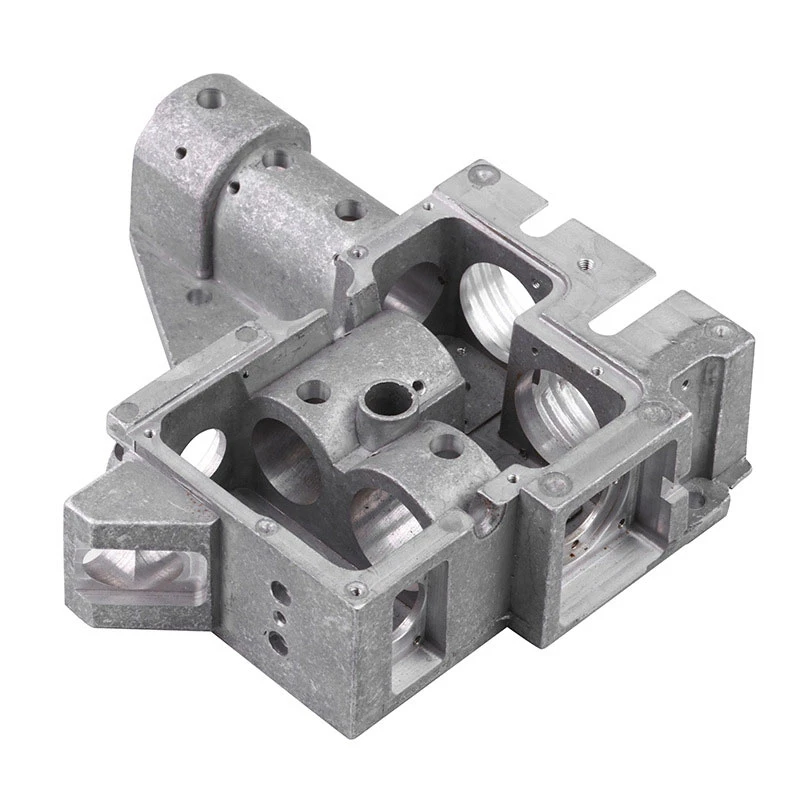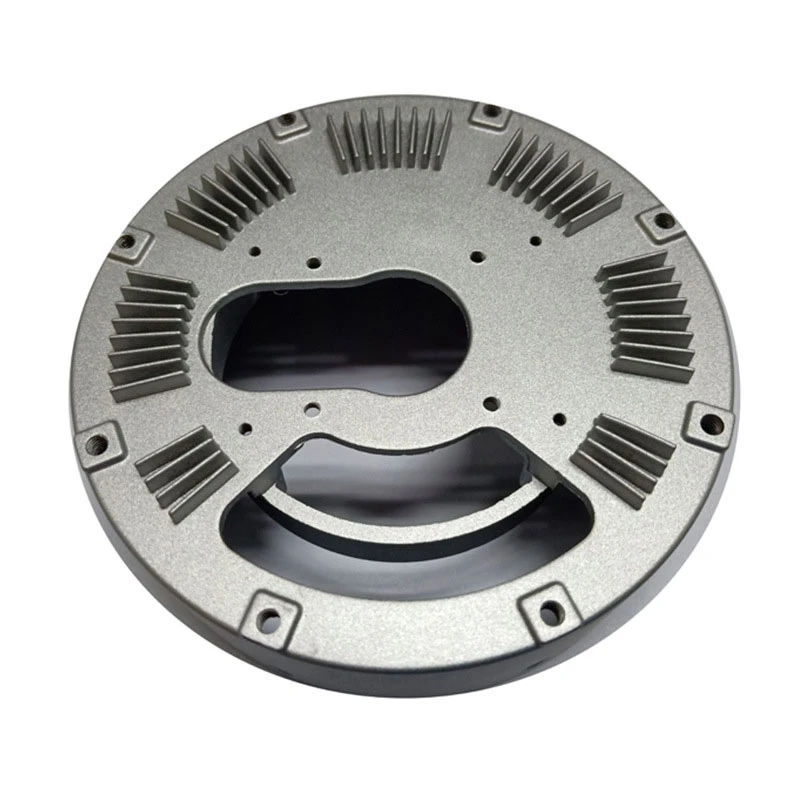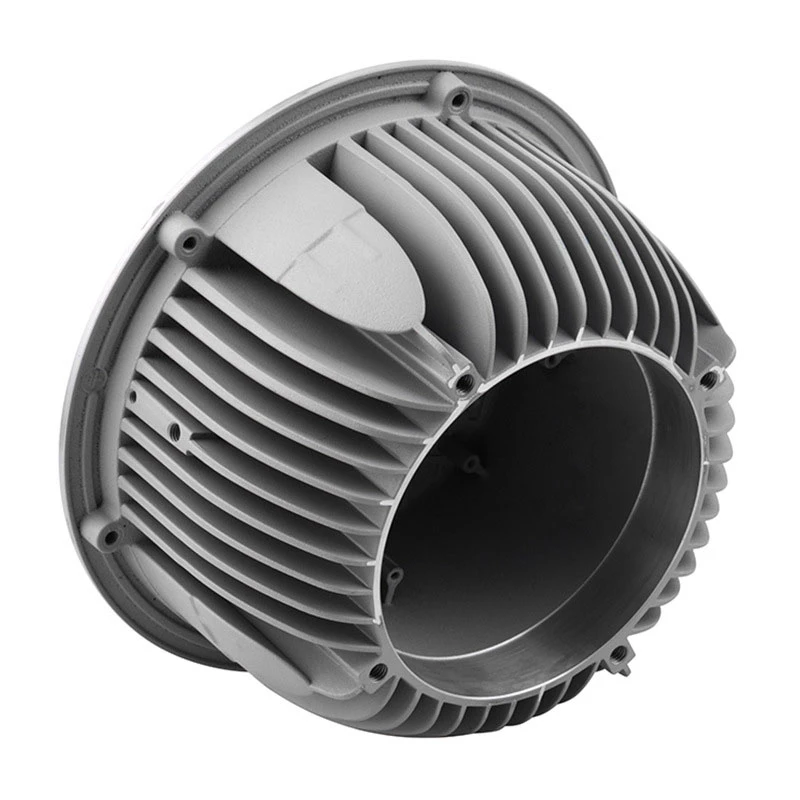



Comprehensive Guide to High Quality Aluminium Die Cast Products and Solutions
Aluminium Die Cast Products: A Comprehensive Guide
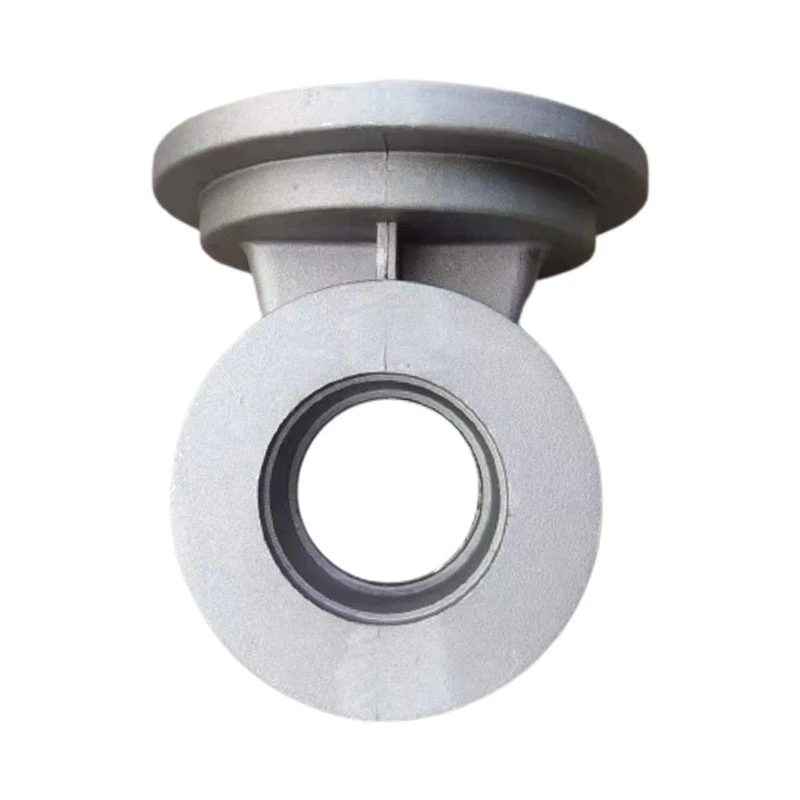
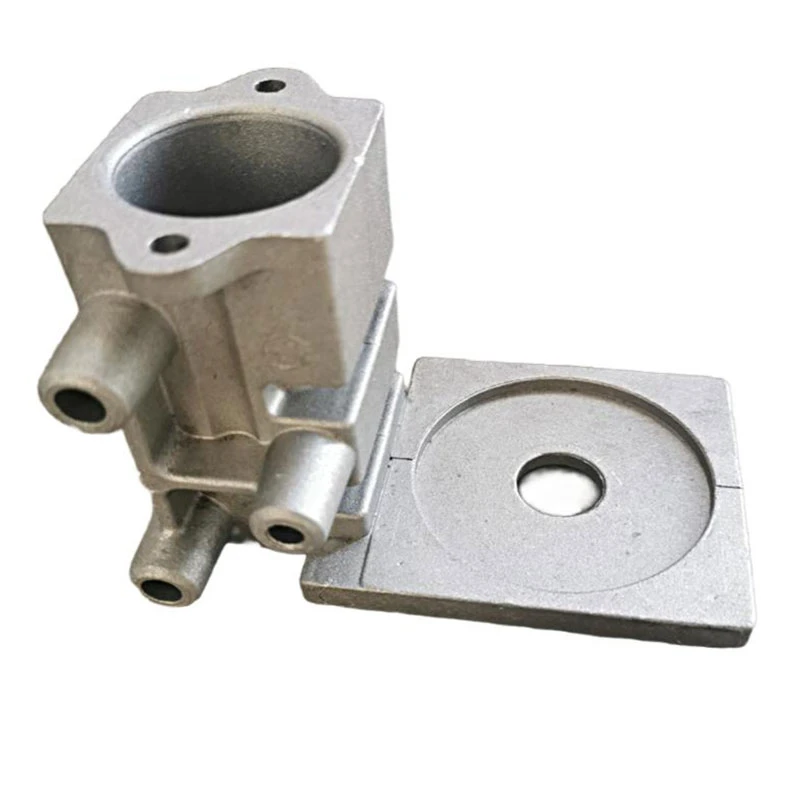
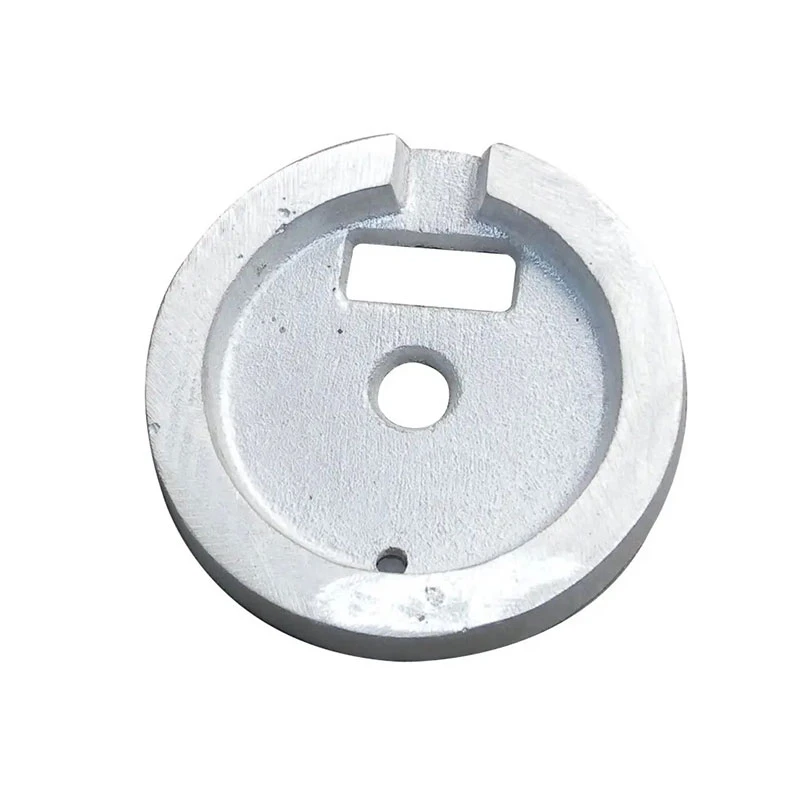
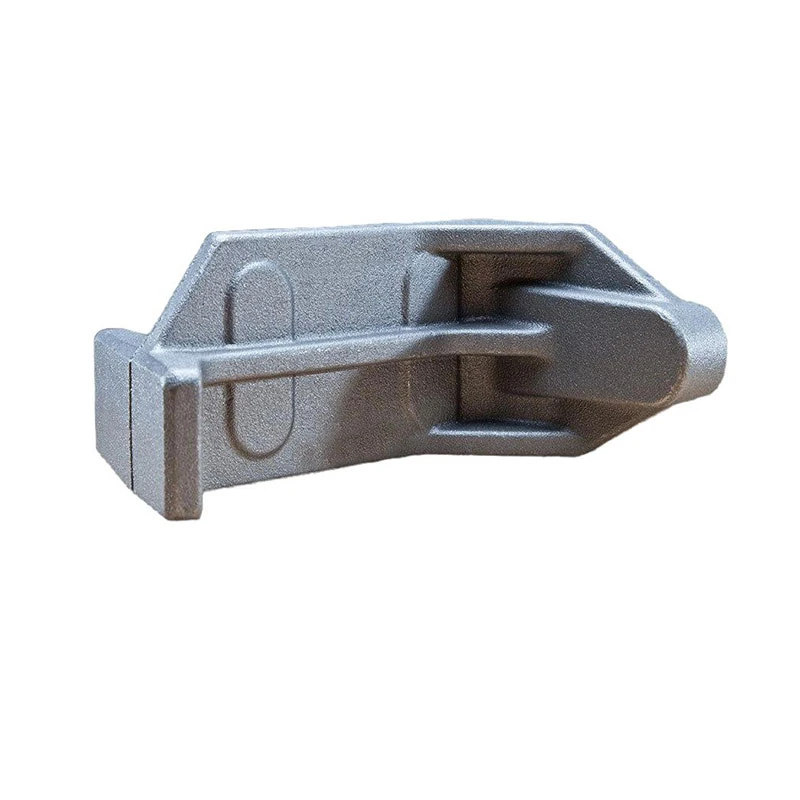
Aluminium die cast products are integral to a vast array of industries, valued for their strength, lightweight properties, and cost-effectiveness. From automotive components to electronic housings, these products offer exceptional performance and design flexibility. This article provides an in-depth exploration of aluminium die casting, its advantages, applications, and how Hairunsourcing can be your trusted partner for high-quality die casting solutions. Understanding the intricacies of this process is crucial for engineers, designers, and procurement professionals seeking optimal material choices.
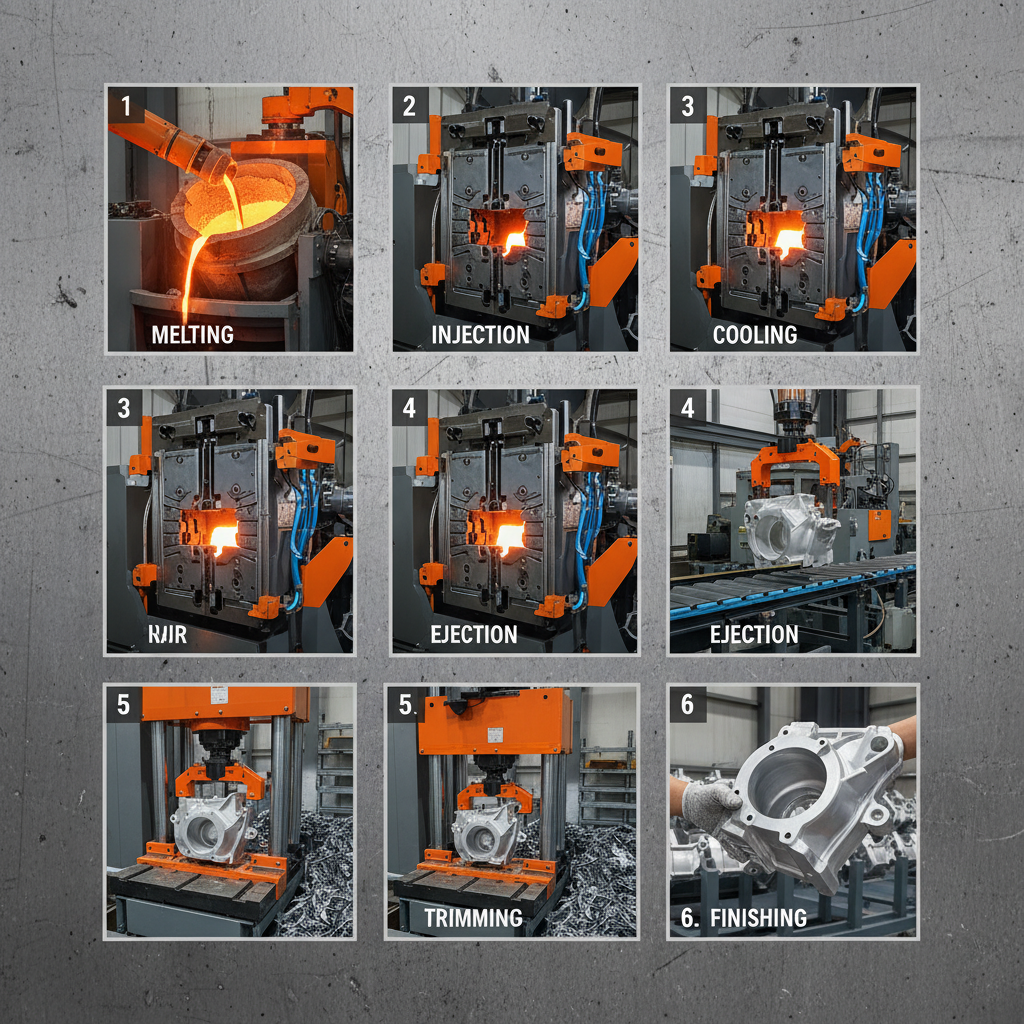
What is Aluminium Die Casting?
Aluminium die casting is a metal casting process where molten aluminium is forced into a mould cavity under high pressure. This process results in parts with precise dimensions, smooth surfaces, and excellent mechanical properties. There are two primary types of die casting: hot chamber and cold chamber. Hot chamber is primarily used for alloys with low melting points (like zinc and magnesium), while cold chamber is preferred for aluminium due to its higher melting point. The speed and precision of die casting make it ideal for high-volume production runs, delivering consistent quality and reduced waste.
Advantages of Using Aluminium Die Cast Products
Aluminium die cast products offer a multitude of benefits. Firstly, aluminium's lightweight nature contributes to reduced overall product weight, critical in applications like automotive and aerospace. Secondly, it boasts excellent thermal conductivity, making it suitable for heat sinks and components requiring efficient heat dissipation. Its corrosion resistance also provides durability in harsh environments. Furthermore, aluminium is highly recyclable, supporting sustainable manufacturing practices. Finally, the die casting process itself allows for complex geometries and intricate designs.
Key Highlights: Lightweight, excellent thermal conductivity, corrosion resistance, high recyclability, and suitability for complex designs.
Applications of Aluminium Die Casting
The versatility of aluminium die cast products translates to a wide range of applications. In the automotive industry, they're used for engine components, transmission cases, and structural parts. The electronics sector utilizes them for housings, connectors, and heat sinks. Aerospace benefits from lightweight and strong components. Furthermore, medical devices, power tools, and consumer goods all commonly employ die-cast aluminium parts. The demand for these products continues to grow as industries prioritize performance, efficiency, and cost-effectiveness.
Key Application Areas:
• Automotive: Engine Blocks, Transmission Housings
• Electronics: Heat Sinks, Enclosures
• Aerospace: Structural Components
• Medical: Instrument Housings
Aluminium Die Casting vs. Other Manufacturing Processes
Compared to other manufacturing methods, aluminium die casting offers unique advantages. For instance, compared to sand casting, it provides tighter tolerances and a smoother surface finish. Machining, while capable of precision, can be more time-consuming and generate more material waste. Plastic injection molding can be cost-effective for high volumes, but doesn't match aluminium's strength and durability. The choice depends on the specific application requirements and production volume. Hairunsourcing can help you evaluate these options and select the optimal process for your needs.
Hairunsourcing: Your Partner for Quality Aluminium Die Cast Products
At Hairunsourcing, we specialize in providing high-quality aluminium die cast products tailored to your specific requirements. We offer a full suite of services, including design assistance, tooling, casting, and finishing. Our commitment to quality, competitive pricing, and on-time delivery makes us a trusted partner for businesses worldwide. We leverage advanced manufacturing technologies and a rigorous quality control system to ensure consistent performance and customer satisfaction.
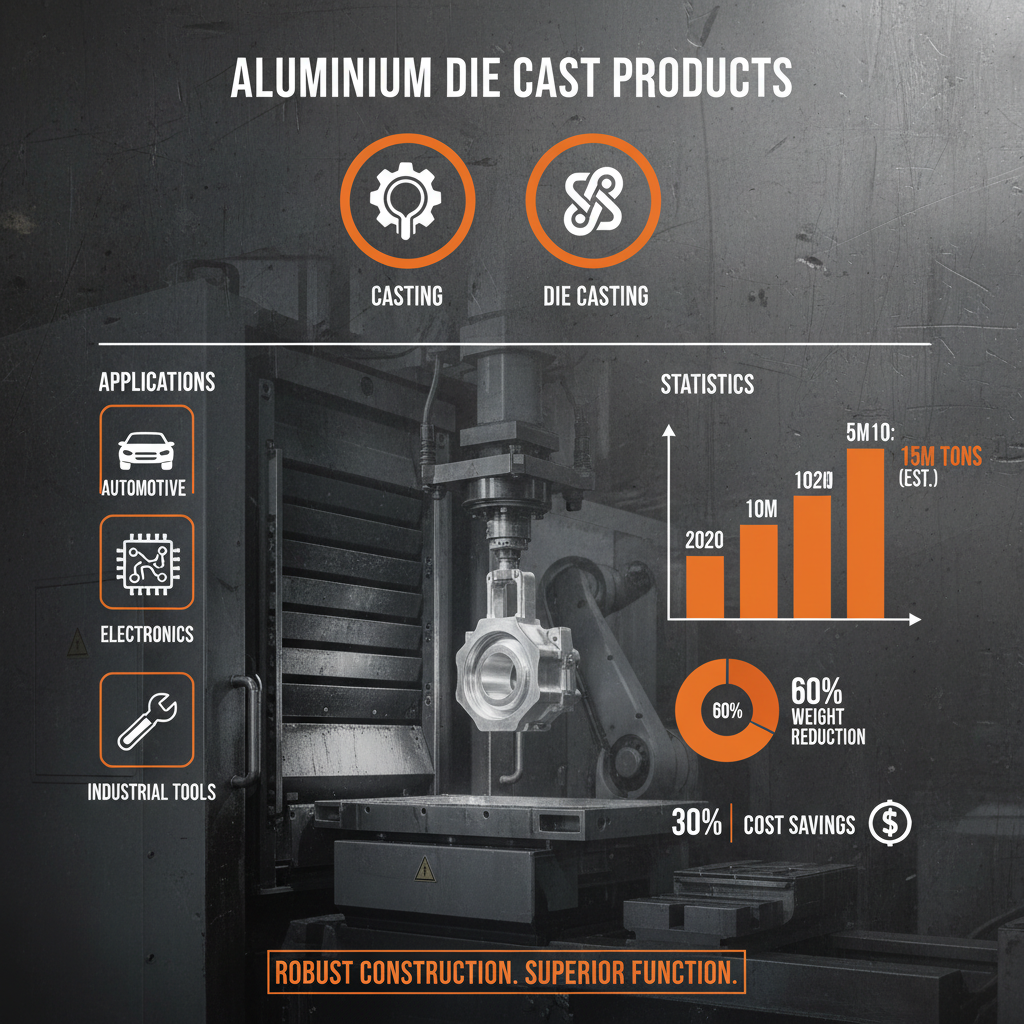
Conclusion: Choosing the Right Aluminium Die Casting Partner
Aluminium die cast products are essential components in a vast range of industries. Choosing the right manufacturing partner is critical to success. Hairunsourcing provides the expertise, quality, and reliability you need to achieve your manufacturing goals. Contact us today to discuss your project and discover how we can help you optimize your supply chain.
Frequently Asked Questions (FAQs)
What are the common aluminium alloys used in die casting?
Several aluminium alloys are commonly used in die casting, each with unique properties. A380 is the most popular due to its excellent castability, strength, and corrosion resistance. A360 offers improved corrosion resistance and weldability, making it suitable for marine applications. ADC12 (YSZ12) provides high strength and wear resistance. The choice of alloy depends on the specific application requirements, such as strength, corrosion resistance, and thermal conductivity. Hairunsourcing can advise you on the best alloy for your needs.
What is the typical lead time for a die casting project?
The lead time for a die casting project varies depending on the complexity of the part, the tooling requirements, and the production volume. Generally, it takes 4-8 weeks for tooling fabrication. Once the tooling is complete, production can typically begin within 2-4 weeks. Factors like surface finishing and packaging can add to the lead time. We strive to provide accurate lead time estimates and expedite production whenever possible.
What surface finishing options are available for aluminium die castings?
A variety of surface finishing options are available to enhance the appearance and performance of aluminium die castings. These include powder coating, painting, anodizing, plating, and machining. Powder coating provides a durable and corrosion-resistant finish. Anodizing improves corrosion resistance and wear resistance. Machining is used to achieve precise dimensions and surface finishes. The best finishing option depends on the specific application and aesthetic requirements.
-
High Quality Precision Aluminum Die Casting Components GuideNewsApr.09,2026
-
Comprehensive Guide to High Quality Aluminium Pressure Die Casting ProductsNewsApr.07,2026
-
Comprehensive Guide to Aluminium Pressure Die Casting Components and SolutionsNewsApr.04,2026
-
Comprehensive Guide to Aluminium HPDC Casting for Global SourcingNewsMar.31,2026
-
Comprehensive Guide to Precision Aluminium Die Castings and Manufacturing SolutionsNewsMar.28,2026
-
Comprehensive Guide to Aluminium Die Casting Components and Their ApplicationsNewsMar.26,2026