



Green sand casting is one of the oldest and most widely used casting processes in the metalworking industry. The term “green” refers not to the color, but to the fact that the sand mold is used in a wet or “uncured” state. A typical green sand mixture consists of silica sand, clay (as a binder), water, and sometimes additional additives to improve strength or surface finish.
This process is popular because it is cost-effective, versatile, and suitable for both ferrous and non-ferrous metals. Manufacturers can use green sand molds to cast components in materials such as aluminum, gray iron, ductile iron, bronze, and steel. The mold is formed by compacting the sand mixture around a pattern, which creates a cavity for pouring molten metal. After cooling and solidification, the sand mold is broken away, leaving behind the finished casting.
Green sand casting is ideal for both low-volume prototyping and high-volume production. It accommodates a wide range of sizes, from small components to very large industrial parts weighing several tons. The process allows for good dimensional accuracy, although finishing or machining may be required for critical surfaces.
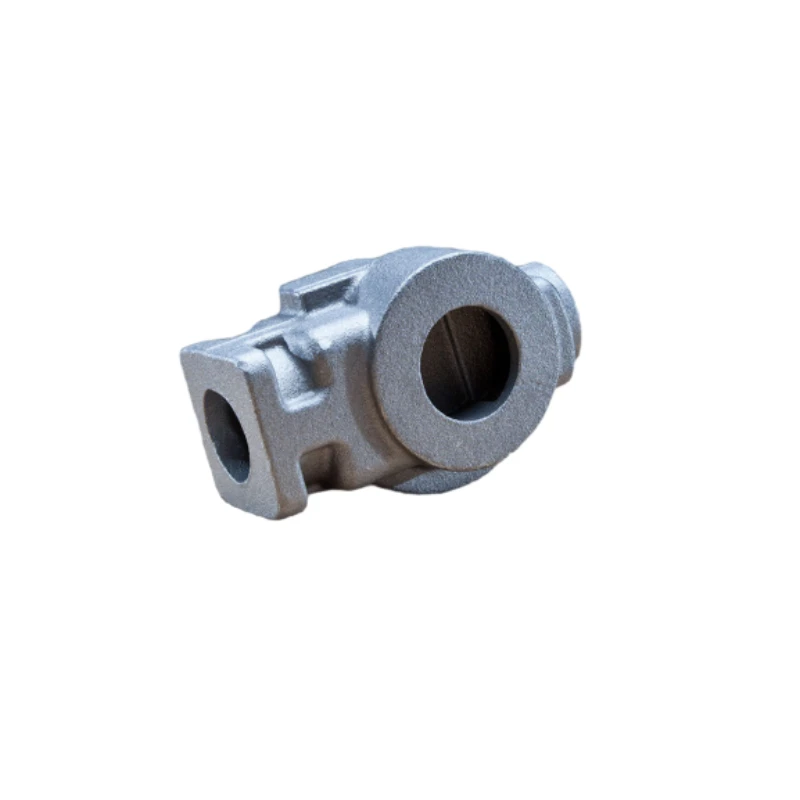
Industries such as automotive, construction, agriculture, and machinery rely heavily on green sand casting for parts like engine blocks, housings, pulleys, and pump bodies. Overall, its low tooling cost, recyclability of sand, and adaptability to different metals make it one of the most practical casting methods available.
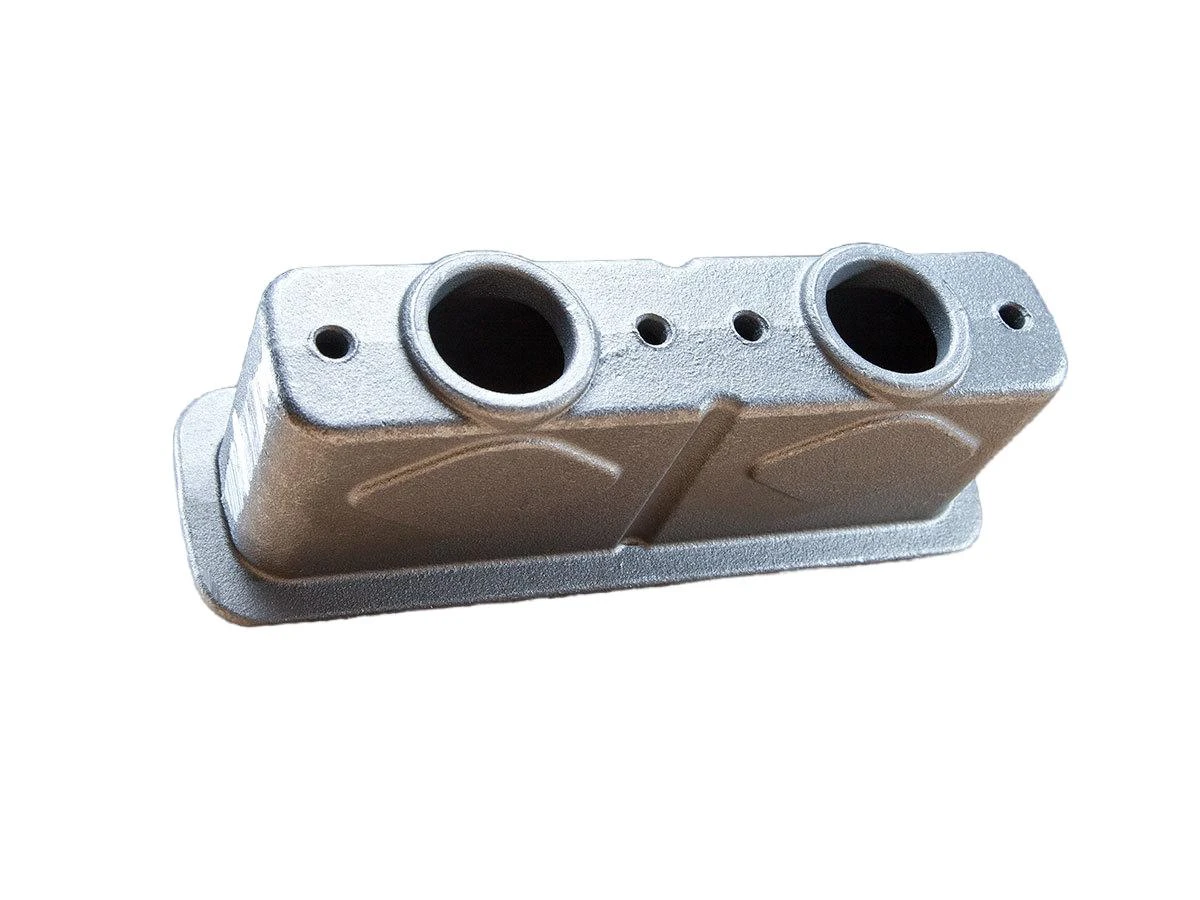
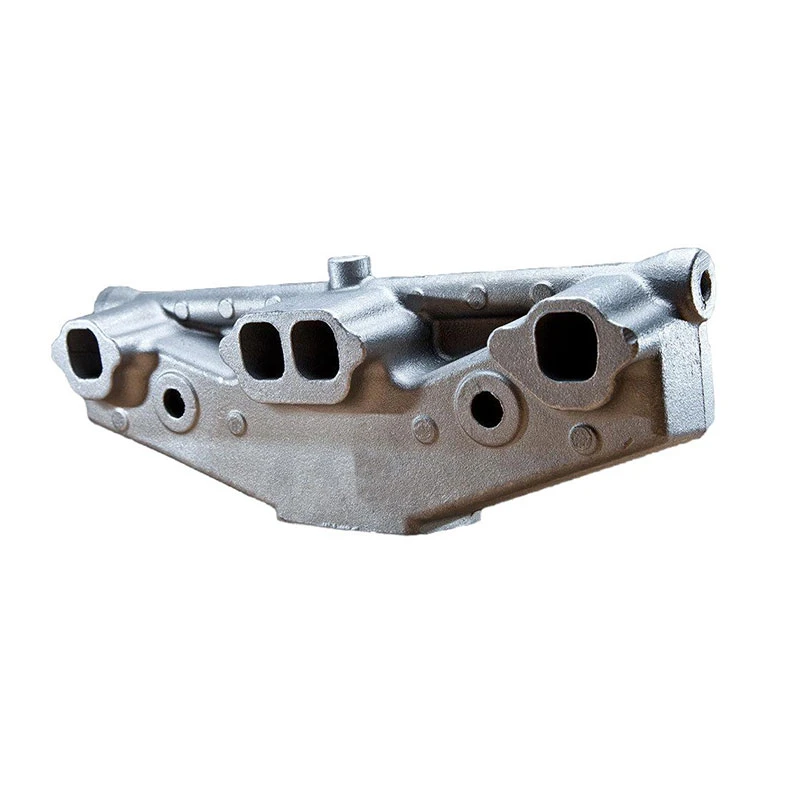
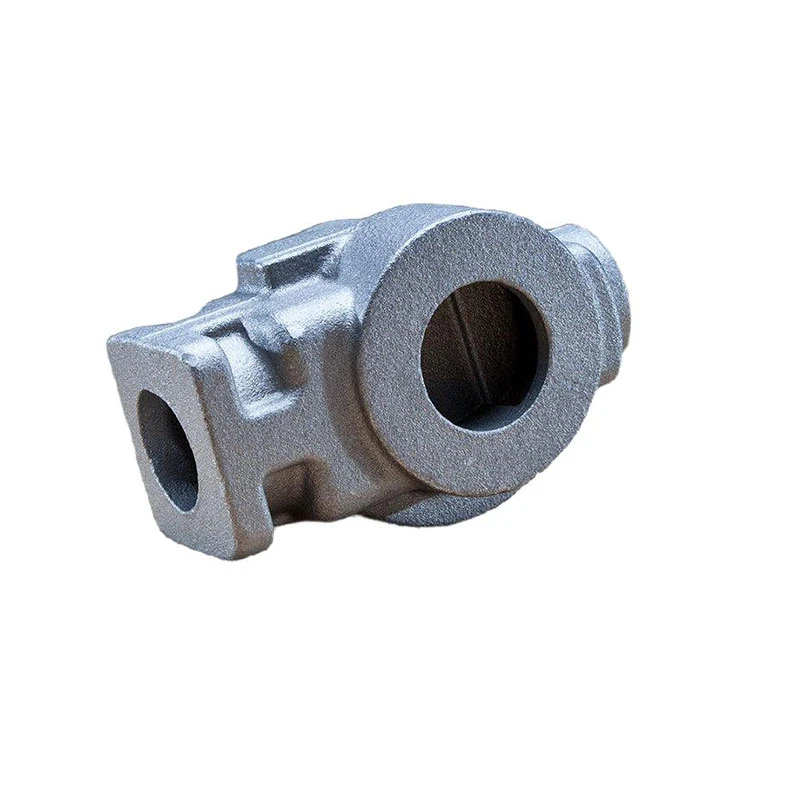
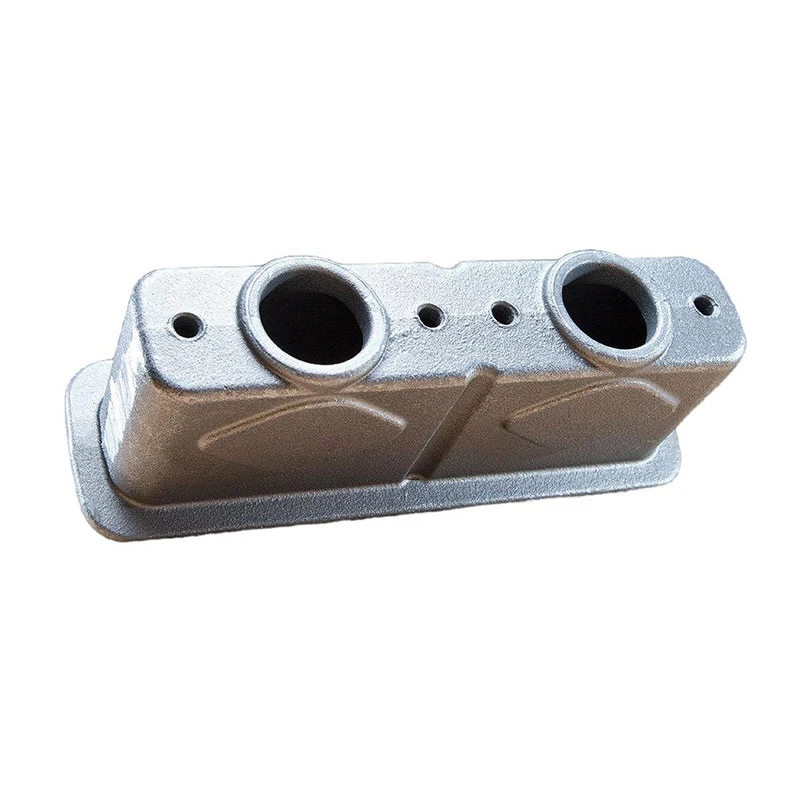
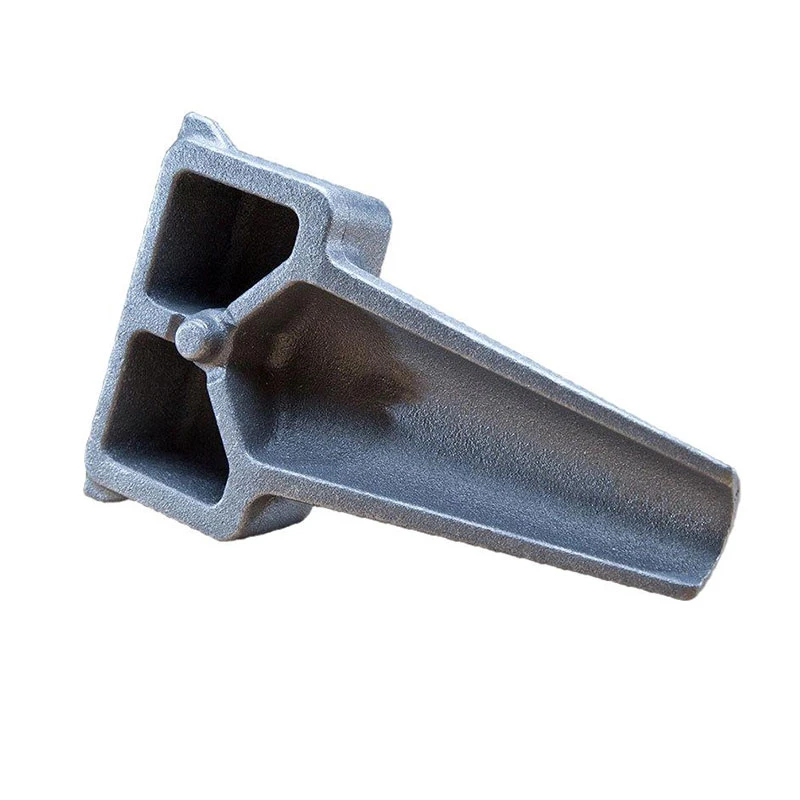
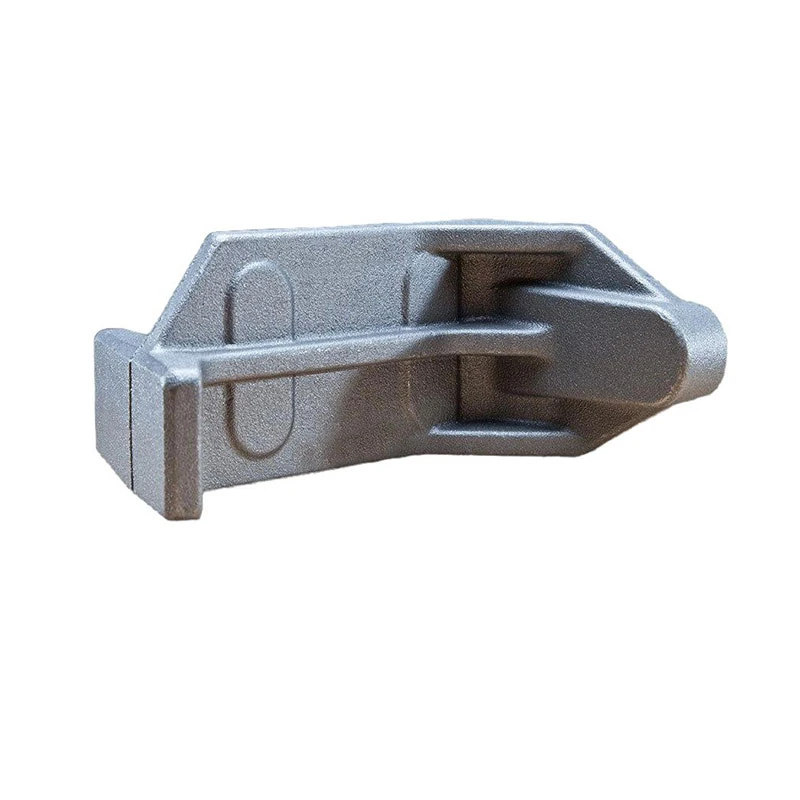
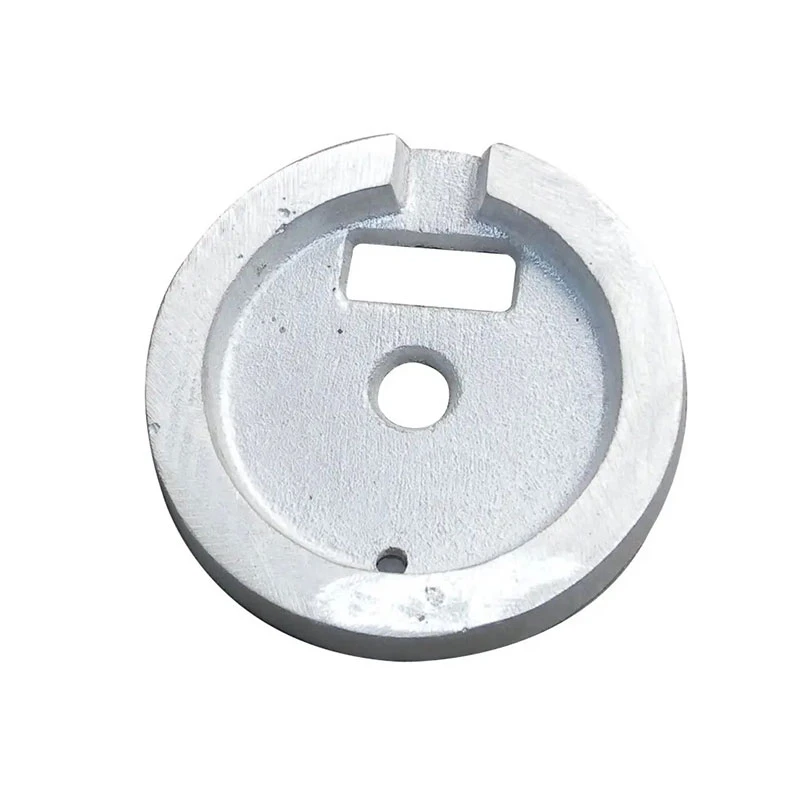
What Are The Different Types Of Casting Sand Used In Metal Foundries?
Casting sand plays a critical role in sand casting, and several types of sand are used depending on the application, metal type, and desired surface finish.
The most common type is silica sand, valued for its high melting point and availability. However, depending on the requirements, foundries may also use:
-
Green sand: A mixture of silica sand, clay, and water, known for low cost and ease of reuse.
-
Resin-coated sand: Provides a smoother surface finish and better dimensional accuracy.
-
Chromite sand: With high thermal conductivity and refractoriness, ideal for high-temperature alloys.
-
Zircon sand: Resistant to metal penetration and provides superior surface finish, often used for stainless steel castings.
-
Olivine sand: An environmentally friendlier alternative to silica, with lower expansion properties.
Each sand type affects the quality of the final casting. For example, green sand is excellent for general-purpose castings, while resin-coated or zircon sand is chosen when finer detail and smoother finishes are required.
Selecting the right casting sand also depends on the molten metal being used. For example, aluminum sand casting requires different sand properties than iron casting, since aluminum solidifies quickly and demands higher permeability in the mold.
Ultimately, the choice of casting sand impacts surface quality, mold strength, cooling rate, and production cost, making it one of the most important decisions in the sand casting process.
Why Is Sand Casting Aluminum So Widely Used In Manufacturing?
Aluminum sand casting is one of the most widely adopted casting methods because it combines the versatility of sand molds with the beneficial properties of aluminum. Aluminum is lightweight, corrosion-resistant, has excellent thermal conductivity, and is relatively easy to cast compared to steel or iron.
The process begins with creating a sand mold using a pattern of the desired part. Molten aluminum is then poured into the cavity. Once it solidifies, the sand mold is broken away to reveal the casting. Sand casting aluminum is cost-effective and suitable for both small production runs and large-scale manufacturing.
This method is popular in industries such as automotive, aerospace, electrical, and construction. For example, engine components, housings, brackets, and heat exchangers are often made through aluminum sand casting. Its lightweight nature helps improve fuel efficiency in vehicles and reduces energy consumption in aerospace applications.
Another advantage is design flexibility. Complex shapes, internal cavities, and varying wall thicknesses can be achieved relatively easily with sand casting. Aluminum’s lower melting temperature compared to steel also means shorter cycle times and less wear on foundry equipment.
Overall, aluminum sand casting offers manufacturers an affordable, flexible, and efficient way to produce strong, durable, and lightweight parts that meet the needs of modern industries.
What Are The Advantages Of Using Metal Casting Sand In Foundries?
Metal casting sand, whether green, resin-coated, or specialty types, provides several advantages that make sand casting one of the most important manufacturing processes worldwide.
First, sand is abundant, inexpensive, and reusable. Foundries can recycle sand multiple times, reducing overall material costs. This makes sand casting one of the most cost-efficient methods for producing metal parts.
Second, sand molds are extremely versatile. They can accommodate almost any metal, including aluminum, steel, iron, and bronze, as well as parts ranging from small precision components to massive industrial castings. The flexibility of sand molds allows for both low-volume custom production and high-volume mass manufacturing.
Third, sand casting provides design freedom. Intricate geometries, hollow cavities, and varying thicknesses can be achieved using cores and molds. This design flexibility is crucial in industries such as automotive, construction machinery, and aerospace.
Another major benefit is scalability. Whether a company needs a single prototype or thousands of castings, sand molds can be created quickly and economically. The low tooling cost compared to permanent mold casting or die casting makes it especially suitable for custom parts and large components.
Finally, sand casting allows for the use of a wide range of sand types—silica, chromite, zircon, and olivine—depending on the desired mechanical and surface properties. This ensures manufacturers can achieve the right balance of strength, accuracy, and finish.
In short, metal casting sand is essential because it enables foundries to deliver affordable, customizable, and high-performance castings for a broad spectrum of applications.