


Comprehensive Guide to High Pressure Aluminum Die Casting Technology
High Pressure Aluminum Die Casting: A Comprehensive Guide
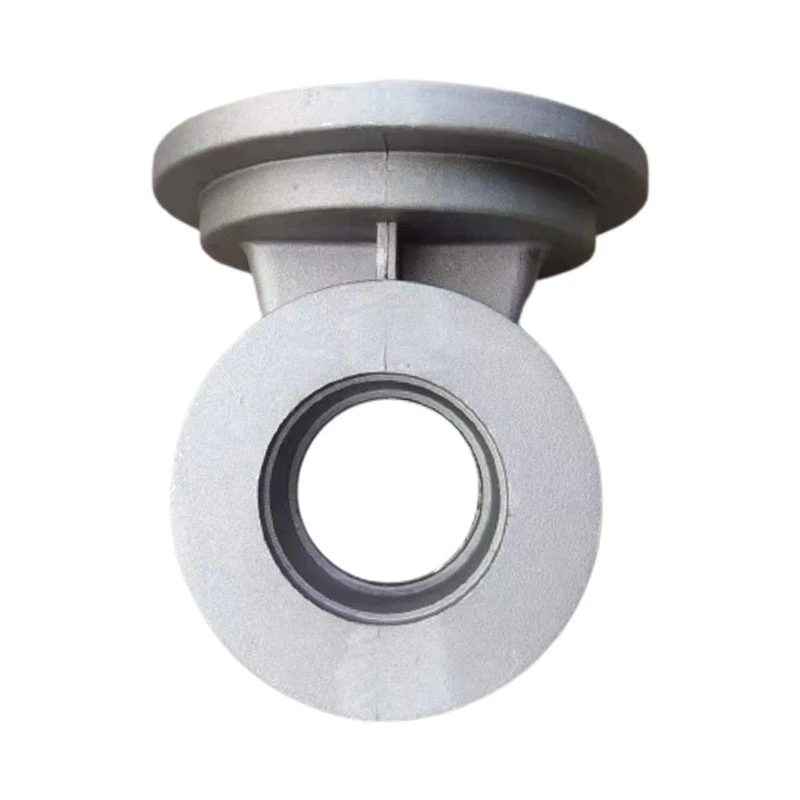
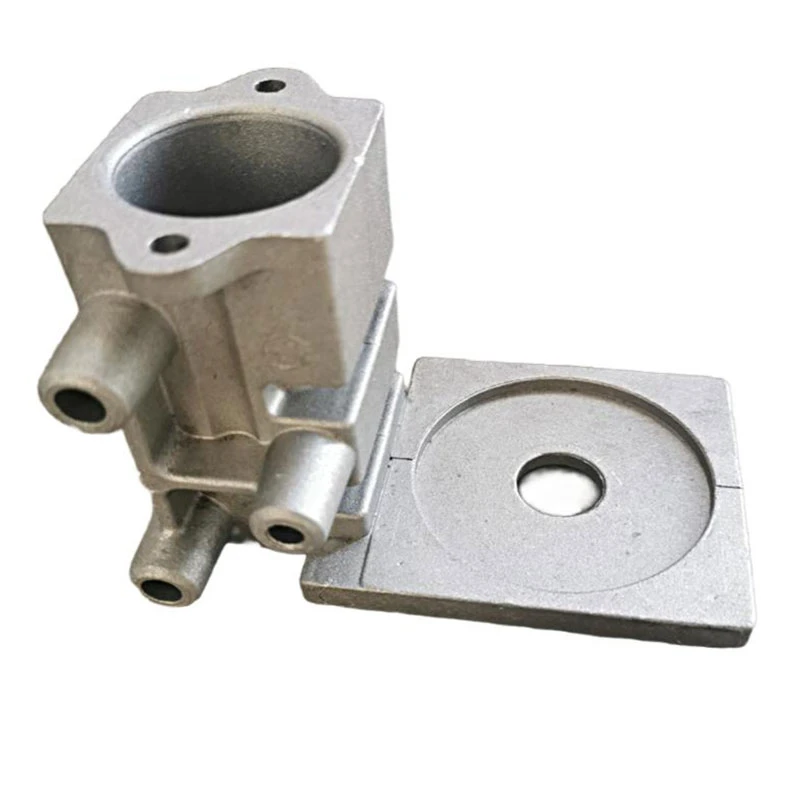
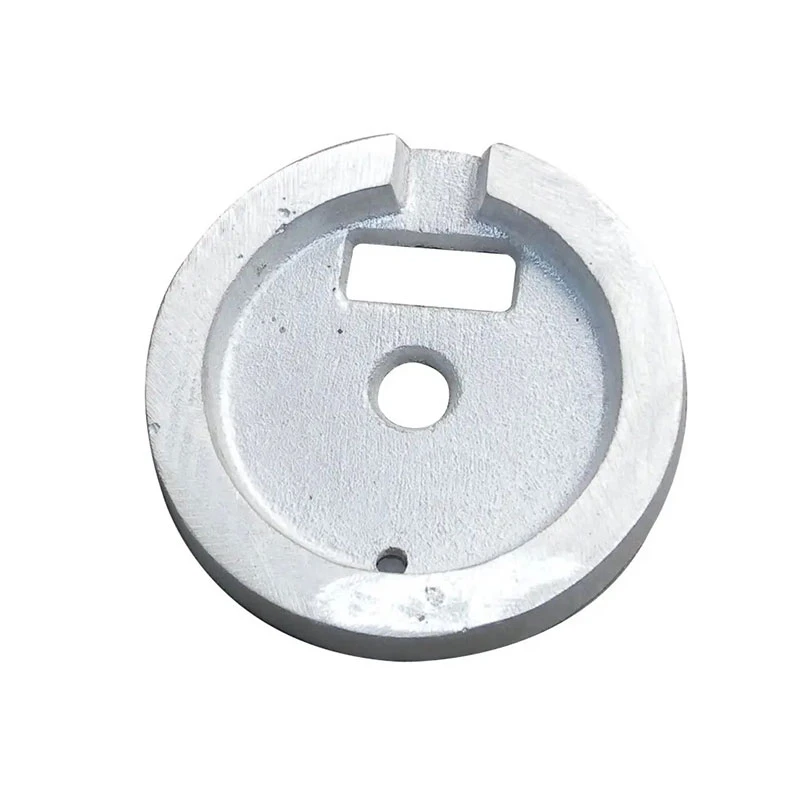
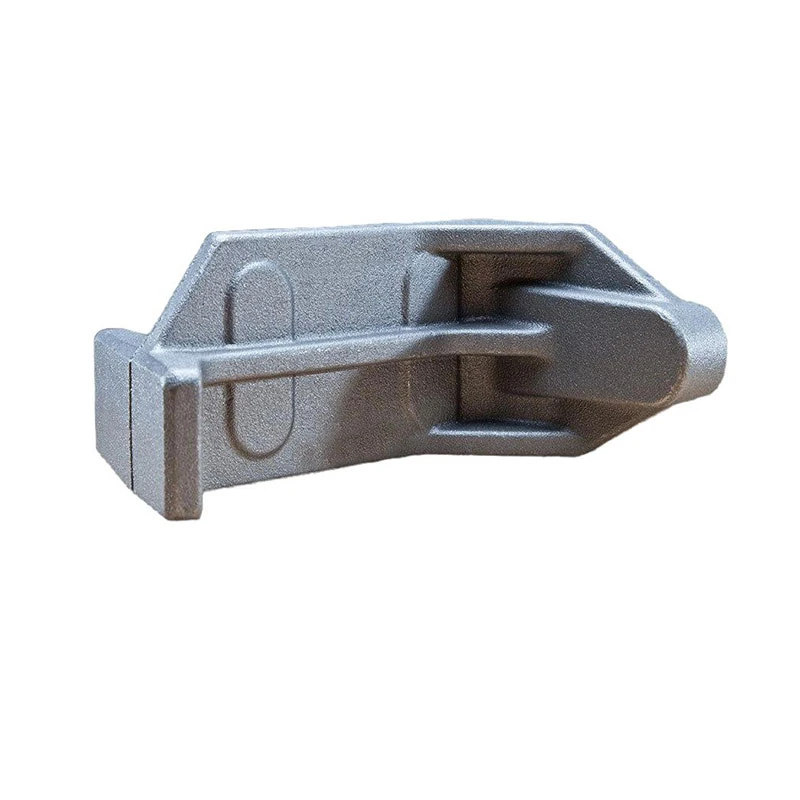
High pressure aluminum die casting is a widely used manufacturing process for producing intricate metal parts with excellent dimensional accuracy and surface finish. This process is favored across various industries, including automotive, aerospace, electronics, and telecommunications. At Hairun Sourcing, we specialize in providing high-quality die casting solutions tailored to your specific needs. This article will delve into the intricacies of high-pressure aluminum die casting, covering its process, advantages, applications, and considerations for successful implementation. Understanding the fundamentals of this process is crucial for anyone involved in product development or sourcing metal components.
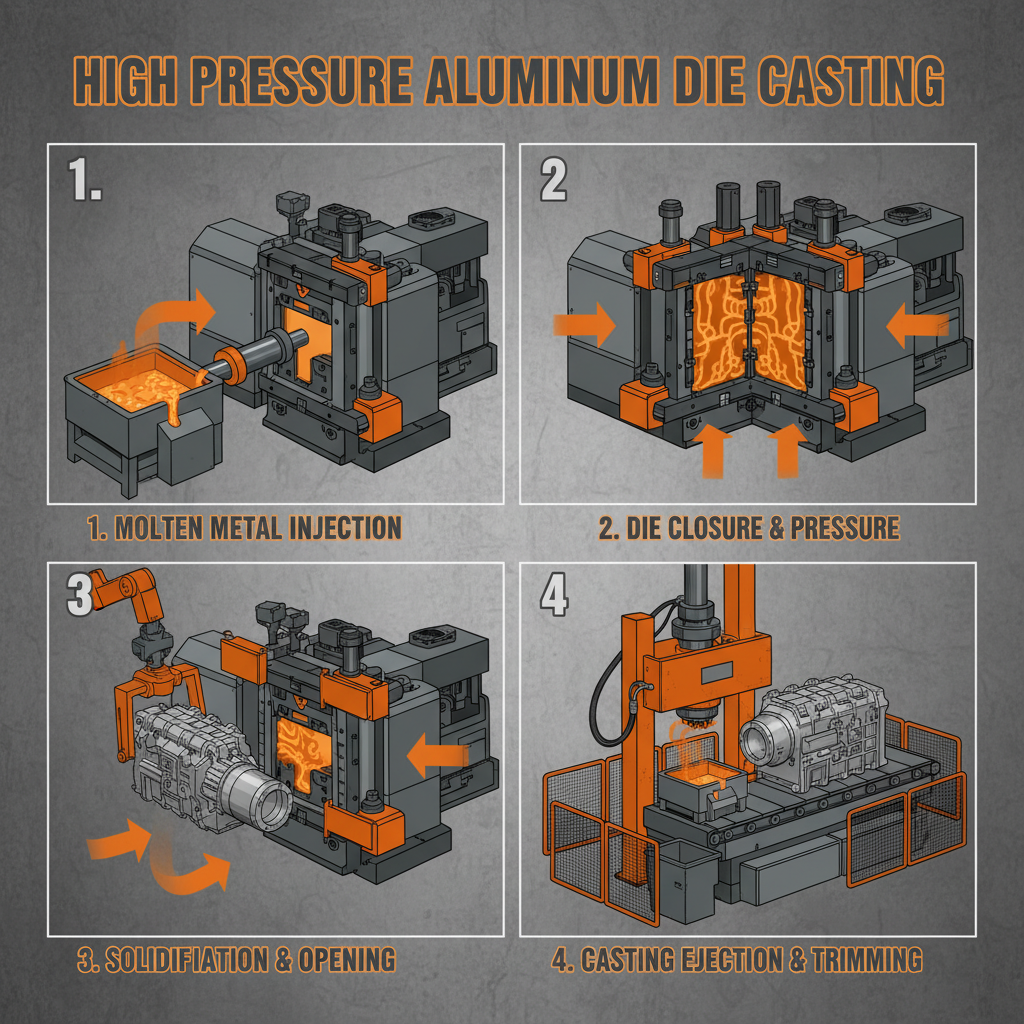
Understanding the High Pressure Aluminum Die Casting Process
The high pressure aluminum die casting process involves injecting molten aluminum alloy into a reusable steel mold (die) under high pressure. This pressure, typically ranging from 10 to 210 MPa (1,450 to 30,450 psi), forces the molten metal to fill the die cavity quickly and completely. Once the metal solidifies, the die is opened, and the casting is ejected. The process consists of several key steps: die preparation, metal melting, injection, solidification, ejection, and finishing. The speed and precision of this process contribute to the production of complex shapes with tight tolerances. We at Hairun Sourcing utilize advanced die casting machines and techniques to ensure consistent quality and efficiency.
Key Highlights: The high pressure aluminum die casting process ensures high dimensional accuracy and repeatability, making it ideal for large-scale production runs. The process allows for complex geometries and thin walls, providing design flexibility.
Advantages of High Pressure Aluminum Die Casting
Several factors contribute to the popularity of high pressure aluminum die casting. These include its ability to produce parts with high strength-to-weight ratio, excellent thermal conductivity, and corrosion resistance. The process also offers superior dimensional accuracy and a smooth surface finish, reducing the need for secondary machining. Compared to other casting methods, die casting allows for higher production rates and lower per-unit costs, especially for large volumes. Furthermore, aluminum's recyclability aligns with sustainable manufacturing practices. Hairun Sourcing leverages these advantages to deliver cost-effective and high-performance solutions.
Key Benefits:
• High Strength-to-Weight Ratio
• Excellent Thermal Conductivity
• Superior Dimensional Accuracy
• Smooth Surface Finish
High Pressure Aluminum Die Casting vs. Other Casting Methods
While several casting methods are available, high-pressure die casting distinguishes itself in terms of speed, precision, and cost-effectiveness. Compared to sand casting, die casting offers better dimensional accuracy and surface finish. Investment casting produces highly detailed parts but is generally more expensive and slower. Gravity die casting is simpler but lacks the pressure to fill intricate molds. The following table provides a comparative overview:
Applications of High Pressure Aluminum Die Casting
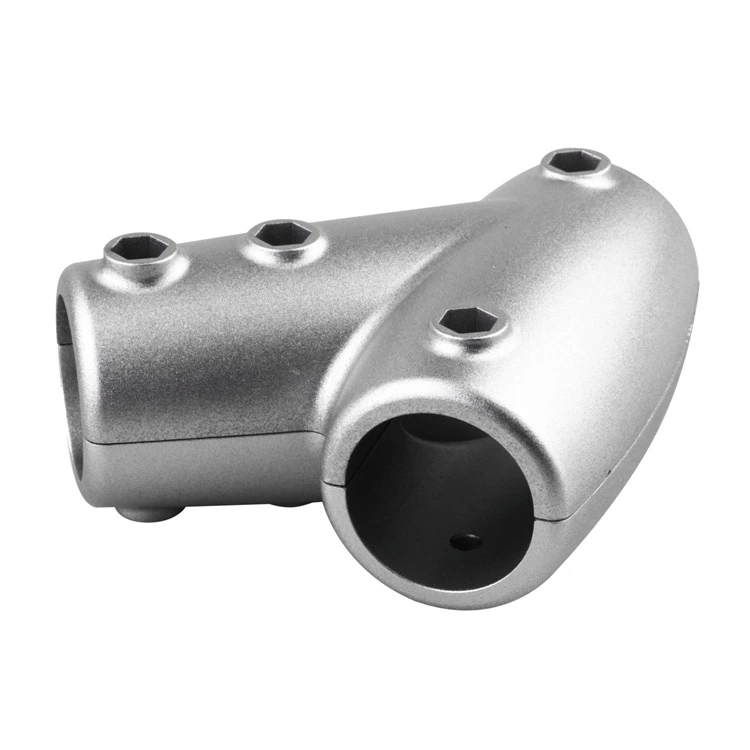
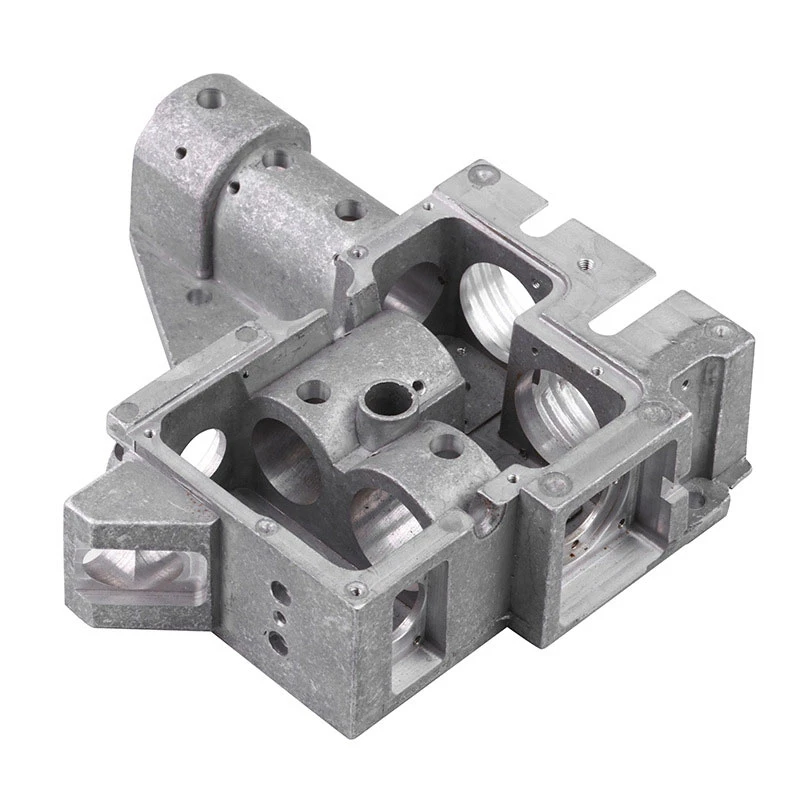
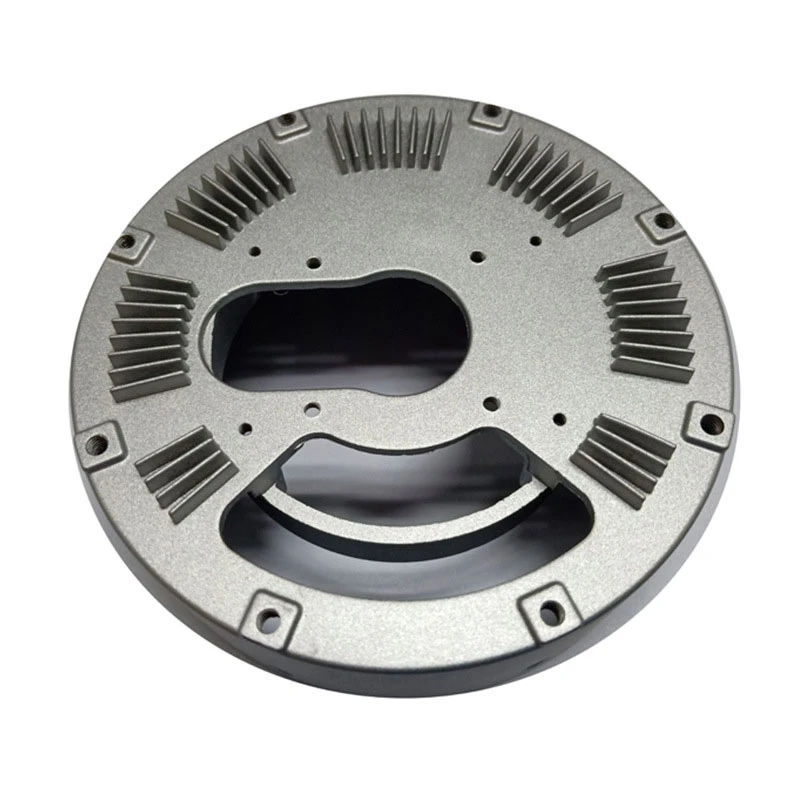
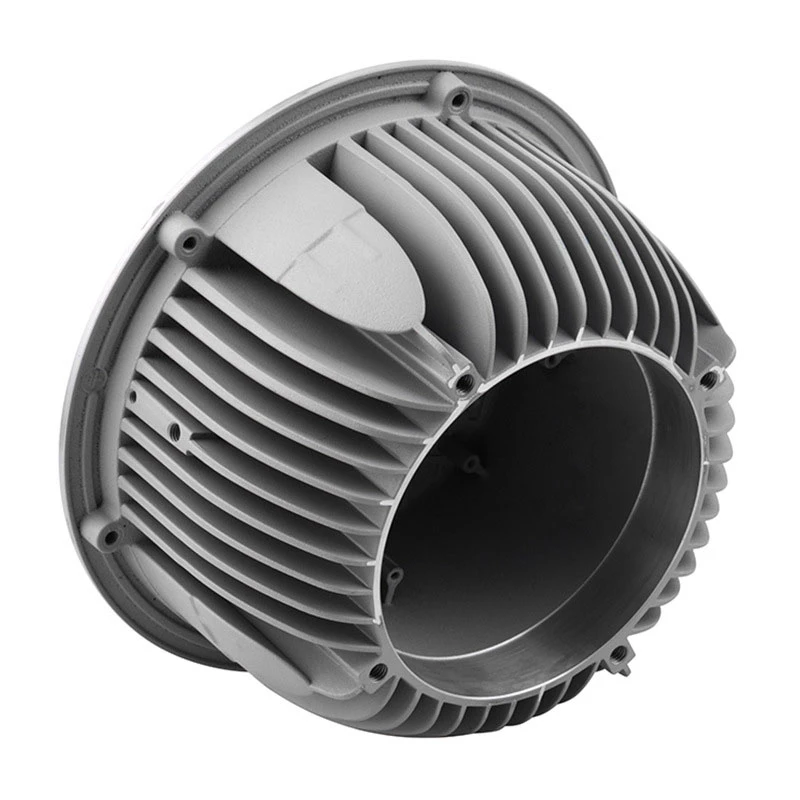
The versatility of high pressure aluminum die casting makes it suitable for a wide range of applications. The automotive industry utilizes it for engine components, transmission cases, and structural parts. In the electronics sector, it's used for housings, connectors, and heat sinks. Aerospace applications include structural components and housings. Other industries benefiting from this process include power tools, medical devices, and consumer goods. Hairun Sourcing provides tailored solutions for diverse industrial applications.
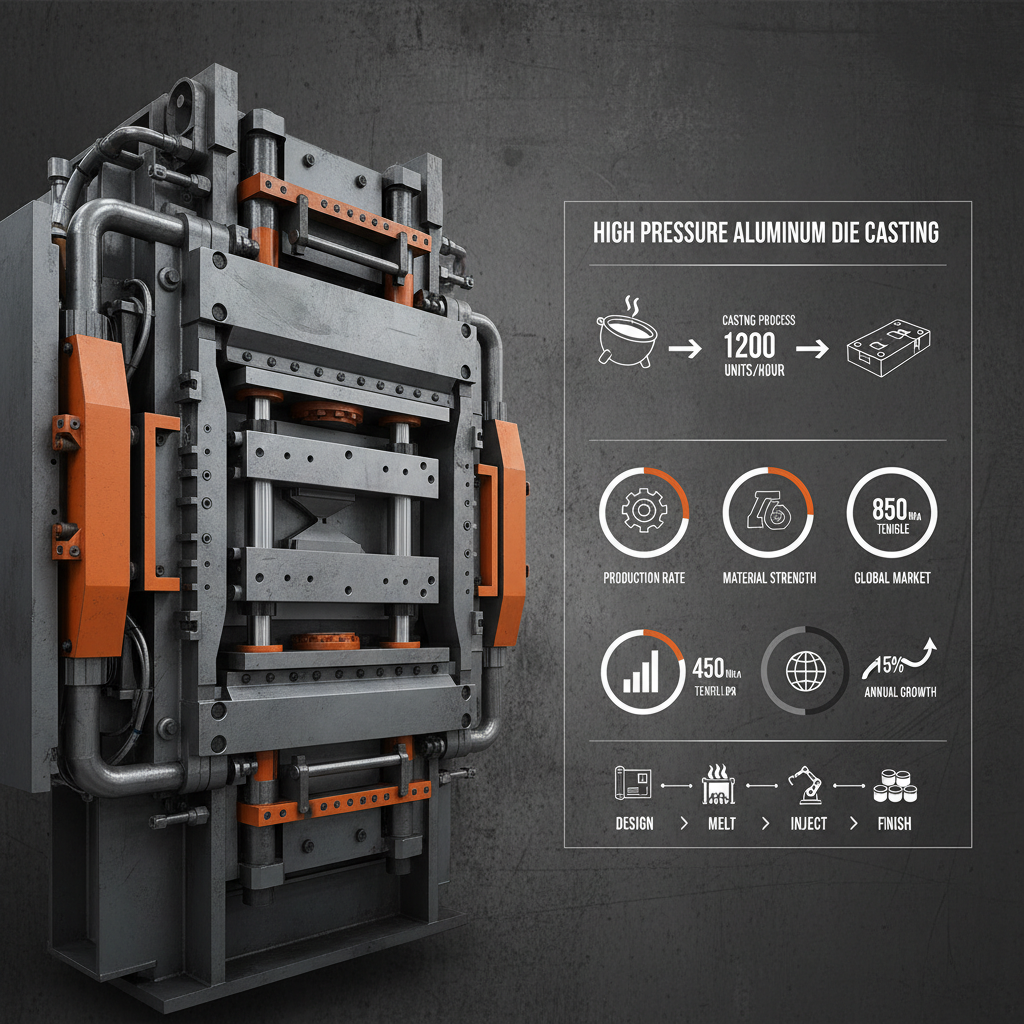
Considerations for Successful High Pressure Aluminum Die Casting
Successful implementation of high pressure aluminum die casting requires careful consideration of several factors. These include die design, alloy selection, process control, and quality inspection. Proper die design is crucial for ensuring adequate metal flow and minimizing defects. Selecting the appropriate aluminum alloy based on the application's requirements is also essential. Maintaining precise control over process parameters, such as injection pressure, temperature, and cooling rate, is vital for achieving consistent quality. Finally, rigorous quality inspection throughout the process ensures that the final product meets the specified standards. Hairun Sourcing provides comprehensive support from design to production, ensuring a seamless and successful outcome.
Conclusion: Optimizing Your Manufacturing with High Pressure Aluminum Die Casting
High pressure aluminum die casting remains a cornerstone of modern manufacturing, offering a compelling combination of cost-effectiveness, precision, and material properties. By partnering with experienced providers like Hairun Sourcing, businesses can unlock the full potential of this versatile process and achieve superior results. Invest in quality, precision, and reliability – choose high pressure aluminum die casting.
Frequently Asked Questions (FAQs)
What are the common defects in high-pressure aluminum die casting?
Common defects include porosity (gas bubbles), shrinkage, cracking, and flash (excess material). Porosity can be minimized by controlling the injection parameters and using appropriate venting. Shrinkage can be addressed through die design and alloy selection. Cracking often results from rapid cooling, requiring optimized cooling channels. Flash is usually caused by improper die closure and can be minimized by maintaining proper die clamping force. Hairun Sourcing employs rigorous quality control procedures to identify and prevent these defects.
What aluminum alloys are commonly used in die casting?
Several aluminum alloys are commonly used in die casting, including A380, A360, and ADC12. A380 offers excellent castability and mechanical properties. A360 provides improved corrosion resistance. ADC12 is known for its high strength and ductility. The specific alloy selection depends on the application's requirements, such as strength, corrosion resistance, and thermal conductivity. We at Hairun Sourcing can assist in selecting the optimal alloy for your project.
What is the typical lead time for high-pressure aluminum die casting?
The lead time for high-pressure aluminum die casting varies depending on the complexity of the part, the tooling requirements, and the production volume. Typically, it takes 4-8 weeks for tooling fabrication, followed by 2-4 weeks for the first production run. Hairun Sourcing strives to minimize lead times through efficient project management and streamlined production processes.
How does tooling maintenance impact the quality of die-cast parts?
Regular tooling maintenance is crucial for maintaining the quality of die-cast parts. Die wear can lead to dimensional inaccuracies, increased flash, and surface defects. Preventative maintenance, including cleaning, polishing, and repairing damaged areas, extends the lifespan of the die and ensures consistent quality. Hairun Sourcing has a dedicated tooling maintenance team to ensure optimal die performance.
-
Guide to Anodizing Die Cast Aluminum for Industrial ExcellenceNewsApr.16,2026
-
High Quality Precision Aluminum Die Casting Components GuideNewsApr.09,2026
-
Comprehensive Guide to High Quality Aluminium Pressure Die Casting ProductsNewsApr.07,2026
-
Comprehensive Guide to Aluminium Pressure Die Casting Components and SolutionsNewsApr.04,2026
-
Comprehensive Guide to Aluminium HPDC Casting for Global SourcingNewsMar.31,2026
-
Comprehensive Guide to Precision Aluminium Die Castings and Manufacturing SolutionsNewsMar.28,2026