



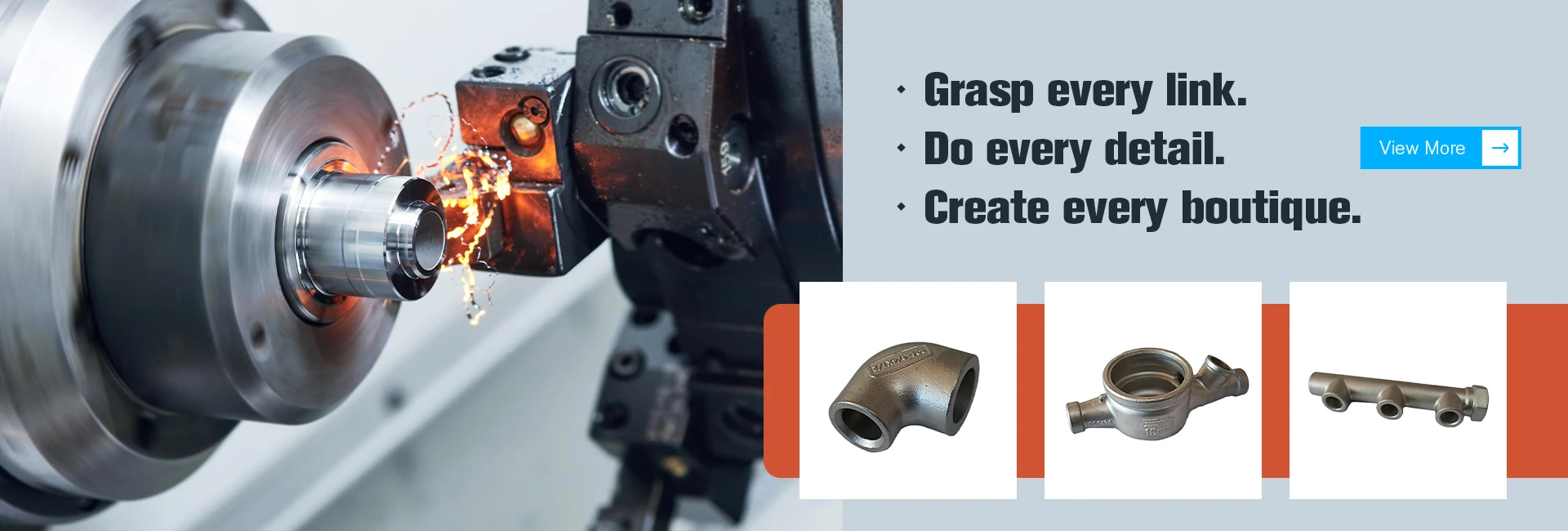
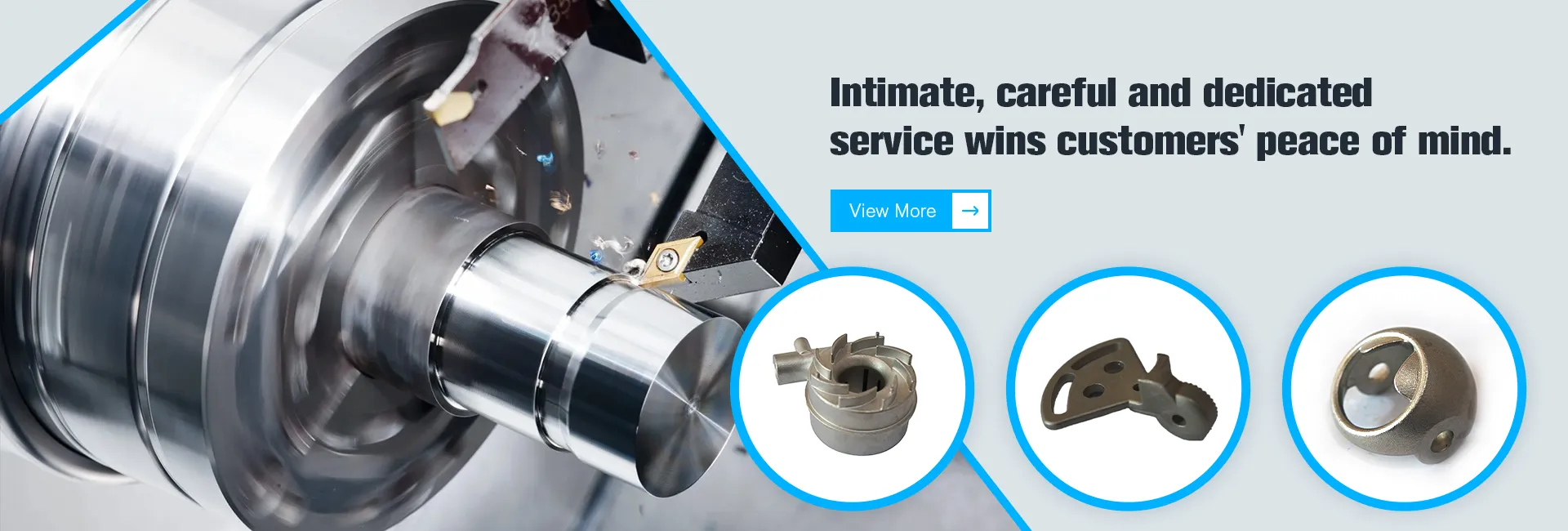
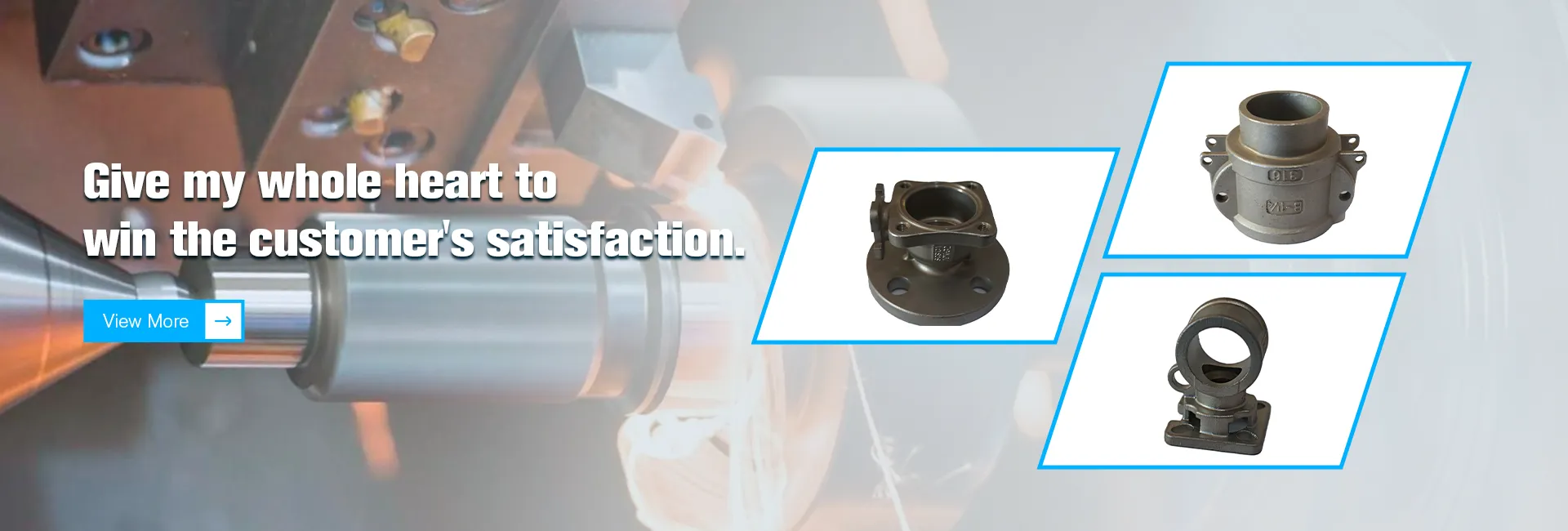
Machining is a subtractive manufacturing process where raw materials such as metals, plastics, or composites are shaped into precise components using tools like lathes, milling machines, drilling machines, or grinders. Unlike casting or stamping, machining involves controlled removal of material to achieve tight tolerances, smooth finishes, and complex geometries.
Machining is crucial in modern manufacturing because it ensures accuracy, repeatability, and versatility. It is widely used in industries such as aerospace, automotive, energy, medical, and electronics. For example, critical parts like engine components, turbine blades, surgical instruments, and electronic housings are often made through precision machining processes.
Key advantages of machining include:
-
High precision: Tolerances can reach microns, ensuring reliable performance.
-
Flexibility: Suitable for one-off prototypes as well as mass production.
-
Material compatibility: Works with metals, plastics, ceramics, and composites.
-
Surface quality: Produces excellent finishes, reducing the need for secondary processes.
In summary, machining plays a central role in manufacturing because it combines precision, versatility, and quality, making it indispensable for industries that demand high-performance parts.
What Is Precision Machining And How Does It Differ From Standard Machining?
Precision machining is a specialized form of machining that focuses on producing components with extremely tight tolerances, often within microns. While standard machining creates functional parts, precision machining ensures that parts meet strict dimensional, performance, and quality requirements needed in high-tech industries.
This process often involves advanced CNC (Computer Numerical Control) machines, multi-axis milling, turning centers, and even robotic automation. Additional technologies like coordinate measuring machines (CMM) and laser inspection systems are used to verify accuracy.
Precision machining is especially important in industries like aerospace, medical devices, optics, and defense, where even the slightest deviation can compromise safety or performance. For example, surgical implants must fit perfectly, while aerospace turbine components must withstand extreme conditions without failure.
The differences compared to standard machining include:
-
Tighter tolerances for critical applications.
-
Advanced technology including high-speed spindles and multi-axis control.
-
Enhanced quality control using precision measurement equipment.
-
Specialized materials such as titanium, Inconel, and composites.
In conclusion, precision machining is not just about shaping parts; it’s about ensuring flawless accuracy and reliability in industries where errors are not acceptable.
What Are Machining Components And Their Common Applications?
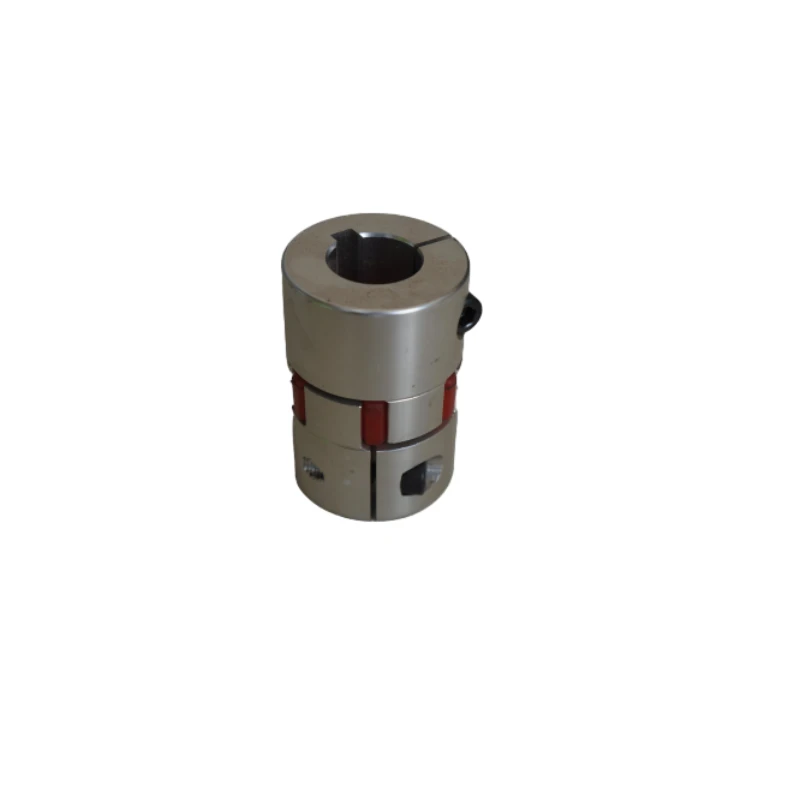
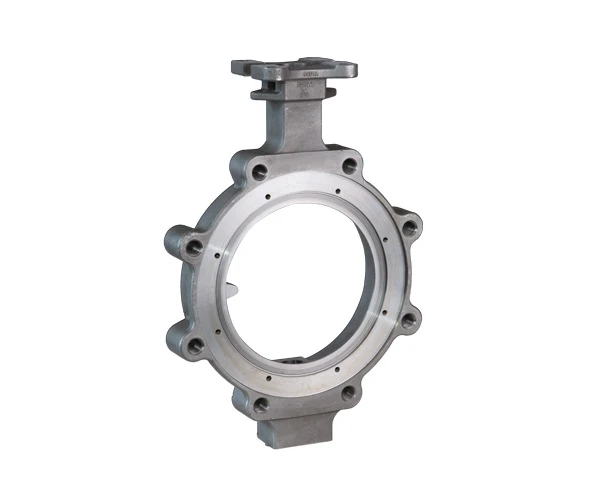
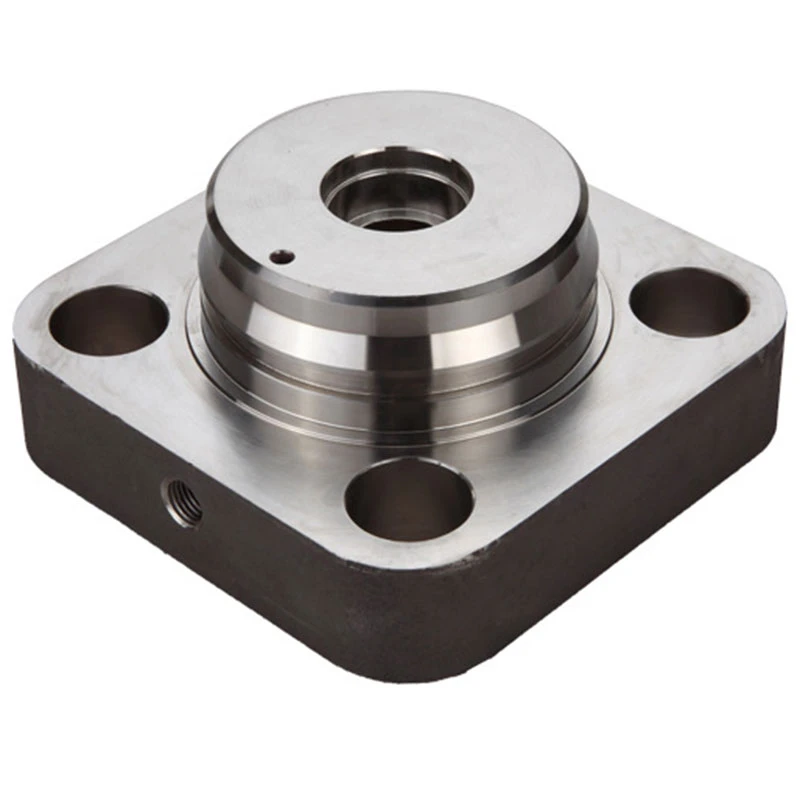
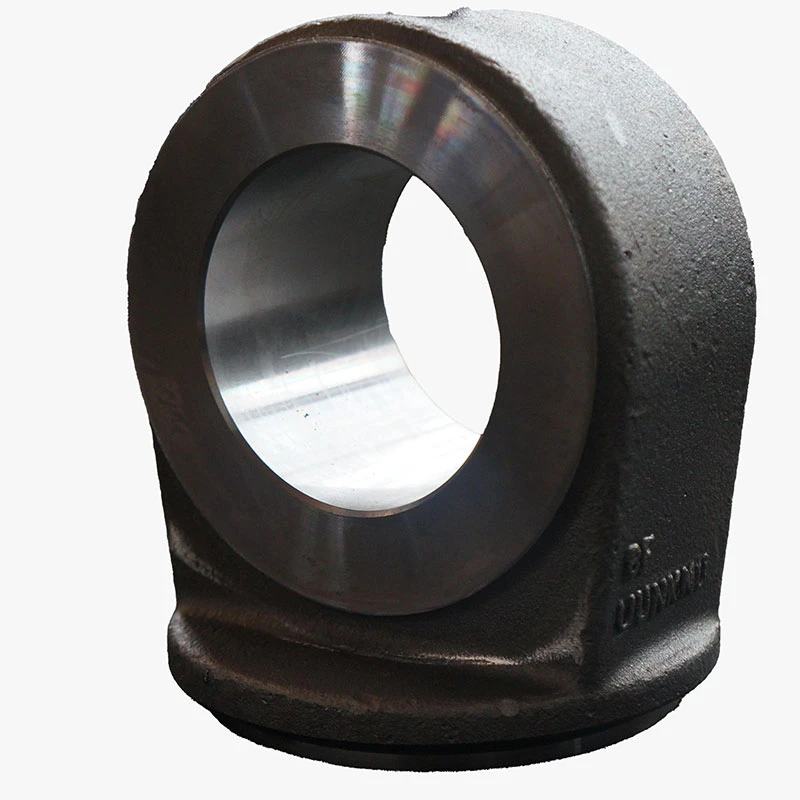
Machining components refer to parts that are manufactured through machining processes such as turning, milling, drilling, and grinding. These components can range from simple fasteners to highly complex, custom-engineered parts used in critical systems.
Common machining components include shafts, gears, brackets, bushings, housings, and fittings. They are widely applied in industries like automotive, aerospace, heavy machinery, oil and gas, and electronics. For example, in the automotive sector, machining components ensure smooth engine operation, while in aerospace, they provide structural reliability and lightweight performance.
The benefits of machining components include:
-
Durability: High-quality materials and processes produce long-lasting parts.
-
Versatility: Suitable for custom one-off designs or large-scale production.
-
Precision: Components meet strict dimensional requirements for proper functionality.
-
Customization: Complex geometries can be achieved with multi-axis CNC machines.
Additionally, machining components can be finished with coatings, anodizing, or plating to enhance corrosion resistance and wear performance.
In summary, machining components are the backbone of modern engineering, offering strength, precision, and adaptability across countless applications.
What Is Abrasive Water Jet Machining And Its Advantages?
Abrasive water jet machining (AWJM) is a modern, non-traditional machining process that uses a high-pressure stream of water mixed with abrasive particles (such as garnet) to cut materials. Unlike traditional machining, AWJM does not rely on heat, making it ideal for processing materials that are sensitive to thermal distortion.
This process can cut a wide variety of materials, including metals, ceramics, composites, glass, and stone. Industries such as aerospace, defense, shipbuilding, and architecture use AWJM to produce parts with high accuracy and smooth finishes.
Advantages of abrasive water jet machining include:
-
No heat-affected zone (HAZ): Prevents thermal damage to materials.
-
Material versatility: Cuts virtually any material, even heat-resistant alloys.
-
High precision: Tolerances within ±0.05 mm are achievable.
-
Environmentally friendly: Uses water and natural abrasives without toxic byproducts.
-
Complex shapes: Capable of intricate cuts that traditional machining cannot achieve.
In conclusion, abrasive water jet machining is a flexible, precise, and eco-friendly cutting solution, making it highly valuable in industries that require intricate, high-quality components without compromising material integrity.