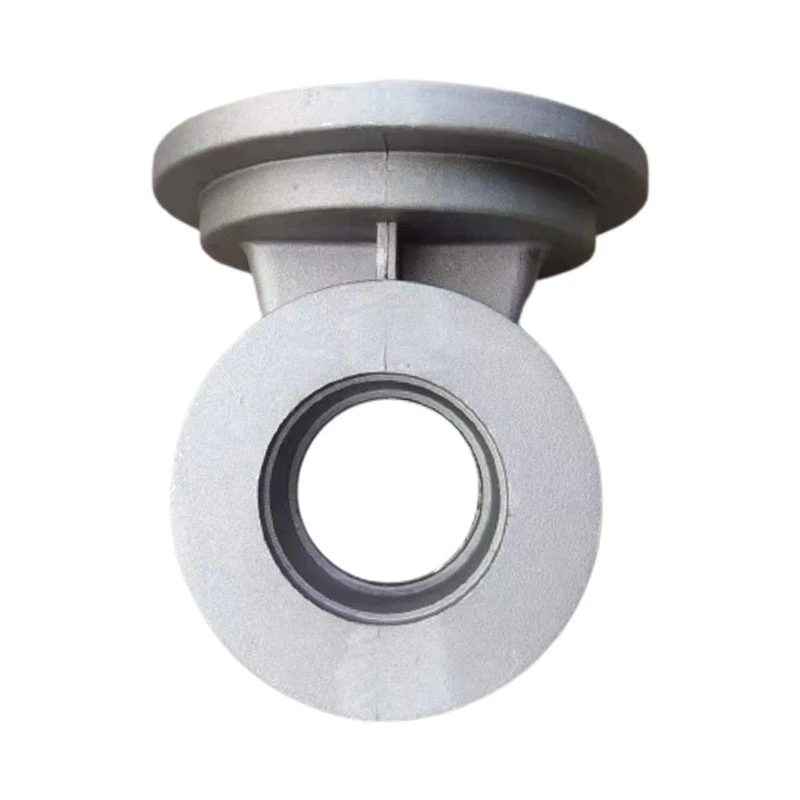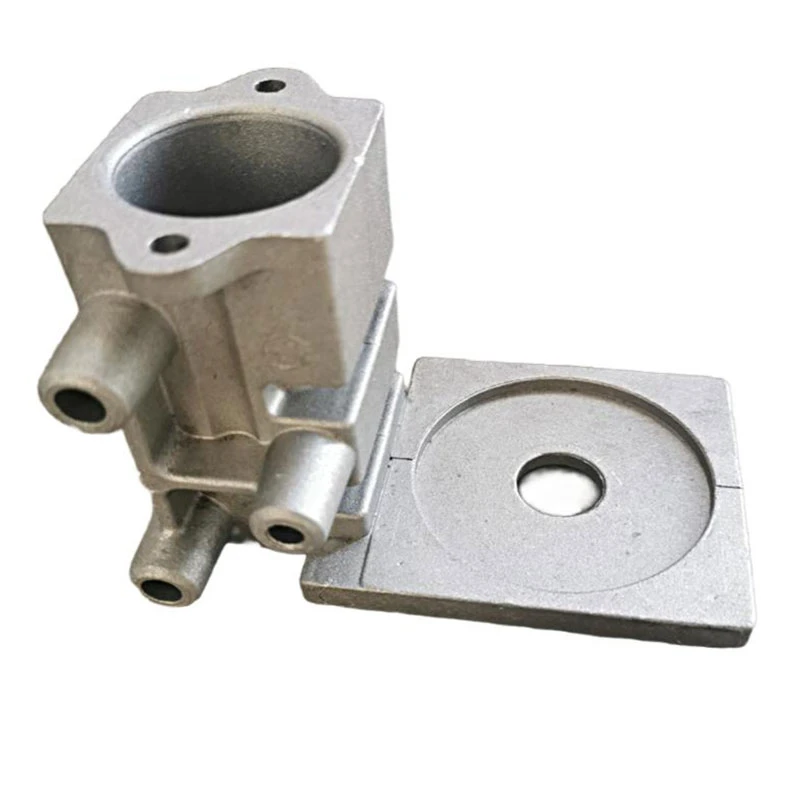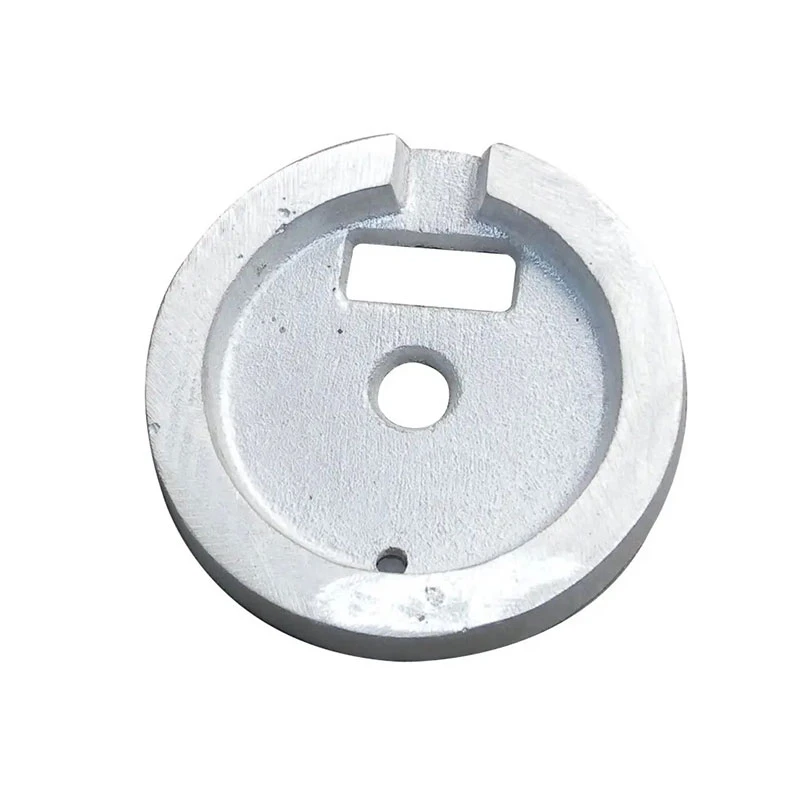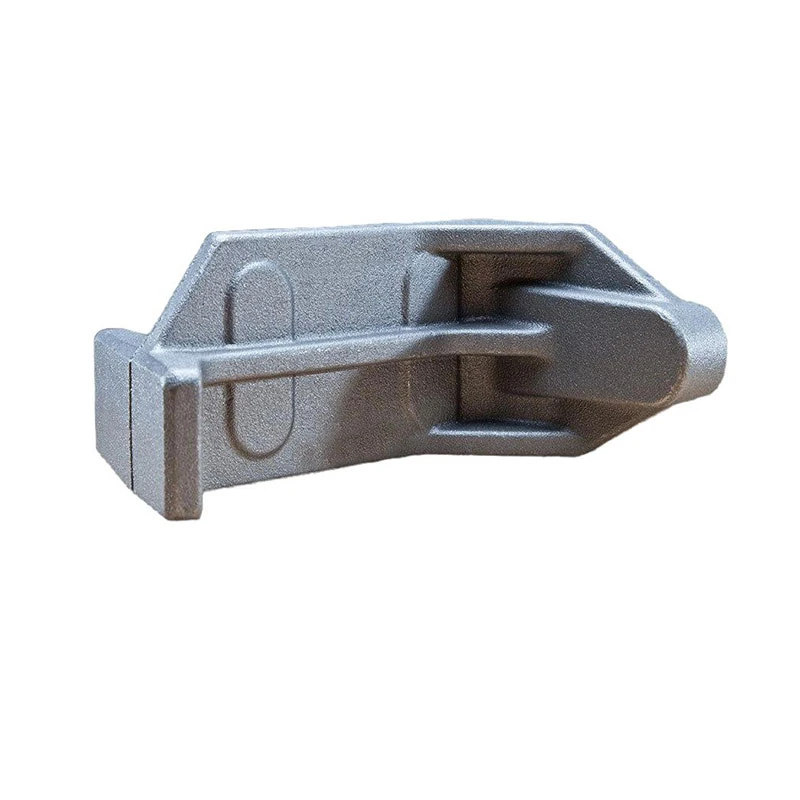



Comprehensive Guide to High Quality Aluminium Casting Components and Solutions
Aluminium Casting Components: A Comprehensive Guide
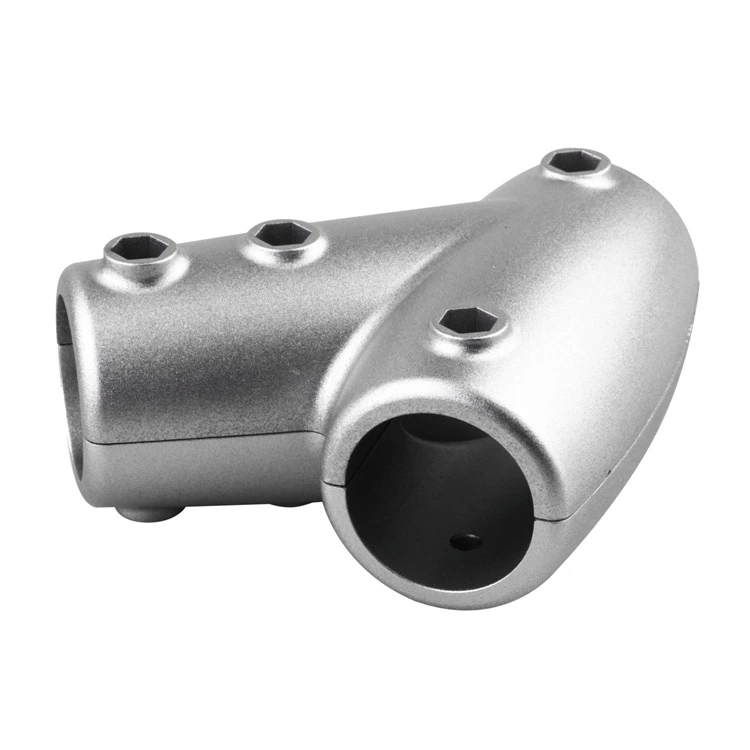
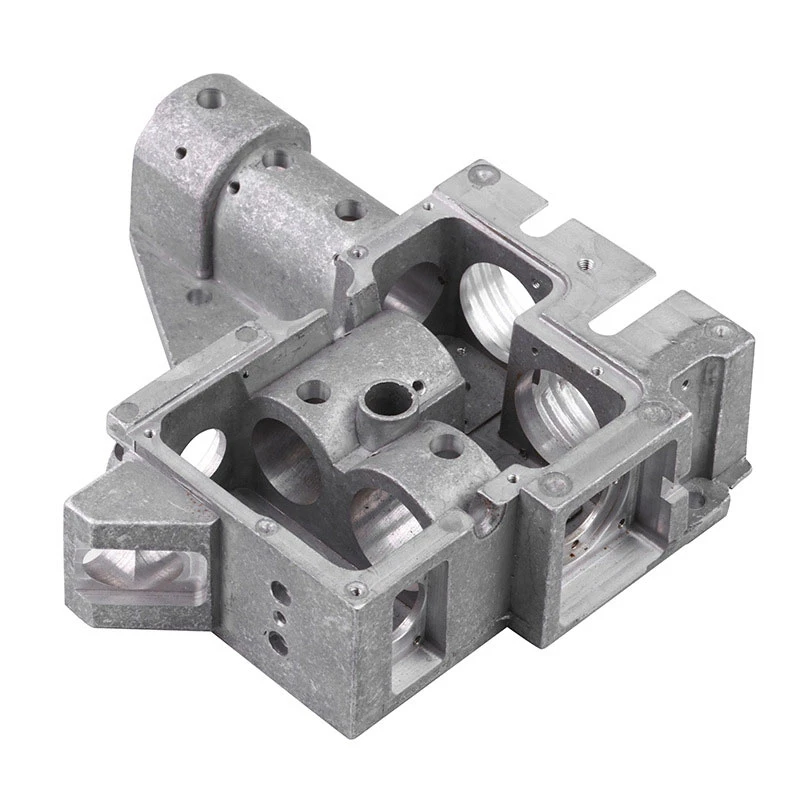
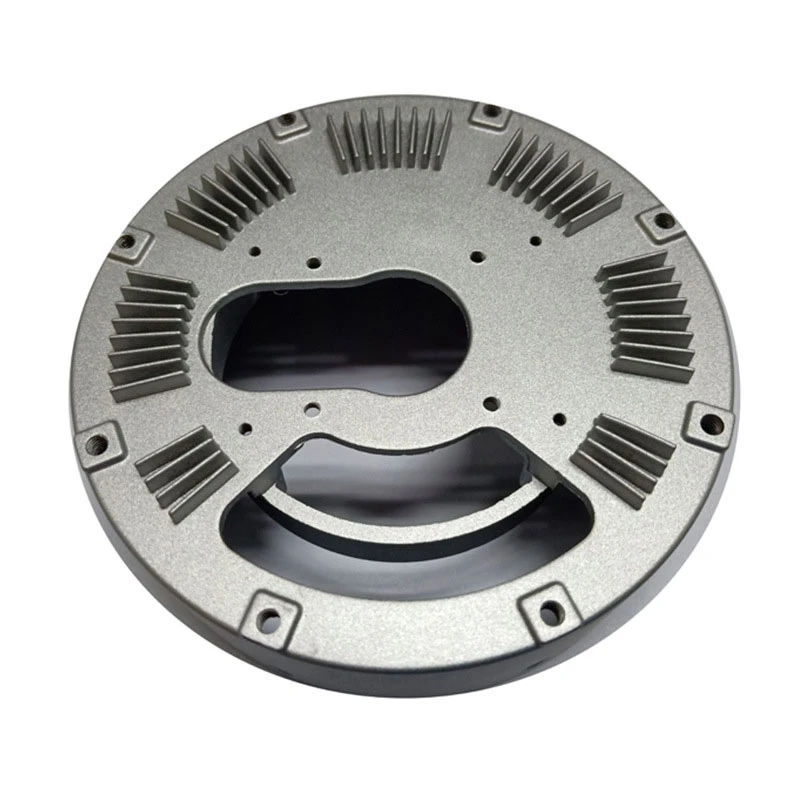
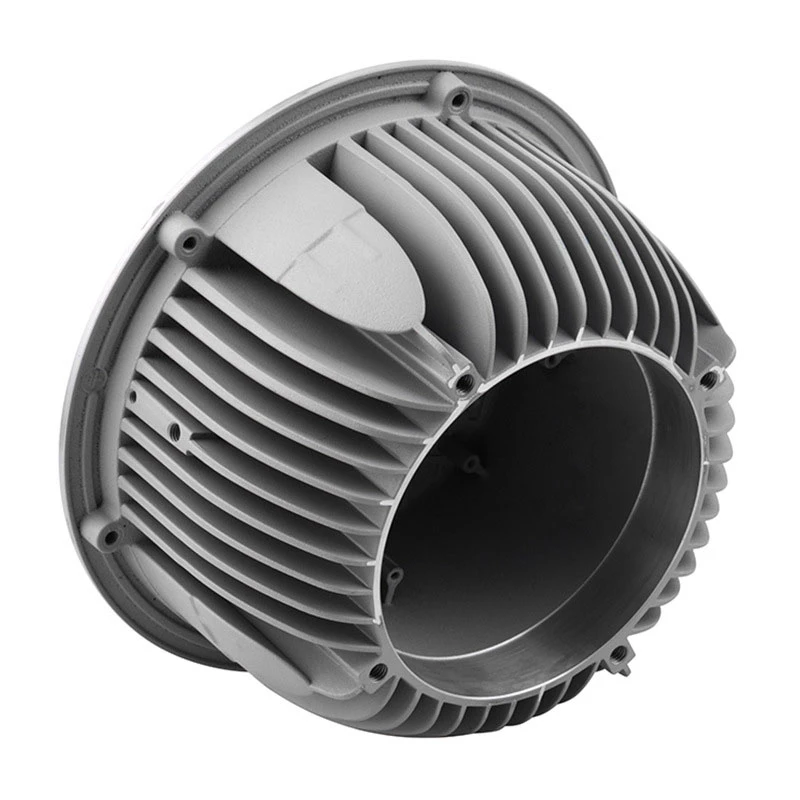
Aluminium casting components are essential parts used across numerous industries, from automotive and aerospace to medical and consumer goods. Their lightweight nature, corrosion resistance, and excellent mechanical properties make them a preferred choice for many applications. This article delves into the benefits, processes, common alloys, and quality control considerations surrounding aluminium casting, with a focus on how Hairunsourcing can provide tailored solutions for your specific needs. Understanding these components is crucial for optimizing designs and ensuring reliable product performance.
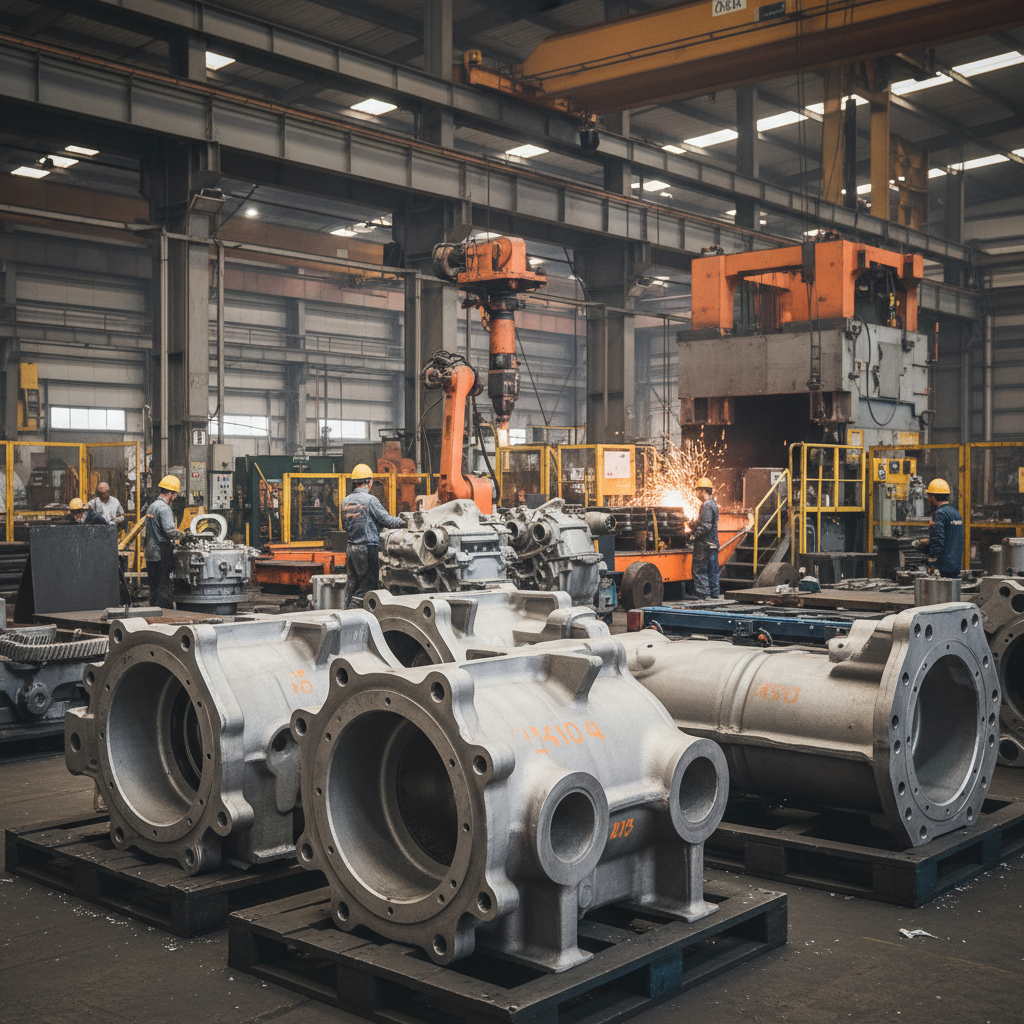
The Advantages of Aluminium Casting
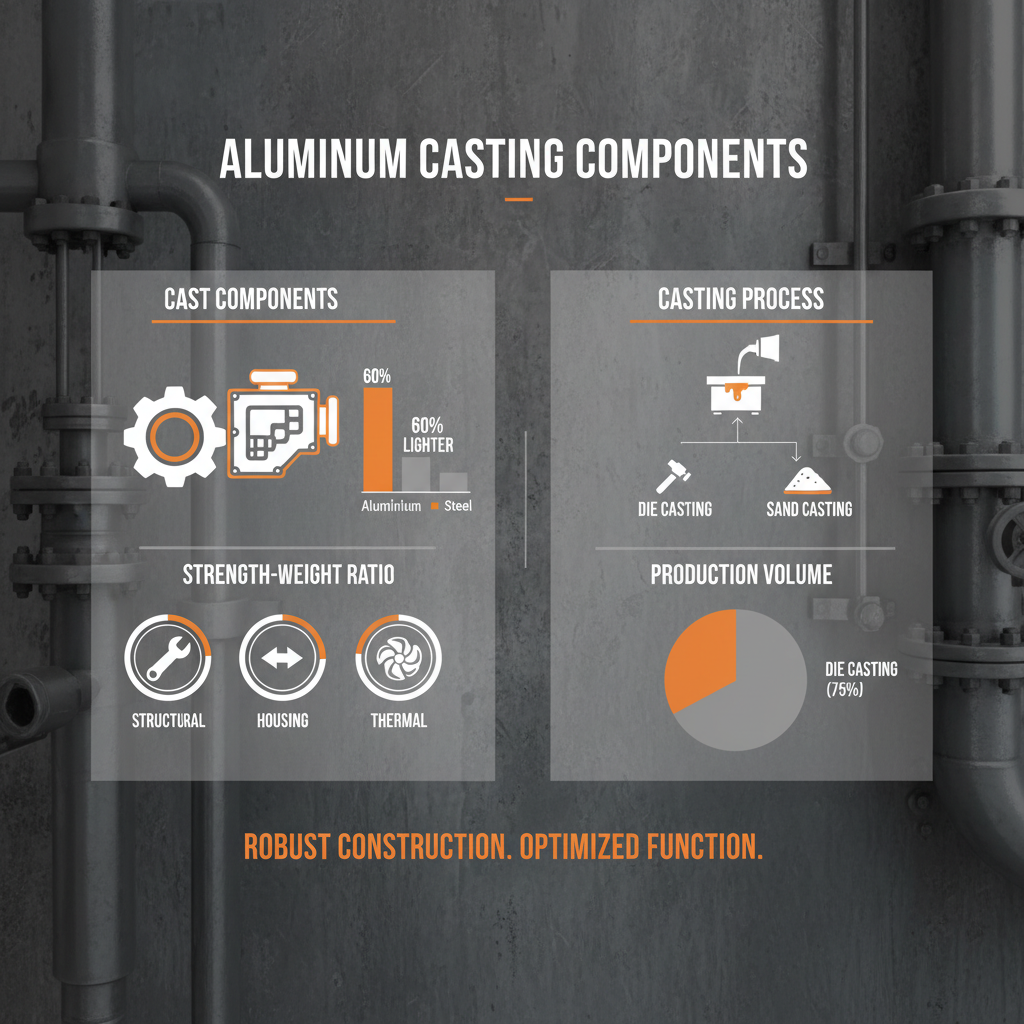
Choosing aluminium casting offers several key advantages. Firstly, aluminium is significantly lighter than steel or iron, contributing to reduced weight in final products—critical in industries like aerospace and automotive. Secondly, aluminium boasts excellent corrosion resistance, making it ideal for outdoor or harsh environments. Thirdly, it possesses high thermal and electrical conductivity. Finally, aluminium is readily recyclable, promoting sustainable manufacturing practices. These factors combine to make aluminium casting a cost-effective and versatile manufacturing solution. Hairunsourcing specializes in leveraging these advantages to deliver high-quality components.
Key Benefits: Lightweight, corrosion resistant, high thermal & electrical conductivity, recyclable, cost-effective.
Common Aluminium Casting Processes
Several casting processes are employed for aluminium components, each offering unique advantages. Die casting is ideal for high-volume production of complex shapes with tight tolerances. Sand casting is cost-effective for larger parts and lower production volumes. Investment casting (also known as lost-wax casting) produces highly precise parts with excellent surface finish, but is typically more expensive. Gravity die casting combines the cost-effectiveness of sand casting with better mechanical properties. The best process depends on factors like part complexity, required precision, and production volume. Hairunsourcing has expertise in all these processes and can recommend the optimal solution for your application.
Process Comparison:
• Die Casting: High volume, complex shapes, tight tolerances
• Sand Casting: Low volume, larger parts, cost-effective
• Investment Casting: High precision, excellent surface finish
• Gravity Die Casting: Cost-effective, improved mechanical properties
Key Aluminium Alloys for Casting Components
Various aluminium alloys are used in casting, each with different properties. A380 is a popular choice for die casting due to its excellent fluidity and castability. ADC12 (also known as YD12) offers higher strength and corrosion resistance. LM25 (also known as A356) is widely used for sand and gravity die casting, known for its good weldability. AlSi9Cu3 provides good strength and wear resistance. Choosing the right alloy is crucial for achieving the desired mechanical properties and performance characteristics.
Quality Control in Aluminium Casting
Maintaining stringent quality control is vital throughout the aluminium casting process. This includes visual inspections for defects, dimensional checks using CMM (Coordinate Measuring Machines), mechanical testing to verify strength and ductility, and non-destructive testing methods like radiography and ultrasonic testing to detect internal flaws. Hairunsourcing implements rigorous quality control procedures at every stage, ensuring that all components meet the highest standards.
Partnering with Hairunsourcing for Your Aluminium Casting Needs
Hairunsourcing is a leading provider of custom aluminium casting solutions. We offer a complete range of services, from design assistance and prototyping to full-scale production. Our experienced engineers and skilled technicians work closely with clients to understand their specific requirements and deliver high-quality components on time and within budget. We provide comprehensive supply chain management and competitive pricing.
Conclusion: Reliable Aluminium Casting Solutions
Choosing the right partner for your aluminium casting needs is crucial for success. Hairunsourcing provides the expertise, quality control, and commitment to customer satisfaction you need to achieve your project goals. Contact us today to discuss your requirements and discover how we can help.
Frequently Asked Questions (FAQs)
What are the typical lead times for aluminium casting?
Lead times vary depending on the complexity of the part, the casting process, and the production volume. Generally, prototyping can take 2-4 weeks, while full-scale production can range from 4-8 weeks or longer. Hairunsourcing is committed to providing accurate lead time estimates and delivering projects on schedule. We work closely with our clients to manage expectations and expedite production when possible, providing updates throughout the process.
What file formats do you accept for quoting?
We accept a wide range of file formats for quoting, including 2D drawings in PDF, DXF, and DWG formats, as well as 3D models in STEP, IGES, and STL formats. Providing us with detailed drawings and 3D models ensures accurate quoting and efficient production. Our engineering team can also assist with design optimization and file conversion if needed.
Do you offer surface finishing services?
Yes, Hairunsourcing offers a comprehensive range of surface finishing services, including powder coating, painting, anodizing, machining, and polishing. These services enhance the appearance, durability, and corrosion resistance of your aluminium casting components. We work with trusted partners to ensure high-quality finishing that meets your specific requirements.
What is the minimum order quantity (MOQ)?
The minimum order quantity (MOQ) varies depending on the complexity of the part and the casting process. We are flexible and can accommodate both small and large production runs. We will work with you to find a solution that fits your specific needs and budget. Contact us to discuss your project requirements and receive a customized quote.
-
High Quality Precision Aluminum Die Casting Components GuideNewsApr.09,2026
-
Comprehensive Guide to High Quality Aluminium Pressure Die Casting ProductsNewsApr.07,2026
-
Comprehensive Guide to Aluminium Pressure Die Casting Components and SolutionsNewsApr.04,2026
-
Comprehensive Guide to Aluminium HPDC Casting for Global SourcingNewsMar.31,2026
-
Comprehensive Guide to Precision Aluminium Die Castings and Manufacturing SolutionsNewsMar.28,2026
-
Comprehensive Guide to Aluminium Die Casting Components and Their ApplicationsNewsMar.26,2026