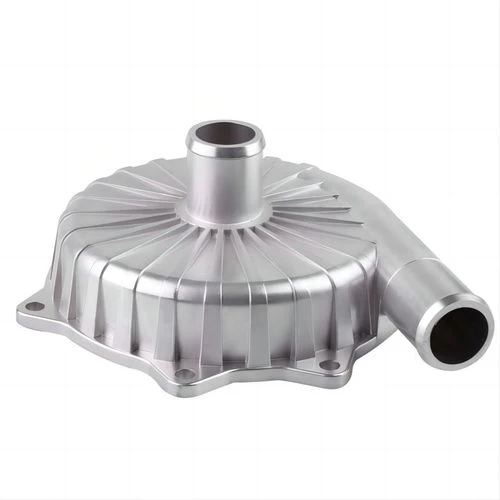
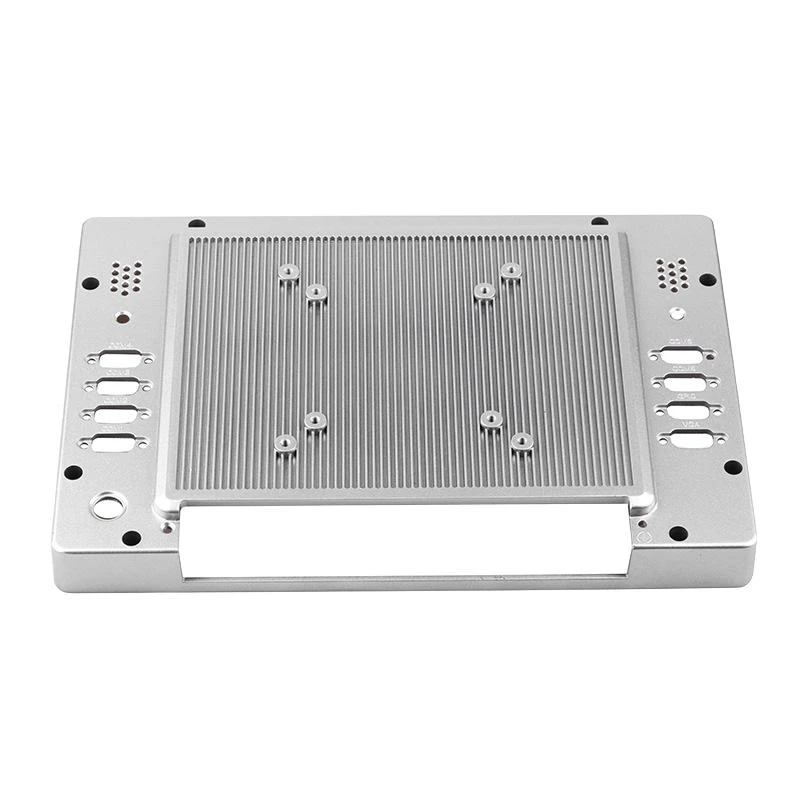
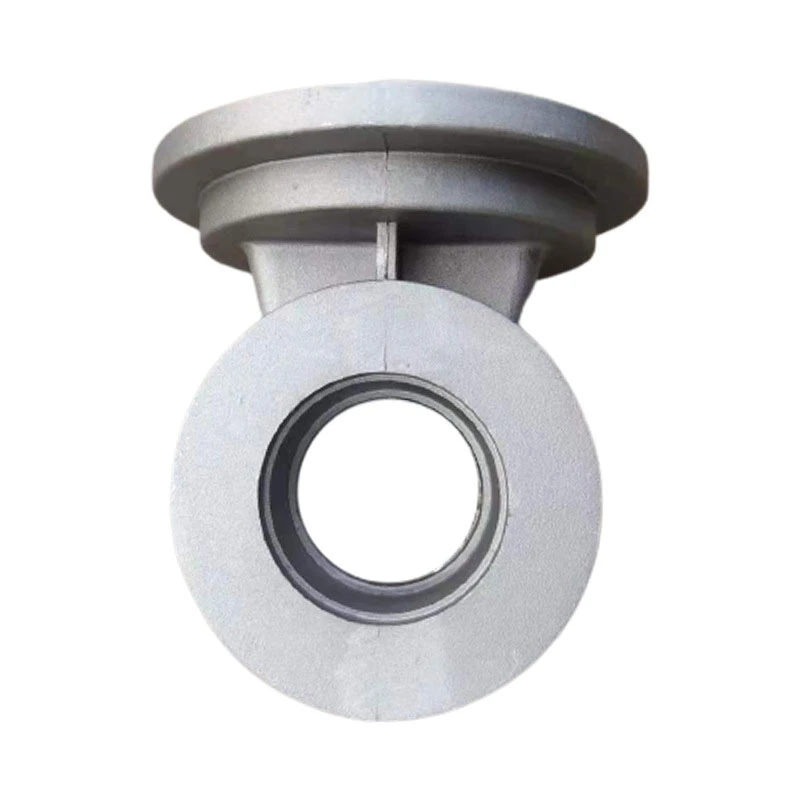
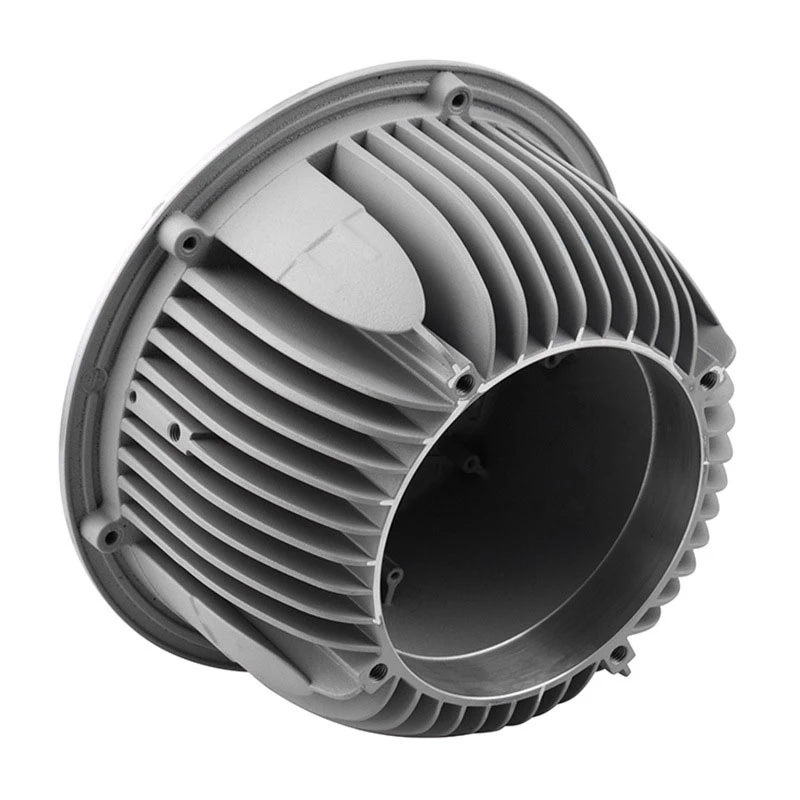
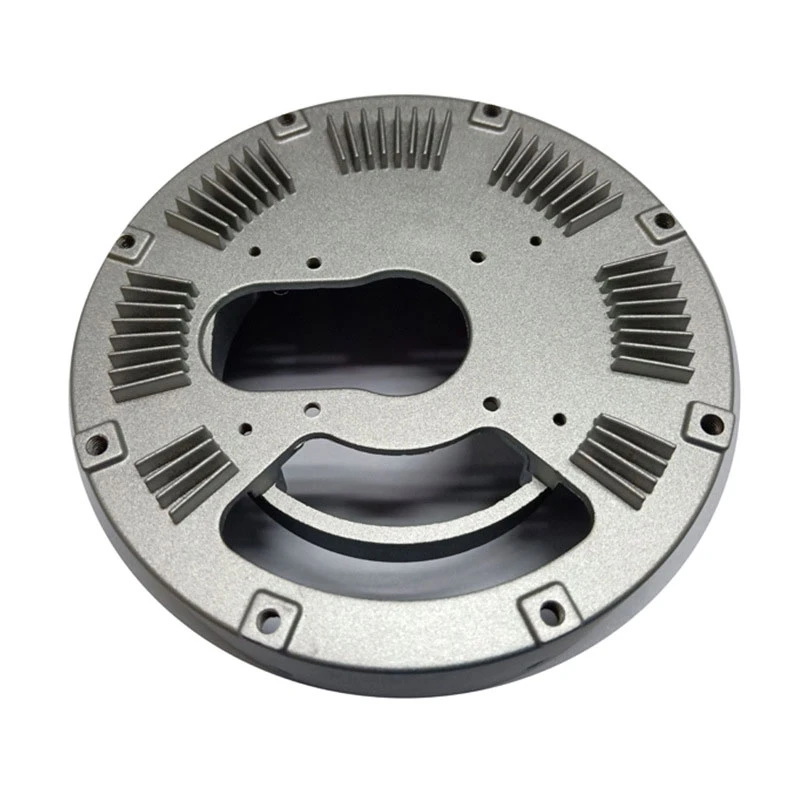
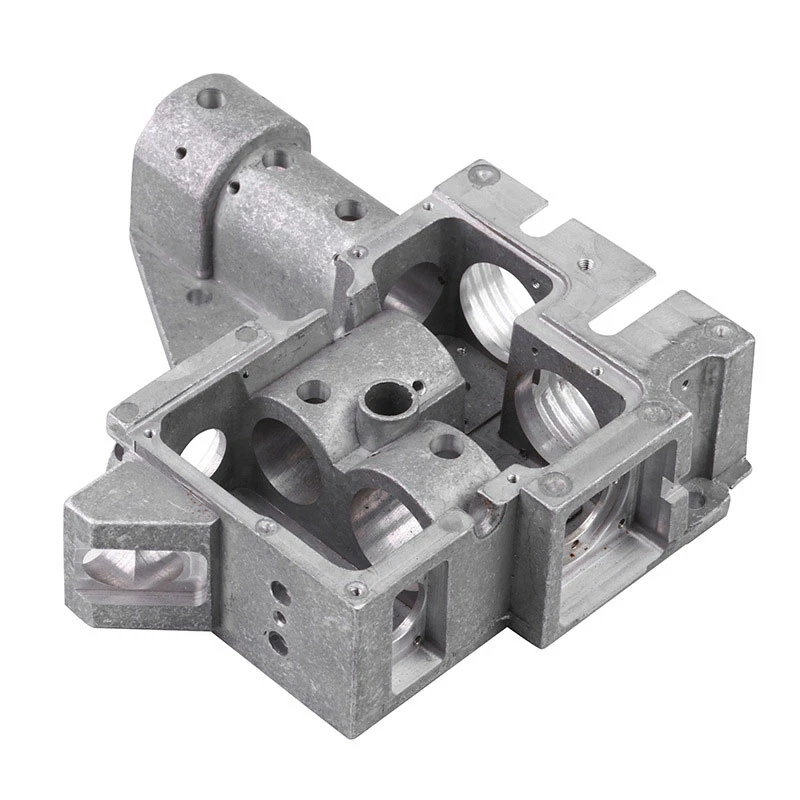
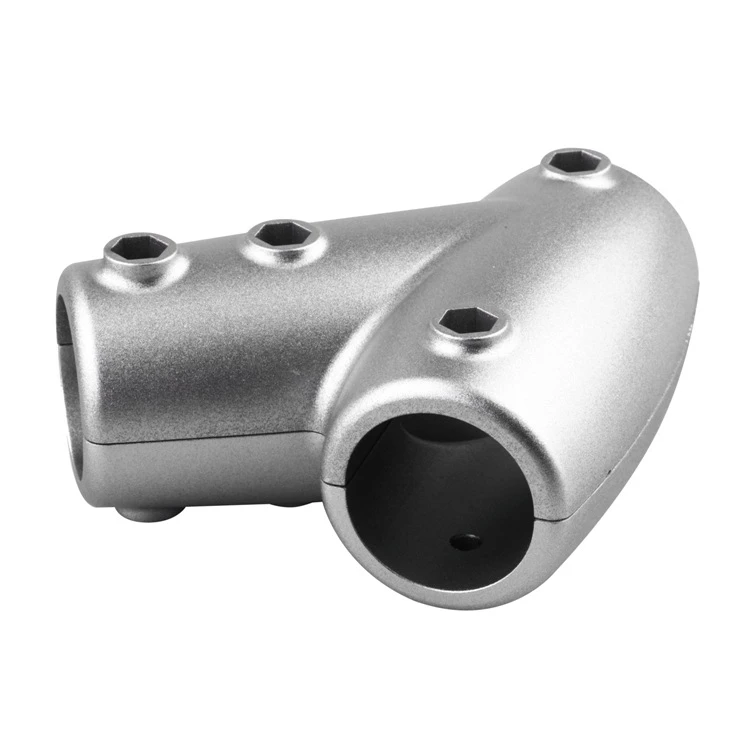
Die casting is a high-precision manufacturing process used to produce complex metal parts by forcing molten metal under high pressure into a steel mold, also called a die. The mold is designed to create exact replicas of the desired shape, allowing for the production of parts with excellent dimensional accuracy, smooth surface finishes, and fine details.
The process begins with preparing the die, which consists of two steel halves. Molten metal—commonly aluminum, zinc, or magnesium—is injected into the cavity using a die casting machine. High pressure is maintained until the metal solidifies. After cooling, the die opens, and the finished part, known as a casting, is ejected.
Die casting is widely used because it offers several advantages:
-
Precision and consistency: Parts are uniform and require minimal machining.
-
High production speed: Thousands of identical castings can be produced efficiently.
-
Material efficiency: Less scrap compared to sand casting or machining.
-
Complex geometries: Thin walls, fine details, and intricate designs are achievable.
Industries such as automotive, aerospace, consumer electronics, and machinery rely heavily on die casting to manufacture components like housings, brackets, engine parts, and hardware.
Overall, die casting is valued for its ability to create durable, lightweight, and cost-effective parts in both small and large volumes.
Why Is Aluminum Die Casting A Preferred Choice In Manufacturing?
Aluminum die casting is highly favored because it combines the efficiency of die casting with the beneficial properties of aluminum. Aluminum is lightweight, corrosion-resistant, thermally conductive, and non-magnetic, making it suitable for a wide range of industries.
In aluminum die casting, molten aluminum is injected into a hardened steel mold at high pressure. Once cooled, the part has excellent dimensional accuracy, tight tolerances, and a smooth finish, often eliminating the need for secondary machining. Aluminum’s low density allows manufacturers to produce lightweight components without sacrificing strength.
This process is especially important in the automotive and aerospace industries, where reducing weight improves fuel efficiency and performance. Examples include engine housings, gearbox covers, heat sinks, brackets, and structural components. In electronics, aluminum die castings are used for enclosures and heat-dissipating parts due to aluminum’s excellent thermal conductivity.
Another benefit is aluminum’s ability to withstand high operating temperatures, which makes it ideal for engine and transmission parts. Additionally, aluminum can be easily finished with coatings, anodizing, or painting, enhancing both functionality and aesthetics.
In short, aluminum die casting is preferred because it delivers lightweight, durable, and precision-engineered components at competitive production costs.
What Is High Pressure Die Casting And When Is It Used?
High pressure die casting (HPDC) is the most common form of die casting, designed to produce parts quickly and accurately. In this process, molten metal is injected into a steel die at extremely high pressures—often ranging from 1,500 to over 25,000 psi—ensuring the molten metal fills every corner of the mold before solidifying.
This method is ideal for creating thin-walled, complex, and high-strength components. HPDC provides excellent surface finishes, dimensional accuracy, and the ability to produce intricate geometries that would be impossible or uneconomical with other casting methods.
HPDC is widely used in mass production because of its efficiency. Industries that benefit include:
-
Automotive: engine blocks, transmission cases, wheels, and brackets.
-
Consumer goods: appliance housings, handles, and decorative hardware.
-
Electronics: heat sinks, connectors, and enclosures.
-
Industrial machinery: pump bodies and gear housings.
One limitation of HPDC is porosity, caused by trapped gases during high-speed injection. However, modern vacuum-assisted systems and advanced die designs reduce this issue.
Overall, high pressure die casting is chosen when manufacturers require large volumes of strong, precise, and cost-effective components, especially when lightweight alloys like aluminum and magnesium are used.
What Are The Benefits Of Zinc Die Casting Compared To Other Metals?
Zinc die casting is an excellent choice for manufacturers seeking durability, detail, and cost-efficiency. Zinc has unique properties that make it highly suitable for die casting compared to aluminum, magnesium, or other alloys.
Some key benefits include:
-
High strength and hardness: Zinc parts are stronger and more impact-resistant than many aluminum castings.
-
Excellent detail and surface finish: Zinc’s fluidity allows for thin walls, fine features, and complex shapes, often eliminating machining.
-
Low production cost: Zinc has a low melting temperature, which reduces energy consumption and extends die life.
-
Dimensional stability: Zinc castings maintain accuracy over time, making them reliable for precision applications.
-
Corrosion resistance: With proper coatings, zinc parts perform well in harsh environments.
Industries use zinc die casting for a wide range of products, including locks, handles, gears, electrical components, connectors, and decorative hardware. Its ability to provide both structural strength and aesthetic appeal makes it especially popular in consumer goods and industrial applications.
Another advantage is recyclability—zinc can be reused without loss of properties, making it an environmentally friendly option.
In summary, zinc die casting stands out because it offers strength, precision, affordability, and design flexibility, making it a strong competitor to aluminum and magnesium die casting in many industries.