



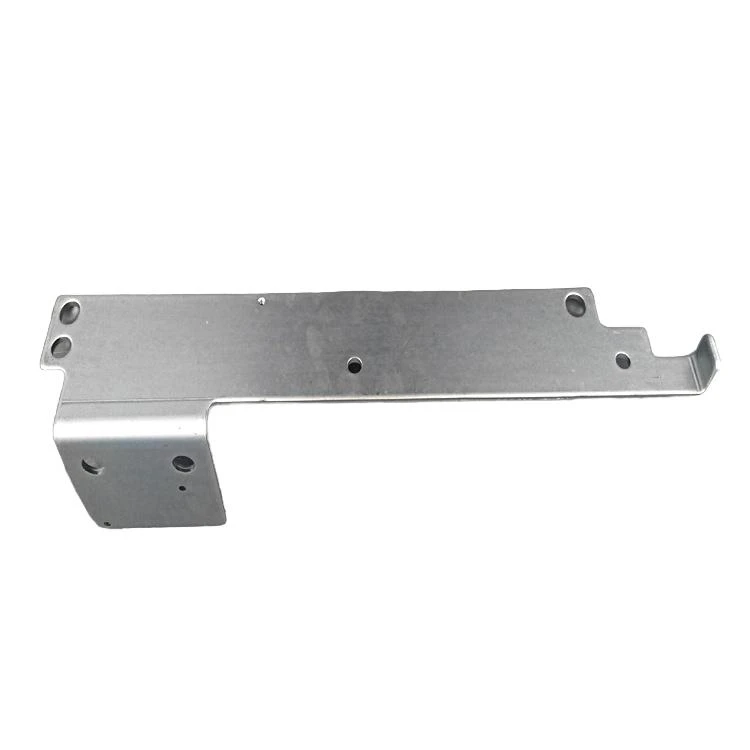
Stamping parts are components produced through a metal forming process where sheet metal is placed into a stamping press and shaped using a die. This process can include operations such as blanking, punching, bending, embossing, flanging, and coining. The result is high-precision, durable parts that can be manufactured in both small and large quantities.
Stamping parts are widely used in industries such as automotive, aerospace, electronics, appliances, and construction. For example, in the automotive sector, stamping produces body panels, brackets, and engine components. In electronics, stamping is essential for connectors, terminals, and shielding parts. In consumer appliances, parts like housings, hinges, and mounting brackets are often stamped from sheet metal.
One key advantage of stamping is its ability to produce complex shapes with tight tolerances at high speed, making it cost-effective for mass production. Stamping dies are reusable, which further reduces long-term costs. Additionally, a wide variety of materials—such as aluminum, stainless steel, copper, and carbon steel—can be used in the stamping process, allowing flexibility based on application requirements.
In summary, stamping parts are essential in modern manufacturing because they combine precision, repeatability, and scalability, meeting the needs of industries that demand both performance and efficiency.

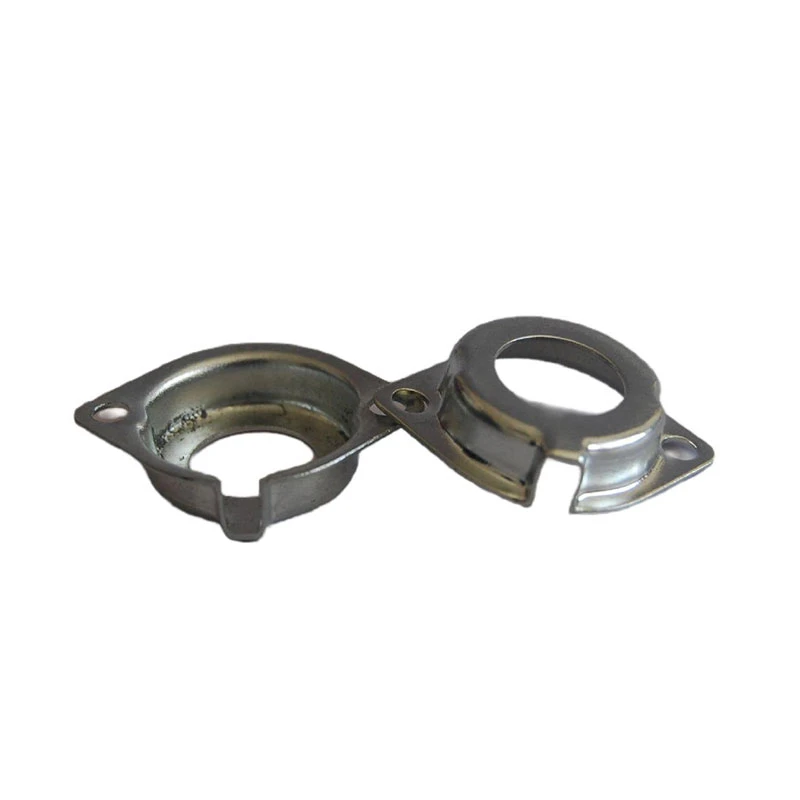
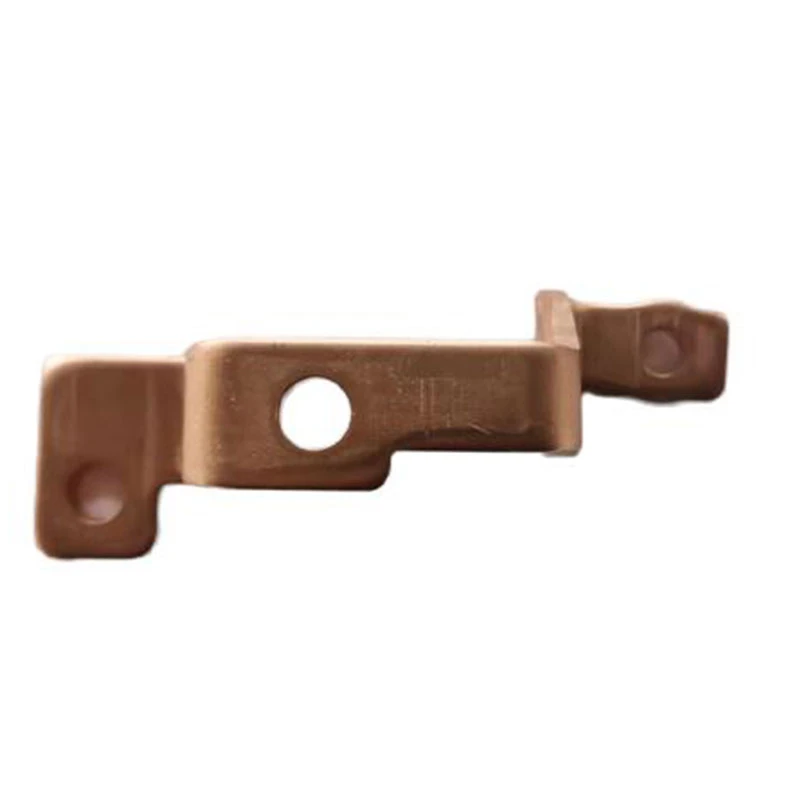
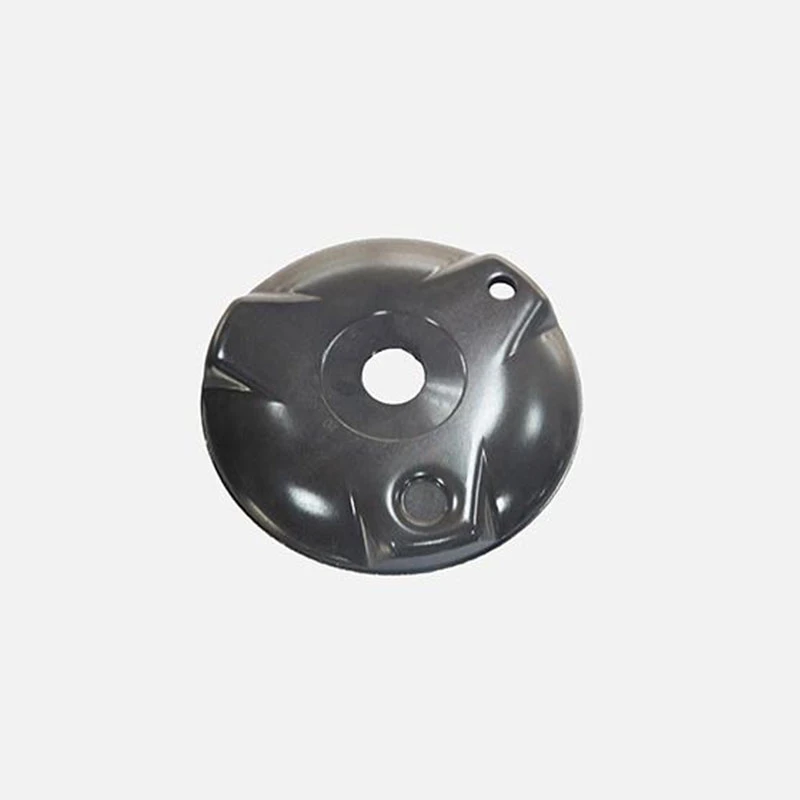
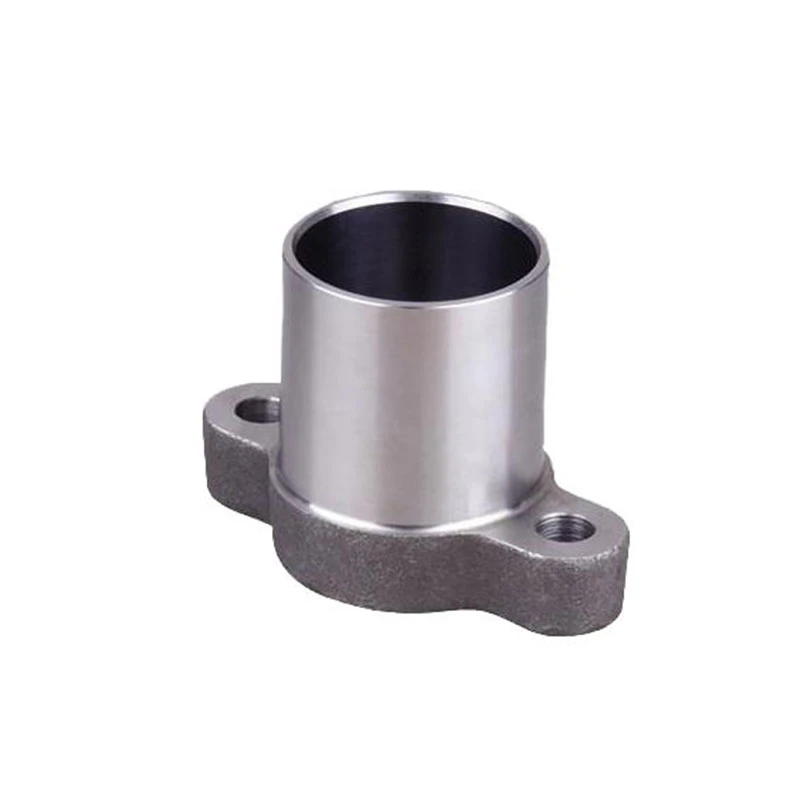
What Is Deep Drawn Metal Stamping And Why Is It Important?
Deep drawn metal stamping is a specialized process where a flat sheet of metal is radially drawn into a forming die, creating a part with significant depth relative to its diameter. Unlike simple bending or punching, deep drawing allows manufacturers to produce hollow, seamless components with exceptional strength and dimensional accuracy.
This process is vital for industries that require lightweight yet strong cylindrical or cup-shaped parts, such as the automotive, aerospace, defense, and medical sectors. Common applications include fuel tanks, engine housings, cookware, battery enclosures, and medical device components.
The benefits of deep drawn stamping include:
-
Seamless construction: Produces strong, leak-proof parts without welds.
-
Material efficiency: Less scrap compared to machining or welding.
-
High strength-to-weight ratio: Excellent for lightweight structural components.
-
Scalability: Suitable for both small batches and mass production.
Aluminum, stainless steel, brass, and titanium are commonly used materials in deep drawn stamping due to their ductility and strength.
In summary, deep drawn metal stamping is important because it provides durable, precise, and cost-effective solutions for industries requiring complex, hollow metal components that perform reliably in demanding environments.
How Does Progressive Die Stamping Improve Manufacturing Efficiency?
Progressive die stamping is an advanced method where a strip of sheet metal moves through a series of stations within a single stamping die. Each station performs a different operation—such as cutting, bending, or punching—until the final part is completed. This process is highly efficient for producing large volumes of complex parts with consistent quality.
The main advantage of progressive die stamping is speed and automation. Since multiple operations are combined into one continuous process, cycle times are significantly reduced, making it ideal for mass production. This also reduces labor costs and minimizes handling errors, as the material moves automatically through the die.
Industries such as automotive, electronics, and consumer goods rely on progressive die stamping for components like brackets, terminals, fasteners, and precision hardware. The process is especially valuable when parts require multiple intricate features that would otherwise demand several separate stamping or machining steps.
Additional benefits include:
-
Consistency: Tight tolerances and repeatable accuracy.
-
Cost-effectiveness: Lower per-part costs in high-volume production.
-
Material utilization: Optimized layouts reduce scrap rates.
In conclusion, progressive die stamping enhances manufacturing efficiency by combining multiple operations into one streamlined process, making it the go-to choice for companies seeking high-volume, precise, and economical metal stamping solutions.
What Are The Advantages Of Custom Sheet Metal Stamping?
Custom sheet metal stamping allows manufacturers to produce parts that are specifically tailored to meet unique design, performance, and functional requirements. Instead of using standard, off-the-shelf components, companies can create bespoke parts optimized for their applications.
This flexibility is particularly valuable in industries like aerospace, medical devices, telecommunications, and renewable energy, where parts must meet strict standards and perform under demanding conditions. Examples of custom-stamped parts include enclosures, shielding components, heat sinks, connectors, and structural brackets.
Advantages of custom sheet metal stamping include:
-
Design flexibility: Complex geometries, fine details, and unique features can be achieved.
-
Material selection: Manufacturers can choose from a wide range of metals, including stainless steel, aluminum, copper, and specialty alloys.
-
Cost savings: Once the tooling is made, large-scale production becomes highly economical.
-
Enhanced performance: Parts can be optimized for weight reduction, strength, or conductivity.
-
Scalability: Suitable for both prototype development and mass production.
By combining precision tooling with modern stamping presses, custom sheet metal stamping ensures products are consistent, durable, and tailored to customer needs.