


Comprehensive Guide to Aluminium Pressure Die Casting Components and Solutions
Aluminium Pressure Die Casting Components: A Comprehensive Guide
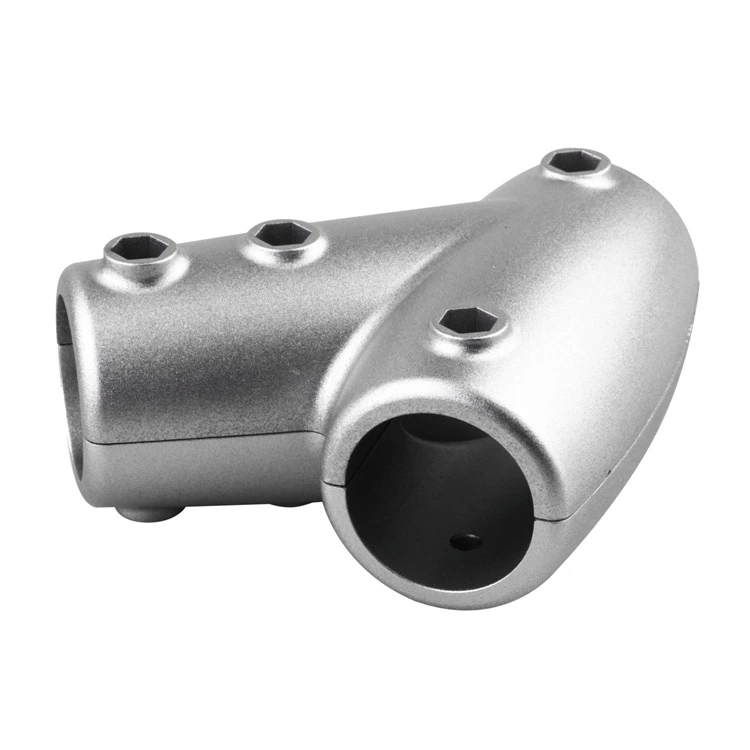
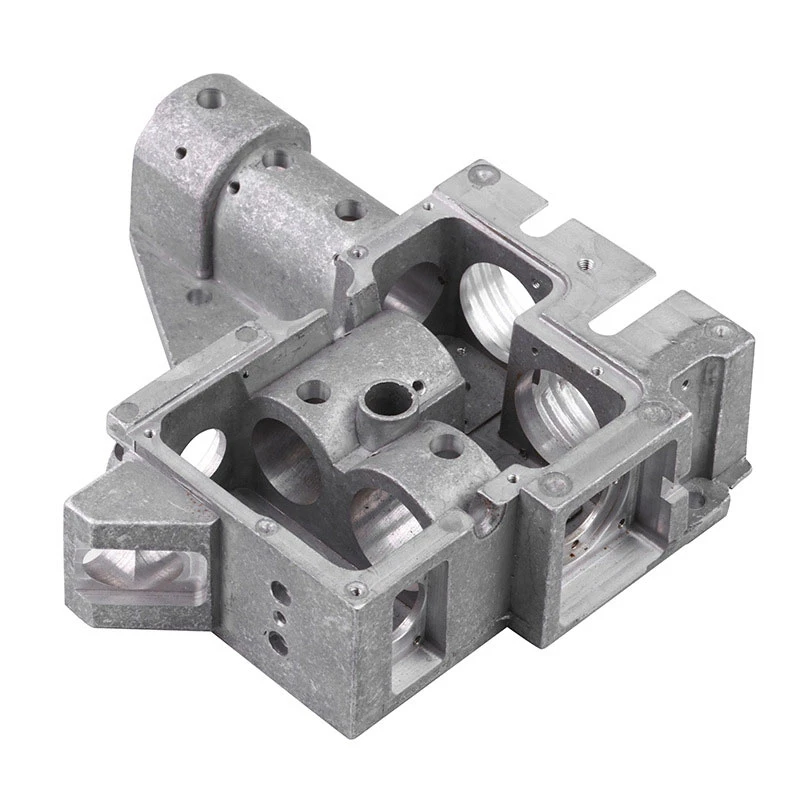
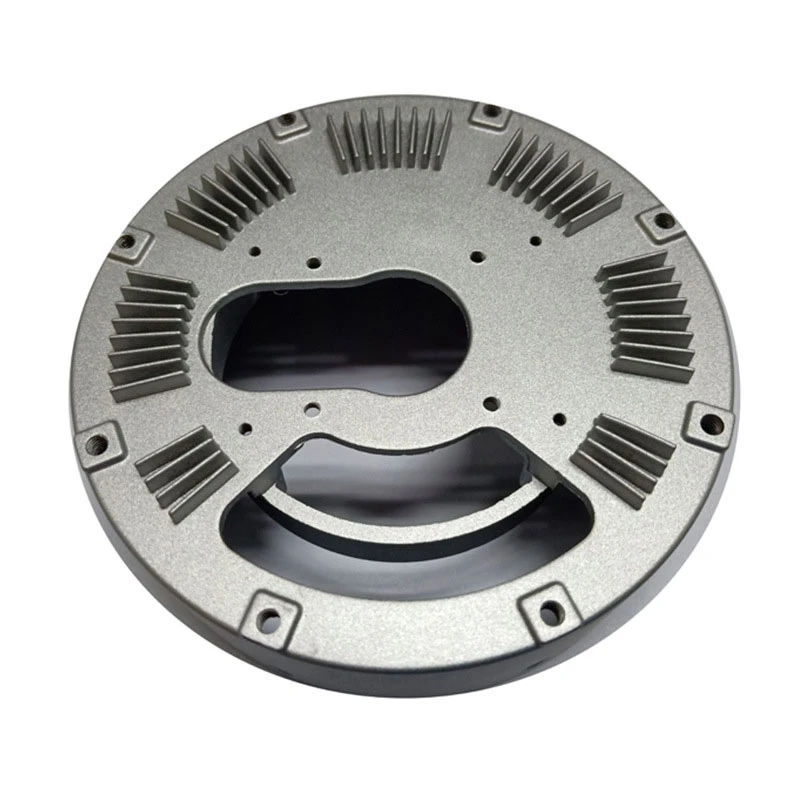
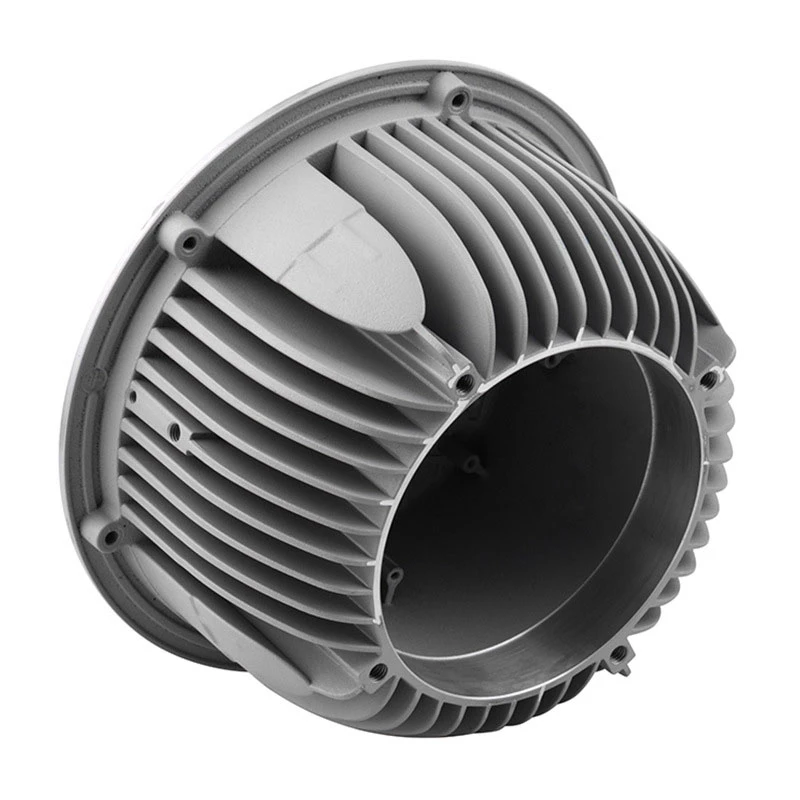
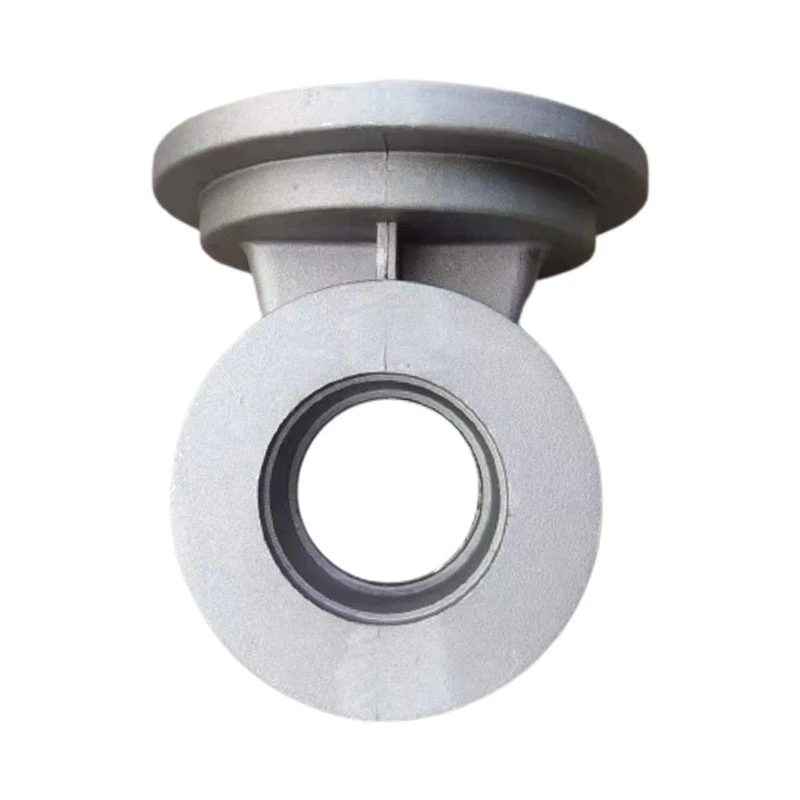
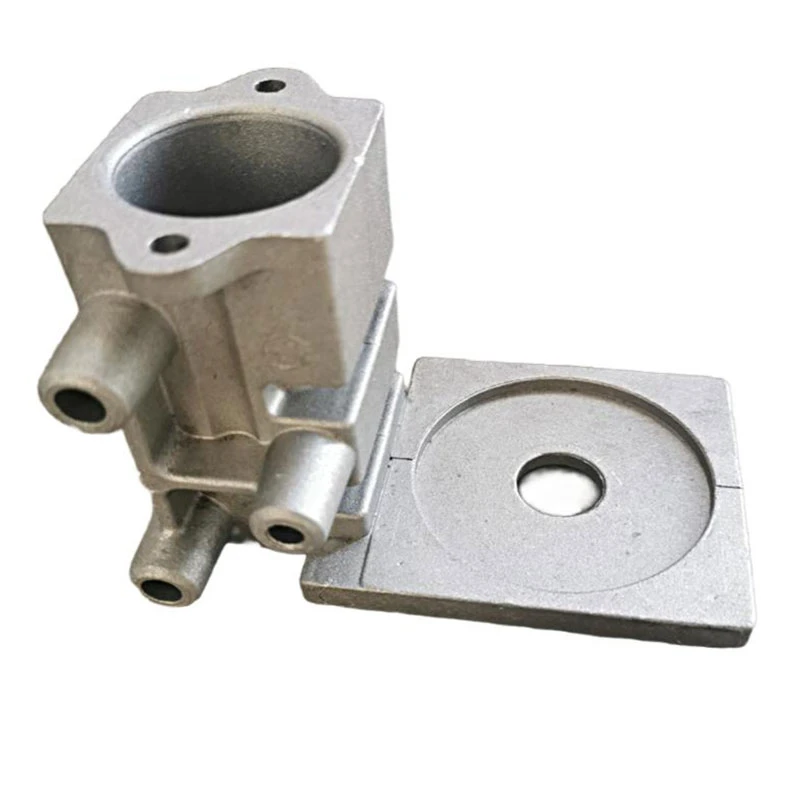
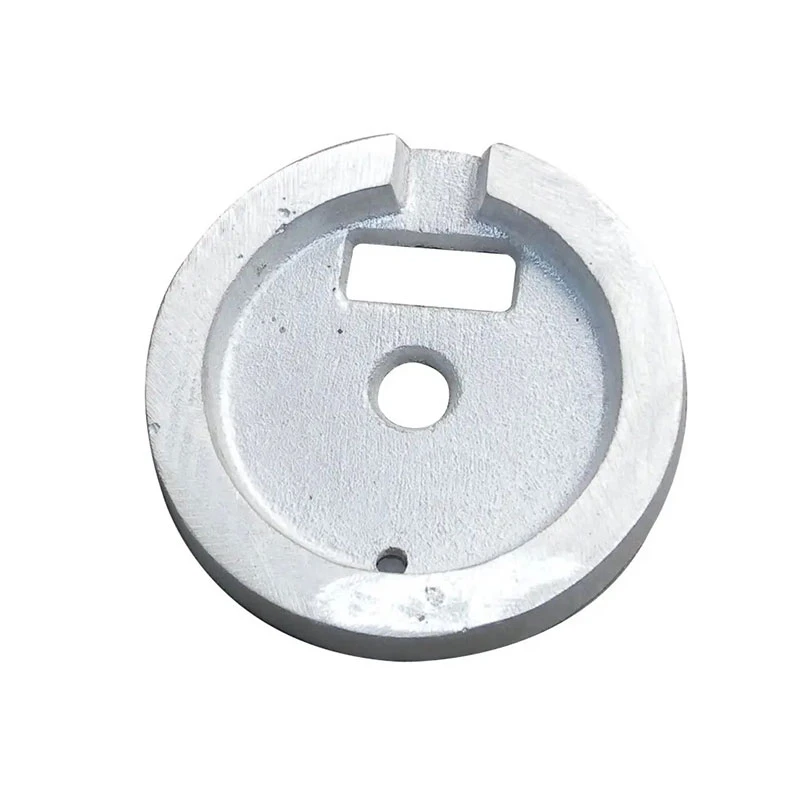
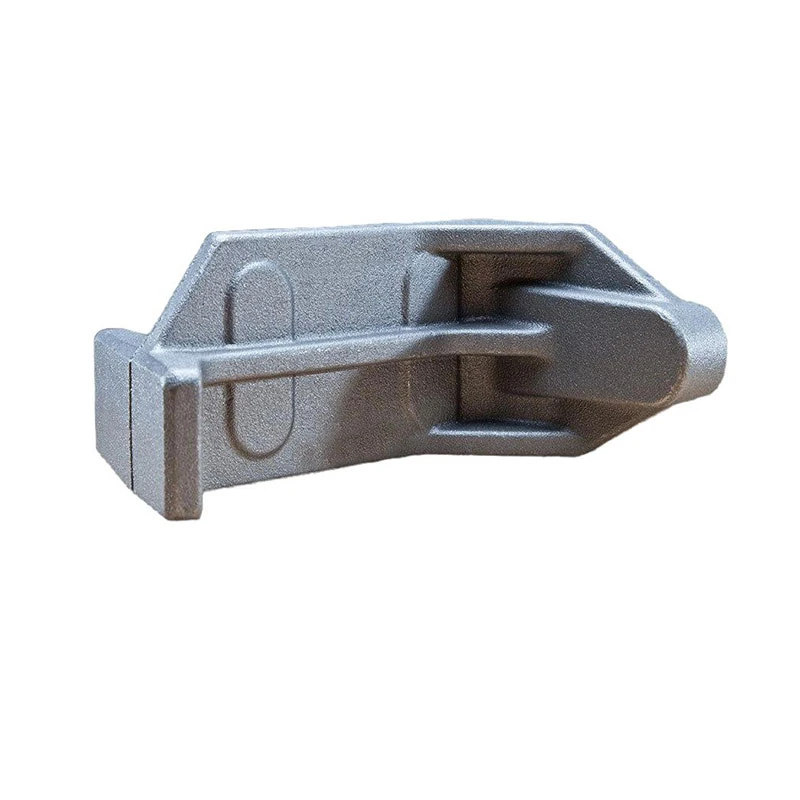
Aluminium pressure die casting components are crucial for a vast array of industries, offering a cost-effective and efficient solution for producing complex, high-precision parts. This article delves into the benefits, process, applications, and considerations when sourcing these components. Whether you're a design engineer, purchasing manager, or simply exploring manufacturing options, this guide will provide valuable insights. Understanding the intricacies of this process allows for informed decision-making and optimized product development. Hairun Sourcing provides expert solutions for your aluminium die casting needs.
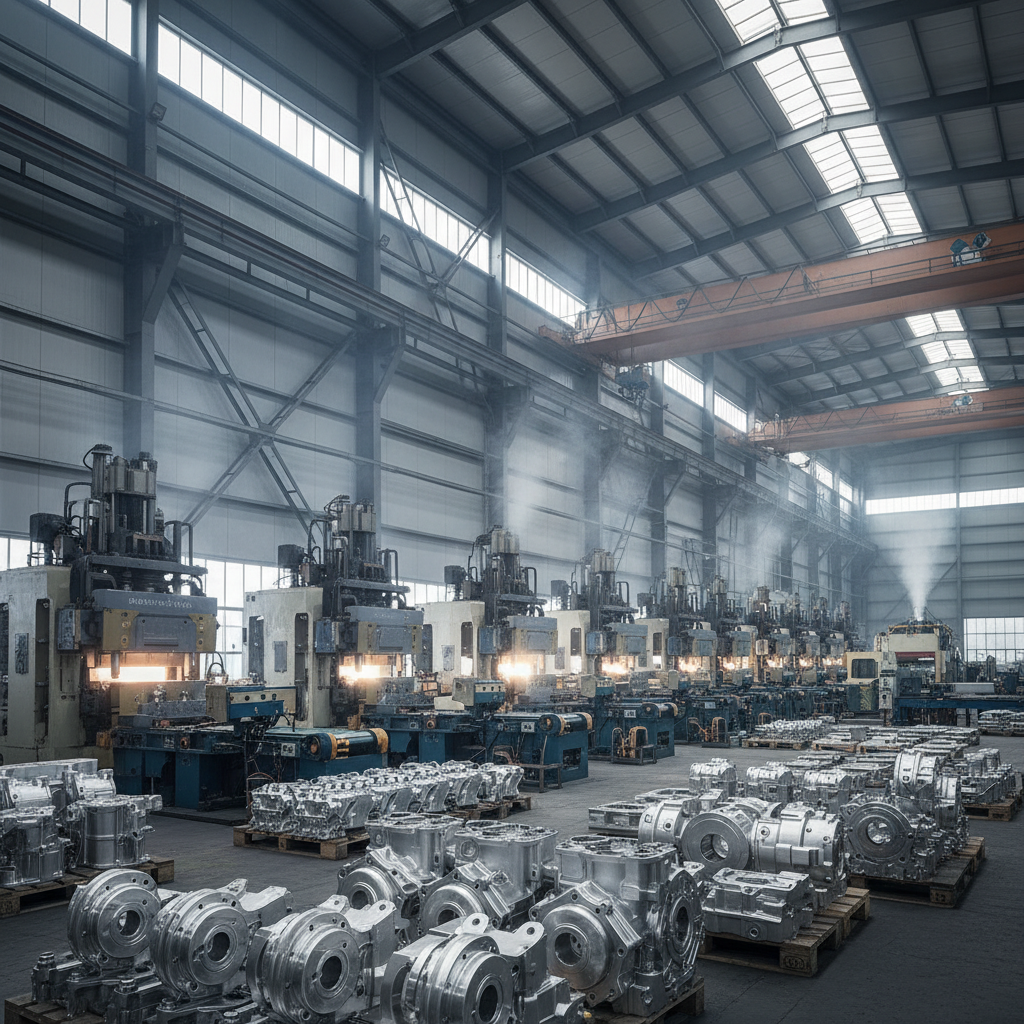
Understanding the Aluminium Pressure Die Casting Process
Pressure die casting involves injecting molten aluminium alloy into a reusable metal die under high pressure. This process delivers exceptional dimensional accuracy, smooth surface finish, and mechanical properties. Key steps include die preparation, metal melting, injection, cooling, and ejection. The process is particularly well-suited for large production runs, making it an economically attractive option. The speed and precision of pressure die casting ensure consistent part quality and minimize waste. Hairun Sourcing utilizes state-of-the-art machinery for efficient production.
Key Advantages: High dimensional accuracy, excellent surface finish, cost-effective for large volumes, strong mechanical properties, complex geometries possible.
Benefits of Using Aluminium Pressure Die Casting Components
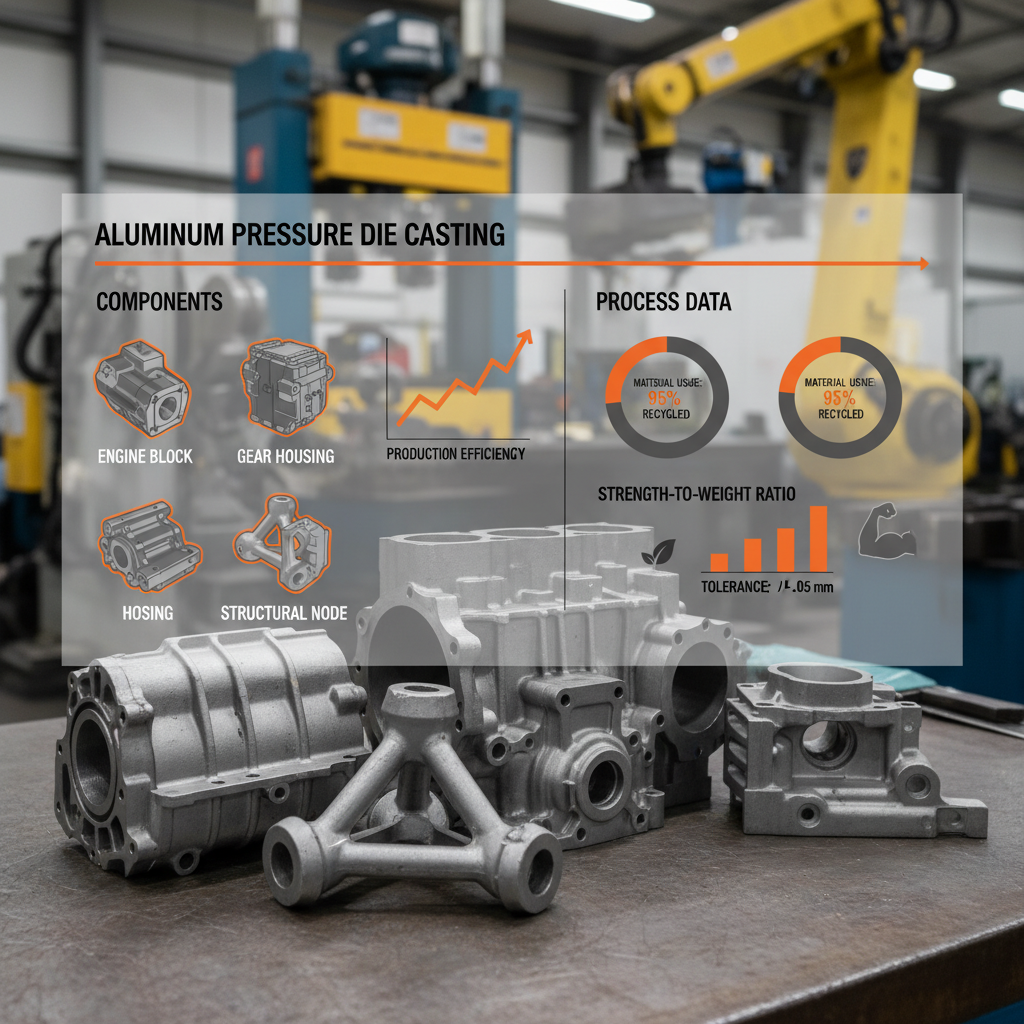
Choosing aluminium pressure die casting components offers several advantages over other manufacturing methods. Aluminium is lightweight yet strong, providing a high strength-to-weight ratio. It’s also highly conductive, making it ideal for electrical and thermal applications. The process enables the creation of intricate designs with tight tolerances. Furthermore, aluminium is corrosion-resistant and recyclable, contributing to sustainability efforts. This makes aluminium die casting a versatile solution for a wide spectrum of industries.
Key Benefits:
• Lightweight and strong
• Excellent thermal and electrical conductivity
• Intricate designs possible
• Corrosion resistant and recyclable
Applications of Aluminium Pressure Die Casting Components
The versatility of aluminium pressure die casting components is reflected in their wide-ranging applications. Common industries utilizing these parts include automotive (engine blocks, transmission housings), aerospace (structural components), electronics (heat sinks, connectors), medical (surgical instruments), and consumer products (casings, housings). The ability to produce complex shapes efficiently makes them suitable for both functional and aesthetic parts. The automotive industry, in particular, relies heavily on aluminium die casting to reduce vehicle weight and improve fuel efficiency.
Choosing the Right Aluminium Alloy for Pressure Die Casting
Various aluminium alloys are suitable for pressure die casting, each offering different properties. A380 is a common choice due to its excellent castability and mechanical strength. A413 offers improved corrosion resistance. Die casting alloys selection depends on the specific application requirements, including strength, ductility, corrosion resistance, and temperature resistance. Hairun Sourcing’s experienced engineers can assist in alloy selection.
Factors to Consider When Sourcing Aluminium Pressure Die Casting Components
Sourcing from a reliable supplier is critical for ensuring quality and timely delivery. Key factors to consider include the supplier's experience, manufacturing capabilities, quality control processes, and communication skills. It’s also important to assess their ability to handle your specific project requirements, including design assistance, tooling, and post-processing services. Hairun Sourcing provides comprehensive solutions from design to delivery.
Conclusion: Partnering for Success with Aluminium Die Casting
Aluminium pressure die casting is a powerful manufacturing process offering numerous advantages. Selecting the right alloy, understanding the process, and partnering with a reputable supplier like Hairun Sourcing are key to achieving success. We provide comprehensive solutions tailored to your specific needs, ensuring high-quality components and timely delivery.
Frequently Asked Questions (FAQs)
What are the typical lead times for aluminium die casting components?
Lead times vary depending on the complexity of the part, tooling requirements, and production volume. Generally, tooling can take 4-8 weeks, while production lead times range from 2-6 weeks after tool approval. Hairun Sourcing provides accurate lead time estimates and works to expedite the process whenever possible. Factors affecting lead time include alloy availability and post-processing requirements.
What post-processing services are available?
We offer a comprehensive range of post-processing services, including machining, deburring, polishing, powder coating, plating, and assembly. These services ensure that your components meet your exact specifications and are ready for immediate use. We also provide surface treatments to enhance corrosion resistance and improve aesthetic appeal.
How does Hairun Sourcing ensure quality control?
Quality is our top priority. Hairun Sourcing employs rigorous quality control procedures throughout the entire manufacturing process, from raw material inspection to final product testing. We utilize advanced inspection equipment, including CMMs and X-ray inspection, to ensure dimensional accuracy and detect any defects. We adhere to international quality standards.
-
High Quality Precision Aluminum Die Casting Components GuideNewsApr.09,2026
-
Comprehensive Guide to High Quality Aluminium Pressure Die Casting ProductsNewsApr.07,2026
-
Comprehensive Guide to Aluminium HPDC Casting for Global SourcingNewsMar.31,2026
-
Comprehensive Guide to Precision Aluminium Die Castings and Manufacturing SolutionsNewsMar.28,2026
-
Comprehensive Guide to Aluminium Die Casting Components and Their ApplicationsNewsMar.26,2026