


Comprehensive Guide to Low Pressure Aluminum Casting for Superior Components
Understanding Low Pressure Aluminum Casting: A Comprehensive Guide
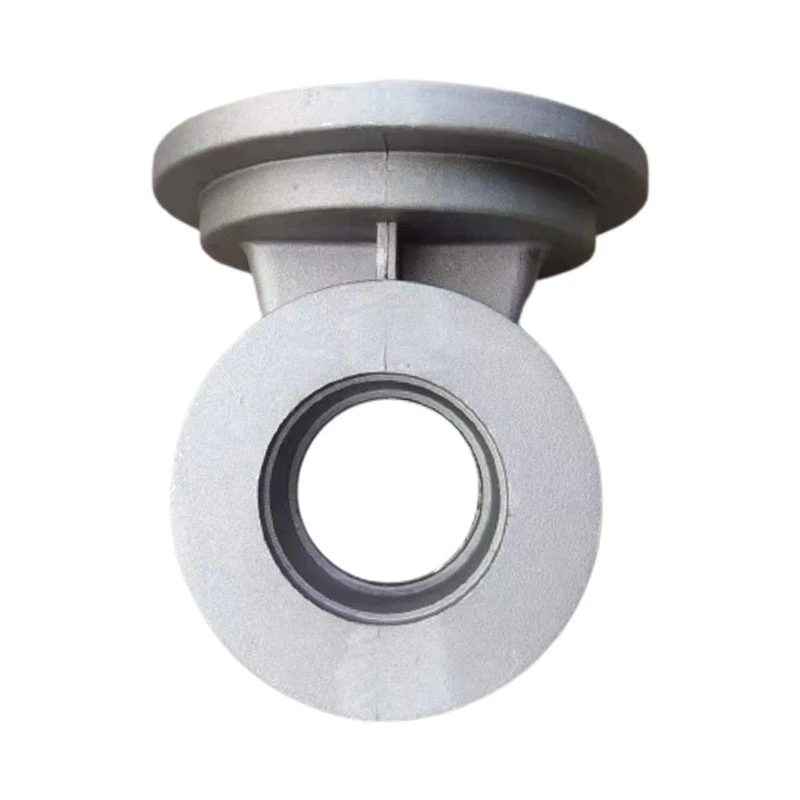
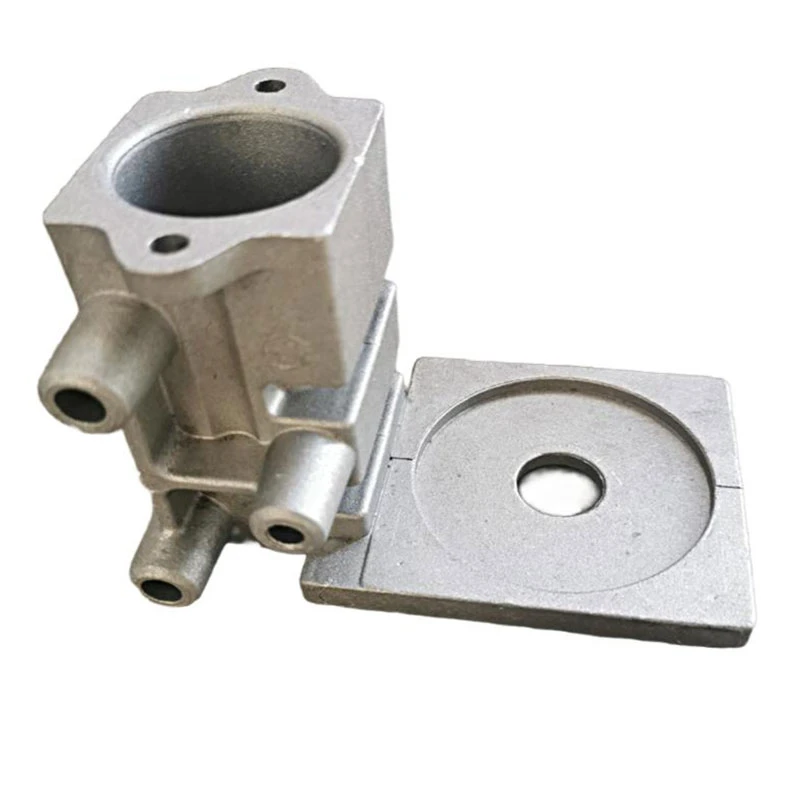
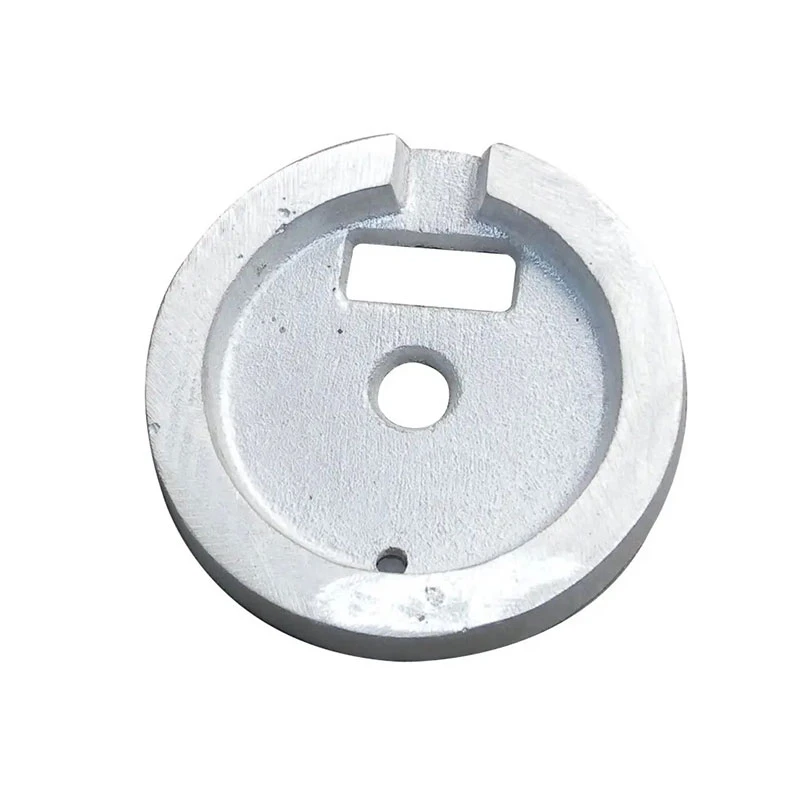
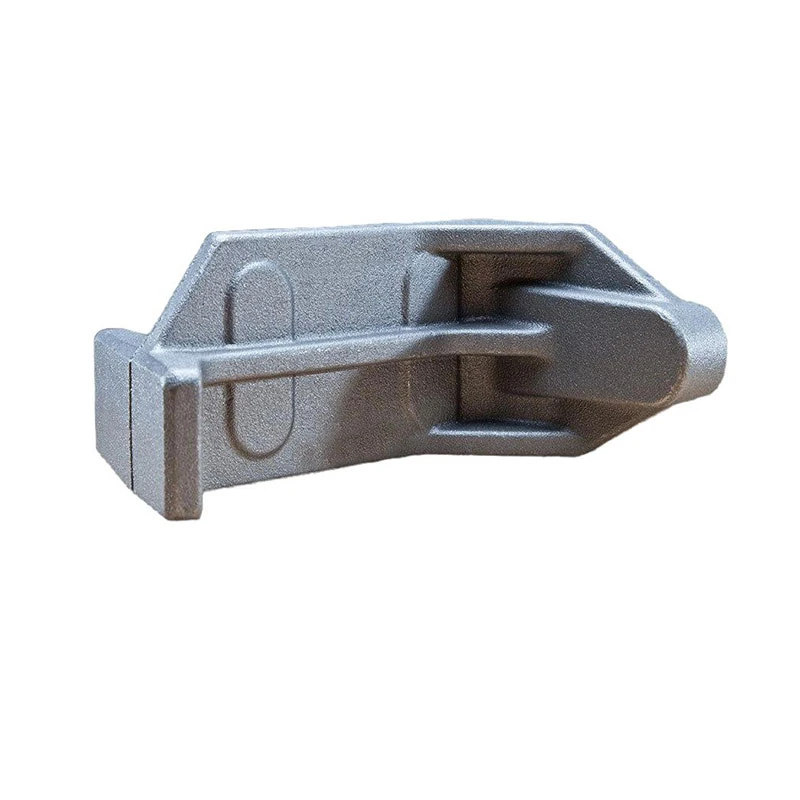
Low pressure aluminum casting is a versatile and cost-effective manufacturing process used to create high-quality aluminum parts. It’s particularly suited for complex geometries and larger components where precision and mechanical properties are crucial. At Hairun Sourcing, we specialize in providing comprehensive low pressure aluminum casting solutions, from design assistance to final production. This article will delve into the intricacies of this process, exploring its benefits, applications, and the factors that contribute to successful casting results. Understanding the nuances of this method is vital for optimizing your manufacturing processes and achieving superior part quality.
The Low Pressure Aluminum Casting Process Explained
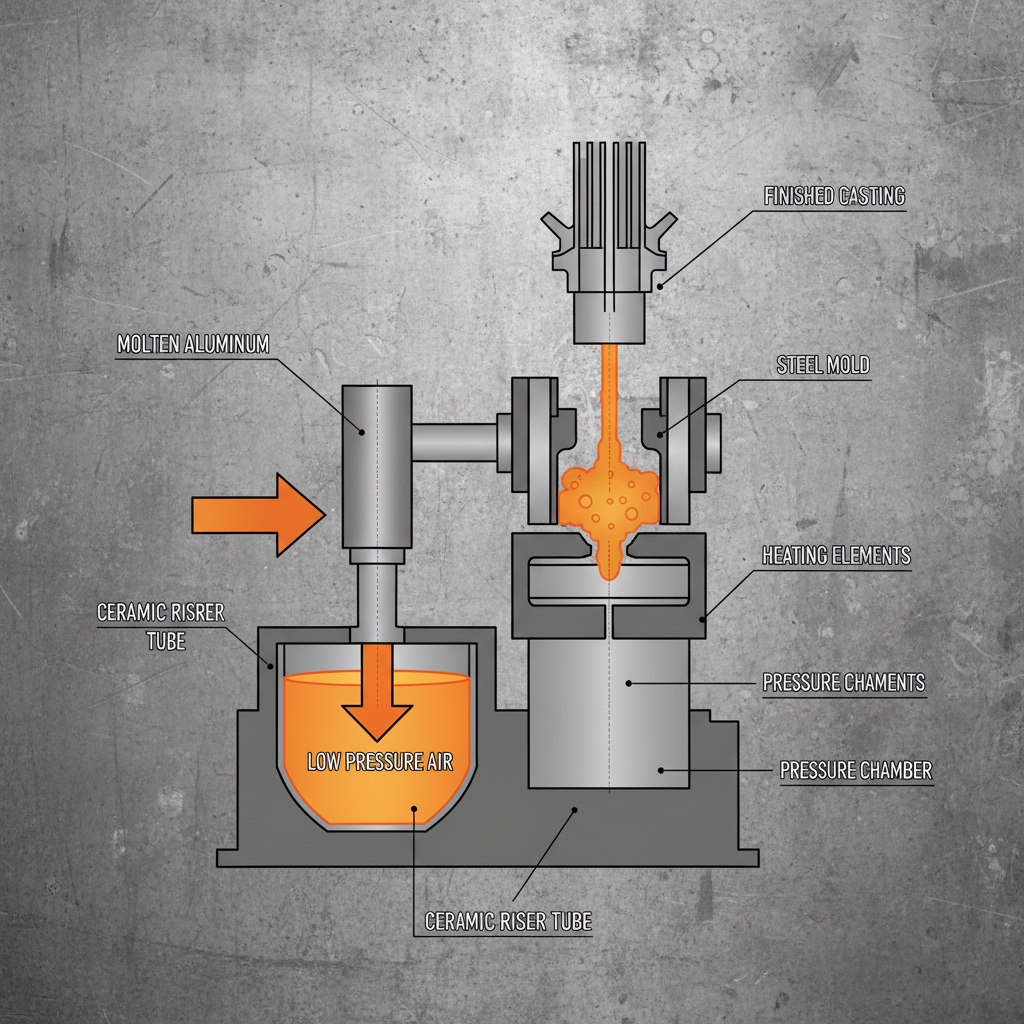
Low pressure aluminum casting involves injecting molten aluminum into a mold at a controlled, low pressure. This differs from high-pressure die casting, which uses significantly greater force. The process begins with a preheated mold, typically made of steel or cast iron. Molten aluminum is held in a crucible and introduced into the mold cavity via a riser tube. The pressure is maintained throughout the solidification process, ensuring a dense, void-free casting. This method produces parts with excellent mechanical properties, dimensional accuracy, and surface finish. The slow, controlled filling minimizes turbulence and gas entrapment, resulting in a superior casting quality compared to other methods. Hairun Sourcing utilizes state-of-the-art equipment and rigorous quality control measures to ensure consistent, high-quality results.
Key Benefits: Excellent mechanical properties, minimal porosity, complex geometries, large parts, good surface finish, cost-effective for medium to large production runs.
Low Pressure Casting vs. Other Aluminum Casting Methods
Several aluminum casting methods exist, each with its strengths and weaknesses. Low pressure casting offers a unique combination of benefits compared to die casting, sand casting, and investment casting. Die casting provides high speed and excellent dimensional accuracy, but can be more expensive for large parts and complex geometries. Sand casting is cost-effective for prototypes and low-volume production, but typically results in rougher surface finishes and lower mechanical properties. Investment casting produces intricate details but is generally more expensive and limited in part size. Low pressure casting strikes a balance, delivering high quality, good dimensional accuracy, and cost-effectiveness for medium to large production runs.
Comparison of Casting Methods:
• Low Pressure Casting: Excellent mechanical properties, good dimensional accuracy, moderate cost.
• Die Casting: High speed, excellent accuracy, higher cost, limited part size.
• Sand Casting: Low cost, good for prototypes, rough surface finish, lower properties.
• Investment Casting: Intricate details, high cost, limited part size.
Applications of Low Pressure Aluminum Casting
The versatility of low pressure aluminum casting makes it ideal for a wide range of applications. Common uses include automotive components like engine blocks, cylinder heads, and transmission housings. The aerospace industry utilizes this method for producing structural components and housings. Industrial machinery, pumps, and valves also benefit from the strength and precision of low pressure castings. Furthermore, it's widely employed in the production of lighting fixtures, furniture parts, and various consumer goods. The ability to cast complex shapes with excellent mechanical properties makes it a preferred choice in numerous industries. Hairun Sourcing has extensive experience serving diverse industry needs.
Factors Influencing Low Pressure Aluminum Casting Quality
Achieving optimal results in low pressure aluminum casting depends on several critical factors. Mold design, alloy selection, melt temperature, pressure control, and solidification rate all play a significant role. Proper mold venting is essential to prevent gas entrapment. Carefully controlling the melt temperature ensures optimal fluidity and minimizes defects. Maintaining consistent pressure throughout the solidification process is crucial for achieving dense, void-free castings. At Hairun Sourcing, our experienced engineers meticulously manage these parameters to deliver consistently high-quality castings.
Why Choose Hairun Sourcing for Your Low Pressure Casting Needs?
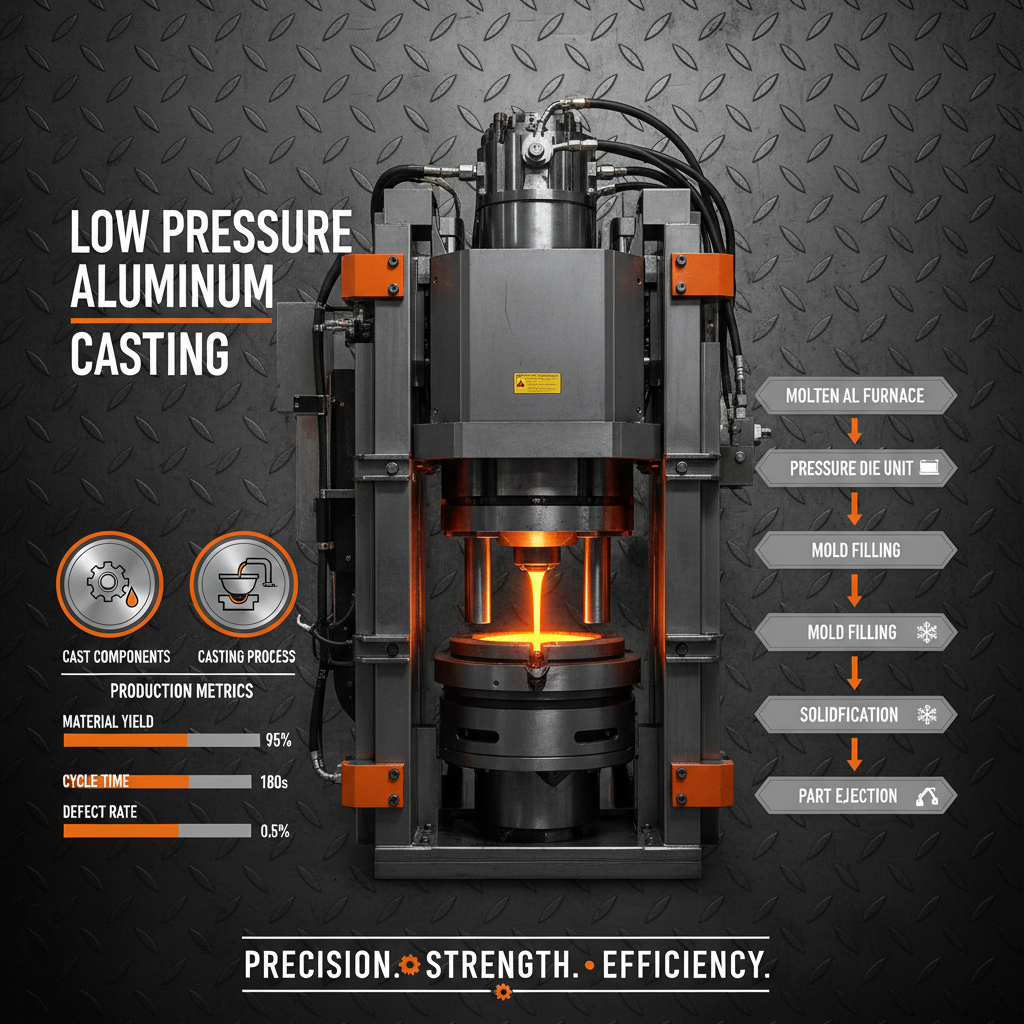
Hairun Sourcing offers a comprehensive suite of low pressure aluminum casting services. We provide design assistance, prototyping, tooling fabrication, and full-scale production. Our team of experienced engineers and skilled technicians are dedicated to delivering high-quality castings that meet your exact specifications. We utilize advanced quality control measures throughout the entire process, ensuring consistent and reliable results. With our commitment to customer satisfaction and competitive pricing, we are your trusted partner for all your aluminum casting needs.
Conclusion: Partner with Hairun Sourcing for Superior Aluminum Castings
Low pressure aluminum casting offers a powerful solution for producing high-quality, complex aluminum parts. Hairun Sourcing is your reliable partner, providing expertise, advanced technology, and unwavering commitment to customer satisfaction. Contact us today to discuss your project and discover how we can help you achieve your manufacturing goals.
Frequently Asked Questions (FAQs)
What are the typical lead times for low pressure aluminum casting?
Lead times can vary depending on the complexity of the part, tooling requirements, and production volume. Generally, prototyping can take 2-4 weeks, while tooling fabrication may require 4-8 weeks. Once tooling is complete, production lead times typically range from 2-6 weeks. Hairun Sourcing is committed to efficient project management and strives to minimize lead times without compromising quality.
What aluminum alloys are commonly used in low pressure casting?
Commonly used aluminum alloys include A356, A357, and A360. A356 offers excellent castability, strength, and corrosion resistance. A357 provides even higher strength and ductility. A360 is known for its good fluidity and pressure tightness. The specific alloy selection depends on the application requirements and desired mechanical properties. Our team at Hairun Sourcing can help you choose the optimal alloy for your project.
What quality control measures does Hairun Sourcing employ?
We employ a rigorous quality control system throughout the entire production process. This includes raw material inspection, dimensional checks, non-destructive testing (NDT) such as X-ray and dye penetrant inspection, and mechanical property testing. We adhere to industry standards and provide full documentation to ensure traceability and quality assurance. Our commitment to quality is unwavering, and we strive to exceed customer expectations.
Is low pressure casting suitable for large-scale production?
Yes, low pressure casting is well-suited for medium to large-scale production runs. The process is efficient and repeatable, allowing for consistent quality and cost-effectiveness. While initial tooling costs can be higher than some other methods, the benefits of improved mechanical properties, reduced porosity, and overall quality make it a viable and often preferred choice for higher volume applications. Hairun Sourcing has the capacity and expertise to handle large-scale production demands.
-
Guide to Anodizing Die Cast Aluminum for Industrial ExcellenceNewsApr.16,2026
-
High Quality Precision Aluminum Die Casting Components GuideNewsApr.09,2026
-
Comprehensive Guide to High Quality Aluminium Pressure Die Casting ProductsNewsApr.07,2026
-
Comprehensive Guide to Aluminium Pressure Die Casting Components and SolutionsNewsApr.04,2026
-
Comprehensive Guide to Aluminium HPDC Casting for Global SourcingNewsMar.31,2026
-
Comprehensive Guide to Precision Aluminium Die Castings and Manufacturing SolutionsNewsMar.28,2026