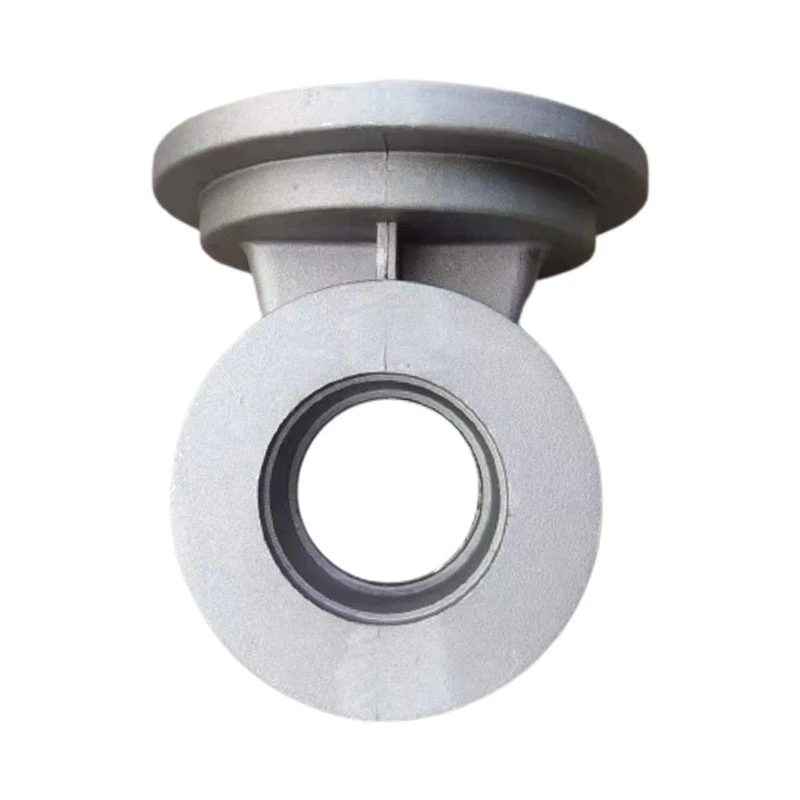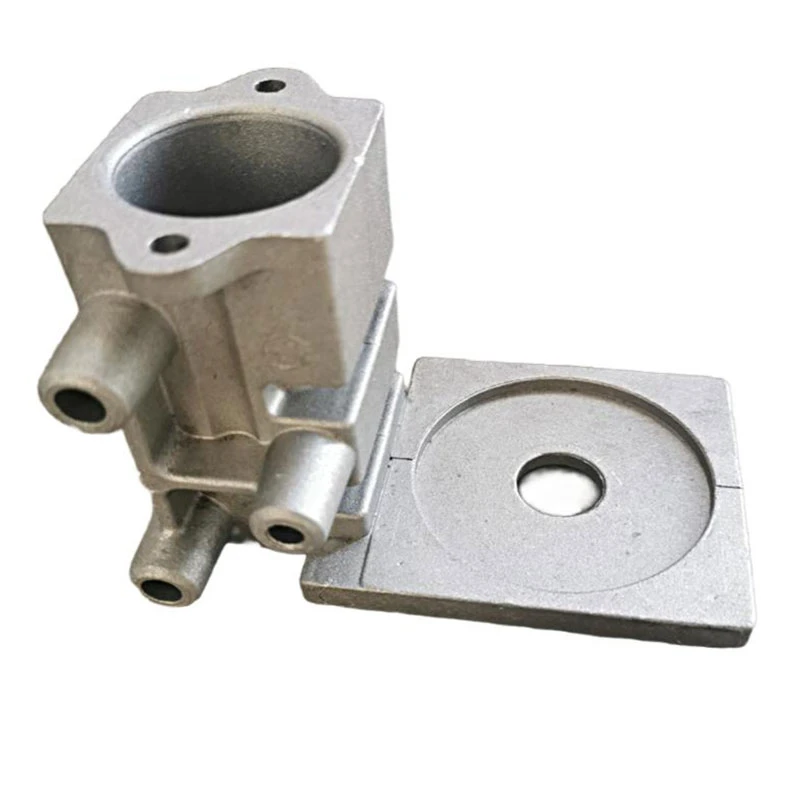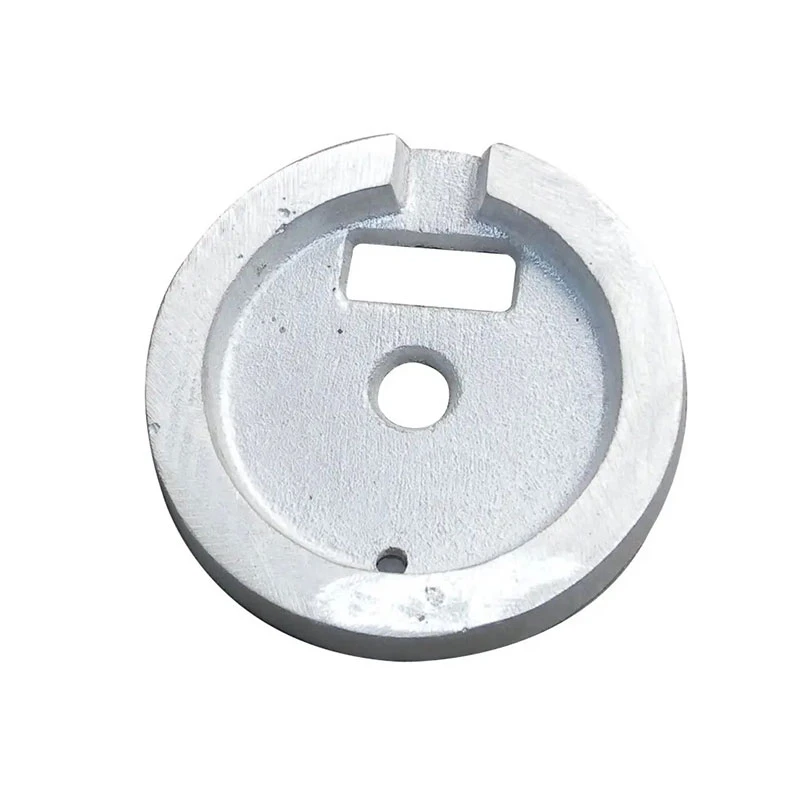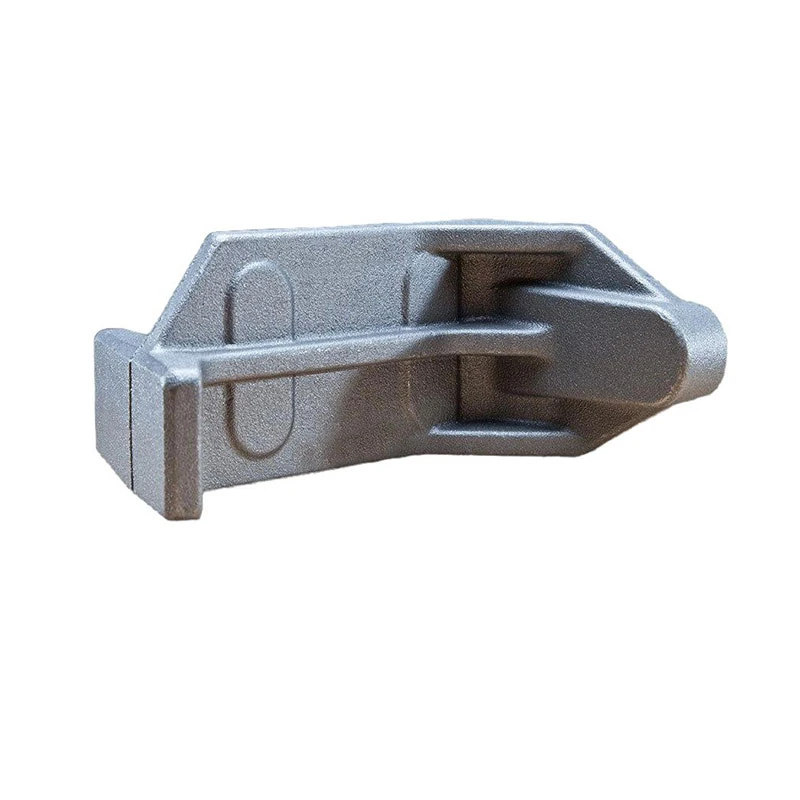



Comprehensive Guide to High Quality Aluminium Pressure Die Casting Products
Aluminium Pressure Die Casting Products: A Comprehensive Guide
Aluminium pressure die casting products are vital components across numerous industries, known for their precision, durability, and cost-effectiveness. This article delves into the intricacies of this manufacturing process, exploring its benefits, applications, common materials, design considerations, and quality control measures. Whether you're a design engineer, procurement manager, or simply curious about the process, this guide provides a clear understanding of aluminium pressure die casting. Hairun Sourcing specializes in providing high-quality, custom aluminium die casting solutions to meet diverse client needs.
What is Aluminium Pressure Die Casting?
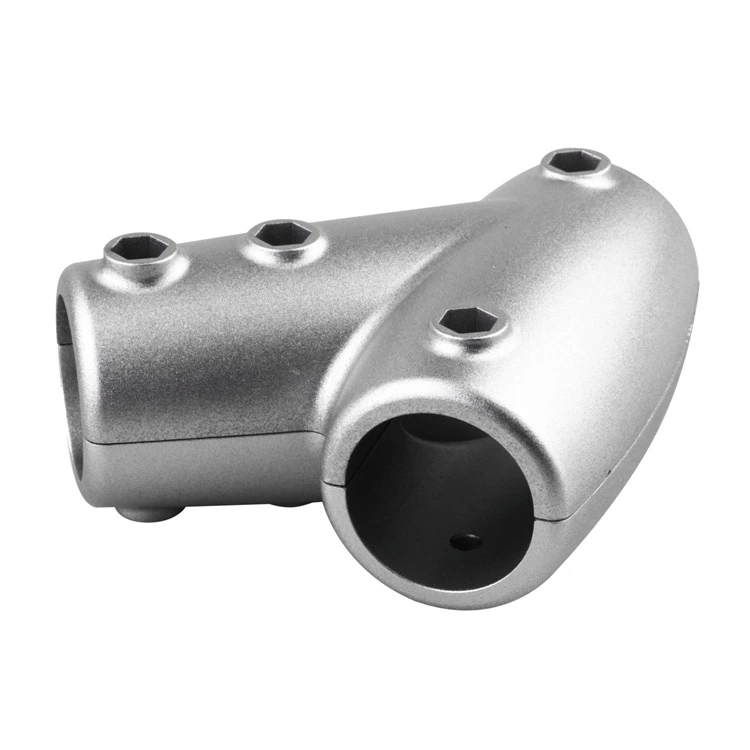
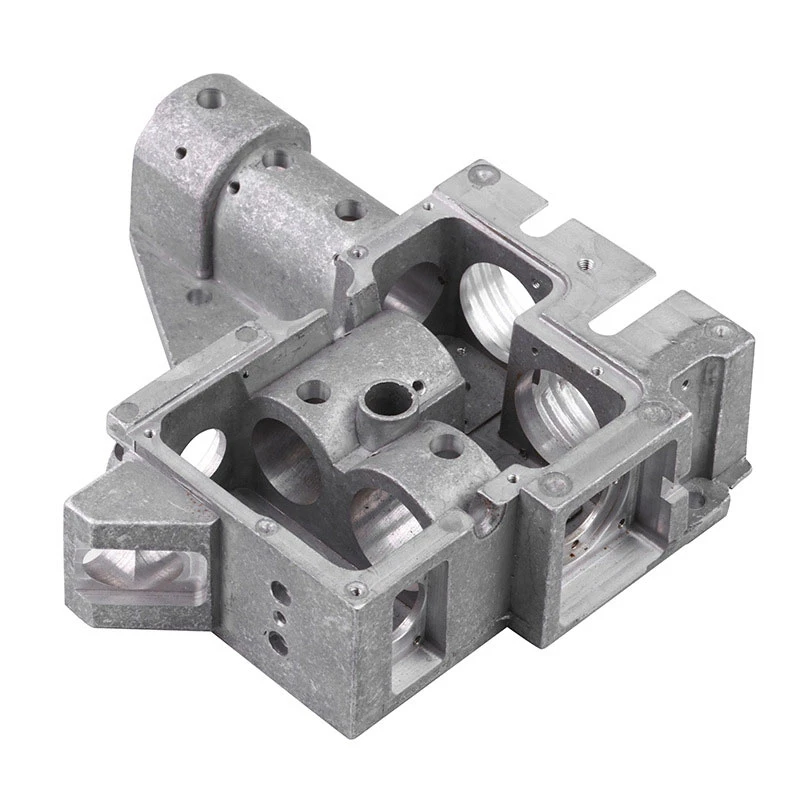
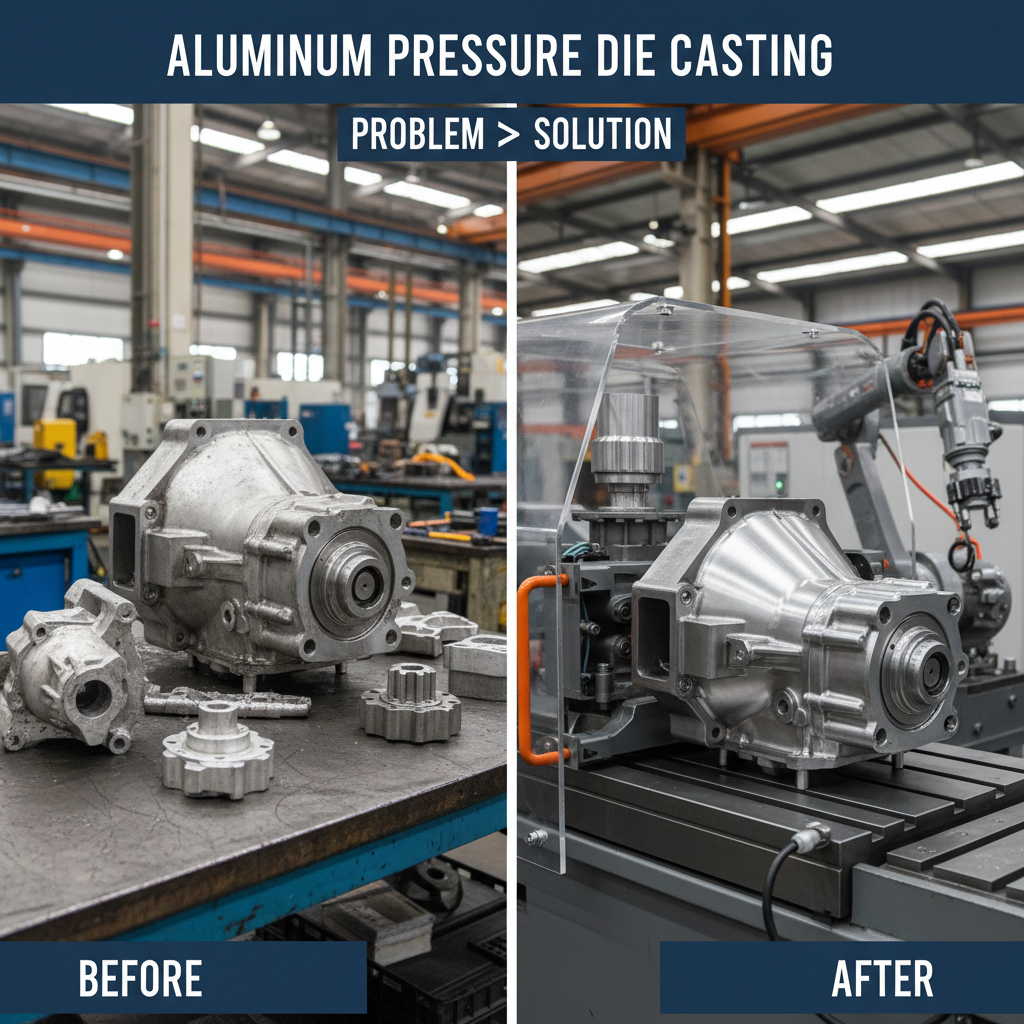
Aluminium pressure die casting is a manufacturing process where molten aluminium is forced into a steel mold (die) under high pressure. This process quickly solidifies the metal, creating a highly accurate and repeatable part. It's ideal for producing large volumes of complex shapes with tight tolerances. The rapid cooling rate also results in excellent surface finish, often eliminating the need for secondary machining. This makes it a preferred method for producing parts with intricate geometries and demanding performance requirements. Hairun Sourcing leverages advanced die casting technology to deliver precision parts.
Key Highlights: High precision, repeatability, excellent surface finish, and suitability for complex geometries.
Benefits of Using Aluminium Pressure Die Casting
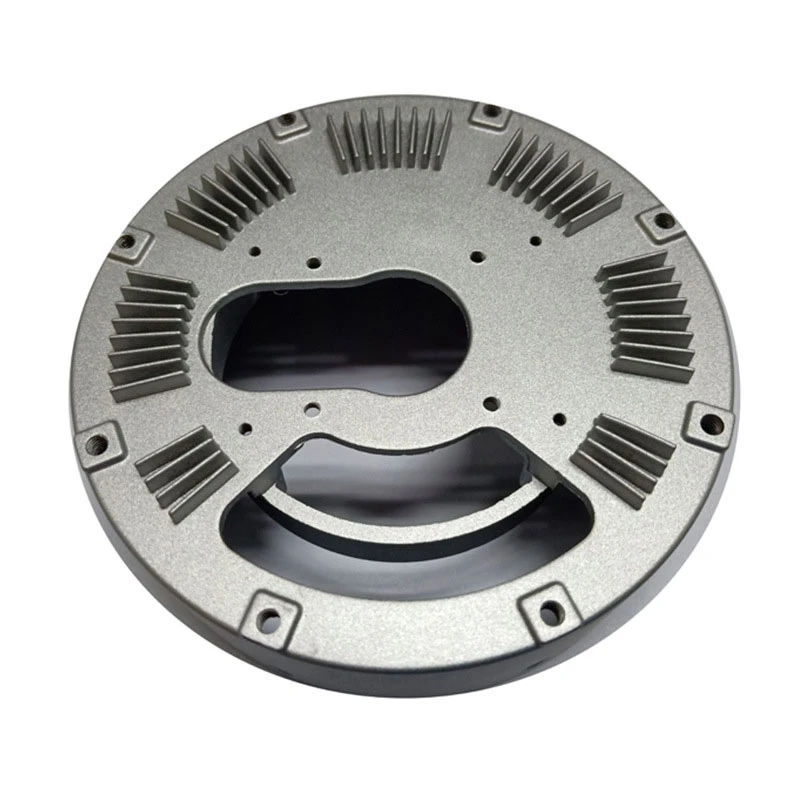
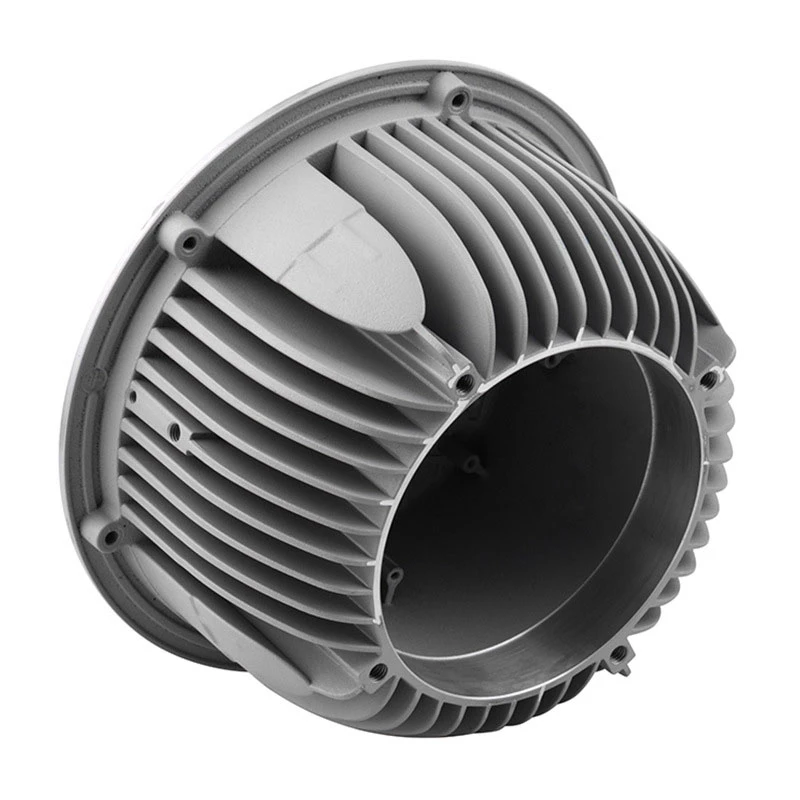
The benefits of choosing aluminium pressure die casting are numerous. High strength-to-weight ratio is a key advantage, reducing overall product weight while maintaining structural integrity. Aluminium also boasts excellent thermal conductivity, making it suitable for heat sink applications. Furthermore, the process enables complex shapes and thin walls, minimizing material usage and production costs. Compared to other casting methods, pressure die casting offers faster production cycles and superior dimensional accuracy. Contact Hairun Sourcing to discuss how these benefits can be applied to your project.
Key Advantages:
• High strength-to-weight ratio
• Excellent thermal conductivity
• Complex shapes and thin walls
• Fast production cycles
Aluminium Pressure Die Casting Products: Applications
Aluminium pressure die casting products find application across a wide spectrum of industries. The automotive sector utilizes them extensively for engine components, transmission housings, and structural parts. Electronics industries leverage them for housings, connectors, and heat sinks. In the aerospace industry, they contribute to lightweight structural elements. Furthermore, they are crucial in the manufacturing of power tools, household appliances, and medical devices. The versatility and reliability of these parts make them indispensable in modern manufacturing.
Aluminium Alloys Commonly Used in Die Casting
Several aluminium alloys are well-suited for pressure die casting, each offering unique properties. A380 is the most widely used alloy, known for its excellent castability, strength, and corrosion resistance. ADC12 (A383) provides improved strength and ductility. A360 offers exceptional corrosion resistance, making it ideal for marine applications. The selection of the appropriate alloy depends on the specific requirements of the application, including mechanical properties, corrosion resistance, and operating temperature.
Quality Control in Aluminium Pressure Die Casting
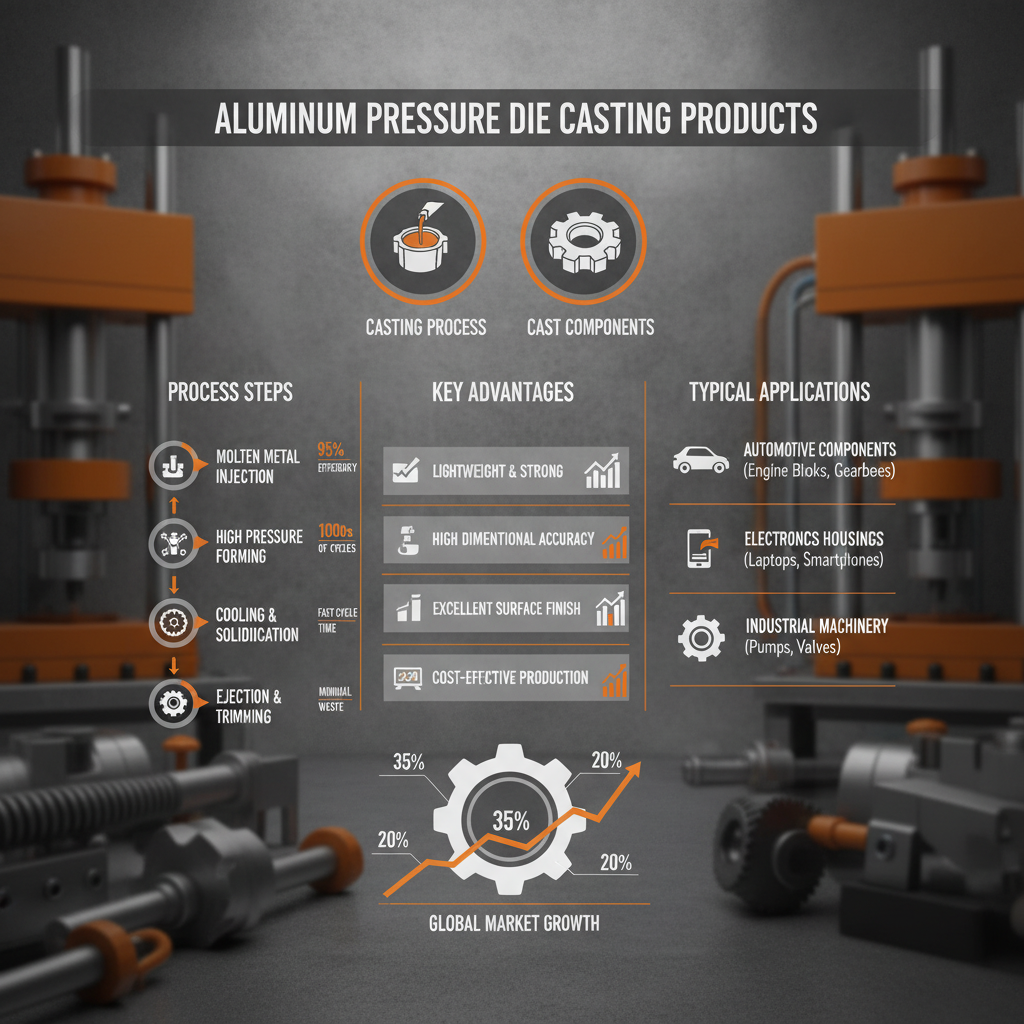
Maintaining strict quality control throughout the aluminium pressure die casting process is paramount. This includes thorough inspection of incoming materials, die maintenance, process monitoring, and final part inspection. Non-destructive testing methods, such as X-ray inspection and dye penetrant testing, are employed to detect internal defects. Dimensional accuracy is verified using coordinate measuring machines (CMMs). Hairun Sourcing implements a robust quality management system to ensure consistent product quality.
Conclusion: Partnering for Precision Aluminium Die Casting
Choosing the right partner for your aluminium pressure die casting products is crucial for success. Hairun Sourcing offers comprehensive solutions, from design assistance and tooling to production and quality control. We are committed to delivering high-quality parts that meet your exact specifications and budget. Contact us today to discuss your project requirements.
Frequently Asked Questions (FAQs)
What are the typical lead times for aluminium die casting?
Lead times can vary depending on the complexity of the part, tooling requirements, and order volume. Generally, tooling can take 4-8 weeks to complete. Once tooling is approved, production lead times typically range from 2-4 weeks for standard orders. Hairun Sourcing strives to provide accurate lead time estimates and efficient production scheduling to meet your deadlines. We prioritize clear communication and proactive project management to ensure timely delivery.
What are the cost factors involved in aluminium die casting?
Several factors influence the cost of aluminium die casting, including tooling costs, material costs, part complexity, order volume, and finishing requirements. Tooling is typically the most significant upfront cost. Higher production volumes generally reduce the per-part cost due to economies of scale. Complex geometries and tight tolerances may require more intricate tooling and longer cycle times, increasing costs. Hairun Sourcing provides detailed cost breakdowns and works with clients to optimize designs for cost-effectiveness.
Can you provide design assistance for aluminium die casting?
Yes, Hairun Sourcing offers comprehensive design assistance services. Our experienced engineers can review your designs for manufacturability, optimize geometries for die casting, and suggest cost-effective material selections. We can also provide tooling design and prototyping services to ensure your parts meet your specifications and performance requirements. We utilize advanced CAD/CAM software and simulation tools to ensure optimal design for die casting.
-
Guide to Anodizing Die Cast Aluminum for Industrial ExcellenceNewsApr.16,2026
-
High Quality Precision Aluminum Die Casting Components GuideNewsApr.09,2026
-
Comprehensive Guide to Aluminium Pressure Die Casting Components and SolutionsNewsApr.04,2026
-
Comprehensive Guide to Aluminium HPDC Casting for Global SourcingNewsMar.31,2026
-
Comprehensive Guide to Precision Aluminium Die Castings and Manufacturing SolutionsNewsMar.28,2026