


Guide to Anodizing Die Cast Aluminum for Industrial Excellence
The Ultimate Guide to Anodizing Die Cast Aluminum for Industrial Excellence
In the world of high-performance manufacturing, achieving the perfect balance between structural integrity and surface durability is critical. anodizing die cast aluminum has emerged as a premier solution for engineers and designers who refuse to compromise on quality. By transforming the natural surface of the metal into a hard, protective oxide layer, anodizing not only enhances corrosion resistance but also provides a sophisticated aesthetic finish. Whether you are developing automotive components or aerospace hardware, understanding the nuances of this process is key to optimizing product longevity. This guide will explore everything from the technical chemistry to the practical applications of anodized die-cast parts.
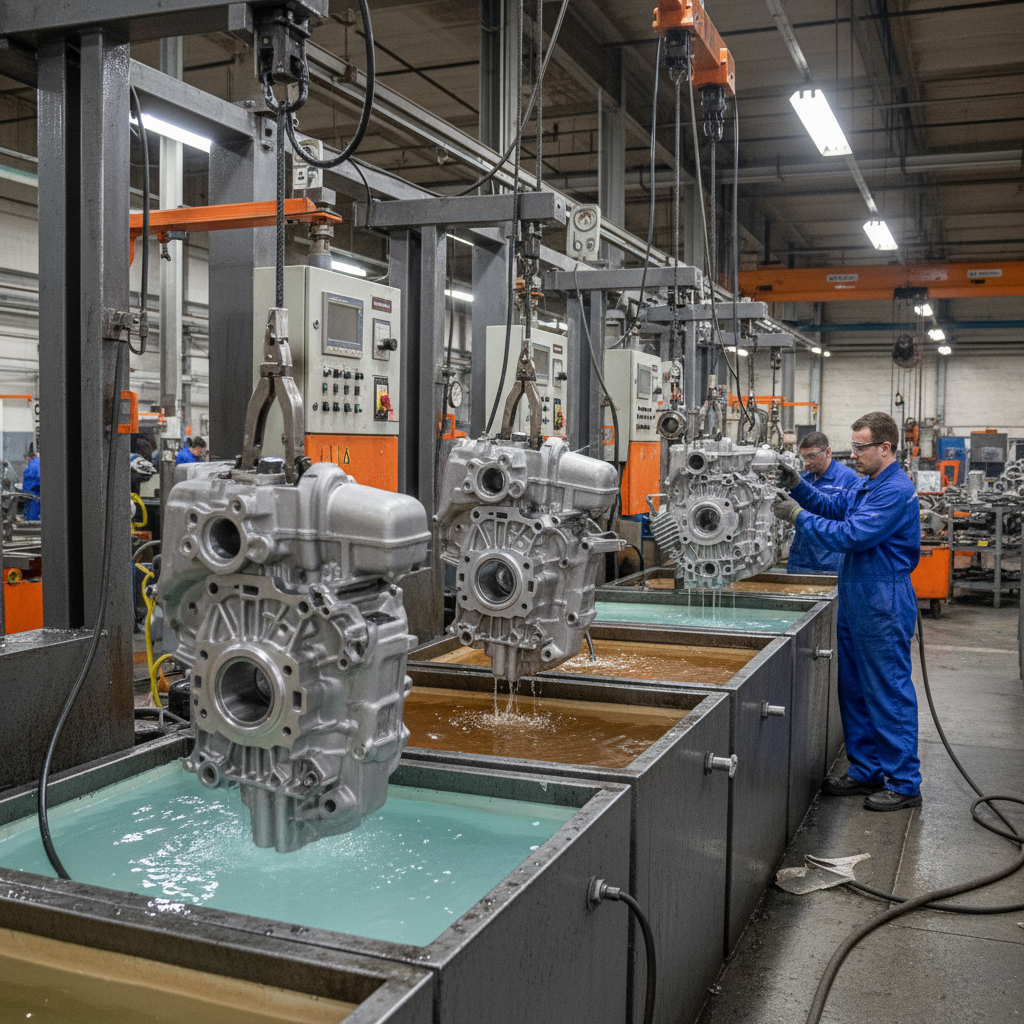
How the Anodizing Process Works for Die Cast Parts
Unlike plating, which adds a layer of material on top of the metal, anodizing die cast aluminum is an electrochemical process that converts the metal surface itself. The part is submerged in an acid electrolyte bath and an electric current is passed through it, causing oxygen to be released at the surface of the aluminum. This creates a porous aluminum oxide layer that is integral to the base material, meaning it cannot peel or flake off. For die-cast parts, the challenge lies in the alloy composition; silicon content must be carefully managed to ensure a uniform finish and avoid "smutting" or spotting during the chemical reaction.
Technical Insight: The quality of the final finish depends heavily on the surface preparation. Degreasing and etching are essential steps to remove casting skins and contaminants, ensuring the oxide layer bonds perfectly to the substrate.
Key Benefits of Anodizing Die Cast Aluminum
The decision to implement anodizing die cast aluminum components offers several strategic advantages. First and foremost is the significant increase in hardness; the aluminum oxide layer is one of the hardest substances known, providing excellent scratch and wear resistance. Secondly, it creates a non-conductive surface, which is vital for electrical insulation in electronic housings. Additionally, the porous nature of the oxide layer allows for the infusion of dyes, enabling a wide spectrum of vibrant, fade-resistant colors that are locked within the metal structure rather than sitting on top of it.
Primary Advantages:
• Superior Corrosion Resistance: Protects against salt spray and oxidation.
• Enhanced Aesthetics: Provides a metallic, high-end look with consistent coloring.
• Increased Surface Hardness: Minimizes abrasive wear in industrial settings.
• Improved Thermal Properties: Helps in heat dissipation for electronic components.
Comparison: Anodizing vs. Powder Coating for Die Cast Aluminum
When selecting a surface finish for anodizing die cast aluminum, many engineers compare it to powder coating. While powder coating provides a thick, opaque shield that can hide casting defects, anodizing preserves the metallic feel and offers better precision for tight-tolerance parts. Because anodizing is a conversion coating, it doesn't change the dimensions of the part as drastically as a thick layer of powder. This makes it the preferred choice for components that must fit precisely into an assembly.
Common Applications for Anodized Die Cast Aluminum
The adaptability of anodizing die cast aluminum makes it indispensable across multiple sectors. In the automotive industry, it is used for engine components and trim pieces that must withstand extreme heat and road salts. In consumer electronics, it is the gold standard for laptop chassis and smartphone frames due to its premium feel and scratch resistance. Furthermore, the medical device sector utilizes anodized aluminum for surgical instruments because the oxide layer is biocompatible and easy to sterilize without degrading the metal.
Technical Specifications and Quality Control
To achieve high-quality results when anodizing die cast aluminum, strict adherence to technical specifications is required. The thickness of the oxide layer is typically measured in microns (µm), with Type II (Sulfuric Acid) being common for decorative use and Type III (Hardcoat) used for heavy-duty industrial wear. Quality control involves testing for coating thickness, color consistency, and salt spray endurance to ensure the part meets the required environmental standards.
Optimizing Design for Better Anodizing Results
To get the most out of anodizing die cast aluminum, design considerations must start at the casting stage. Avoiding sharp internal corners prevents "current crowding," which can lead to uneven coating thickness. Additionally, selecting the right alloy (such as A380 or ADC12) is crucial, as high silicon content can create a grayish tint in the final finish. By collaborating with a professional sourcing partner, manufacturers can ensure that the casting process and the anodizing process are perfectly aligned for a flawless end product.
Conclusion: Elevating Quality with Anodized Aluminum
Integrating anodizing die cast aluminum into your production workflow is a strategic move toward higher durability and superior aesthetics. From enhancing surface hardness to providing vibrant colors and corrosion protection, the benefits are undeniable. By understanding the technical requirements and choosing the right anodizing type, companies can significantly extend the lifecycle of their products and increase customer satisfaction. Trust in professional processing to ensure your die-cast parts perform under the toughest conditions.
Frequently Asked Questions (FAQs)
Can all die-cast aluminum alloys be anodized?
While most aluminum alloys can undergo anodizing, the results vary significantly based on the alloy's composition. Die-cast alloys typically contain silicon to improve fluidity during casting. However, high silicon levels can interfere with the formation of the oxide layer, sometimes resulting in a mottled or uneven appearance. To achieve a high-quality finish, it is recommended to use specific "anodizing-grade" die-cast alloys or employ specialized etching processes to manage the silicon content at the surface. Consulting with an expert at Hairun Sourcing can help you select the ideal material for your specific finish requirements.
What is the difference between Type II and Type III anodizing?
Type II anodizing is the standard decorative process, typically using sulfuric acid to create a thinner layer that is excellent for absorbing dyes and providing basic corrosion protection. It is ideal for consumer goods and aesthetic components. Type III, known as "Hardcoat" anodizing, is performed at lower temperatures with higher current densities to produce a much thicker, denser, and harder oxide layer. Type III is specifically designed for industrial applications where extreme wear resistance and durability are required, such as in hydraulic cylinders or aerospace parts, though it offers a more limited range of color options.
Does anodizing affect the dimensions of a die-cast part?
Yes, but the effect is minimal compared to other coatings. Anodizing involves both the removal of a small amount of surface metal during the etching phase and the growth of the oxide layer. Generally, the process results in a net increase in thickness, but only a portion of the oxide layer grows outward; the rest penetrates into the metal. For most Type II processes, the dimensional change is negligible. However, for Type III Hardcoat, the thickness can be significant enough that designers must account for it in their tolerance calculations to ensure a perfect fit during final assembly.
How long does the anodized finish last on die-cast aluminum?
An anodized finish is exceptionally durable because it is an integral part of the metal substrate, meaning it will not peel, chip, or flake like paint. Under normal environmental conditions, an anodized layer can last for decades. Its lifespan depends on the environment; for instance, parts exposed to highly acidic or alkaline chemicals may see the oxide layer degrade over time. However, for most industrial and consumer applications, the finish provides permanent protection. Regular cleaning with mild detergents is usually sufficient to maintain the appearance and integrity of the anodized die cast aluminum surface.
-
High Quality Precision Aluminum Die Casting Components GuideNewsApr.09,2026
-
Comprehensive Guide to High Quality Aluminium Pressure Die Casting ProductsNewsApr.07,2026
-
Comprehensive Guide to Aluminium Pressure Die Casting Components and SolutionsNewsApr.04,2026
-
Comprehensive Guide to Aluminium HPDC Casting for Global SourcingNewsMar.31,2026
-
Comprehensive Guide to Precision Aluminium Die Castings and Manufacturing SolutionsNewsMar.28,2026