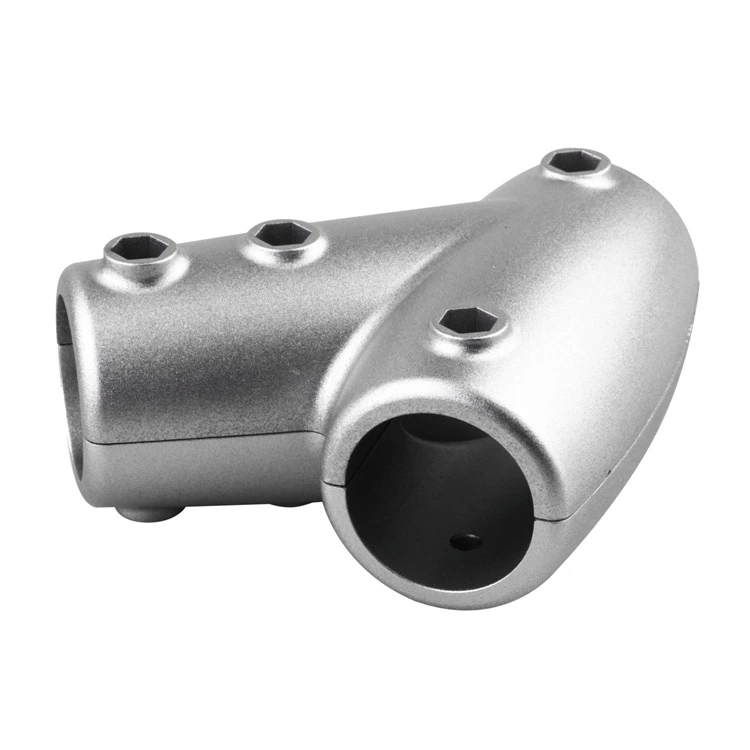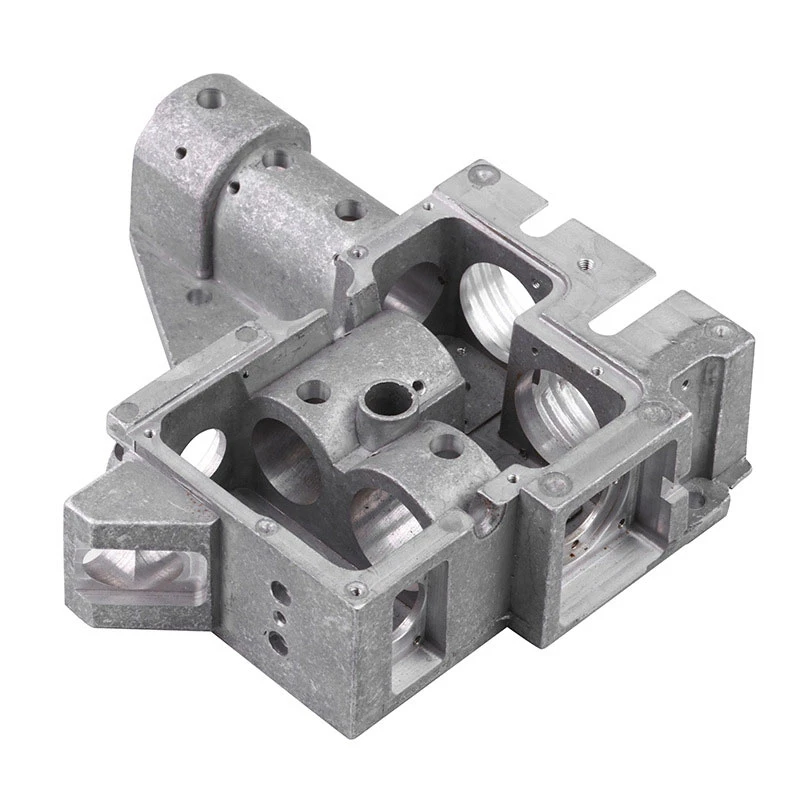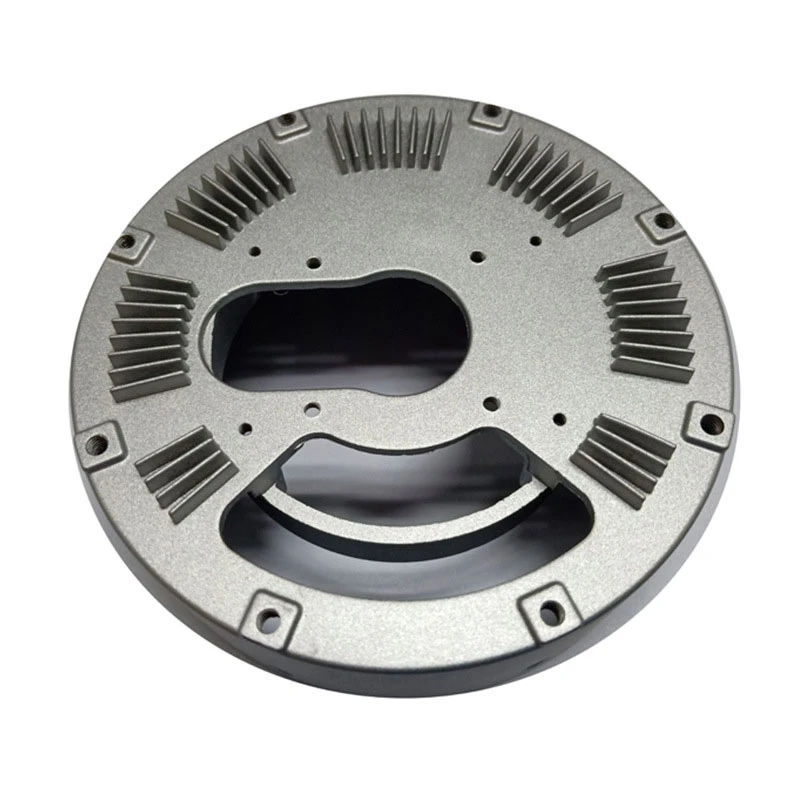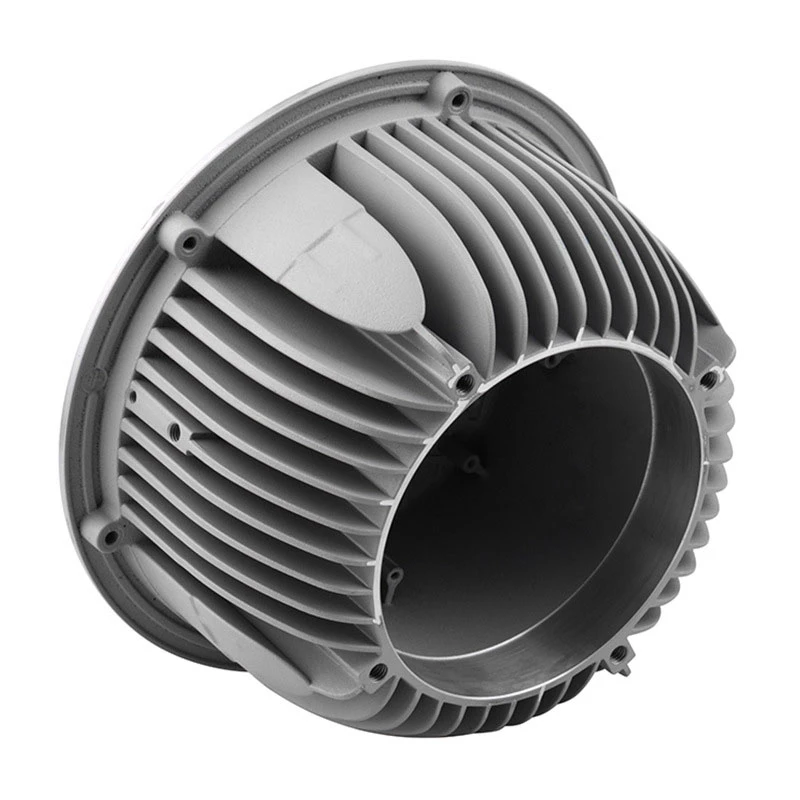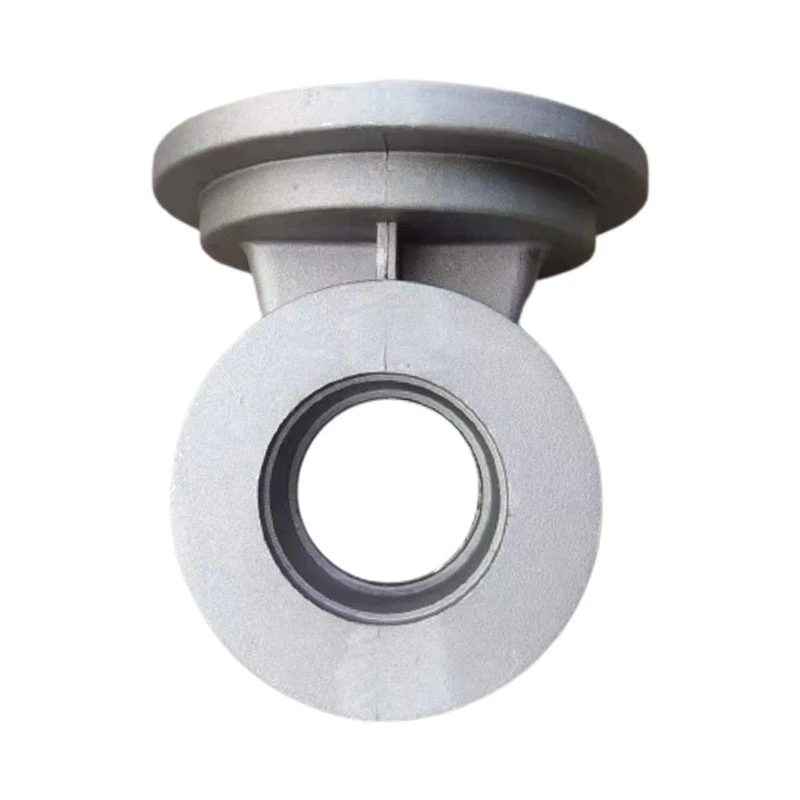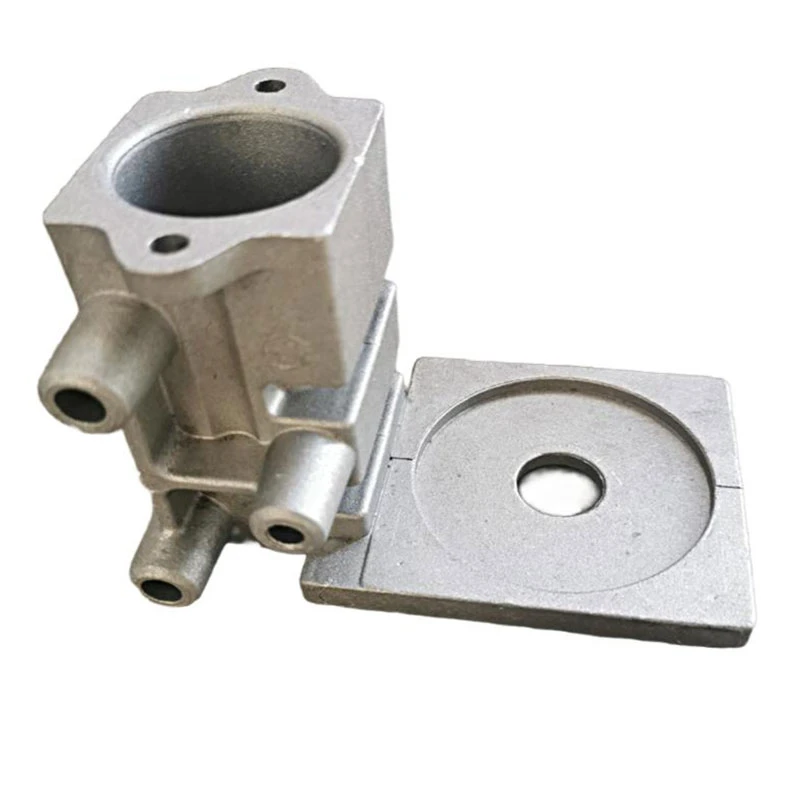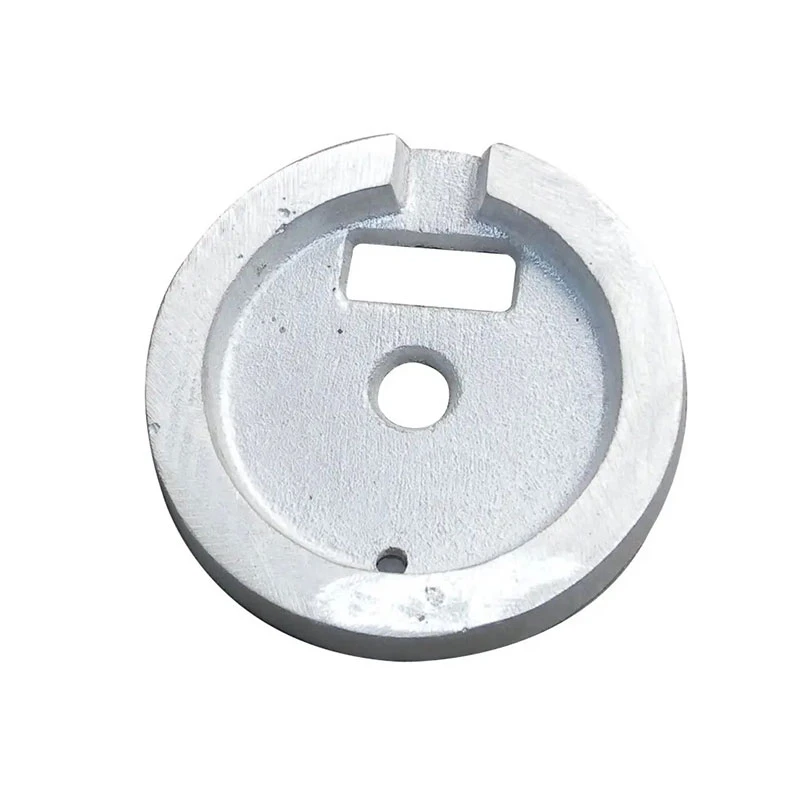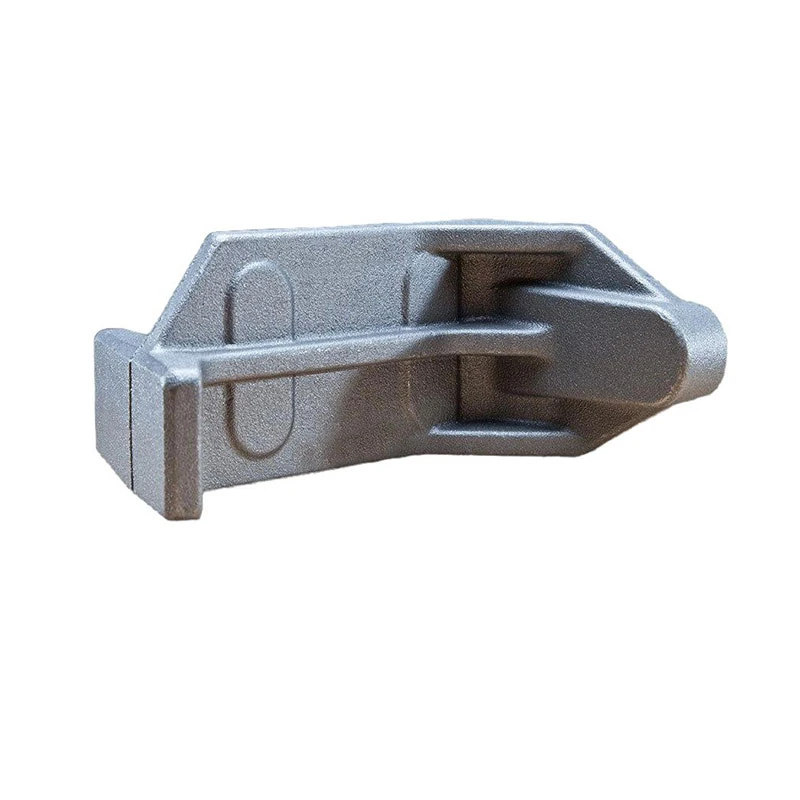



Precision Cast and Forge - Durable, Precise Metal Components for Industry and Beyond
Understanding Precision Cast and Forge: Why It Matters Globally
Precision casting and forging are the unsung heroes of modern manufacturing — the silent crafts behind everything from aerospace parts to medical devices. But why bother getting into the nitty-gritty? Well, grasping the nuances of precision cast and forge techniques unlocks a clearer view of how industries maintain quality, durability, and innovation at scale. Globally, these methods ensure that complex components meet tight tolerances and withstand extreme conditions. Understanding their benefits means appreciating a core part of manufacturing that impacts everything from your car’s engine to life-saving equipment.
Mini takeaway: Precision cast and forge methods are central to making reliable, high-performance parts worldwide, providing strength and accuracy industries simply can’t do without.
The Global Context: Precision Cast and Forge in Today’s Industrial Landscape
Across continents, the demand for stronger, lighter, and more intricate metal parts is soaring. According to ISO and United Nations industrial data, global metal manufacturing continues to grow at over 4% annually, driven largely by aerospace, automotive, renewable energy, and defense sectors. But with this growth comes a challenge: how to produce parts that hold up under stress, fit tightly in assemblies, and last longer—without driving costs through the roof.
That’s where precision cast and forge come in. These methods allow manufacturers to meet exacting standards while optimizing material use and minimizing waste. For instance, in aerospace, every gram counts — and a perfectly forged turbine blade can mean the difference between efficiency and failure. Meanwhile, in humanitarian efforts, components made through precision casting can ensure rugged equipment that works even in remote, harsh environments. So the challenge in the industry has been to scale these methods while keeping quality and affordability aligned.
Mini takeaway: Precision casting and forging respond to global manufacturing needs for precision and durability, critical in advanced and humanitarian industries alike.
What Exactly Is Precision Cast and Forge?
Let’s peel back the terms. Precision casting refers to processes like investment casting where molten metal is poured into wax molds that melt away, allowing incredible detail. Precision forging, on the other hand, involves shaping metal under high pressure and temperature to improve its strength and grain alignment, which results in a tough, durable component.
Put simply, precision cast and forge methods produce parts that are both precisely detailed and structurally superior. They help industries jump from a rough block of metal to a perfectly shaped, high-performance part ready for assembly. Think of them as a mix of art and science, where microscopic metal structures dictate macroscopic performance. In a humanitarian context, for example, tools and machinery built using these techniques can better withstand wear and tear in unpredictable conditions — so they build resilience along with functionality.
Mini takeaway: Precision casting is about fine detail, forging is about strength — together, they create parts that are both accurate and durable.
Key Factors That Define Precision Cast and Forge Success
1. Material Integrity
Many engineers say the magic is in how forging realigns metal grains, strengthening the part notably beyond what casting alone can deliver. Precision casting allows meticulous control over alloys, ensuring each component has the right balance of hardness, flexibility, and resistance to corrosion.
2. Dimensional Accuracy
The hallmark of precision casting — the ability to replicate complex shapes with near-net shape accuracy — reduces the need for expensive machining or finishing. Forged parts have tighter tolerances on shape and size thanks to controlled deformation.
3. Cost Efficiency
Both methods reduce waste. Casting reuses molds and scrap metal; forging uses less raw material thanks to near-final shapes. This cuts down costs in high-volume production.
4. Scalability
These processes can be adapted for small, intricate components as well as huge parts needed in wind turbines or ship engines. Manufacturers can pivot easily to different designs with relatively low setup costs.
5. Environmental Impact
Precision methods reduce energy consumption and materials waste compared to rough machining. Some companies are now adopting greener alloys and cleaner forging techniques to boost sustainability.
Mini takeaway: Integrity, accuracy, cost, scalability, and environmental impact are at the heart of precision cast and forge’s industrial value.
Global Applications & Real-World Use Cases
Precision cast and forge components are everywhere, quietly doing their job:
- Aerospace: Turbine blades, engine mounts, and landing gear components often require precise forging for strength under heat and pressure.
- Automotive: Gears, crankshafts, and suspension parts rely on forging to resist stress and ensure safety.
- Energy: Wind turbine hubs and oil rig parts depend on cast and forged metals to survive harsh environments.
- Medical: Surgical instruments and implantable devices need the fine detail and biocompatible alloys possible through precision casting.
- Humanitarian & Relief Efforts: In disaster zones, machinery with forged parts withstands rough handling and tough conditions — helping NGOs deploy resilient infrastructure.
Oddly enough, the ripple effect of these parts spans the globe, from Germany’s precision industry to remote African manufacturing hubs trying to leapfrog older technologies.
Mini takeaway: The reach of precision cast and forge extends across massive industries and geographies, underpinning innovation and reliability worldwide.
Advantages and Long-Term Value of Precision Cast and Forge
It’s not just about cold hard specs — the emotional, social, and ethical advantages matter too. Here’s why these methods keep industry leaders loyal:
- Safety and Reliability: Stronger, less failure-prone parts reduce accidents and downtime.
- Cost Savings: Longer-lasting components translate to fewer replacements and repairs.
- Environmental Responsibility: Using materials efficiently and optimizing energy reflects a commitment to sustainability.
- Innovation and Trust: Precision means industries can push technical boundaries, building trust with clients and end users.
- Dignity and Social Impact: In humanitarian contexts, reliable equipment supports dignity and autonomy—nothing trivial when rebuilding lives.
Mini takeaway: Beyond specs, precision casting and forging promise safety, savings, sustainability, and social good.
Future Trends and Innovations in Precision Cast and Forge
The future here is exciting, frankly. 3D printing is beginning to blend with precision casting, allowing even more complex geometries. Meanwhile, digital forging presses guided by AI optimize grain structure in real time. Companies are experimenting with lightweight titanium alloys and environmentally friendly coatings.
Green policies push manufacturers to cut carbon footprints; meanwhile, Industry 4.0 integration means smarter factories monitoring quality minute-by-minute. I noticed that these trends increasingly focus on combining sustainability with performance — a win-win for industries and the planet.
Mini takeaway: Digitalization, advanced materials, and sustainability are shaping a smarter, greener future for precision cast and forge technology.
Challenges and How to Overcome Them
Of course, no process is perfect. High upfront tooling costs and complex supply chains pose hurdles. Material availability, especially for exotic alloys, can bottleneck production. Also, quality control is demanding — tiny defects undermine performance.
Experts recommend investing in robust supply networks, using non-destructive testing technologies, and adopting modular tooling approaches to keep costs manageable. Technologies like real-time thermal imaging and X-ray inspection help catch flaws before they become problems. Plus, training skilled artisans remains essential for a craft that’s partly human intuition.
Mini takeaway: Investing in technology, network resilience, and skills training helps overcome the cost and complexity challenges facing precision cast and forge.
Product Specification Table: Typical Precision Cast and Forge Components
| Component | Material(s) | Typical Tolerances | Applications | Average Production Volume |
|---|---|---|---|---|
| Turbine Blade | Nickel-based superalloys | ±0.05 mm | Aerospace, power generation | 1,000s per year |
| Crankshaft | Forged steel alloys | ±0.1 mm | Automotive, marine engines | 10,000+ per year |
| Surgical Instrument | Stainless steel, titanium | ±0.02 mm | Healthcare, implants | Hundreds to thousands |
Vendor Comparison: Leading Precision Cast and Forge Suppliers
| Company | Specialty | Typical Lead Time | Vertical Integration | Sustainability Initiatives |
|---|---|---|---|---|
| Precision Metals Inc. | Aerospace turbine components | 8-12 weeks | Full (casting + forging + machining) | Renewable energy powered foundry |
| ForgeCraft Ltd. | High-volume forged parts for automotive | 4-6 weeks | Partial (forging + heat treating) | Waste reduction programs in place |
| Global Castworks | Precision casting for medical devices | 10-14 weeks | Outsourced machining | ISO 14001 certification |
FAQ: Your Questions About Precision Cast and Forge
- Q1: How do precision forged parts compare to cast parts in terms of durability?
- A: Forged parts generally offer superior durability because the forging process aligns metal grains, increasing strength and fatigue resistance. Cast parts excel in capturing complex shapes but may have internal porosity, which can weaken them under stress. For safety-critical applications, forged components are often preferred.
- Q2: Can precision casting produce parts with complex internal geometries?
- A: Absolutely. Investment casting, a common precision casting method, allows for intricate external and internal features that machining cannot replicate easily. This capability is why it’s popular in aerospace and medical industries where fine details are essential.
- Q3: What are typical lead times for precision cast and forge production?
- A: Lead times vary by complexity and volume but generally range from 4 to 14 weeks. Setting up molds or dies can take time, but once established, volume production accelerates.
- Q4: Are precision cast and forge processes environmentally sustainable?
- A: These techniques are becoming greener with advances in energy efficiency, waste reduction, and recycling of metal scraps. Many vendors pursue ISO 14001 certifications to demonstrate environmental responsibility.
Conclusion: The Enduring Value of Precision Cast and Forge
Precision cast and forge technologies clearly underpin the strength and sophistication of modern manufacturing. They solve real-world problems—from making aircraft safer to supporting global humanitarian relief—with finesse and rigor. Their benefits compound over time: improved safety, cost savings, reduced environmental footprints, and enabling innovation that touches society at large.
If you want to explore high-quality solutions or bring these techniques to your projects, feel free to visit our trusted partner’s platform: precision cast and forge. It’s where craftsmanship meets modern needs.
In the end, these processes elegantly remind us that the finest details matter — and that behind every strong, reliable product is a story of careful casting and forging.
References
-
Guide to Anodizing Die Cast Aluminum for Industrial ExcellenceNewsApr.16,2026
-
High Quality Precision Aluminum Die Casting Components GuideNewsApr.09,2026
-
Comprehensive Guide to High Quality Aluminium Pressure Die Casting ProductsNewsApr.07,2026
-
Comprehensive Guide to Aluminium Pressure Die Casting Components and SolutionsNewsApr.04,2026
-
Comprehensive Guide to Aluminium HPDC Casting for Global SourcingNewsMar.31,2026
-
Comprehensive Guide to Precision Aluminium Die Castings and Manufacturing SolutionsNewsMar.28,2026