


Understanding Investment Precision Castings: Global Importance, Benefits & Trends
What Are Investment Precision Castings and Why They Matter Globally
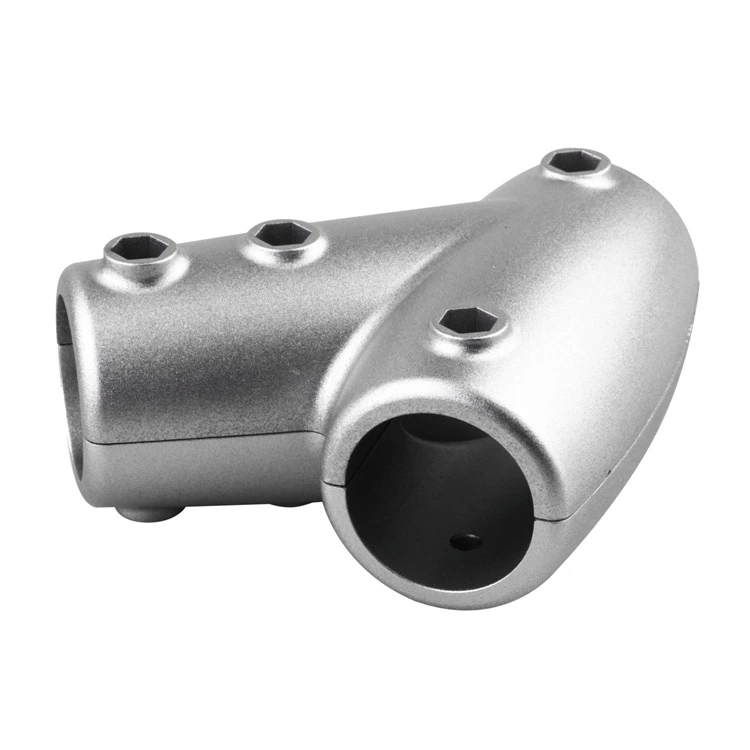
If you’ve ever marveled at the intricate parts inside a jet engine, medical implant, or even a smartphone, chances are you were admiring the quiet wizardry of investment precision castings. This manufacturing method combines artistry and industrial tech to create highly accurate, complex metal parts that can’t be duplicated easily by other means. Why does it matter? Because across industries — aerospace, energy, defense, and medical devices — precision castings enable performance, reliability, and innovation that are literally life-saving and planet-changing.
Understanding how these castings work, their applications, and future trends helps manufacturers and buyers make smarter decisions in a connected world where quality often translates directly into sustainability and safety. So, whether you’re in manufacturing, procurement, or just curious about the nuts and bolts behind critical components, this guide sheds light on why investment precision castings are a big deal.
Investment Precision Castings in a Global Context: Challenges and Opportunities
The global manufacturing landscape is experiencing a push towards higher efficiency, greener processes, and tighter quality controls — all driven by new policies, supply chain disruptions, and rising demand for complex products. According to ISO, precision manufacturing growth is projected to rise by roughly 5% annually in key industrial nations through 2025, spearheading demand for advanced casting techniques like investment casting.
Many developing regions struggle to produce parts that meet international standards due to technical or resource constraints — here, precision castings offer a clear advantage. Yet, challenges remain: cost competitiveness, skilled workforce shortages, and material sourcing can all limit adoption. This tension between innovation and accessibility is where investment precision castings prove their mettle by blending tradition with high-tech methods.
In essence, they address a fundamental global challenge: how do you create lightweight, ultra-complex components at scale without compromising precision or durability? Turns out, it takes a clever mix of old-world wax modeling and cutting-edge metallurgy — but more on that later.
Investment Precision Castings Defined: What’s in the Name?
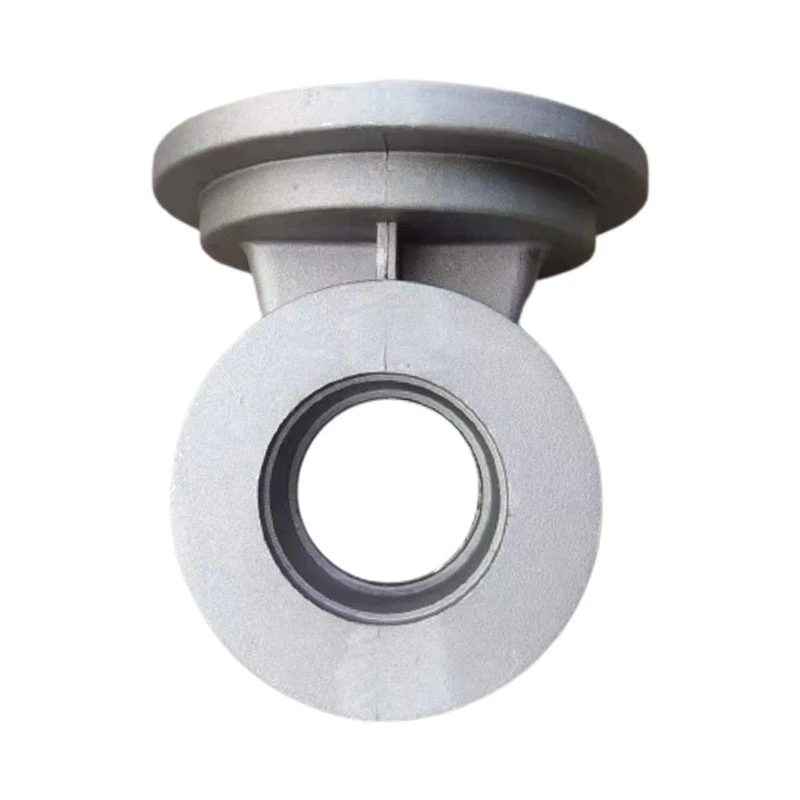
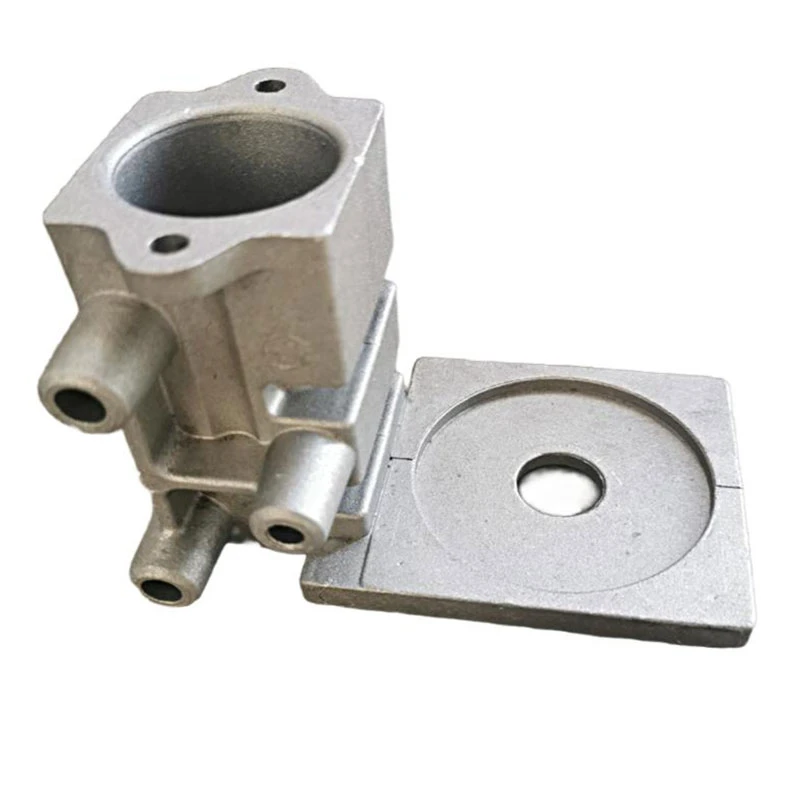
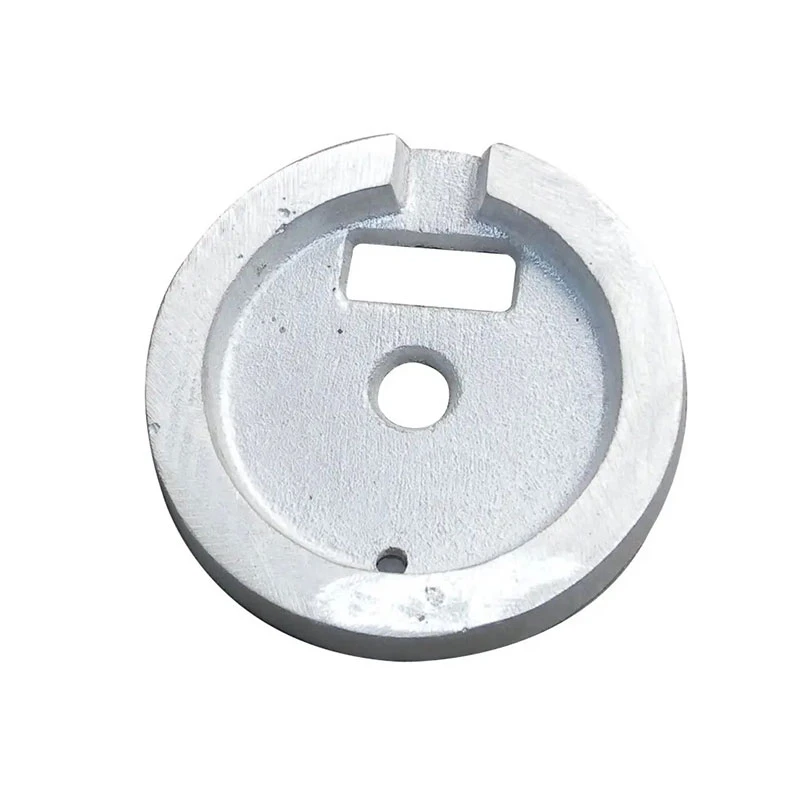
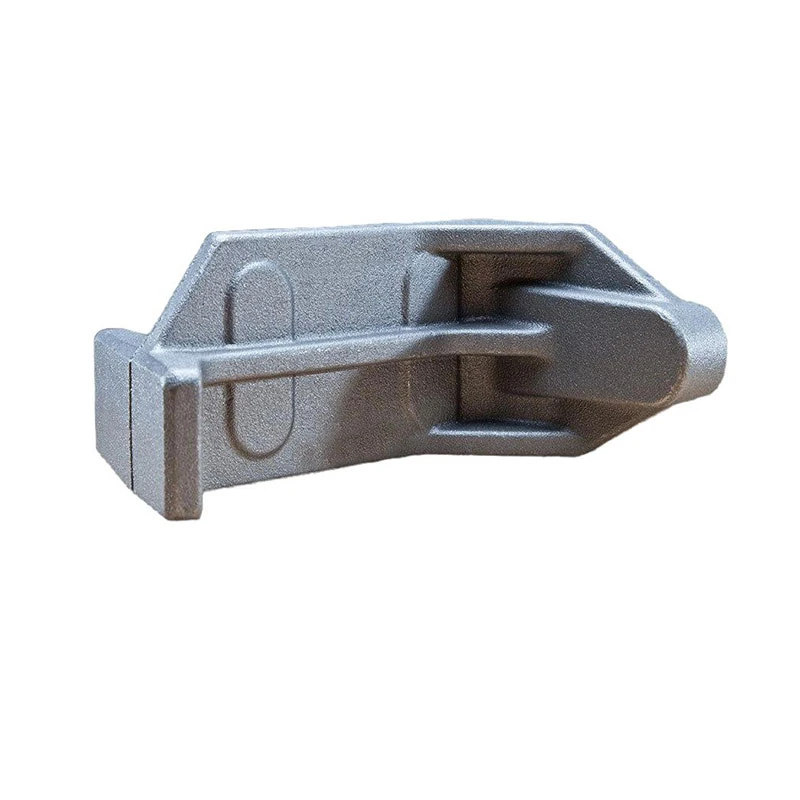
Simply put, investment casting (sometimes called lost-wax casting) involves creating a detailed wax model of the part you want, coating it with a ceramic shell, and then melting out the wax (“investment” refers to the ceramic mold). Molten metal is poured into this shell, capturing every tiny detail when it solidifies. The result? Functional, near-net-shape metal parts with tight tolerances and smooth surfaces.
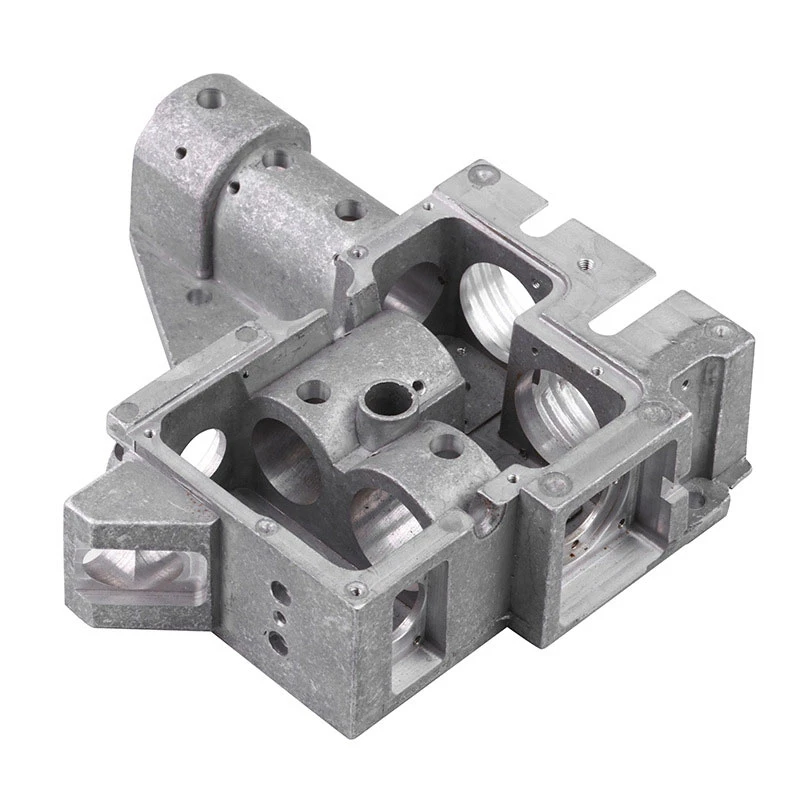
Why ‘precision’? Because compared to sand or die casting, investment casting achieves a higher dimensional exactness, finer finishes, and can handle complex geometries impossible for machines alone. It’s no wonder industries like aerospace, which demand flawless parts, rely heavily on this method.
This technique also intersects heavily with humanitarian and sustainable design. For example, medical implants cast with extreme precision save lives and enhance patient mobility worldwide. So, it’s not just industrial muscle — it impacts human dignity and quality of life too.
Core Components of Investment Precision Castings
1. Material Versatility
One remarkable factor is the range of metals and alloys used in investment casting — from stainless steel and aluminum to high-temperature alloys like Inconel. This versatility lends itself to very specific performance demands.
2. Design Complexity
Got a part with intricate internal channels or thin walls? Investment casting can handle that. Its ability to replicate wax patterns makes complex shapes not just doable, but cost-effective compared to machining.
3. Surface Quality and Dimensional Accuracy
Fine surface finishes reduce the need for additional machining, saving time and resources down the line. The dimensional accuracy can be within +/- 0.4 mm on small parts, which is crucial for aerospace or medical applications.
4. Scalability and Repeatability
How do you produce hundreds or thousands of identical parts reliably? Investment casting systems use reusable wax and molds made on-site or sourced from suppliers, allowing for repeatability without sacrificing quality.
5. Cost Efficiency Over Lifecycle
While the initial setup can be higher than simpler methods, the reduced machining, material waste, and longer life of cast parts make them a cost winner in the medium to long term.
Mini takeaway: Investment precision castings blend advanced materials, design flexibility, and accuracy — enabling highly specialized end-use parts that perform consistently under demanding conditions.
How Investment Precision Castings Power Global Industries
From jet turbines in North America to surgical implants in Europe, investment precision castings facilitate products across continents. Some key sectors include:
- Aerospace: Turbine blades, combustion chambers, and structural components rely on investment casting for weight, strength, and heat resistance.
- Medical Devices: Hip joints, dental implants, and prosthetics require precision and biocompatibility — goals achieved through casting custom alloys.
- Automotive: Especially in high-performance or electric vehicles, investment cast parts improve fuel efficiency and durability.
- Energy: Parts for gas turbines, nuclear reactors, and offshore oil rigs demand robustness investment casting provides.
Oddly enough, some humanitarian organizations have used components made from investment casting in remote disaster relief machinery — equipment that must perform flawlessly under challenging conditions.
Product Specification Table: Typical Investment Precision Casting Parts
| Part | Material | Max Size | Tolerance | Surface Finish (Ra) |
|---|---|---|---|---|
| Turbine Blade | Inconel 718 | 500mm x 150mm | ±0.3 mm | 0.8 µm |
| Medical Implant | Titanium Alloy | 150mm x 80mm | ±0.2 mm | 0.4 µm |
| Automotive Turbocharger Housing | Stainless Steel 304 | 300mm x 200mm | ±0.4 mm | 1.2 µm |
Comparing Major Vendors of Investment Precision Castings
| Vendor | Material Options | Typical Lead Times | Industries Served | Quality Certifications |
|---|---|---|---|---|
| Precision Metals Co. | Steel, Stainless, Titanium | 6-8 weeks | Aerospace, Medical | ISO 9001, AS9100 |
| Nova Castings Ltd. | Inconel, Cobalt, Aluminum | 8-10 weeks | Energy, Defense | ISO 14001, NADCAP |
| Global Casting Solutions | Wide range including superalloys | 4-6 weeks | Automotive, Aerospace, Medical | ISO 9001, AS9100, FDA |
Advantages and Long-Term Value of Investment Precision Castings
What keeps engineers coming back to investment precision castings? Let’s break it down:
- Cost savings: Less machining and scrap translate to lower total cost — not to mention time.
- Sustainability: High material yield and the ability to recycle wax patterns mean less waste.
- Performance & Reliability: Precision cast parts often outperform alternatives in critical environments.
- Social impact: Manufacturing standards meet stringent safety requirements, which is essential for medical and aerospace products that protect human life.
Plus, there’s a subtle but important emotional angle here: companies who specify these parts can confidently say, “We’re investing in quality, responsibility, and innovation.” For some, that’s a competitive edge and a moral win all at once.
What’s Next? Future Trends and Innovations
The future of investment precision castings is intertwined with advances in digital modeling, automation, and green materials. Here’s what I’m seeing from industry buzz and early pilots:
- 3D printed wax patterns: Replacing handcrafted models to speed production and improve precision.
- Advanced alloys: New superalloys that are lighter yet stronger, designed for emerging aerospace and energy needs.
- Eco-friendly ceramics: More sustainable shell materials reducing toxic waste and energy use.
- Real-time quality monitoring: AI-driven sensors in foundries improving yield and defect detection.
In short, it feels like a blend of artisanal craft and smart tech pushing investment precision castings toward an even more essential future.
Facing the Challenges Head-On
But it’s not all smooth metal surfaces. Several challenges persist:
- High upfront tooling costs can discourage small orders.
- Workforce skill gaps are a bottleneck for consistent quality.
- Supply chain disruptions for exotic alloys slow delivery.
Solutions? Some manufacturers now offer rapid prototyping to reduce tooling time; training programs help close skill gaps; and diversified supplier networks reduce material risks. Industry partnerships also foster innovation diffusion, making these benefits more accessible. The word on the street: collaboration is key — no company can do it alone anymore.
FAQ: Frequently Asked Questions About Investment Precision Castings
Q1: How does investment casting compare to sand casting in precision?
A1: Investment casting generally offers much higher precision and finer surface finishes than sand casting. While sand casting may accommodate larger parts with simpler shapes, investment casting excels at delivering complex geometries with tight tolerances, often necessary for aerospace or medical components.
Q2: Can investment precision castings be used for high-temperature applications?
A2: Absolutely. Inconel and other superalloys cast via investment methods are specifically engineered for extreme heat, such as turbine blades and exhaust systems, tolerating temperatures over 600°C reliably.
Q3: What’s the typical lead time for custom investment castings?
A3: Lead times vary but often range from 4 to 10 weeks depending on complexity, batch size, and materials. Advances in 3D printing of wax patterns are starting to reduce these timelines.
Q4: Are investment castings environmentally friendly?
A4: When managed properly, investment casting can be quite sustainable due to high material utilization, wax recycling, and energy-efficient furnaces. Industry trends also move toward greener shell materials and lower emissions.
Q5: How do I find a reliable vendor for investment precision castings?
A5: Look for certifications (ISO 9001, AS9100), customer reviews, and experience in your industry. Comparing vendors by material capabilities and lead times helps you choose the best fit for your needs. For a head start, check out investment precision castings specialists.
Conclusion: The Durable Promise of Investment Precision Castings
Investment precision castings are more than just a manufacturing step; they’re a bridge between innovation, quality, and global industrial success. By enabling parts that are lightweight, complex, and reliable — all while supporting sustainability and safety — they play an indispensable role today and surely in the future.
If you’re ready to explore how these castings can revolutionize your product or project, do visit investment precision castings at Hairun Sourcing for trusted expertise and tailored solutions.
Mini takeaway: Investment precision castings blend classic techniques with cutting-edge innovations, making them invaluable in sectors pushing the boundaries of performance and sustainability.
References
-
Guide to Anodizing Die Cast Aluminum for Industrial ExcellenceNewsApr.16,2026
-
High Quality Precision Aluminum Die Casting Components GuideNewsApr.09,2026
-
Comprehensive Guide to High Quality Aluminium Pressure Die Casting ProductsNewsApr.07,2026
-
Comprehensive Guide to Aluminium Pressure Die Casting Components and SolutionsNewsApr.04,2026
-
Comprehensive Guide to Aluminium HPDC Casting for Global SourcingNewsMar.31,2026
-
Comprehensive Guide to Precision Aluminium Die Castings and Manufacturing SolutionsNewsMar.28,2026