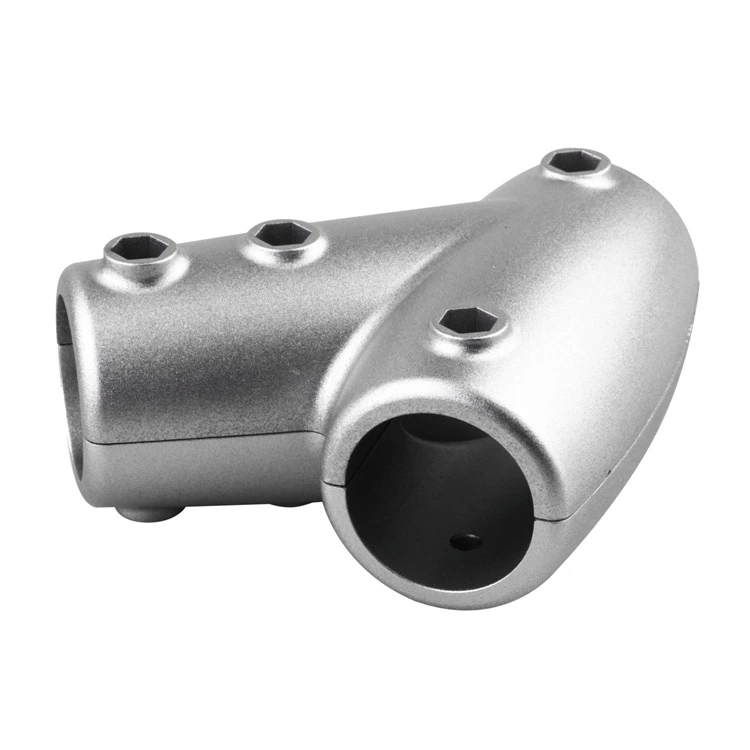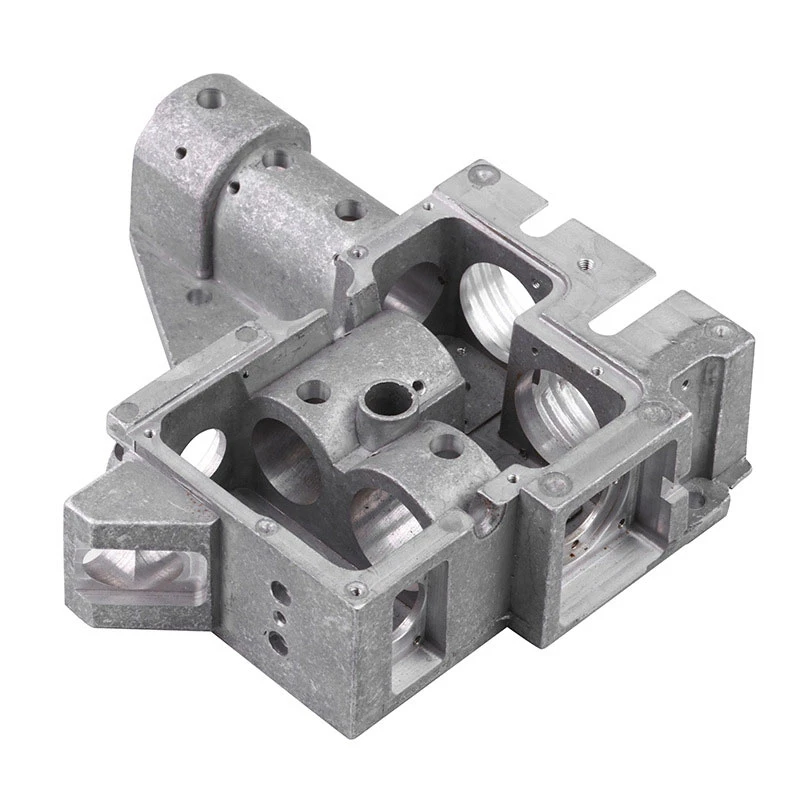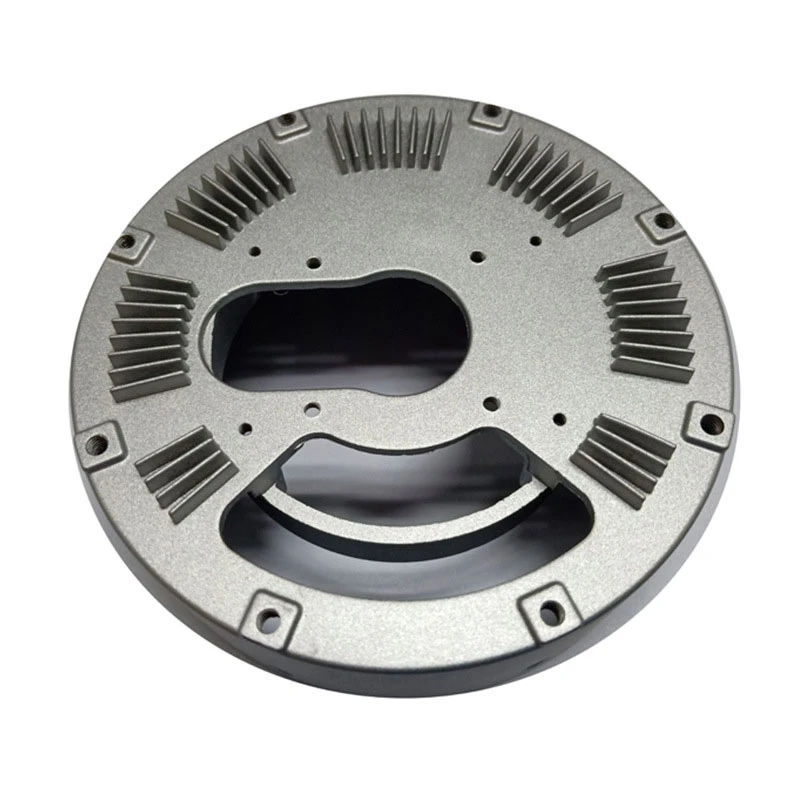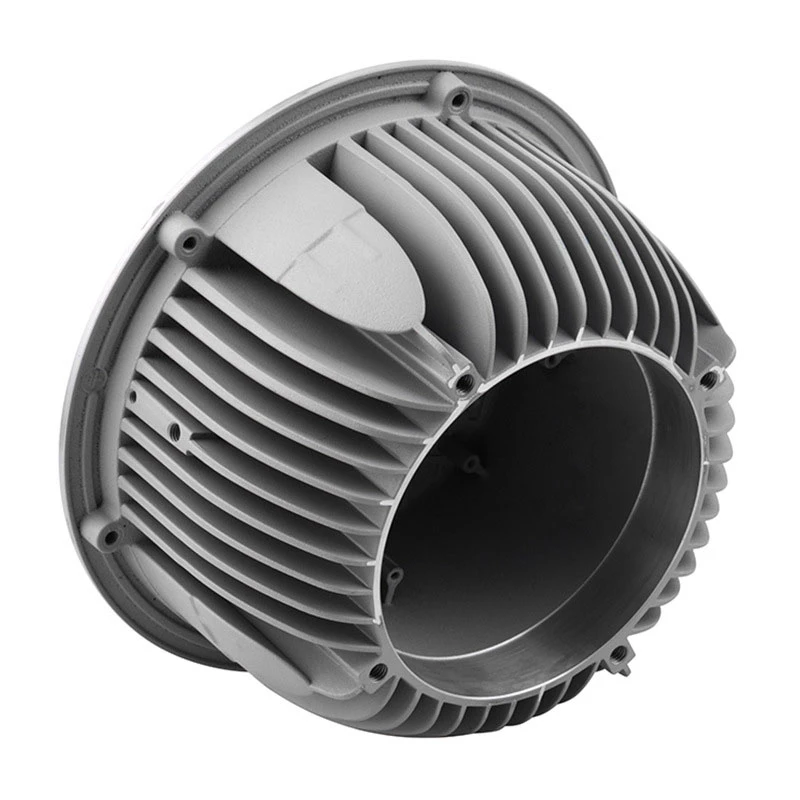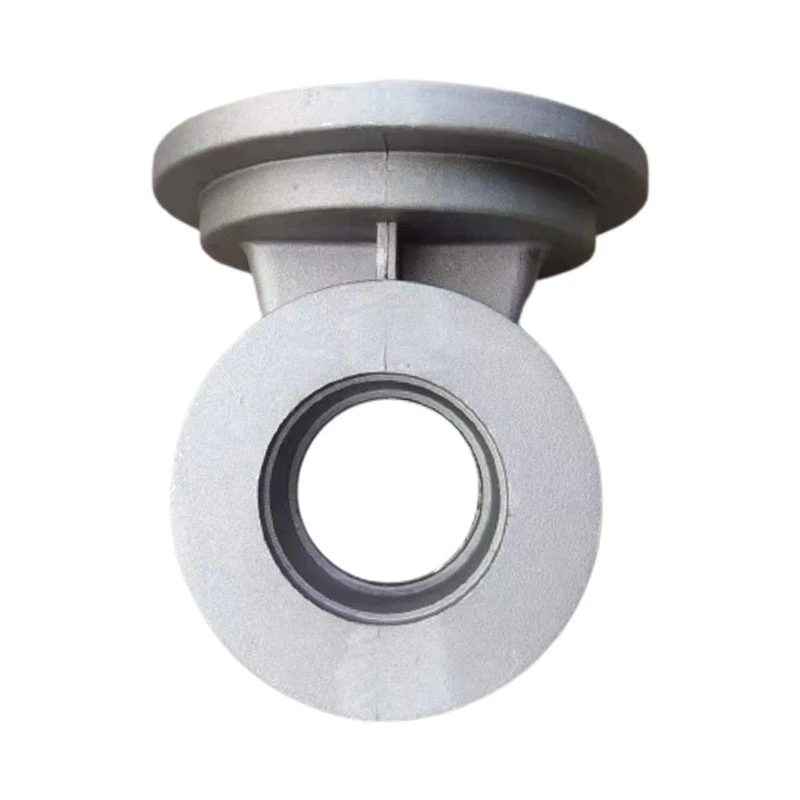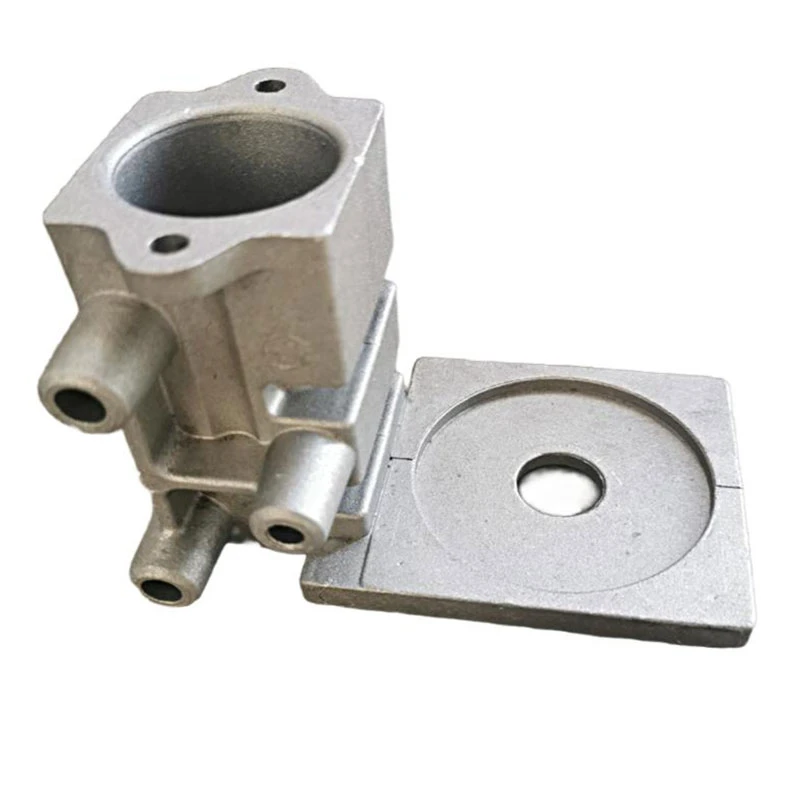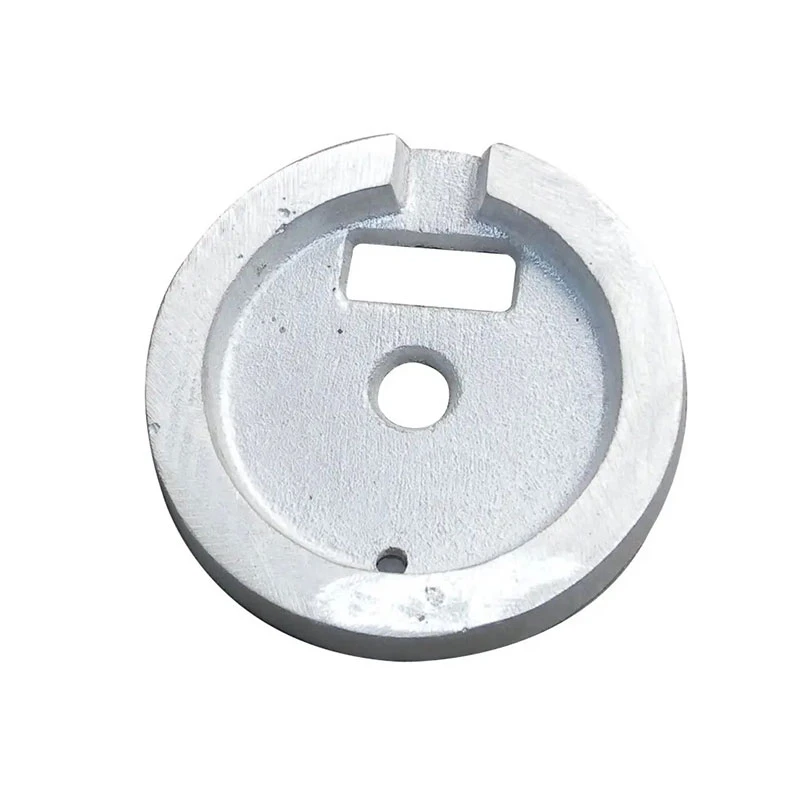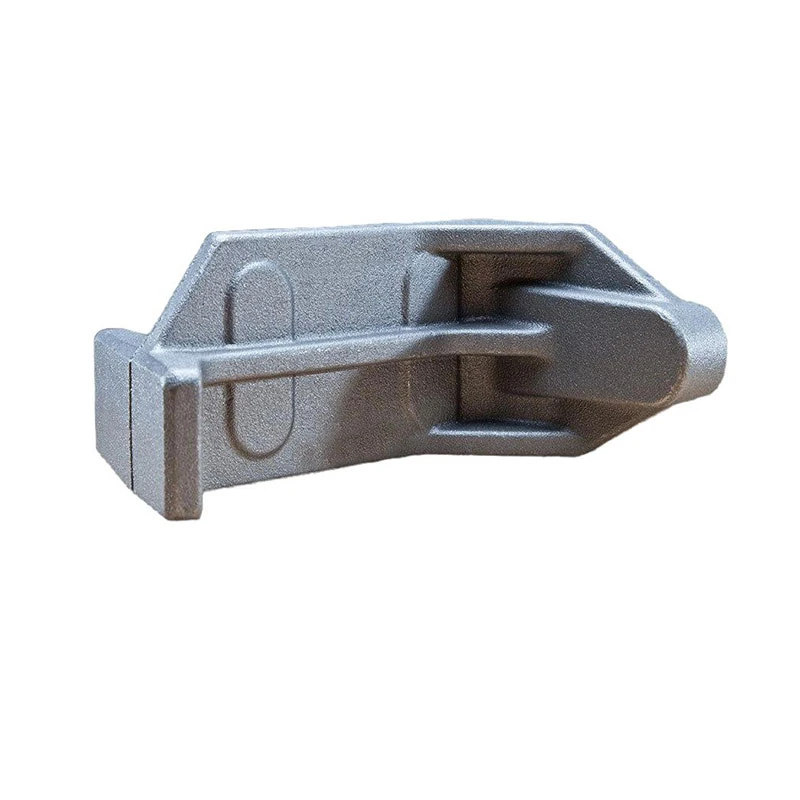



Precision Aluminium Casting: High-Quality Metal Parts for Modern Industry
What is Precision Aluminium Casting and Why It Matters Today
If you’ve ever admired the intricate parts inside your car’s engine or the fine-tuned components of aerospace equipment, you might have unknowingly marveled at the magic of precision aluminium casting. But beyond the industrial sheen and shiny surfaces, precision casting with aluminium plays an essential role globally — from boosting manufacturing efficiency to cutting down wasted materials, and even aiding in sustainable practices. Understanding it honestly opens windows into how modern industries tackle complexity, weight reduction, and strength all at once.
It’s no exaggeration to say this technology underpins innovations we casually take for granted. And with aluminium’s light weight plus excellent corrosion resistance, the benefits radiate across sectors. That’s why diving into the nuances of precision aluminium casting paints a clearer picture of its worldwide significance — both economic and environmental.
The Global Context: Why Precision Aluminium Casting is Poised for Growth
Globally, the ISO standards community estimates the aluminium foundry market to grow near 5% annually through 2028. That’s driven chiefly by automotive, aerospace, construction, and electronics industries expanding output — and demanding parts with tighter tolerances than ever before. The World Bank reported that manufacturing value-added is increasing in emerging industrial hubs, which ratchets the need for reliable, high-volume metal casting solutions.
However, the challenge? As machines become more precise, so must their parts. Reducing defects, cutting turnaround times, and balancing cost all funnel back into how precision aluminium casting is evolving. It’s a technological puzzle where the stakes feel quite high — not just to manufacturers, but also consumers who expect safe, durable products.
Frankly, the stakes are rising worldwide: lighter vehicles for less fuel usage, electronics packed tighter but with minimal overheating, and infrastructure components that last decades with minimal maintenance. In real terms, precision aluminium casting addresses these demands systematically — proving it’s far from a niche process.
What Exactly is Precision Aluminium Casting?
At its core, precision aluminium casting is a specialized process that produces metal parts with extremely tight dimensional tolerances and smooth surface finishes using aluminium as the base metal. Unlike coarse sand casting or rough die-casting, precision casting typically uses methods like investment casting or high-pressure die casting to yield functional parts ready for assembly with minimal machining.
You might hear it called “lost wax casting” or “gravity die casting” too, depending on techniques and tooling. The key is control: the ability to reliably create complicated shapes that demand exact specifications. This meets the needs of high-tech industries — whether it’s aerospace turbine blades, automotive transmission housings, or even cutting-edge medical equipment.
Interestingly, aluminium’s role isn’t just technical. Because it’s lightweight yet tough, the move towards precision aluminium castings contributes to humanitarian needs as well — think medical devices in remote clinics or durable shelter hardware in disaster zones. It’s a quiet enabler of better living conditions, in a way.
Core Components of Precision Aluminium Casting
Material Quality and Purity
The first ingredient in this recipe is aluminium itself. Using high-purity alloys ensures structural integrity and corrosion resistance after casting. Most manufacturers prefer alloys like A356 or A319 for their balance of strength and castability.
Dimensional Accuracy
Manufacturing engineers often say the devil’s in the details here. Precision casting processes can achieve tolerances as tight as ±0.1 mm, meaning parts fit perfectly within complex assemblies. This reduces secondary machining and scrap rates drastically.
Surface Finish
Oddly enough, a smooth surface finish can reduce friction and wear in applications like pumps or aerospace controls. Methods like ceramic molding in investment casting influence this component heavily.
Scalability and Production Speed
While investment casting can be a bit slower, die casting offers rapid production cycles—tens of thousands of parts per month are achievable. Choosing the right technique depends on order size and complexity.
Cost Efficiency
Many decision-makers juggle upfront tooling costs versus long-term savings in material waste and labor. Precision aluminium casting often benefits large-scale runs but is also getting smarter about small batch economies.
Environmental Considerations
Recycling aluminium is energy-efficient—up to 95% less energy than creating primary metal. Modern foundries integrate recycled alloys, tying precision casting to greener manufacturing goals.
Mini takeaway: In precision aluminium casting, material purity, dimensional tightness, and surface quality form the backbone of reliable, efficient part production. Together, they push industries toward better performance and sustainability.
Real-World Applications: How Precision Aluminium Casting Powers Industries
Across continents and industries, precision aluminium casting finds its place. In automotive hubs like Germany and Japan, transmission cases and engine blocks lean heavily on it, balancing strength with weight savings to meet stringent emissions targets.
In aerospace, parts such as housing for avionics and cooling ducts depend on the precision and heat resistance aluminium alloys afford. NASA and ESA-funded projects often specify exacting standards, illustrating trust in this craft.
Medical devices, particularly surgical instruments and diagnostic housings, often gain from the biocompatibility and polish achievable through precision aluminium casting.
Meanwhile, in post-disaster relief scenarios—say, after an earthquake in Southeast Asia—structural connectors and equipment mounts made by precision aluminium casting help build temporary yet resilient infrastructure.
Precision Aluminium Casting Specification Table
| Feature | Typical Value / Range | Notes |
|---|---|---|
| Alloy Types | A356, A319, ADC12 | Common industrial alloys optimized for casting |
| Dimensional Tolerance | ±0.05 to ±0.2 mm | Depends on method: investment or die casting |
| Max Part Size | Up to 15 kg per cast piece | Scalable for larger assemblies |
| Surface Finish | Ra 0.8 – 3.2 μm | Fine surface required for moving parts |
| Production Volume | From prototype to 50,000+ units/month | Depends on casting technique |
Comparing Key Vendors in Precision Aluminium Casting
Choosing a casting partner can feel overwhelming. Here’s a rough vendor comparison to help you start. Every supplier brings its own pros and quirks to the table.
| Vendor | Core Strength | Lead Time | Typical Order Size | Sustainability Focus |
|---|---|---|---|---|
| Alpha Castings Ltd | Low-tolerance aerospace parts | 6 – 8 weeks | 500+ units | Advanced recycling |
| Beta Metals | High-volume automotive die casting | 4 – 6 weeks | 10,000+ units | ISO 14001 certified |
| Gamma Foundry | Prototyping and small batch runs | 2 – 3 weeks | 50 – 1000 units | Recycled inputs on demand |
Advantages & Long-Term Value of Precision Aluminium Casting
- Cost Savings: Minimizing secondary machining and reducing scrap means budgets stretch further — which always matters.
- Sustainability: Using recycled aluminium alloys reduces environmental impact significantly compared to primary metal production.
- Reliability: Tighter tolerances decrease assembly errors and product failures, promoting brand trust and safety.
- Innovation Support: Ability to produce complex shapes encourages new designs not possible with simpler methods.
- Social Impact: Lightweight parts reduce fuel usage, positively affecting emissions and communities worldwide.
In the end, it feels like precision aluminium casting offers a blend of practical economics plus a nod to responsible industrial stewardship — a combo manufacturers appreciate more each day.
The Future: Innovations on the Horizon
Looking forward, the industry increasingly integrates automation, machine learning for quality control, and advanced alloys geared toward green energy markets. For instance, electric vehicle (EV) makers need aluminium components optimized for battery housings that are both thermal efficient and lightweight.
Moreover, digital twin technology enables virtual testing before physical prototypes exist — saving costs and time. Foundries that embrace Industry 4.0 capabilities, like real-time process monitoring and robotics, can expect steady gains in yield and precision.
Sustainability also pushes innovation boundaries, with aluminium recycling technologies improving yield purity and energy consumption. It’s clear precision aluminium casting won’t be resting on its laurels but evolving rapidly to meet tomorrow’s tech and environmental standards.
Challenges & How Industry is Tackling Them
Yet, hurdles remain. For example, initial tool costs for high-precision molds can be steep — not ideal for startups or project prototypes. Defects like porosity or cold shuts require meticulous control and sometimes complex inspection methods.
To overcome these, experts lean heavily on computer simulations during design, non-destructive testing (NDT), and flexible manufacturing setups that allow quick tooling changes. Increasingly, suppliers offer modular approaches to make precision casting accessible to smaller clients.
FAQ: Practical Questions About Precision Aluminium Casting
- Q: How does precision aluminium casting compare to traditional sand casting?
- A: Precision casting yields parts with much tighter tolerances and better surface finishes than sand casting. As a result, less machining is needed, and parts fit better in assemblies, which is crucial for high-performance applications.
- Q: What industries benefit from precision aluminium casting the most?
- A: Automotive, aerospace, medical device manufacturing, and consumer electronics are top beneficiaries due to their need for lightweight, accurate, and corrosion-resistant components.
- Q: Is precision aluminium casting environmentally friendly?
- A: Yes, especially when recycled aluminium alloys are used. The process consumes less energy compared to primary metal production, reducing carbon footprint significantly.
- Q: Can small businesses afford precision aluminium casting?
- A: Though tooling costs can be higher, advances in modular and low-volume casting services offer more affordable options for startups and small production runs.
- Q: How do I find trustworthy precision casting suppliers?
- A: Look for vendors with relevant certifications (like ISO 9001, ISO 14001), transparent quality processes, and responsiveness to your design needs. Direct communication and pilot runs help discover the best fit.
Wrapping Up: Why Precision Aluminium Casting is a Smart Choice for the Long Haul
Ultimately, mastering the craft of precision aluminium casting unlocks a blend of superior product performance, manufacturing efficiency, and environmental responsibility. As the industrial landscape evolves, so does the importance of these versatile, high-quality parts.
Curious to explore quality precision aluminium casting for your projects? Don’t just take my word for it—check out precision aluminium casting specialists who offer tailored solutions that scale.
Thanks for reading — hopefully, this gives you a clearer lens on why precision aluminium casting is quietly shaping the future of manufacturing.
References
-
Guide to Anodizing Die Cast Aluminum for Industrial ExcellenceNewsApr.16,2026
-
High Quality Precision Aluminum Die Casting Components GuideNewsApr.09,2026
-
Comprehensive Guide to High Quality Aluminium Pressure Die Casting ProductsNewsApr.07,2026
-
Comprehensive Guide to Aluminium Pressure Die Casting Components and SolutionsNewsApr.04,2026
-
Comprehensive Guide to Aluminium HPDC Casting for Global SourcingNewsMar.31,2026
-
Comprehensive Guide to Precision Aluminium Die Castings and Manufacturing SolutionsNewsMar.28,2026