


Cold Chamber Die Casting: Overview, Benefits, and Industry Insights | Hairun Sourcing
Cold Chamber Die Casting is a key solution in the industry, specifically within manufacturing sectors requiring precision and durability. This article explores how https://www.hairunsourcing.com supports professionals with durable, high-performance products, and explains why this product is an ideal choice for businesses in these sectors.
Table of Contents
- Cold Chamber Die Casting Overview
- Benefits & Use Cases of Cold Chamber Die Casting
- Cost, Maintenance & User Experience
- Sustainability & Market Trends
Cold Chamber Die Casting Overview
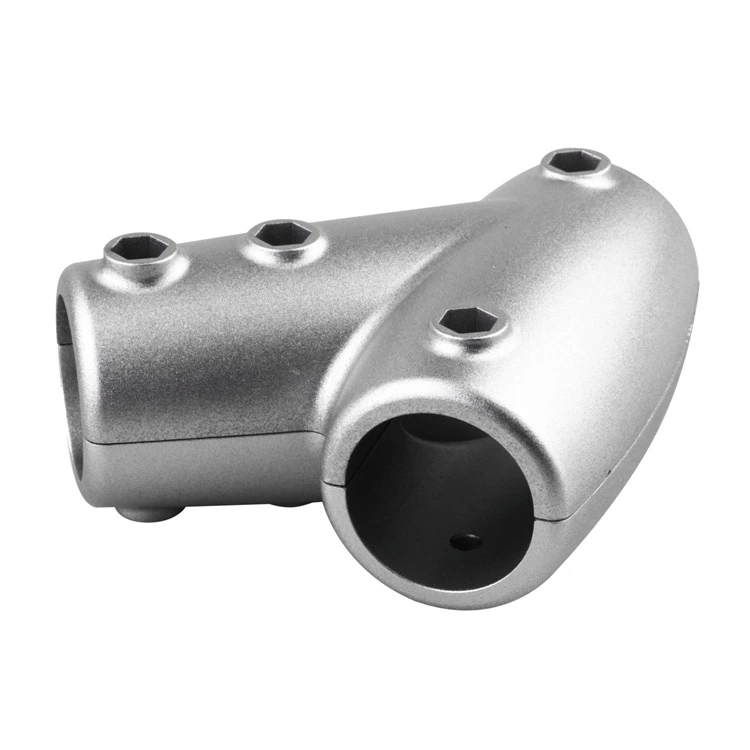
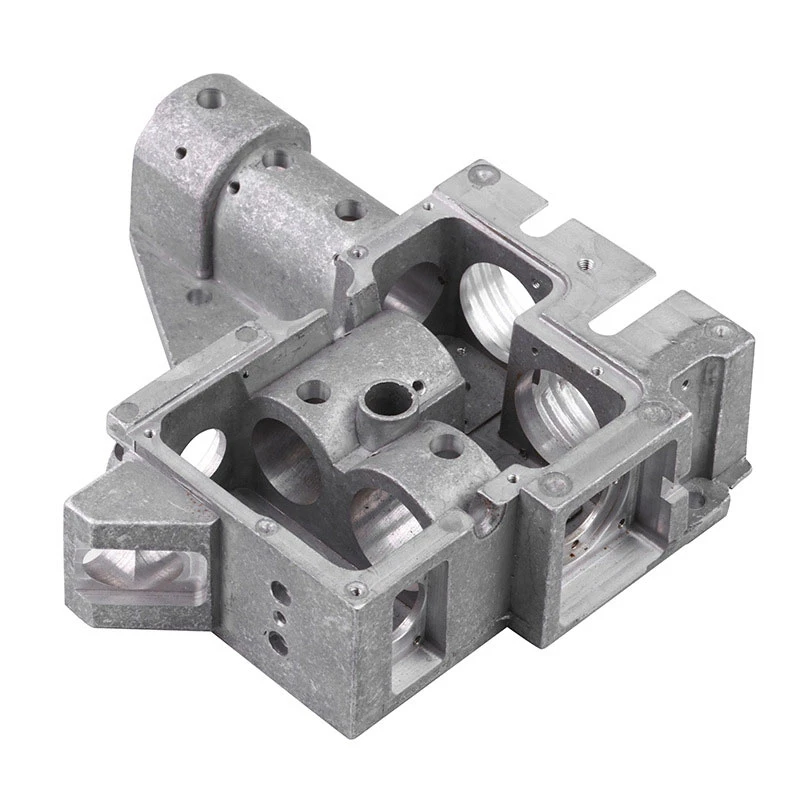
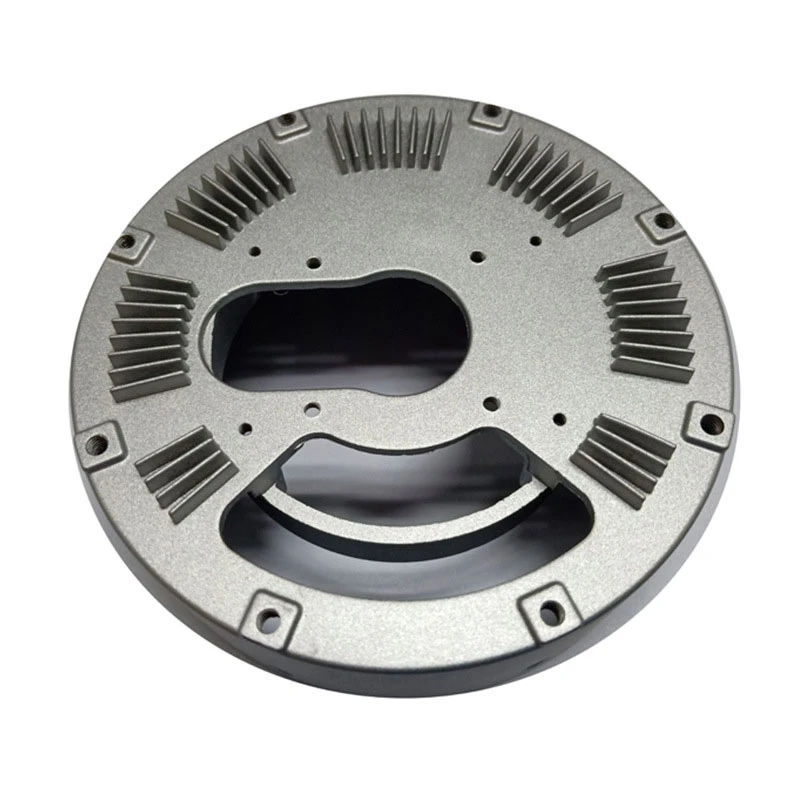
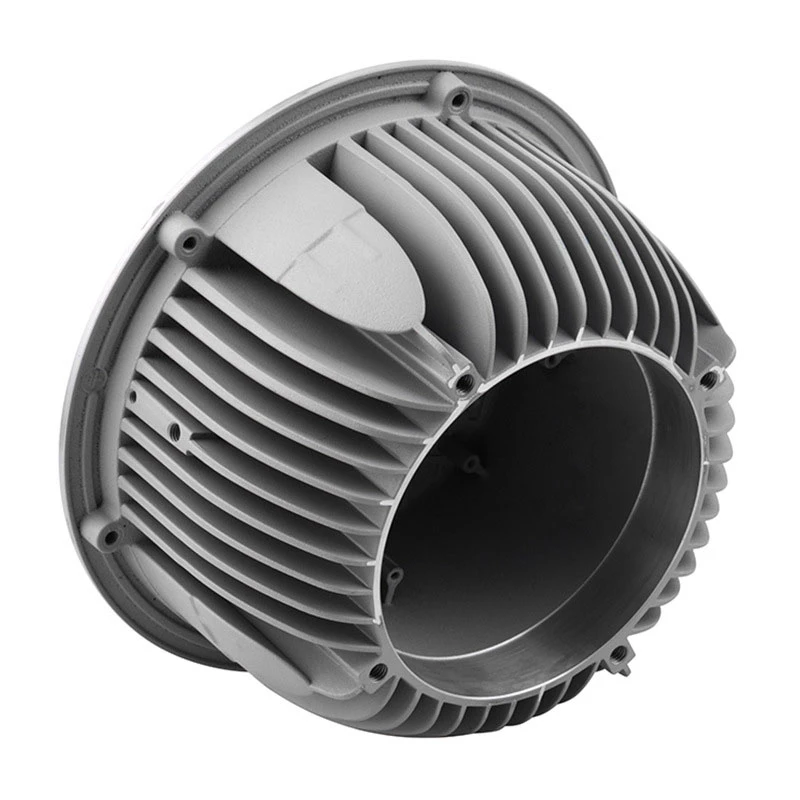
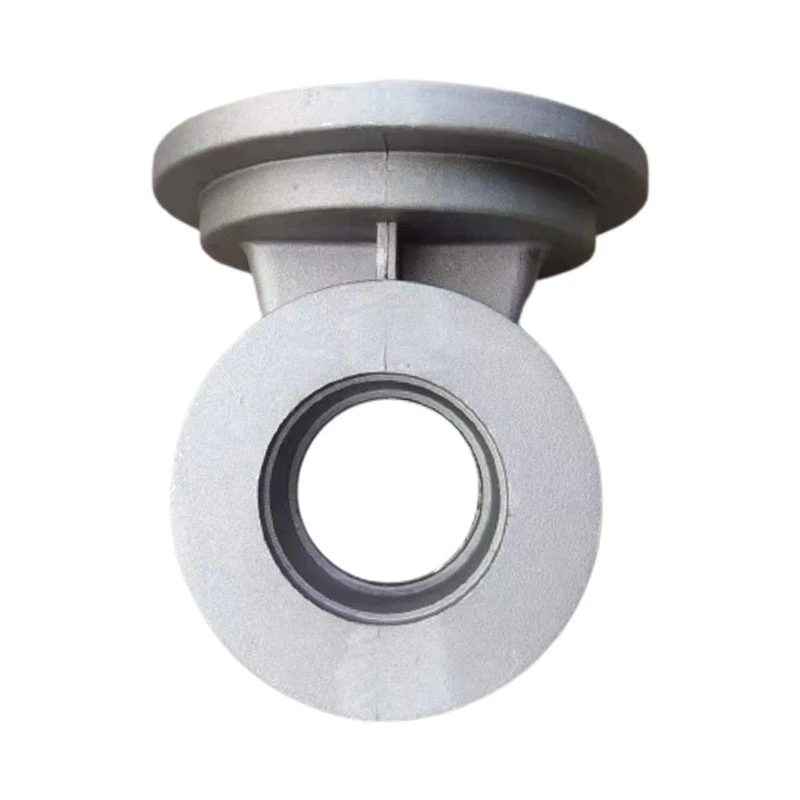
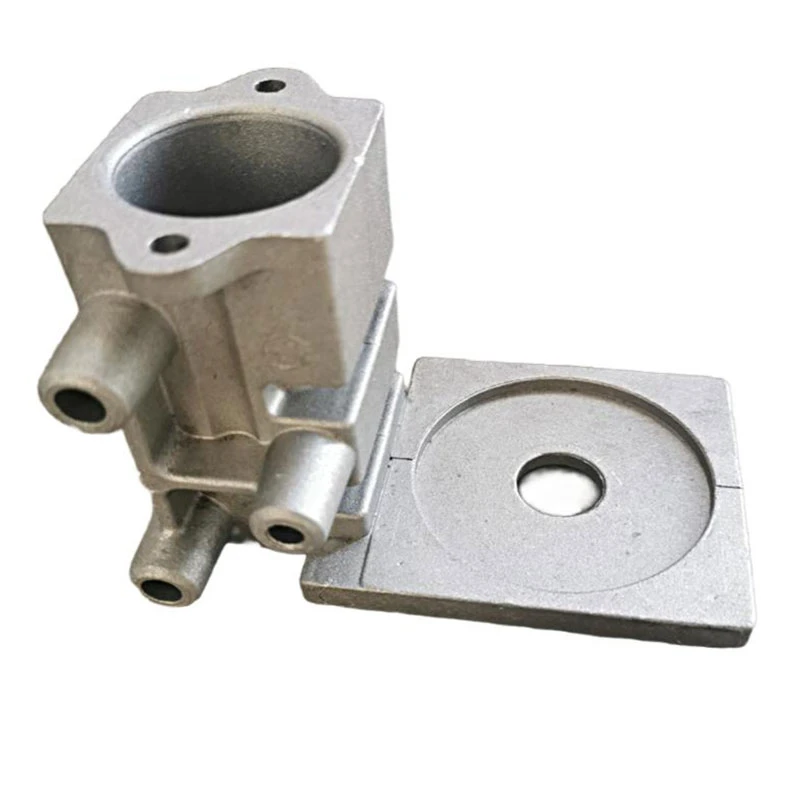
Simply put, Cold Chamber Die Casting is a metal casting process where molten metal is poured into a cold chamber and injected into a steel mold at high pressure. It's particularly suited for metals with high melting points like aluminum, magnesium, or copper alloys. Frankly, if you deal with parts that need intricate detailing and exceptional strength — say, automotive components or aerospace fittings — this process shapes them with remarkable accuracy and consistency.
Technically, the cold chamber process differs from the hot chamber method by using a separate furnace to melt the metal, which is then ladled into the cold chamber for injection. This separation helps prevent corrosion and prolongs equipment life when working with metals that could otherwise damage casting machines.
| Specification | Details |
|---|---|
| Suitable Alloys | Aluminum, Magnesium, Copper |
| Maximum Casting Weight | Up to 20 kg (44 lbs) |
| Tolerance Level | ±0.1 mm |
| Typical Part Size | 70 mm to 500 mm |
| Cycle Time | 20 to 45 seconds |
Benefits & Use Cases of Cold Chamber Die Casting
Industries relying on precise, high-strength metal components often turn to cold chamber die casting for its superior surface finish and dimensional accuracy. I've noticed, for example, in automotive sectors—engine blocks, transmission cases, or suspension parts benefit hugely from this method. Aerospace also taps into its ability to produce lightweight, rugged components that cannot afford imperfections.
One advantage you might appreciate is the cold chamber's adaptability to larger and heavier parts compared to hot chamber. It lends itself well to items that demand a combination of strength and intricate detail—in other words, a tough balancing act that many engineers find hard to achieve elsewhere.
| Vendor | Production Capacity | Material Range | Lead Time | Pricing |
|---|---|---|---|---|
| Hairun Sourcing | High (100k+ units/year) | Al, Mg, Cu Alloys | 4–6 weeks | Competitive |
| Vendor B | Medium | Aluminum only | 6–8 weeks | Higher |
| Vendor C | Low | Mg, Cu Alloys | 8–10 weeks | Variable |
Cost, Maintenance & User Experience
The total cost of ownership when it comes to cold chamber die casting may seem steep initially due to tooling and machine costs. However, in real terms, the return on investment (ROI) usually justifies itself quickly because of lower scrap rates and reduced need for secondary processes. So, the parts come out spot-on almost every cycle — a feature many in manufacturing truly value.
One manufacturer I spoke with recently praised how Hairun Sourcing’s cold chamber services led to less downtime and simplified maintenance schedules. The feedback from their engineers? “It’s all about reliability and repeatability,” they told me, “and this delivery ticks both boxes, making our production line smoother.”
Sustainability & Market Trends
Sustainability has become more than just a buzzword in manufacturing—it’s a mandate. Cold chamber die casting, by enabling precise metal usage and minimizing waste, fits surprisingly well into greener production strategies. Plus, with regulations tightening globally, the ability to recycle excess alloys and optimize energy use in production lines is becoming a decisive factor for many B2B decision makers.
Market trends show rising adoption of lightweight alloys via cold chamber casting to improve fuel efficiency, especially in automotive and aerospace sectors. Oddly enough, this shift benefits not only the environment but also the bottom line, because lighter parts mean better overall product performance.
Frequently Asked Questions about Cold Chamber Die Casting
- What is Cold Chamber Die Casting and how does it work?
- Cold Chamber Die Casting is a manufacturing process where molten metal is heated separately and poured into a cold injection chamber before being forced into a steel mold under high pressure. This allows the casting of metals with high melting points, producing parts that are both strong and dimensionally precise.
- What are the main benefits of using Cold Chamber Die Casting in industrial applications?
- The benefits include excellent surface finish, tight dimensional tolerances, and the ability to cast larger parts with metals that would otherwise corrode hot chamber machinery. It's cost-effective for volume production and reduces the need for secondary machining.
- How does Cold Chamber Die Casting compare to traditional alternatives?
- Compared to sand casting or investment casting, cold chamber die casting offers faster production cycles and greater repeatability. Compared to hot chamber casting, it accommodates a wider range of metals and typically yields better durability and mold lifespan.
- What industries can benefit most from Cold Chamber Die Casting implementation?
- Automotive, aerospace, electronics, and consumer appliances are among the primary sectors. Many of these industries demand lightweight, strong, and precise components — perfect for cold chamber die casting's capabilities.
Conclusion on Cold Chamber Die Casting from china
To wrap things up, Cold Chamber Die Casting offers a powerful method to produce high-quality, durable metal parts that meet the precision and strength requirements of demanding industries. With suppliers like Hairun Sourcing, businesses can access tailored solutions that deliver consistent results while being mindful of cost and sustainability concerns. So, whether you're in automotive or consumer electronics, this technology is worth exploring.
It feels like cold chamber die casting is quietly reshaping how complex metal parts come to life — blending art with industrial science.
- ASM International, “Die Casting: Aluminum & Magnesium Alloys,” 2023.
- Industry Reports, “The Rise of Cold Chamber Die Casting,” Manufacturing News, 2023.
- Customer testimonials from Hairun Sourcing, 2024.
-
Guide to Anodizing Die Cast Aluminum for Industrial ExcellenceNewsApr.16,2026
-
High Quality Precision Aluminum Die Casting Components GuideNewsApr.09,2026
-
Comprehensive Guide to High Quality Aluminium Pressure Die Casting ProductsNewsApr.07,2026
-
Comprehensive Guide to Aluminium Pressure Die Casting Components and SolutionsNewsApr.04,2026
-
Comprehensive Guide to Aluminium HPDC Casting for Global SourcingNewsMar.31,2026
-
Comprehensive Guide to Precision Aluminium Die Castings and Manufacturing SolutionsNewsMar.28,2026