


Aluminium High Pressure Die Casting: Process, Benefits & Global Applications
Understanding Aluminium High Pressure Die Casting: A Modern Industrial Backbone
Aluminium high pressure die casting — it might sound like a mouthful, but frankly, it’s one of those quietly powerful processes shaping our world today. At its core, this technique is a manufacturing marvel that transforms liquid aluminium into precision metal parts under high pressure. Why does it matter globally? Because it’s key to building lighter vehicles, efficient electronics, durable machinery, and yes, even crucial humanitarian hardware. Knowing how it works, and why it’s embraced worldwide, opens a window into the future of industry, sustainability, and innovation.
Global Context: Why Aluminium High Pressure Die Casting Matters
On the global stage, aluminium high pressure die casting plays a vital role. According to ISO and World Bank statistics, aluminium production has risen by over 20% in the last decade, driven largely by demand for lightweight, recyclable parts in automotive and aerospace sectors.
This process addresses the challenge of producing complex aluminium components rapidly without sacrificing quality. That’s critical given the global push for energy-efficient vehicles and renewable energy components, for example.
Consider this: vehicles with aluminium die-cast components can be up to 25% lighter, contributing to significant emissions reductions over their lifetime. Sustainability goals hinge on such innovations. Equally, in humanitarian contexts – where speed, reliability, and durability of parts are paramount – this casting method proves its worth.
What Is Aluminium High Pressure Die Casting?
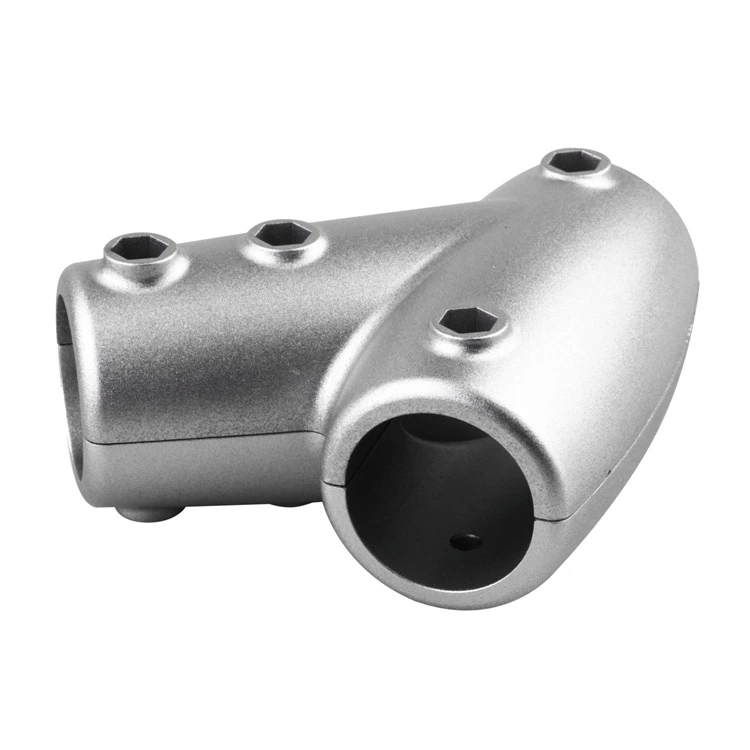
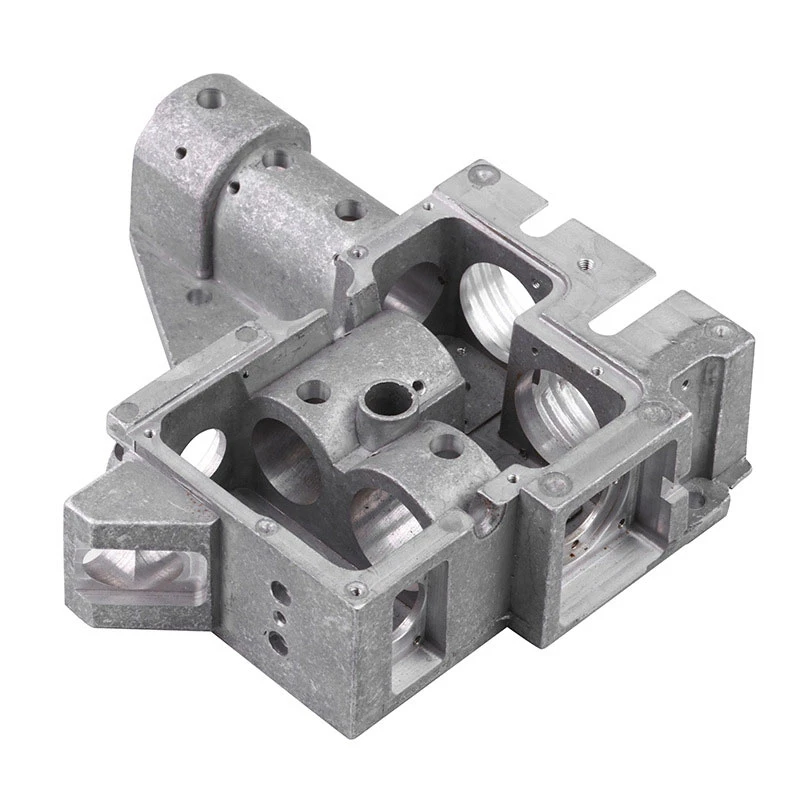
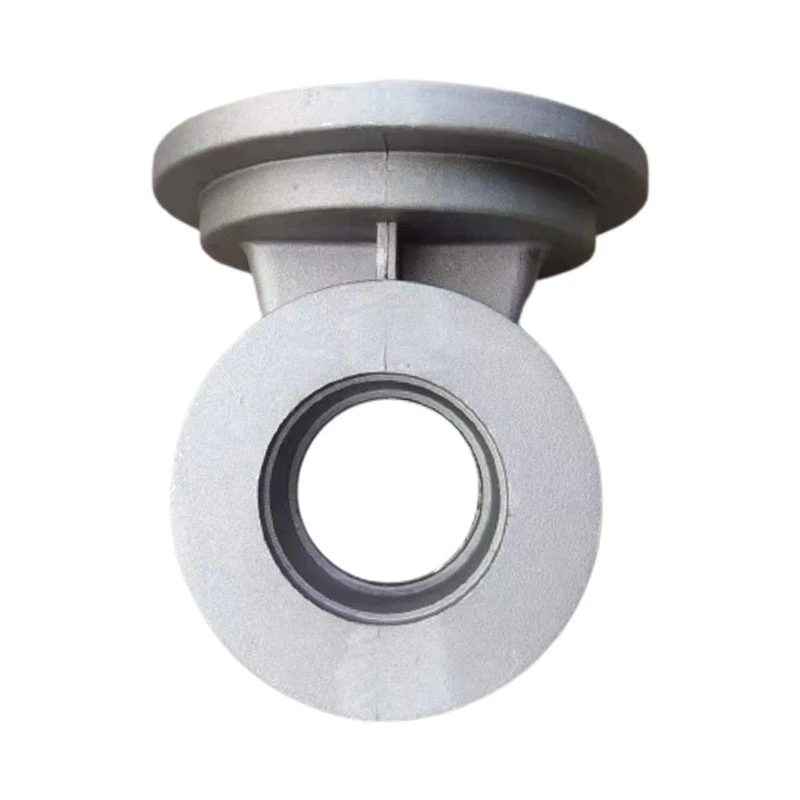
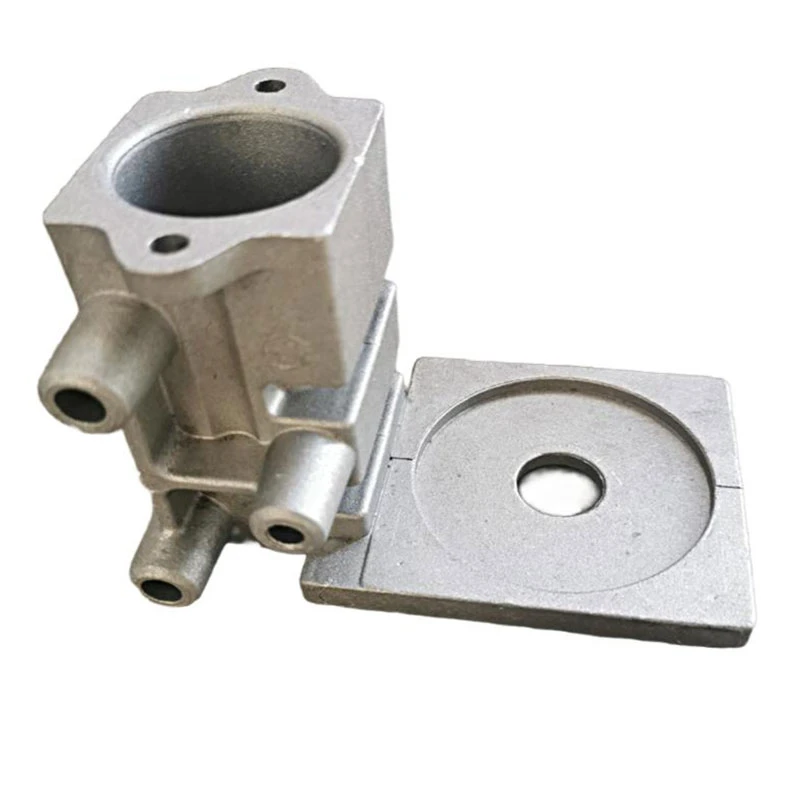
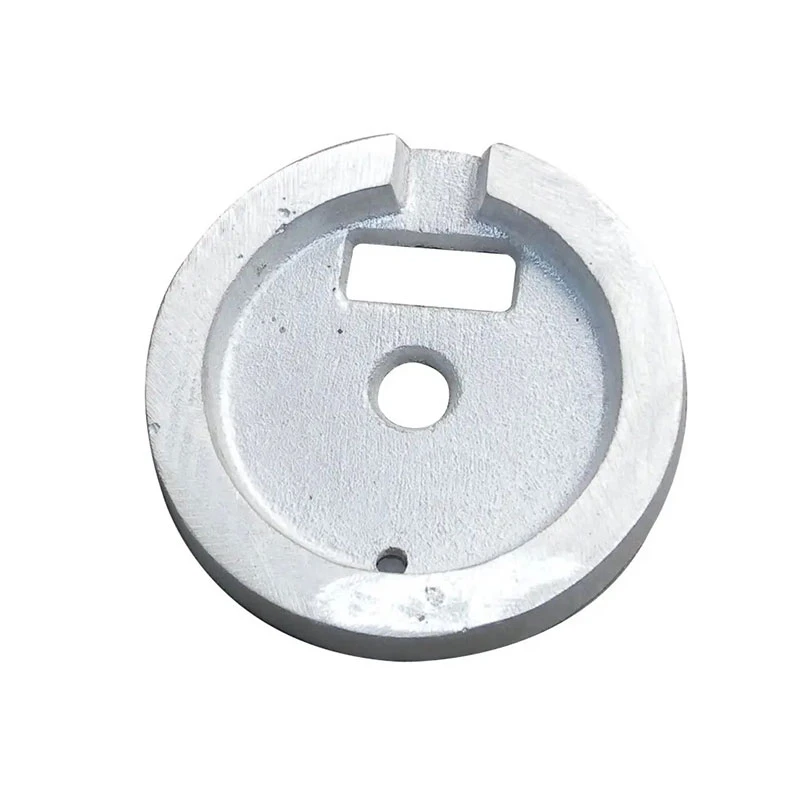
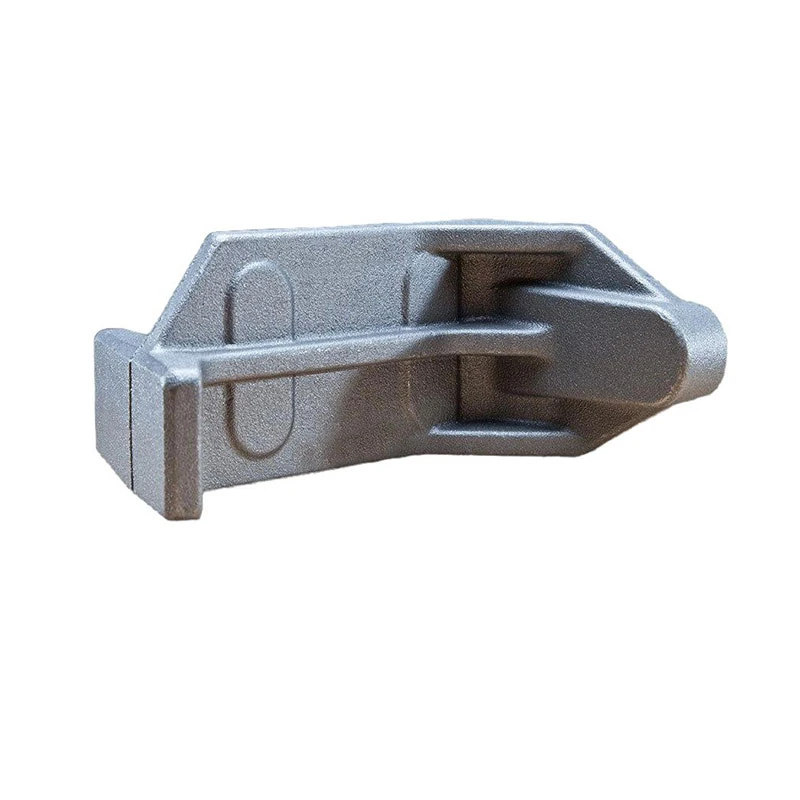
In simple terms: it is a process where molten aluminium is injected into a steel mold (or die) at very high pressure. This pressure ensures the metal fills every intricate cavity of the mold, resulting in complex shapes with excellent surface finish and precision.
It’s a technique particularly favored for producing parts that need strength, lightness, and consistency — think engine blocks, air conditioner housings, or the casings of power tools.
Beyond industry, this has humanitarian implications too. For instance, durable components for portable medical devices produced this way can last longer and perform reliably in tough conditions, which can be a literal life-saver.
Key Factors Behind Aluminium High Pressure Die Casting
1. Durability and Precision
The molds, often hardened steel, help produce parts with incredible accuracy and surface finish requiring minimal machining afterward. This translates to longevity and reliability in use.
2. Scalability and Efficiency
High pressure die casting excels at making thousands — even millions — of identical parts rapidly. Once the die is made, the cycle time per part can be mere seconds.
3. Cost-Effectiveness
While the initial tooling is expensive, per-unit costs drop dramatically with volume. This makes it ideal for mass production environments.
4. Lightweight and Strength
Aluminium’s excellent strength-to-weight ratio reduces finished product weight — a key benefit in automotive and aerospace sectors striving for fuel economy.
5. Sustainability
Recycling aluminium scrap from these processes is straightforward and energy-efficient, supporting circular manufacturing.
Product Specifications: Typical Aluminium High Pressure Die Casting
| Specification | Details |
|---|---|
| Material | Aluminium Alloy (typically A356, A380) |
| Die Temperature | 150–200°C |
| Injection Pressure | 700–2000 bar |
| Cycle Time | 15–60 seconds |
| Max Part Size | Up to 10 kg / 0.1 m³ |
Global Applications and Use Cases
This technique is everywhere you look: automotive manufacturing plants in Germany and Japan churn out aluminium die-cast engine components, while aerospace suppliers in the US and France generate lightweight airframe parts.
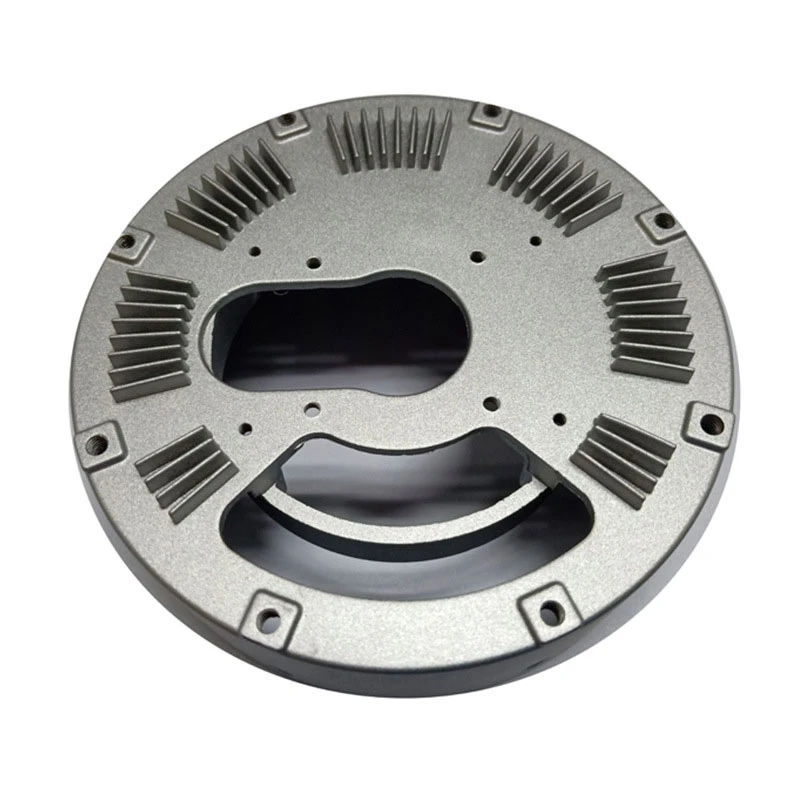
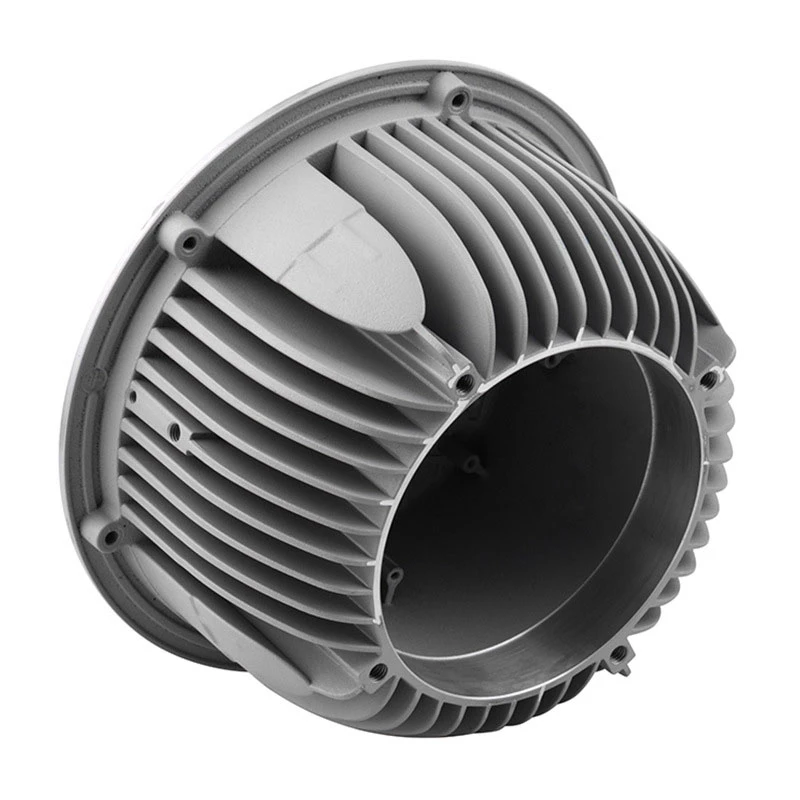
In Asia, electronics manufacturers rely on die casting to make heat sinks and casings that efficiently dissipate heat. Industrial equipment manufacturers across Europe and North America use the process for durable housings.
Even in humanitarian efforts, aluminium die casting shows up. For example, robust aluminium casings for portable water purification units are die-cast in China and shipped worldwide to disaster zones — sturdy, lightweight, and corrosion-resistant.
| Vendor | Region | Lead Time | Specialization | Sustainability Rating |
|---|---|---|---|---|
| Hairun Sourcing | China | 4–6 weeks | High volume automotive parts | A+ |
| AluTech Europe | Germany | 6–8 weeks | Precision aerospace components | A |
| FastCast USA | USA | 3–5 weeks | Custom electronics housings | B+ |
Advantages & Long-Term Value
- Cost Savings: Mass production lowers costs significantly, allowing businesses to scale efficiently.
- Environmental Impact: Aluminium’s recyclability and light-weighting lessen carbon footprints.
- Reliability: High precision means parts fit perfectly, reducing failure risks.
- Safety & Innovation: Strong aluminium casings protect critical equipment, advancing user trust and safety.
Emotionally, knowing that the parts inside your car or medical device are made with such finesse and care adds a bit of peace of mind. It feels like craftsmanship meeting modern science.
Future Trends & Innovations
Looking ahead, the aluminium high pressure die casting industry is buzzing with green energy initiatives and digital automation. “Smart factories” are optimizing cycle times and defect detection with AI, while new alloys improve heat resistance and strength.
Furthermore, industry leaders integrate aluminium high pressure die casting with additive manufacturing, creating hybrid components with complex internal channels impossible to machine traditionally.
Challenges & Solutions
Conventional issues include the high cost of tooling and limitations on part size and complexity. However, advances like modular dies and improved simulation software help reduce waste and accelerate design cycles.
Material porosity and shrinkage are tackled by better temperature controls and vacuum-assisted casting machines. These solutions come from decades of collective R&D and field experience, which frankly give me confidence in the process’s resilience.
FAQ: Aluminium High Pressure Die Casting
What materials are best for aluminium high pressure die casting?
Aluminium alloys like A356, A380 are preferred due to their excellent castability, strength, and corrosion resistance. They balance fluidity and mechanical properties for intricate, durable parts.
How does this casting method improve product durability?
High pressure injection fills even tiny mold features quickly, reducing porosity and defects. This results in consistent, strong parts that last longer in demanding environments.
Is aluminium high pressure die casting environmentally friendly?
Yes. Aluminium is highly recyclable with minimal loss in quality. Plus, the lightweight parts reduce energy consumption downstream, aiding sustainability efforts.
Can small manufacturers leverage this technology?
While upfront die costs are high, outsourcing to vendors or using modular molds empowers smaller players to benefit without major capital investments.
How does this process help international industries?
It standardizes high-quality component production globally, enabling industries in developing and developed regions to access durable, affordable aluminium parts quickly.
Conclusion & Call to Action
Aluminium high pressure die casting isn’t just production—it’s the quiet engine behind lighter, smarter, greener products worldwide. As industries evolve, it will continue delivering unmatched precision, speed, and sustainability. For anyone exploring metal manufacturing solutions, understanding this process is a must.
Want to dive deeper or source quality parts? Visit https://www.hairunsourcing.com for more expert insights and connections.
It’s one of those technologies where science meets art — and the results truly shape the future.
1. ISO Aluminium Production Data, https://www.iso.org
2. UN Industrial Development Reports, https://www.unido.org
3. World Bank Metals & Manufacturing Brief, https://www.worldbank.org
-
Guide to Anodizing Die Cast Aluminum for Industrial ExcellenceNewsApr.16,2026
-
High Quality Precision Aluminum Die Casting Components GuideNewsApr.09,2026
-
Comprehensive Guide to High Quality Aluminium Pressure Die Casting ProductsNewsApr.07,2026
-
Comprehensive Guide to Aluminium Pressure Die Casting Components and SolutionsNewsApr.04,2026
-
Comprehensive Guide to Aluminium HPDC Casting for Global SourcingNewsMar.31,2026
-
Comprehensive Guide to Precision Aluminium Die Castings and Manufacturing SolutionsNewsMar.28,2026