


Comprehensive Guide to Die Casting Factory: Global Benefits, Applications & Future Trends
What is a Die Casting Factory and Why It Matters Globally
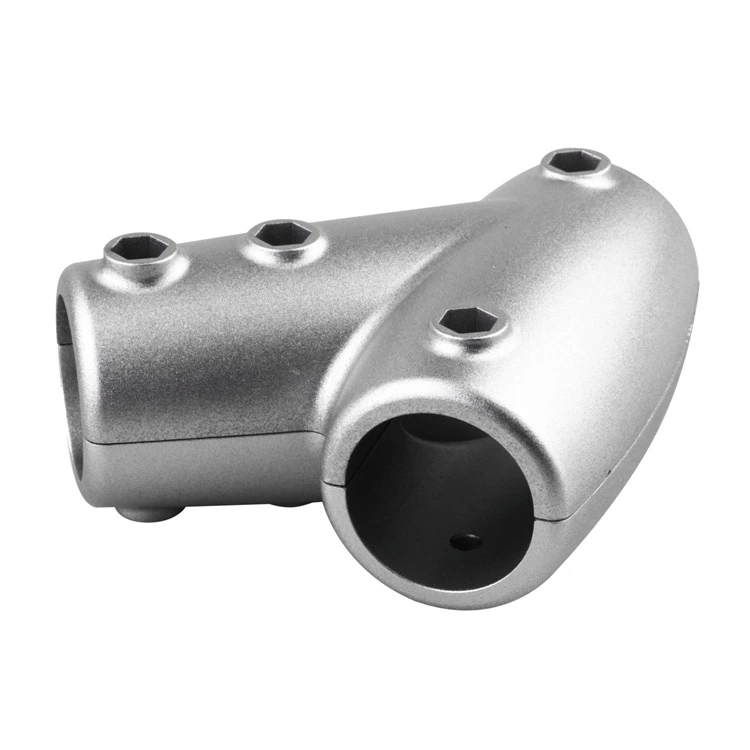
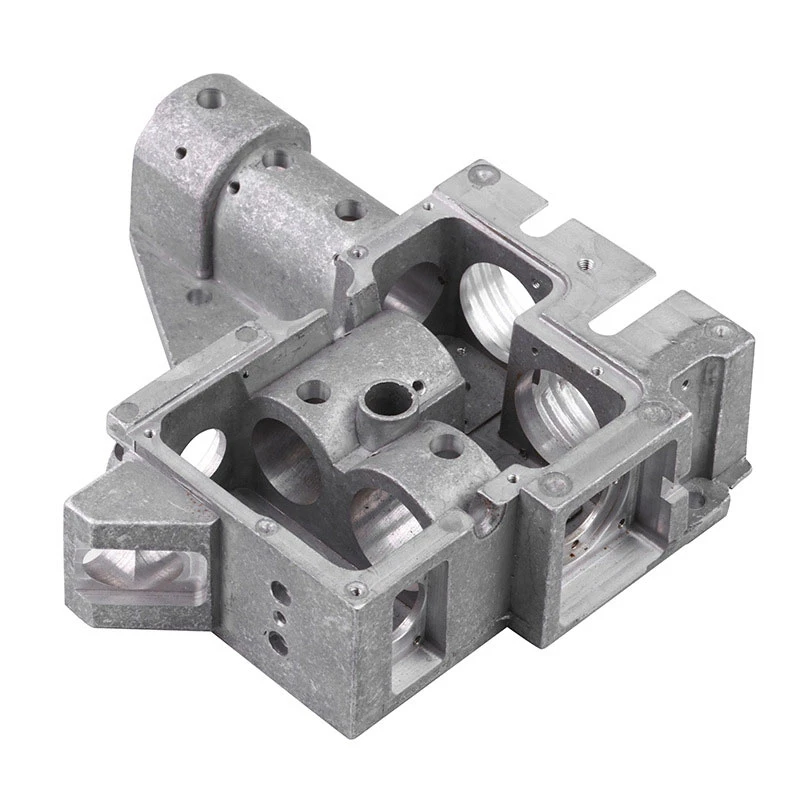
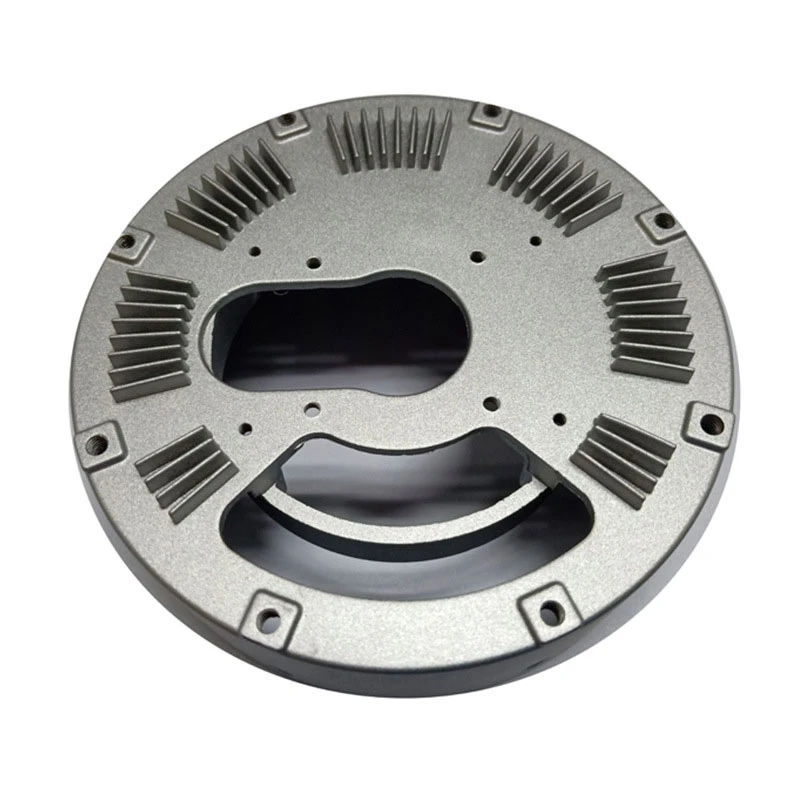
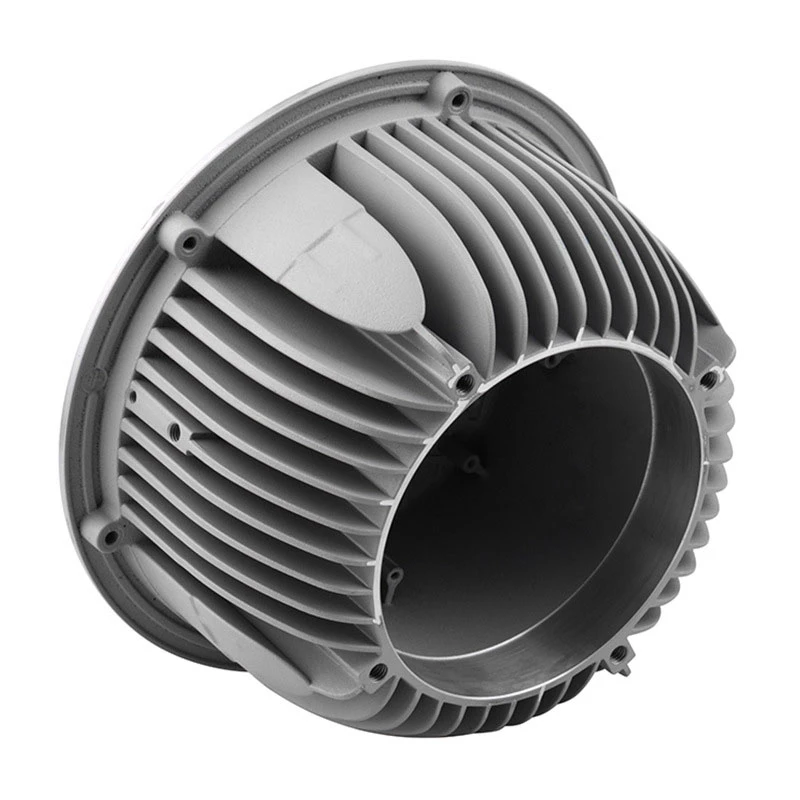
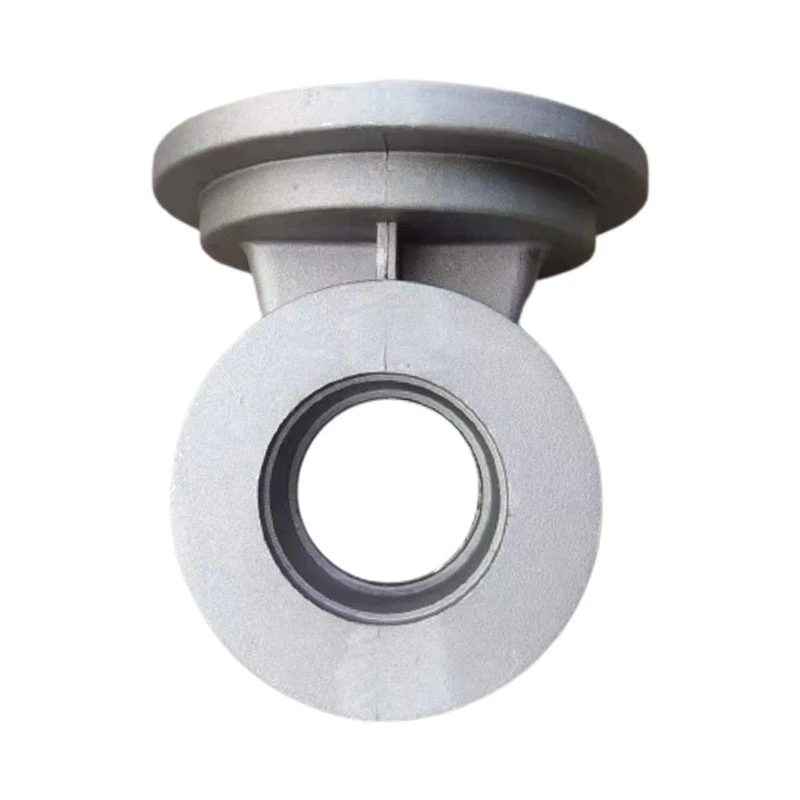
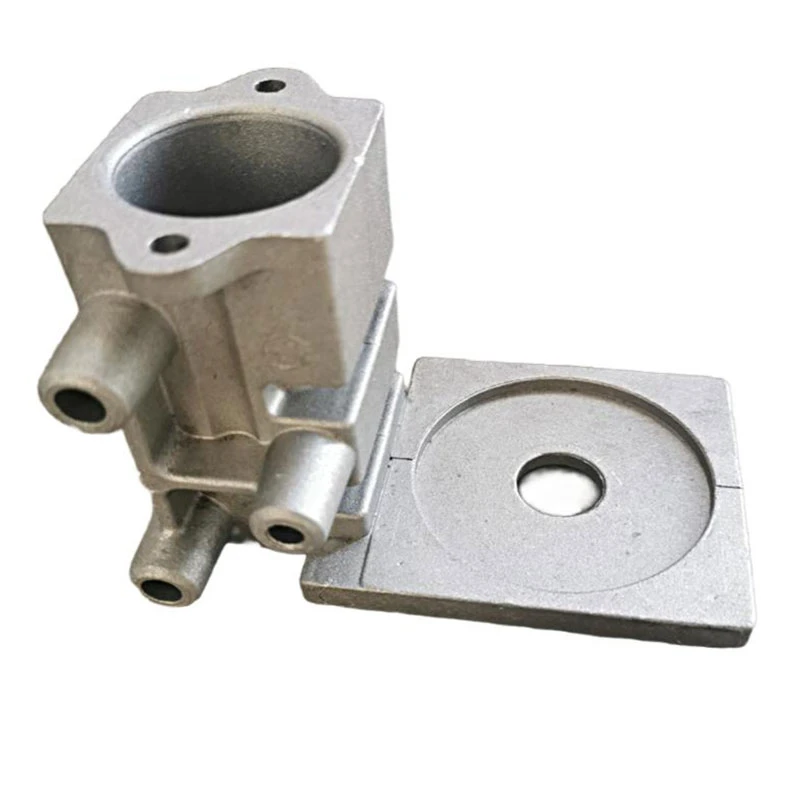
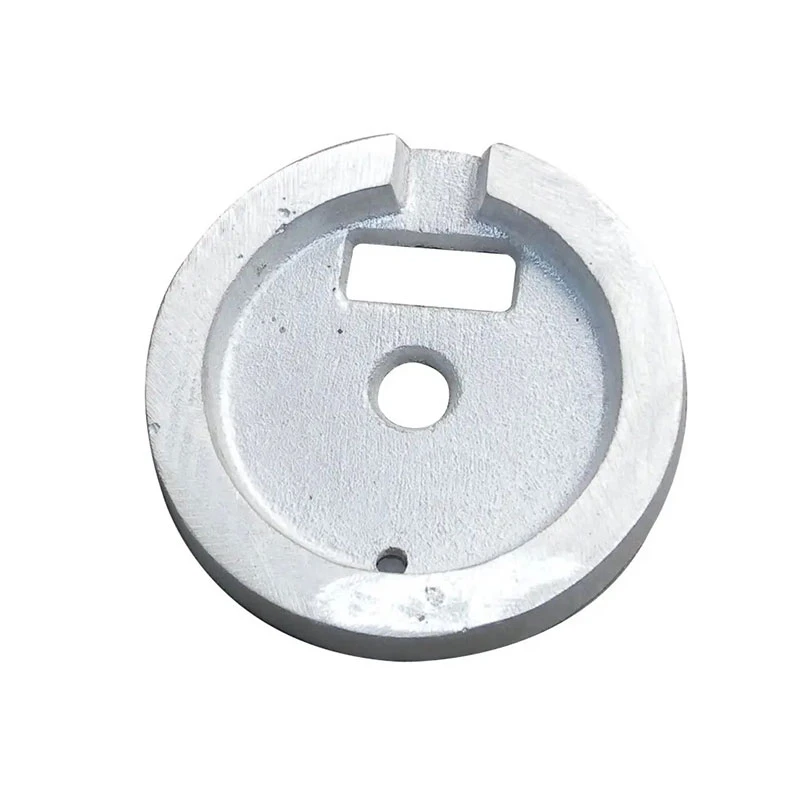
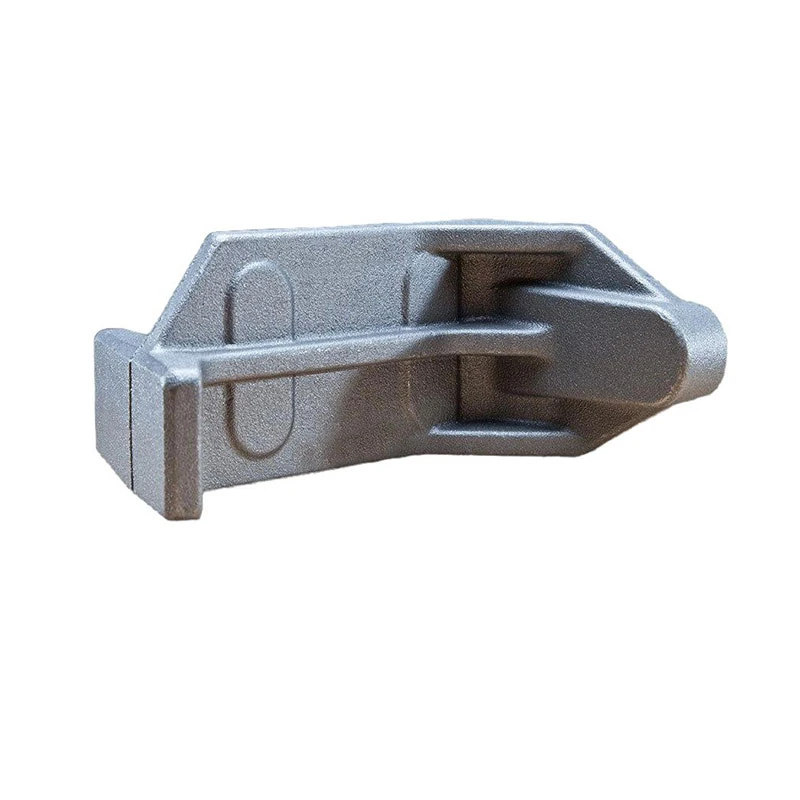
So, you’ve likely heard the term die casting factory thrown around in industrial circles. But what exactly is it, and why should anyone beyond manufacturing engineers pay attention? Simply put, a die casting factory specializes in producing metal parts with high precision by injecting molten metal under high pressure into molds, called dies. This process is a backbone of countless industries worldwide—from automotive to electronics—and has quietly powered the global economy in ways many overlook.
The key benefits of understanding die casting factories are pretty vast: faster production times, enhanced product durability, and scalability that keeps costs down. In a world ever-hungry for more sophisticated products at reasonable prices, these factories play a vital role.
Global Context: Why Die Casting Factories Are More Relevant Than Ever
Reflect on this: The global die casting market was estimated around $16 billion in 2021 and is projected to grow steadily. According to ISO and industry reports, the demand surge is driven by automotive electrification, aerospace demands, and the relentless miniaturization in electronics.
But here’s the catch—traditional manufacturing methods struggle to meet these precision and volume targets without ballooning costs or waste. Enter the die casting factory, which can churn out thousands of lightweight, strong, and cost-effective parts on a daily basis.
Definition & Meaning: Breaking It Down
A die casting factory is essentially a production facility equipped with specialized machines that create metal components by injecting molten metal into metal molds. This contrasts with other casting by delivering rapid cycles, superior surface finishes, and tight dimensional tolerances.
Its connection to modern industry isn’t only in automotive parts or consumer electronics. Think humanitarian applications—strong, lightweight parts for medical devices or renewable energy setups rely on this manufacturing precision. So the ripple effect is wider than it initially looks.
Core Components of a Die Casting Factory
1. Durability of Parts
Die-cast components often face harsh environments—exposing machines to stress fields in automotive engines or aerospace. The high-pressure injection ensures minimal porosity, lending parts that enduring strength.
2. Scalability & Speed
A die casting factory can pump out thousands of identical pieces daily, critical for industries where demand spikes quickly. This scalability trims lead times drastically.
3. Cost Efficiency
Compared to CNC machining every individual part, investing in dies makes mass production far more cost-friendly over time; nifty, right?
4. Precision & Surface Finish
The factory’s controlled environment and tooling expertise mean tighter dimensional control and smoother surface finishes—cutting down post-production works.
5. Flexibility in Materials
Common alloys include aluminum, magnesium, and zinc — each bringing unique properties that can be tailored for specific customer needs and industries.
Global Applications & Use Cases
Wondering where exactly these factories flex their muscles? Here’s the rundown:
- Automotive Industry: Engines, transmission parts, chassis elements—parts must be light but tough.
- Electronics: Housings for smartphones and laptops demand thin walls with smooth finishes.
- Aerospace: Lightweight aircraft components, a critical area for fuel efficiency.
- Renewable Energy: Parts for wind turbines and solar panel mounts.
- Medical Devices: Precision parts in diagnostic tools.
Notably, developing regions are capitalizing on local die casting factories to boost industrial resilience. In post-disaster operations, durable metallic parts from nearby factories facilitate rebuilding efforts swiftly.
Typical Die Casting Product Specifications
| Specification | Details |
|---|---|
| Material | Aluminum, Zinc, Magnesium alloys |
| Minimum Wall Thickness | 0.75 mm (varies by alloy) |
| Dimensional Tolerance | ±0.1 mm |
| Production Volume | Up to 100,000+ parts/month |
| Surface Finish | Smooth to Mirror-like |
Vendor Comparison: Selecting the Right Die Casting Factory
| Feature | Factory A | Factory B | Factory C |
|---|---|---|---|
| Production Capacity | 50,000 parts/month | 120,000 parts/month | 80,000 parts/month |
| Material Options | Aluminium only | Aluminium, Zinc, Magnesium | Aluminium, Zinc |
| Lead Time | 4 weeks | 2-3 weeks | 3 weeks |
| ISO Certification | Yes, ISO 9001 | Yes, ISO 9001 & ISO 14001 | No |
| Sustainability Initiatives | Minimal | Advanced recycling & energy recovery | Basic waste reduction |
Advantages & Long-Term Value of Die Casting Factories
Let me be frank: when you buy a product containing die-cast parts, you’re benefiting from decades of material science and industrial refinement. The cost-efficiency passes to consumers, sure, but the sustainability factor is key here. Many factories have adopted recycling and energy-saving processes to minimize environmental impact, which matters more than ever.
On a social level, these factories build trust—especially when quality and dependability matter, say, for safety-critical automotive parts. And innovation keeps ramping up. The feel of holding a lightweight yet rugged aluminum case in your hands, it’s oddly reassuring.
Future Trends & Innovations
The future? Automation and digital integration dominate. Smart factories are increasingly common—involving AI-powered quality checks and real-time production monitoring. Material-wise, developments in composites and biodegradable alloys are on the horizon to push sustainability further. And oddly enough, additive manufacturing and die casting are converging to create hybrid solutions that offer design freedom with traditional mass production speed.
Challenges & Solutions
Despite all the benefits, die casting factories do have hurdles. For example, high setup costs for tooling can be a barrier for small-to-medium-sized enterprises (SMEs). Plus, environmental impacts if sustainability isn’t prioritized.
Solutions? Modular dies, software simulation to optimize designs upfront, and tighter environmental regulations are pushing factories to innovate and reduce waste. Industry experts often say that smart preproduction planning can drastically cut time and cost overruns.
FAQ: Frequently Asked Questions About Die Casting Factories
- Q: How does die casting compare to CNC machining in terms of cost?
A: Die casting generally offers lower per-part costs at high volumes because initial tooling is expensive but amortized over many parts. CNC machining is more flexible for small runs but costlier per piece. - Q: Can die casting produce complex parts with thin walls?
A: Yes, modern die casting can produce parts with walls as thin as 0.5 to 0.75 mm, depending on the alloy and tooling. - Q: Is it environmentally friendly?
A: Increasingly so. Many factories implement recycling of metal scraps and energy-efficient equipment. However, sustainability depends on specific vendor practices. - Q: How long does it take to set up a new die casting production line?
A: Typically between 2 to 8 weeks, depending on tooling complexity and design approvals. - Q: Where can I find reputable die casting factories?
A: Trusted sources include industry directories and platforms showing certifications such as ISO 9001. For example, check out die casting factory listings on established supplier networks.
Conclusion
In real terms, die casting factories are more than just metal part producers—they’re the unsung heroes in delivering affordable, durable, and innovative products worldwide. Whether it’s the tiny housing on your smartphone or a safety-critical automotive component, understanding their value is crucial.
Thinking about sourcing parts or expanding operations? Visit our website: https://www.hairunsourcing.com for trusted die casting factory options and expert advice tailored to your needs.
Reflecting on this, the union of precision engineering and sustainability in the die casting sector feels like a beacon of industrial progress—balancing tradition and innovation in a nuanced dance.
-
Guide to Anodizing Die Cast Aluminum for Industrial ExcellenceNewsApr.16,2026
-
High Quality Precision Aluminum Die Casting Components GuideNewsApr.09,2026
-
Comprehensive Guide to High Quality Aluminium Pressure Die Casting ProductsNewsApr.07,2026
-
Comprehensive Guide to Aluminium Pressure Die Casting Components and SolutionsNewsApr.04,2026
-
Comprehensive Guide to Aluminium HPDC Casting for Global SourcingNewsMar.31,2026
-
Comprehensive Guide to Precision Aluminium Die Castings and Manufacturing SolutionsNewsMar.28,2026