


Zamak Die Casting: Global Insights, Applications, and Future Trends
Understanding Zamak Die Casting: The Engine Behind Modern Metalwork
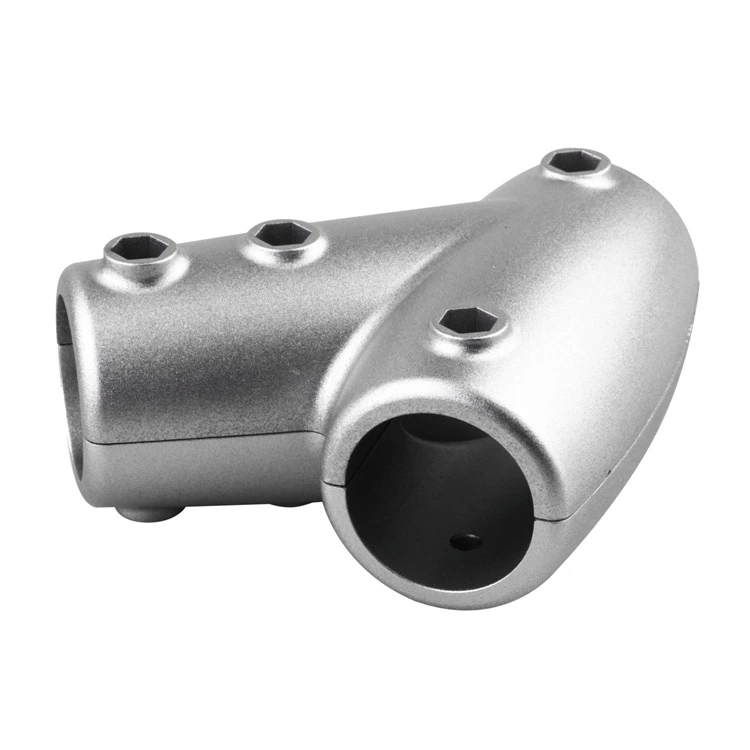
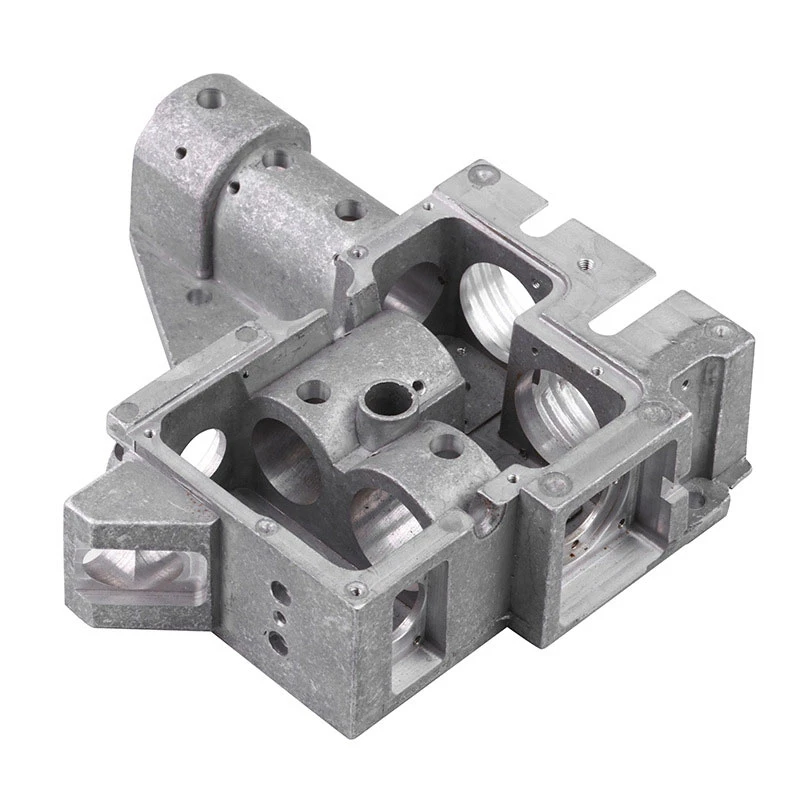
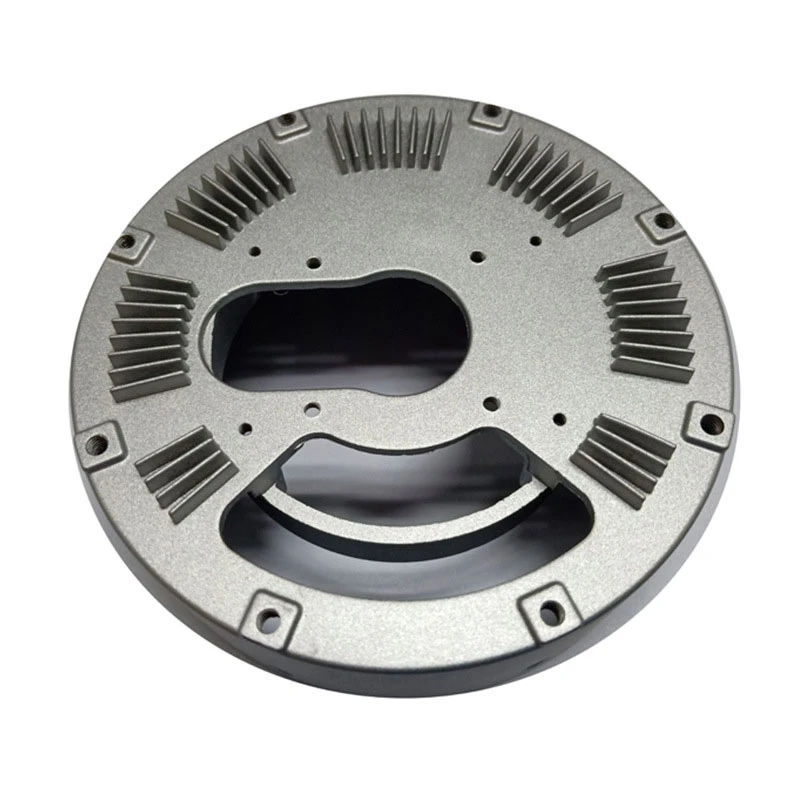
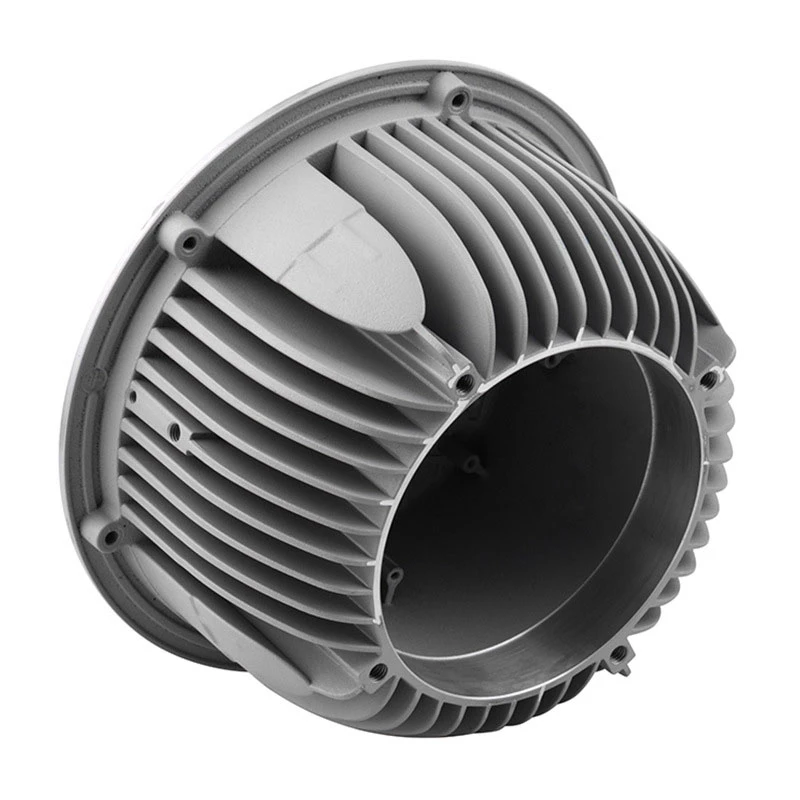
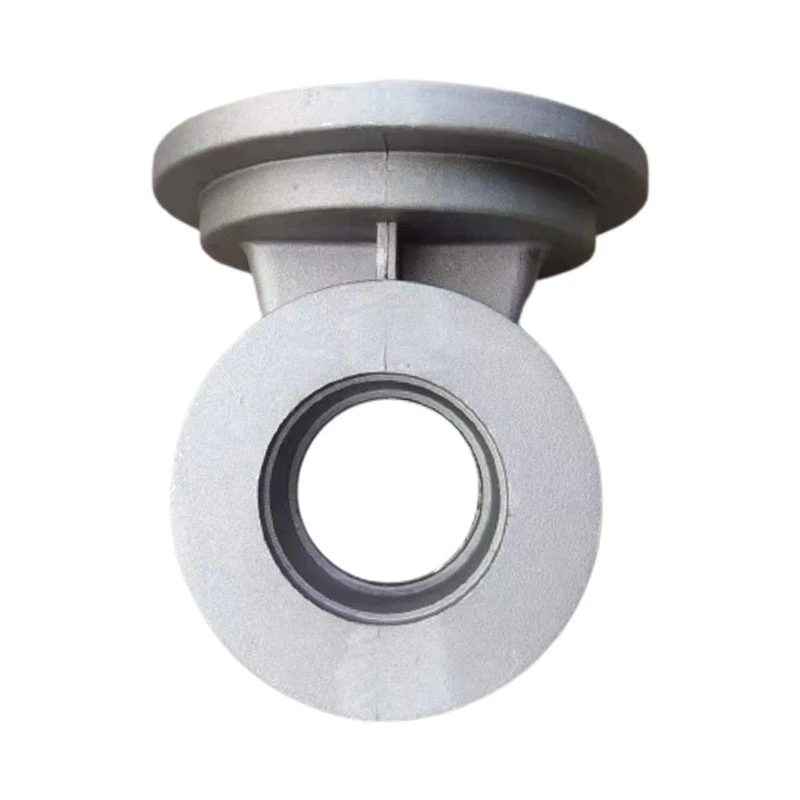
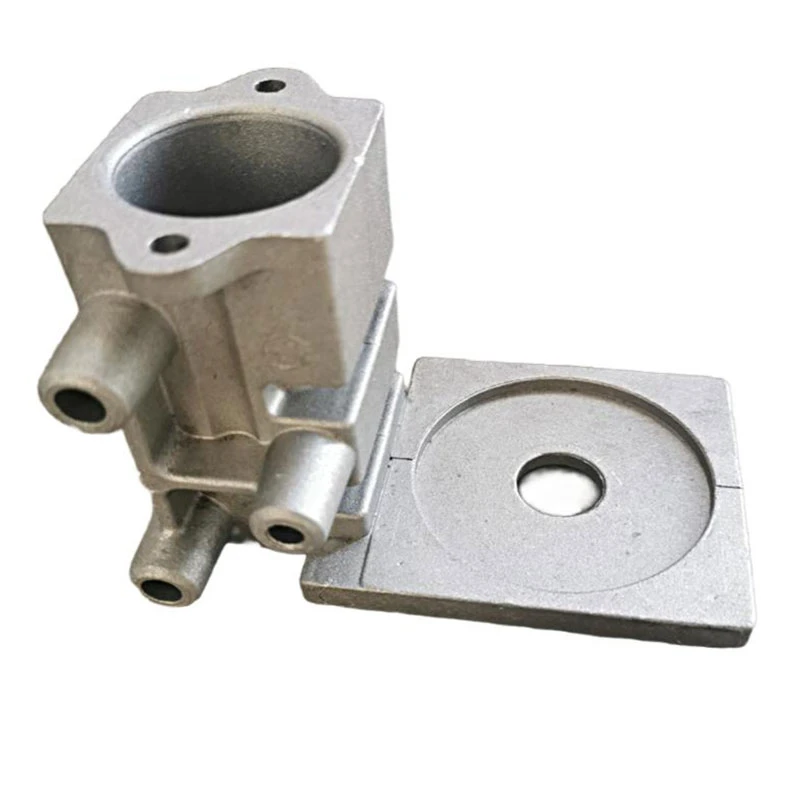
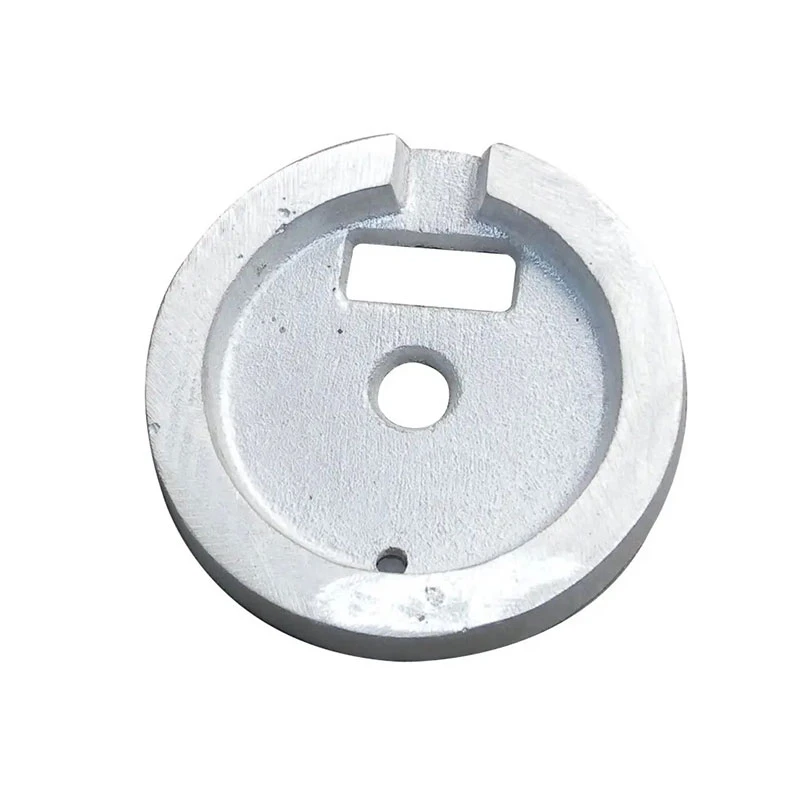
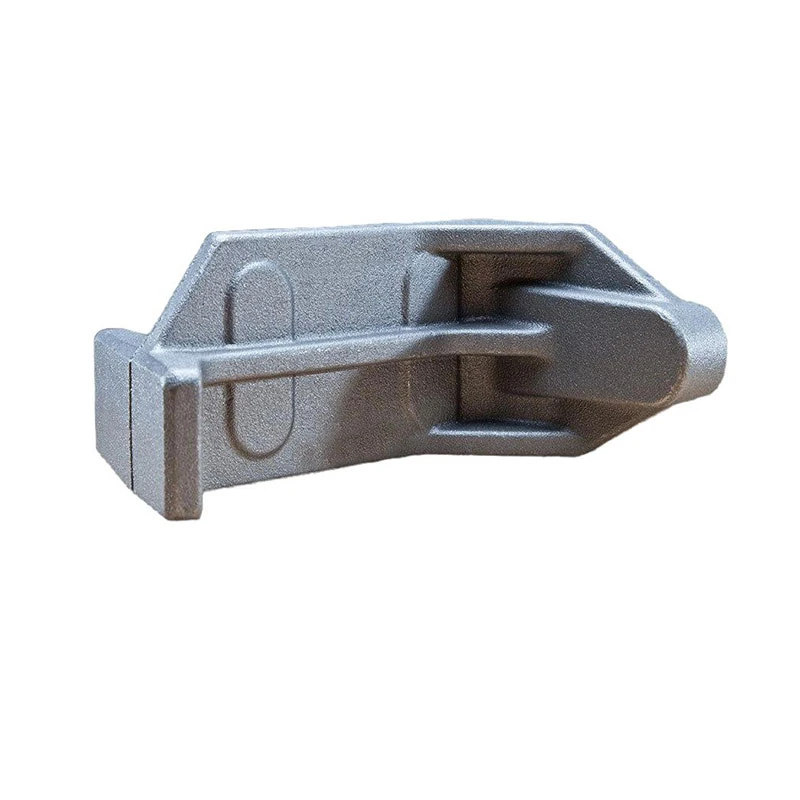
So, what exactly is zamak die casting, and why does it quietly shape so many industries worldwide? At its core, zamak die casting is a precision metal forming process using a zinc-aluminum alloy known as zamak. Globally, this technique plays a pivotal role in manufacturing everything from automotive components to delicate electronic housings. Frankly, it’s everywhere, powering billions of products we use daily.
Why does understanding zamak die casting matter? Well, with industries striving for durability and cost-efficiency — and with environmental concerns ever-present — knowing how zamak fits into this equation can open doors to better, greener manufacturing and innovation. Let's unpack this further.
Global Context: Why Zamak Die Casting Matters in Today’s Manufacturing Landscape
According to ISO standards and production reports from industrial hubs in Asia and Europe, zinc-based die casting alloys like zamak account for a significant share of metal parts production. The global die casting market is expected to grow annually by over 5% through the late 2020s — a signal of expanding demand. In developing economies, for instance, zamak die casting facilitates affordable mass production of durable goods, directly impacting employment and industrial growth.
But there’s a challenge: with raw material costs fluctuating and environmental regulations tightening, manufacturers are tasked with finding ways to optimize production quality and sustainability simultaneously. Zamak die casting answers some of these challenges by offering versatility without high energy costs, which is a big deal.
Defining Zamak Die Casting: What You Need to Know
In simple terms, zamak die casting refers to the injection of molten zamak alloy into high-precision steel molds (dies) under high pressure. The alloy—comprised mainly of zinc, aluminum, magnesium, and copper—solidifies quickly, producing complex shapes with tight tolerances.
Unlike some traditional smelting or forging processes, die casting with zamak allows manufacturers to create consistent, high-volume runs of parts that are strong but lightweight. Oddly enough, this process isn't just about efficiency — it’s about how parts interact with safety standards, recycling potential, and design innovation.
Key Components of Zamak Die Casting
1. Durability
Zamak alloys provide impressive corrosion resistance and mechanical strength. Components can last for years, even in harsh environments. This makes it a favorite in automotive parts and household hardware.
2. Cost Efficiency
Though zinc isn’t the cheapest metal, zamak’s low melting point reduces energy usage during casting, lowering overall costs. Plus, fast cycle times mean rapid production without sacrificing quality.
3. Precision & Surface Finish
The mold-based process yields parts with smooth surfaces almost straight off the line, saving post-processing time and expenses. It’s ideal where aesthetics meet function.
4. Scalability
From prototypes to millions of parts, zamak die casting scales up neatly. It fits in both small workshops and industrial factories, thanks to its adaptable equipment requirements.
5. Sustainability
Zamak is 100% recyclable — old parts can be melted and reused without degradation of properties, tying into global goals on circular manufacturing (ISO 14001).
Real-World Applications & Use Cases
You’ll find zamak die casting in industries ranging from automotive to electronics and even healthcare devices. For example:
- In automotive manufacturing hubs across Germany and China, zamak die cast parts such as locks, handles, and dashboard components are standard for their durability and finish.
- In consumer electronics in South Korea and Taiwan, zamak housings protect delicate internals while maintaining a sleek look.
- Some humanitarian organizations rely on zamak die cast components to build durable, low-cost tools for disaster relief zones, where repairs and replacement parts must be rapid and reliable.
Mini takeaway: Zamak die casting bridges industrial mass production and custom quality for a wide variety of global applications.
Advantages & Long-Term Value
Here’s why many engineers and designers swear by zamak die casting:
- Reliability: Parts resist wear, ensuring long equipment life; crucial for safety and trust.
- Cost-Effective Innovation: Allows complex shapes without waste or expensive machining.
- Environmental Benefits: Recyclable material reduces landfill and raw material extraction.
- Social Impact: By enabling affordable manufacturing, it supports jobs and local economies.
Plus, from an emotional standpoint, products feel more robust and refined, fostering user confidence and brand loyalty — oddly powerful in our throwaway culture.
Product Specification Table: Typical Zamak Die Casting Alloy Components
| Element | Typical % Composition | Role/Benefit |
|---|---|---|
| Zinc (Zn) | >90% | Base metal; provides strength and castability |
| Aluminum (Al) | 3-5% | Increases hardness and corrosion resistance |
| Magnesium (Mg) | ~0.03% | Improves strength and anti-corrosion |
| Copper (Cu) | <0.1% | Enhances mechanical properties |
Vendor Comparison: Leading Zamak Die Casting Suppliers
| Company | Production Capacity | Specialization | Markets Served |
|---|---|---|---|
| ZincTech Co. | 10,000 tons/year | Automotive parts, small electronics | Europe, Americas |
| Asia Alloy Works | 25,000 tons/year | Mass consumer goods, hardware fittings | Asia, Middle East |
| GreenCast Solutions | 7,500 tons/year | Specialty eco-friendly zamak alloys | Europe, North America |
Future Trends & Innovations in Zamak Die Casting
Looking forward, the zamak die casting industry is embracing sustainability and digital transformation. Some manufacturers are experimenting with low-carbon zamak alloys, aiming to reduce the environmental footprint. Oddly enough, the integration of IoT-enabled molds allows real-time monitoring of casting processes — boosting quality assurance and reducing scrap rates.
Automation is improving cycle speeds, cutting costs, and enabling greater customization without losing economies of scale. Also, developments in surface coatings and finishing technologies are helping parts meet tougher industry regulations and aesthetic demands.
Challenges & Practical Solutions
No process is without hurdles. Zamak die casting faces limitations such as porosity in cast parts, which can reduce mechanical strength if not controlled carefully. Also, molding complex thin-walled parts sometimes requires expertise and precision beyond average setups.
Experts recommend rigorous mold design review, consistent alloy quality control, and investment in modern die casting machines with better thermal and pressure regulation. Collaboration between material scientists and engineers can drive continuous improvements. In real terms, the companies who partner with suppliers offering tailored technical support often circumvent these issues efficiently.
FAQ: Frequently Asked Questions About Zamak Die Casting
- Q: What makes zamak die casting preferable over aluminum die casting?
A: Zamak alloys have lower melting points, which reduces energy consumption and tooling wear, leading to cost savings. They also offer excellent surface finish and mechanical strength for many applications, making them a versatile alternative. - Q: How does zamak die casting support sustainable manufacturing?
A: Zamak is 100% recyclable without loss of quality. Its low melting point means less energy is used during casting compared to other alloys, contributing to a smaller carbon footprint. - Q: Can zamak die cast parts be used in outdoor applications?
A: Yes, zamak alloys offer good corrosion resistance, particularly when coated or painted. However, for harsh outdoor environments, protective finishes are recommended for long-term durability. - Q: Is zamak die casting suitable for prototyping?
A: It can be, but for low-volume prototypes, alternative methods like CNC machining or 3D printing might be more cost-effective before investing in molds. - Q: How can companies ensure quality with offshore zamak die casting vendors?
A: Vet suppliers carefully, insist on certifications, perform sample inspections, and maintain clear communication about specifications to prevent misunderstandings.
Conclusion: Why Zamak Die Casting Deserves Your Attention
In the long run, zamak die casting offers a compelling balance of cost, durability, and design flexibility — all while aligning with growing demands for sustainable manufacturing. Whether you’re in automotive, consumer electronics, or industrial manufacturing, the advantages here are tangible. If you want to explore more or connect with trusted suppliers who live and breathe this process, do visit zamak die casting for in-depth resources and solutions tailored to your needs.
In a nutshell: zamak die casting isn’t just metal shaping — it’s an enabler of modern, responsible manufacturing worldwide.
Final takeaway: As production evolves, embracing efficient and eco-friendly methods like zamak die casting keeps industry ahead and conscientious.
-
Guide to Anodizing Die Cast Aluminum for Industrial ExcellenceNewsApr.16,2026
-
High Quality Precision Aluminum Die Casting Components GuideNewsApr.09,2026
-
Comprehensive Guide to High Quality Aluminium Pressure Die Casting ProductsNewsApr.07,2026
-
Comprehensive Guide to Aluminium Pressure Die Casting Components and SolutionsNewsApr.04,2026
-
Comprehensive Guide to Aluminium HPDC Casting for Global SourcingNewsMar.31,2026
-
Comprehensive Guide to Precision Aluminium Die Castings and Manufacturing SolutionsNewsMar.28,2026