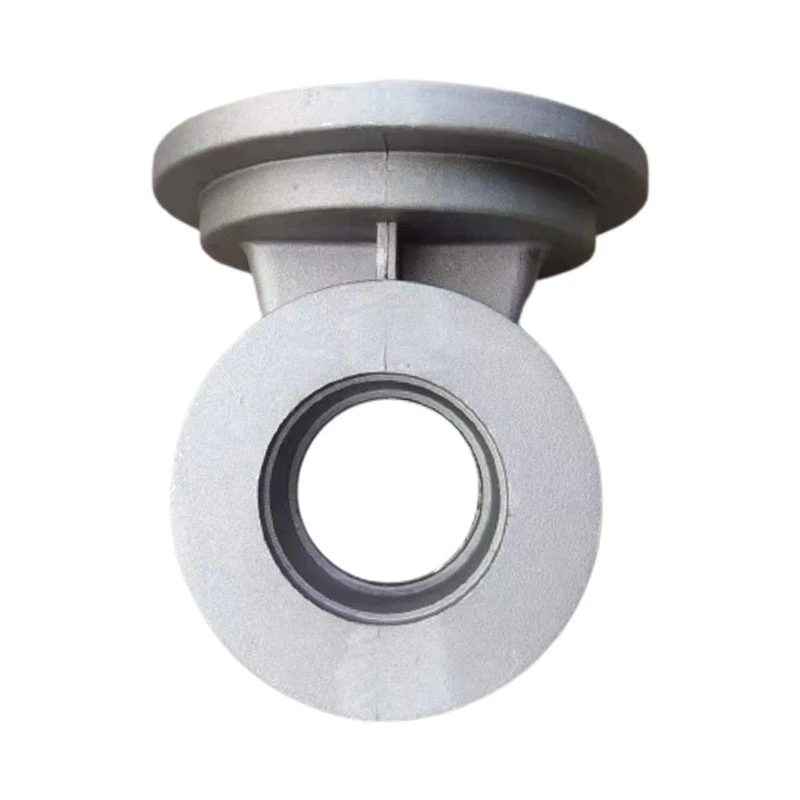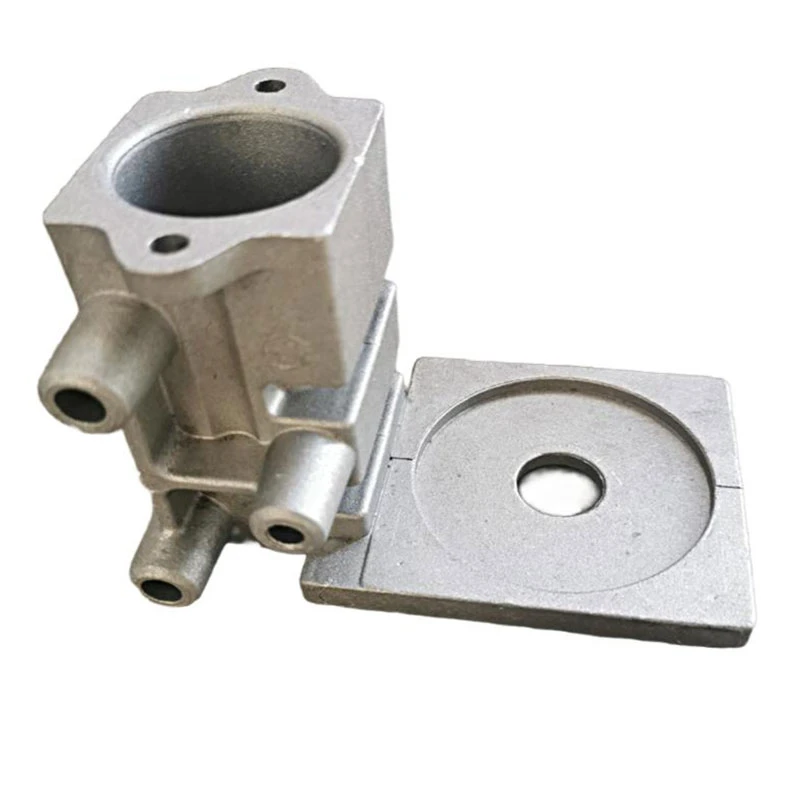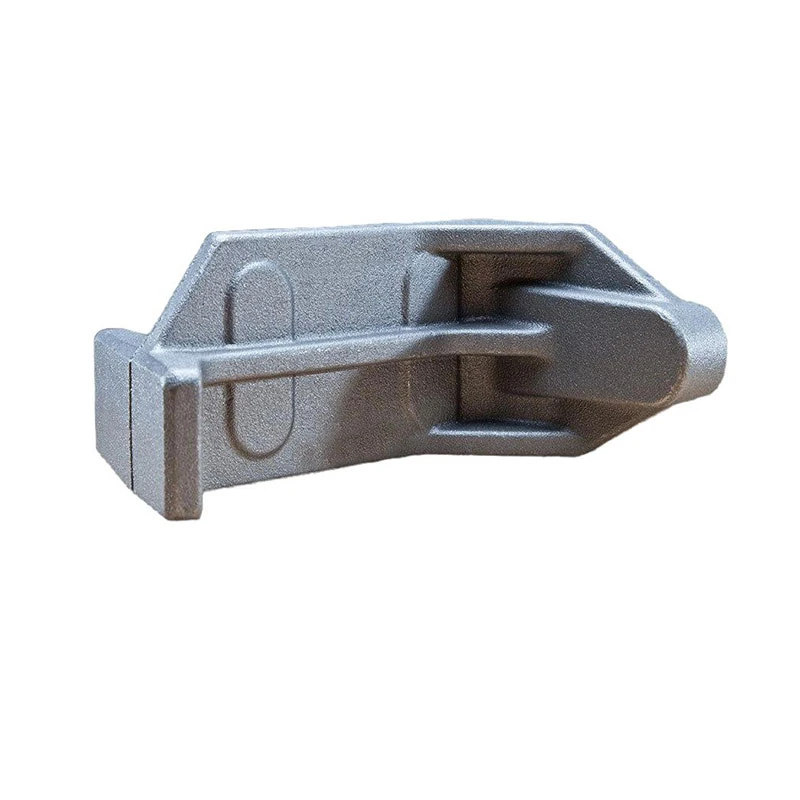



Understanding Precision Valve Groups: Key Features, Applications & Trends
The Rising Importance of Precision Valve Groups in Global Industry
In an increasingly interconnected industrial world, the role of precision valve groups is quietly but firmly establishing itself as a cornerstone of effective fluid control systems. From petrochemical plants in the Middle East to water treatment facilities in Europe and manufacturing hubs in Asia, having a reliable, high-performance valve system is non-negotiable. But why exactly has this niche technology become an unsung hero globally? And how can businesses, engineers, and even humanitarian organizations benefit from a better grasp of what precision valve groups offer?
Simply put, controlling the flow and pressure of liquids and gases with exactitude saves resources, protects equipment from damage, and ensures safety in critical processes. Globally, the valve market is expected to grow at about 5.5% CAGR until 2030 (according to the Mordor Intelligence Report), fueled by industrial expansion, urban infrastructure growth, and tightening environmental regulations. This isn't just a technical upgrade — it’s a vital cog in sustainable, safe industry.
Understanding What a Precision Valve Group Really Means
The term precision valve group might sound like engineering jargon, but the concept is straightforward: it’s a coordinated set of valves designed to manage flow with a high degree of accuracy and reliability under varying operational conditions.
Think of it as a finely tuned orchestra — each valve with its unique role, working in concert to regulate fluid dynamics, whether in chemical manufacturing, pharmaceutical production, or clean water delivery systems for remote communities. Modern industries demand valves that do more than just "open" or "close" — they need precise control, durability, and adaptability.
Mini takeaway:
One doesn't just buy a valve group; one invests in a system that underpins operational safety, efficiency, and longevity.
Key Features That Define a Quality Precision Valve Group
Durability
Valves face harsh environments: corrosive chemicals, extreme temperatures, and high pressures. Durability hinges on materials like stainless steel, special alloys, or coatings that can stand up to wear and tear for years without frequent breakdowns.
Accuracy & Responsiveness
Precision valves must respond quickly and accurately to control inputs, often cutting fractions of seconds and milliliters of flow difference. This translates directly to less waste in production and safer system operation.
Modularity & Scalability
Modern valve groups are built modularly — meaning you can add, remove, or replace components without tearing apart the entire system. This flexibility is gold in fast-moving industrial settings.
Cost Efficiency
While upfront costs can be higher for precision valve groups, they generally offer lower maintenance and downtime expenses — a win-win in the long run. Many manufacturers now balance high quality with reasonable pricing.
Compliance & Standards
Many valve groups get certified to meet ISO, ANSI, or API standards, which gives operators peace of mind especially in regulated sectors like pharmaceuticals or oil and gas.
Mini takeaway:
Durability, precision, and modularity aren’t just buzzwords; they directly influence the real-world effectiveness of valve groups.
How Precision Valve Groups Power Real-World Applications
From the sprawling oil fields of Texas to water distribution plants in South Africa, precision valve groups come in handy wherever fluids need meticulous handling.
- Industrial Manufacturing: Chemical plants rely on finely tuned valves to mix reactants safely, avoiding costly shutdowns.
- Water Treatment & Distribution: Municipalities use these groups to ensure accurate dosing of treatment chemicals and maintain steady flow rates.
- Energy Sector: In gas pipelines and power plants, precise control prevents leaks and protects infrastructure.
- Humanitarian & Disaster Relief: Oddly enough, you find precision valve tech in portable purification units critical to refugee camps, aiding essential water delivery when infrastructure is disrupted.
Mini takeaway:
Precision valve groups aren’t confined to fancy labs; they serve everyday life, safety, and global industry in tangible ways.
Product Specification Table: Typical Precision Valve Group Details
| Specification | Details |
|---|---|
| Material | 316 Stainless Steel / Alloy 20 / PTFE seats |
| Pressure Rating | Up to 1000 psi (69 bar) |
| Operating Temperature Range | -40°C to 220°C |
| Valve Type | Ball Valve, Globe Valve, Needle Valve (varies by module) |
| Control Type | Manual, Pneumatic, Electric actuators |
| Accuracy | ±0.5% flow control tolerance |
| Certifications | ISO 9001, API 607 fire safe, CE |
Comparing Leading Vendors in the Precision Valve Group Space
| Vendor | Specialty | Price Range | Global Reach | Customer Support |
|---|---|---|---|---|
| FlowTech Precision | High-end customizable modules | $$$ | North America, Europe | 24/7 technical hotline |
| ValvePro Systems | Durable industrial valve groups | $$ | Asia-Pacific, Middle East | Regional offices with on-site engineers |
| Global Valve Solutions | Cost-effective modular setups | $ | Worldwide | Online support and annual maintenance plans |
The Long-Term Benefits of Investing in Precision Valve Groups
Why do companies continue to invest heavily here? Frankly, it boils down to three big things: reliability, cost savings, and safety.
- Reliability: Fewer breakdowns mean fewer interruptions and a smoother workflow.
- Cost Efficiency: Saving on waste and maintenance costs really adds up over years.
- Safety & Compliance: Precise control helps prevent accidents and meet strict regulations.
Plus, the emotional peace of mind that comes with knowing your system isn’t one small failure away from catastrophe? Priceless.
What’s Next? Future Trends and Innovation on the Horizon
Looking forward, digital transformation is ramping up, and precision valve groups are no exception. Sensor-embedded valves that communicate via IoT networks allow for predictive maintenance — catching problems long before they cause outages.
Materials science is also pushing boundaries: bio-compatible and self-healing coatings to reduce corrosion and wear. Green energy projects, like hydrogen plants, are also demanding valves that handle new gases under extreme conditions.
Common Challenges—and How Industry Leaders Tackle Them
Despite its advances, the field isn’t without hurdles. Complex setups can be costly upfront, and integration with legacy systems remains tricky for some companies.
Experts suggest phased implementation and partnering with specialized suppliers — such as the precision valve group manufacturers who provide training and custom designs — as smart workarounds to prevent costly mistakes.
FAQs About Precision Valve Groups
Q1: How do precision valve groups improve operational safety?
A1: By ensuring controlled fluid flow with minimal tolerance for error, these valve groups reduce risks like overpressure failures or leaks that could lead to accidents.
Q2: Can a precision valve group be customized for different industries?
A2: Absolutely. Modular designs allow adaptability to specific chemical, temperature, and pressure requirements across sectors.
Q3: How does maintenance compare between precision valve groups and traditional single valves?
A3: While initial maintenance setup may be more complex, precision valve groups generally require less frequent repairs due to better materials and design.
Q4: Are these valve groups suitable for remote or off-grid industrial sites?
A4: Yes, especially with options like pneumatic or manually operated valves that don’t rely heavily on electrical infrastructure.
Q5: What certifications should I look for when buying precision valve groups?
A5: Standards like ISO 9001 for quality management and API certifications for fire safety ensure compliance and reliability.
Final Thoughts: Why the Precision Valve Group Matters Today and Tomorrow
It’s amazing how something as seemingly unglamorous as a valve group quietly holds so much influence over global industry’s performance and safety. If you've ever stopped to consider why processes work smoothly and safely, chances are precision valve groups are the reason behind the scenes. Forward-thinking companies and agencies recognize their value not just as tools, but as investments toward consistent quality, sustainability, and trust.
Want to deep dive or explore custom solutions? Visit precision valve group specialists who can guide you toward the right setup.
References
-
Guide to Anodizing Die Cast Aluminum for Industrial ExcellenceNewsApr.16,2026
-
High Quality Precision Aluminum Die Casting Components GuideNewsApr.09,2026
-
Comprehensive Guide to High Quality Aluminium Pressure Die Casting ProductsNewsApr.07,2026
-
Comprehensive Guide to Aluminium Pressure Die Casting Components and SolutionsNewsApr.04,2026
-
Comprehensive Guide to Aluminium HPDC Casting for Global SourcingNewsMar.31,2026
-
Comprehensive Guide to Precision Aluminium Die Castings and Manufacturing SolutionsNewsMar.28,2026