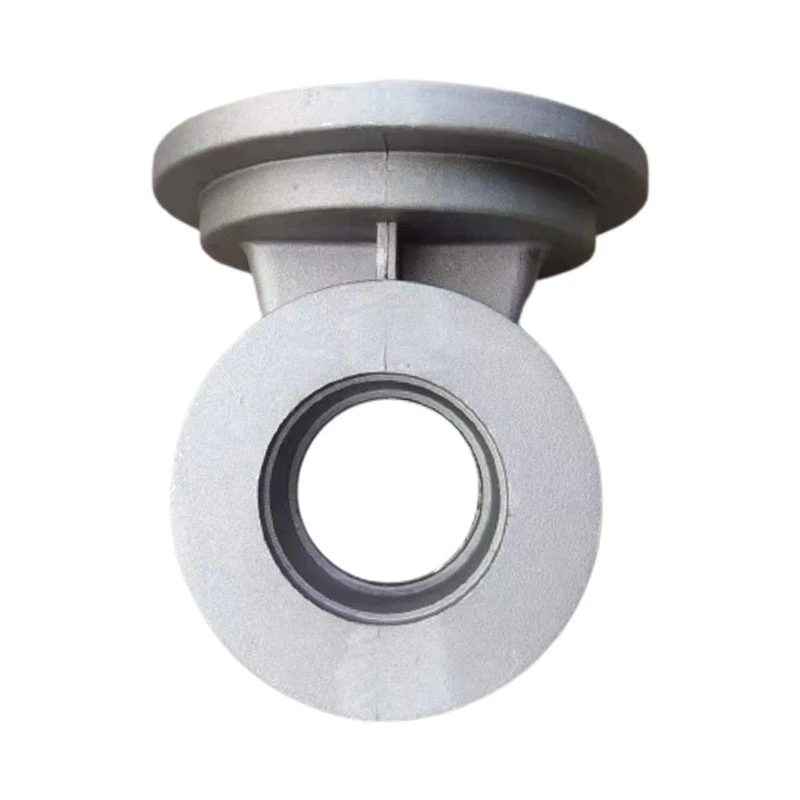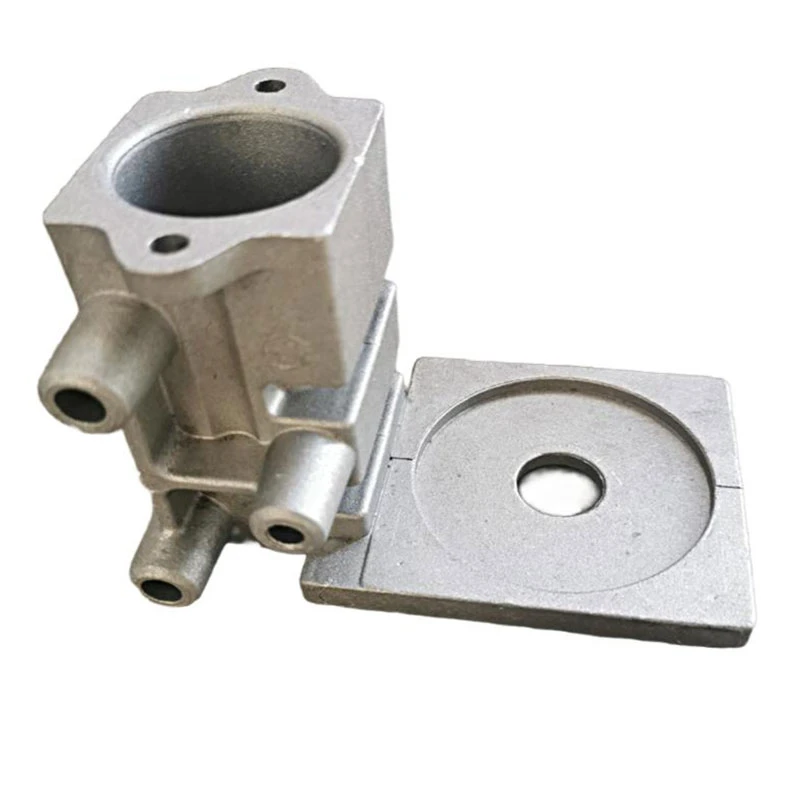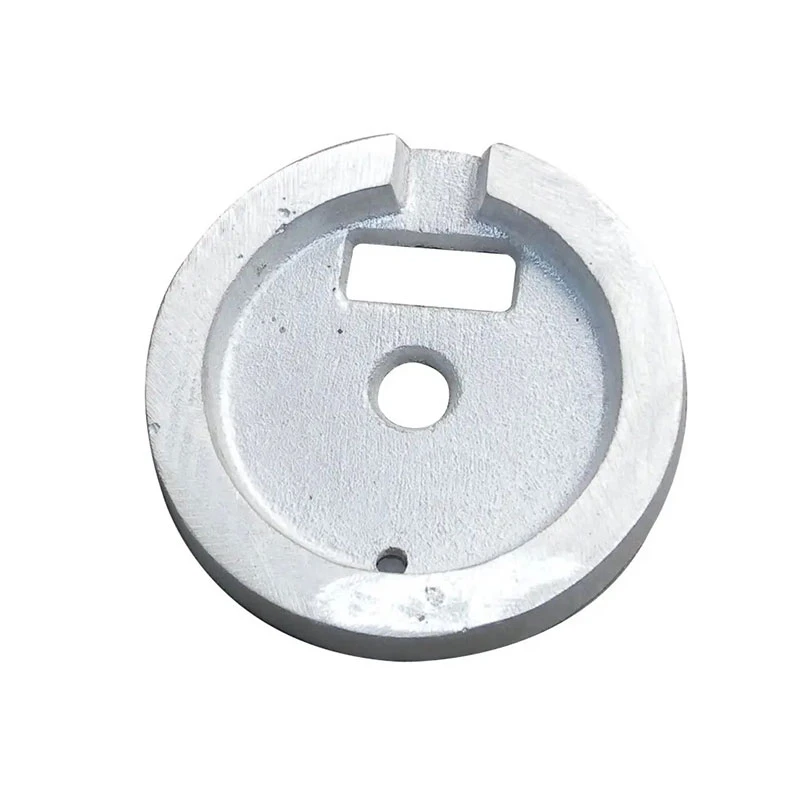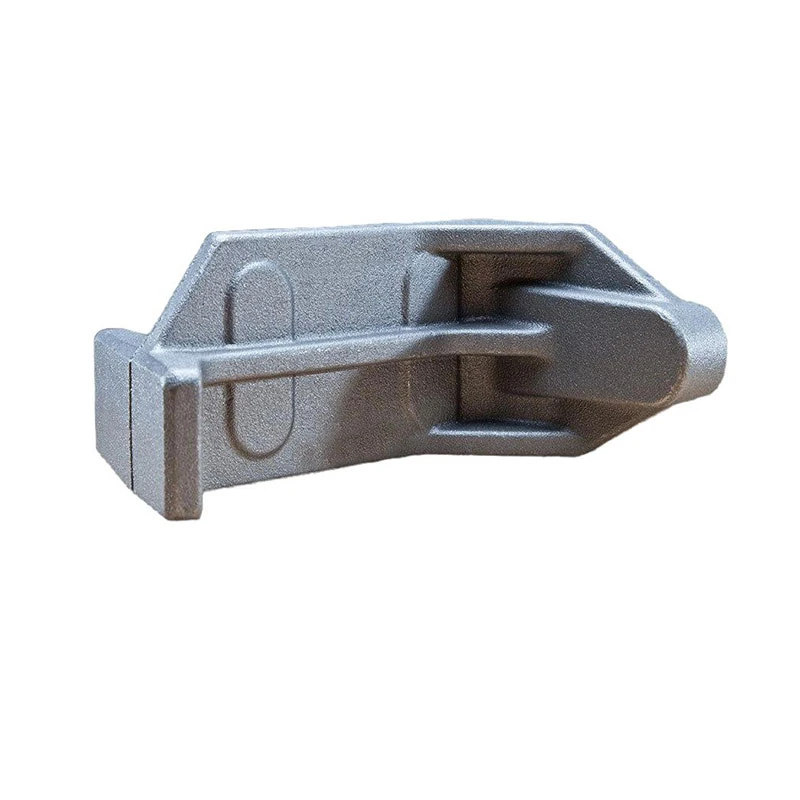



Aluminum Gravity Die Casting – Reliable Industrial Solutions
A Closer Look at Aluminum Gravity Die Casting in Industrial Applications
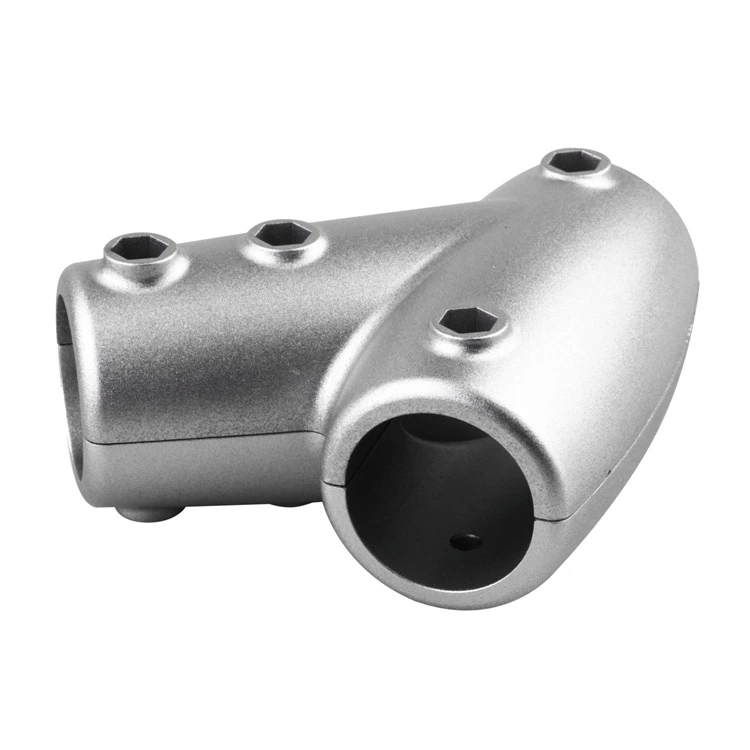
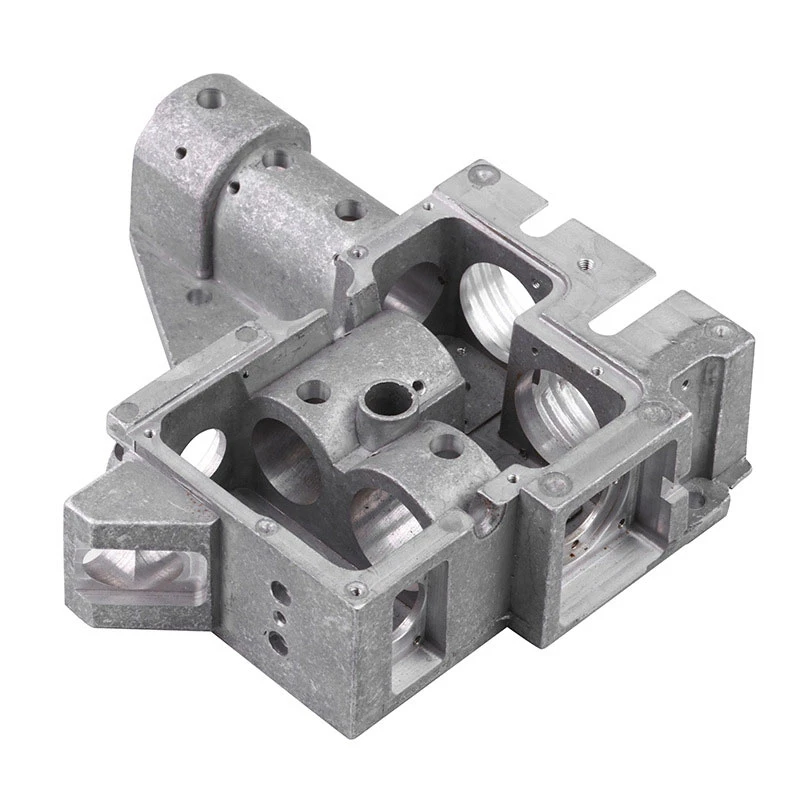
Having spent more than a decade working alongside foundry professionals and design engineers, I can safely say that aluminum gravity die casting remains one of the unsung heroes in the manufacturing world. Oddly enough, it balances precision, cost-effectiveness, and durability in ways that often surprise those new to the industrial equipment sector.
Gravity die casting, simply put, uses gravity to fill a permanent metal mold with molten aluminum. You might think such an old technique would be passé, but in real terms, it’s still very much relevant—especially when complex parts with smooth surfaces are needed. It feels like a fine blend of traditional craft and modern engineering.
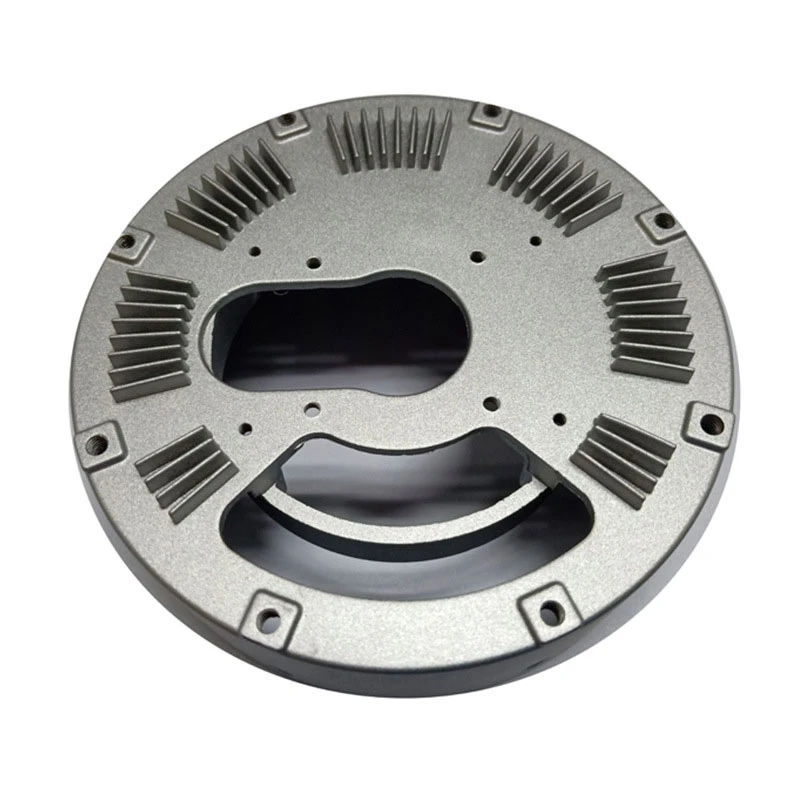
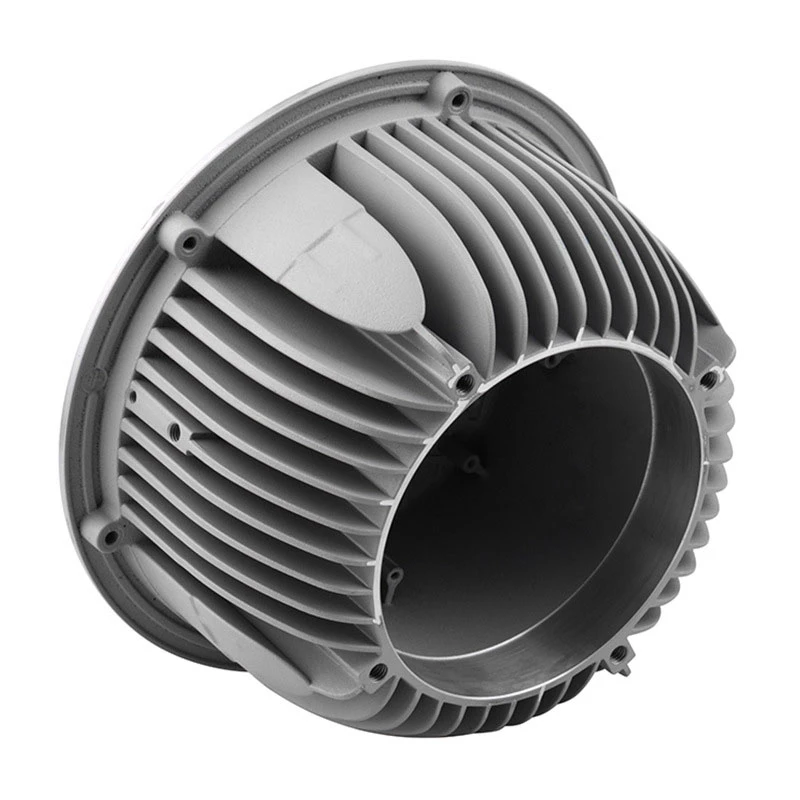
One advantage I’ve noticed over the years is how this method delivers parts with tight dimensional tolerances and excellent mechanical properties without the porosity issues seen in other casting methods. Many engineers I’ve worked with often praise the consistency and reliability this process offers when working on, say, automotive components or heat sinks for electronics.
Materials-wise, aluminum alloys such as A380 or ADC12 are usually the go-to choices, bringing an appealing mix of strength, corrosion resistance, and thermal conductivity. Sometimes you hear about customization requests—thicker walls, unique alloy blends, or enhanced surface finishes—to boost performance in demanding environments. Honestly, seeing those bespoke specs come to life is pretty rewarding.
Testing the parts often involves ultrasonic inspection or dye penetrant tests to confirm there are no cracks or faults. I remember visiting a plant where the quality control team was obsessively monitoring microstructures to ensure heat treatment hit the mark. It’s those little details that differentiate a good cast from a great one.
Key Specifications of Aluminum Gravity Die Casting
| Specification | Typical Value |
|---|---|
| Alloys Commonly Used | A380, ADC12, 356 |
| Dimensional Tolerance | ±0.1 mm to ±0.5 mm |
| Max Casting Weight | Up to 30 kg |
| Surface Finish | Smooth, machining-friendly |
| Production Rate | Moderate (100s–1000s per week) |
In practical terms, this means that the process is ideal for medium runs where you want consistent quality but aren’t ready (or don’t need) the volume of high-pressure die casting. Plus, the tooling costs usually come out considerably lower, which franky makes budgeting for smaller projects much easier.
How Vendors Stack Up on Aluminum Gravity Die Casting
| Vendor | Lead Time | Customization Options | Typical Order Size | Quality Certifications |
|---|---|---|---|---|
| Hairun Sourcing | 4-6 weeks | Alloy choice, surface finish, design tweaks | 100+ pcs | ISO 9001, IATF 16949 |
| Competitor A | 6-8 weeks | Limited alloy selection | 500+ pcs | ISO 9001 |
| Competitor B | 3-5 weeks | Standard finishes, fewer alloy choices | 200+ pcs | ISO 9001 |
Once, I was involved in a project with a manufacturer who needed a batch of aluminum housings with very tight tolerances and a smooth surface for painting. They chose Hairun Sourcing after hearing about their flexibility in alloys and post-processing options. The final product not only arrived on time but needed minimal machining afterward—a win-win.
To sum up, aluminum gravity die casting is a versatile, dependable process that fits neatly between low-volume sand casting and high-volume high-pressure die casting. It’s a great go-to if you want consistent quality without the immediate pressure of mass production. Plus, with vendors like Hairun offering tailored solutions, it’s frankly an exciting time to be involved in this space.
Reflecting on all this, I’d say the key is knowing exactly what specs matter for your part, then finding the right caster who can hit those marks. It’s a blend of art, science, and a little bit of luck—mostly the former two, though.
References:
1. ASM Handbook, Volume 15: Casting
2. “Aluminum Die Casting Technology & Design” – Modern Casting Journal
3. Hairun Sourcing product catalog and quality reports
-
Comprehensive Guide to Automotive Die Casting for Enhanced Vehicle PerformanceNewsJan.27,2026
-
Comprehensive Guide to Aluminum Pressure Die Casting Manufacturing ProcessesNewsJan.27,2026
-
Hot Chamber Die Casting vs Cold Chamber Die Casting ExplainedNewsJan.06,2026
-
Hot Chamber And Cold Chamber Die Casting Solutions for Industrial Applications | Hairun SourcingNewsJan.06,2026
-
Hot and Cold Chamber Die Casting: Key Insights from Industry ExpertsNewsJan.06,2026
-
Comprehensive Guide on Graphite Die Casting for B2B Manufacturing | HairunSourcingNewsJan.05,2026