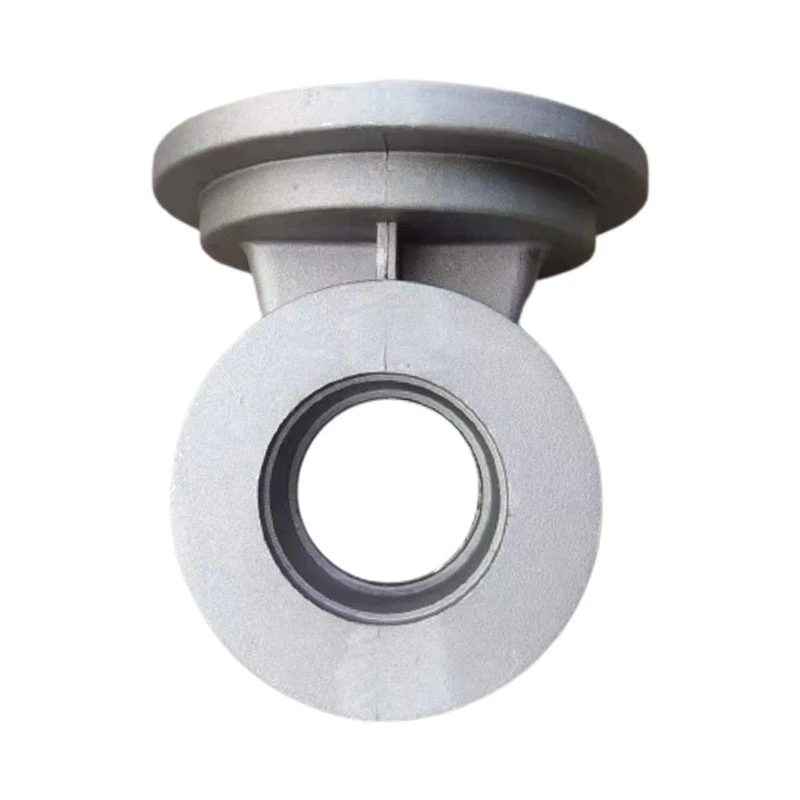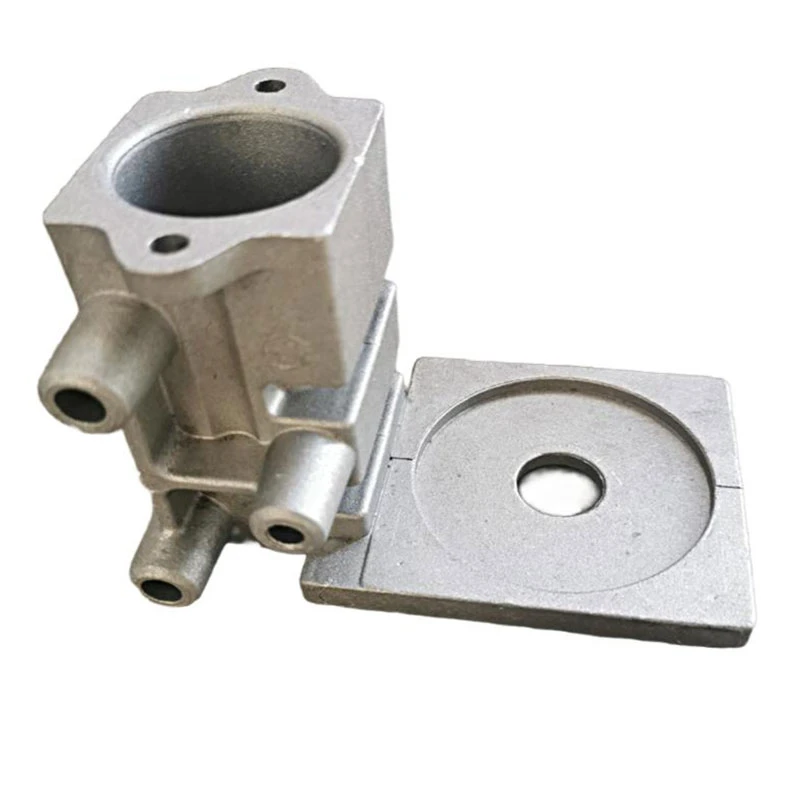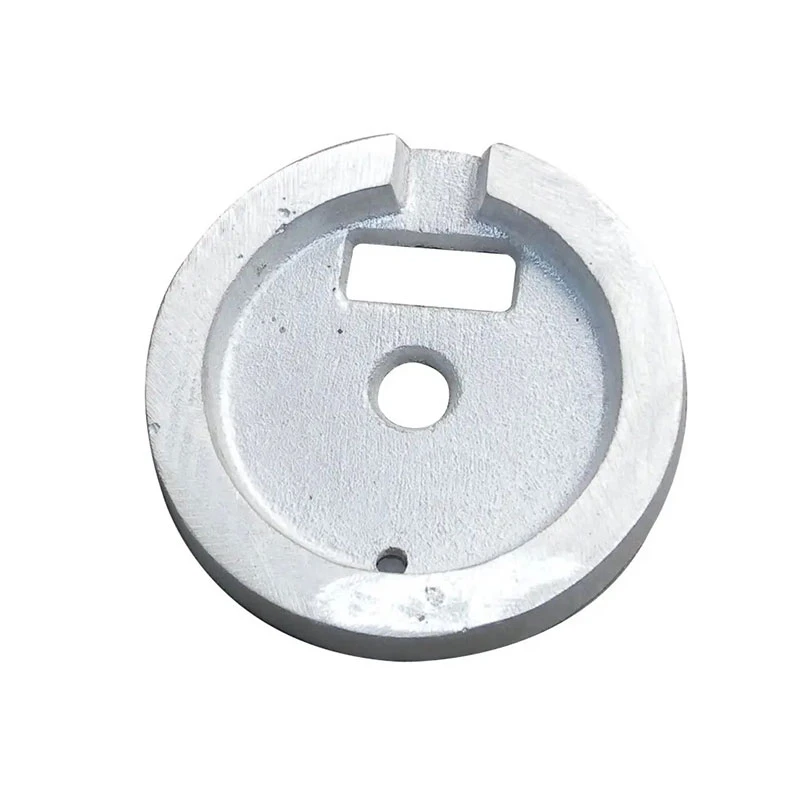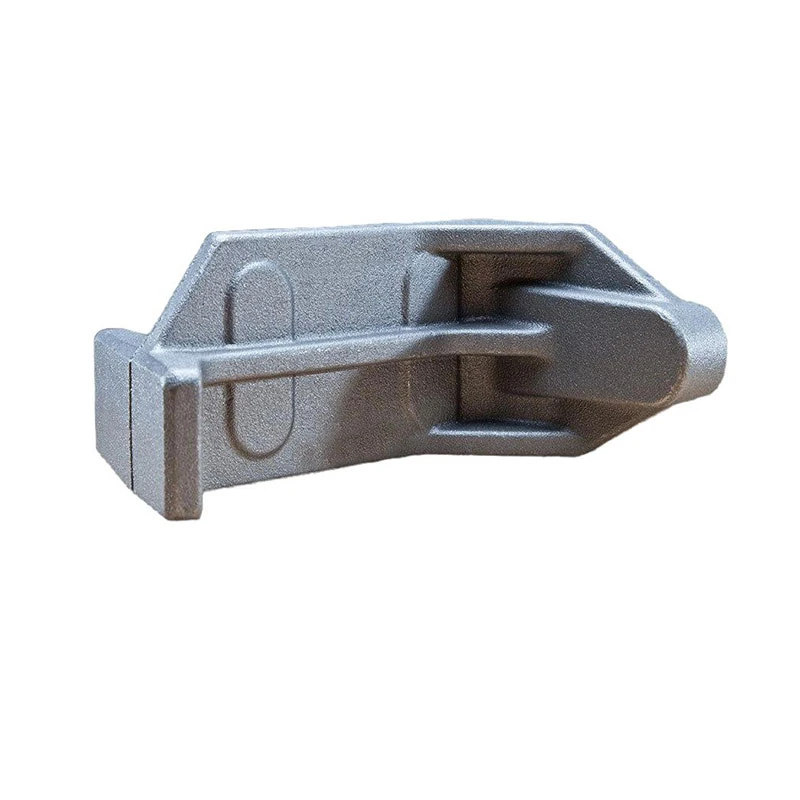



Trimming Tool Die Casting: Optimizing Manufacturing Efficiency
Understanding Trimming Tool Die Casting for Modern Manufacturing
Trimming Tool Die Casting... it’s more than just a process, frankly. It's a fundamental component in getting consistent, high-quality parts, especially when you're dealing with aluminum or zinc alloys. We’ve been seeing a real uptick in demand, particularly from companies trying to optimize their production workflows, and needing durable tools that stay durable. It’s easy to underestimate the importance of the trimming stage; you get a perfect casting, but if the trimming is off, well, you’re starting over. It impacts everything downstream.
Table of Contents
- What Exactly is Trimming Tool Die Casting?
- Applications and the Benefits of Precision Trimming
- Cost, Maintenance, and the User Experience
- Looking Ahead: Trends and Sustainability
What Exactly is Trimming Tool Die Casting?
So, die casting gives you a near-net-shape component, but there's always excess material – gates, runners, flash – that needs to be removed. That's where trimming tools come in. These aren’t your grandfather’s simple shears, though. They're precision-engineered dies designed to quickly and accurately remove this excess material, leaving a clean, finished part. We use a lot of H13 tool steel, sometimes with beryllium copper inserts, depending on the alloy being cast and the expected production volume. It really impacts cycle time and the final quality of the part, you know?
Here’s a quick spec breakdown of some of our standard tooling:
| Parameter | Specification | Tolerance |
|---|---|---|
| Material | H13 Tool Steel, Beryllium Copper | +/- 0.02mm |
| Hardness | HRC 50-55 | N/A |
| Surface Finish | Mirror Polish | Ra 0.8 μm |
Applications and the Benefits of Precision Trimming
You see Trimming Tool Die Casting everywhere, honestly. Automotive components, electronics housings, medical devices… even those fancy LED lighting fixtures. The key benefit is consistency. Unlike manual trimming, which can vary depending on the operator, die trimming provides repeatable results, part after part. It also drastically reduces scrap rates, which is a huge win for the bottom line. I noticed during a client visit last quarter, a manufacturer of automotive sensors saw their scrap rate drop by nearly 8% just by upgrading their trimming tools. It was pretty significant. It also allows for tighter tolerances, which is increasingly important in complex assemblies.
| Vendor | Lead Time | Pricing | Customization |
|---|---|---|---|
| Hairun Sourcing | 2-4 weeks | Competitive | High |
| Vendor A | 4-6 weeks | Moderate | Limited |
| Vendor B | 3-5 weeks | High | Moderate |
Cost, Maintenance, and the User Experience
Okay, let’s talk money. Initial investment in high-quality trimming tools is higher than, say, using abrasive cutting wheels, but the long-term ROI is significantly better. Reduced scrap, faster cycle times, and less downtime all add up. Maintenance is fairly straightforward: regular lubrication and periodic inspection for wear and tear. Many engineers say preventative maintenance is key – a little attention goes a long way. I suppose that's true for most tooling. The user experience is also surprisingly important. Well-designed tools reduce operator fatigue and improve safety, which are often overlooked factors.
Looking Ahead: Trends and Sustainability
Sustainability is becoming a bigger and bigger focus. Using durable tooling, like high-quality die-cast trimming tools, reduces waste and the need for frequent replacements. There's also a trend towards lighter materials and more complex geometries, which puts even greater demands on trimming tool precision. Additive manufacturing is starting to play a role too, allowing for rapid prototyping of custom trimming solutions. It’s a dynamic field, and staying ahead of the curve is essential. Oddly enough, we're seeing a resurgence of interest in simpler, more robust designs—a move away from over-engineering, perhaps.
Frequently Asked Questions about Trimming Tool Die Casting
- What is Trimming Tool Die Casting and how does it work?
- Trimming tool die casting is the process of removing excess material from a die-cast part using precision-made dies. These dies are designed to quickly and accurately cut off gates, runners, and flash, leaving a clean, finished product. The process relies on controlled force and precise alignment for repeatable results.
- What are the main benefits of using Trimming Tool Die Casting in industrial applications?
- The benefits include increased production speed, reduced scrap rates, improved part quality, and lower overall costs. It allows for tighter tolerances and consistent results, making it ideal for high-volume manufacturing.
- How does Trimming Tool Die Casting compare to traditional alternatives?
- Compared to manual trimming or abrasive methods, die casting offers superior precision, repeatability, and speed. It minimizes operator fatigue and reduces the risk of damage to the part. While the initial investment is higher, the long-term savings are significant.
- What industries can benefit most from Trimming Tool Die Casting implementation?
- Automotive, aerospace, electronics, medical devices, and consumer goods all benefit greatly. Any industry requiring high-volume production of precision die-cast parts is a strong candidate.
Conclusion on Trimming Tool Die Casting from China
Ultimately, investing in quality Trimming Tool Die Casting isn’t just about getting a cleaner part; it's about optimizing your entire manufacturing process. It’s about reliability, efficiency, and, frankly, peace of mind.
- Visit our website: https://www.hairunsourcing.com
- Precision tooling pays for itself.
-
Guide to Anodizing Die Cast Aluminum for Industrial ExcellenceNewsApr.16,2026
-
High Quality Precision Aluminum Die Casting Components GuideNewsApr.09,2026
-
Comprehensive Guide to High Quality Aluminium Pressure Die Casting ProductsNewsApr.07,2026
-
Comprehensive Guide to Aluminium Pressure Die Casting Components and SolutionsNewsApr.04,2026
-
Comprehensive Guide to Aluminium HPDC Casting for Global SourcingNewsMar.31,2026
-
Comprehensive Guide to Precision Aluminium Die Castings and Manufacturing SolutionsNewsMar.28,2026