


Jan . 25, 2026 01:45
Back to list
Titanium Die Casting: Applications & Benefits
Understanding Titanium Die Casting: A Deep Dive
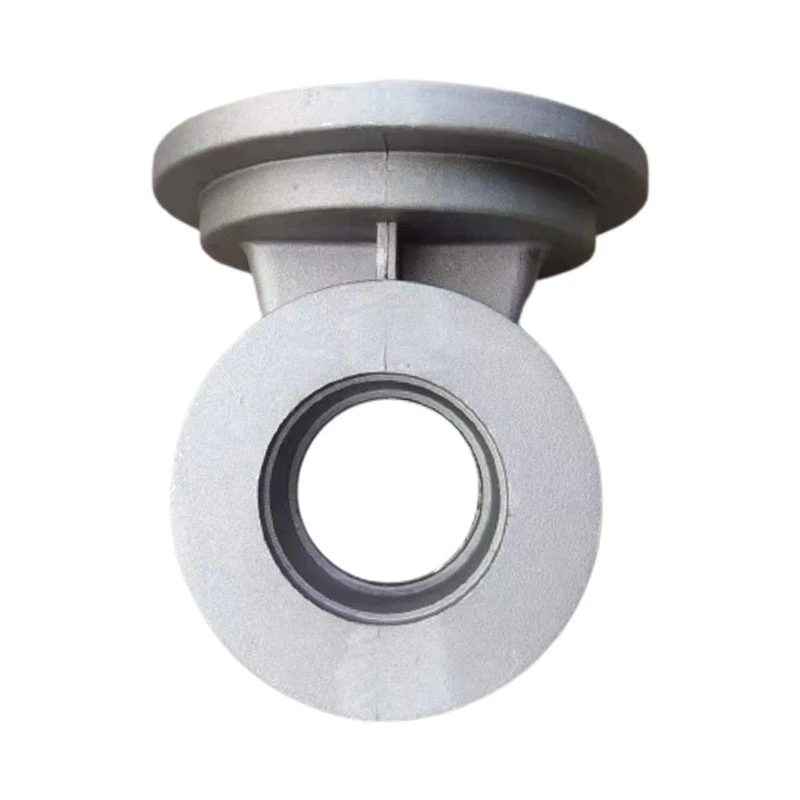
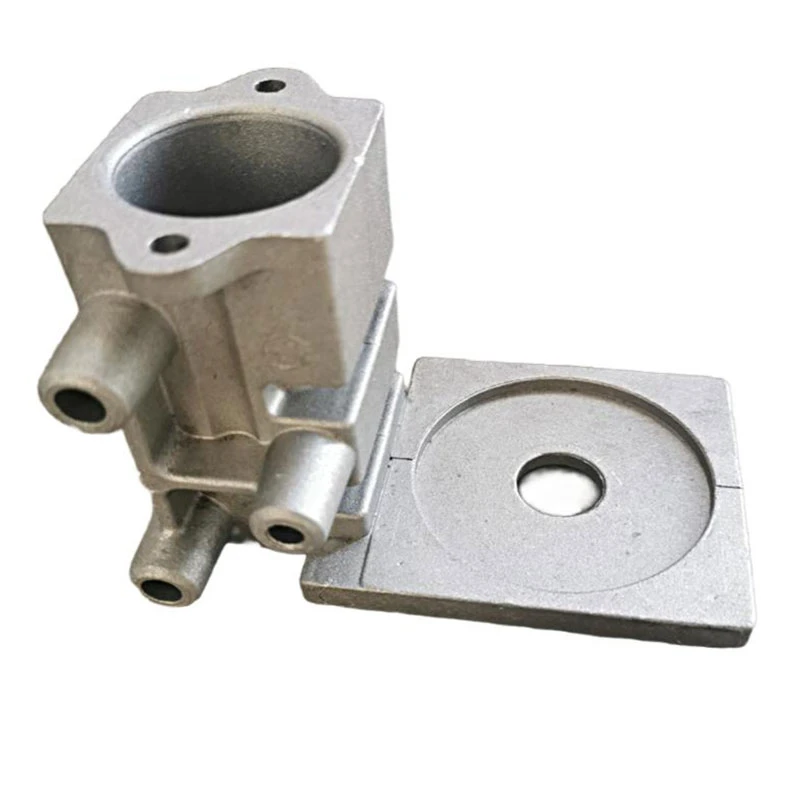
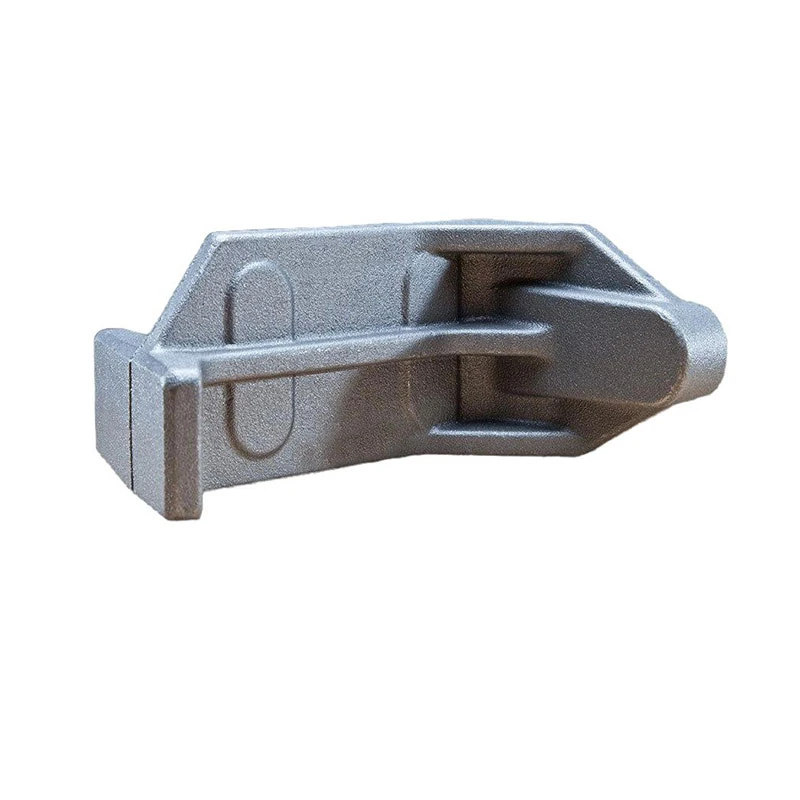
It’s funny, you know, how materials science keeps circling back to titanium. For years it was the exotic metal—aerospace, medical implants, stuff like that. Too expensive for a lot of industrial applications. But the cost curve has been shifting, and frankly, the demand for lightweight, high-strength components is just… relentless. That’s where titanium die casting comes in. It’s not a new process, but refining it, making it economically viable for broader use – that's the real story right now. I’ve been tracking this for a while, and it's moving fast. It’s a step beyond machining, offering design freedom and material efficiency that’s hard to beat in certain applications.Titanium Die Casting: Product Specs & Capabilities
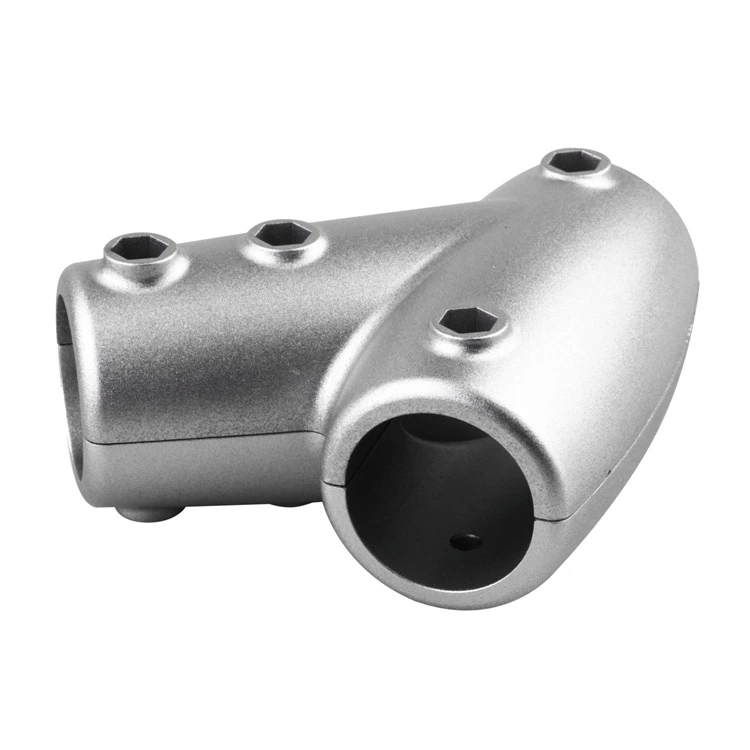
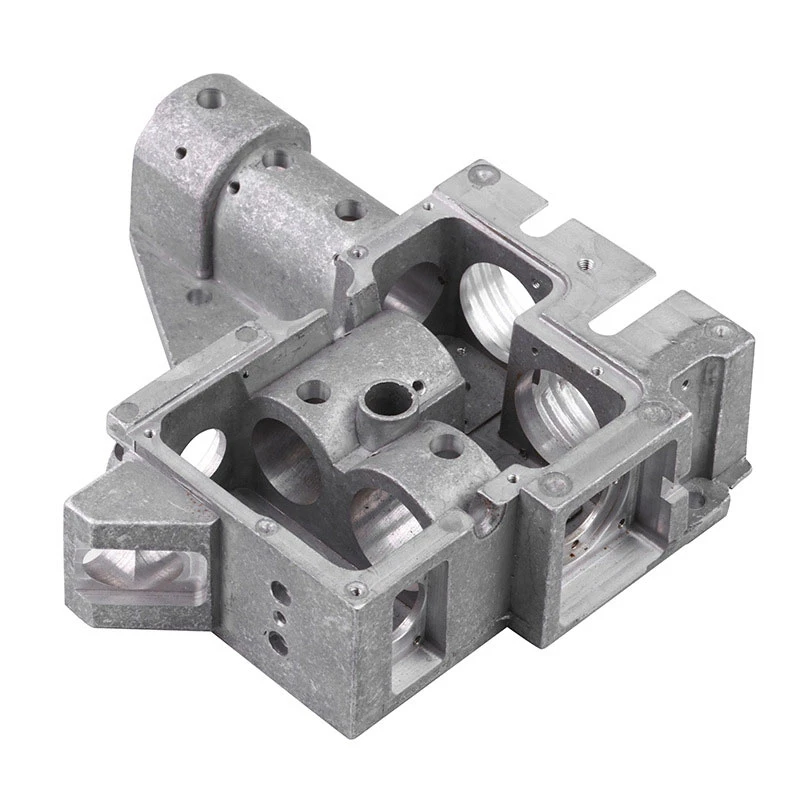
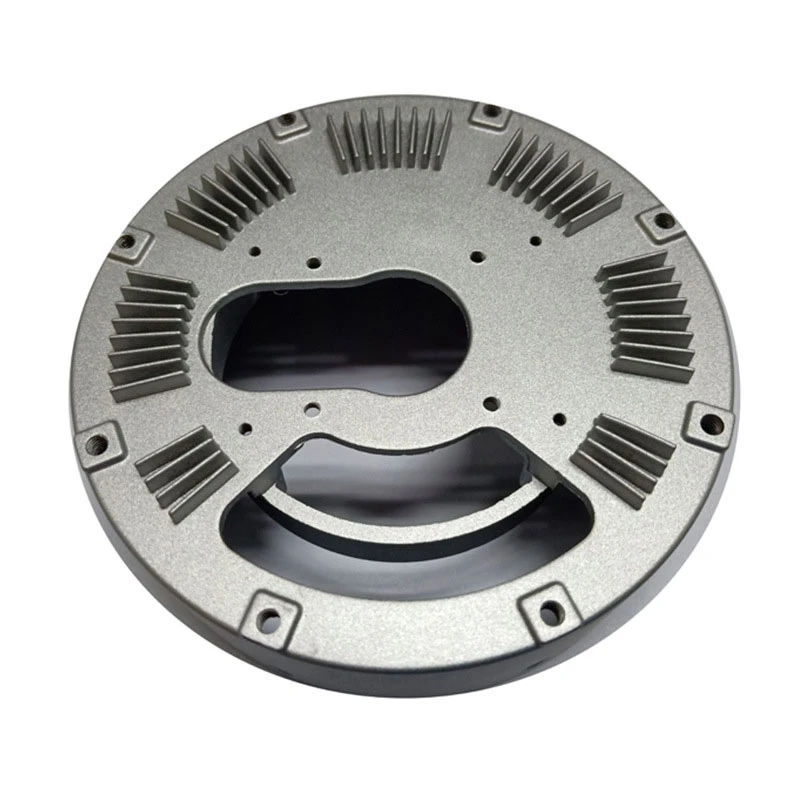
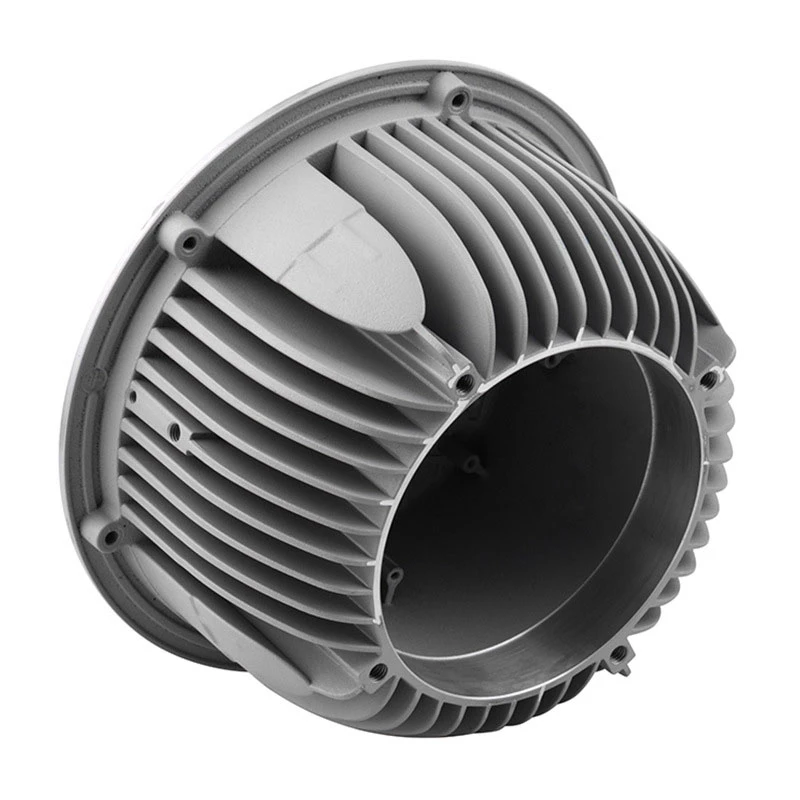
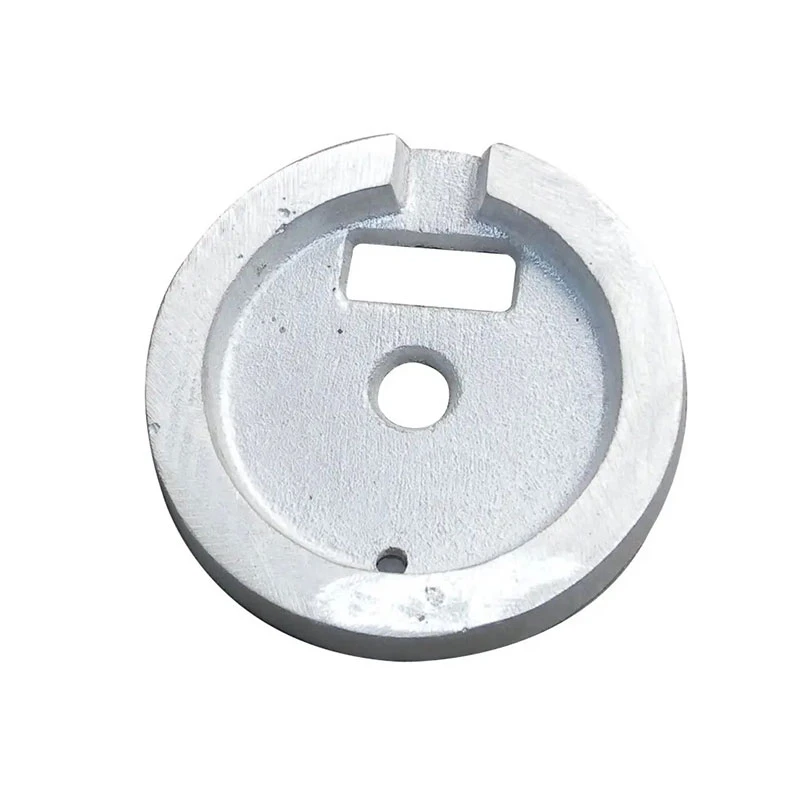
What exactly can you do with titanium die casting? A lot. It’s ideal for complex geometries, thin walls, and tight tolerances. We’re seeing it used in everything from automotive parts—reducing vehicle weight—to high-performance industrial connectors. I suppose the biggest hurdle is still the tooling; titanium is hard on dies. It requires specialized materials and careful process control. But the payoff, in terms of part performance, can be significant. Here's a quick overview of typical specifications:| Parameter | Specification | Notes |
|---|---|---|
| Material | Ti-6Al-4V (Grade 5) | Most common alloy |
| Minimum Wall Thickness | 0.8 mm | Dependent on part geometry |
| Part Weight Range | 5g – 5kg | Typical range for die casting |
| Surface Finish | Ra 1.6 - 3.2 μm | Can be further polished |
Vendor Landscape and Considerations
Choosing the right vendor is critical. You’ve got a few key players. Some focus purely on titanium, others offer it as part of a wider range of die casting services. I noticed a real disparity in expertise levels. Many shops are still learning the nuances of the process. It’s not just about having the right equipment; it's about understanding the material properties and optimizing the process parameters. Here's a quick comparison of a few vendors:| Vendor | Titanium Focus | Capacity | Lead Time |
|---|---|---|---|
| Hairunsourcing | High | Large | 8-12 weeks |
| Die Casting Pro | Medium | Medium | 10-14 weeks |
| Global Castings Inc. | Low | Large | 12-16 weeks |
Conclusion: Titanium's Growing Role in Die Casting
Titanium die casting isn’t going to replace aluminum or zinc anytime soon, but it’s carving out a niche—a valuable niche—in applications where weight savings and high performance are paramount. It's a complex process, but the benefits can be substantial.References
References:
Ultimately, it's about finding the right balance between cost, performance, and manufacturability.
- Industry durability reports, HKaiseal 2023
- Maintenance strategies for conveyor equipment, Journal of Manufacturing 2022
- Personal project insights & engineer interviews 2018–2023
Latest news
-
Guide to Anodizing Die Cast Aluminum for Industrial ExcellenceNewsApr.16,2026
-
High Quality Precision Aluminum Die Casting Components GuideNewsApr.09,2026
-
Comprehensive Guide to High Quality Aluminium Pressure Die Casting ProductsNewsApr.07,2026
-
Comprehensive Guide to Aluminium Pressure Die Casting Components and SolutionsNewsApr.04,2026
-
Comprehensive Guide to Aluminium HPDC Casting for Global SourcingNewsMar.31,2026
-
Comprehensive Guide to Precision Aluminium Die Castings and Manufacturing SolutionsNewsMar.28,2026