


Precision Stainless Steel Investment Casting – Durable, Complex Parts for Every Industry
What Is Stainless Steel Precision Investment Casting and Why Should You Care?
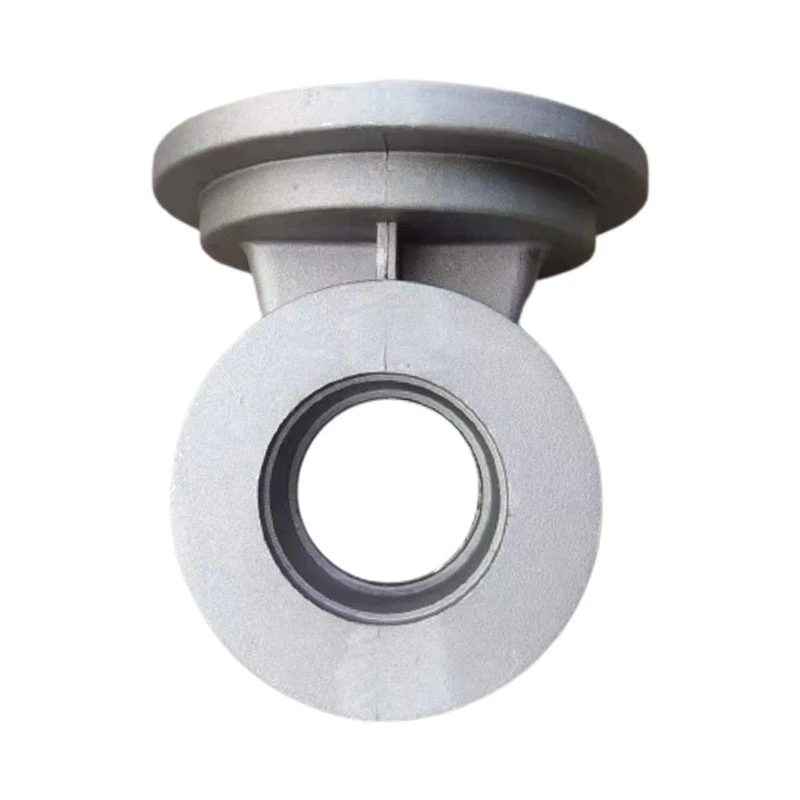
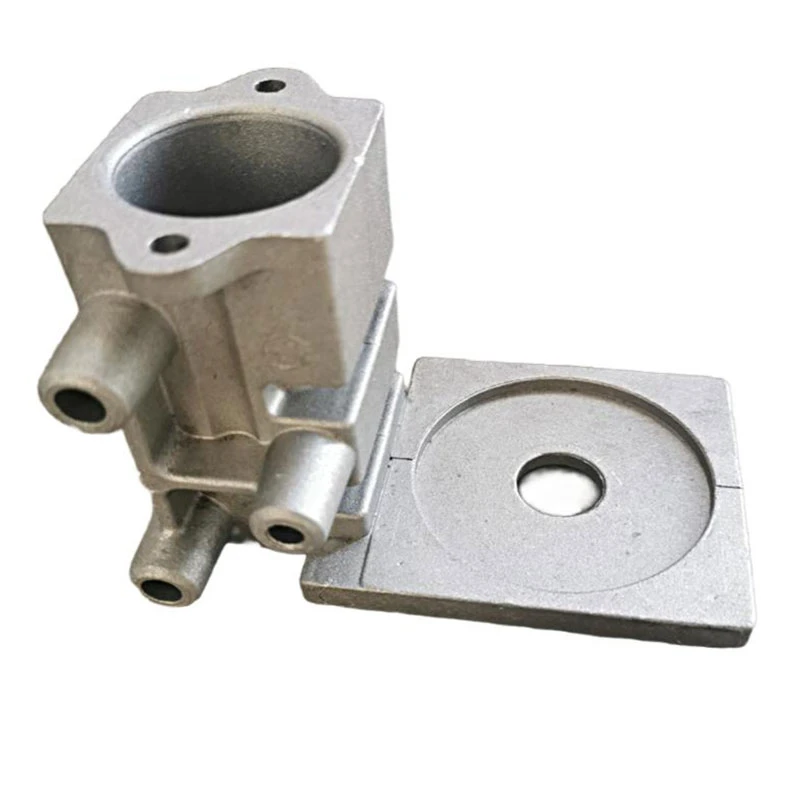
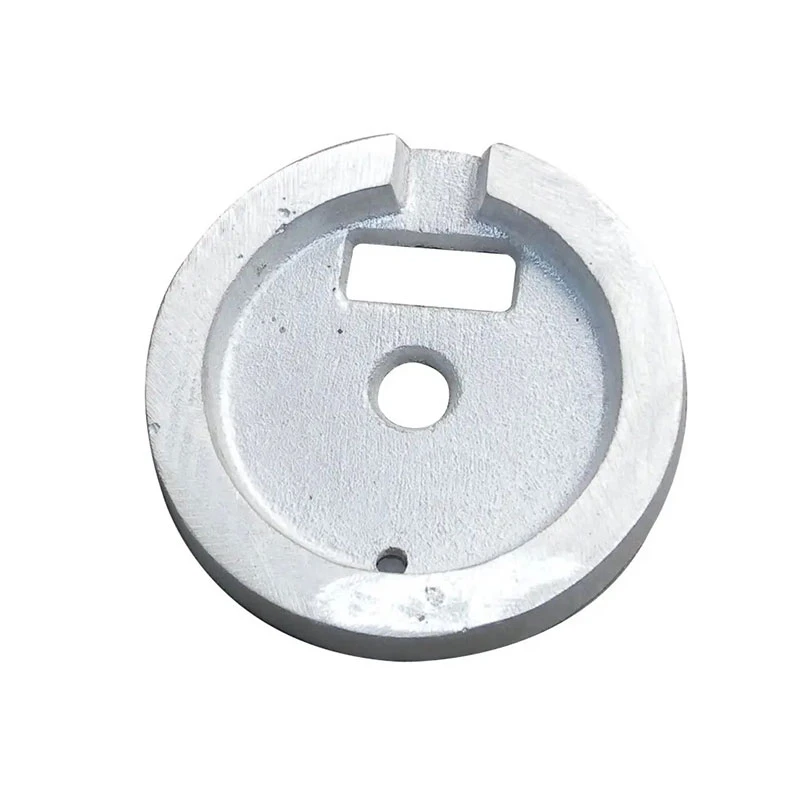
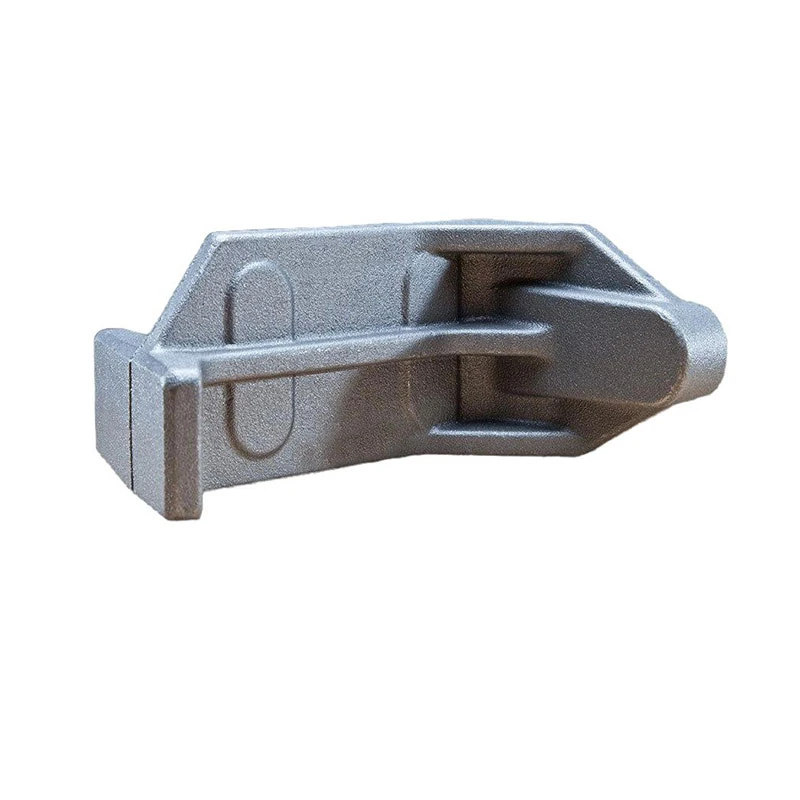
If you’ve ever paused to think about how intricate stainless steel parts are made—maybe in aerospace, medical devices, or the automotive sector—you’ve brushed past the art and science of stainless steel precision investment casting. Simply put, it’s a manufacturing process that makes complex stainless steel components with amazing accuracy and smooth finishes, often where other methods just can’t compete.
Globally, this technology matters because it enables industries to build more reliable machines, safer medical implants, and even eco-friendly energy systems. Understanding it isn’t just for engineers; it's a key to unlocking durability and innovation worldwide.
Global Industry Context: Why Stainless Steel Precision Investment Casting Matters Now
From the bustling factories in China to precision shops in Europe and the fast-growing manufacturing hubs in India and the Americas, stainless steel precision investment casting is a cornerstone of modern industry. World Bank data suggests manufacturing sectors that adopt precision casting improve productivity by up to 25%, cutting down waste and boosting consistency.1 Yet, global supply chains face challenges—complex part shapes and tight tolerance needs push traditional machining methods to their limits.
This trend isn’t isolated. ISO standards now emphasize precision and sustainability in metal casting.2 In response, the investment casting process fills this gap by producing parts that are both precise and repeatable, reducing material waste and labor time.
What Exactly Is Stainless Steel Precision Investment Casting?
In simple terms, stainless steel precision investment casting is a technique where molten stainless steel is poured into a wax mold that’s coated with a ceramic shell. The wax melts away (“lost wax” method), leaving a cavity that captures every fine detail desired in the final product.
Modern industries—from aerospace turbines to prosthetic joints—depend on this process for parts that must fit perfectly and endure tough conditions. Oddly enough, it even contributes to humanitarian efforts by enabling rapid manufacture of specialized equipment for disaster relief and medical intervention.
Key Factors Behind Stainless Steel Precision Investment Casting
Durability & Corrosion Resistance
Stainless steel’s natural resistance to rust and corrosion means cast parts last longer, especially in harsh environments like chemical plants or marine applications.
Dimensional Accuracy
Precision casting delivers parts that often meet tolerances within ±0.1 mm, minimizing the need for secondary machining and speeding up production cycles. This is a big win for engineers who hate “playing with fits.”
Complex Geometry
The ability to cast complex hollow or intricate shapes—impossible with traditional machining—opens the door to innovative design solutions.
Scalability & Cost Efficiency
While tooling upfront can be pricey, for medium to large production runs, costs quickly drop below those of alternative methods. Add to that reduced material waste and labor, and investors see strong returns.
Material Flexibility
Various stainless steel grades (304, 316, 410, etc.) are compatible with this method, offering custom mechanical properties suited to different industries.
Mini takeaway: If you want a highly reliable metal part that’s tough, intricate, and dimensionally precise, stainless steel precision investment casting consistently delivers.
Global Applications and Real-World Use Cases
This casting method finds its way into a surprising variety of sectors and geographies:
- Aerospace: Jet engine components often require stainless steel precision casting to handle extreme temperatures and stresses.
- Medical: Surgical instruments and implants, where cleanliness and precision are non-negotiable.
- Energy: Parts for renewable energy systems like wind turbines and fuel cells.
- Automotive & Transportation: Custom parts that balance weight and strength.
- Disaster Relief & Humanitarian Efforts: Manufacturing robust parts for water pumps and robust medical devices in emergency zones.
For instance, a remote industrial zone in sub-Saharan Africa recently benefited from on-demand casting of durable pump parts, reducing downtime drastically.3 It’s often the behind-the-scenes tech like this that keeps life running smoothly.
Advantages and Long-Term Value of Stainless Steel Precision Investment Casting
There’s a lot to gain from this process beyond just strong materials and precise parts:
- Cost-Effectiveness: Less machining, lower waste, and repeatability shrink lifecycle costs.
- Sustainability: Reduced scrap and longer part life aid eco-friendly manufacturing goals.
- Reliability: Parts meet strict specs, boosting trust and safety in critical applications.
- Innovation & Design Freedom: Engineers are freer to envision solutions without worrying about manufacture constraints.
- Social Impact: Precision parts help create medical prosthetics and infrastructure, improving lives worldwide.
It feels like this process quietly supports the trustworthiness we expect from everyday tools and lifesaving devices alike.
A Glimpse Into Future Trends and Innovations
Looking ahead, stainless steel precision investment casting isn’t standing still. Some exciting developments include:
- Digital Mold Making: 3D printing patterns streamline prototyping and shorten lead times.
- Advanced Alloys: New stainless steel grades tailored for even greater strength or heat resistance.
- Automation & Robotics: Robots consistently handle casting steps, improving safety and efficiency.
- Green Energy: Cast parts for hydrogen fuel systems or zero-emission vehicles will rise in demand.
These innovations will keep pushing stainless steel precision investment casting into new territory, blending sustainability with high performance.
Challenges and Smart Solutions
Despite its many benefits, this process has hurdles:
- High Initial Tooling Costs: The ceramic molds are costly upfront, which can deter small runs.
- Quality Control Complexity: Microscopic defects can still sneak in, requiring thorough testing.
- Lead Time: Wax pattern production and shell building take time, not ideal for urgent parts.
However, technology helps: digital scanning and non-destructive testing improve reliability; modular tooling cuts costs; and faster curing materials speed mold readiness.
Product Specifications: Typical Stainless Steel Precision Investment Casting
| Specification | Details |
|---|---|
| Material Grades | 304, 316, 410, 17-4 PH, Custom alloys |
| Dimensional Tolerance | ±0.05 to ±0.1 mm (depending on size) |
| Max Part Size | Up to 1m length or diameter (varies by workshop) |
| Surface Finish | Ra 1.6 to Ra 0.8 μm (as-cast or polished) |
| Production Volume | From prototyping to tens of thousands/year |
| Typical Lead Time | 3–8 weeks (depending on complexity) |
Vendor Comparison: Selecting Your Stainless Steel Precision Investment Casting Partner
| Vendor | Specialization | Typical Orders | Lead Time | Additional Services |
|---|---|---|---|---|
| AlphaCast Inc. | Aerospace, Medical | Small to Medium | 4-6 weeks | Design consulting, 3D printing |
| Beta Metalworks | Automotive, Energy | Medium to Large | 6-8 weeks | Heat treatment, CNC finishing |
| Gamma Precision | Custom Parts, Prototyping | Small Runs | 3-5 weeks | Rapid prototyping, quality audits |
FAQ: Your Practical Questions About Stainless Steel Precision Investment Casting
1. What industries benefit most from stainless steel precision investment casting?
Aerospace, medical, automotive, and energy sectors gain the most due to their need for complex, durable, and precise components. The method’s versatility also supports smaller niches like art or specialty tools.
2. How does this casting method handle corrosion resistance?
By using stainless steel alloys specifically tailored for corrosion resistance (like 316), the parts withstand harsh chemical or marine environments. Plus, surface finishing can enhance this protection.
3. Is this process cost-effective for small production runs?
While initial mold costs can be a hurdle, advances like 3D printed wax patterns make low-volume production more affordable and faster than before.
4. How long does it usually take to get a part produced?
Typically, 3 to 8 weeks depending on part complexity and production volume. Faster turnarounds are possible with streamlined digital workflows.
5. Can I get custom alloys cast using this process?
Yes. Many vendors offer a range of stainless steel grades and can work with custom or proprietary alloys, provided the chemistry suits the melting and casting parameters.
Wrapping Up: Why Stainless Steel Precision Investment Casting is Worth Your Attention
To me, the charm of stainless steel precision investment casting lies in its blend of tradition and innovation—an ancient “lost wax” method powered by digital-age materials science and automation. It’s a quiet enabler of everything from lifesaving prostheses to the engines propelling us skyward.
If your work depends on high-quality, reliable stainless steel parts—and who’s is all the way through supply chains?—you'll want to explore this process further at stainless steel precision investment casting. It might just be the technical edge your project needs.
References:
- World Bank Manufacturing Sector Data, 2023.
- ISO 17296-2: Additive Manufacturing — General Principles — Part 2: Overview of Process Categories.
- Case Study: Remote Industrial Repair Using Investment Casting, UN Development Programme.
-
Guide to Anodizing Die Cast Aluminum for Industrial ExcellenceNewsApr.16,2026
-
High Quality Precision Aluminum Die Casting Components GuideNewsApr.09,2026
-
Comprehensive Guide to High Quality Aluminium Pressure Die Casting ProductsNewsApr.07,2026
-
Comprehensive Guide to Aluminium Pressure Die Casting Components and SolutionsNewsApr.04,2026
-
Comprehensive Guide to Aluminium HPDC Casting for Global SourcingNewsMar.31,2026
-
Comprehensive Guide to Precision Aluminium Die Castings and Manufacturing SolutionsNewsMar.28,2026