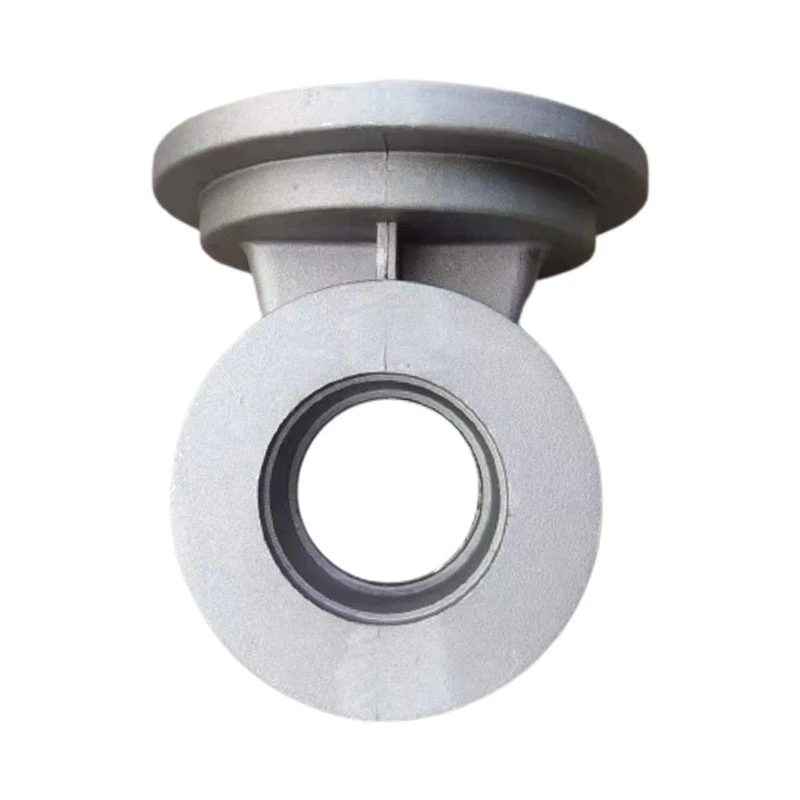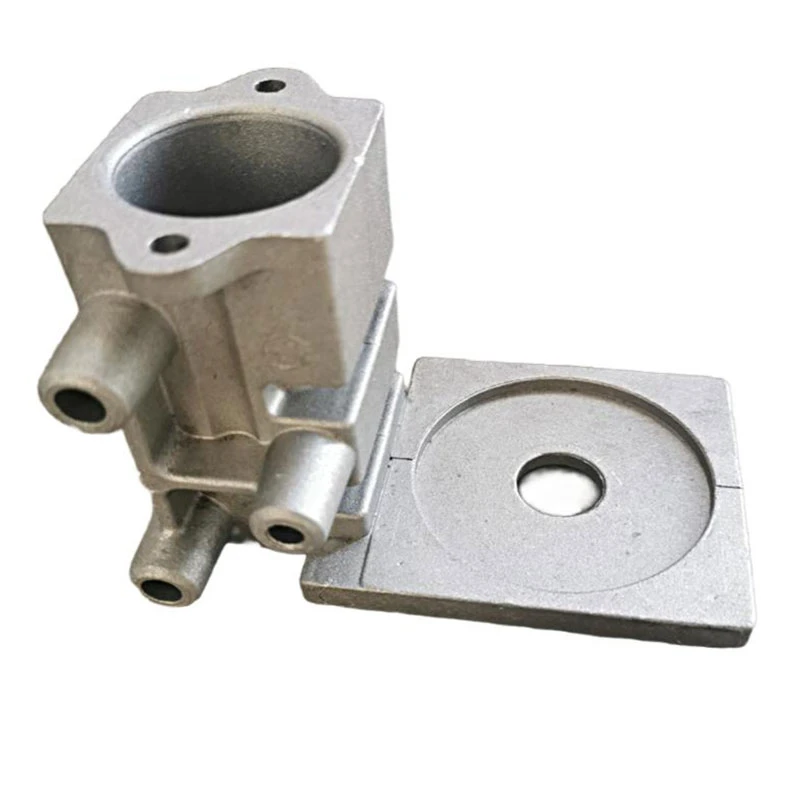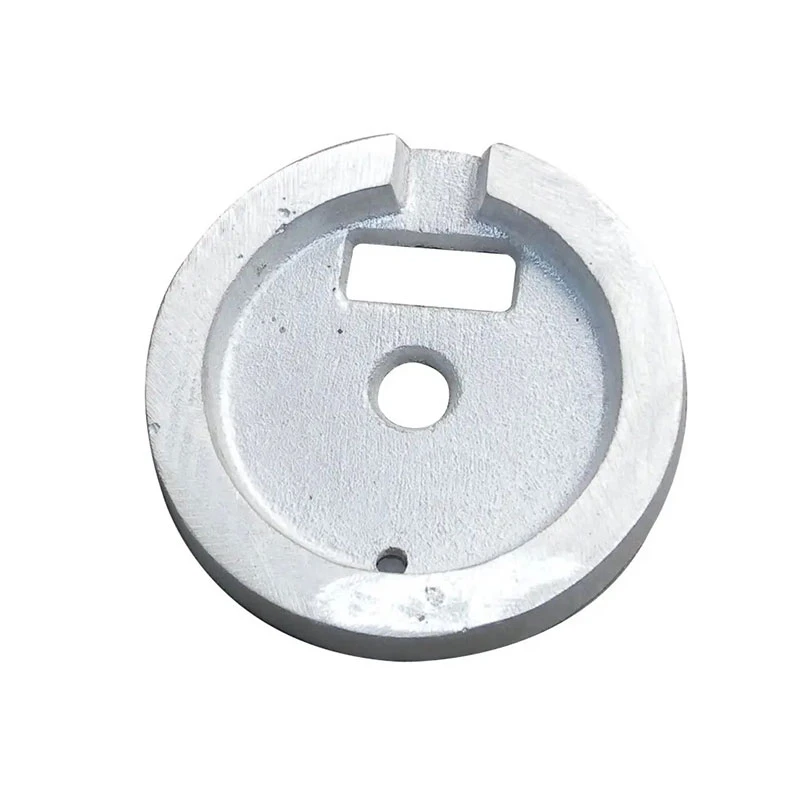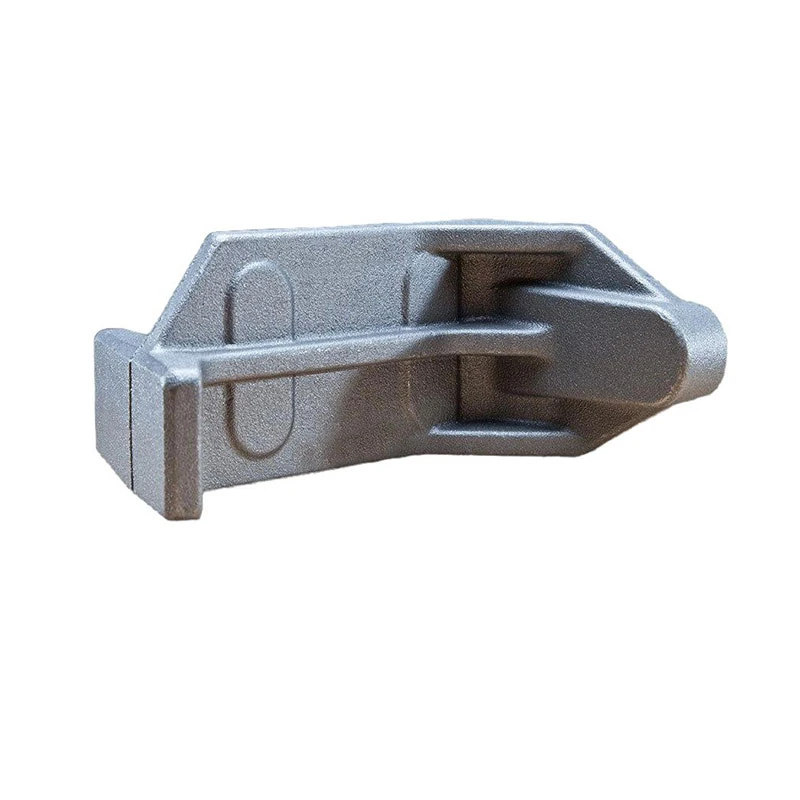



Precision Aerosol Valves – Essential Components for Efficient and Sustainable Aerosol Products
Precision Aerosol Valves: Why They Matter in a Connected, Sustainable World
Imagine the tiny mechanism that controls the precise release of spray from an aerosol can — it might seem unremarkable at first glance, but these precision aerosol valves actually play a huge role in industries ranging from cosmetics and pharmaceuticals to automotive and industrial maintenance worldwide. They’re the unsung heroes behind flawless delivery of creams, sanitizers, lubricants, and more.
Why does this matter? Well, global reliance on aerosol products is huge and growing — by some estimates, the aerosol market could reach over $100 billion by the mid-2020s according to industry analyses. With greater demand comes a tougher challenge: ensuring sprays are dispensed accurately, safely, and sustainably. Poor valve performance leads to waste, environmental harm, and customer dissatisfaction.
This article dives into the nuts and bolts of precision aerosol valves, their significance across the globe, practical design aspects, and why understanding them could be the secret ingredient behind better products and greener supply chains.
The Global Context Behind Precision Aerosol Valves
Worldwide, industrial and consumer aerosols are everywhere — spray paints on construction sites in Asia, disinfectants in European hospitals, and fragrance sprays in American households. The World Bank reports that urbanization and industrial output growth in developing countries are expanding aerosol markets rapidly. This surge demands valves that can endure harsh environments, varied chemical formulas, and sometimes even strict regulatory safety standards.
However, there’s a big challenge. Each formulation requires a tailored valve system to prevent clogging, control dosage, and maintain pressure stability. In some low-resource areas, access to high-quality valves is limited, making product consistency unpredictable and affecting health or hygiene efforts.
Efficient valve technology isn't just a production detail — it’s critically linked to sustainability initiatives worldwide. Reducing emissions, cutting packaging waste, and improving recyclability often start at the valve level.
Mini Takeaway:
- Global growth in aerosol use calls for smarter valve solutions.
- Valve design impacts product safety, environmental footprint, and user experience.
What Exactly Are Precision Aerosol Valves?
Put simply, a precision aerosol valve is a small, highly engineered component that regulates the flow of liquid or gas from an aerosol container. They ensure an accurate volume of product is dispensed each time, commonly in spray or foam form.
Unlike generic valves, precision types are designed with strict tolerances to handle complex formulations — from volatile solvents to viscous creams — and varying internal pressures. They often feature multi-part assemblies including springs, seals, and actuator buttons optimized for reliability and minimal leakage.
Their use extends beyond convenience; they’re critical for medical aerosols delivering asthma medication, or disinfectants in humanitarian aid kits that need precise dosing to be effective and safe.
Mini Takeaway:
- Precision valves control exactly how much product leaves the canister.
- They’re crucial for safety and performance in diverse industries.
Core Components and Factors in Precision Aerosol Valve Design
1. Durability Under Pressure
Many aerosol products operate under elevated pressure — sometimes up to 60 psi or more. Valves must resist corrosion from propellants and maintain integrity for months or even years.
2. Materials Compatibility
Choice of plastics, metals, or elastomers influences valve resistance to chemical attack. For example, valves in pharmaceutical sprays use medical-grade silicone seals to avoid contamination.
3. Spray Pattern and Dosage Accuracy
The detailed internal geometry dictates whether the spray is a fine mist, coarse droplets, or foam. Manufacturers carefully engineer this for product effectiveness and user comfort.
4. Leak-Proofing and Shelf Life
Ensuring an airtight seal extends product shelf life and prevents hazardous leaks during storage or transport.
5. Cost Efficiency & Scalability
While they are precision parts, cost matters especially for massive production runs — balancing quality and pricing is an ever-present juggling act.
6. Environmental Considerations
Some modern valves feature biodegradable components or are designed for easier recycling to meet green standards.
| Specification | Typical Value | Notes |
|---|---|---|
| Operating Pressure | 30–70 psi (2–5 bar) | Varies by formulation |
| Material | Aluminum, Stainless Steel, PP, Silicone Seals | Selection critical for chemical compatibility |
| Flow Rate | 0.1 - 0.75 g/sec | Depends on valve orifice size |
| Spray Pattern | Mist, Stream, Foam | Customizable per application |
| Shelf Life Seal | Up to 5 years | Ensures product freshness |
How Industries Around the World Rely on These Tiny Titans
Let's bring it closer to the ground. Think about post-disaster zones where clean water sprays and sanitation aerosols can mean the difference between crisis and recovery. NGOs often depend on well-engineered aerosol valves for precise dosing — too little sanitizer and the effort is wasted, too much and it spells supply shortages.
In cosmetics hubs like South Korea and France, designers focus heavily on valve styles that deliver smooth mists, contributing to luxury brand appeal. In industrial sectors — say, automotive manufacturing plants in Germany or chemical plants in China — robust valves tolerate aggressive solvents without failing.
Interestingly, emerging markets in Africa and Latin America represent growth areas for tailored valve technology, especially where consumers demand durability under fluctuating temperatures and rough handling.
Mini Takeaway:
- Precision aerosol valves support vital sectors globally, from healthcare to industry.
- Different regions prioritize different features based on local needs.
The Long-Term Advantages of Investing in Quality Precision Aerosol Valves
So why care about the tech behind a valve? Because it’s directly tied to:
- Cost Savings: Reducing product waste and complaints
- Sustainability: Minimizing environmental impact by perfect dosing and material innovations
- Safety & Trust: Protecting users with leak-proof designs and hygienic materials
- Brand Value: Sophisticated valves often enhance customer perception and loyalty
Personally, I’ve noticed how industries that adopt these valves consistently report fewer returns and better regulatory compliance. It’s a ripple effect — a tiny component creating waves in supply chain efficiency and consumer trust.
Future Directions: What’s Next for Aerosol Valve Technology?
The future is pretty exciting. Innovations like “smart valves” that can digitally monitor usage or tweak spray intensity are slowly appearing on the horizon, especially with the rise of IoT in packaging.
Material science is also shaking things up — bio-based polymers and recyclable alloys are becoming mainstream. There's also ongoing effort toward valves compatible with eco-friendly propellants, aligning with global carbon reduction goals discussed in ISO environmental standards.
Automation in valve production and quality testing ensures precision remains consistent even as volumes scale up. These trends mean fewer manufacturing defects and better performance reliability.
Challenges and Ways Forward
Despite advances, mismatched valve formulations can cause clogging or premature failure. Sourcing high-grade raw materials is sometimes problematic, especially for smaller manufacturers.
Innovative solutions include better cross-industry collaborations and more rigorous testing protocols — for example, using AI-based simulations to predict valve wear under various conditions before production.
Frankly, it’s a classic engineering trade-off: cost, performance, and sustainability — getting all three together is tricky but not impossible.
| Manufacturer | Materials Used | Typical Applications | Price Range per 1000 units |
|---|---|---|---|
| AeroValves Inc. | Aluminum + Silicone | Pharmaceutical & Cosmetics | $450 - $600 |
| GlobalSpray Tech | Stainless Steel + PP | Industrial & Automotive | $400 - $550 |
| EcoValve Solutions | Bio-Plastics + Natural Rubber | Sustainable Consumer Goods | $500 - $700 |
Frequently Asked Questions About Precision Aerosol Valves
- Q: How do precision aerosol valves improve product efficiency?
- A: They meter exact doses and create consistent spray patterns, which minimizes waste and improves user experience. This means less product is needed per application, saving costs and waste alike.
- Q: Can these valves handle harsh chemicals?
- A: Yes, when designed with chemically resistant materials like PTFE seals or stainless steel parts, precision aerosol valves can safely deliver aggressive formulations without degradation.
- Q: What impact do valve designs have on sustainability?
- A: Advanced valves reduce emissions by controlling propellant release and often incorporate eco-friendly materials, supporting recycling and lowering environmental footprints.
- Q: Are precision valves customizable for different spray effects?
- A: Absolutely. Manufacturers can tailor the valve’s orifice and internal geometry to produce fine mists, streams, foams or even pulsed sprays, depending on product needs.
- Q: Where can I source reliable precision aerosol valves?
- A: Leading suppliers like those listed above, and more, provide customizable solutions. Feel free to explore options or visit our platform for sourcing precision aerosol valves globally.
Wrapping Up: The Small Valve That Makes a Big Difference
In summary, precision aerosol valves may seem niche, but their impact is vast — quietly powering everything from daily hygiene routines to critical medical treatments around the globe. The future looks geared toward smarter, greener, and more durable designs that answer global needs and environmental concerns.
Thinking of upgrading your product line or ensuring greener aerosol delivery? Visit https://www.hairunsourcing.com for expert guidance and sourcing options.
References
-
Guide to Anodizing Die Cast Aluminum for Industrial ExcellenceNewsApr.16,2026
-
High Quality Precision Aluminum Die Casting Components GuideNewsApr.09,2026
-
Comprehensive Guide to High Quality Aluminium Pressure Die Casting ProductsNewsApr.07,2026
-
Comprehensive Guide to Aluminium Pressure Die Casting Components and SolutionsNewsApr.04,2026
-
Comprehensive Guide to Aluminium HPDC Casting for Global SourcingNewsMar.31,2026
-
Comprehensive Guide to Precision Aluminium Die Castings and Manufacturing SolutionsNewsMar.28,2026