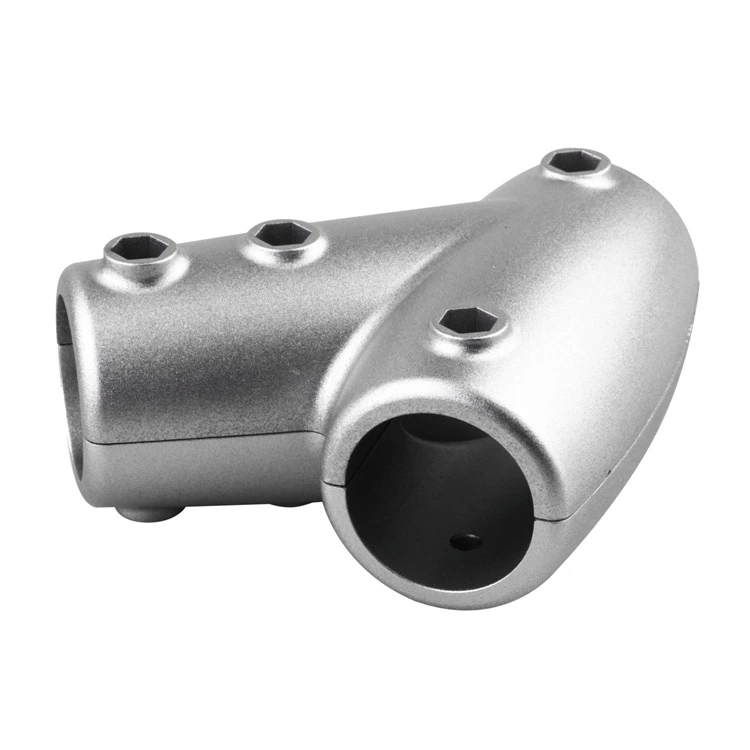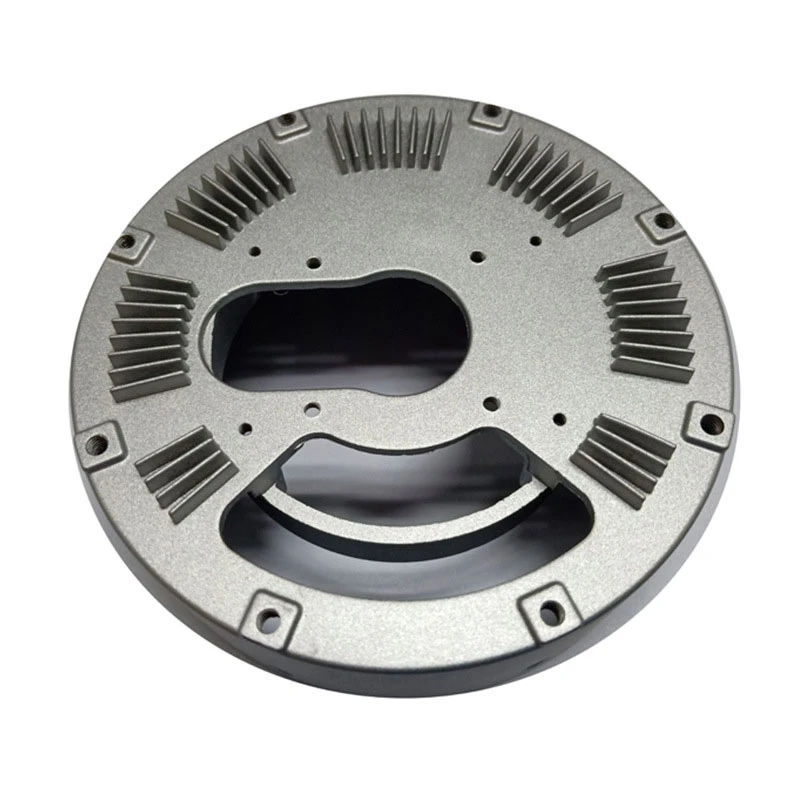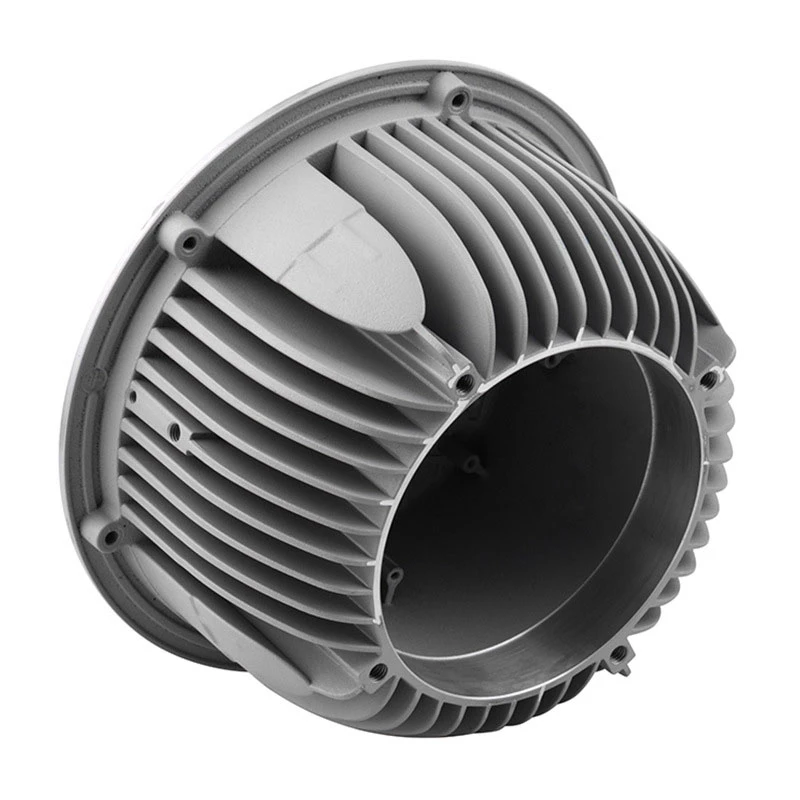



Precision Casts from Sand: Custom Aluminum & Complex Designs
Introduction to Precision Sand Casting for Industrial Components
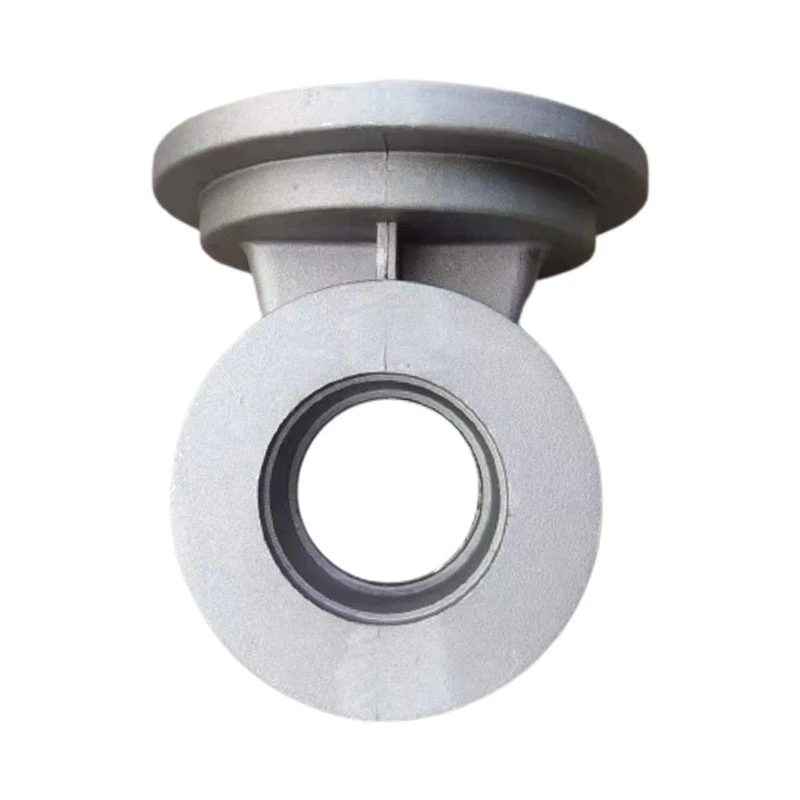
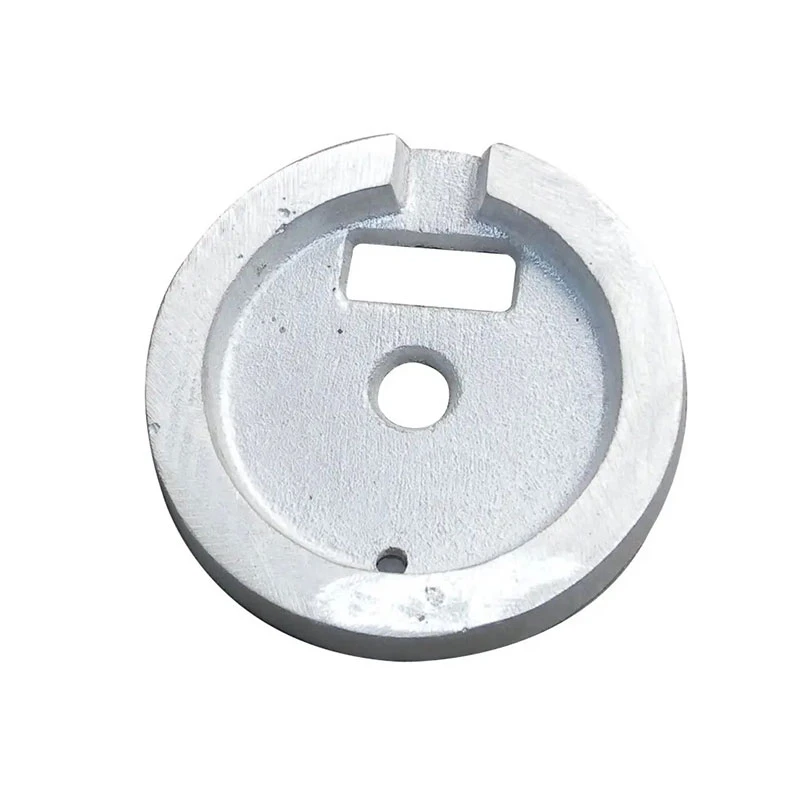
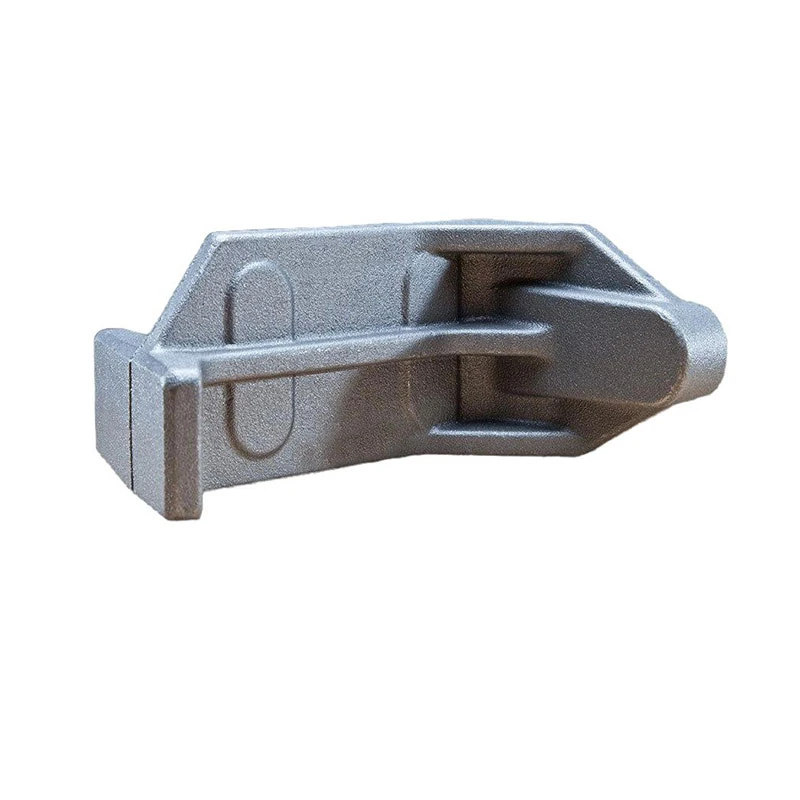
In the demanding landscape of B2B industrial manufacturing, the integrity and performance of critical components are paramount. This is particularly true for pump and valve fittings, where precision, durability, and material compatibility directly impact operational efficiency and safety. The fundamental process underpinning the creation of many such robust parts is sand casting. Understanding the nuances of cast of sand is essential for industries reliant on high-quality, customized metal components. This article delves into the technical specifications, application advantages, and strategic considerations for leveraging sand casting, from basic requirements to complex geometries, ensuring reliable supply chain solutions.
The Detailed Process Flow of Sand Casting
The manufacturing process for components made by cast of sand is a meticulously engineered sequence designed to produce high-integrity metal parts. It involves several critical stages, each contributing to the final product's dimensional accuracy, metallurgical properties, and surface finish. The primary materials used typically include various grades of iron (e.g., gray iron, ductile iron), steel, aluminum alloys (like those used in custom aluminum sand casting), bronze, and brass. Manufacturing processes often incorporate post-casting treatments such as forging or CNC machining to achieve tighter tolerances or specific surface finishes.
Process Stages:
- Pattern Making: A pattern, typically made of wood, metal, or plastic, is a replica of the desired part, slightly oversized to account for metal shrinkage. Its design is crucial for mold creation and part ejection.
- Mold Creation: Specialized foundry sand, mixed with a binder (e.g., clay, chemical resins) and water, is packed around the pattern in a two-part flask (cope and drag). Cores, often made of sand, are used to form internal cavities. The mold's permeability and strength are vital for preventing defects.
- Melting and Pouring: Metal is melted in a furnace to a specific temperature and then poured into the mold cavity through a gating system (sprue, runners, gates) designed to ensure smooth, controlled flow and minimize turbulence. Risers are incorporated to feed molten metal during solidification and prevent shrinkage voids.
- Cooling: The molten metal cools and solidifies within the sand mold. The cooling rate is carefully controlled to achieve the desired microstructure and mechanical properties.
- Shakeout: Once sufficiently cooled, the sand mold is broken apart, and the casting is removed. This process separates the casting from the sand.
- Fettling and Finishing: Excess metal (gates, risers, flash) is removed, typically by grinding, sawing, or chipping. The casting then undergoes various finishing operations, which may include shot blasting for surface cleaning, heat treatment for stress relief or property enhancement, and machining for precision features.
- Inspection and Testing: Castings undergo rigorous quality checks, including visual inspection, dimensional verification, and non-destructive testing (NDT) such as ultrasonic testing (UT), magnetic particle inspection (MPI), or liquid penetrant inspection (LPI) to detect internal and surface defects. Material composition is verified through spectrographic analysis.
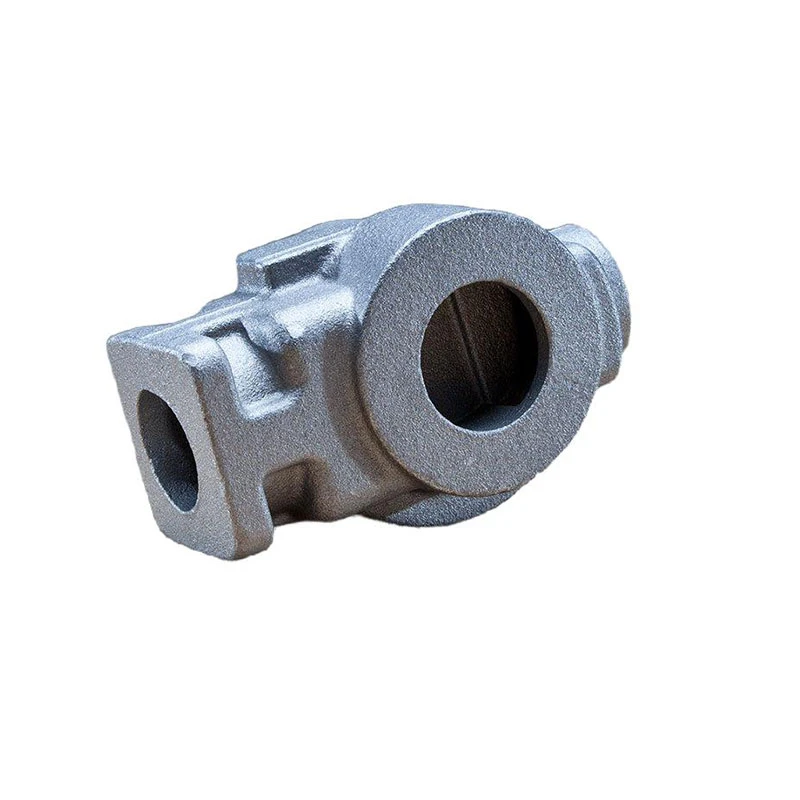
Figure 1: Illustration of a typical sand casting workflow, highlighting key stages from mold preparation to final inspection.
Testing standards typically adhere to international benchmarks such as ISO 9001 for quality management, ASTM for material specifications, and ANSI/ASME for dimensional and performance requirements for pump and valve components. The service life of these fittings is engineered for decades, depending on the application environment and material selection, often exceeding 20-30 years in non-corrosive, well-maintained systems. Target industries include petrochemical, metallurgy, power generation, and water supply & drainage. Advantages in typical scenarios include superior corrosion resistance in aggressive media (with proper material selection) and optimized hydraulic flow for energy saving due to customized internal geometries.
Industry Trends in Advanced Sand Casting
The sand casting industry is continuously evolving, driven by demands for higher precision, efficiency, and sustainability. Key trends include the integration of digital technologies, such as CAD/CAM for pattern design and simulation software for mold flow analysis. This significantly reduces prototyping costs and time, ensuring first-time-right production. The advent of CNC sand casting allows for automated mold preparation and precise core placement, enhancing dimensional consistency and reducing manual labor errors.
There's a growing emphasis on producing complex sand casting geometries, which previously might have required multiple assembled parts. Advanced binder systems and specialized sand formulations enable the creation of intricate internal passages and thinner wall sections. Furthermore, sustainability initiatives are driving innovations in sand reclamation and alternative binder technologies, aiming to reduce waste and environmental impact. The use of recycled materials and energy-efficient melting processes is also gaining traction, aligning with global green manufacturing goals.
Technical Specifications of OEM Sand Casting Pump Valve Fittings
OEM sand casting pump valve fittings are engineered to meet stringent operational demands in various industrial applications. Their design and material selection are critical for resisting extreme temperatures, high pressures, and corrosive media. Below is a representative table of technical specifications for typical components, demonstrating the versatility and precision achievable with modern sand casting techniques.
Product Specification Table: OEM Sand Casting Pump Valve Fittings
| Parameter | Typical Range/Value | Notes |
|---|---|---|
| Casting Material | Gray Iron (HT200-HT300), Ductile Iron (QT400-QT700), Carbon Steel (20#, 25#, 35#, 45#), Stainless Steel (304, 316, 316L), Aluminum Alloys (A356, A380), Bronze, Brass | Selected based on application and media. For custom aluminum sand casting, specific lightweight and corrosion-resistant alloys are used. |
| Weight Range | 0.5 kg to 5000 kg+ | Versatile for small fittings to large pump casings. |
| Dimensional Tolerance | CT8-CT12 (ISO 8062) for general sand casting, tighter for machined areas. | Further machining can achieve tolerances as low as ±0.01mm. |
| Surface Roughness | Ra 12.5 - 50 μm (as-cast), Ra 0.8 - 3.2 μm (machined) | Influenced by sand grain size and binder type. |
| Heat Treatment | Annealing, Normalizing, Quenching & Tempering, Stress Relieving | To improve mechanical properties and relieve internal stresses. |
| Testing Standards | ISO 9001, ASTM (A48, A536, A216, A351), ANSI B16.5, ASME B16.34, CE, API 600 | Ensures global compliance and product reliability. |
| Typical Applications | Pump casings, impellers, valve bodies, bonnets, flanges, pipe fittings, hydraulic components. | Found across petrochemical, oil & gas, water treatment, mining, marine, power generation. |
The selection of the appropriate material and post-processing techniques is a critical engineering decision, directly impacting the component's performance and longevity. Modern sand casting, particularly for pump and valve fittings, provides the flexibility to achieve stringent specifications required by diverse industrial applications.
Application Scenarios & Advantages
The versatility of the cast of sand process makes it indispensable across a multitude of heavy industries. Its capability to produce large, intricate components economically positions it as a preferred method for critical infrastructure.
Target Industries:
- Petrochemical and Oil & Gas: Requires components resistant to high pressure, extreme temperatures, and corrosive hydrocarbons. Sand-cast valve bodies, pump casings, and manifold blocks in materials like stainless steel or specialized alloys (e.g., Duplex, Super Duplex) are critical for safety and longevity. The ability to produce complex sand casting designs for flow control devices is invaluable here.
- Metallurgy and Mining: Applications involving abrasive slurries and high-wear environments demand robust, abrasion-resistant parts. Cast iron and high-chromium alloys are often used for pump impellers, crusher components, and specialized valve fittings, offering extended service life.
- Water Supply & Drainage: Large-diameter pipes, valves, and pump housings for municipal water treatment and distribution systems benefit from the cost-effectiveness and durability of sand-cast ductile iron. Components require coatings for corrosion protection, especially when handling treated water or wastewater. The smooth internal surfaces can contribute to energy saving by reducing friction loss.
- Power Generation: From conventional thermal plants to nuclear facilities, sand-cast components are used in cooling water systems, steam turbines (casings), and ancillary equipment, often in demanding conditions requiring high-temperature resistant alloys.
Advantages in Application Scenarios:
- Energy Saving: For pump and valve components, optimized internal geometries achieved through sand casting can significantly reduce fluid turbulence and pressure drop, leading to lower energy consumption for fluid transfer. This is particularly relevant for large-scale municipal water systems where even marginal efficiency gains translate to substantial operational savings.
- Corrosion Resistance: By selecting appropriate alloys (e.g., stainless steels for corrosive environments, or specific bronze alloys for marine applications) and applying protective coatings, sand-cast components can be engineered to withstand highly aggressive media, ensuring long-term operational integrity and reducing maintenance costs. This includes applications in demanding offshore oil platforms where components are exposed to saltwater and crude oil, and also in chemical processing where resistance to specific acids or bases is required. For certain decorative or less structurally demanding applications, options like cast white sands can offer unique aesthetic properties.
- Cost-Effectiveness for Large Volumes: While initial pattern costs exist, for medium to high volume production of large or complex parts, sand casting offers significant cost advantages over other methods, especially when considering material waste reduction compared to machining from solid billets.
Technical Advantages of Modern Sand Casting
Modern sand casting has evolved significantly, offering several technical advantages that make it a cornerstone of industrial manufacturing. These advantages are particularly relevant for producing durable and reliable components for pumps and valves:
- Material Versatility: Sand casting can process nearly any metal or alloy, from ferrous metals (various irons and steels) to non-ferrous options like aluminum, bronze, and brass. This wide material selection allows engineers to precisely match the component's properties to the specific demands of its application, whether it requires high strength, corrosion resistance, or excellent thermal conductivity.
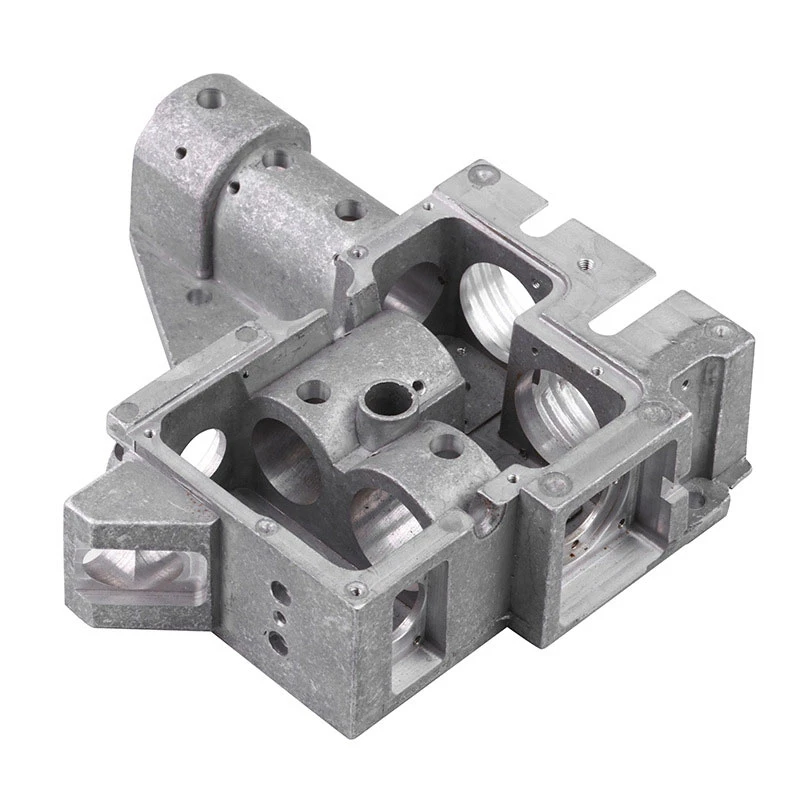
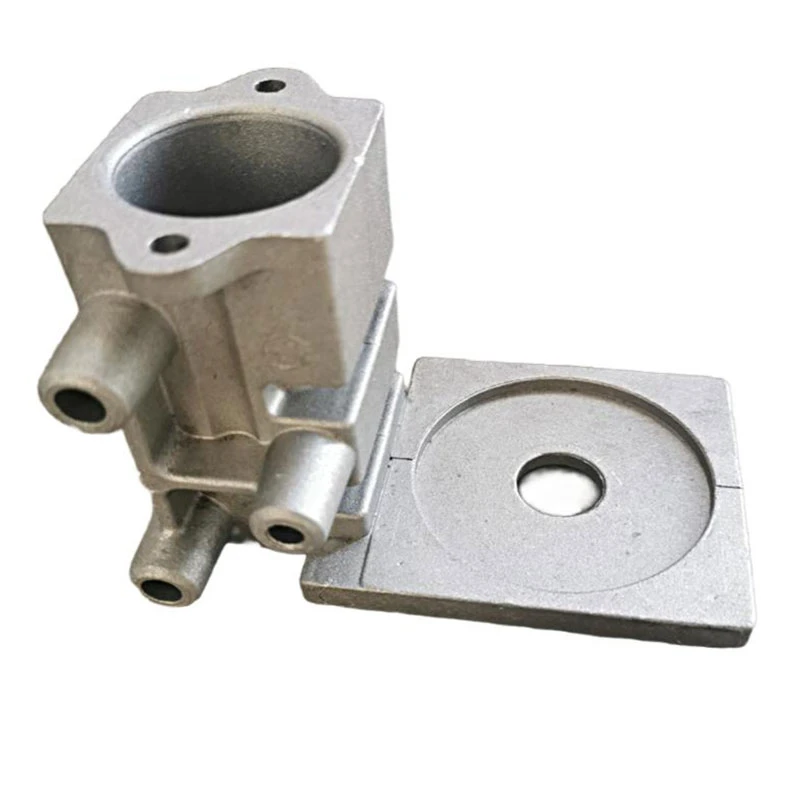
- Geometric Complexity: While traditionally associated with simpler shapes, advancements in pattern making, core technologies, and foundry practices enable the production of highly intricate parts. This capability is crucial for complex sand casting components like multi-port valve bodies or pump impellers with optimized hydraulic profiles, which would be prohibitively expensive or impossible to produce via machining or other casting methods.
- Scalability and Size Flexibility: From small fittings weighing less than a kilogram to massive pump housings weighing several tons, sand casting accommodates a vast range of component sizes. This scalability, coupled with its cost-effectiveness for medium to high volumes, makes it ideal for consistent production of standard and specialized industrial parts.
- Enhanced Mechanical Properties: Controlled cooling rates in sand molds can be tailored to achieve specific microstructures, influencing properties like tensile strength, hardness, and ductility. Heat treatments post-casting further refine these characteristics, ensuring components meet rigorous performance specifications for endurance and reliability in harsh industrial settings.
- Cost-Effectiveness for Prototyping and Production: For new product development, sand casting offers relatively low tooling costs compared to die casting, making it an attractive option for prototyping and initial production runs. For large volume production, the efficiency of the process and lower material waste (compared to machining from billet) contribute to overall cost savings.
Vendor Comparison for Sand Casting Services
Choosing the right sand casting vendor is a critical decision that impacts product quality, lead times, and overall project success. A robust vendor evaluation process considers not only technical capabilities but also quality assurance, experience, and customer support. Below is a comparison table outlining key differentiators among sand casting suppliers.
Sand Casting Vendor Comparison Criteria
| Criterion | High-Tier Vendor | Mid-Tier Vendor | Standard Vendor |
|---|---|---|---|
| Certifications & Standards | ISO 9001, ASME, API, CE, PED, AD2000, In-house NDT lab | ISO 9001, basic material testing capabilities | Basic quality checks, possibly no formal certifications |
| Technical Expertise | Design for Manufacturability (DFM), advanced simulation, metallurgical R&D, expertise in complex sand casting and custom aluminum sand casting. | Good understanding of common casting methods, some material knowledge | Primarily execution-focused, limited design input |
| Quality Control | 100% material traceability, advanced NDT, CMM inspection, full reports | Spot checks, basic dimensional inspection | Visual inspection primarily |
| Capacity & Flexibility | High volume, large part capacity, rapid prototyping, agile production scheduling | Medium volume, standard part sizes | Low volume, limited size range |
| Post-Casting Services | Integrated CNC machining, heat treatment, surface finishing, assembly | Basic machining, some finishing options | Limited to deburring and cleaning |
| Lead Time | Optimized, shorter for repeat orders (e.g., 4-8 weeks), responsive to urgent needs | Standard (e.g., 8-12 weeks) | Longer, less predictable |
High-tier vendors, such as Hairun Sourcing, distinguish themselves through comprehensive quality assurance, advanced manufacturing technologies like CNC sand casting, and strong engineering support. These capabilities are crucial for complex, high-stakes projects where failure is not an option.
Customized Solutions in Sand Casting
The strength of sand casting lies in its adaptability to unique client requirements. Customization is not merely an option but a core offering, enabling the production of components perfectly tailored to specific applications. This includes:
- Design Optimization: Collaborative engineering ensures that designs are optimized for both performance and manufacturability. This often involves iterative CAD/CAM modeling and simulation to refine geometries, minimize stress points, and enhance flow characteristics for pump and valve internals. The goal is to achieve the best possible performance from the cast of sand product.
- Specialized Material Selection: Beyond standard alloys, suppliers can source and cast proprietary or application-specific metals. This is particularly important for environments with extreme temperatures, pressures, or highly aggressive chemical media, requiring specific corrosion or wear resistance. For example, specialized aluminum alloys are often chosen for lightweight, high-strength applications in custom aluminum sand casting.
- Precision Machining and Finishing: While sand casting offers good as-cast tolerances, many critical components require subsequent precision CNC machining to achieve exceptionally tight dimensional accuracy, superior surface finishes, or integrate complex features like threaded connections and precisely bored valve seats.
- Surface Treatments and Coatings: To further enhance performance, customized surface treatments can be applied. These include various types of coatings (e.g., anti-corrosion, wear-resistant, low-friction), passivation for stainless steels, or specialized painting for aesthetic and protective purposes.
This level of customization ensures that the final pump or valve fitting not only meets but often exceeds the operational expectations, providing a tangible competitive advantage.
Application Case Studies & Customer Experience
Real-world application demonstrates the reliability and effectiveness of sand-cast components. Hairun Sourcing, with its 20+ years of expertise in manufacturing, has supported numerous clients across diverse industries.
Case Study 1: High-Pressure Valve Bodies for a Chemical Plant
A major chemical processing company required a series of globe valve bodies for high-pressure, high-temperature sulfuric acid lines. Standard off-the-shelf components were failing due to material degradation. Hairun Sourcing provided complex sand casting solutions using a specialized Duplex stainless steel alloy (ASTM A890 Grade 4A). Through advanced simulation and precise pattern design, internal flow passages were optimized to minimize turbulence and cavitation. The components underwent 100% radiographic inspection (RT) and hydrostatic testing to 1.5 times the design pressure, ensuring zero defects. The client reported a 40% increase in valve service life and significant reduction in maintenance downtime, citing Hairun's metallurgical expertise and stringent quality control as key factors.
Case Study 2: Large-Scale Pump Impellers for a Municipal Waterworks
A municipal water authority needed replacement impellers for their aging centrifugal pumps, seeking improved efficiency and longevity. Hairun Sourcing utilized ductile iron (QT500-7) for its balance of strength and machinability. The impellers were sand-cast with precise blade profiles derived from CFD (Computational Fluid Dynamics) analysis to ensure optimal hydraulic performance and minimize energy consumption. Each impeller was dynamically balanced after machining to eliminate vibration, critical for pump longevity. The client observed an average 8% improvement in pump efficiency across the network, leading to substantial energy savings and reduced operational noise. Customer feedback highlighted the excellent dimensional accuracy and consistent quality of the cast of sand components.
Ensuring Trustworthiness: FAQ, Lead Times, Warranty, Support
Trust is built on transparency, reliability, and robust support. Hairun Sourcing is committed to providing comprehensive information and excellent service for all cast of sand projects.
Frequently Asked Questions (FAQ):
Q: What types of metals can you sand cast?
A: We cast a wide range of metals including gray iron, ductile iron, carbon steel, stainless steel, various aluminum alloys (e.g., for custom aluminum sand casting), bronze, and brass. Specific alloy selection depends on application requirements.
Q: What are your typical lead times for custom sand castings?
A: Lead times vary based on part complexity, material, and order volume. For new projects with pattern development, it typically ranges from 8-12 weeks. Repeat orders can often be fulfilled within 4-8 weeks.
Q: What quality control measures do you have in place?
A: We adhere to ISO 9001:2015 standards and employ a comprehensive QC system including material spectrographic analysis, dimensional inspection (CMM), mechanical property testing, and various NDT methods (UT, MPI, RT, LPI) as required by client specifications.
Q: Can you handle large-scale and complex sand casting projects?
A: Yes, our facilities are equipped to produce castings from under a kilogram to several tons, with capabilities for intricate internal geometries and tight tolerances, supported by advanced pattern making and CNC sand casting processes.
Lead Time & Fulfillment Details:
We provide transparent lead time estimates upon project initiation, factoring in pattern design, material procurement, casting, post-processing (machining, heat treatment, coating), and final inspection. Our supply chain is optimized for efficiency, aiming for on-time delivery while maintaining strict quality standards. Expedited options are available for urgent requirements.
Warranty Commitments:
Hairun Sourcing offers a standard 12-month warranty against manufacturing defects in material or workmanship from the date of shipment. This commitment underscores our confidence in the quality and durability of our sand-cast products, provided they are used under specified operating conditions.
Customer Support Information:
Our dedicated customer support team is available to assist with inquiries, technical specifications, order tracking, and after-sales service. Clients can reach us via phone, email, or through our website's contact portal. We prioritize responsive communication to ensure seamless project execution and long-term client satisfaction.
Conclusion
The enduring relevance of sand casting in industrial manufacturing is a testament to its versatility, cost-effectiveness, and continuous evolution. For pump and valve fittings, components produced by the cast of sand method offer unparalleled material choice, geometric flexibility, and robust performance under demanding conditions. By leveraging advanced techniques, stringent quality control, and a commitment to customized solutions, manufacturers can ensure the supply of high-integrity components essential for critical infrastructure across various heavy industries. Partnering with an experienced and authoritative vendor, like Hairun Sourcing, provides the necessary expertise and reliability for complex B2B requirements.
Authoritative References
- American Society for Testing and Materials (ASTM) Standards. "ASTM A48 / A48M-03(2017) Standard Specification for Gray Iron Castings."
- American National Standards Institute (ANSI) / American Society of Mechanical Engineers (ASME) Standards. "ASME B16.5-2020: Pipe Flanges and Flanged Fittings: NPS 1/2 Through NPS 24 Metric/Inch Standard."
- International Organization for Standardization (ISO). "ISO 9001:2015 Quality management systems — Requirements."
- J. Campbell. "Complete Casting Handbook: Metal Casting Processes, Metallurgy, Techniques and Design." Butterworth-Heinemann, 2011.
- American Foundry Society (AFS). "Sand Casting Process."
-
Guide to Anodizing Die Cast Aluminum for Industrial ExcellenceNewsApr.16,2026
-
High Quality Precision Aluminum Die Casting Components GuideNewsApr.09,2026
-
Comprehensive Guide to High Quality Aluminium Pressure Die Casting ProductsNewsApr.07,2026
-
Comprehensive Guide to Aluminium Pressure Die Casting Components and SolutionsNewsApr.04,2026
-
Comprehensive Guide to Aluminium HPDC Casting for Global SourcingNewsMar.31,2026
-
Comprehensive Guide to Precision Aluminium Die Castings and Manufacturing SolutionsNewsMar.28,2026