


Expert Guide to the Precision Casting Process – Benefits, Innovations, and Applications
What Is the Precision Casting Process and Why It Matters
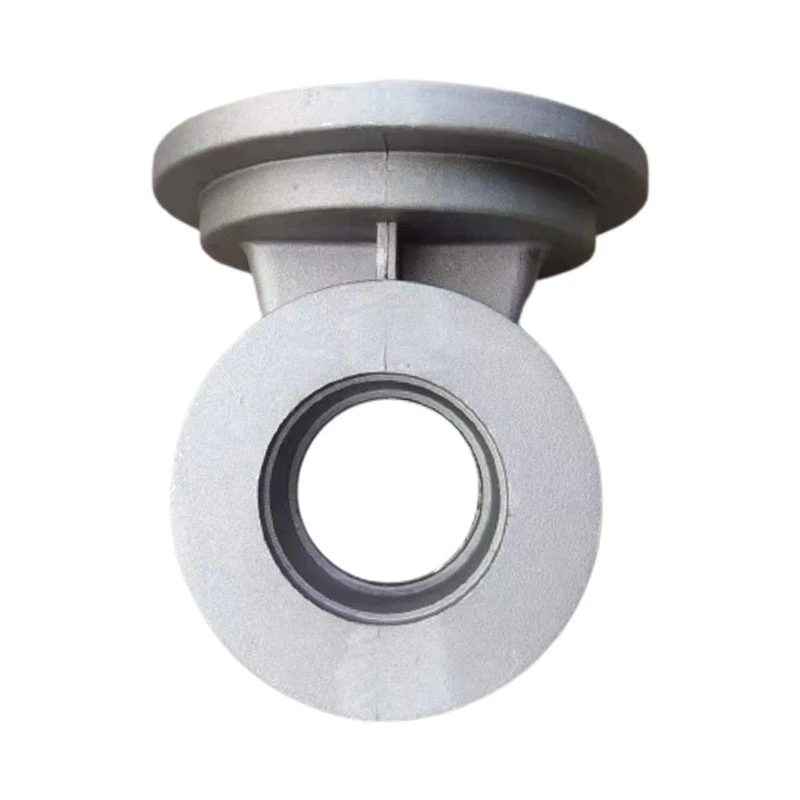
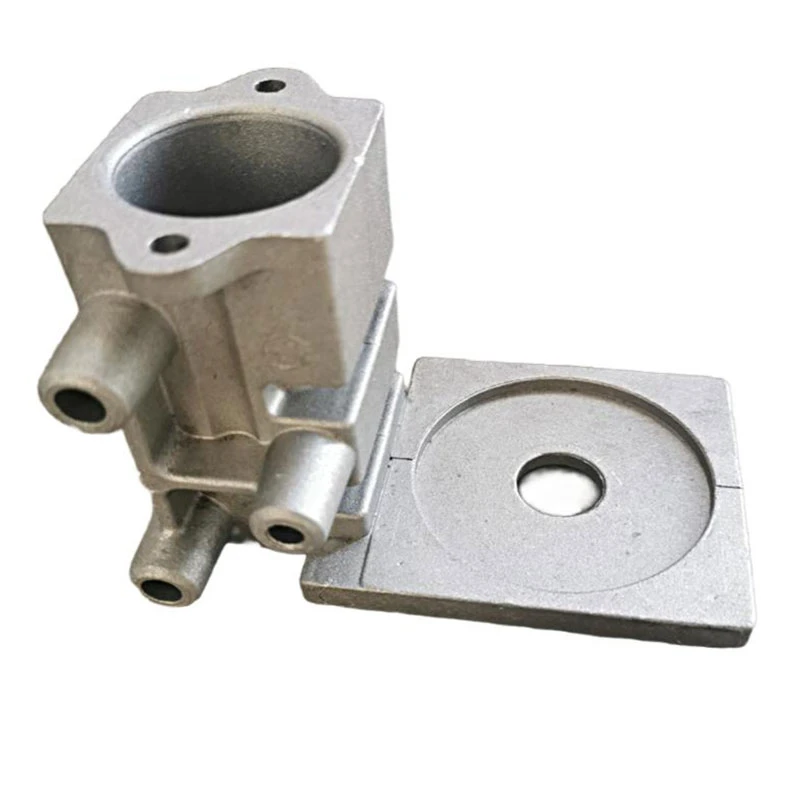
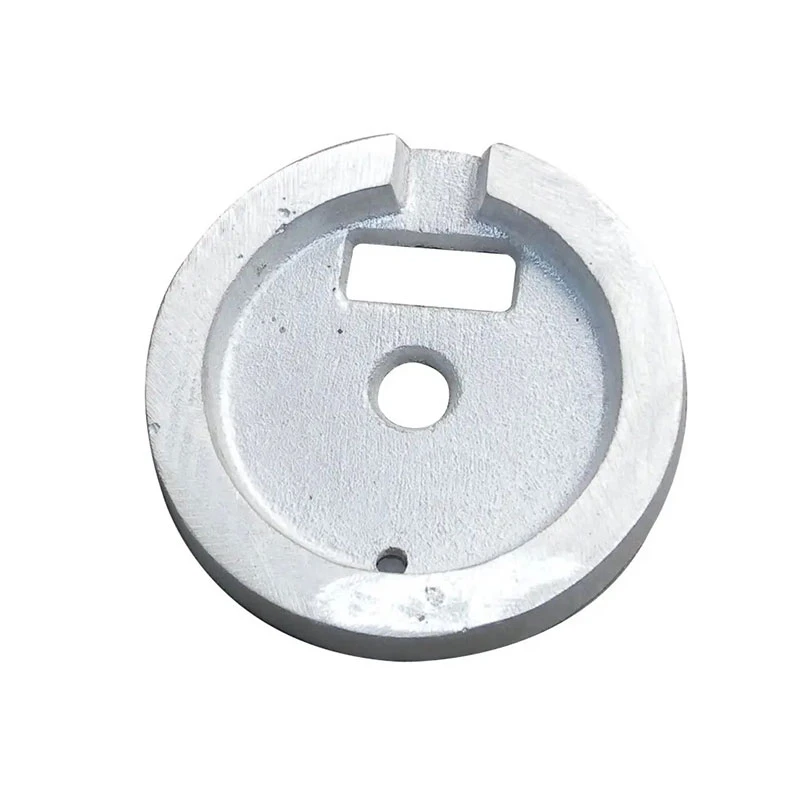
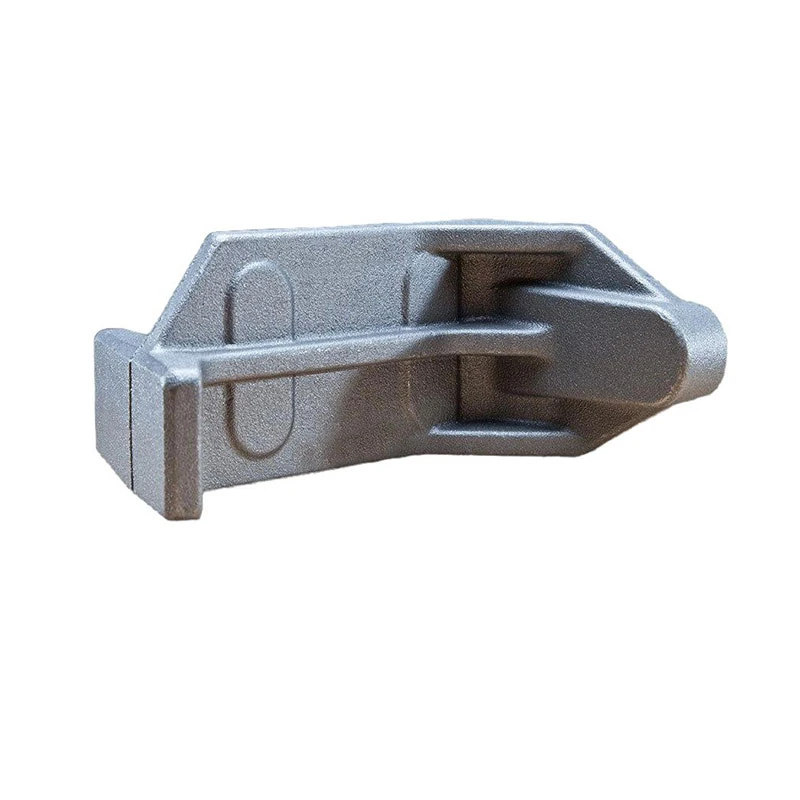
Precision casting process — also known as investment casting or lost-wax casting — is an age-old metalworking method that’s still remarkably important in today’s global industry. At its core, it’s about creating highly accurate metal parts with incredible detail and minimal waste. Why does it matter on a global scale? Because sectors from aerospace to medical devices rely on components that must fit perfectly and perform reliably under pressure.
Understanding the nuances of the precision casting process means tapping into a key driver of modern manufacturing efficiency, quality, and sustainability. And frankly, it’s one of those processes that quietly powers the gears of innovation worldwide.
Introduction: The Global Context Behind Precision Casting
The precision casting process isn’t just a niche technique—it’s a pillar supporting the global economy. According to a recent ISO report, the global investment casting market size was valued near USD 15 billion in 2023 and is projected to grow steadily owing to demands in sectors like automotive, aerospace, and healthcare.[1] But there’s a catch: as industries push for greater precision and sustainability, traditional casting methods sometimes fall short—too much material waste, inconsistent quality, or scale limits.
This is where precision casting shines. Its ability to deal with complex shapes, thin walls, and tight tolerances addresses global challenges around resource efficiency and technological advancement. So whether it’s building jet turbines or custom surgical instruments, the precision casting process is quietly becoming an unsung hero.
Defining Precision Casting Process in Plain Terms
So, what is “precision casting process” in simple terms? Think of it this way: you start with a wax model shaped exactly like the part you want, encase it in a ceramic shell, then melt the wax out, leaving a hollow mold. Melted metal is poured into that mold to create a near-perfect metal replica of the original wax form.
This lost-wax casting allows manufacturers to reproduce intricate and highly detailed metal parts without the need for heavy machining afterward. Plus, it’s ideal for making parts that require both strength and subtle dimensional accuracy — a rare combo in traditional metalwork.
Core Components That Define the Precision Casting Process
1. Wax Pattern Creation
The initial step involves crafting a wax model, which is often produced using injection molding or 3D printing nowadays. Wax patterns determine the fine details the metal part will have.
2. Ceramic Shell Building
Layers of ceramic slurry coat the wax pattern to form a hard shell. This shell must be perfectly uniform and crack-free to withstand molten metal temperatures without breaking.
3. Dewaxing
The ceramic shell is heated, causing the wax inside to melt and drain away — hence the term “lost wax.” Proper temperature control here is critical to avoid shell damage.
4. Metal Pouring & Cooling
Molten metal (often steel, aluminum, or titanium alloys) is poured into the ceramic mold. The metal’s cooling rate affects grain structure and final material properties.
5. Shell Removal & Finishing
After cooling, the ceramic shell is carefully broken away, and the cast part undergoes cleaning, heat treatment, or machining to perfect dimensions or surface finishes.
Mini Takeaway: This layered approach — from wax to ceramic to metal — is where the precision in “precision casting process” mainly happens. Each step demands exacting control for the perfect final component.
Real-World Applications of Precision Casting Around the Globe
The appeal of the precision casting process spans continents and industries:
- Aerospace: Complex turbine blades, engine components, and structural parts with strict dimensional tolerances are made worldwide, especially in North America and Europe.
- Medical Devices: Titanium orthopedic implants and surgical tools benefit enormously from the process’s accuracy and biocompatibility.
- Automotive: High-performance engines, transmission parts, and custom aftermarket components rely on precision casting in regions like Asia and Germany.
- Energy Sector: Precision-cast parts form the backbone for wind turbines and oil field equipment.
Even humanitarian efforts use precision casting indirectly. For example, manufacturing precise machine parts ensures durable relief machinery that can operate in challenging climates and post-disaster zones — which is no small thing.
Product Specification Table: Sample Precision Casting Part
| Specification | Details |
|---|---|
| Material | Inconel 718 Alloy |
| Tolerance | ±0.05 mm |
| Max Dimension | 450 mm |
| Surface Finish | Ra 0.8 - 1.6 µm |
| Batch Size | 1 - 500 pcs |
The Long-Term Advantages of the Precision Casting Process
Why do so many industries tightly cling to this process? Because it marries cost-effectiveness with exceptional quality. First, it reduces machining time by producing near-net-shape parts, conserving raw material and lowering waste. From an environmental standpoint, fewer scraps and energy usage align with sustainability goals — increasingly vital today.
On the emotional or human side: precision casting instills confidence. When you’re flying on a plane or relying on a lifesaving implant, knowing those components were made with meticulous care is reassuring. It’s innovation you can trust.
Vendor Comparison: Leading Precision Casting Providers
| Feature | Company A | Company B | Company C |
|---|---|---|---|
| Materials Offered | Steel, Aluminum, Titanium | Nickel Alloys, Cast Iron | Stainless Steel, Cobalt Alloys |
| Max Part Size | 600 mm | 400 mm | 500 mm |
| Typical Turnaround | 4-6 weeks | 6-8 weeks | 3-5 weeks |
| Certifications | ISO 9001, AS9100 | ISO 14001, IATF 16949 | ISO 9001, NADCAP |
| Customization Options | High, includes 3D wax prototyping | Moderate, standard tooling | High, CNC finishing available |
Looking Ahead: Innovations Shaping the Precision Casting Process
It’s not a static world — materials science and automation are pushing the precision casting process in exciting new directions. Additive manufacturing now blends with lost-wax methods to produce wax patterns with near-limitless freedom in shape. New heat-resistant ceramic coatings increase mold life and improve yield rates.
Interestingly, green energy and sustainability policies encourage the adoption of lower-carbon alloys and recycling of casting materials. Digitally-powered quality control ensures defects can be caught earlier. Many engineers I’ve spoken to predict the next decade will make precision casting even more precise and eco-friendly — which feels like a win-win.
Challenges and How Industry Experts Are Overcoming Them
Of course, no process is perfect. Precision casting can face challenges like high upfront tooling costs, long lead times for complex parts, and occasional ceramic shell failures. But the industry is learning.
- Use of 3D printing for quicker, cheaper wax models reduces tooling expenses.
- Advanced sensors track mold conditions during metal pour to prevent cracks.
- Hybrid material technologies improve ceramic shell durability to minimize defect rates.
Overall, innovation and collaboration keep pushing boundaries.
FAQ: Your Top Questions About the Precision Casting Process
Q1: How does precision casting differ from sand casting?
A1: Precision casting uses a wax model to create a ceramic mold, allowing extremely fine detail and tight tolerances. Sand casting, by contrast, is quicker and cheaper but less precise and rougher finished surfaces.
Q2: What metals can be used in this process?
A2: Common metals include stainless steel, aluminum, titanium, and nickel alloys. Selection depends on the intended use, strength requirements, and cost.
Q3: Is the precision casting process eco-friendly?
A3: While energy-intensive, advances in recycling waxes, reducing scrap, and using sustainable materials help lower the environmental impact significantly compared to traditional casting.
Q4: How long does the entire precision casting cycle take?
A4: Typically, a small to medium part takes 4-8 weeks from wax model to finished casting, depending on complexity and batch size.
Wrapping Up: Why Precision Casting Process Is the Backbone of Modern Manufacturing
In real terms, the precision casting process stands out as both an art and a science. Its ability to deliver complex, reliable metal parts with minimal waste plays a critical role across industries worldwide. Whether in aerospace, medical devices, or energy equipment, precision casting innovations are shaping safer, more sustainable futures.
If you’re interested in exploring how precision casting can elevate your projects or supply chain, visit our website: https://www.hairunsourcing.com to learn more and connect with experts.
References:
-
Guide to Anodizing Die Cast Aluminum for Industrial ExcellenceNewsApr.16,2026
-
High Quality Precision Aluminum Die Casting Components GuideNewsApr.09,2026
-
Comprehensive Guide to High Quality Aluminium Pressure Die Casting ProductsNewsApr.07,2026
-
Comprehensive Guide to Aluminium Pressure Die Casting Components and SolutionsNewsApr.04,2026
-
Comprehensive Guide to Aluminium HPDC Casting for Global SourcingNewsMar.31,2026
-
Comprehensive Guide to Precision Aluminium Die Castings and Manufacturing SolutionsNewsMar.28,2026