


Expert Guide to Welding Die Cast Aluminum for Durable Manufacturing
Welding Die Cast Aluminum: A Comprehensive Guide
Welding die cast aluminum presents unique challenges and opportunities in manufacturing and fabrication. While aluminum is known for its lightweight and corrosion-resistant properties, its weldability requires specific techniques and considerations. This article will delve into the intricacies of welding die cast aluminum, covering common methods, potential issues, and best practices to ensure strong, reliable joints. Understanding these aspects is crucial for achieving optimal results in applications ranging from automotive components to aerospace structures. We’ll explore the advantages and disadvantages of different welding processes, helping you choose the most suitable method for your specific project.
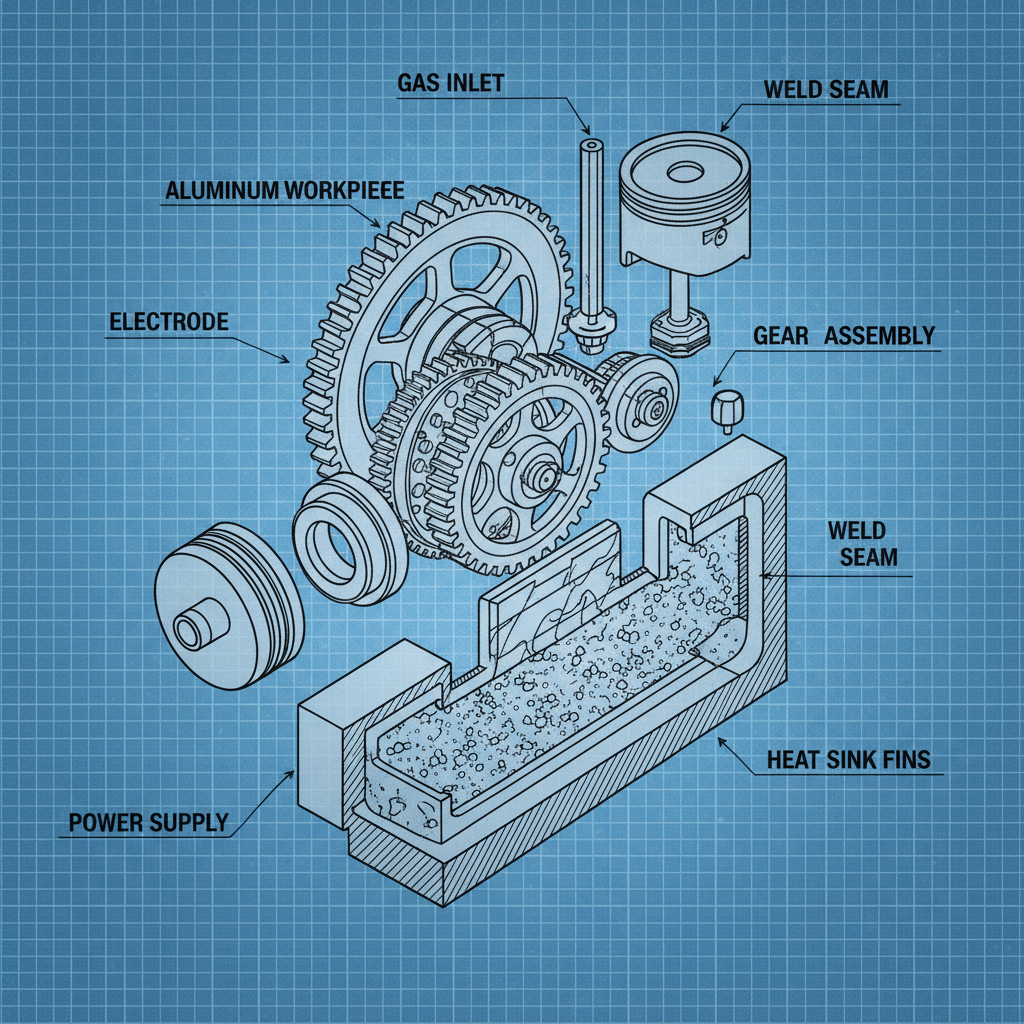
Understanding the Challenges of Welding Die Cast Aluminum
Die cast aluminum alloys often contain elements like silicon, magnesium, and copper, which can significantly impact weldability. These elements can lead to porosity, cracking, and reduced weld strength. Furthermore, die casting introduces internal stresses and potential gas entrapment, increasing the likelihood of weld defects. The presence of oxide layers on the aluminum surface also requires thorough cleaning before welding. Proper preparation, including cleaning and preheating, is essential for overcoming these challenges and achieving a sound weld. Utilizing the right filler metal is also critical for compatibility and strength.
Key Considerations: Proper surface preparation, selecting appropriate filler metals, and controlling heat input are vital for successful welding of die cast aluminum.
Common Welding Methods for Die Cast Aluminum
Several welding methods can be employed for die cast aluminum, each with its own advantages and disadvantages. Gas Tungsten Arc Welding (GTAW), also known as TIG welding, offers precise control and is ideal for intricate joints and thin materials. Gas Metal Arc Welding (GMAW), or MIG welding, is faster and more suitable for thicker sections and larger production runs. Friction Stir Welding (FSW) is a solid-state process that avoids melting the aluminum, minimizing distortion and improving weld strength – however, it requires specialized equipment. The choice of method depends on the specific application, material thickness, and desired weld quality. Hairun Sourcing offers expert guidance on selecting the optimal welding process for your needs.
Welding Method Comparison:
• GTAW (TIG): Precision, high quality, slower speed.
• GMAW (MIG): Faster, suitable for thicker sections, less precise.
• FSW: Solid-state, minimal distortion, requires specialized equipment.
A Comparative Look at Filler Metals for Welding Die Cast Aluminum
Selecting the appropriate filler metal is crucial for achieving a strong and corrosion-resistant weld. Common filler alloys include 4043, 5356, and 4047. 4043 is a popular choice for general-purpose welding, offering good fluidity and low cracking sensitivity. 5356 provides higher strength and corrosion resistance, making it suitable for structural applications. 4047 is often used for welding alloys containing magnesium. The compatibility of the filler metal with the base metal and the intended service conditions must be carefully considered. Contact Hairun Sourcing for expert recommendations on filler metal selection.
Best Practices for Successful Welding of Die Cast Aluminum
To minimize defects and ensure weld integrity, several best practices should be followed. Thoroughly clean the base metal to remove oil, grease, and oxide layers using a stainless steel brush or solvent cleaner. Preheating the aluminum can reduce thermal stress and improve weldability. Maintain a low heat input to avoid distortion and porosity. Utilize proper shielding gas, typically argon or argon-helium mixtures, to protect the weld pool from oxidation. Post-weld heat treatment can also relieve residual stresses and improve mechanical properties. Consistent adherence to these guidelines will significantly enhance the quality and reliability of your welds.
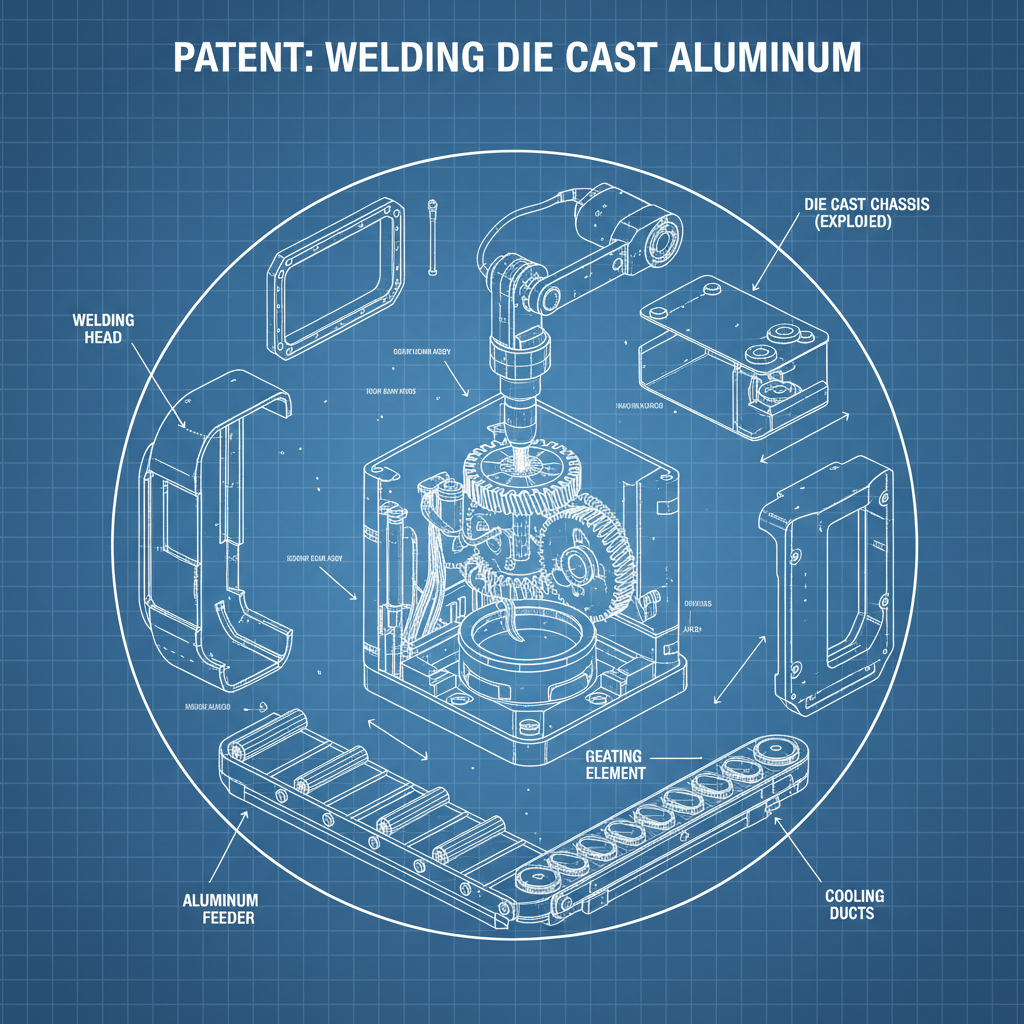
Conclusion: Mastering the Art of Welding Die Cast Aluminum
Welding die cast aluminum demands a meticulous approach and a thorough understanding of the material's unique characteristics. By employing the right techniques, selecting appropriate filler metals, and adhering to best practices, you can achieve strong, durable, and reliable welds. Hairun Sourcing is your trusted partner for navigating the complexities of aluminum welding, offering expert support and high-quality materials.
Frequently Asked Questions (FAQs)
What are the common defects encountered when welding die cast aluminum?
Common defects include porosity (gas bubbles in the weld), cracking (due to thermal stress or alloy composition), and lack of fusion (incomplete bonding between the base metal and filler metal). These defects can be minimized by ensuring proper surface preparation, controlling heat input, and selecting the appropriate filler metal. Preheating the aluminum can also reduce the risk of cracking. Careful inspection of the weld is crucial to identify and address any defects.
What shielding gas is best for welding die cast aluminum?
Argon is the most commonly used shielding gas for welding aluminum, providing excellent arc stability and preventing oxidation. However, for thicker sections, a mixture of argon and helium can improve weld penetration and heat input. The optimal gas composition depends on the welding process, material thickness, and desired weld characteristics. It’s essential to use high-purity shielding gas to avoid introducing contaminants into the weld pool.
Is post-weld heat treatment necessary for die cast aluminum welds?
Post-weld heat treatment is often recommended, particularly for critical applications or when welding alloys prone to cracking. Heat treatment can relieve residual stresses, improve ductility, and enhance the overall mechanical properties of the weld. The specific temperature and duration of the heat treatment will depend on the alloy composition and the desired outcome. Consult with a materials engineer or welding specialist to determine the appropriate heat treatment parameters.
What preheating temperature is recommended for welding die cast aluminum?
The recommended preheating temperature varies depending on the alloy composition and material thickness, but generally ranges from 150°C to 250°C (300°F to 480°F). Preheating reduces thermal stress, improves weldability, and minimizes the risk of cracking. Accurate temperature control is crucial to avoid overheating the aluminum, which can lead to distortion. Use a temperature indicating crayon or thermocouple to monitor the preheating temperature.
-
Guide to Anodizing Die Cast Aluminum for Industrial ExcellenceNewsApr.16,2026
-
High Quality Precision Aluminum Die Casting Components GuideNewsApr.09,2026
-
Comprehensive Guide to High Quality Aluminium Pressure Die Casting ProductsNewsApr.07,2026
-
Comprehensive Guide to Aluminium Pressure Die Casting Components and SolutionsNewsApr.04,2026
-
Comprehensive Guide to Aluminium HPDC Casting for Global SourcingNewsMar.31,2026
-
Comprehensive Guide to Precision Aluminium Die Castings and Manufacturing SolutionsNewsMar.28,2026