To be honest, the die casting world… it's been a whirlwind lately. Everyone's chasing magnesium alloys, you know? Lighter weight, good strength. But man, handling that stuff on site… it's like working with dust. Gets everywhere, smells a bit like burnt metal, and you gotta wear a respirator. Have you noticed everyone wants “near-net shape” these days? Less machining, saves money. Sounds good in the boardroom.
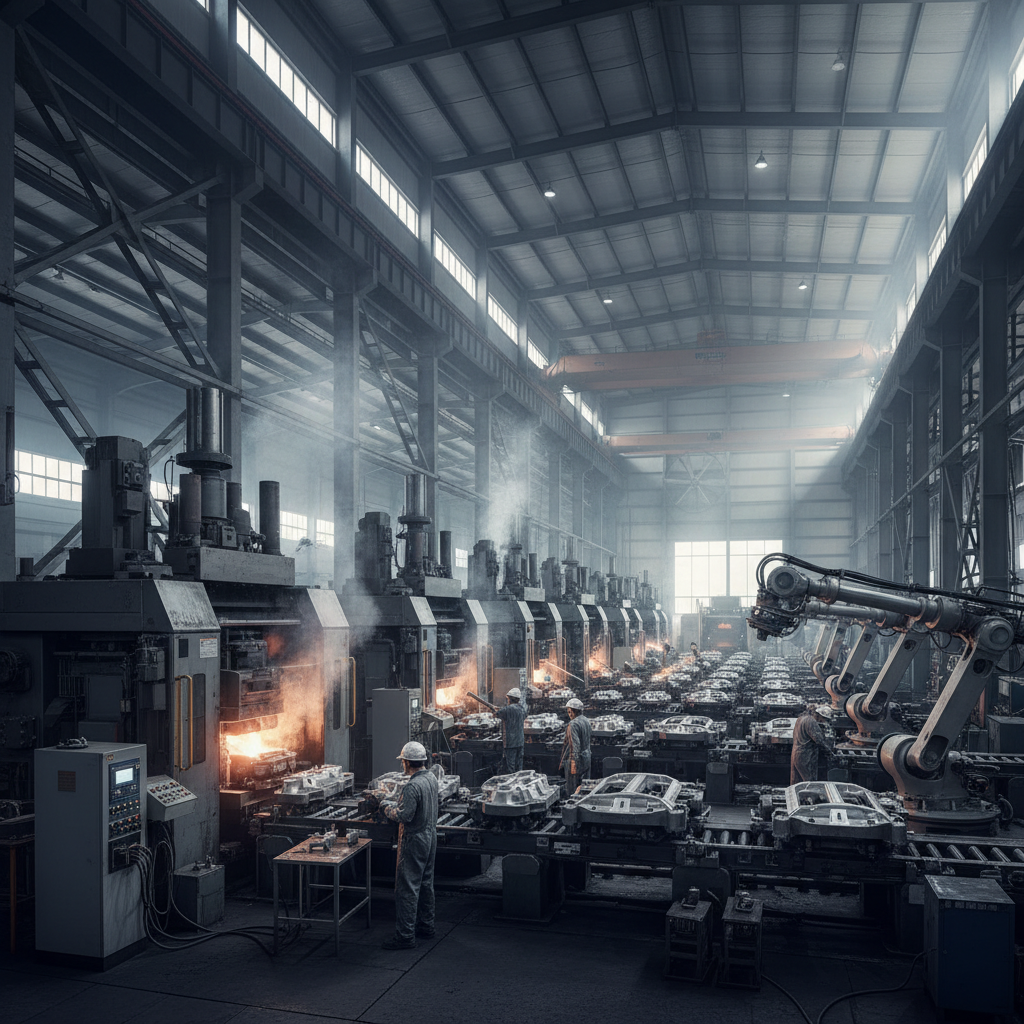
But what they don't tell you is getting that tight tolerance in the initial cast? That's where the real headaches begin. I encountered this at a factory in Ningbo last time – beautiful shop, all automated… but the rejection rate on those complex housings was through the roof. Too much stress in the mold, porosity, you name it. It’s always the details, isn’t it?
The Current Landscape of die casting parts manufacturers
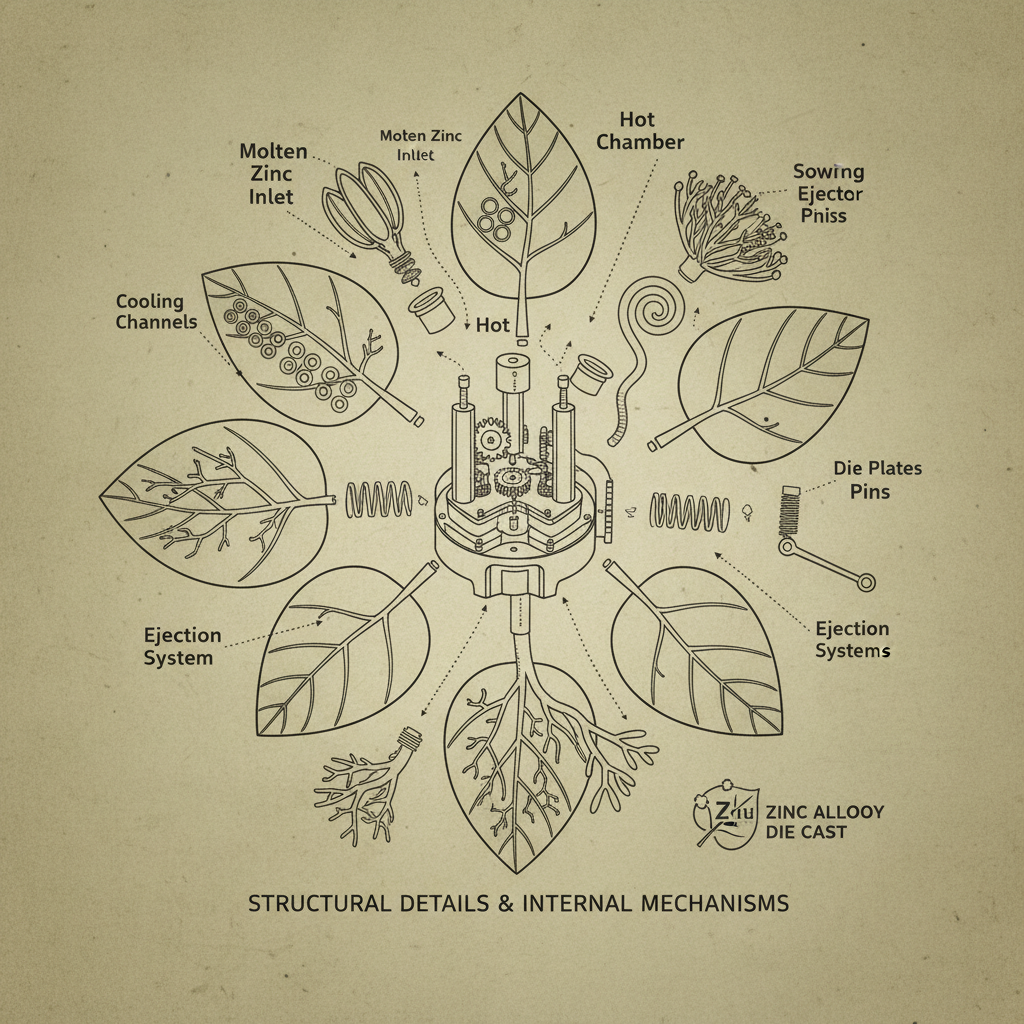
It’s all about speed and complexity now. Folks aren't just asking for simple brackets anymore; they need integrated cooling channels, thin walls, and undercuts. Strangely, everyone’s trying to go smaller and lighter. Automotive, aerospace, even those little drone guys… all demanding more from the die casting process. It puts a lot of pressure on the die makers, let me tell you.
And the global supply chain? Don’t even get me started. COVID, shipping costs, tariffs… it's a mess. Everyone's looking for diversification, trying to find reliable manufacturers outside of China. But that's easier said than done. Finding someone who can consistently deliver quality parts at a competitive price? That's the holy grail.
Design Pitfalls in die casting parts manufacturers
You’d be surprised how many engineers design parts without thinking about how they’ll actually be cast. Like, putting a hole right next to a thick wall? Guaranteed shrinkage issues. Or designing a complex geometry with tight radii? Forget it. The metal won’t flow properly. I always tell the designers, “Think about the mold filling process!” They usually give me a blank stare.
Another big one is draft angles. People forget about them, and then you’re stuck trying to knock the part out of the mold with a hammer. Not fun. And undercuts… yeah, those are always trouble. You need sliding cores, which add cost and complexity. Anyway, I think a good rule of thumb is to keep things as simple as possible.
And don't even think about sharp internal corners. They create stress concentrations, and those parts will crack sooner or later.
Materials Used in die casting parts manufacturers
Zinc. That’s the workhorse. Relatively cheap, easy to cast, good corrosion resistance. Smells a bit funky when it’s molten, though. Aluminum, of course, is huge. Lightweight, strong, and good for heat dissipation. But it requires higher pressures and temperatures, so your tooling costs go up. Magnesium… that’s the fancy stuff. Lightest of the bunch, but it's also brittle and prone to corrosion if you don’t treat it right.
And the alloys… oh boy. Each one has its own quirks. Some are better for high-strength applications, others are better for corrosion resistance. You gotta know your stuff. I remember one time, we were using the wrong alloy for a marine application, and the parts started corroding within weeks. A costly mistake.
We're starting to see more titanium alloys, especially in aerospace. It's expensive, yeah, but the strength-to-weight ratio is incredible. It’s a nightmare to work with, though. Requires special tooling and atmospheres. And the scrap rate is high. You need skilled operators for that stuff. To be honest, it’s not for the faint of heart. It’s a bit like coaxing a wild animal.
Testing Procedures for die casting parts manufacturers
Labs are fine for basic stuff – tensile strength, hardness, chemical composition. But the real test is how it holds up in the field. We do a lot of drop tests, vibration tests, and corrosion tests. I once saw a part fail a vibration test after only a few hours. Turns out, there was a microscopic crack in the casting. We wouldn’t have caught it with a visual inspection.
We also do pressure tests, especially for parts that are going to be used in hydraulic systems. You crank up the pressure until something breaks. It’s not pretty, but it’s effective. And we’ve started using X-ray inspection more and more to detect internal defects. It’s expensive, but it’s worth it if you’re dealing with critical components.
Testing Metrics for die casting parts manufacturers
Real-World Applications of die casting parts manufacturers
Automotive, obviously. Engine blocks, transmission housings, suspension components… tons of stuff. Aerospace, too. Those complex brackets and housings for avionics systems? Usually die cast. Electronics – connectors, housings, heat sinks. And consumer products – everything from power tools to washing machines. You name it, there’s probably a die casting part in it.
I even saw them using die castings in those electric scooters now. Lightweight and strong, perfect for that application. And the medical industry – surgical instruments, equipment housings. They're demanding really high precision and quality control for those.
Advantages and Disadvantages of die casting parts manufacturers
Advantages? Speed, volume, complexity. You can crank out thousands of parts per hour with a well-tuned die casting machine. And you can create really complex geometries that would be impossible to machine. It’s good for high volume, complex shape production.
But it’s not a silver bullet. Tooling costs are high. And you're limited by the material choices. And porosity can be a problem, especially with aluminum. Plus, if you need to make changes to the design, you have to modify the die, which can be expensive and time-consuming. It’s not ideal for low-volume prototyping.
Customization Options for die casting parts manufacturers
You can customize pretty much anything – alloy composition, surface finish, features like threaded holes and bosses. Last month, that small boss in Shenzhen who makes smart home devices insisted on changing the interface to , and the result was a three-week delay getting the molds adjusted! He was adamant. Said his customers demanded it. Sometimes you just gotta roll with it.
We can also do things like insert molding – overmolding a plastic component onto a die cast part. That’s getting popular for things like handles and grips. And we can add coatings to improve corrosion resistance or wear resistance. The possibilities are pretty endless, really.
Summary of Key Considerations for Die Casting Customization
| Alloy Choice |
Surface Treatment |
Feature Integration |
Dimensional Tolerances |
| Zinc alloys for detail, Aluminum for light weight |
Powder coating for corrosion |
Internal Threads, Bosses, Ribs |
+/-0.1mm standard |
| Magnesium alloys for low density |
Anodizing for hardness |
Heat Inserts, Cooling Channels |
+/-0.05mm with tight tooling |
| Aluminum-Silicon for high temp |
Chrome Plating for wear |
Undercuts with Slide Cores |
+/-0.02mm requires specialized process |
| A380 Alloys - Commonly used |
Electrophoretic Coating for even coverage |
Textured Surfaces |
Achieving tight tolerances is expensive |
| Die Casting Alloy Selection |
Surface Finish Options |
Integrated Design Elements |
Precision and Cost Trade-Offs |
| Material Properties Matter |
Protection and Aesthetics |
Functional Enhancements |
Balancing Quality and Budget |
FAQS
Generally, you're looking at 4-8 weeks for a simple mold, but complex designs can easily take 12 weeks or more. It depends on the complexity of the part, the availability of the die makers, and how quickly you can approve the design and material selection. Honestly, the approval process is where most delays happen. Everyone wants to tweak something.
It varies a lot, but typically you need to order at least a few hundred parts to make it economically viable. The tooling costs are so high that you need a decent volume to spread those costs out. Smaller quantities are possible, but the unit price will be significantly higher. Unless it's a very simple part, forget about getting a run of 50.
Porosity is the bane of our existence. You can minimize it by controlling the casting temperature, the injection pressure, and the mold design. Good venting is critical – you need to allow the air to escape as the molten metal fills the mold. And make sure your alloy is clean and dry. Moisture is a big problem.
Lots of options. Powder coating is popular for durability and corrosion resistance. Anodizing is good for aluminum. We can also do plating, painting, and even polishing. The best finish depends on the application and the desired aesthetic. And of course, the budget!
Die casting is best for high volumes and complex shapes. Sand casting is cheaper for low volumes, but the surface finish isn’t as good. Investment casting is great for very intricate parts, but it's even more expensive than die casting. It really depends on your specific needs.
Ignoring draft angles. Seriously. People get so focused on the function of the part that they forget about how it’s going to be made. And then they're surprised when the part sticks in the mold. Always, always, always consider the draft angles.
Conclusion
So, yeah, die casting. It’s a complex process, full of pitfalls and headaches. But when it’s done right, it’s a fantastic way to produce high-quality, complex parts at scale. It's a cornerstone of modern manufacturing, and it's constantly evolving with new materials and technologies.
Ultimately, whether this thing works or not, the worker will know the moment he tightens the screw. If it feels solid, if it fits right, if it doesn’t crack… then you know you’ve got a good part. And that's what really matters, isn’t it? Now, if you’ll excuse me, I’ve got a factory visit to make.