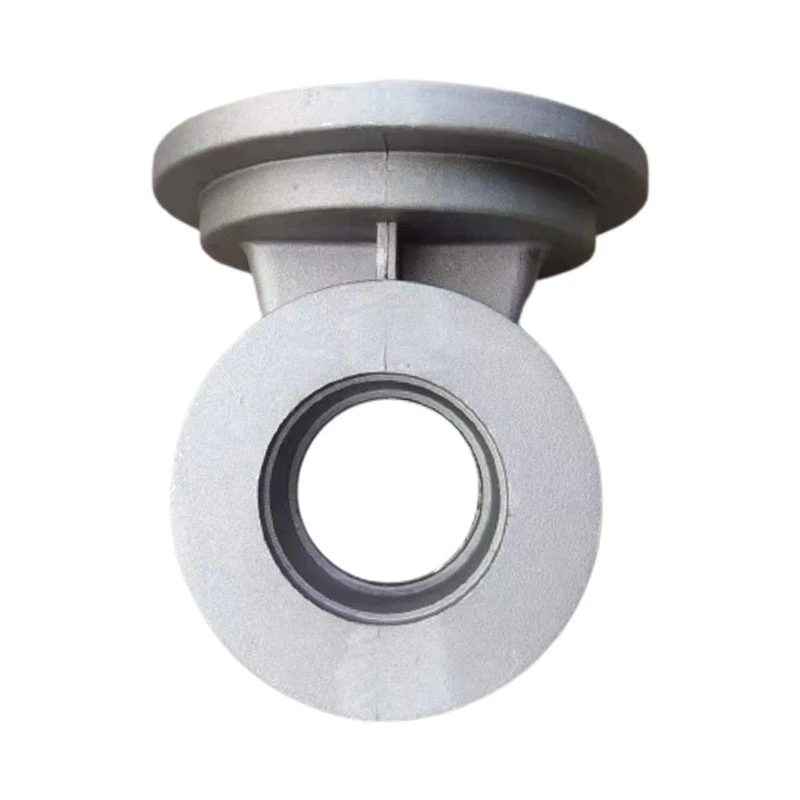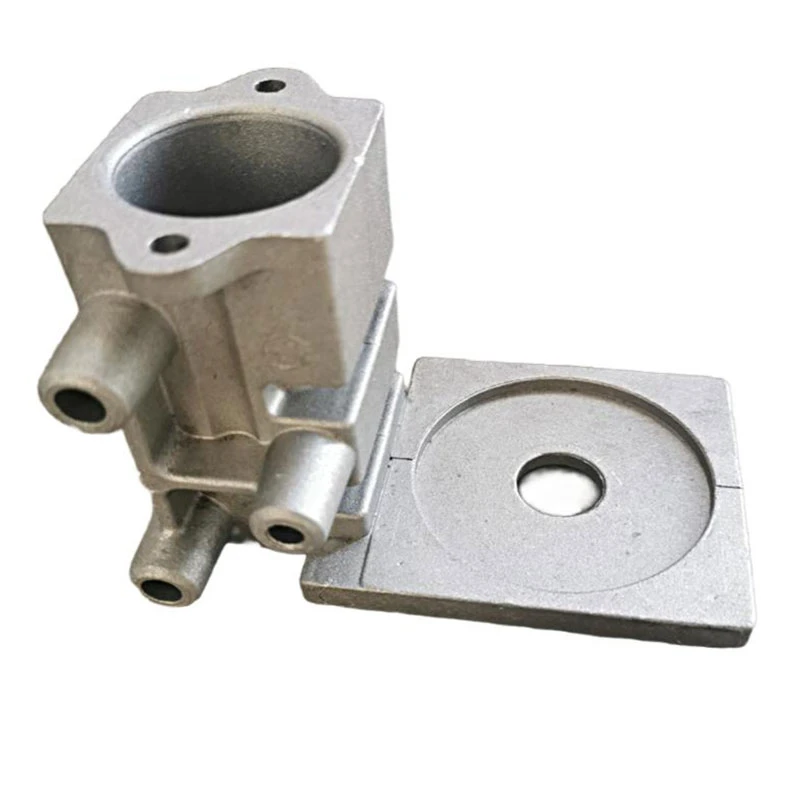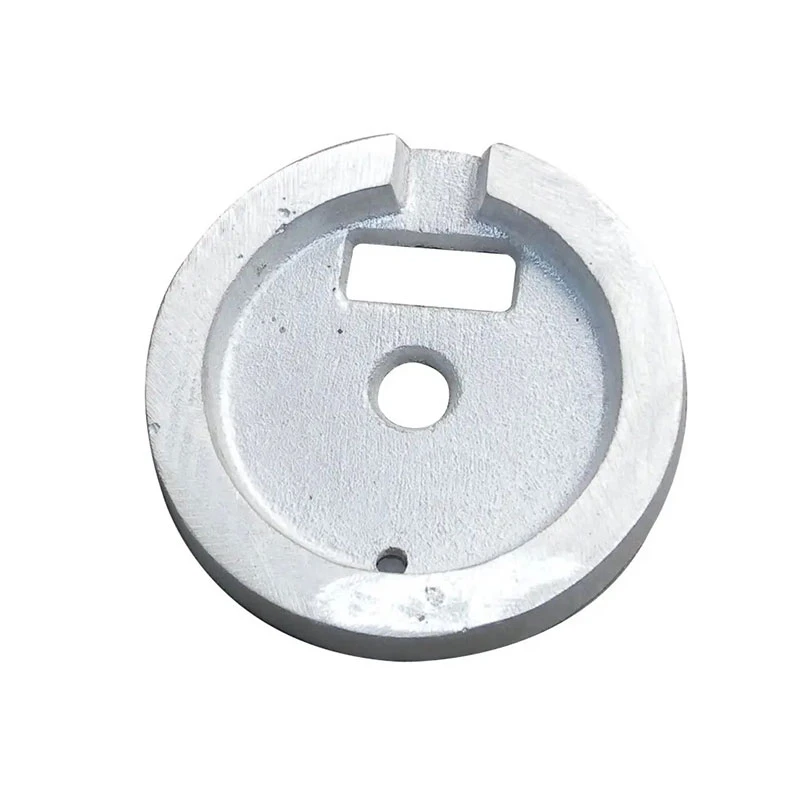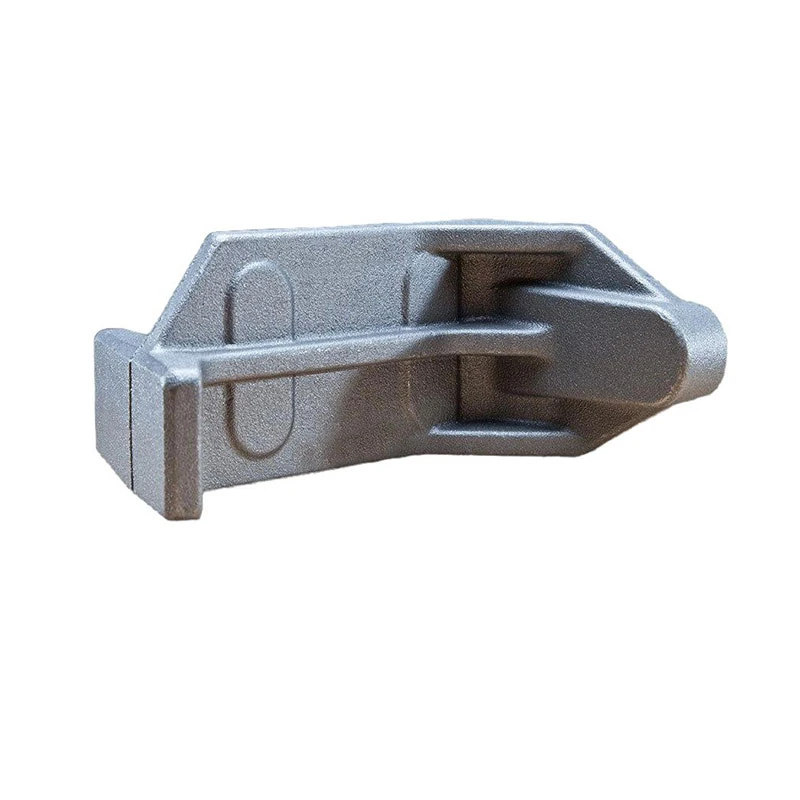



Comprehensive Guide to Successfully Welding Die Cast Metal Components
Welding Die Cast Metal: A Comprehensive Guide
Welding die cast metal presents unique challenges and requires specific techniques compared to welding more common metals. Die casting alloys, typically zinc, aluminum, or magnesium, offer advantages in production but demand careful consideration during the welding process. This article delves into the complexities of welding die cast metal, covering alloy types, common issues, preparation techniques, suitable welding methods, and post-weld procedures. Understanding these aspects is crucial for achieving strong, durable, and reliable welds in die cast components. We will also explore why choosing a reputable sourcing partner like Hairun Sourcing can provide high-quality components for successful welding applications.
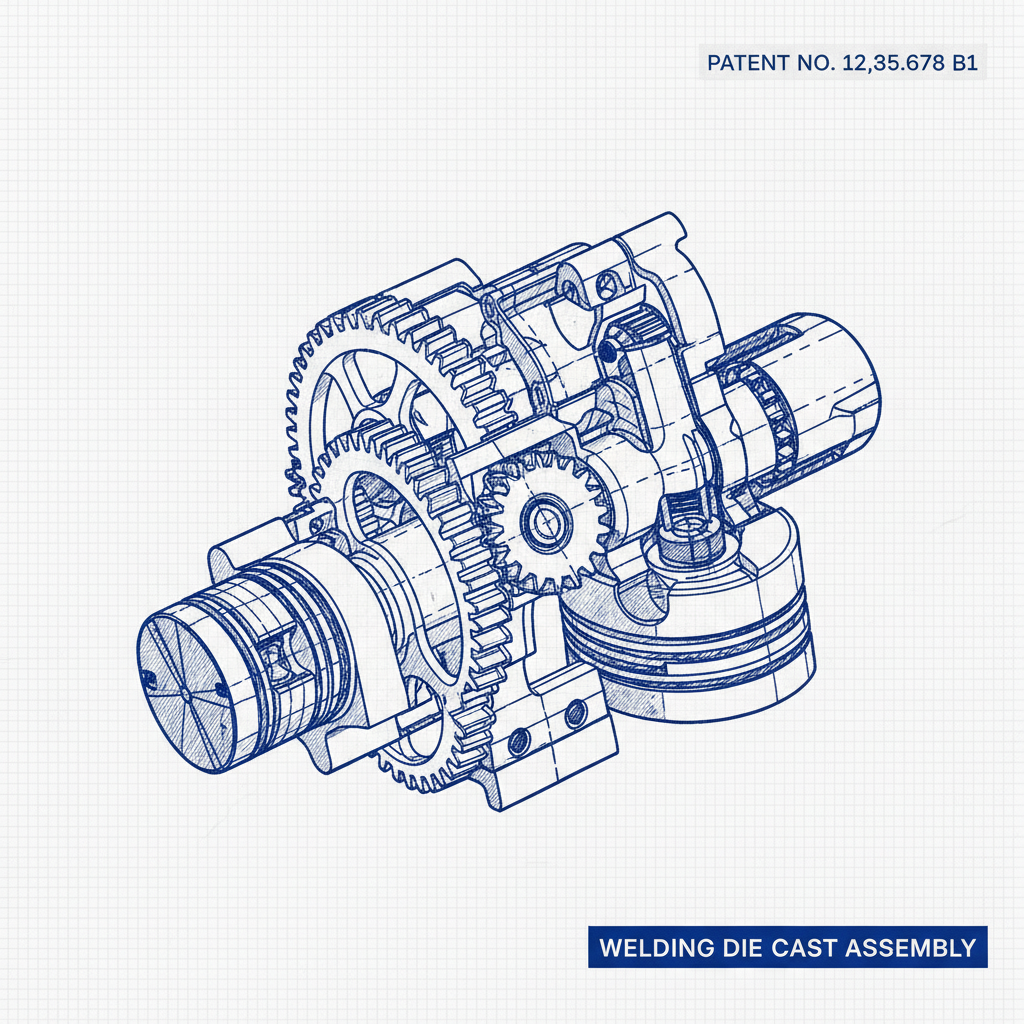
Understanding Die Cast Alloys and Their Weldability
Die cast alloys aren’t created equal. Their weldability varies significantly based on composition. Aluminum die casts (typically A380, ADC12) generally offer better weldability than zinc (Zamak alloys) or magnesium alloys. Zinc alloys are often challenging due to their low melting point and porosity. Magnesium alloys require specialized techniques to avoid oxidation and embrittlement. The presence of silicon in aluminum alloys can also influence weld quality. Prior to welding, it is essential to identify the specific alloy composition to select the appropriate welding procedure and filler metal. Hairun Sourcing provides detailed material specifications for all die cast components, aiding in successful weld preparation.
Key Considerations: Alloy identification is the first and most important step. Understanding the specific alloy composition dictates the best welding method, filler metal, and post-weld treatment.
Common Challenges in Welding Die Cast Metal
Several challenges are inherent in welding die cast metals. Porosity is a significant issue, as die casting often traps air bubbles within the material. This porosity can lead to weak welds and potential cracking. The high zinc content in some alloys can cause “zinc pest,” a form of corrosion that weakens the material over time. Furthermore, die cast alloys typically have a higher coefficient of thermal expansion than steel, leading to increased distortion during welding. Finally, the presence of dissimilar metals in the assembly can create galvanic corrosion issues. Careful planning and execution are vital to mitigate these challenges.
Common Welding Challenges:
• High Porosity
• Zinc Pest (in zinc alloys)
• High Thermal Expansion & Distortion
• Potential Galvanic Corrosion
Optimal Preparation Techniques for Welding Die Cast Metal
Proper preparation is paramount for successful welding die cast metal. Begin by thoroughly cleaning the welding area to remove any oil, grease, dirt, or oxide layers. Mechanical cleaning (grinding, brushing) is often preferred over chemical cleaning to avoid introducing contaminants. V-grooving the joint can improve penetration and weld strength, especially for thicker sections. Preheating the base metal can help reduce thermal shock and minimize distortion. If possible, evacuation of the die casting may reduce the porosity. Ensuring a clean and properly prepared joint is critical for achieving a sound weld.
Suitable Welding Methods for Die Cast Alloys
Several welding methods can be used for die cast alloys, each with its pros and cons. Gas Metal Arc Welding (GMAW/MIG) is commonly used for aluminum die casts, offering good control and deposition rates. Gas Tungsten Arc Welding (GTAW/TIG) provides even greater precision and is suitable for thinner sections and more intricate welds. Brazing is also an option, particularly for joining dissimilar metals or when a lower temperature process is required. The selection of the welding method depends on the alloy type, joint geometry, and desired weld quality. Choosing the correct filler metal is equally crucial. For aluminum alloys, aluminum-silicon fillers are generally preferred.
Post-Weld Procedures and Inspection
Post-weld heat treatment can sometimes be beneficial to relieve stresses and improve mechanical properties. However, it must be carefully controlled to avoid damaging the alloy. Thorough inspection of the weld is crucial to identify any defects, such as porosity, cracks, or incomplete fusion. Non-destructive testing methods, like visual inspection, dye penetrant testing, and radiography, can be used to assess weld quality. Hairun Sourcing offers quality control services to ensure all components meet stringent requirements before and after welding.
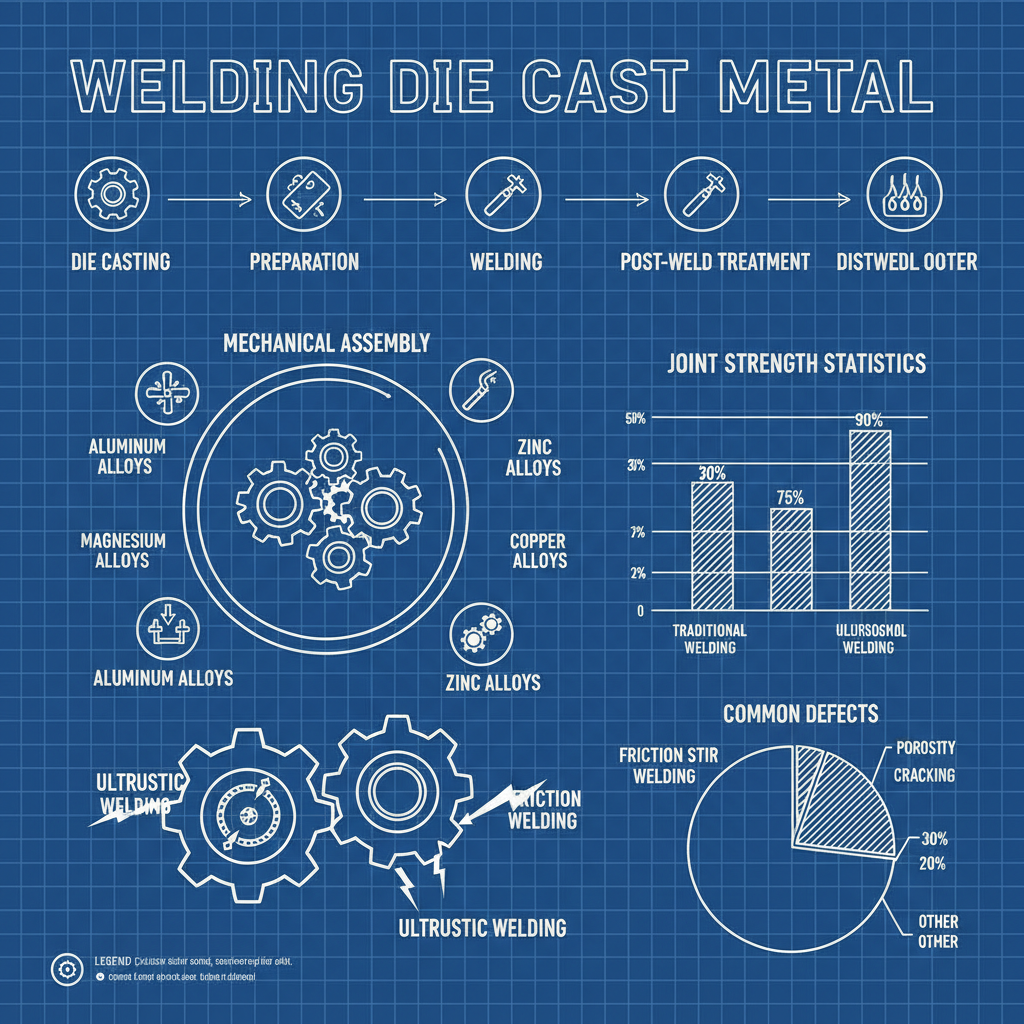
Conclusion: Mastering the Art of Welding Die Cast Metal
Successfully welding die cast metal requires a thorough understanding of the alloy, proper preparation, the right welding method, and meticulous inspection. By addressing the challenges and following best practices, robust and reliable welds can be achieved. Partnering with a trusted sourcing partner like Hairun Sourcing ensures the delivery of high-quality die cast components, paving the way for successful welding applications and durable finished products.
Frequently Asked Questions (FAQs)
What filler metals are best for welding aluminum die casts?
Aluminum-silicon alloys (e.g., 4043, 4047) are commonly used as filler metals for welding aluminum die casts. These fillers offer good fluidity and compatibility with the base metal, resulting in strong and ductile welds. The specific alloy selection depends on the exact composition of the die cast and the desired weld properties. It's important to consult with a welding expert to determine the optimal filler metal for your application. Using the wrong filler metal can lead to cracking or reduced weld strength. Choosing a filler metal compatible with the base metal's composition is paramount.
How can I minimize porosity in welds on die cast alloys?
Minimizing porosity requires careful attention to several factors. Thoroughly cleaning the welding area to remove contaminants is essential. Preheating the base metal can help reduce the risk of gas entrapment. Using a shielding gas with the correct flow rate is crucial. Employing techniques like pulse welding can also help reduce porosity. In some cases, evacuation of the die casting prior to welding can significantly reduce the amount of trapped air. Properly prepared joints and controlled welding parameters are key to minimizing porosity and achieving sound welds.
Is post-weld heat treatment necessary for die cast welds?
Post-weld heat treatment is not always necessary, but it can be beneficial in certain cases. It can help relieve residual stresses introduced during welding, which can improve the weld's resistance to cracking. However, it's important to control the heat treatment process carefully to avoid damaging the alloy or altering its properties. The specific heat treatment parameters will depend on the alloy composition and the desired outcome. Consulting with a metallurgist or welding engineer is recommended to determine if post-weld heat treatment is appropriate for your application.
What are the signs of zinc pest in welded die cast zinc alloys?
Zinc pest manifests as a powdery or spongy deterioration of the die cast alloy, typically around weld seams or areas of stress concentration. The affected areas may appear greyish or white and become brittle. Zinc pest is caused by the formation of zinc-aluminum intermetallic compounds, which are prone to corrosion. Early detection is crucial to prevent further damage. If zinc pest is suspected, the affected component should be inspected by a metallurgist. Using protective coatings or selecting alloys with lower zinc content can help prevent zinc pest.
-
Guide to Anodizing Die Cast Aluminum for Industrial ExcellenceNewsApr.16,2026
-
High Quality Precision Aluminum Die Casting Components GuideNewsApr.09,2026
-
Comprehensive Guide to High Quality Aluminium Pressure Die Casting ProductsNewsApr.07,2026
-
Comprehensive Guide to Aluminium Pressure Die Casting Components and SolutionsNewsApr.04,2026
-
Comprehensive Guide to Aluminium HPDC Casting for Global SourcingNewsMar.31,2026
-
Comprehensive Guide to Precision Aluminium Die Castings and Manufacturing SolutionsNewsMar.28,2026