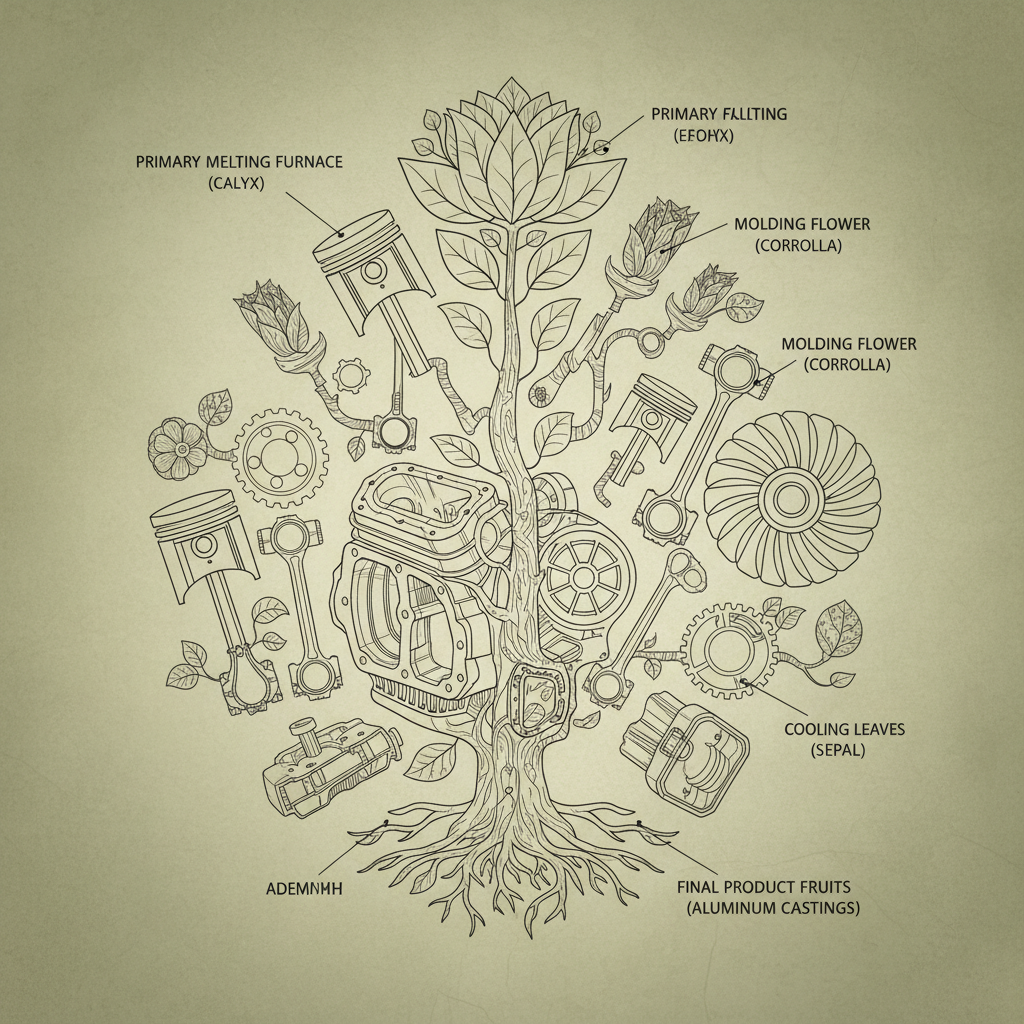
Zinc parts manufacturing is a crucial element in a vast array of industries globally, impacting everything from automotive and construction to electronics and healthcare. As global demand for durable and corrosion-resistant materials continues to rise, the role of a reliable zinc parts manufacturer becomes increasingly vital. Understanding the nuances of this industry—from die casting to surface treatments—is essential for businesses seeking quality components and cost-effective solutions.
The global zinc market is experiencing sustained growth, driven by infrastructural development in emerging economies and the increasing need for protective coatings in various applications. Data from the International Lead and Zinc Study Group (ILZSG) indicates consistent demand, fueled by the automotive sector’s need for high-strength, corrosion-resistant parts. A significant challenge in the supply chain, however, lies in ensuring consistent quality and timely delivery—a challenge that experienced zinc parts manufacturers are equipped to address.
Ultimately, sourcing high-quality zinc parts efficiently isn't merely about procuring materials; it's about securing a competitive advantage. A skilled zinc parts manufacturer offers not just components, but also expertise in design optimization, material selection, and process control, ensuring that end products meet rigorous performance standards and regulatory requirements.
The Importance of Zinc Parts Manufacturing
The manufacturing of zinc parts plays an integral role in ensuring the longevity and reliability of countless products across diverse sectors. Zinc’s inherent properties – notably its excellent corrosion resistance – make it an ideal material for protecting underlying metals like steel and iron. This protective capability significantly extends the lifespan of components, reducing maintenance costs and enhancing overall product performance.
Effective zinc parts manufacturers don’t just produce components; they provide solutions. This includes offering various finishing options, like powder coating or plating, tailored to specific application requirements and environmental conditions. This proactive approach to material science and engineering is what sets leading manufacturers apart.
Defining a Zinc Parts Manufacturer
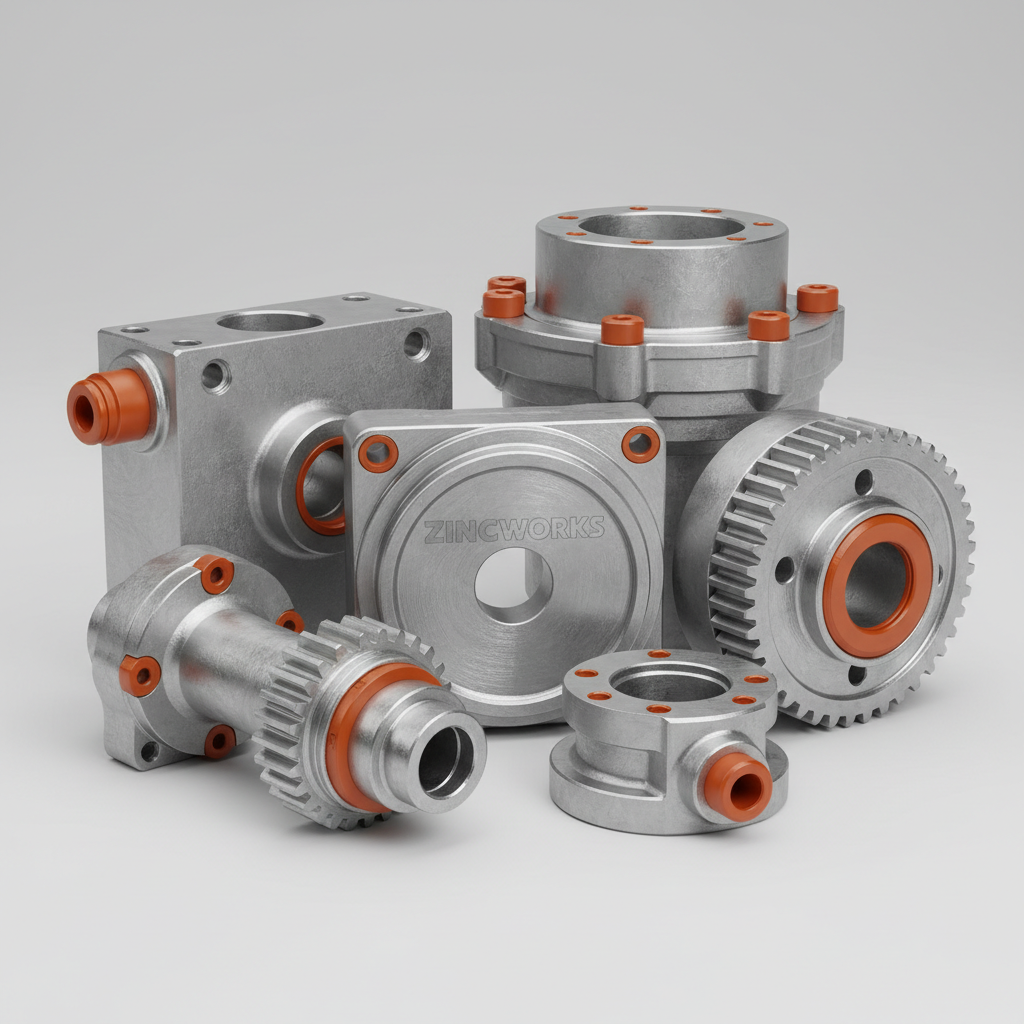
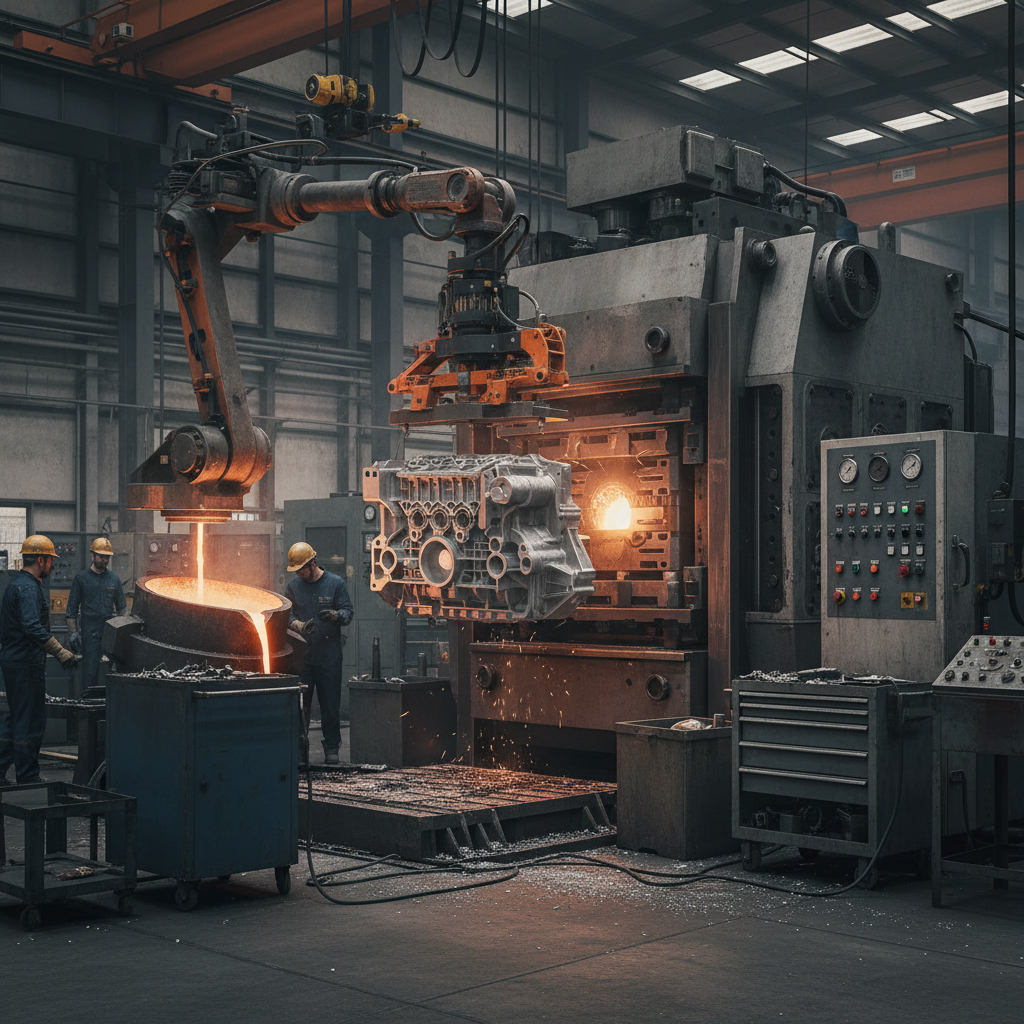
A zinc parts manufacturer is a company specializing in the fabrication of components using zinc alloys or applying zinc coatings to other materials. These manufacturers typically employ processes like die casting, sand casting, investment casting, and electroplating to create a wide range of parts with varying complexities and specifications. Their expertise extends beyond simply shaping the metal to include material selection, mold design, and quality control.
These manufacturers serve as vital links in the supply chains of numerous industries, including automotive, aerospace, construction, electronics, and consumer goods. Their ability to consistently produce high-precision, durable components is critical for the functionality and safety of end products. Many zinc parts manufacturers also offer value-added services such as machining, finishing, and assembly.
The modern zinc parts manufacturer integrates advanced technologies, like CAD/CAM software and automated production lines, to enhance efficiency, reduce costs, and improve accuracy. A commitment to innovation and continuous improvement is therefore fundamental to success in this competitive landscape.
Core Capabilities of Zinc Parts Manufacturers
A reputable zinc parts manufacturer possesses a comprehensive set of core capabilities. This includes proficiency in various casting methods – die casting being particularly prominent for high-volume production of complex shapes – as well as expertise in different finishing techniques. Effective material management, capable of handling different zinc alloys (like Zamak) based on project needs, is also vital.
Furthermore, strong engineering and design support are crucial. Manufacturers must be able to collaborate with clients to optimize part designs for manufacturability, cost-effectiveness, and performance. This often involves utilizing simulation software to identify potential issues early in the development process. Quality control measures, including dimensional inspections, material analysis, and non-destructive testing, are essential to ensure adherence to stringent standards.
Finally, efficient supply chain management and logistics are paramount. The ability to source raw materials reliably, manage production schedules effectively, and deliver finished parts on time and within budget is a hallmark of a successful zinc parts manufacturer.
Key Performance Indicators for Zinc Parts Manufacturing
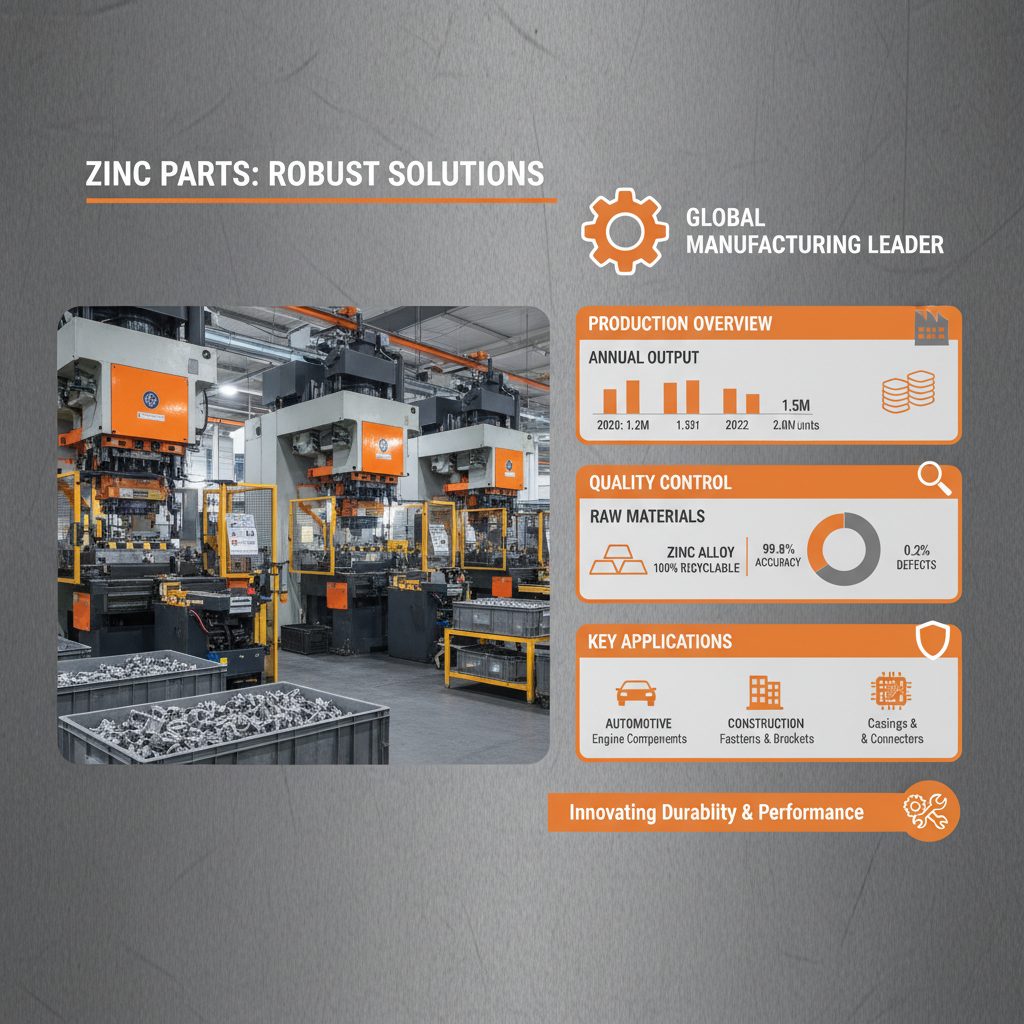
Measuring performance is critical for a zinc parts manufacturer to maintain competitiveness and meet customer expectations. Several key performance indicators (KPIs) are used to assess operational efficiency and product quality. These aren’t simply numerical values, but signals reflecting continuous improvement.
These KPIs should be closely monitored and analyzed. Areas where KPIs fall short can reveal bottlenecks in the production process or areas where investments in technology or training are needed. A data-driven approach to performance management allows manufacturers to proactively address challenges and optimize their operations.
Zinc Parts Manufacturer Performance Metrics
Global Applications and Industry Impact
The applications of zinc parts are incredibly diverse. In the automotive industry, they’re used extensively in carburetor components, fuel pumps, and various structural parts due to zinc’s resistance to corrosion and wear. The electronics sector leverages zinc alloys for connectors, shielding, and battery terminals.
Construction relies on zinc coatings for galvanized steel, protecting it from rust and extending its service life in bridges, buildings, and infrastructure projects. Even in consumer goods, zinc parts are found in zippers, door handles, and plumbing fixtures. This widespread use demonstrates the fundamental role of zinc parts manufacturers in supporting global industries.
Advantages of Partnering with a Zinc Parts Manufacturer
Partnering with a specialized zinc parts manufacturer offers numerous benefits. First, expertise in zinc alloys and manufacturing processes ensures high-quality components tailored to specific application needs. Second, economies of scale often result in cost savings compared to in-house production or sourcing from general metal fabricators.
Third, access to advanced technologies and capabilities, like rapid prototyping and surface treatments, can accelerate product development and improve performance. Finally, a reliable manufacturer provides supply chain stability, reducing the risk of disruptions and ensuring timely delivery of critical components.
This dedicated focus on zinc parts allows for continuous refinement of processes and a deeper understanding of material properties, ultimately benefiting the client.
Future Trends in Zinc Parts Manufacturing
Several trends are shaping the future of zinc parts manufacturing. Increasing demand for lightweight materials is driving innovation in zinc alloy development, with a focus on enhancing strength-to-weight ratios. Automation and robotics are being integrated into production lines to improve efficiency, reduce labor costs, and enhance precision.
Sustainability is another key driver, with manufacturers exploring environmentally friendly manufacturing processes and recycling initiatives. Furthermore, the rise of Industry 4.0 technologies, like the Internet of Things (IoT) and data analytics, is enabling real-time monitoring of production processes and predictive maintenance, optimizing performance and minimizing downtime.
These innovations will enable zinc parts manufacturers to meet the evolving needs of industries and deliver even greater value to their customers.
Summary of Future Trends in Zinc Parts Manufacturing
| Trend |
Impact on Manufacturing |
Expected Implementation Timeline |
Investment Required |
| Lightweight Zinc Alloys |
Improved fuel efficiency in automotive applications; Enhanced performance in aerospace. |
2-5 years |
Medium |
| Automation & Robotics |
Increased production speed; Reduced labor costs; Enhanced precision. |
Ongoing |
High |
| Sustainable Manufacturing |
Reduced environmental impact; Improved brand reputation; Compliance with regulations. |
3-7 years |
Medium |
| Industry 4.0 Integration |
Real-time monitoring; Predictive maintenance; Optimized production. |
Ongoing |
Medium to High |
| Additive Manufacturing (3D Printing) |
Rapid prototyping; Creation of complex geometries; Reduced material waste. |
5-10 years |
High |
| Advanced Surface Treatments |
Enhanced corrosion resistance; Improved wear resistance; Specialized coatings. |
2-3 years |
Low to Medium |
FAQS
Zinc alloys offer a compelling combination of properties, including excellent corrosion resistance, high dimensional stability, and good castability. They’re also relatively lightweight and cost-effective compared to materials like aluminum or stainless steel. This makes them ideal for a wide range of applications where durability, performance, and affordability are paramount. Furthermore, zinc is a readily available resource, contributing to a more sustainable supply chain.
A reputable zinc parts manufacturer employs a rigorous quality control system throughout the entire production process. This includes raw material inspection, in-process dimensional checks, surface finish evaluations, and final product testing. They adhere to industry standards like ISO 9001 and utilize techniques like X-ray inspection and non-destructive testing to identify any defects. Statistical process control (SPC) is also used to monitor and improve consistency.
The lead time for a custom zinc part order varies depending on the complexity of the part, the quantity required, and the manufacturer’s current production schedule. Typically, it ranges from 4 to 8 weeks. Rapid prototyping services can reduce the initial development time significantly. Providing a detailed design and specifications upfront will help expedite the process and ensure accurate quoting and delivery.
A variety of surface treatments can be applied to zinc parts to enhance their properties. Common options include powder coating for improved corrosion resistance and aesthetics, electroplating with nickel or chrome for increased hardness and wear resistance, and passivation to create a protective film. The choice of surface treatment depends on the specific application requirements and the desired level of protection.
Most zinc parts manufacturers accept a wide range of file formats for designs, including 2D drawings in formats like DXF and DWG, and 3D models in formats like STEP, IGES, and STL. SolidWorks, AutoCAD, and other CAD software files are also commonly accepted. Providing files in a native CAD format can often streamline the design process and minimize potential errors.
Yes, many zinc parts manufacturers offer prototyping services for small batch production. This allows you to test the design and functionality of your parts before committing to a large-scale production run. Prototyping methods may include 3D printing, soft tooling, or short-run die casting. This is a valuable step in the product development process, helping to identify and resolve potential issues early on.
Conclusion
In conclusion, the role of a specialized zinc parts manufacturer is increasingly vital in supporting a diverse range of global industries. Their expertise in materials science, manufacturing processes, and quality control ensures the delivery of durable, reliable, and cost-effective components. From automotive and construction to electronics and consumer goods, zinc parts play a crucial role in enhancing product performance and extending lifespan.
Looking ahead, continued innovation in zinc alloy development, automation, and sustainable manufacturing practices will further enhance the value proposition of these manufacturers. Partnering with a forward-thinking zinc parts manufacturer is not merely a sourcing decision—it’s a strategic investment in quality, reliability, and long-term success. Visit our website: www.hairunsourcing.com