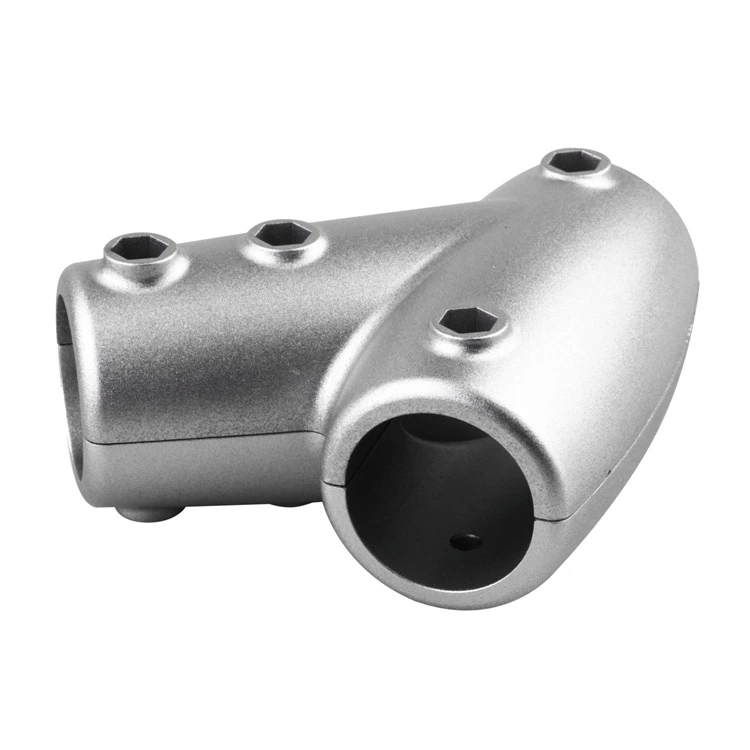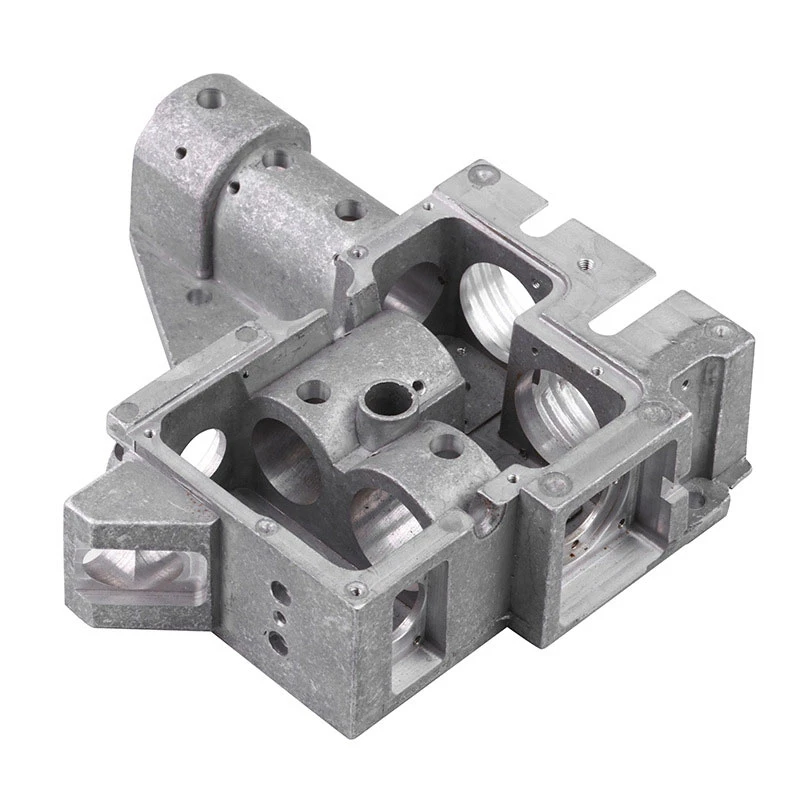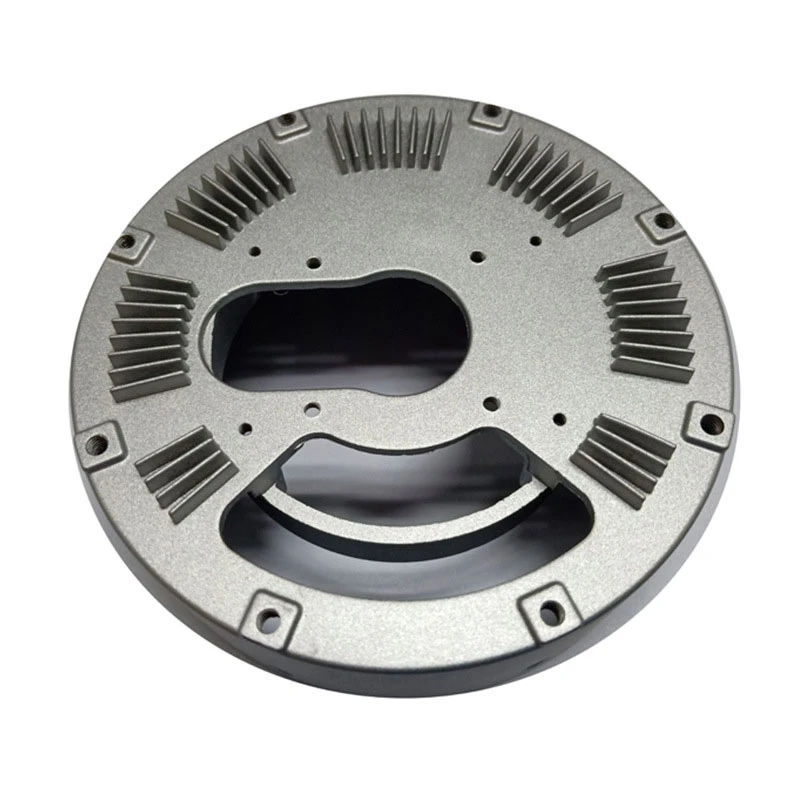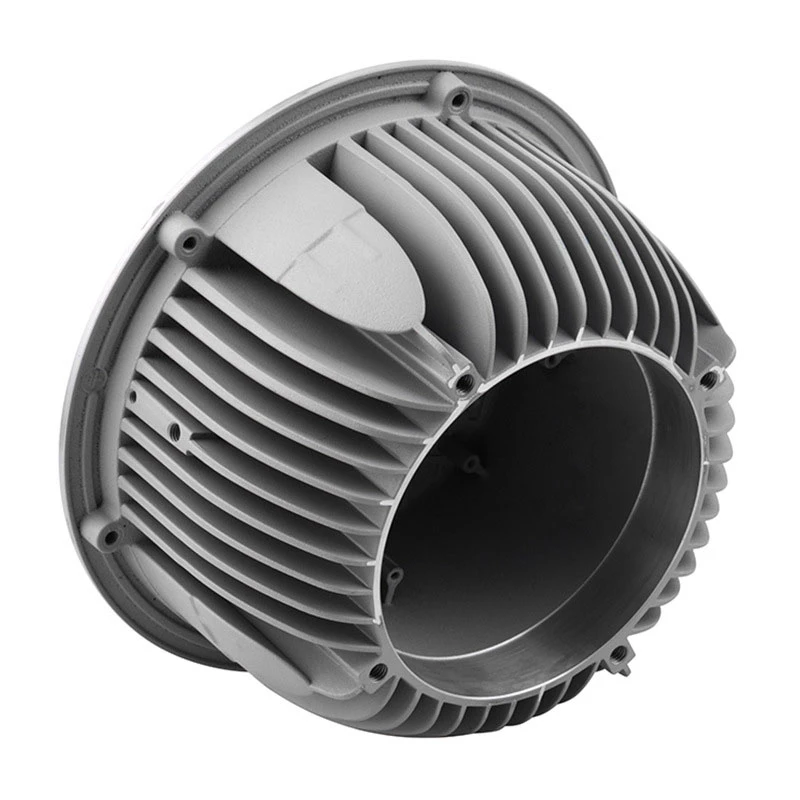



Comprehensive Guide to Precision Cast Products: Benefits, Applications & Trends
Precision Cast Products: What They Are and Why They Matter Globally
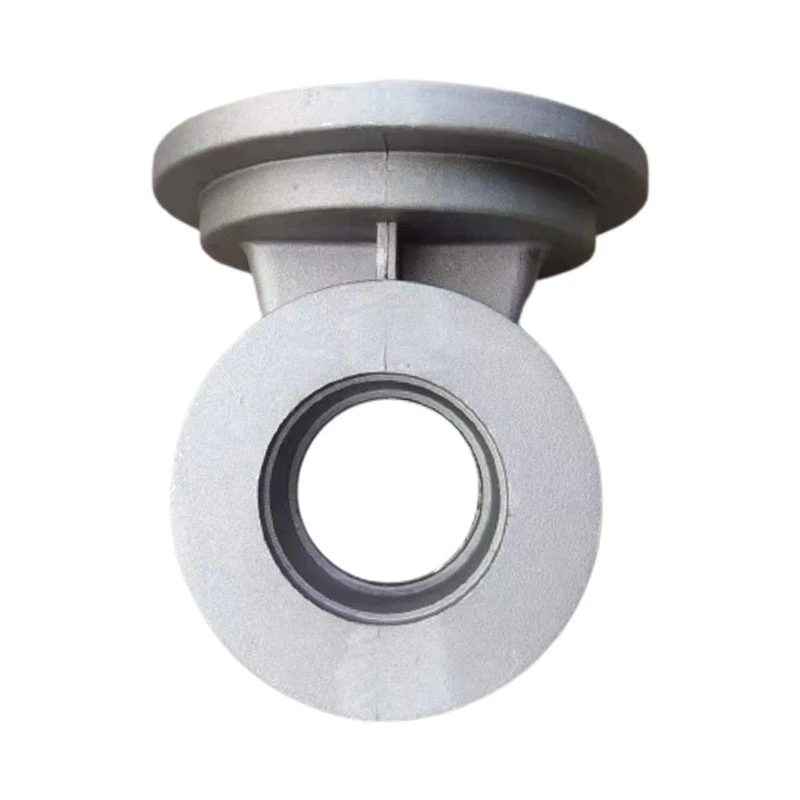
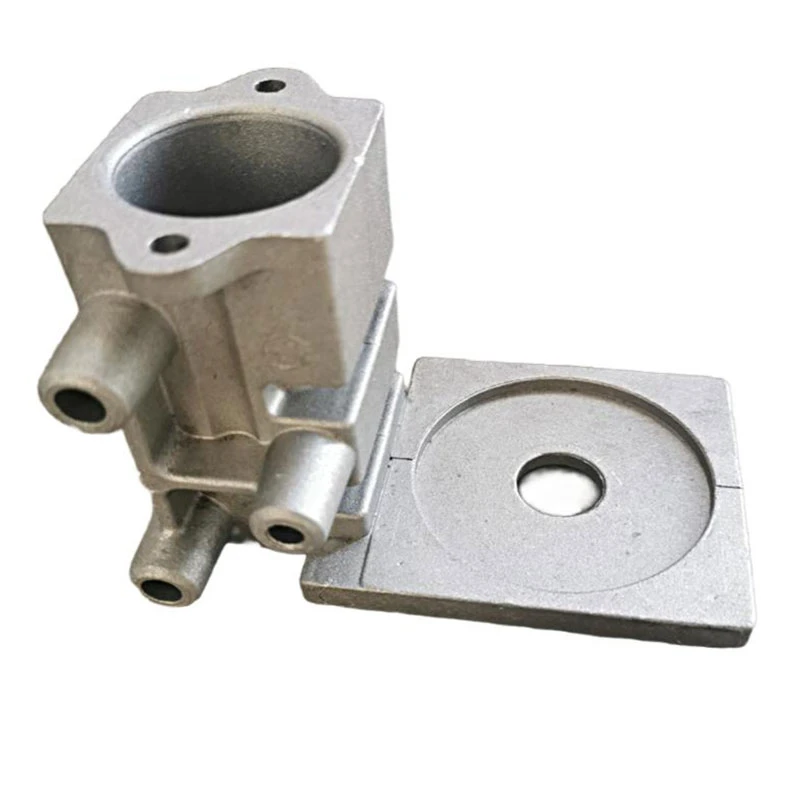
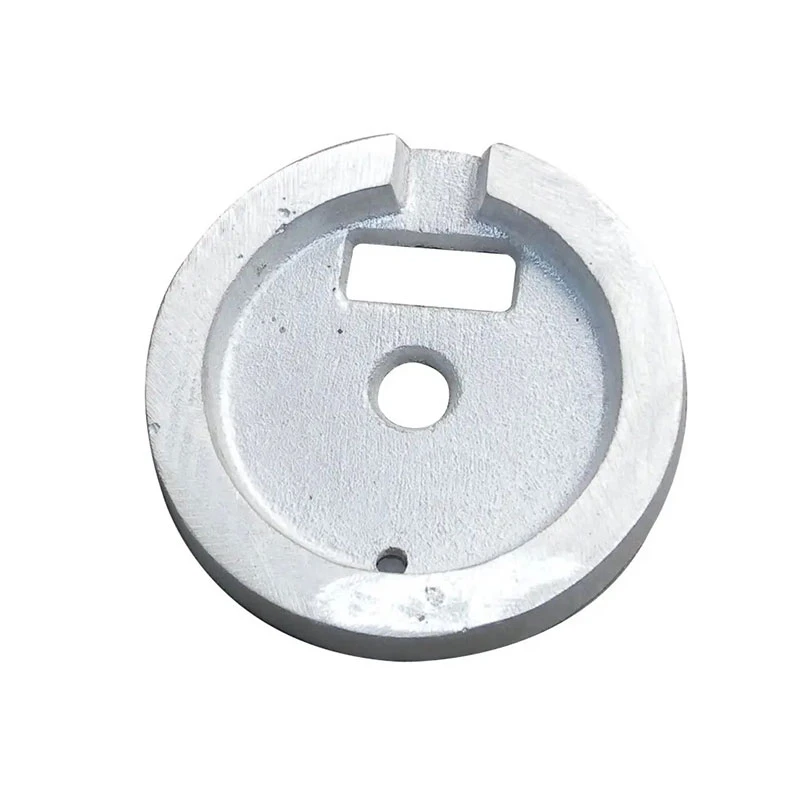
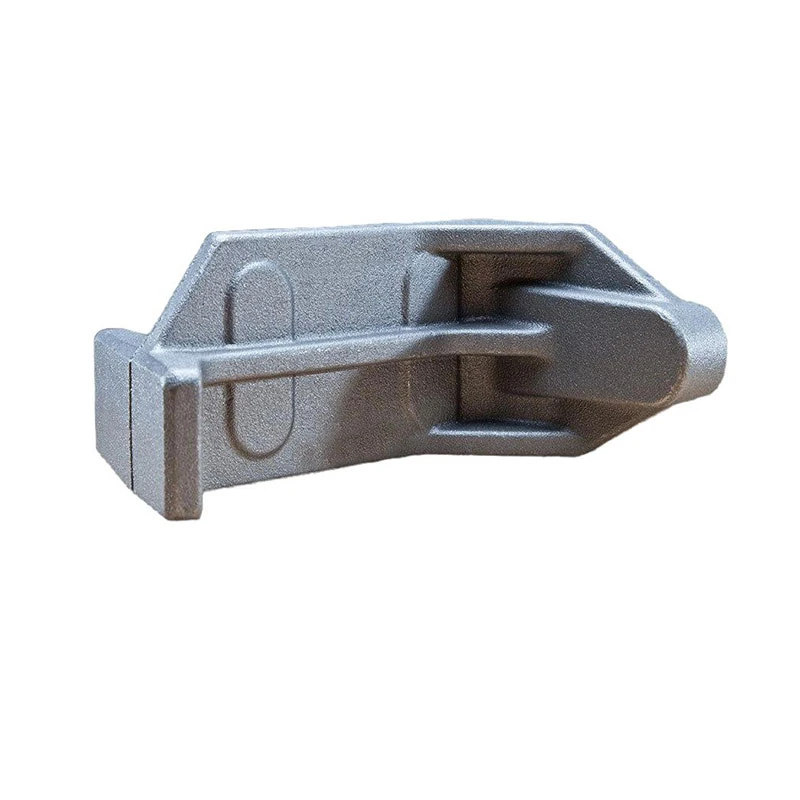
When you hear the term precision cast products, you might picture something complex, high-value, or perhaps even industrial-grade engineering parts. And you'd be right. In simple terms, these products are components made through highly accurate casting processes, combining refined metallurgy and exacting mold designs. Why does this matter worldwide? Well, these components make the gears of modern industry turn—from aerospace and automotive to medical devices and infrastructure.
Understanding precision cast products opens doors to better manufacturing efficiency, product reliability, and even humanitarian aid, where rapid, scalable parts and structures are sometimes urgently needed. Stick around; we’ll unpack the nuts and bolts of why these products are quietly the backbone of so many sectors.
Introduction: The Global Context of Precision Cast Products
Precision casting transcends borders. According to ISO, casting processes account for approximately 70 million tonnes of metal castings annually worldwide, with precision casting (often known as investment or lost-wax casting) making up a significant portion. The World Bank also highlights metal manufacturing as a key industrial benchmark, influencing economic development across Asia, Europe, and North America.
But it's not all shiny; as industries push for lightweight, durable, and cost-efficient parts, traditional manufacturing faces challenges—think: complicated geometries, shrinking tolerances, and pressure to reduce waste. Precision cast products are the answer to many of these dilemmas, offering a path to innovation without sacrificing quality.
Mini takeaway: Precision cast products operate at the intersection of industrial demand and sustainable manufacturing goals, making them a crucial topic globally.
What Are Precision Cast Products? A Simple Definition
At their core, precision cast products are components manufactured using a process that involves creating precise molds (typically wax-based) which are then replaced by molten metal in a controlled way. This method allows for intricate shapes and smooth finishes that other casting techniques struggle to achieve.
This process, sometimes called investment casting, is vital in industries requiring high-performance parts—like jet engine blades or surgical implants—where even the slightest imperfection can compromise safety or function. Beyond industrial uses, these products have humanitarian importance too; for example, in disaster zones, precision casting helps produce reliable parts for water pumps or shelter components rapidly.
precision cast products reflect a union of art, engineering, and practical necessity.
Key Aspects of Precision Cast Products
1. Durability: Built to Last
These castings typically use superalloys, stainless steel, or other corrosion-resistant metals tailored to the application. This means parts withstand harsh conditions—high heat, erosion, or heavy mechanical stress—without premature failure.
2. Scalability and Customization
One fascinating aspect is how the process scales from prototypes to mass production without compromising quality. Custom molds allow for tailored designs suitable for clients’ needs, from aerospace titans to bespoke machinery.
3. Cost Efficiency Through Precision
Though investment casting can seem expensive upfront, it minimizes downstream machining and assembly costs. Roughly speaking, less waste material and fewer finishing steps translate into better budgets and timelines.
4. Complexity and Fine Detail
The beauty of precision casting lies in its ability to create complex geometries—thin walls, undercuts, or internal channels—that conventional forging or machining cannot replicate.
5. Environmental Considerations
Using reusable molds or adopting eco-friendly alloying elements is becoming mainstream, dovetailing with circular economy principles embraced by industries worldwide.
Mini takeaway: These core factors shape why precision cast products are indispensable for sectors balancing durability, cost, and design freedom.
Global Applications & Use Cases
- Aerospace: Engine turbine blades, structural components demand precise metallurgy and geometry.
- Automotive Industry: High-performance parts like gears, valve bodies, and turbocharger components.
- Medical Sector: Surgical implants requiring biocompatibility and intricate shapes.
- Energy & Utilities: Precision pump parts, valve housings in power plants or oil extraction.
- Humanitarian Efforts: Rapid production of water pump components, shelter fixtures in disaster zones.
In Asia’s booming industrial hubs and Europe’s refined manufacturing centers alike, precision cast products enable supply chains to stay resilient and responsive.
Mini takeaway: This casting technique is not niche but a global facilitator driving innovation and restoration alike.
Advantages & Long-Term Value
Why all this effort? Because precision cast products deliver tangible benefits:
- Cost Savings: By cutting down material wastage and post-processing stages.
- Reliability and Safety: Engineering tolerances ensure products perform consistently under stress.
- Sustainability: Recyclable materials and efficient production reduce environmental footprints.
- Social Impact: Part availability improves infrastructure in developing regions, supporting health and industry.
Logically, manufacturers gain trust from clients who expect durability and precision, while emotionally, end-users value safety and long-term dependability. It’s a win-win scenario.
Future Trends and Innovations in Precision Casting
Looking ahead, three key trends stand out:
- Green Casting Materials: Bio-based binders and sustainable alloys are reducing toxic emissions.
- Digital Design Integration: 3D CAD and simulation tools optimize mold design, reducing trial costs.
- Automation: Robotics enhance repeatability and reduce human error during mold making and finishing.
Oddly enough, these advancements push precision cast products from traditional crafts closer to Industry 4.0’s digital factory models.
Challenges and How Experts Are Tackling Them
No process is without hurdles. Some common issues include:
- Lead Times: Mold making can be time-intensive, delaying urgent orders.
- Material Limitations: Not all metals behave well under casting conditions, limiting options.
- Cost Barriers: Small batch precision parts still cost a premium compared to mass methods.
Innovations such as hybrid casting-additive manufacturing techniques and modular mold systems help address these problems, striking balances that once felt impossible.
FAQ: Frequently Asked Questions About Precision Cast Products
Q1: What industries benefit most from precision cast products?
A: Aerospace, automotive, medical implants, and energy sectors are the biggest users given their need for high precision, complex shapes, and durability.
Q2: How does precision casting improve product quality compared to machining?
A: Casting reduces machining steps, lowers chances of errors, and allows the creation of intricate geometries which machining alone cannot achieve efficiently.
Q3: Are precision cast products environmentally friendly?
A: Yes, especially with recent advances in greener alloys, reusable molds, and optimized process efficiency reducing waste and emissions.
Q4: Can small companies afford precision cast products?
A: While initial costs can be high, scalable production and current modularity options make these products more accessible over time.
Q5: How do I source reliable precision cast products internationally?
A: Partnering with established vendors and transparent supply chains (like those found on platforms such as Hairun Sourcing) ensures compliance and quality.
Product Specification Table
| Specification | Typical Range | Notes |
|---|---|---|
| Material Type | Superalloys, Stainless Steel, Titanium | Application dependent |
| Casting Tolerance | ±0.1 to ±0.5 mm | Higher precision with finishing |
| Max Part Size | Up to 1.5 meters | Depends on foundry capacity |
| Surface Finish | Ra 0.8 to 3.2 µm | Can be improved with polishing |
| Production Lead Time | 3 to 8 weeks | Batch dependent |
Vendor Comparison Table
| Vendor | Lead Time | Quality Certification | Price Range | Global Reach |
|---|---|---|---|---|
| PrecisionCast Co. | 4-6 weeks | ISO 9001, AS9100 | $$$ | Europe, Americas |
| GlobalCast Ltd. | 3-5 weeks | ISO 14001, IATF 16949 | $$ | Asia, Europe |
| Hairun Sourcing | 3-8 weeks | ISO 9001, RoHS | $ - $$ | China, Global Partners |
Conclusion: Why Precision Cast Products Will Stay in the Spotlight
While it might seem like a niche industrial term, precision cast products fuel innovation and progress across multiple vital sectors. Their ability to offer durability, cost savings, and adaptability—paired with promising future trends in sustainability and automation—means they won't fade anytime soon.
For businesses, engineers, or humanitarian actors looking to tap into quality, scalable solutions, understanding this manufacturing marvel is a solid investment. Ready to explore or source precision cast products? Visit our website and discover how cutting-edge casting fits your project’s needs.
-
Guide to Anodizing Die Cast Aluminum for Industrial ExcellenceNewsApr.16,2026
-
High Quality Precision Aluminum Die Casting Components GuideNewsApr.09,2026
-
Comprehensive Guide to High Quality Aluminium Pressure Die Casting ProductsNewsApr.07,2026
-
Comprehensive Guide to Aluminium Pressure Die Casting Components and SolutionsNewsApr.04,2026
-
Comprehensive Guide to Aluminium HPDC Casting for Global SourcingNewsMar.31,2026
-
Comprehensive Guide to Precision Aluminium Die Castings and Manufacturing SolutionsNewsMar.28,2026