


Choosing Die Casting: Application Fit and Specification Checks
THE BUYER'S GUIDE / SELECTION
Choosing Die Casting: Application Fit and Specification Checks
This guide helps procurement teams and engineering buyers evaluate whether the high-pressure metal forming process fits their application, which alloy grade to specify, what inspection reports to request, and which OEM configurations—general parts, lamp housings, enclosures, piston fittings, and connectors—are available from Baoding Hairun Machinery And Equipment Trading Co., Ltd.

Alloy compatibility: confirm the required alloy grade (aluminum alloys ADC12/A380/A360/YL102/YL113, zinc alloy 3#Zn, or magnesium alloy) matches the application's mechanical, weight, and corrosion requirements before specifying.
Part geometry defined by drawing or sample: weight and dimensional scope are customized to customer-supplied drawings or physical samples; buyers must provide engineering drawings with critical tolerances to receive a qualified quotation.
Secondary operations scope: assess whether milling, cutting, grinding, surface treatment, anti-corrosion treatment, baking paint, coating, cold assembly, hot assembly, or laser welding are required as part of the finished-part specification.
Inspection report level: determine which reports are mandatory—dimension report and material report (chemical contents, tensile/yield strength, hardness) are standard; X-ray, ultrasonic, and magnetic particle test reports are available upon request and must be explicitly specified.
Packaging and logistics fit: select from carton, plywood cases, or pallet packing; confirm whether end-to-end trade logistics support (customs clearance, space booking, port collection) is needed for the import lane.
What Is the Process and When Does It Apply?
Die casting forces molten metal under high pressure into a precision steel mold, producing parts with defined geometry, consistent wall sections, and surfaces ready for finishing or coating. The approach is well suited to medium-to-high production volumes where part geometry is too complex for machining alone and where weight, corrosion resistance, or thermal conductivity are design drivers.
For procurement teams, the core question is whether the application's requirements—alloy, geometry, tolerances, secondary operations, and inspection level—align with what an OEM supplier can verify and deliver.
Five Criteria That Determine Fit
1. Alloy Compatibility with Application Requirements
The confirmed product range supports aluminum alloy, zinc alloy, and magnesium alloy, with documented grade designations: ADC12, YL113, YL102, A380, A360, and 3#Zn.
- Aluminum alloys (ADC12, A380, A360, YL102, YL113): Suited to applications requiring a balance of low weight, thermal management, and surface finish quality—lamp housings, enclosures, pump impeller components, and structural connectors are representative examples.
- Zinc alloys (3#Zn): Higher density than aluminum but offer very good dimensional stability and excellent surface definition for thinner walls or fine features.
- Magnesium alloys: The lightest of the three families; relevant when mass reduction is a hard constraint and the application environment is compatible.
Buyers should specify the alloy grade required by their design drawings. Where the grade is undetermined, supplying a sample or drawing enables grade selection during the quotation stage.
2. Part Geometry Defined by Customer Sample or Drawing
Unit weight and dimensional scope for all confirmed products are stated as based on customer sample or drawings. This means there is no fixed catalog of sizes—Baoding Hairun Machinery And Equipment Trading Co., Ltd. scopes each order against a customer-supplied drawing or physical sample. Buyers must prepare:
- Engineering drawings (preferred) or physical samples
- Critical tolerance specifications
- Any assembly or interface dimensions
Without this documentation, it is not possible to confirm whether a specific geometry is within scope, so these materials should be ready before requesting a formal quotation.
3. Secondary Operations and Surface Treatment
Parts frequently require post-casting work before they reach final specification. Confirmed available services include:
- Machining: Milling, cutting, grinding
- Surface and protective treatment: Surface treatment, anti-corrosion treatment, baking paint, coating
- Assembly operations: Cold assembly, hot assembly, laser welding
Buyers should list any required secondary operations explicitly in the RFQ to avoid scope gaps and allow the supplier to incorporate them into the process plan.
4. Inspection and Material Verification Requirements
For critical assemblies or regulated industries, the confirmed inspection outputs are:
- Dimension report
- Material report — covers chemical contents, tensile strength, yield strength, and hardness
- X-ray, Ultrasonic, and Magnetic particle test reports — available upon request
Reports available upon request must be explicitly specified in the purchase order; they are not automatically included in every shipment. If your application mandates specific non-destructive testing, state that requirement in writing.
5. Packaging and Logistics Suitability
For international buyers, packing configuration and trade support affect landed cost and damage risk. Confirmed packing options are carton, plywood cases, and pallets. Additional logistics services include customs declaration, customs clearance, space booking, and port collection—relevant for buyers importing from China into the US, Europe, Middle East, and Southeast Asia.
Applicable Product Configurations
The following OEM configurations are confirmed in the source materials. All are customizable to customer drawing or sample and share the same alloy and process options above.
| Product | Primary Application Context | Key Differentiator |
|---|---|---|
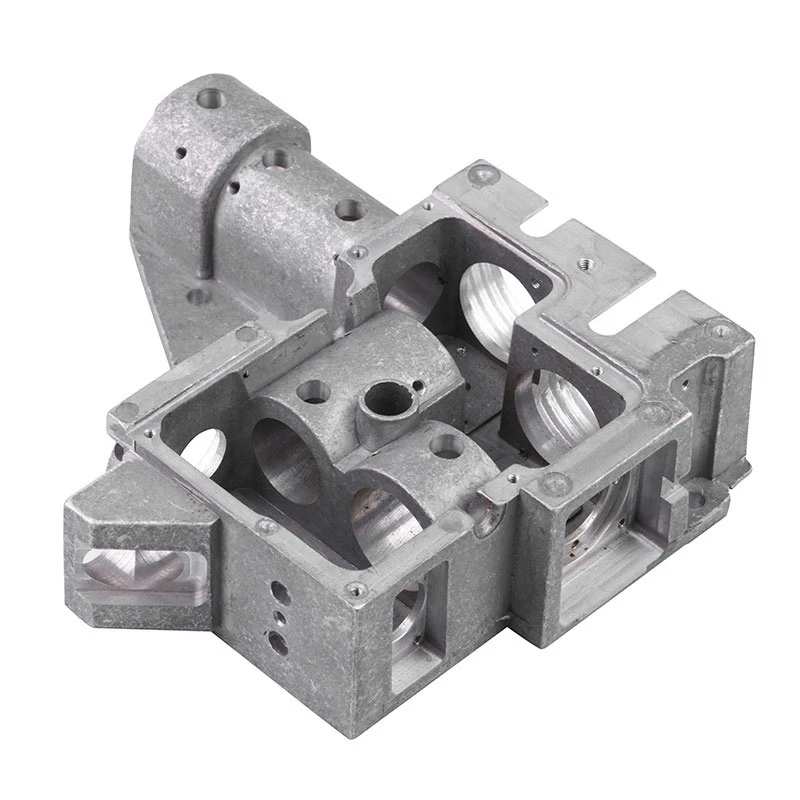
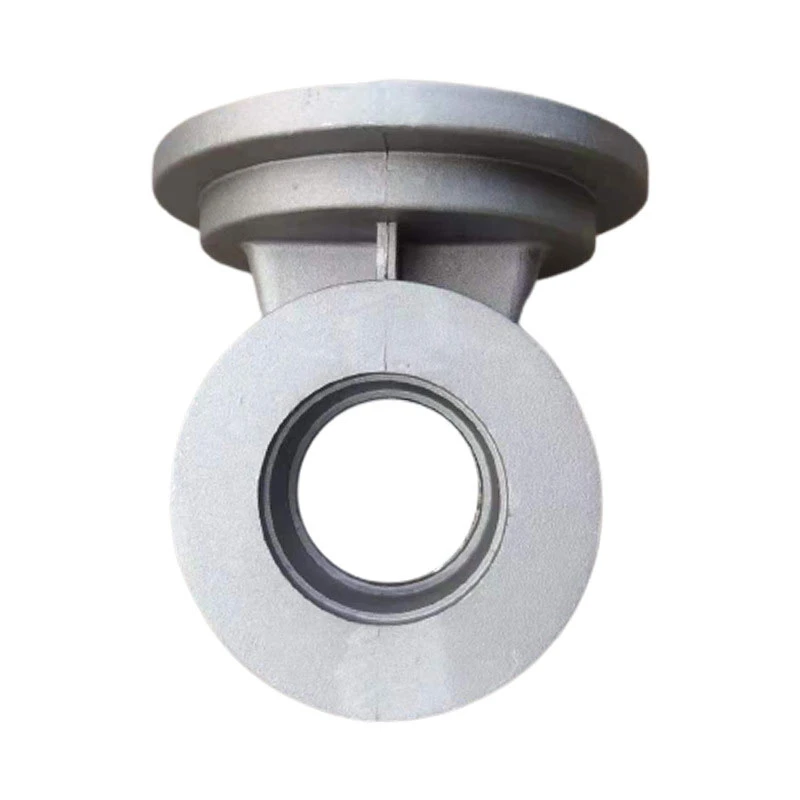
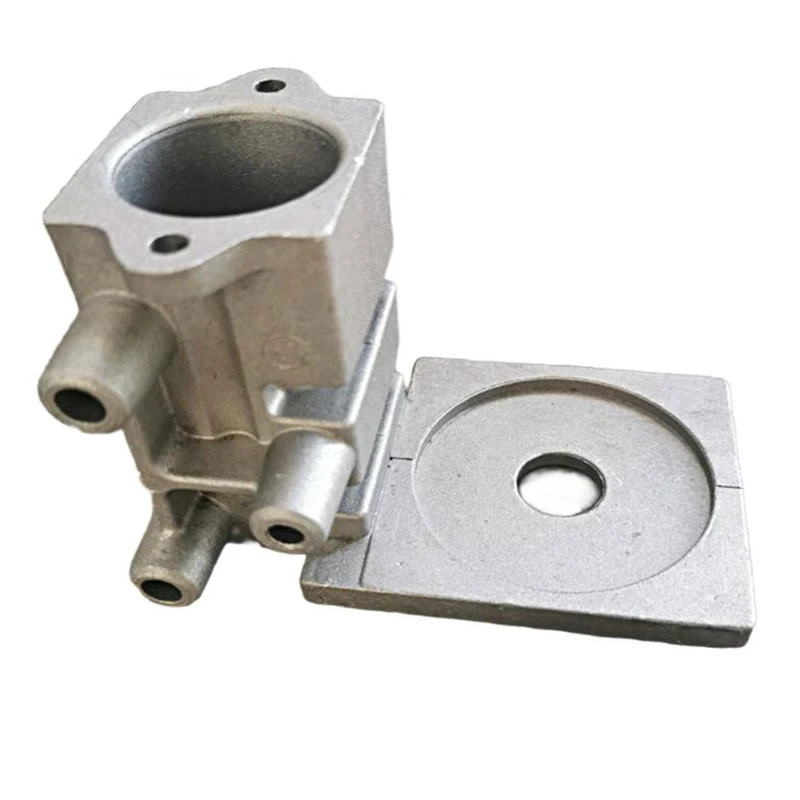
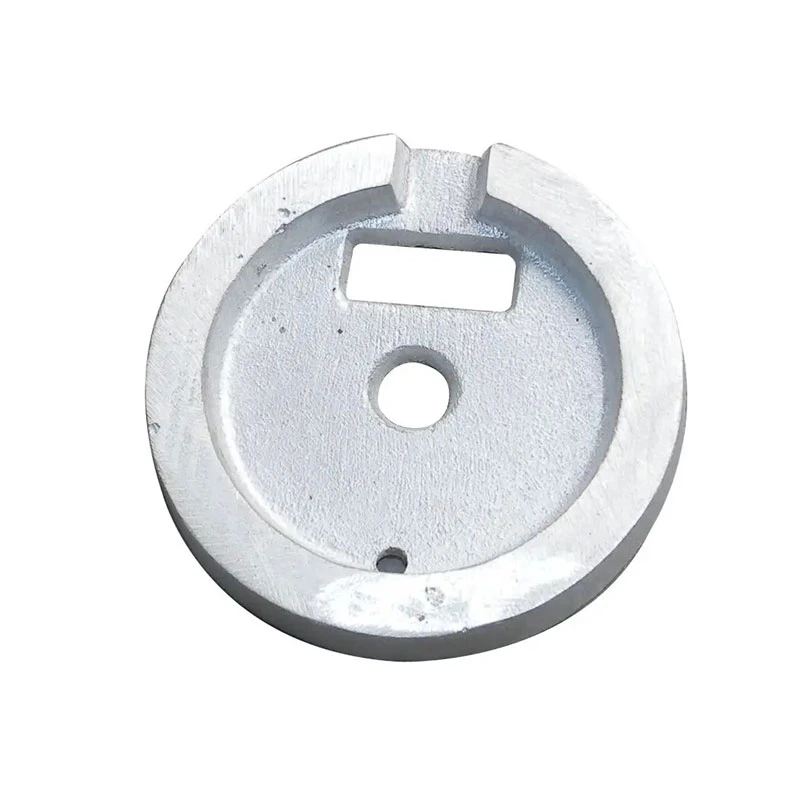
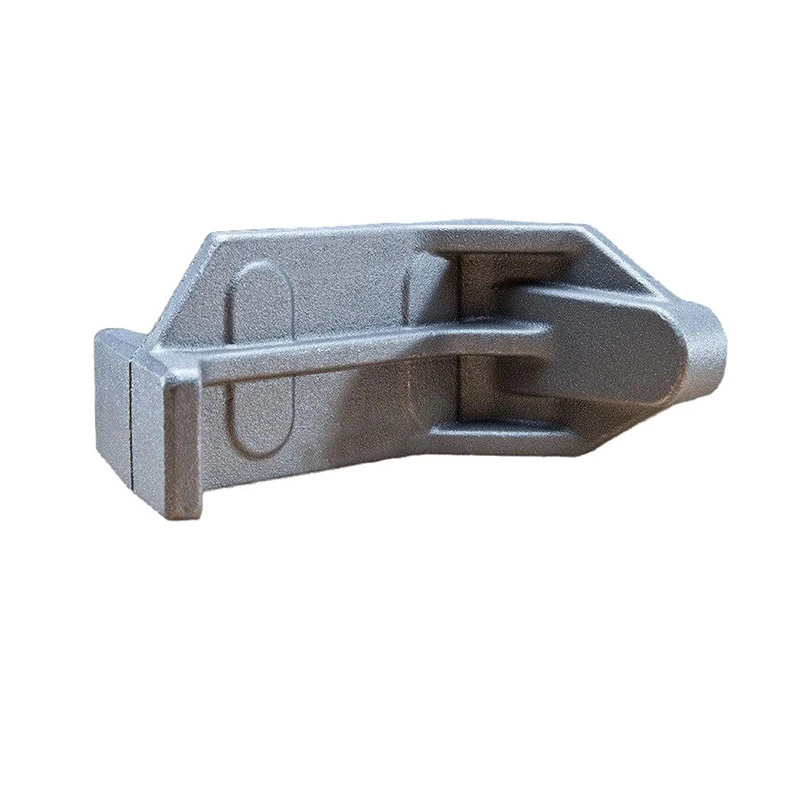
| OEM Die Casting Parts | General industrial components, pump housings | Broad alloy selection; full secondary operations available |
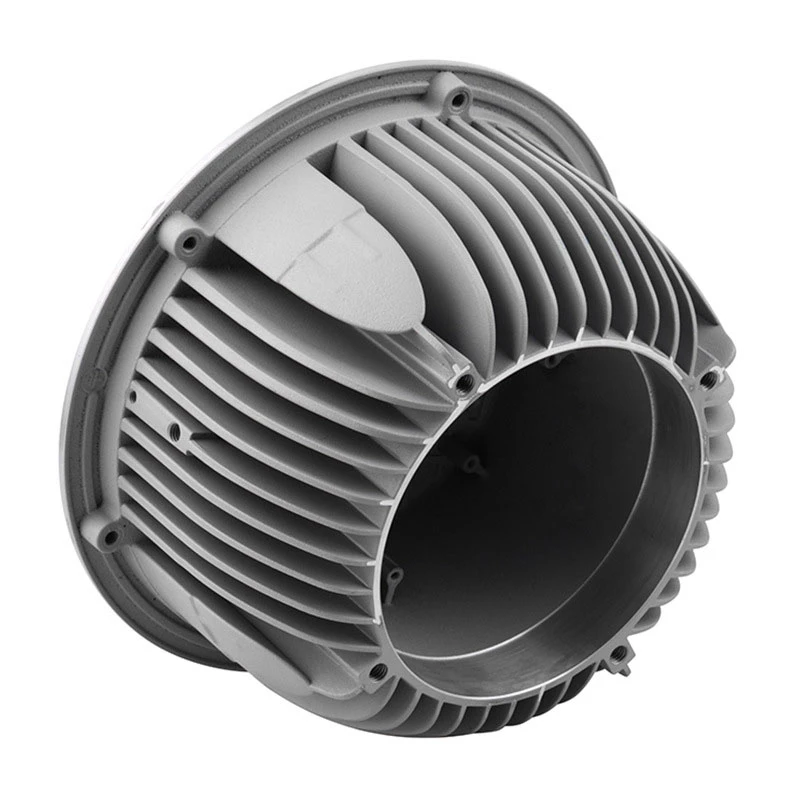
| OEM Die Casting Lamp Housing | Lighting assemblies requiring housing geometry and heat management | Coating and surface treatment services included |
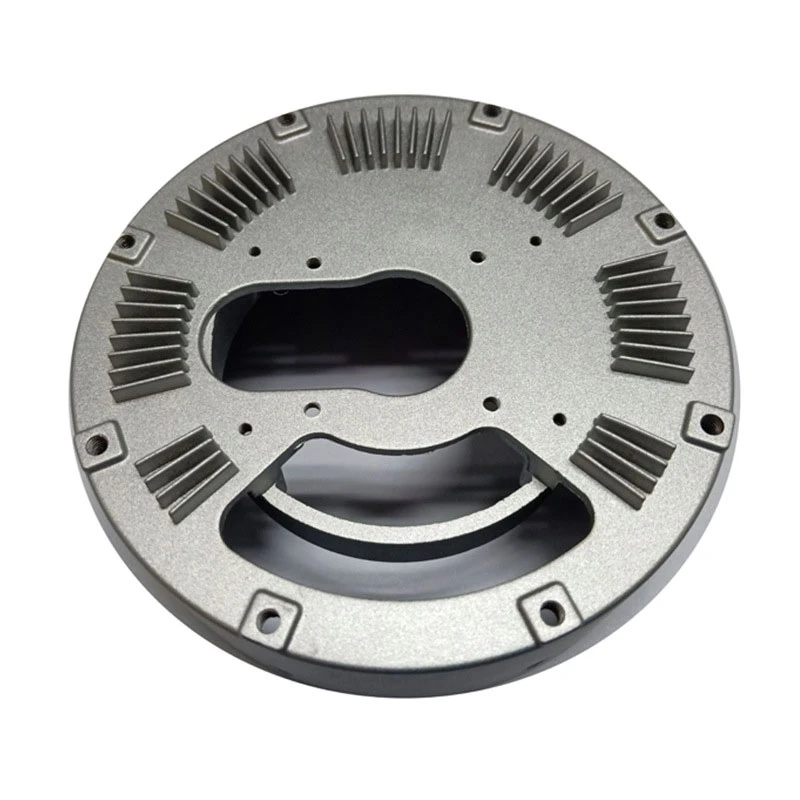
| OEM Die Casting Enclosure | Electronics or equipment housings needing precise sealing surfaces | Milling and grinding for interface surfaces |
| OEM Die Casting Piston Fittings | Hydraulic or pneumatic subassemblies | Inspection reports covering tensile strength and hardness |
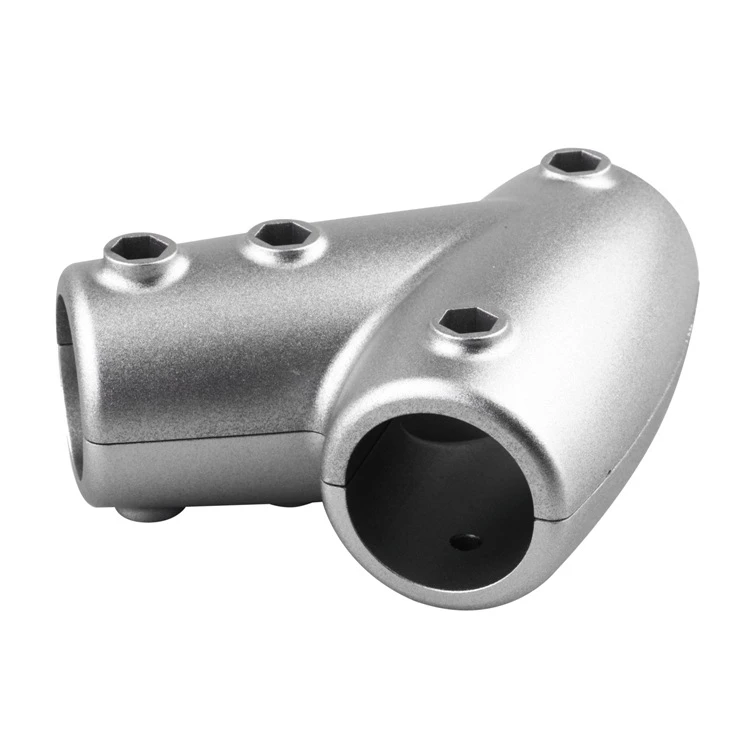
| OEM Die Casting Connectors | Electrical or mechanical connector bodies | Zinc or aluminum alloy options; laser welding in scope |
Pre-Inquiry Specification Checklist
Before submitting an inquiry, confirm the following are ready:
- Alloy grade — state the required designation (e.g., ADC12, A380, 3#Zn) or request grade-selection guidance.
- Drawing or sample — geometry, dimensions, and critical tolerances must be supplied by the buyer.
- Secondary operations — list any required machining, surface treatment, assembly, or welding steps.
- Inspection requirements — specify whether a dimension report, material report, and/or NDT reports are mandatory.
- Packing and Incoterm — confirm carton, plywood case, or pallet packing and specify the shipping terms.
- Volume and schedule — while price and lead-time commitments are not made here, this information allows the supplier to assess process fit and capacity.
Conditions Where This Process May Not Be the Best Fit
This production method involves upfront mold tooling. Cost and lead time for tooling depend on part geometry and must be confirmed directly with the supplier. Buyers with very low prototype quantities, very large single-part cross-sections, or a requirement for ferrous alloys (steel, cast iron) should discuss process suitability before committing, as the confirmed product range covers aluminum, zinc, and magnesium alloys only.
Working with Baoding Hairun Machinery And Equipment Trading Co., Ltd.
Baoding Hairun Machinery And Equipment Trading Co., Ltd. is a trading company with established manufacturing partnerships that include a dedicated casting facility. The confirmed service model covers supplier assessment, sample and trial production support, bulk production coordination, and end-to-end international trade logistics.
Buyers who need to source components across multiple processes—investment casting, sand casting, stamping, and machined parts alongside OEM die casting—can consolidate requirements through a single contact point, reducing procurement complexity for mixed-component orders.
To initiate an inquiry effectively, prepare your drawing or sample, state the alloy grade and inspection requirements, and specify packing and shipping needs. This allows the initial exchange to move directly to a qualified quotation.
THE PEOPLE

About the author
THE COMPANY
Baoding Hairun Machinery And Equipment Trading Co., Ltd.
About Us Baoding Hairun Machinery Equipment Trading Co., Ltd. is located at No. 678, Jinxiu Street, Jingxiu District, Baoding City, Hebei Province,China. It is adjacent to Beijing and Tianjin and has convenient transportation. Our company is a joint-stock enterprise. It mainly supplies cast steel parts, alloy steel parts, gray cast iron parts, ductile iron parts, and non-ferrous metal parts, etc.., as well as machined parts, stamping parts and die-casting parts.…
About Us ↗Visit company website ↗YOUR NEXT STEP
Bring your brief. Start a useful conversation.
Use case, specification, quantity and delivery window: make the next conversation specific.
-
OEM sand casting for pump and valve fittings: buyer questions answeredNewsNov.02,2026
-
Comparing Round Hole Flange Bracket Options: Specifications, Materials and Supplier DocumentationNewsOct.29,2026
-
Choosing an OEM Coupling: Application Fit and Specification Checks for Precision Castings Quick CouplingsNewsOct.27,2026
-
How to Choose a Precision Casting Manufacturer for Automotive Applications: Application Fit and Specification ChecksNewsOct.27,2026
-
Choosing Sand Cast Pump Valve Fittings: Working Requirements and Integration FitNewsOct.27,2026