


How a Casting Parts Manufacturer Helps Specify Sand Casting Automotive Parts

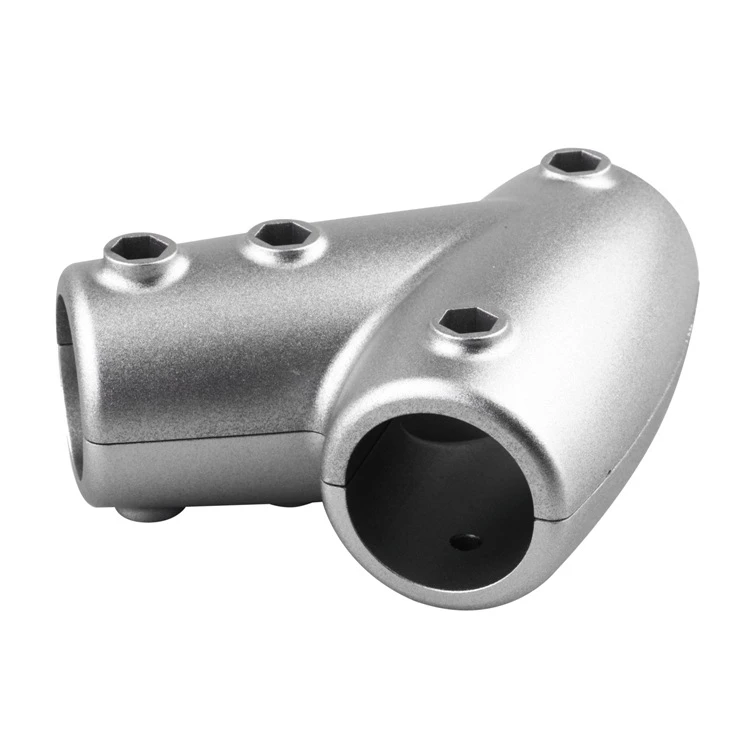
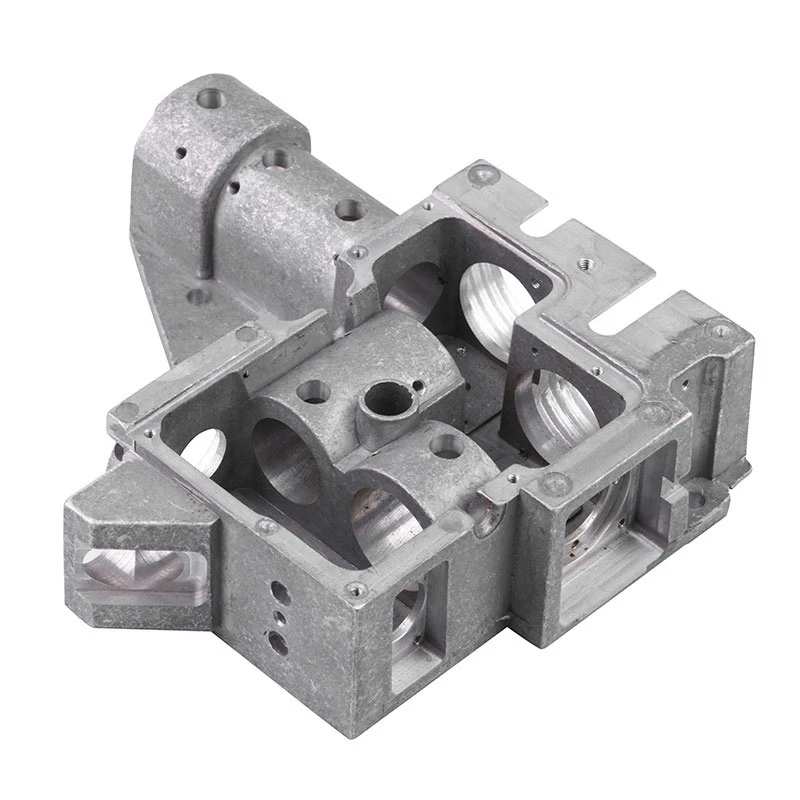
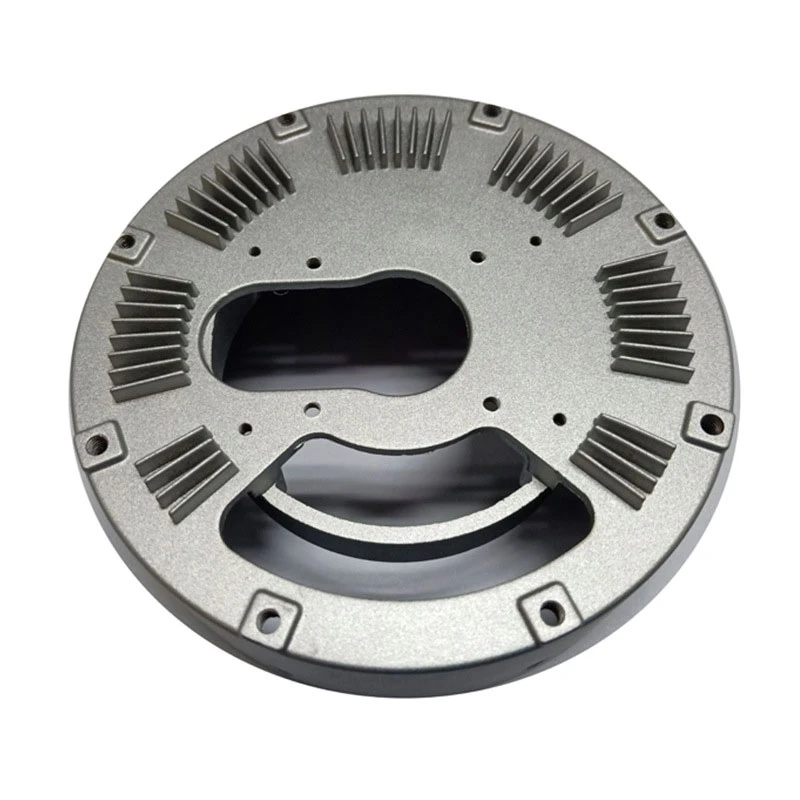
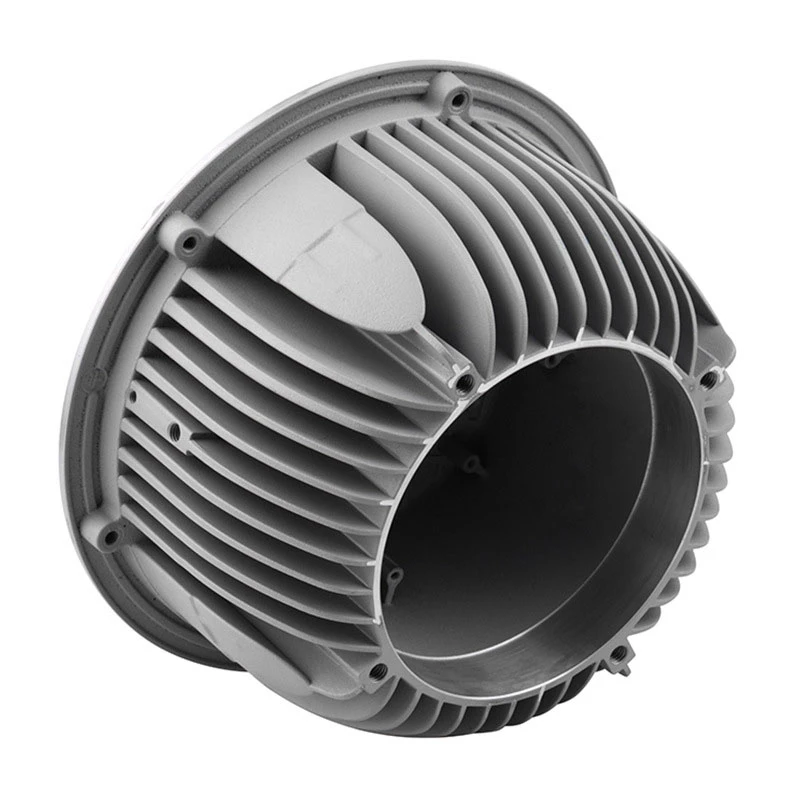
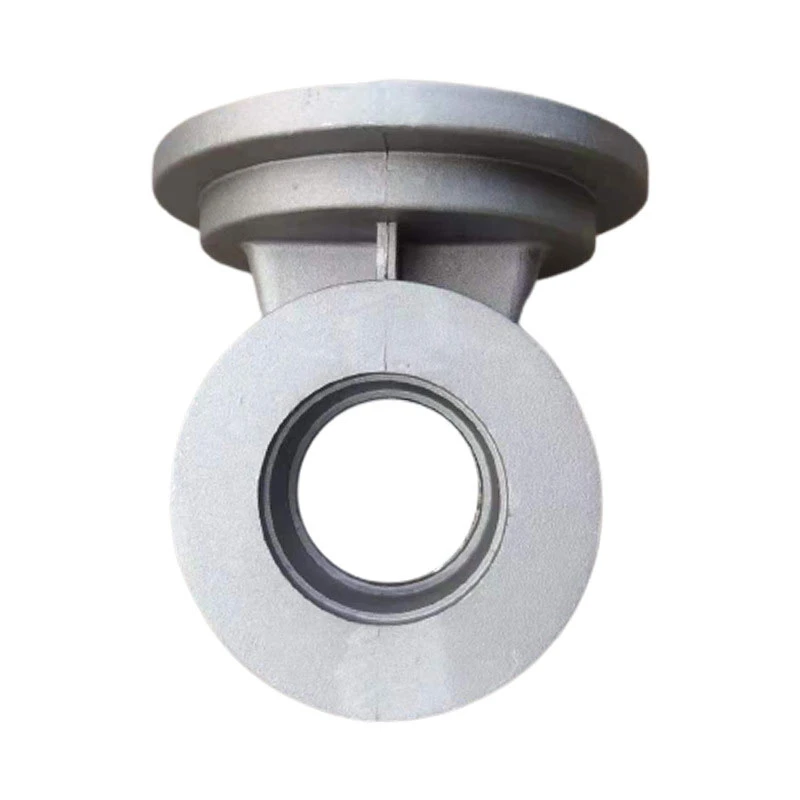
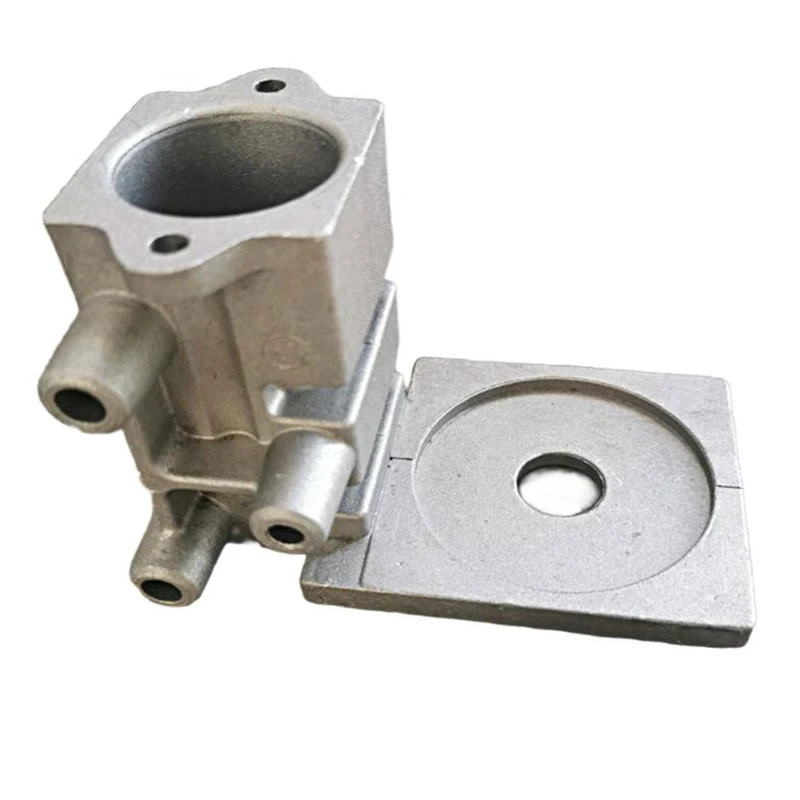
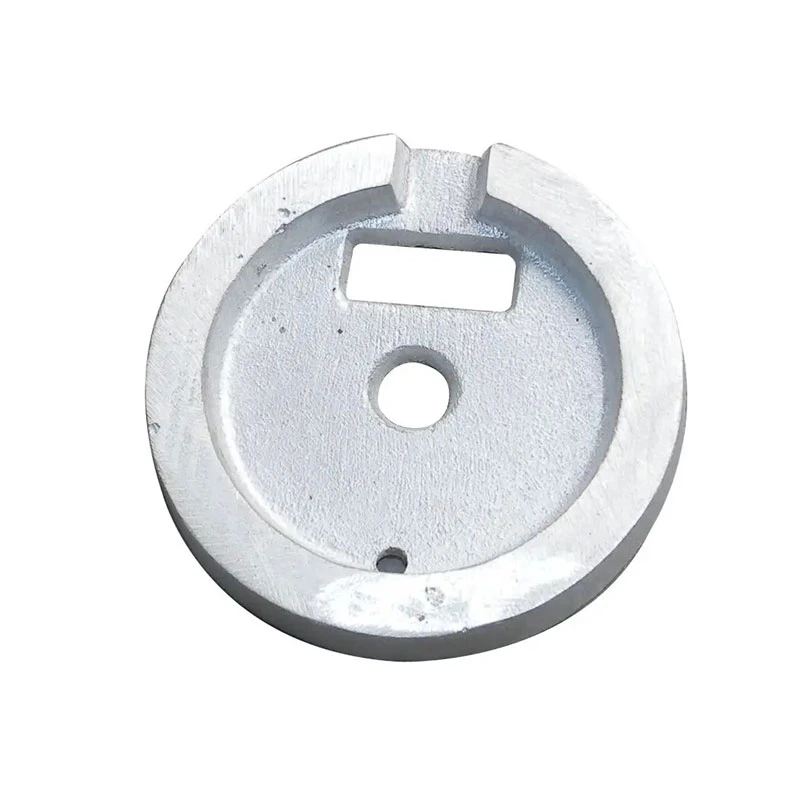
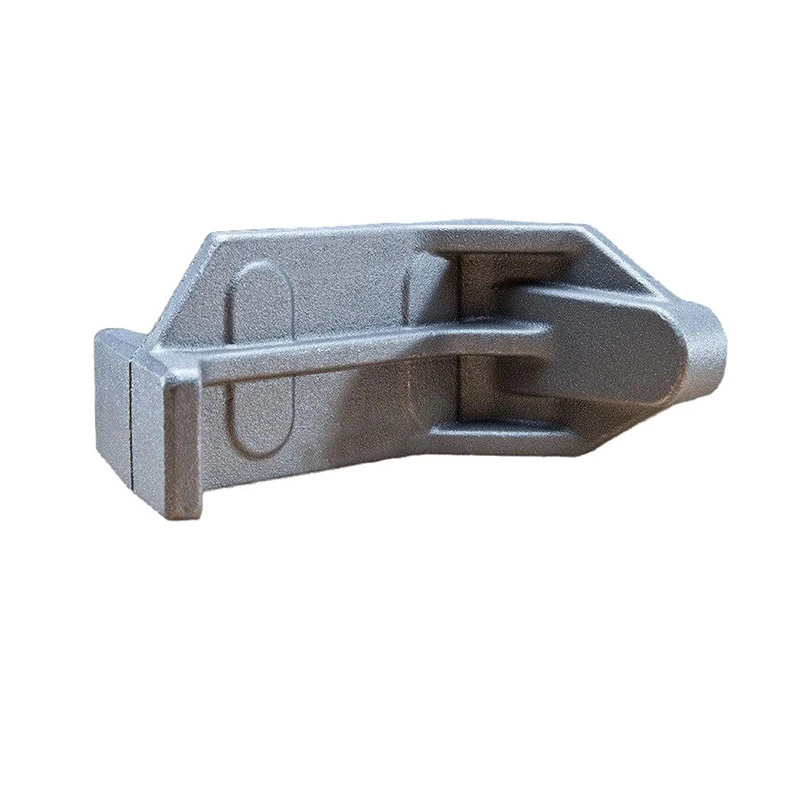
For automotive components used to transport, measure, regulate, or control fluids, sand casting can be specified around the drawing, sample, material, unit weight, inspection plan, and packing method. Our OEM sand casting automotive parts are customizable to customer drawings or samples, with material and inspection options that help procurement teams define a workable order before production.
Part definition: the buyer must have a customer sample or drawing because size scope and unit weight are based on that reference.
Material and inspection: the buyer should specify the finished metal requirement and decide whether to request dimensional, material, X-ray, ultrasonic, or magnetic particle reports.
Sand casting automotive parts should be selected from the component drawing, the fluid duty, the required material, and the inspection plan. Our OEM Sand Casting Automotive Parts are made to a customer sample or drawing, with unit weight and size scope set by that reference. This makes the product suitable for automotive projects that need cast components for transporting, measuring, regulating, or controlling liquids, gases, or vapors.
Start with the part definition
The drawing or sample is the first purchasing check. It establishes the part geometry, size, and unit weight for quotation and production planning. Our product is customizable, so you can submit the reference part instead of trying to fit the requirement to a fixed catalog dimension.
A practical request should identify the part name, revision, material requirement, target quantity, and any features that need inspection. If the component is being replaced, send the current sample together with dimensional information. This gives the casting parts manufacturer a clear basis for reviewing the part and organizing production.
Size and weight matter together. The product's unit weight and size scope are based on the customer sample or drawings, so the purchasing file should include enough dimensional information to define the complete component. For a fluid-handling part, include connection locations and sealing surfaces in the drawing package when they are part of the finished requirement.
Match the material to the application
The product uses foundry sand and related molding materials during production, including molding sand binder, siliceous sand, silica sand, zircon sand, chromite sand, corundum sand, and special sand. These are casting-process materials, not a substitute for the metal grade required for the finished automotive component.
Your specification should therefore separate the mold process from the finished part material. State the required metal grade and the mechanical or chemical limits that apply to the part. Our available material report can include chemical contents, tensile strength, yield strength, and hardness. Those results give your receiving and quality teams defined points for review against the order requirement.
Choose this product when the part geometry and service call for a customizable sand-cast component. The fit is strongest where the buyer can provide a sample or drawing and needs the casting developed around a defined fluid-handling function. A fixed standard size or an unqualified material request does not give the production team the same basis for making the part.
Set the process and inspection scope
The production route includes sand mixing, molding, core making, modeling, pouring, sand removal, grinding, processing, and inspection. Core making and molding are relevant when the component includes internal passages or formed cavities, while grinding and processing address the finished part after casting.
We can also organize other casting routes when the project requires a different process, including permanent die casting, precision casting, lost foam casting, die casting, centrifugal casting, low-pressure casting, and vacuum casting. For this product-selection decision, keep sand casting as the starting point when the supplied drawing or sample is intended for that route. Ask for a process review if the component's geometry, internal passages, or finishing requirements point elsewhere.
Inspection should be agreed at the order-definition stage. A dimension report is available, and material reporting can cover chemical contents, tensile strength, yield strength, and hardness. X-ray, ultrasonic, and magnetic particle test reports are also available upon request. Tell us which inspection records belong with the part so the production and receiving teams work from the same list.
Picture a fluid-control component moving through incoming inspection after casting and processing. The receiving team checks the dimensions against the drawing, then reviews the material report against the specified grade and mechanical requirements. If internal soundness or surface-related checks are part of your quality plan, identify the requested X-ray, ultrasonic, or magnetic particle report before production begins.
Plan packing around the shipment
Packing choices include cartons, plywood cases, and pallets. Select the packing format according to the component's shape, surface condition, quantity, and handling route. Include the preferred option in the purchase request, especially when the parts will move through several handling points before reaching the assembly plant.
Our additional support covers sample and trial production, bulk-production coordination, packaging and shipping coordination, port collection, customs declaration, customs clearance, and space booking. These services fit a procurement process that needs a sample or trial stage before larger production and a coordinated shipment after the parts are accepted.
The product originates in China. Include the delivery destination, packing preference, drawing or sample, material requirement, target quantity, and inspection records in your inquiry so we can review the part as a complete purchasing package.
Questions to settle before ordering
Can the unit weight be specified without a finished drawing?
No. The unit weight is based on the customer sample or drawings. Send one of those references with the inquiry so the part can be defined for production planning. If the sample is the only reference, add any known dimensions, material requirement, and quantity. This gives us a clearer basis for reviewing the component than a general part description.
Which material results can accompany the cast parts?
The material report can include chemical contents, tensile strength, yield strength, and hardness. State the required metal grade and acceptance limits with the drawing or sample. Our report scope can then be aligned with the checks your receiving team needs for the finished automotive component.
Which additional test reports can be requested?
X-ray, ultrasonic, and magnetic particle test reports can be requested. Identify the report type and the relevant part feature in the order discussion, particularly when the component contains internal passages or areas that need a specific inspection focus. A dimension report is also available for checking the finished geometry.
Prepare the casting inquiry
Our OEM Sand Casting Automotive Parts fit projects that need a customizable cast component defined by a customer sample or drawing, especially for fluid transport, measurement, regulation, or control. Send the part drawing or sample, finished material grade, quantity, unit-weight target if available, inspection reports required, and preferred packing format for a production review.

About the author
The company
Baoding Hairun Machinery And Equipment Trading Co., Ltd.
About Us Baoding Hairun Machinery Equipment Trading Co., Ltd. is located at No. 678, Jinxiu Street, Jingxiu District, Baoding City, Hebei Province,China. It is adjacent to Beijing and Tianjin and has convenient transportation. Our company is a joint-stock enterprise. It mainly supplies cast steel parts, alloy steel parts, gray cast iron parts, ductile iron parts, and non-ferrous metal parts, etc.., as well as machined parts, stamping parts and die-casting parts.…
About Us ↗Visit company website ↗-
OEM sand casting for pump and valve fittings: buyer questions answeredNewsNov.02,2026
-
Comparing Round Hole Flange Bracket Options: Specifications, Materials and Supplier DocumentationNewsOct.29,2026
-
Choosing an OEM Coupling: Application Fit and Specification Checks for Precision Castings Quick CouplingsNewsOct.27,2026
-
How to Choose a Precision Casting Manufacturer for Automotive Applications: Application Fit and Specification ChecksNewsOct.27,2026
-
Choosing Die Casting: Application Fit and Specification ChecksNewsOct.27,2026