


Choosing an OEM Coupling: Application Fit and Specification Checks for Precision Castings Quick Couplings
THE BUYER'S GUIDE / SELECTION
Choosing an OEM Coupling: Application Fit and Specification Checks for Precision Castings Quick Couplings
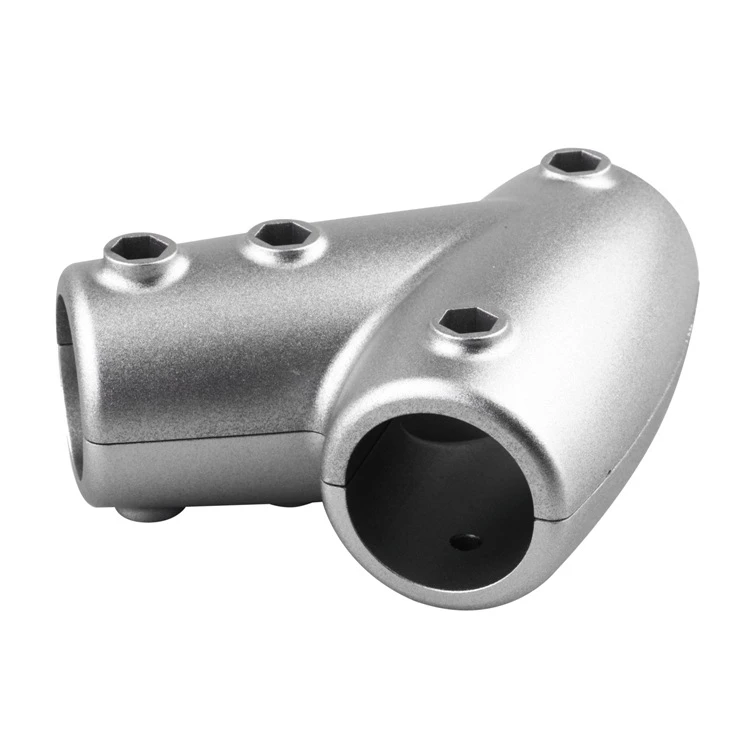
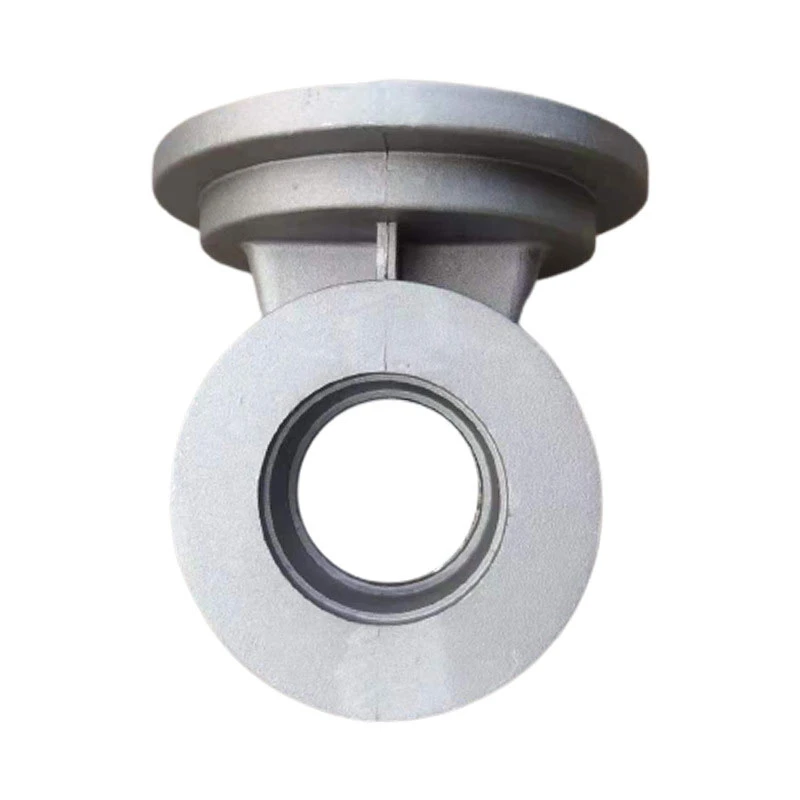
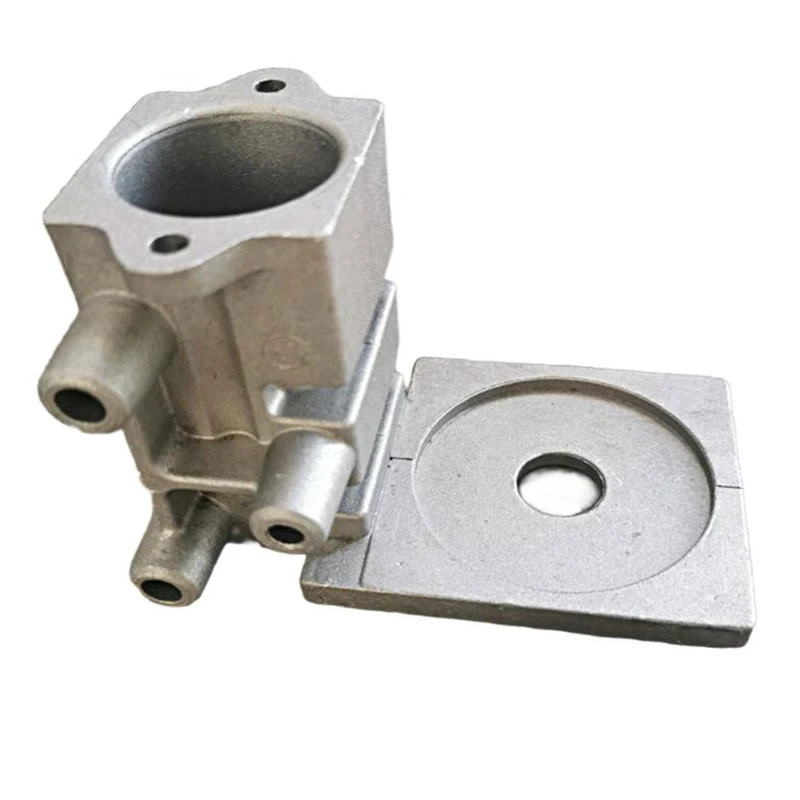
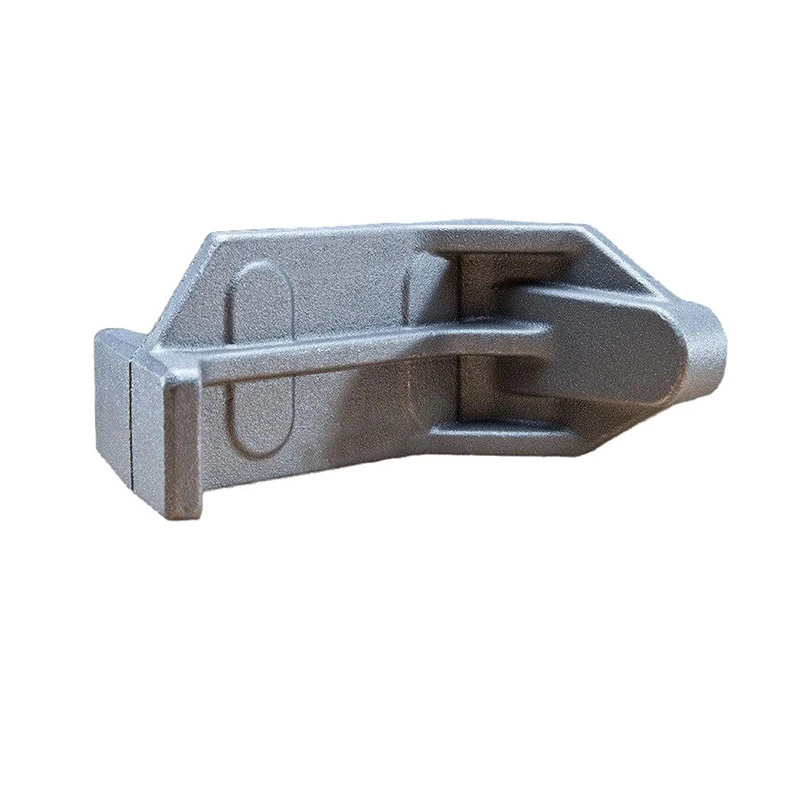
Procurement teams sourcing an OEM coupling for fluid systems, pipeline assemblies, or rotating machinery face a common challenge: matching the coupling's material, geometry, and process pedigree to the actual operating environment. This guide walks through the key selection criteria — material compatibility, production process, customisation scope, inspection requirements, and application fit — drawing on confirmed product specifications from Baoding Hairun Machinery And Equipment Trading Co., Ltd. Use these criteria to structure your supplier conversation and identify whether a precision castings quick coupling or a machined OEM coupling is the right starting point for your project.

Material compatibility: Match the coupling material (stainless steel, alloy steel, carbon steel, ductile iron, grey iron for cast route; steel, aluminium, copper, nickel, titanium, PTFE, fiberglass for machined route) to the operating fluid, load type, corrosion environment, and thermal cycling conditions.
Production process and geometry fit: Investment casting suits complex near-net-shape coupling bodies intended for pump/valve connections, vibrating pipelines, and thermal-cycling pipelines; CNC machining suits rotationally symmetric or tight-tolerance profiles and non-metallic material requirements.
Customisation and documentation readiness: Both product types are made to customer samples or drawings — buyers must supply technical drawings (with tolerances and surface finish callouts) or a physical sample before a valid quotation can be prepared.
Inspection and quality documentation: Confirm which reports (dimension, material chemistry/mechanical properties, X-ray, ultrasonic, magnetic particle) are required by your quality plan and request these explicitly in the RFQ, as some are available only upon request.
Surface treatment and post-processing alignment: Identify required coatings (e.g., zinc plating, electroless nickel, HDG, powder coating) or machining finish before selecting the product route, since the casting route supports a broader post-processing menu.
Why the Coupling Selection Decision Matters
An OEM coupling sits at the intersection of two or more mechanical or fluid systems. Select the wrong material grade or production process and the joint becomes a failure point under thermal cycling, vibration, or pressure surges. Because both unit weight and size scope for precision castings quick couplings are determined by customer samples or drawings, buyers need a clear set of criteria before approaching a manufacturer — not after.
The sections below translate the confirmed product data from Baoding Hairun Machinery And Equipment Trading Co., Ltd. into practical decision checkpoints.
1. Confirm the Operating Environment First
Before evaluating any coupling, document the environment:
- Fluid or load type — Is the coupling transferring fluid, torque, or both?
- Vibration exposure — Pipelines with large vibrations place specific demands on joint integrity.
- Thermal cycling — Pipelines with frequent changes in cold and heat stress sealing surfaces and fasteners differently from steady-state systems.
- Connection points — Pumps and valves typically require face-seal or threaded interfaces; rotating shafts require positional alignment.
These four conditions directly map to the stated applications for precision castings quick couplings and should appear on your technical enquiry sheet.
2. Material Selection Criteria
Precision Castings Quick Couplings
Confirmed material options include stainless steel, alloy steel, carbon steel, ductile iron, and grey iron, with specific grades such as Q235, 45# steel, 40Cr, 35CrMo, 42CrMo, GGG40, GGG50, GGG60, GGG70, GG20, GG25, and GG30.
| Material family | Typical suitability signal |
|---|---|
| Stainless steel | Corrosive media, hygienic applications |
| Alloy steel (40Cr, 35CrMo, 42CrMo) | High load, wear resistance |
| Carbon steel (Q235, 45#) | General structural and moderate-pressure use |
| Ductile iron (GGG series) | Good impact toughness, pipeline fittings |
| Grey iron (GG series) | Damping, lower-stress static assemblies |
OEM Coupling (Machined)
The machined OEM coupling extends the material palette to include aluminium, copper, nickel, titanium, fiberglass board, and PTFE — non-metallic options unavailable through the investment casting route. If your application demands electrical isolation, low weight, or chemical inertness, the machined path opens additional material choices.
3. Production Process and Its Implications for Dimensional Accuracy
Investment Casting Route (Precision Castings Quick Couplings)
The confirmed investment casting sequence — wax injection → wax module tree → shell making → dewaxing → mould shell roasting → chemical analysis → pouring → vibration shelling → grinding → shot blasting → machining → polishing → finished product inspection — produces near-net-shape geometry with fine surface detail. This suits complex coupling bodies where internal passages, lugs, or mounting features would be expensive to machine from solid.
Machining Route (OEM Coupling)
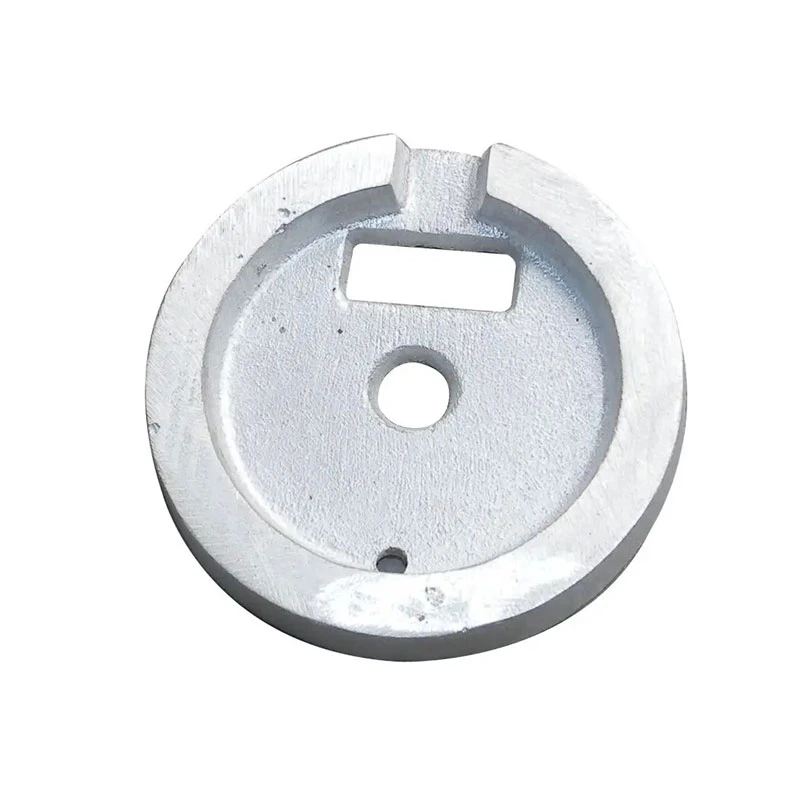
The machined OEM coupling follows a different process: drawing analysis → preform selection → equipment, tooling and fixture determination → inspection method selection → clamping → machining → inspection. Available operations include turning, milling, planing, grinding, drilling and boring, flanking machining, complex surface machining, and special machining. This route is appropriate when:
- Tolerances are tighter than investment casting can reliably achieve
- The coupling geometry is rotationally symmetric and suited to turning or grinding
- Material is supplied in wrought or bar form (e.g., titanium, PTFE)
4. Customisation Scope and Drawing Submission
Both the precision castings quick coupling and the machined OEM coupling are confirmed as customisable, with unit weight and size scope based on customer samples or drawings. This means:
- Buyers must supply technical documentation — a 2D drawing with tolerances and surface finish callouts, or a 3D model, is required to obtain an accurate quotation.
- Sample-based replication is supported — if you hold an existing part without drawings, a physical sample can serve as the reference.
- Design optimisation is available for the castings route, which may reduce wall thickness, consolidate features, or adjust draft angles before tooling is committed.
Do not assume a standard catalogue dimension exists; both products are made to order.
5. Available Surface Treatments and Post-Processing
Post-processing capabilities affect corrosion protection, appearance, and interface compatibility. Confirmed options for precision castings quick couplings include:
- Coatings: Painting, powder coating, electroless nickel plating, zinc plating, E-coating, hot-dip galvanising (HDG), pickling, phosphating, nitriding, anodising
- Machining services: CNC machining, milling, drilling, heat treatment, precision machining
- Finishing: Polishing
For the machined OEM coupling, the focus is on the machining operations themselves (turning, milling, grinding, etc.). Confirm which surface treatments are required for your corrosion and interface specifications before finalising the material choice.
6. Inspection and Quality Documentation
Both product types share a common inspection framework:
- Dimension report (standard)
- Material report including chemical contents, tensile strength, yield strength, and hardness (standard)
- X-ray test report, ultrasonic test report, and magnetic particle test — available upon request
For procurement teams working to quality plans or drawing specifications, request these reports at the enquiry stage and confirm which are included as standard versus billable. Do not assume a specific certification scheme is in place without written confirmation from the supplier.
7. Packaging and Logistics
Confirmed packing formats are carton, plywood cases, and pallets. For international buyers in the US, Europe, Middle East, and Southeast Asia, Baoding Hairun Machinery And Equipment Trading Co., Ltd. provides end-to-end logistics support covering shipping coordination, customs declaration, customs clearance, and space booking. This is relevant when evaluating total landed cost — though specific freight rates and lead times are not published and must be confirmed per order.
Applying the Criteria: A Practical Checklist
Before submitting an enquiry for an OEM coupling, verify the following:
- ☐ Operating environment documented (fluid/load type, vibration level, thermal cycle frequency, connection interface)
- ☐ Material grade shortlisted against environment requirements
- ☐ Production route chosen — investment casting for complex geometry, machining for tight tolerances or non-metallic materials
- ☐ Technical drawings or samples prepared for submission
- ☐ Required surface treatments and post-processing identified
- ☐ Inspection reports required (dimension, material, NDT) listed in the RFQ
- ☐ Packaging and logistics requirements confirmed with the supplier
Working through this checklist before contacting Baoding Hairun Machinery And Equipment Trading Co., Ltd. shortens the technical clarification cycle and reduces the risk of a misspecified order.
Summary
The choice between a precision castings quick coupling and a machined OEM coupling rests on three primary factors: material family (cast alloys vs. wrought metals and non-metallics), geometry complexity (near-net-shape casting vs. machined profiles), and tolerance requirements. Both products are fully customisable to customer drawings or samples, and both carry the same inspection report framework. Applications confirmed for the casting route include connections to pumps and valves, pipelines with large vibrations, and pipelines with frequent cold-to-heat changes — use these as your first application-fit screen when deciding which product to specify.
THE PEOPLE

About the author
THE COMPANY
Baoding Hairun Machinery And Equipment Trading Co., Ltd.
About Us Baoding Hairun Machinery Equipment Trading Co., Ltd. is located at No. 678, Jinxiu Street, Jingxiu District, Baoding City, Hebei Province,China. It is adjacent to Beijing and Tianjin and has convenient transportation. Our company is a joint-stock enterprise. It mainly supplies cast steel parts, alloy steel parts, gray cast iron parts, ductile iron parts, and non-ferrous metal parts, etc.., as well as machined parts, stamping parts and die-casting parts.…
About Us ↗Visit company website ↗YOUR NEXT STEP
Bring your brief. Start a useful conversation.
Use case, specification, quantity and delivery window: make the next conversation specific.
-
OEM sand casting for pump and valve fittings: buyer questions answeredNewsNov.02,2026
-
Comparing Round Hole Flange Bracket Options: Specifications, Materials and Supplier DocumentationNewsOct.29,2026
-
How to Choose a Precision Casting Manufacturer for Automotive Applications: Application Fit and Specification ChecksNewsOct.27,2026
-
Choosing Die Casting: Application Fit and Specification ChecksNewsOct.27,2026
-
Choosing Sand Cast Pump Valve Fittings: Working Requirements and Integration FitNewsOct.27,2026