


Comprehensive Guide to Precise Castings: Innovation, Applications & Future Trends
Why Precise Castings Matter Across Industries
At first glance, “precise castings” might sound like a niche technical term better left to metallurgists or engineers in labs far away. But in reality, it’s a cornerstone for countless industries worldwide — from aerospace and automotive manufacturing to medical devices and humanitarian infrastructure. Understanding precise castings helps us appreciate how complex components come to life with exactness, unlocking benefits like durability, cost efficiency, and sustainability on a global scale.
Globally, manufacturing accounts for nearly 17-20% of world GDP, with metal components as a backbone of this activity (World Bank data). Precision casting, especially, offers a solution to produce stronger, lighter, and more intricate parts than traditional methods. This has huge implications for industries grappling with supply chain disruptions, rising material costs, and increasingly strict environmental regulations.
In a world pushing toward greener, smarter production, the challenge precise castings address is clear: how to produce highly repeatable, defect-minimized components at scale, with minimal waste and maximum reliability. This is no small feat, and it’s why the technique earns a special place in modern manufacturing arsenals.
What Are Precise Castings? A Clear Definition
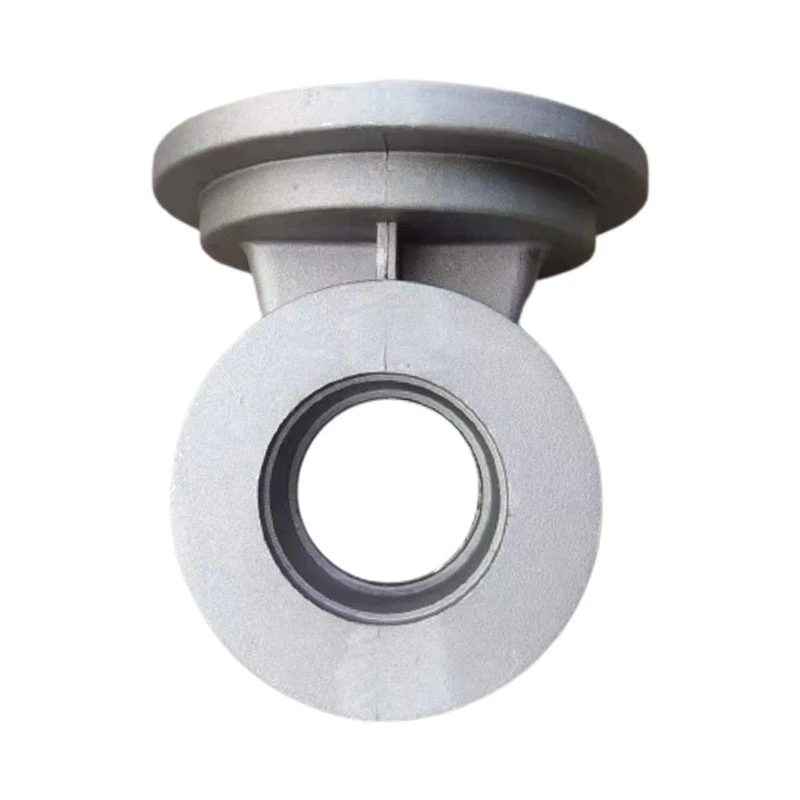
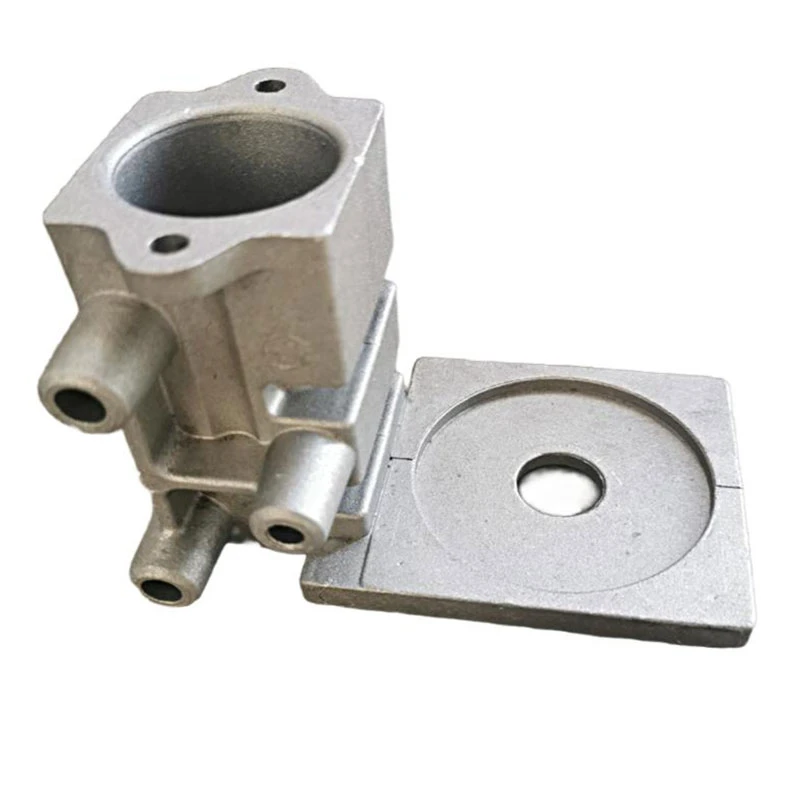
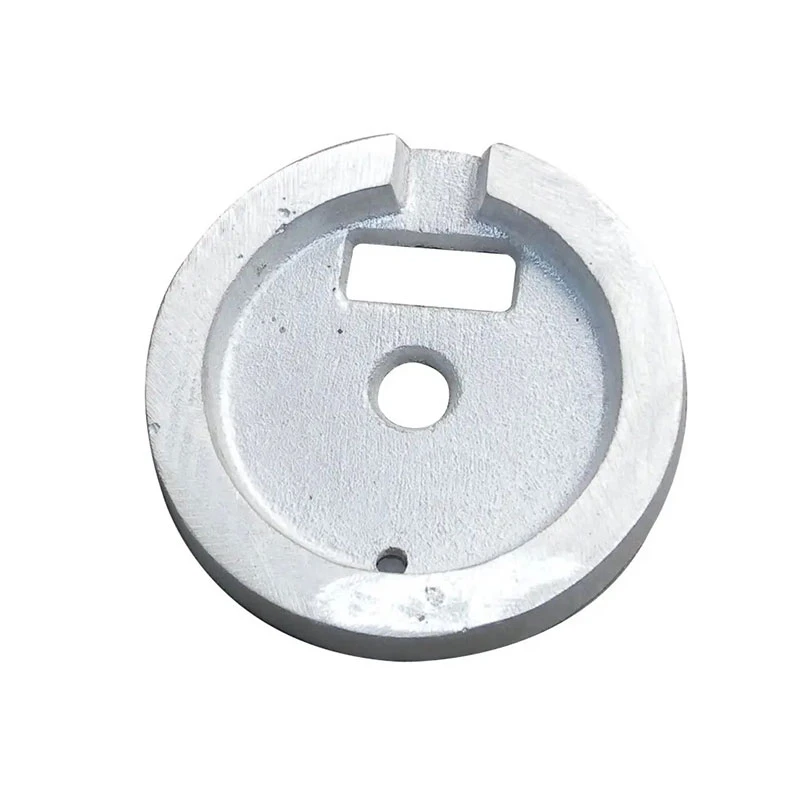
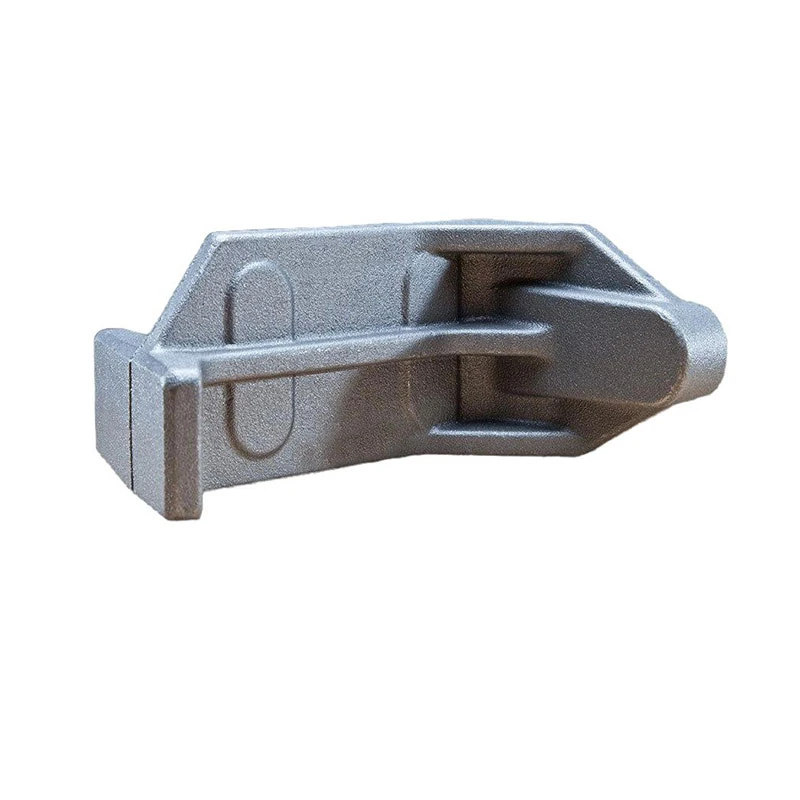
Simply put, precise castings refer to a casting process that produces metal components with exceptionally accurate dimensions and smooth surface finishes — often with little need for secondary machining. While traditional casting involves pouring molten metal into molds, precision casting (like investment casting or lost-wax casting) leverages finely detailed molds and exact temperature control.
This process creates parts with intricacy so fine that aerospace turbines, medical implants, and high-performance automotive parts can be realized to exact tolerances. The term “precise” here signals both dimensional accuracy and low porosity or defects — critical when failure isn’t an option.
Interestingly, precise castings bridge industrial demands and humanitarian needs alike. For example, in building modular shelters quickly deployable in disaster zones, precision castings can ensure structural components fit perfectly and safely, supporting lives in emergency scenarios.
Core Components That Define Precise Castings
1. Tolerance and Accuracy
Precision casting allows dimensional tolerances usually within 0.1 to 0.5 mm, which is significantly tighter than many general casting methods. This accuracy reduces or even eliminates expensive rework or machining.
2. Surface Finish Quality
Because the molds are made with intricate wax patterns or ceramics, the resulting surface tends to be smooth — often below 2 micrometers roughness — saving finishing steps.
3. Material Versatility
Precise castings accommodate a broad range of metals, including stainless steel, aluminum, titanium, and superalloys, each chosen depending on durability, weight, or corrosion resistance needs.
4. Production Scalability
While investment casting may sound labor-intensive, modern automation and mold reuse allow manufacturers to scale from small batches to hundreds of thousands annually, useful in sectors from aerospace to electronics.
5. Cost Efficiency
Though initial tooling is pricier than simple sand casting, reduced machining and scrap make the total cost per part competitive — sometimes even cheaper for complex parts.
Mini takeaway: Precision castings balance high-quality output with efficient production, enabling industries to innovate without breaking the bank.
Where in the World Are Precise Castings Making a Difference?
The application of precise castings spans continents and industries:
- Asia-Pacific: Growing aerospace hubs in Japan and China rely heavily on investment casting for jet engine parts.
- Europe: Germany and Italy’s automotive and tooling manufacturers push precise castings for luxury and sports cars.
- North America: Medical device manufacturers in the U.S. use precision castings for implants and surgical tools with micron-level accuracy.
- Africa: NGOs are increasingly sourcing precisely cast structural components to build durable shelters and water infrastructure in remote areas.
For example, in post-disaster relief operations, rapid assembly of modular housing requires precision-milled brackets and fasteners produced through precise casting to ensure safety and ease of transport. Similarly, remote industrial zones extracting minerals benefit from wear-resistant cast parts that reduce equipment downtime.
Precise Casting Specifications at a Glance
| Specification | Value/Range | Remarks |
|---|---|---|
| Dimensional Tolerance | ±0.05 - 0.5 mm | Depends on alloy & part size |
| Surface Roughness (Ra) | 0.8 - 2.5 μm | Low finishing needed |
| Common Alloys | Stainless Steel, Aluminum, Titanium | Selected by application |
| Part Weight Range | 10 g – 15 kg | Ideal for small to medium parts |
| Batch Size | 100 – 200,000 units | Scalable manufacturing |
Advantages that Stand the Test of Time
The benefits of precise castings go beyond the specs — they truly shape how industries innovate:
- Reliability: Less defects and rework mean lower downtime and better product lifespan.
- Cost Savings: Less machining, less scrap, and faster time-to-market.
- Sustainability: Efficient use of materials aligns with ISO environmental standards (ISO 14001).
- Safety & Dignity: In humanitarian contexts, durable and precisely fitting parts mean stronger shelters — directly affecting well-being.
- Innovation: Allows creation of parts that were impossible or too costly before, enabling breakthroughs.
In real terms, it feels like you’re handing industries a toolkit to be more agile, more responsible, and more innovative simultaneously.
Latest Trends in the World of Precise Castings
These days, the industry is buzzing with innovations such as:
- Digital Casting Simulations: Using AI and software to predict flaws before production starts, reducing scrap quite a bit.
- Advanced Alloys: New metal compositions offering greater strength-to-weight ratio, especially for aerospace and electric vehicles.
- Green Manufacturing: Improved recycling and energy-efficient furnace technologies to reduce emissions.
- Automation & Robotics: For wax injection and mold handling, streamlining precision while cutting labor costs.
Also, analysts note a rise in demand for precise castings that meet stricter environmental policies and tighter global standards — so materials and processes will evolve fast.
Overcoming Challenges: Expert Insights
While precise castings shine in quality, some hurdles linger:
- High initial tooling cost: Especially for complex molds — though amortized over large batches, it’s manageable.
- Limited part size: Very large components still challenge precision casting without defects.
- Skilled labor requirement: Skilled technicians needed for mold preparation and inspection.
Experts suggest hybrid approaches, like coupling 3D printing with investment casting, can mitigate these issues. Plus, ongoing investments in workforce training and smarter process controls keep the potential growing. Truth be told, it’s a field where tradition and cutting-edge tech play a fascinating duet.
Comparison: Leading Precise Casting Vendors
| Vendor | Material Options | Batch Capacity | Typical Lead Time | Specialization |
|---|---|---|---|---|
| CastTech Precision | Alloys incl. superalloys, titanium | Up to 100k parts/month | 3-4 weeks | Aerospace, medical implants |
| ProMold Castings | Steel, aluminum, brass | 5k – 50k units/month | 4-6 weeks | Automotive, tooling |
| EcoCast Solutions | Recycled steel, aluminum | Up to 20k parts/month | 5-7 weeks | Green manufacturing, building |
Frequently Asked Questions About Precise Castings
Q1: What industries benefit the most from precise castings?
A: Aerospace, automotive, medical devices, and defense sectors heavily rely on precise castings for their need for complex, high-strength components that must meet strict tolerance and certification standards.
Q2: How do precise castings improve cost efficiency compared to traditional casting?
A: By reducing machining and scrap rates — precise castings produce near-net shape parts, minimizing extra processing steps and material waste, which cuts overall production expenses.
Q3: Can precise castings be used for small batch productions?
A: Yes, especially with modern automation and faster mold-making techniques. While tooling is costlier upfront, even small batch runs can justify the investment depending on complexity and precision needs.
Q4: Are precise castings eco-friendly?
A: Increasingly yes. New eco-conscious foundries use recycled materials and energy-efficient furnaces, and less material waste helps reduce environmental footprint.
Q5: How do companies ensure quality control in precise castings?
A: They commonly use X-ray inspection, ultrasonic testing, and 3D scanning to detect pores, cracks, and deviation from design, ensuring parts meet exact standards.
Final Thoughts and Next Steps
In essence, precise castings are far more than just a manufacturing method — they’re a strategic enabler allowing industries worldwide to improve quality, innovate boldly, and address sustainability challenges.The future looks bright, if a bit complex, with emerging technologies allying perfectly with this age-old craft.
If you’re ready to dive deeper into how precise castings can elevate your project or product line, why not visit our website? There’s a world of detailed insights and expert partners just a click away.
References
-
Guide to Anodizing Die Cast Aluminum for Industrial ExcellenceNewsApr.16,2026
-
High Quality Precision Aluminum Die Casting Components GuideNewsApr.09,2026
-
Comprehensive Guide to High Quality Aluminium Pressure Die Casting ProductsNewsApr.07,2026
-
Comprehensive Guide to Aluminium Pressure Die Casting Components and SolutionsNewsApr.04,2026
-
Comprehensive Guide to Aluminium HPDC Casting for Global SourcingNewsMar.31,2026
-
Comprehensive Guide to Precision Aluminium Die Castings and Manufacturing SolutionsNewsMar.28,2026