Custom die cast parts are integral components in a vast array of modern industries, offering a unique blend of precision, durability, and cost-effectiveness. From automotive components and aerospace applications to consumer electronics and medical devices, these parts play a critical role in the functionality and performance of countless products. The global demand for custom die cast parts is driven by the continuous need for high-quality, complex geometries, and efficient manufacturing processes.
The significance of custom die cast parts extends beyond mere functionality; they are crucial for innovation and product differentiation. Manufacturers are increasingly relying on custom designs to optimize performance, reduce weight, and enhance aesthetics. This demand is particularly strong in emerging markets where rapid industrialization and a growing middle class are fueling consumption. The ability to produce tailored parts quickly and affordably is a key competitive advantage.
Understanding the nuances of custom die casting – including material selection, tooling design, and process control – is vital for success in today's competitive landscape. Companies that invest in these areas can unlock significant benefits, improve product quality, and reduce time to market. custom die cast parts are not simply manufactured items, they represent solutions to complex engineering challenges.
The Global Significance of Custom Die Cast Parts
The global metal casting market, which includes die casting, is a multi-billion dollar industry, consistently demonstrating growth even amidst economic fluctuations. According to the World Bank, manufacturing output continues to rise in developing nations, creating increased demand for precision components like custom die cast parts. This surge is particularly pronounced in sectors like automotive and electronics.
A key challenge facing manufacturers today is the need for faster lead times and increased customization. Standard parts often require modifications or simply don’t meet specific design requirements. This is where custom die cast parts provide a compelling solution, allowing for rapid prototyping and production of tailored components that address unique engineering challenges. custom die cast parts are enabling faster innovation cycles and better product performance.
Defining Custom Die Cast Parts
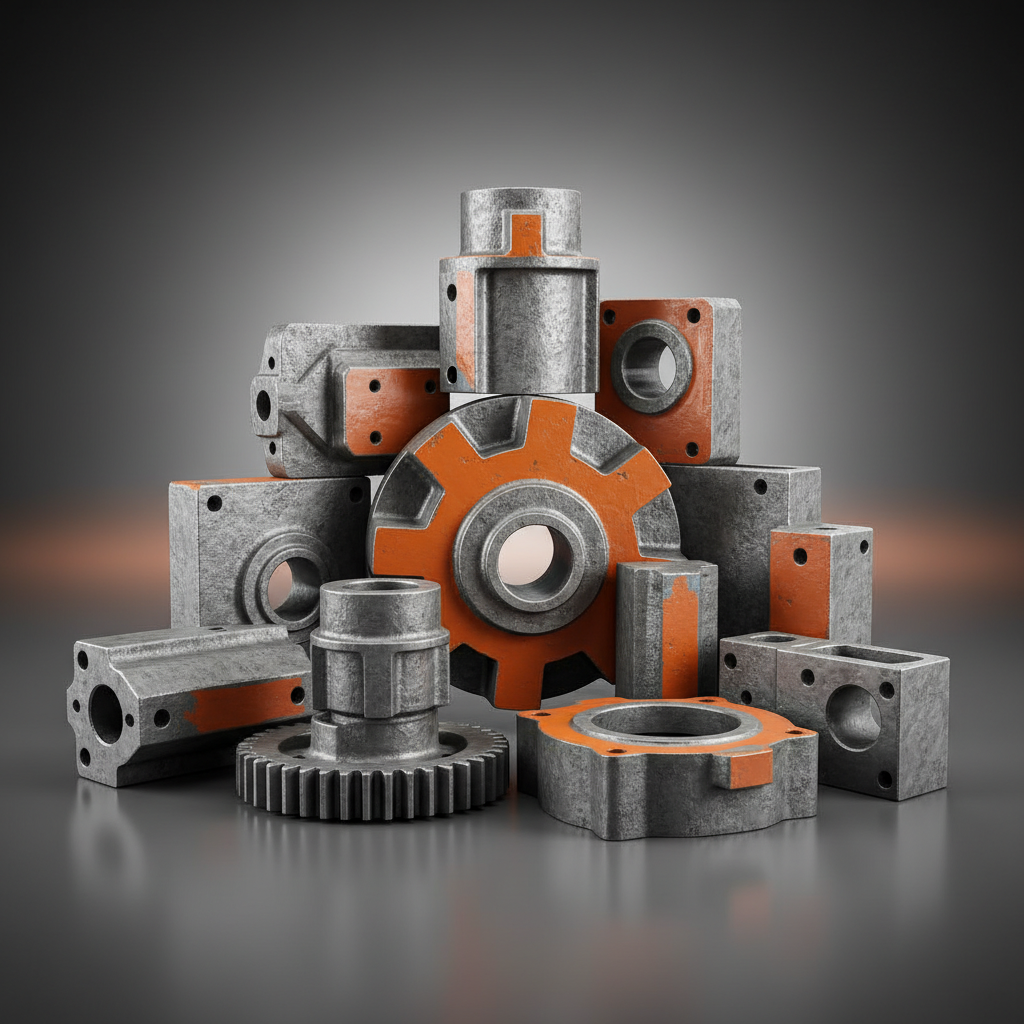
Custom die cast parts are metal components created through the die casting process, tailored to specific design specifications. Unlike mass-produced parts, these are made using custom-designed molds (dies) that precisely shape molten metal into the desired form. The process is ideal for producing complex shapes with tight tolerances and a smooth surface finish.
The significance of this process extends beyond simply creating shapes. It represents a cornerstone of modern manufacturing, enabling the production of intricate parts crucial for a wide range of applications. From the structural components of automobiles to the housings of electronic devices, custom die cast parts are integral to the functioning of many products we rely on daily.
Die casting directly addresses the need for efficient, high-volume production of complex metal parts, which has significant implications for advancements in various humanitarian and industrial fields. This efficient manufacturing process helps provide affordable and reliable components for critical applications, contributing to progress and innovation across the globe.
Core Advantages of Custom Die Cast Parts
Durability: Die cast parts exhibit excellent mechanical strength and resistance to wear and tear. The process creates dense, high-quality castings with superior structural integrity, making them suitable for demanding applications. This inherent durability translates to longer product lifecycles and reduced maintenance costs.
Dimensional Accuracy: Die casting offers exceptional dimensional accuracy and tight tolerances, minimizing the need for secondary machining operations. This precision is essential for applications where parts must fit together seamlessly and function reliably. custom die cast parts ensure consistent performance and reduce assembly costs.
Complex Geometries: Die casting can produce intricate shapes and complex geometries that would be difficult or impossible to achieve with other manufacturing processes. This allows designers to create innovative and optimized parts with enhanced functionality.
Applications Across Industries
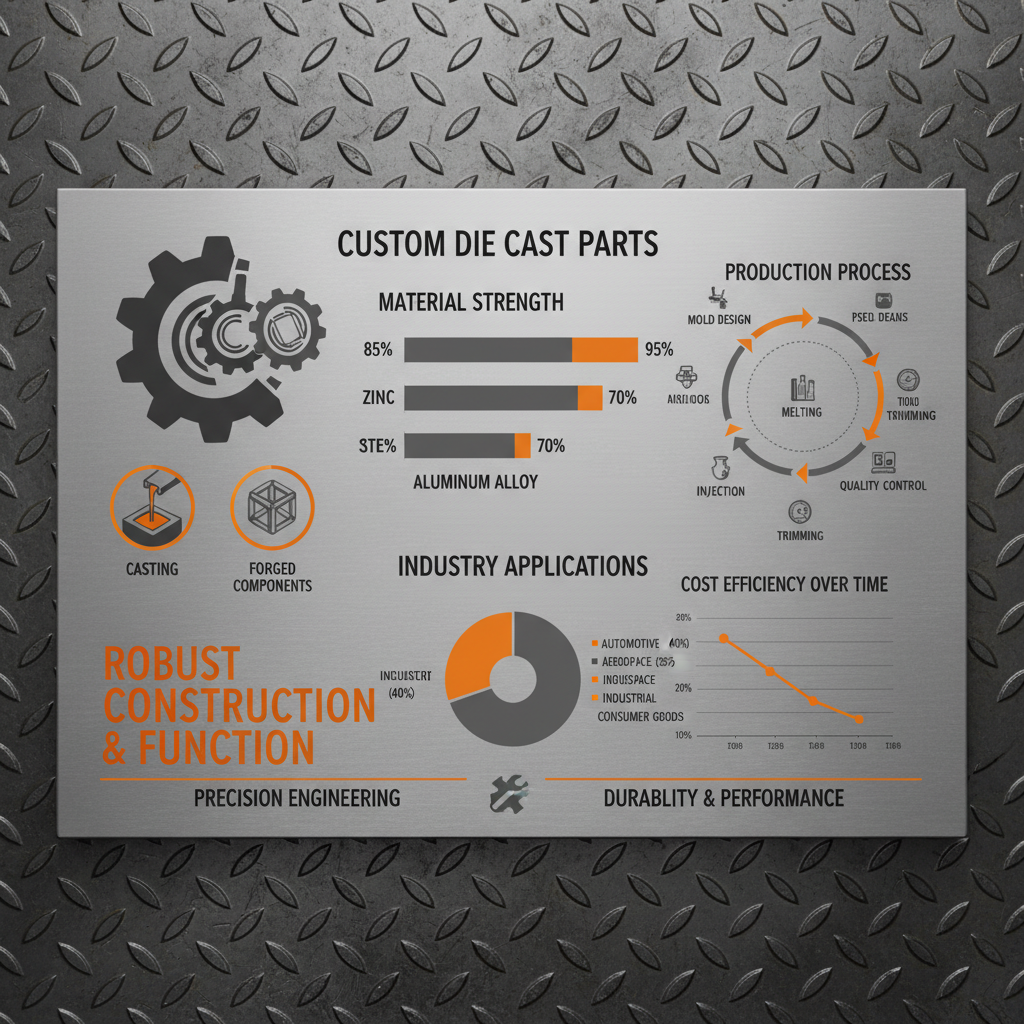
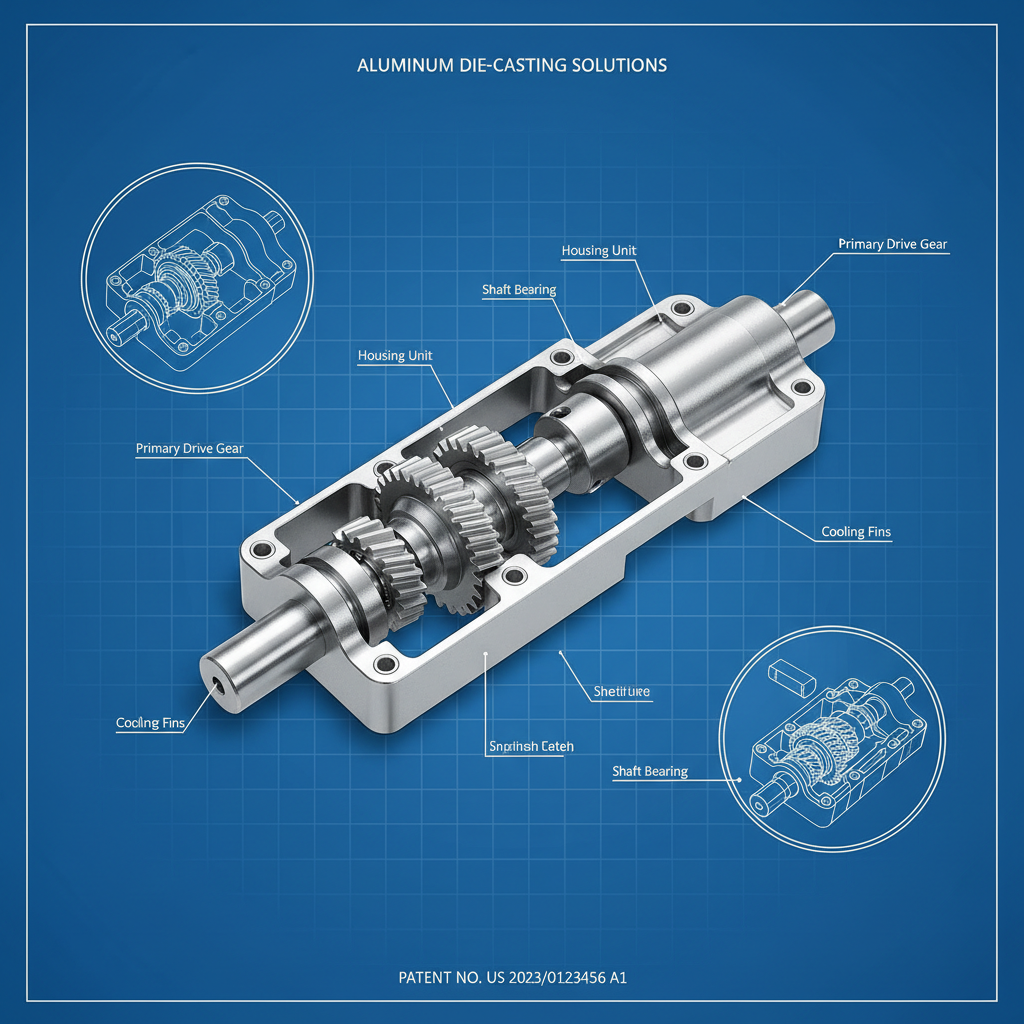
The automotive industry is a major consumer of custom die cast parts, utilizing them in engine components, transmission housings, and structural elements. The aerospace sector benefits from lightweight, high-strength die castings used in aircraft structures and engine parts.
In the electronics industry, die castings provide shielding, heat dissipation, and structural support for electronic devices. The medical device industry employs die cast parts in surgical instruments, diagnostic equipment, and implantable devices. Furthermore, industrial machinery and equipment routinely incorporate custom die cast components for durability and precision.
In remote industrial zones across Asia, for example, custom die cast parts are utilized in the production of agricultural machinery and irrigation systems, enabling increased food production and economic development. Similarly, in post-disaster relief operations, die cast components are crucial for creating durable and rapidly deployable shelters and essential infrastructure.
Comparison of Die Casting Methods for Custom Die Cast Parts
Long-Term Benefits & Value Proposition
Custom die cast parts offer a compelling value proposition through reduced material waste, lower labor costs due to minimal post-processing, and improved product performance. The high degree of repeatability ensures consistent quality, reducing the risk of defects and recalls. This directly translates into enhanced brand reputation and customer satisfaction.
Beyond the tangible economic benefits, the use of custom die cast parts can contribute to sustainability efforts. The ability to optimize designs and reduce material usage aligns with green manufacturing principles. Investing in durable, high-quality parts fosters a sense of trust and reliability, reinforcing long-term customer relationships.
Future Trends in Custom Die Casting
The future of custom die casting is being shaped by several key trends, including the adoption of advanced materials like magnesium alloys and aluminum-silicon alloys for improved strength-to-weight ratios. Automation and robotics are playing an increasingly important role in streamlining production processes and reducing costs.
Furthermore, digital technologies like simulation and modeling are enabling engineers to optimize die designs and predict casting behavior with greater accuracy. The integration of Artificial Intelligence (AI) and Machine Learning (ML) is promising to further enhance process control and quality assurance in custom die cast parts manufacturing.
Overcoming Challenges in Custom Die Cast Parts Production
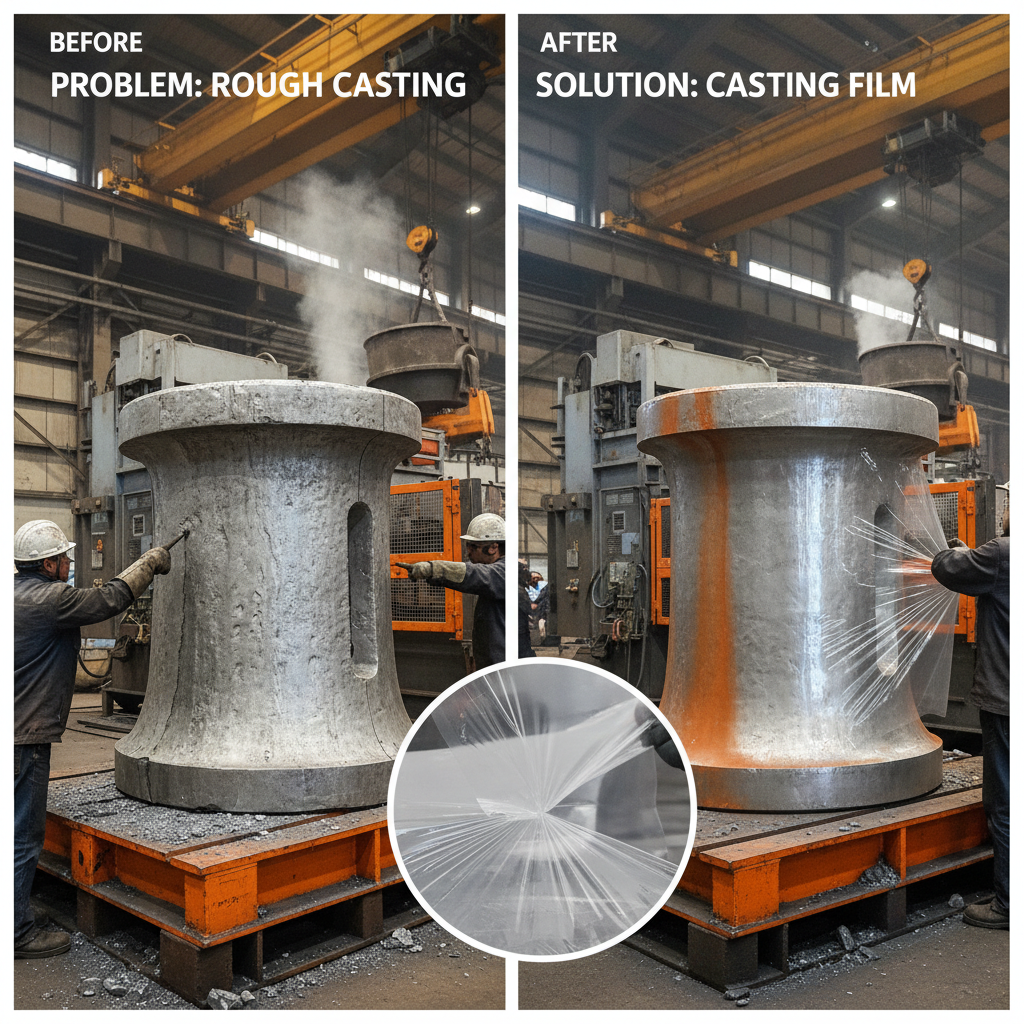
Despite the numerous benefits, custom die cast parts production is not without its challenges. High tooling costs can be a significant barrier to entry, particularly for small-volume production runs. Maintaining consistent quality and minimizing porosity are ongoing concerns.
Innovative approaches to tooling design, such as rapid prototyping and 3D printing, are helping to reduce tooling costs and lead times. Implementing robust quality control measures and utilizing advanced process monitoring techniques can mitigate porosity issues. The move towards leaner manufacturing principles and collaborative design processes are also crucial for addressing these challenges.
Strategic partnerships with experienced die casting suppliers, like custom die cast parts experts, can provide access to specialized expertise and advanced technologies, helping manufacturers overcome these hurdles and maximize the benefits of die casting.
Summary of Factors Affecting Custom Die Cast Parts Production Success
| Material Selection |
Tooling Design Complexity |
Process Control Consistency |
Cost Efficiency |
| Aluminum Alloys |
High (Complex Geometries) |
Excellent (Automated Monitoring) |
8/10 |
| Zinc Alloys |
Medium (Simple Designs) |
Good (Manual Inspection) |
7/10 |
| Magnesium Alloys |
High (Thin Walls) |
Average (Process Sensitive) |
6/10 |
| Aluminum-Silicon Alloys |
Medium (Standard Designs) |
Very Good (Statistical Process Control) |
9/10 |
| Brass Alloys |
Low (Simple Shapes) |
Fair (Limited Automation) |
5/10 |
| Copper Alloys |
Medium (Moderate Complexity) |
Good (Regular Maintenance) |
7/10 |
FAQS
Lead times for custom die cast parts can vary significantly depending on the complexity of the design, the size of the production run, and the availability of materials. Typically, tooling can take 4-8 weeks to complete, while production can range from 2-6 weeks after tooling approval. custom die cast parts providers often offer expedited services for urgent projects, but these may incur additional costs.
The most common materials for custom die casting include aluminum alloys, zinc alloys, magnesium alloys, and copper alloys. Aluminum alloys offer a good balance of strength, weight, and cost-effectiveness. Zinc alloys are ideal for small, intricate parts with excellent dimensional stability. Magnesium alloys provide the highest strength-to-weight ratio. custom die cast parts can be made from a variety of materials based on application requirements.
The minimum order quantity (MOQ) for custom die cast parts varies depending on the complexity of the part and the manufacturer. Generally, MOQs range from 500 to 1000 units, as the high tooling costs are often amortized over a larger production run. Some manufacturers may offer lower MOQs for simpler designs or by sharing tooling costs.
A wide range of surface finishes are available for custom die cast parts, including powder coating, painting, anodizing, plating (chrome, nickel, zinc), and e-coating. The choice of surface finish depends on the application requirements, such as corrosion resistance, aesthetic appearance, and wear resistance. custom die cast parts are typically finished to meet specific client needs.
Die casting excels in producing high volumes of parts with tight tolerances and complex geometries. Compared to sand casting, die casting offers superior surface finish and dimensional accuracy. Compared to investment casting, die casting is generally more cost-effective for larger production runs. Each process has its strengths, and the best choice depends on the specific application requirements.
Several design considerations are crucial for successful die casting, including draft angles to facilitate part ejection, uniform wall thickness to prevent porosity, and the avoidance of sharp corners to reduce stress concentrations. Proper gate and runner design is also essential for ensuring complete mold filling. Consulting with a die casting expert during the design phase can help optimize the part for manufacturability.
Conclusion
Custom die cast parts are a cornerstone of modern manufacturing, offering a unique combination of precision, durability, and cost-effectiveness. From automotive and aerospace to electronics and medical devices, these parts are integral to the functioning of countless products that shape our world. Understanding the advantages, applications, and emerging trends in die casting is crucial for businesses seeking to innovate and stay competitive.
As technology continues to evolve, the future of custom die casting will be driven by automation, advanced materials, and digital technologies. Investing in these areas will enable manufacturers to overcome challenges, optimize processes, and deliver even greater value to their customers. For high-quality, reliable custom die cast parts and expert engineering support, visit our website today.