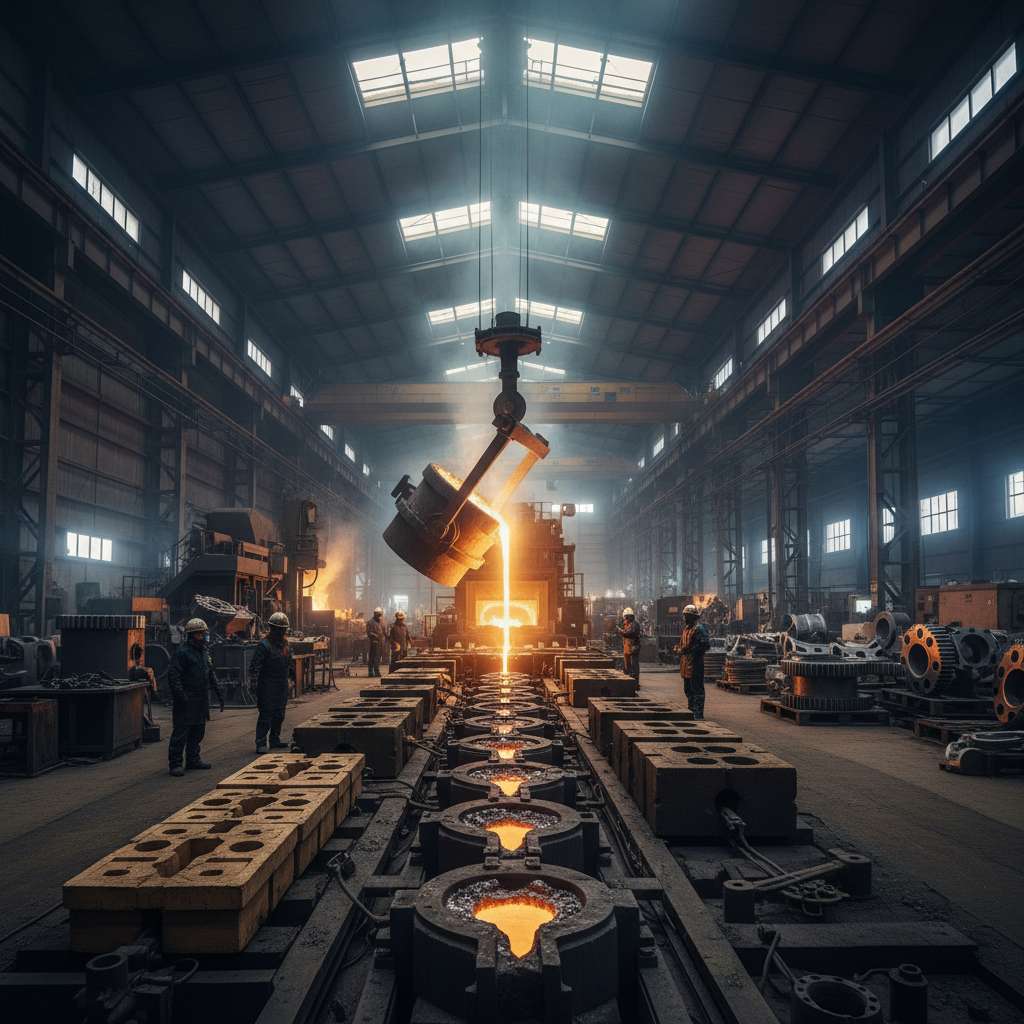
The world of metal casting is a cornerstone of modern manufacturing, facilitating the production of components across diverse industries – from automotive and aerospace to healthcare and energy. A casting studio plays a vital role in this process, acting as the central hub for design, prototyping, and ultimately, the creation of high-quality metal parts. Understanding the capabilities and nuances of a proficient casting studio is paramount for businesses seeking reliable, cost-effective, and innovative manufacturing solutions.
Globally, the demand for metal castings continues to rise, driven by economic growth, infrastructure development, and advancements in technology. According to the World Bank, industrial production, a key driver of casting demand, is projected to grow steadily in emerging economies. A key challenge for manufacturers is finding casting studios capable of meeting increasingly complex design requirements, stringent quality standards, and rapid turnaround times.
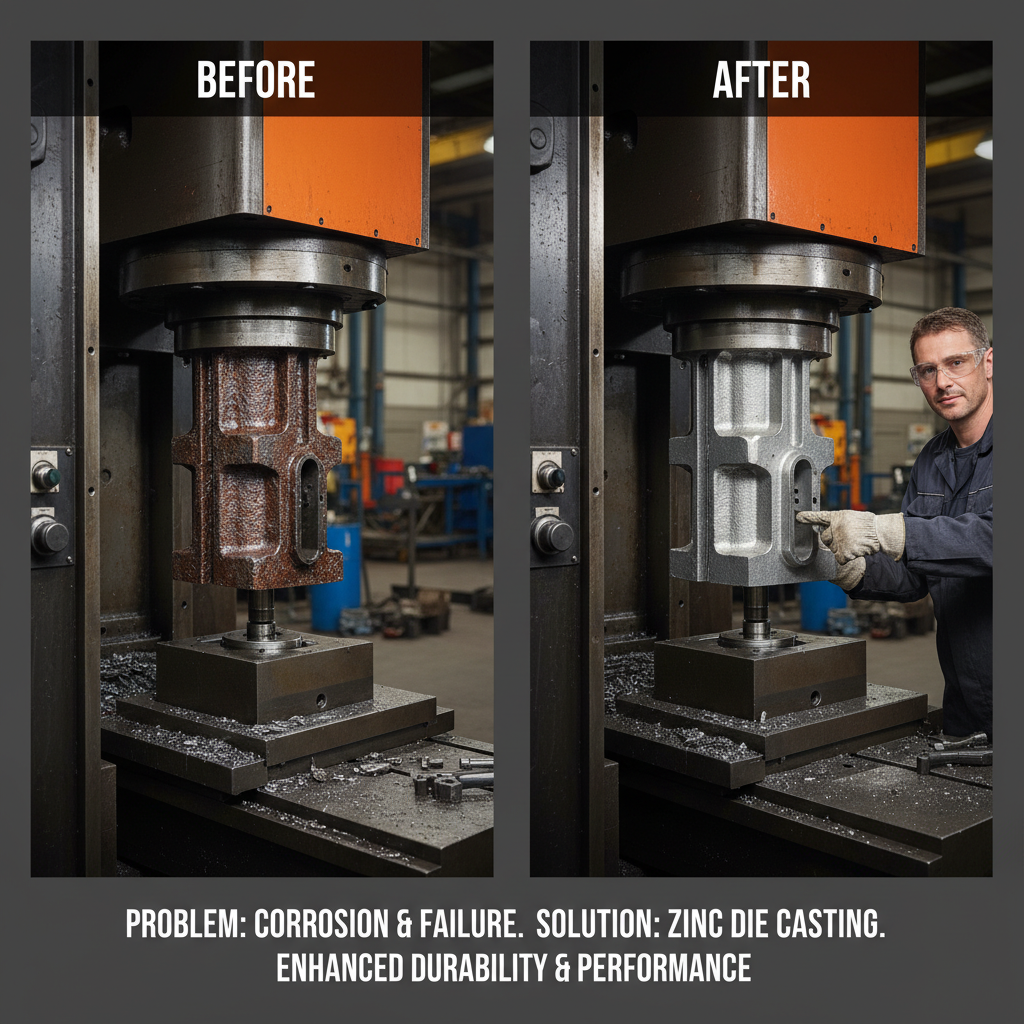
A casting studio is more than just a foundry; it's a full-service provider encompassing design for manufacturability, material selection, tooling, casting process selection (Die Casting, Machining, Precision Castings, Sand Casting, Stamping Parts), finishing, and quality control. Its expertise translates directly into competitive advantage for its clients.
The Significance of casting studio in Modern Manufacturing
A dedicated casting studio is no longer simply a production facility. It’s an integral part of the product development lifecycle, offering expertise in materials science, process optimization, and quality assurance. This holistic approach reduces lead times, lowers costs, and ultimately, delivers superior products to market. The studio’s role is becoming increasingly strategic, demanding a highly skilled workforce and advanced technological capabilities.
The impact extends far beyond direct manufacturing. A strong casting studio partnership enables companies to focus on their core competencies – innovation, marketing, and sales – while relying on a trusted partner for reliable and scalable production. This synergy is crucial for navigating today's competitive global landscape.
Defining a Comprehensive casting studio
A comprehensive casting studio encompasses a complete range of services, from initial design consultation and prototyping to full-scale production and post-processing. This includes material selection guidance (aluminum, zinc, magnesium, brass, etc.), tooling design and fabrication, process selection (die casting, sand casting, investment casting, etc.), and various finishing options like machining, polishing, and coating.
Beyond the technical aspects, a true casting studio prioritizes communication and collaboration. This means working closely with clients to understand their specific needs, providing regular updates on project progress, and proactively addressing any potential challenges. Effective project management and a commitment to on-time delivery are hallmarks of a reputable studio.
Crucially, a modern casting studio embraces digital technologies, utilizing CAD/CAM software, simulation tools, and advanced quality control systems to optimize processes and ensure product consistency. This digital integration minimizes errors, reduces waste, and accelerates the time to market.
Core Capabilities of a Leading casting studio
One core capability is Material Expertise. A leading casting studio possesses in-depth knowledge of various metal alloys and their properties, enabling them to recommend the optimal material for each application. This includes understanding the trade-offs between strength, weight, corrosion resistance, and cost.
Another crucial area is Process Versatility. The ability to offer a diverse range of casting processes – die casting, sand casting, precision casting, and more – allows the studio to cater to a wide variety of project requirements, from high-volume production runs to complex, low-volume parts.
Advanced Tooling Capabilities are also essential. This includes in-house tooling design and fabrication, allowing for faster turnaround times and greater control over tooling quality. This reduces reliance on external vendors and enables quicker iteration on designs.
Applications of casting studio Across Industries
The applications of a quality casting studio are incredibly diverse. In the Automotive Industry, castings are used for engine blocks, transmission housings, and structural components, leveraging the strength and durability of metal parts.
The Aerospace Sector relies heavily on precision castings for critical components like turbine blades, structural supports, and engine parts, demanding the highest levels of quality and reliability. Similarly, the Medical Device Industry utilizes castings for surgical instruments, implants, and diagnostic equipment, where biocompatibility and precision are paramount.
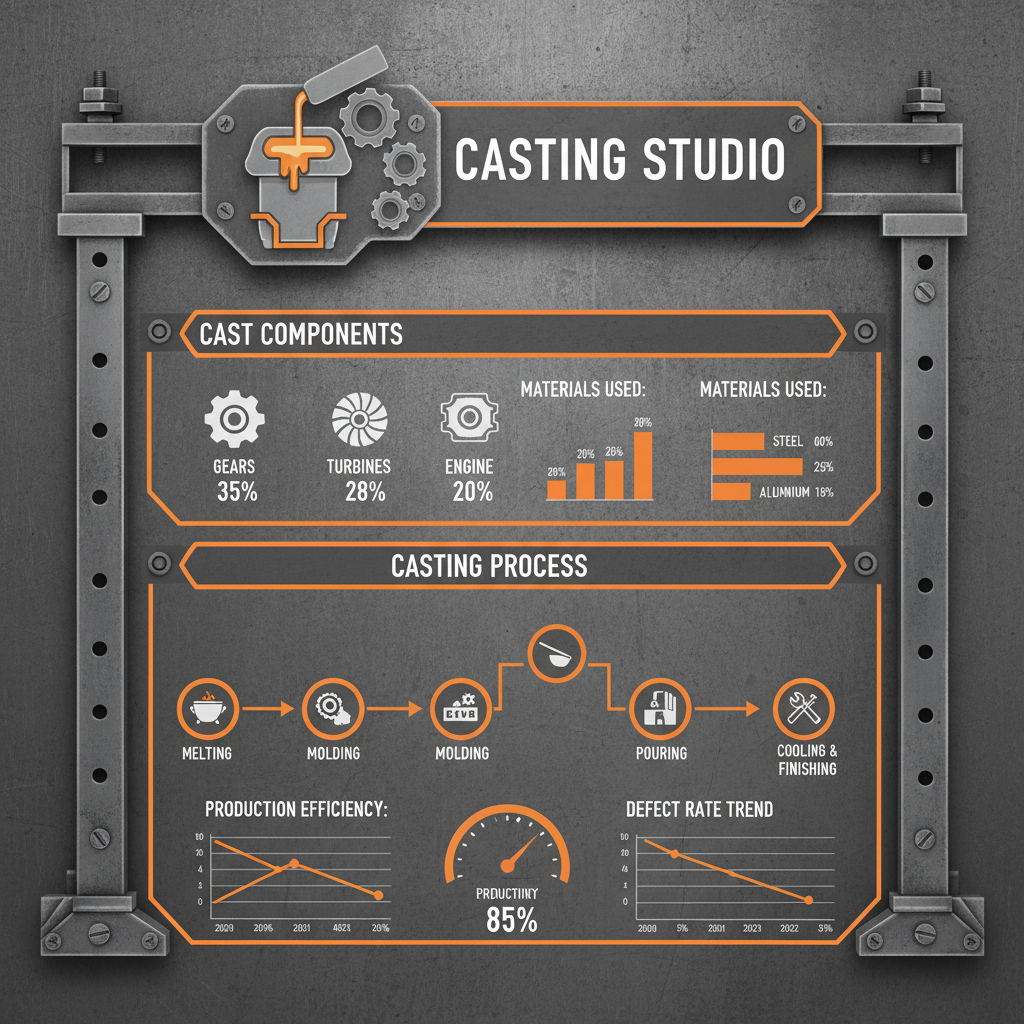
casting studio Application by Industry
Advantages of Partnering with a Specialized casting studio
Partnering with a specialized casting studio offers significant advantages, including reduced lead times, improved product quality, and cost savings. Their expertise in process optimization and material selection translates directly into lower manufacturing costs and faster time to market.
Furthermore, a dedicated studio can provide valuable design feedback, ensuring that parts are designed for manufacturability and can be produced efficiently. This collaborative approach minimizes potential issues and streamlines the production process.
Future Trends Shaping the casting studio Landscape
The future of casting studio is being shaped by several key trends, including the increasing adoption of automation and robotics to improve efficiency and reduce labor costs. 3D printing of sand molds and cores is also gaining traction, enabling faster prototyping and the production of complex geometries.
Sustainable casting practices are becoming increasingly important, with a focus on reducing energy consumption, minimizing waste, and utilizing recycled materials. Digital twins and predictive maintenance are also emerging technologies that promise to optimize casting processes and improve overall performance.
The integration of AI and machine learning will further revolutionize the industry, enabling real-time process control, defect detection, and predictive quality analysis.
Overcoming Challenges in casting studio Operations
Despite the advancements in technology, casting studio operations still face several challenges. Skilled labor shortages are a persistent concern, requiring investments in training and development programs. Maintaining consistent quality across large production runs can also be difficult, necessitating robust quality control systems and rigorous process monitoring.
Another challenge is managing supply chain disruptions, particularly for raw materials. Diversifying sourcing options and building strong relationships with suppliers are crucial for mitigating these risks.
Addressing these challenges requires a proactive and innovative approach, embracing new technologies, investing in workforce development, and fostering a culture of continuous improvement.
Summary of Key Challenges and Mitigation Strategies in casting studio Operations
| Challenge Area |
Impact on casting studio Performance |
Mitigation Strategy |
Implementation Priority (1-5) |
| Skilled Labor Shortage |
Reduced productivity, increased error rates |
Invest in training programs, attract new talent |
5 |
| Quality Control Consistency |
Higher defect rates, customer dissatisfaction |
Implement advanced quality control systems, automate inspection processes |
4 |
| Supply Chain Disruptions |
Delays in production, increased costs |
Diversify sourcing, build strong supplier relationships |
3 |
| Rising Energy Costs |
Increased manufacturing expenses |
Implement energy-efficient technologies, explore renewable energy sources |
2 |
| Data Management & Analytics |
Lack of insights for process optimization |
Implement data analytics platforms, utilize AI-powered insights |
3 |
| Maintaining Regulatory Compliance |
Legal penalties, reputational damage |
Implement robust compliance programs, stay updated on regulations |
4 |
FAQS
A full-service casting studio offers a streamlined and integrated approach to manufacturing, handling everything from design and prototyping to production and finishing. This results in reduced lead times, improved quality control, lower costs, and access to specialized expertise, ultimately accelerating your time to market.
Reputable casting studios implement rigorous quality control procedures throughout the entire process, including material inspection, dimensional checks, non-destructive testing (NDT), and final product verification. They often adhere to industry standards like ISO 9001 to ensure consistent quality.
Most casting studios can work with a wide range of metal alloys, including aluminum, zinc, magnesium, brass, bronze, and various types of steel and iron. The specific materials offered depend on the studio’s capabilities and the casting processes they utilize.
Lead times vary depending on the complexity of the project, the volume of parts, and the studio’s current workload. However, a typical lead time for a standard casting project can range from 4 to 12 weeks, encompassing tooling fabrication, casting, and finishing. Prototyping can often be completed much faster.
Reputable casting studios prioritize intellectual property protection. They typically have non-disclosure agreements (NDAs) in place and implement strict security measures to safeguard client designs and data. They will also have clear ownership policies regarding tooling and intellectual property.
Common casting processes include die casting (for high-volume production of complex parts), sand casting (for large parts and prototypes), investment casting (for high-precision parts), and gravity casting. A versatile studio offers multiple processes to accommodate diverse requirements.
Conclusion
In conclusion, a proficient casting studio is an indispensable partner for businesses seeking high-quality, cost-effective, and innovative metal components. From material selection and process optimization to quality control and supply chain management, a dedicated studio provides a comprehensive suite of services that can significantly enhance manufacturing efficiency and accelerate time to market.
Looking ahead, embracing emerging technologies like automation, 3D printing, and AI will be critical for maintaining competitiveness in the rapidly evolving casting industry. By prioritizing sustainability, investing in workforce development, and fostering a culture of continuous improvement, casting studios can ensure their long-term success and continue to deliver exceptional value to their clients. Visit our website at www.hairunsourcing.com to explore how we can help bring your casting projects to life.