


Choosing Sand Cast Pump Valve Fittings: Working Requirements and Integration Fit
THE BUYER'S GUIDE / SELECTION
Choosing Sand Cast Pump Valve Fittings: Working Requirements and Integration Fit
Selecting the right Sand Cast Pump Valve Fittings requires matching the casting process, material type, and part geometry to your actual working conditions — including the fluid media, system pressure range, and how the component integrates with existing pump or valve assemblies. This guide walks procurement teams and engineering buyers through the key selection criteria: production process options, material choices, customization scope, inspection documentation, and ancillary sourcing services available from Baoding Hairun Machinery And Equipment Trading Co., Ltd.

Sand type and binder system: the selection of foundry sand (siliceous, zircon, chromite, corundum, or special sand) and binder affects surface finish, dimensional accuracy, and thermal stability; the correct choice depends on the alloy being cast and the finish requirements at functional surfaces.
Production process compatibility: multiple casting routes are available — sand mold, permanent die, precision/investment, lost foam, die casting, centrifugal, low pressure, and vacuum casting — and the appropriate process must be matched to part geometry, required mechanical properties, alloy type, and annual volume.
Dimensional scope and customization: unit weight and dimensions are defined by the customer's sample or drawings; buyers must supply complete dimensional drawings with interface tolerances to ensure integration fit with mating pump or valve assemblies.
Inspection and quality documentation: dimension reports, material reports (chemical composition, tensile strength, yield strength, hardness), and on-request NDT reports (X-ray, ultrasonic, magnetic particle) are available; the required documentation set must be specified at the RFQ stage.
Packing and logistics fit: available packing formats (carton, plywood cases, pallets) and end-to-end trade services (supplier assessment, sample coordination, customs declaration and clearance, freight management) are relevant selection factors for international buyers importing from China.
What Are Sand Cast Pump Valve Fittings?
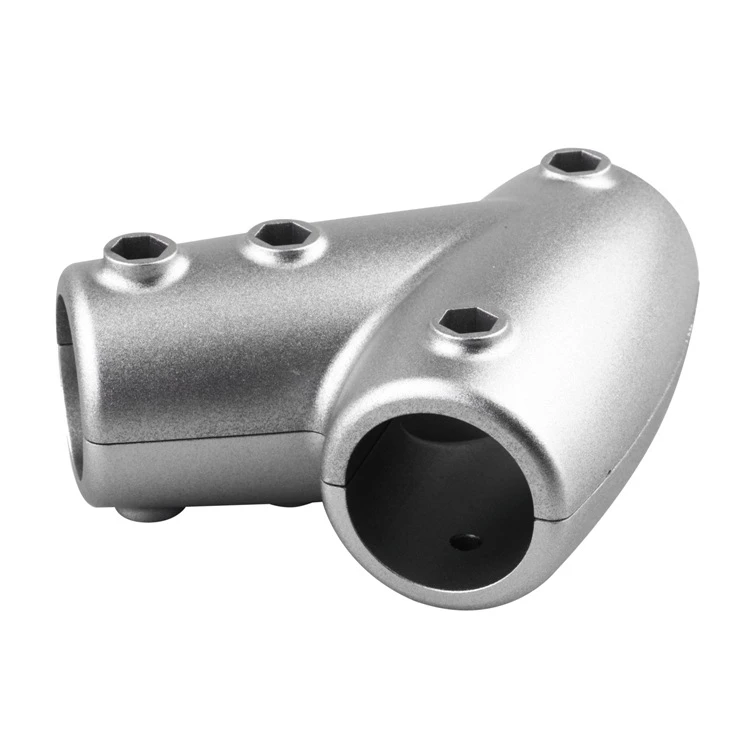
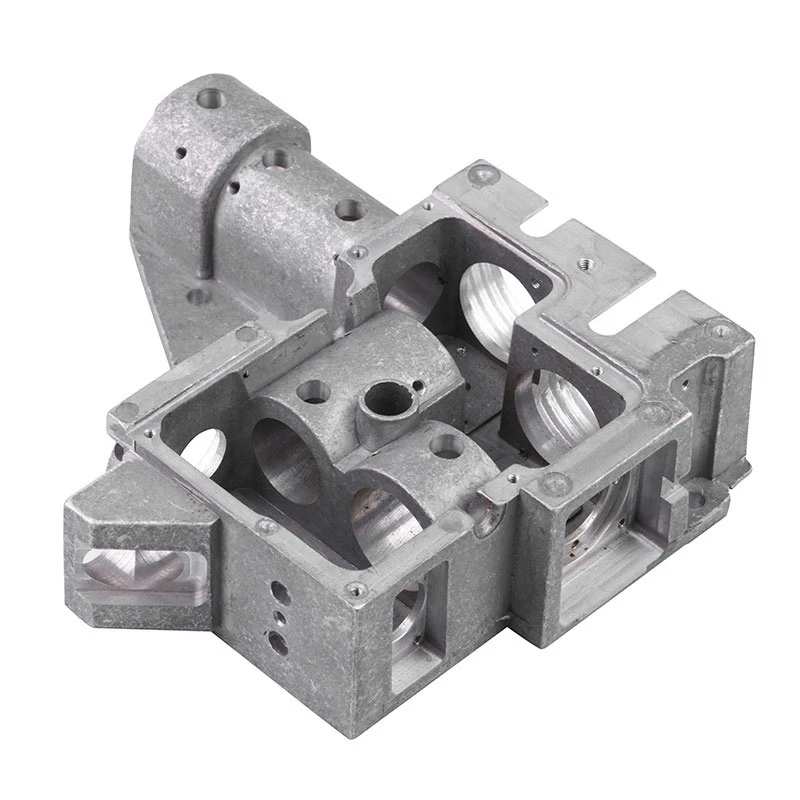
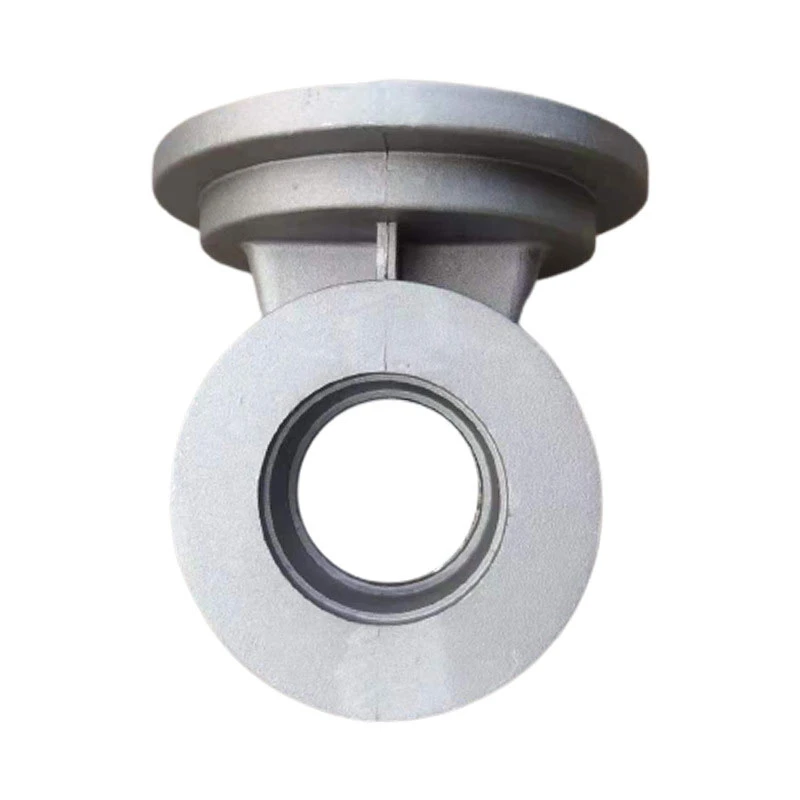
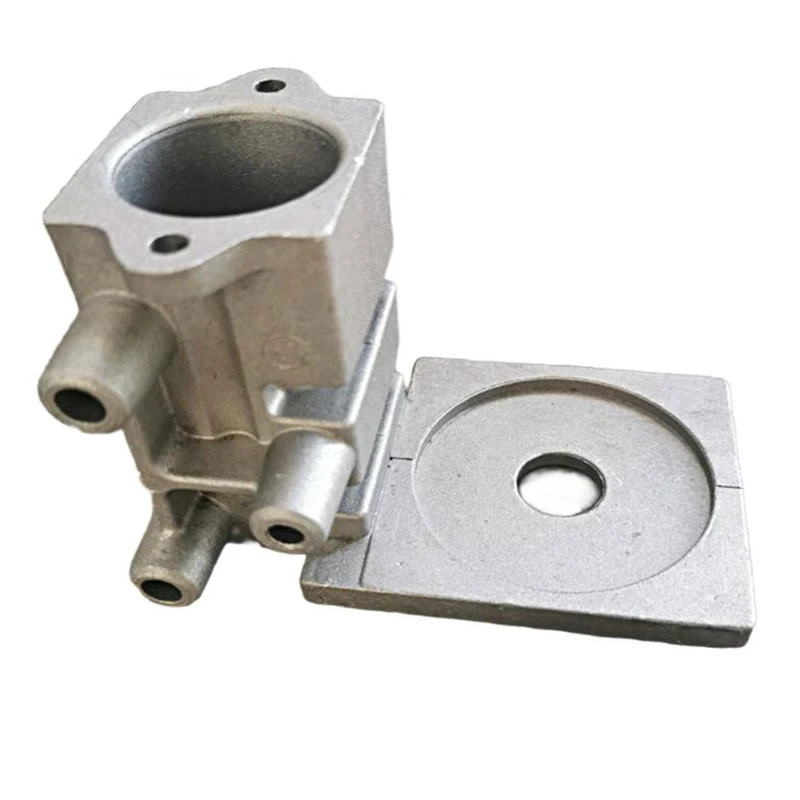
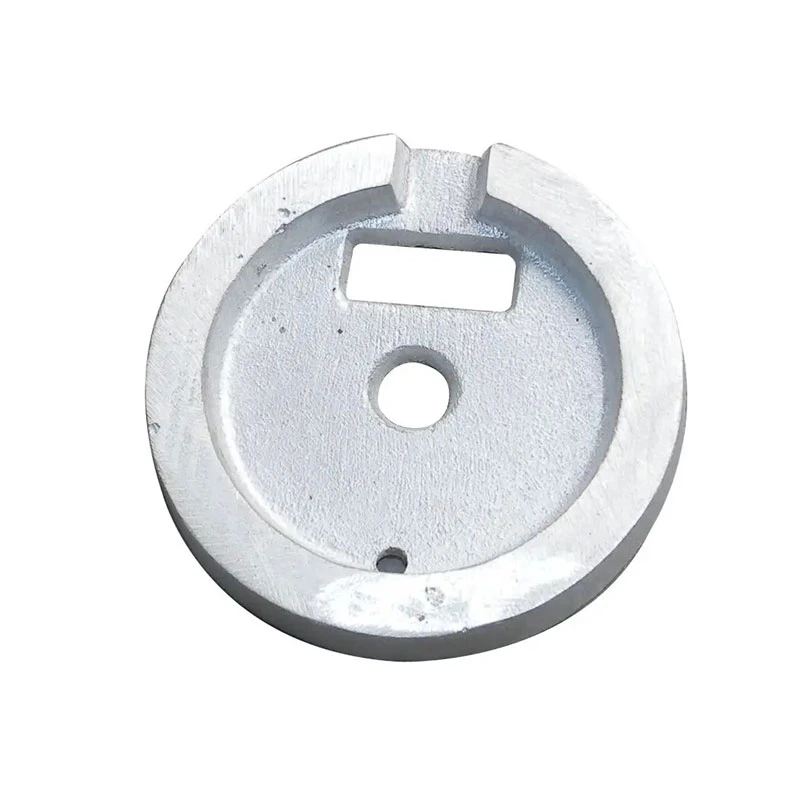
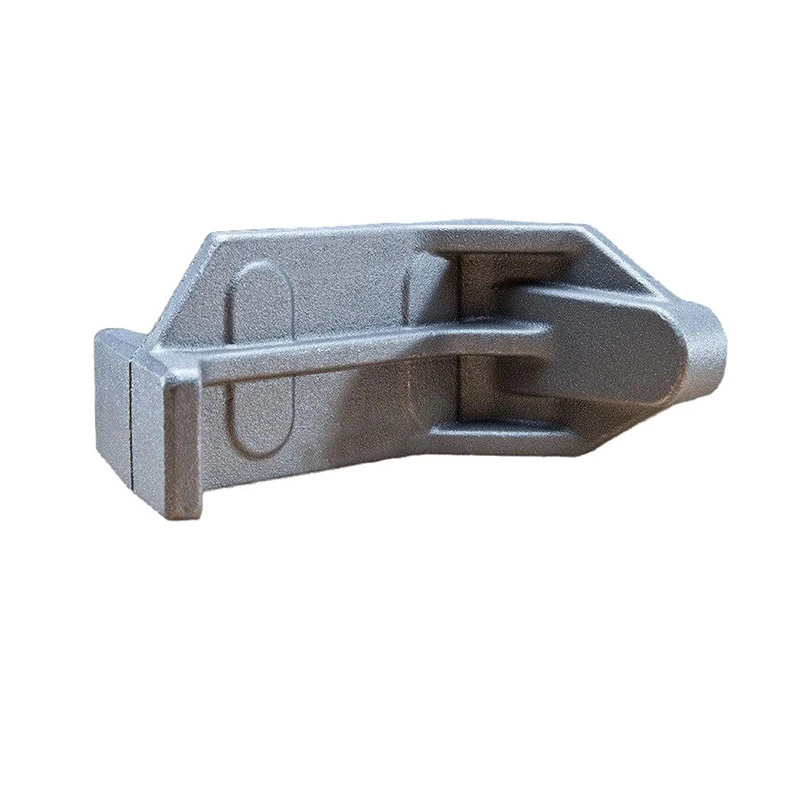
Sand Cast Pump Valve Fittings are cast metal components produced through a sand casting process and used in fluid handling systems — specifically to transport, measure, regulate, and control liquids, gases, and vapors. They are found in pump bodies, valve housings, pipe connectors, and related flow-control assemblies across industries such as oil and gas, water treatment, power generation, and industrial machinery.
The term "sand cast" refers to the manufacturing method: molten metal is poured into a mold formed from foundry sand, allowed to solidify, and then removed for finishing. The resulting parts can be complex in geometry, produced in moderate volumes, and sized to buyer specifications — making the process a practical choice for pump and valve components that cannot be economically produced by machining from solid stock.
Baoding Hairun Machinery And Equipment Trading Co., Ltd. supplies OEM Sand Cast Pump Valve Fittings configured to customer samples or drawings, with weight and dimensional scope defined by the buyer's requirements.
Key Selection Criteria
1. Sand Type and Binder System
The choice of foundry sand directly affects surface finish, dimensional accuracy, thermal stability, and the range of metals that can be cast. The available sand materials for these fittings include:
- Siliceous sand / silica sand — widely used general-purpose molding sand; suitable for many ferrous and non-ferrous alloys
- Zircon sand — high thermal conductivity and refractoriness; used where fine surface detail and dimensional accuracy matter
- Chromite sand — excellent resistance to metal penetration; preferred for high-temperature or heavy-section castings
- Corundum sand — high hardness and heat resistance; suited to demanding alloy castings
- Special sand and molding sand binders — selected based on part complexity, alloy type, and required surface quality
Buyer action: Confirm the alloy you intend to cast and the surface finish your assembly requires before selecting a sand system. If you are matching an existing part, provide a sample or dimensional drawing so the appropriate sand and binder combination can be assigned.
2. Production Process Compatibility
Not all pump and valve geometries are best served by a single casting route. Baoding Hairun Machinery And Equipment Trading Co., Ltd. can support multiple casting methods within the same supply arrangement:
| Process | Typical Fit |
|---|---|
| Sand mold casting | Complex shapes, moderate volumes, wide alloy range |
| Permanent die casting | High-volume, tighter tolerances, non-ferrous alloys |
| Precision (investment) casting | Fine detail, thin walls, near-net shape |
| Lost foam casting | Complex internal passages, no parting-line flash |
| Die casting | High production rates, aluminum/zinc alloys |
| Centrifugal casting | Cylindrical bodies, pipes, valve seats |
| Low pressure casting | Reduced porosity, controlled fill for critical parts |
| Vacuum casting | Minimal gas inclusions for high-integrity components |
Buyer action: Match the process to your part's geometry, required mechanical properties, alloy type, and annual volume. A pump body with complex internal passages may be better served by lost foam or investment casting than conventional sand mold casting, even if the raw material is the same.
3. Dimensional Scope and Customization
Both unit weight and dimensional scope for these fittings are defined by the customer's sample or drawings — there is no fixed catalog size. This means the fittings are OEM-configured, not off-the-shelf standard items. Customization is confirmed as available.
Integration checklist for buyers:
- Provide a complete dimensional drawing or a physical sample with all critical tolerances called out
- Identify interface dimensions — bolt circle, port size, face-to-face length — that must align with mating pump or valve components
- Specify surface condition requirements at sealing faces, threaded connections, and flanged joints
- Note any post-cast machining or finishing that is expected as part of the supplied part
4. Inspection and Quality Documentation
The availability of quality documentation is a meaningful differentiator when specifying cast pump and valve components for regulated or critical-service applications. The following inspection reports are available:
- Dimension report — confirms that finished parts conform to drawing dimensions
- Material report — covers chemical contents, tensile strength, yield strength, and hardness
- X-ray test report — available on request, for internal integrity verification
- Ultrasonic test report — available on request, for sub-surface defect detection
- Magnetic particle test report — available on request, for surface and near-surface crack detection
Buyer action: Specify which reports are required at the time of inquiry. If your application is pressure-rated, safety-critical, or subject to third-party audit, request the non-destructive testing (NDT) reports up front so they can be factored into the production plan.
5. Packing and Logistics Fit
For international procurement teams, the physical packing and trade logistics of cast fittings matter beyond the part itself. Available packing formats include carton, plywood cases, and pallets — appropriate for sea freight and air freight depending on part size and order volume.
Baoding Hairun Machinery And Equipment Trading Co., Ltd. also offers end-to-end trade support covering supplier assessment, sample and trial production coordination, bulk production logistics, shipping management, port collection, customs declaration, customs clearance, and space booking. This is relevant for buyers who are sourcing from China for the first time or who need a single point of contact for import compliance.
When Are Sand Cast Pump Valve Fittings the Right Choice?
Sand Cast Pump Valve Fittings suit the following procurement situations:
- You require a custom geometry that does not match any standard catalogued fitting — the part is defined entirely by your drawing or sample
- Your application involves fluid transport, measurement, regulation, or control of liquids, gases, or vapors and a cast housing or body is the specified construction
- You need moderate-to-large part sizes that would be uneconomical to machine from solid, or that have internal passages that require a casting process
- Multiple alloy and process options are needed across a product family — the same supplier can handle sand mold, investment, die, and centrifugal routes
- Quality documentation is required for each batch — dimensional, material, and NDT reports are available
- You are importing from China and need integrated logistics support from production through customs clearance
These fittings are less appropriate when you need fully standardized, interchangeable components that must meet a published dimensional standard without custom tooling, or when your volume is low enough that machined or forged alternatives are more economical.
Selecting the Right Supplier Configuration
For buyers approaching Baoding Hairun Machinery And Equipment Trading Co., Ltd. for Sand Cast Pump Valve Fittings, the following steps help define a complete specification:
- Define the application fluid and operating context — confirm whether the medium is liquid, gas, or vapor, and identify the general pressure and temperature range of the system
- Supply a drawing or sample — weight and size are customer-defined; no standard dimensions exist for these OEM parts
- Identify required inspection documentation — specify dimension report, material report, and any NDT reports at the RFQ stage
- Confirm the casting process — if you have a preference or requirement (e.g., low-porosity parts for pressure service), state it; multiple process routes are available
- Clarify logistics requirements — if you need customs support, trial production, or supplier assessment services, include this in the initial inquiry so the scope can be confirmed
About Baoding Hairun Machinery And Equipment Trading Co., Ltd.
Baoding Hairun Machinery And Equipment Trading Co., Ltd. is a China-based joint-stock enterprise located in Baoding City, Hebei Province, with established cooperative relationships across precision steel casting, sand casting, stainless steel precision casting, die casting, and mechanical processing facilities. The company supplies cast steel, alloy steel, gray cast iron, ductile iron, and non-ferrous metal parts, and its products are exported to markets including the United States, Italy, Germany, the United Kingdom, France, and Japan.
THE PEOPLE

About the author
THE COMPANY
Baoding Hairun Machinery And Equipment Trading Co., Ltd.
About Us Baoding Hairun Machinery Equipment Trading Co., Ltd. is located at No. 678, Jinxiu Street, Jingxiu District, Baoding City, Hebei Province,China. It is adjacent to Beijing and Tianjin and has convenient transportation. Our company is a joint-stock enterprise. It mainly supplies cast steel parts, alloy steel parts, gray cast iron parts, ductile iron parts, and non-ferrous metal parts, etc.., as well as machined parts, stamping parts and die-casting parts.…
About Us ↗Visit company website ↗YOUR NEXT STEP
Bring your brief. Start a useful conversation.
Use case, specification, quantity and delivery window: make the next conversation specific.
-
OEM sand casting for pump and valve fittings: buyer questions answeredNewsNov.02,2026
-
Comparing Round Hole Flange Bracket Options: Specifications, Materials and Supplier DocumentationNewsOct.29,2026
-
Choosing an OEM Coupling: Application Fit and Specification Checks for Precision Castings Quick CouplingsNewsOct.27,2026
-
How to Choose a Precision Casting Manufacturer for Automotive Applications: Application Fit and Specification ChecksNewsOct.27,2026
-
Choosing Die Casting: Application Fit and Specification ChecksNewsOct.27,2026