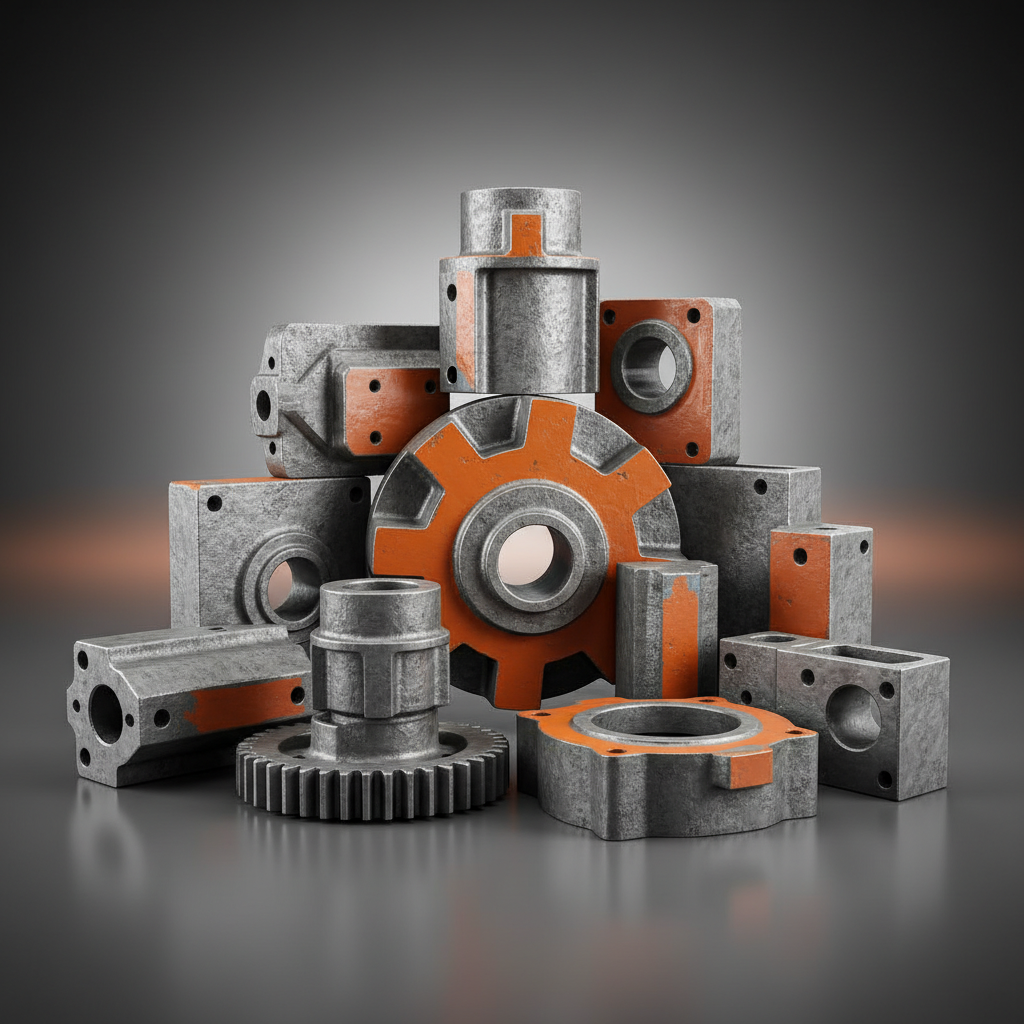
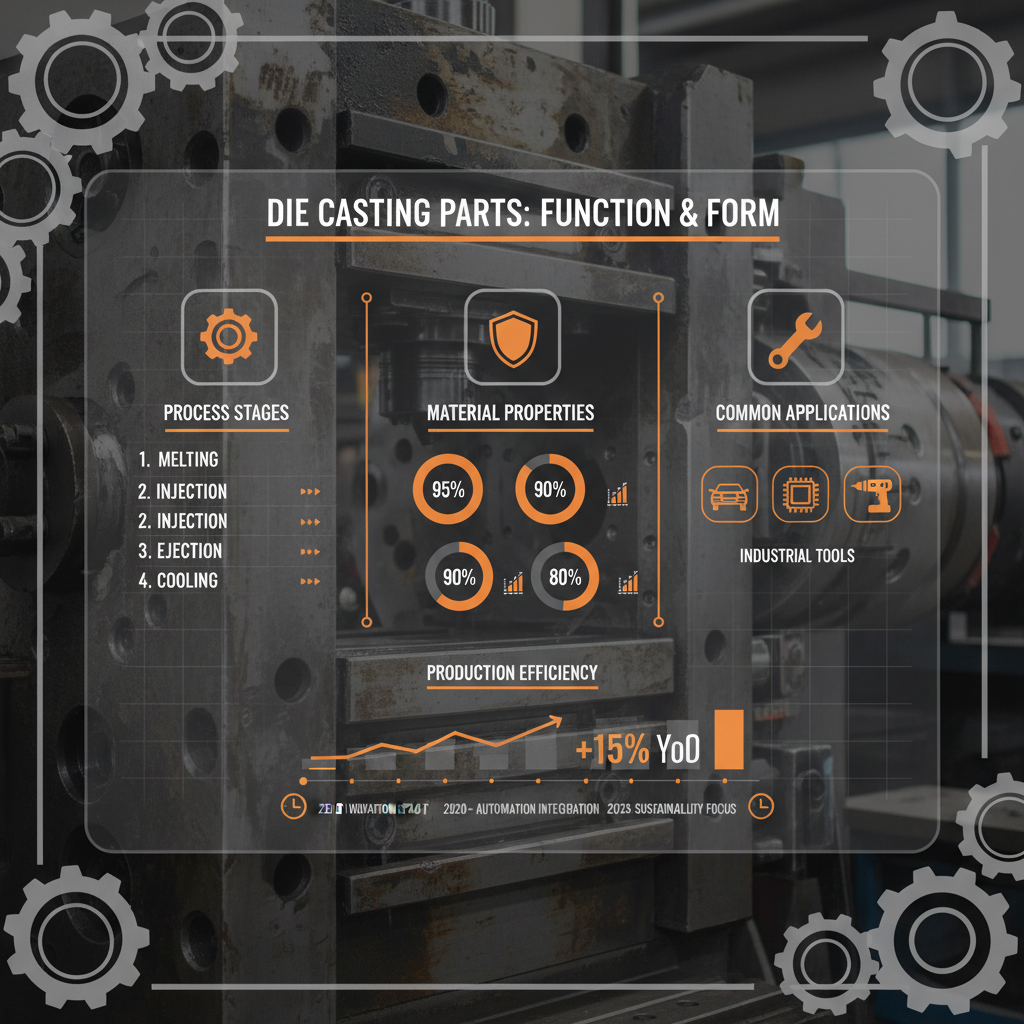
Die cast aluminum parts are everywhere you look – from the housings of power tools to the intricate components in your car engine, even the structural elements in complex machinery. It’s not just a material; it's a foundational element enabling modern manufacturing. I've spent years walking construction sites, seeing firsthand how critical reliable components are. You can't build anything durable without parts that can stand up to the stresses of real-world use. That’s where die casting shines.
The demand for these parts is skyrocketing globally, driven by everything from automotive electrification to the expansion of renewable energy infrastructure. The UN Industrial Development Organization reports a consistent increase in demand for lightweight, durable materials, particularly in emerging economies. We're talking about billions of dollars annually, impacting supply chains across continents. But this growth isn't without its challenges – ensuring quality control, navigating complex logistics, and keeping costs competitive are constant pressures.
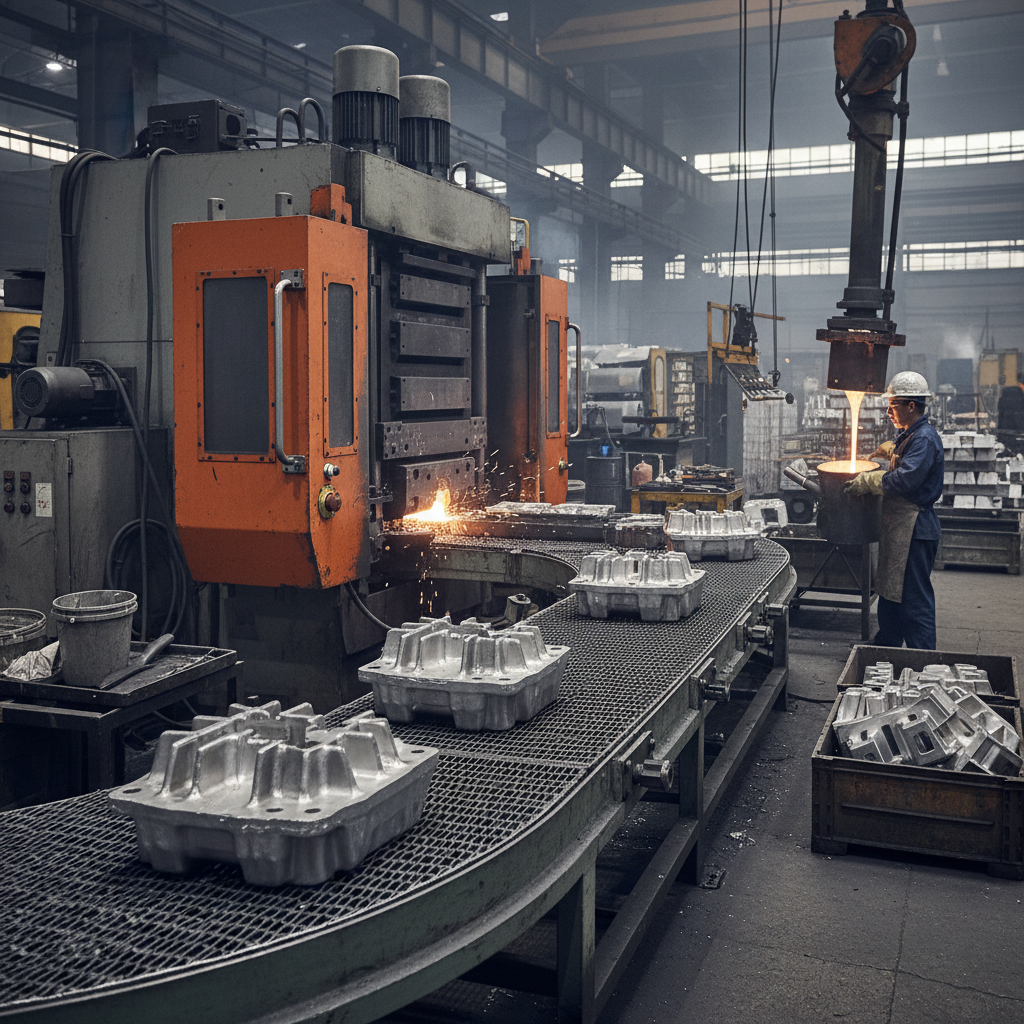
Simply put, die cast aluminum parts are created by forcing molten aluminum into a mold under high pressure. It's a process that's been refined over decades, allowing for the production of incredibly precise, complex shapes with excellent surface finishes. It's more than just metal forming; it's a process at the heart of countless industries and a cornerstone of modern manufacturing, enabling everything from the smartphone in your pocket to the airplane overhead.
The Global Significance of Die Cast Aluminum Parts
Die cast aluminum parts form a critical link in countless global supply chains. The World Bank consistently highlights the growth of manufacturing in emerging economies, and a substantial portion of that growth relies on readily available, cost-effective components. I’ve seen it firsthand – in Southeast Asia, for example, the demand for automotive parts, appliances, and electronics is pushing the need for efficient die casting capabilities. It's a key enabler for industrial expansion.
This isn’t just about volume, either. The ISO 9001 standard, widely adopted across the manufacturing sector, emphasizes the importance of consistent quality. Die casting, when properly controlled, delivers that consistency. We're dealing with parts that often have to meet stringent safety and performance standards, and aluminum die castings frequently outperform other materials in those areas.
Defining Die Cast Aluminum Components
At its core, die casting is a metal casting process that forces molten aluminum into a mold cavity under high pressure. This is different from other casting methods like sand casting or investment casting. The pressure ensures the molten metal fills the most intricate details of the mold, creating parts with tight tolerances and a smooth surface finish. It's like injection molding, but with metal instead of plastic.
These components aren’t just simple shapes. They can be incredibly complex, incorporating thin walls, intricate cores, and precise features. Think about the internal workings of a transmission – those gears, housings, and levers often start as die cast aluminum parts. The precision makes them ideal for applications where functionality is paramount.
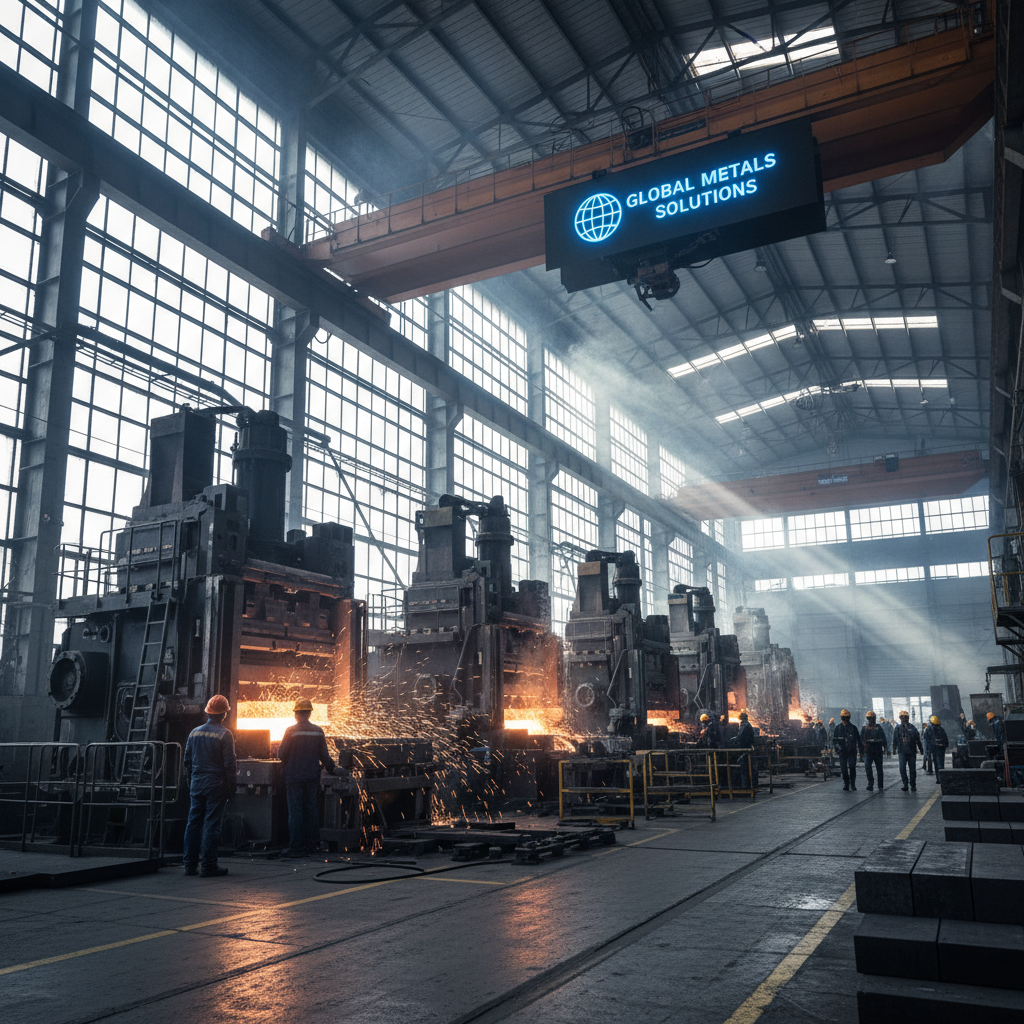
The process isn't just about the metal itself; it's about the entire system – the molds, the machines, and the expertise of the technicians running it all. A well-maintained die casting facility is a marvel of engineering, and the quality of the parts directly reflects the skill of the people involved.
Core Advantages of Die Cast Aluminum
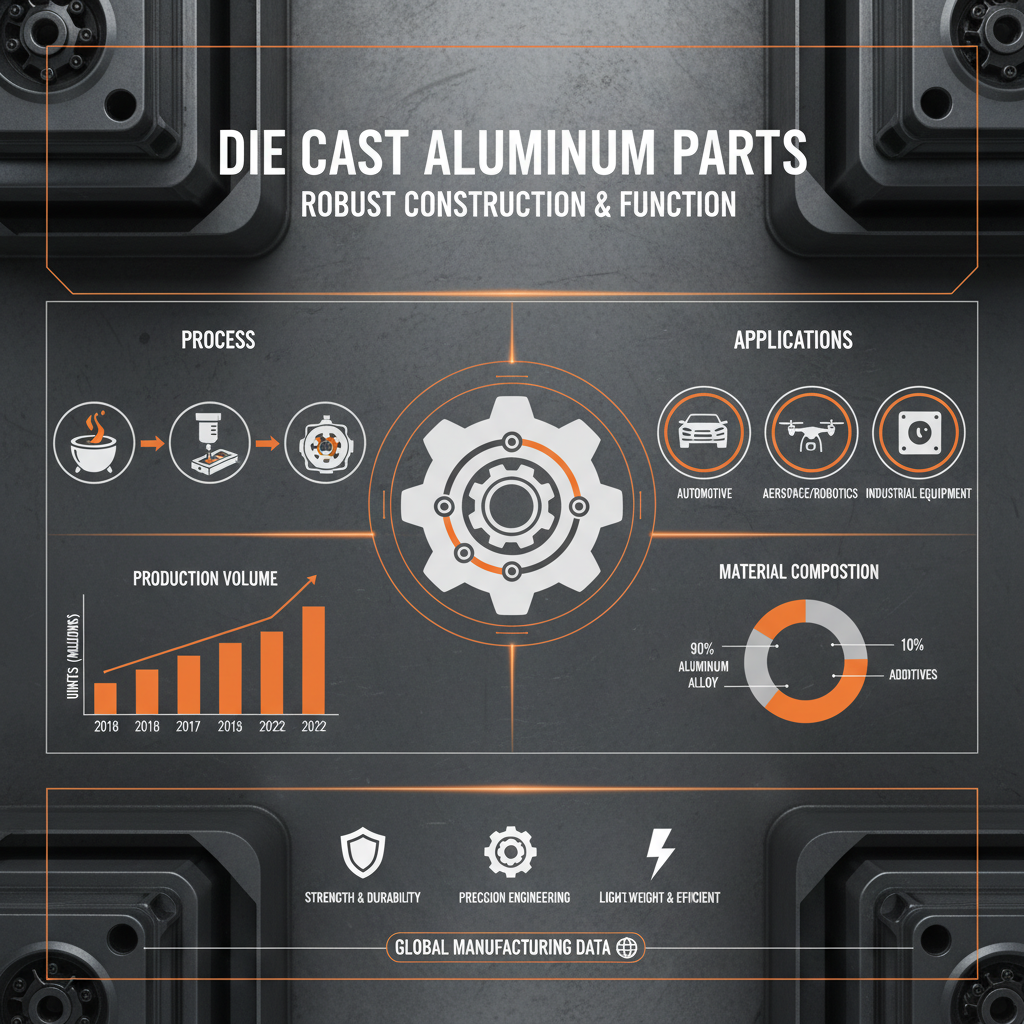
Durability is a huge factor. Aluminum alloys, particularly those used in die casting, offer exceptional strength-to-weight ratios. They resist corrosion, can handle high temperatures, and generally hold up well in harsh environments. I’ve seen die cast aluminum housings on equipment that’s been abused for years and still performing flawlessly.
Scalability is another key benefit. Once the initial tooling is set up – the mold is created – you can produce parts rapidly and consistently in large volumes. This makes die casting incredibly efficient for mass production. It's a significant advantage when you're talking about supplying parts for automotive assembly lines or large-scale infrastructure projects.
Cost efficiency is often the deciding factor. While the initial tooling cost can be substantial, the cost per part drops dramatically with volume. Aluminum is also relatively abundant, contributing to lower material costs. And when you factor in the reduced machining and finishing requirements thanks to the process’s precision, the overall cost savings can be significant.
Real-World Applications Across Industries
Automotive is a massive consumer of die cast aluminum parts, from engine blocks and transmission housings to wheels and structural components. The push for lighter vehicles to improve fuel efficiency and reduce emissions is driving even greater demand. Electric vehicles, in particular, rely heavily on die cast aluminum for battery enclosures and motor housings.
Beyond automotive, you'll find these parts in aerospace, where weight reduction is critical. They're also used extensively in consumer electronics, power tools, medical devices, and even household appliances. I was on a site last month where they were using aluminum die castings for the frames of solar panels – the durability and corrosion resistance were essential.
Die Casting Application Breakdown by Industry
Long-Term Value and Benefits
The benefits go beyond just cost and performance. Aluminum is highly recyclable, making die cast aluminum parts a sustainable choice. That’s increasingly important as companies strive to meet environmental regulations and consumer demands for eco-friendly products. I’ve seen companies actively seeking out suppliers who can demonstrate a commitment to sustainable practices.
There’s also a safety aspect. The inherent strength and durability of these parts contribute to the overall reliability and safety of the products they’re used in. That peace of mind is invaluable, both for manufacturers and consumers. Knowing a component can withstand the rigors of its intended application is a significant benefit.
Future Trends in Die Casting Technology
We’re seeing a lot of innovation in die casting right now. One area is the development of new alloys with even higher strength and better corrosion resistance. Another is the use of more advanced simulation software to optimize mold designs and reduce production costs. I’m working with a team now on integrating AI-powered quality control systems – they can detect defects in real-time, improving efficiency and reducing waste.
High-pressure die casting (HPDC) is becoming more prevalent, enabling the production of even thinner-walled and more complex parts. And the focus on automation is only going to increase, as manufacturers seek to improve efficiency and reduce labor costs. It’s a fast-moving field, and staying on top of these trends is crucial.
The trend towards electric vehicles is accelerating the development of advanced die casting techniques for battery enclosures and motor housings. The need for lightweight, durable, and thermally conductive materials is driving innovation in this area.
Common Challenges and Innovative Solutions
One of the biggest challenges is porosity – tiny air bubbles that can weaken the part. That's where advanced degassing techniques and improved mold designs come in. Another issue is tooling cost – creating those molds can be expensive. Using additive manufacturing (3D printing) to create mold inserts is one solution gaining traction.
Quality control is paramount. Traditional methods like visual inspection are often insufficient. Non-destructive testing methods like X-ray inspection and ultrasonic testing are becoming more common. And as I mentioned earlier, AI-powered systems are promising to revolutionize quality control.
Supply chain disruptions are also a constant concern. Diversifying suppliers and building stronger relationships with key partners are essential strategies for mitigating risk. I've seen companies invest in regional manufacturing facilities to reduce reliance on single sources.
Summary of Challenges and Solutions in Die Cast Aluminum Parts Manufacturing
| Challenge |
Impact on Die Cast Aluminum Parts |
Current Solutions |
Future Innovation |
| Porosity |
Reduced Part Strength & Durability |
Degassing Techniques, Optimized Mold Design |
Advanced Simulation Software, AI-Driven Process Control |
| High Tooling Costs |
Barrier to Entry for Smaller Manufacturers |
Standardized Mold Components, Efficient Mold Design |
Additive Manufacturing (3D Printing) for Mold Inserts |
| Quality Control |
Risk of Defective Parts Reaching Market |
X-Ray Inspection, Ultrasonic Testing |
AI-Powered Visual Inspection Systems, Real-Time Monitoring |
| Supply Chain Disruptions |
Production Delays, Increased Costs |
Diversification of Suppliers, Stronger Partnerships |
Regional Manufacturing Facilities, Digital Supply Chain Tracking |
| Material Costs |
Fluctuations Affect Profit Margins |
Long-Term Contracts, Strategic Sourcing |
Development of Alternative Alloys, Material Recycling Programs |
| Sustainability Concerns |
Environmental Impact of Production Process |
Closed-Loop Recycling Systems, Energy-Efficient Manufacturing |
Bio-Based Aluminum Alloys, Carbon-Neutral Production Processes |
FAQS
Hot chamber die casting is generally used for alloys with lower melting points like zinc and magnesium. It involves a submerged melting pot, making it simpler but limiting alloy options. Cold chamber die casting, commonly used for aluminum, involves pouring molten metal into a separate chamber before injection, offering greater control and versatility, although it’s a more complex process. Understanding the difference is key to selecting the right method for your specific application.
Minimizing porosity involves several factors. Proper alloy selection, thorough metal degassing to remove dissolved gases, and optimized mold design to promote smooth metal flow are crucial. Maintaining precise control over injection parameters – pressure, velocity, and temperature – also plays a significant role. Post-casting heat treatment can help close any remaining pores, improving the part's overall integrity.
Die cast aluminum parts can achieve a range of surface finishes. As-cast surfaces are relatively rough, but can be improved through machining, polishing, and various coating processes. Powder coating provides a durable, decorative finish. Anodizing enhances corrosion resistance and allows for coloring. Chrome plating offers a bright, hard-wearing finish. The choice depends on the desired aesthetic and functional requirements.
Wall thickness is critical in die casting. Thinner walls can lead to incomplete filling and increased porosity, while excessively thick walls can create shrinkage defects and increase cooling time. Proper mold design ensures uniform wall thickness wherever possible. Using simulation software helps identify potential issues before production begins, optimizing the design for consistent quality and minimizing material waste.
Compared to plastic, die cast aluminum offers superior strength, durability, and temperature resistance. It's also more dimensionally stable. Compared to steel, aluminum is lighter, making it ideal for weight-sensitive applications. It also offers excellent corrosion resistance and is readily recyclable. The best material choice depends on the specific requirements of the application, but die cast aluminum often provides the optimal balance of properties.
Tooling lead time can vary significantly depending on the complexity of the part, typically ranging from 4 to 12 weeks. Production lead time depends on the order volume and current production schedule, but generally ranges from 2 to 8 weeks after tooling completion. It's always best to discuss your specific requirements with a supplier to get an accurate estimate. Early planning and clear communication are key to minimizing lead times.
Conclusion
Die cast aluminum parts are fundamental to modern manufacturing, offering a unique combination of strength, durability, scalability, and cost-effectiveness. From automotive and aerospace to consumer electronics and renewable energy, these components are integral to a vast array of industries. Understanding the nuances of the die casting process – from alloy selection to mold design – is critical for engineers and manufacturers alike.
Looking ahead, innovation in materials, automation, and quality control will continue to drive advancements in die casting technology. Embracing these trends and prioritizing sustainability will be essential for staying competitive in the global market. If you're looking for reliable, high-quality die cast aluminum parts for your next project, visit our website: www.hairunsourcing.com