Die cast zinc alloy – it’s more than just a material spec on a blueprint. I’ve spent the last fifteen years walking construction sites, feeling the grit between my teeth, and frankly, seeing a lot of things fail prematurely. One thing I haven’t seen fail easily is anything built with quality die cast zinc alloy. It’s become a workhorse in countless applications, from robust housing components to intricate locking mechanisms, and increasingly, in parts that demand both strength and precision. Understanding its capabilities isn't just about choosing a material, it's about building for longevity and reducing lifecycle costs - something every project manager, and every owner, should prioritize.
Globally, the demand for durable, cost-effective materials is skyrocketing, driven by infrastructure development in emerging economies and a constant push for efficiency in established markets. According to a 2023 report by the International Zinc Association, global zinc consumption is projected to rise steadily over the next five years, with die casting representing a significant and growing segment. We're seeing a real shift as projects face increasing pressure to be sustainable and minimize waste. Choosing materials like die cast zinc alloy, which offer long service lives and recyclability, is no longer a ‘nice to have’ – it’s essential to meeting modern standards and client expectations.
The biggest issue I see on-site is time and money lost to replacing components that weren’t up to the job. That's where understanding materials like die cast zinc alloy comes in. It's a manufacturing process that forces molten zinc alloy into a mold under high pressure. This yields parts with incredibly tight tolerances, excellent surface finish, and, crucially, high strength-to-weight ratio. It’s a far cry from some of the cheaper, more brittle alternatives I’ve seen causing headaches for contractors, and ultimately, costing owners a fortune in repairs.
The Core Principles of die cast zinc alloy
The strength of die cast zinc alloy isn’t just in the metal itself, it’s in the process. High-pressure injection creates a dense, consistent structure. I've seen cast parts that are remarkably free of porosity – meaning fewer weak points that could lead to failure. This is critical for components that are constantly stressed, like automotive parts or structural elements. That density translates directly to reliability out in the field, which means fewer call-backs for us.
It also boils down to alloy composition. Different zinc alloys are formulated for specific performance characteristics. There’s everything from alloys optimized for high strength to those that prioritize corrosion resistance. Knowing which alloy to specify for a given application is key. It's not a one-size-fits-all situation, and a good supplier can guide you through those choices based on your specific project needs.
Global Relevance and Industry Impact of die cast zinc alloy
The push for lightweighting, particularly in the automotive and aerospace industries, is a massive driver for die cast zinc alloy. Fuel efficiency and emissions standards demand it. But it’s not just about cars and planes. Consider the growing demand for smart home devices – thermostats, door locks, security systems. These rely heavily on precision-cast zinc alloy components for their housings, internal mechanisms, and mounting hardware. We’re seeing it everywhere.
Look at the electronics industry. The need for effective shielding against electromagnetic interference (EMI) is constant. Zinc alloys provide excellent shielding properties, protecting sensitive electronics from outside interference. That’s a huge deal in a world increasingly reliant on wireless communication. And with the global electronics manufacturing base largely located in Asia, the demand for high-quality die cast zinc alloy parts continues to surge.
From a broader perspective, the recyclability of zinc is a significant environmental advantage. Scrap zinc can be readily re-melted and re-used without significant degradation of properties. This aligns perfectly with the growing emphasis on circular economy principles and sustainable manufacturing practices. I always push for materials that reduce waste and minimize our environmental footprint.
Defining die cast zinc alloy: A Practical Perspective
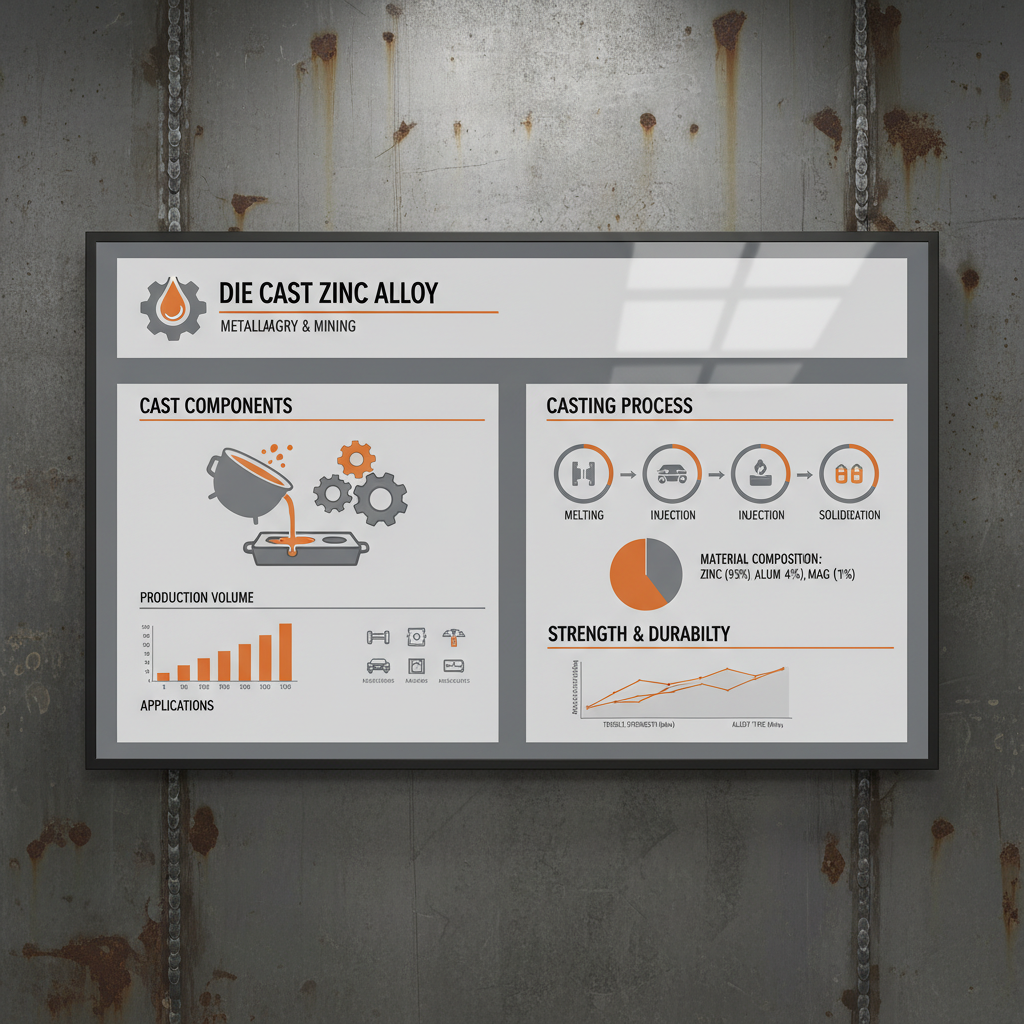
Simply put, die cast zinc alloy is a non-ferrous alloy created by melting zinc with other metals – typically aluminum, magnesium, and copper – and then injecting it into a steel mold under immense pressure. This isn’t like sand casting where you pour molten metal. The pressure forces the metal into every nook and cranny of the mold, creating a complex shape with exceptional detail and accuracy.
What that means on the ground is parts that require minimal machining or finishing. You get a near-net-shape product straight from the die casting machine. That saves time, money, and reduces material waste. I’ve seen projects where switching to die cast zinc alloy completely eliminated secondary machining operations, cutting production lead times by weeks.
It’s also worth noting the speed of the process. Die casting is a highly repeatable process, capable of producing large volumes of identical parts relatively quickly. That makes it ideal for mass production, but also for projects with tight deadlines. I've relied on this speed countless times to keep projects on schedule.
Key Characteristics of High-Performance die cast zinc alloy
One of the first things I look for is dimensional stability. Die cast zinc alloy holds its shape exceptionally well, even under varying temperatures. This is crucial for parts that are subjected to thermal stress, such as engine components or outdoor electrical enclosures. A part that warps or expands can quickly lead to failures.
Then there's the surface finish. The high-pressure casting process produces a smooth, consistent surface finish that requires minimal post-processing. This is important for both aesthetic reasons and functional reasons. A smooth surface reduces friction and improves corrosion resistance.
Die Cast Zinc Alloy Performance Metrics
Real-World Applications of die cast zinc alloy Across Industries
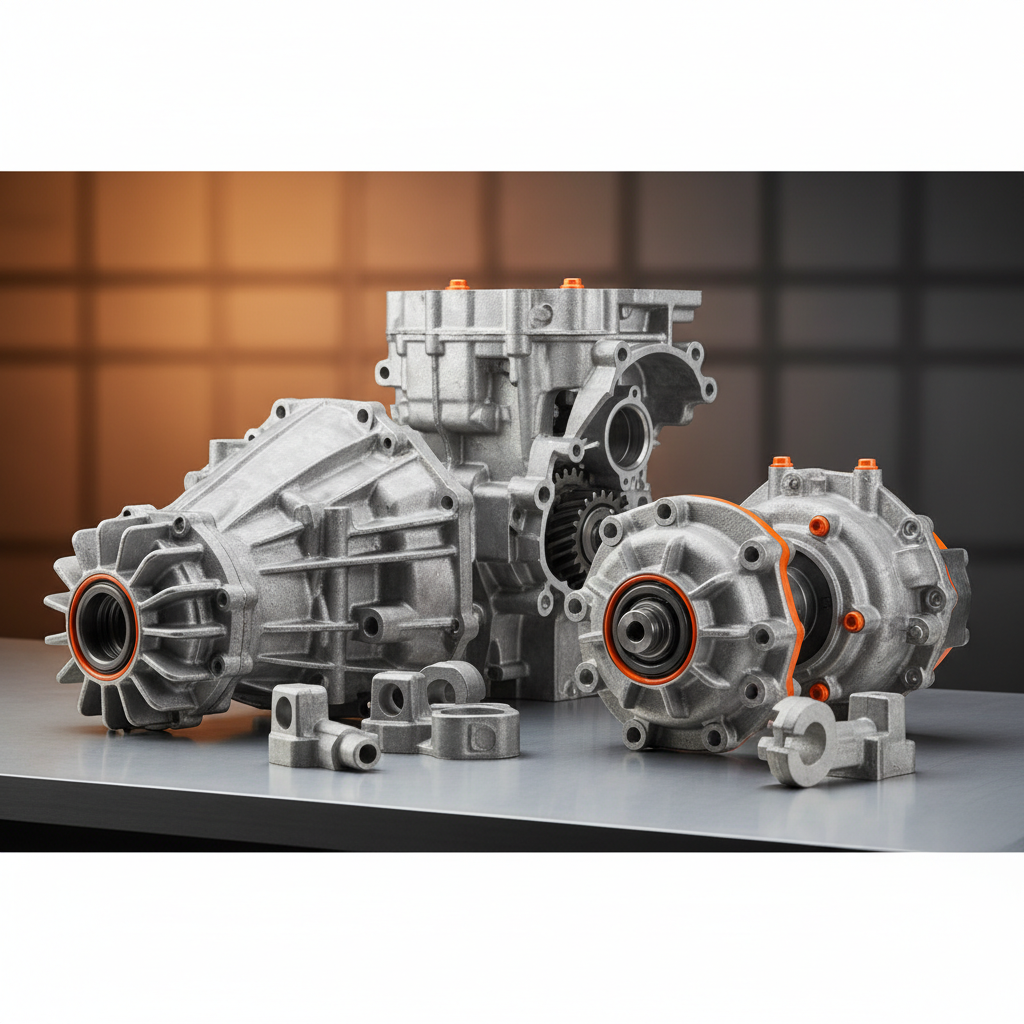
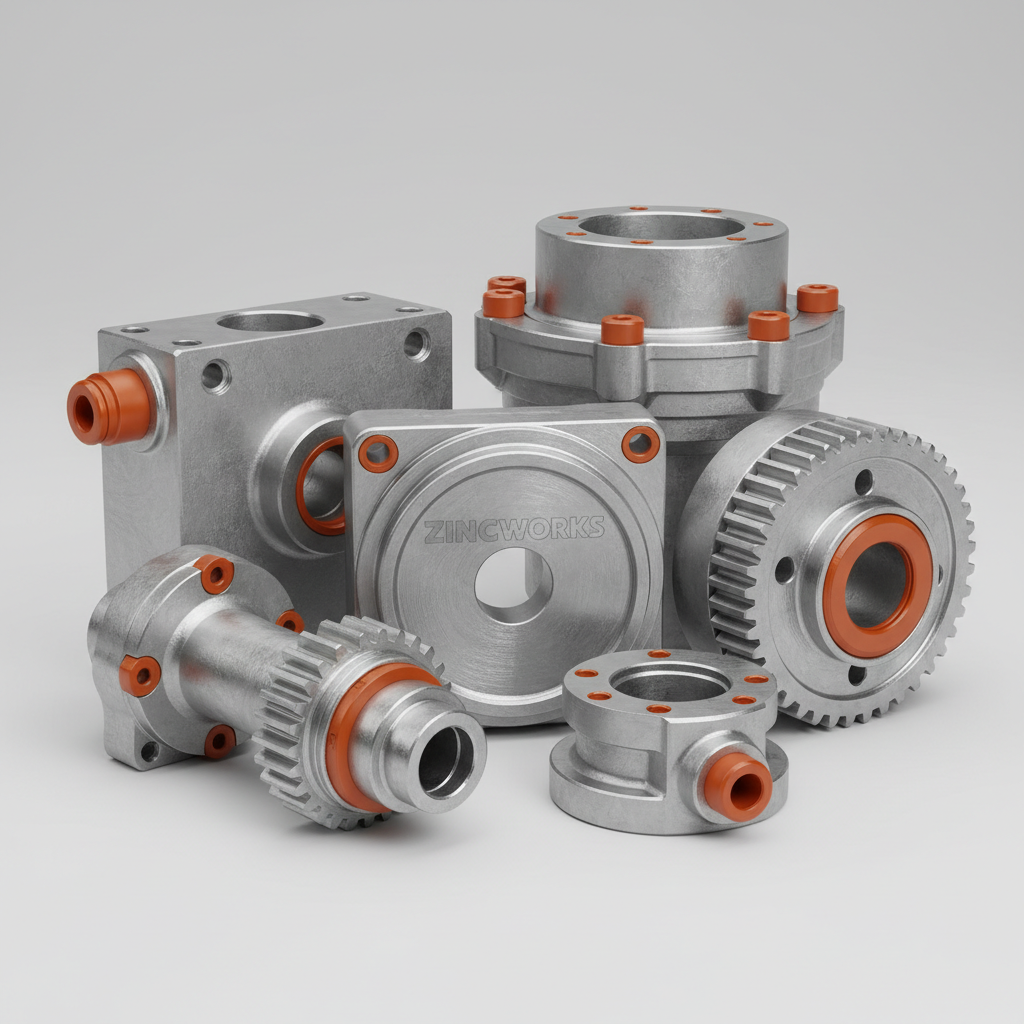
You see it everywhere, truly. In automotive, it's carburetors, fuel pumps, and transmission housings. In plumbing, it’s faucets, valves, and showerheads. These parts aren't just about aesthetics; they need to withstand constant water pressure and corrosion. And the electrical industry? Connectors, housings for switches and circuit breakers, grounding clamps – zinc alloy is a mainstay.
I’ve even seen innovative applications in medical devices. The precision and biocompatibility of certain zinc alloys make them suitable for components in surgical instruments and prosthetic limbs. That's a demanding field, and it speaks to the material's versatility and reliability.
Long-Term Value and Advantages of Utilizing die cast zinc alloy
Cost-effectiveness is a big factor, let’s be honest. While the initial tooling cost for die casting can be higher than some other processes, the ability to produce large volumes of complex parts quickly and with minimal finishing offsets that cost significantly. We're talking about lower per-part costs and faster time to market.
But it’s not just about the bottom line. Durability translates directly to reduced maintenance and replacement costs. I’ve seen zinc alloy components still functioning flawlessly after decades of service, while comparable parts made from other materials have corroded or failed. That’s peace of mind for owners and a reputation builder for us.
And then there's the sustainability aspect. The recyclability of zinc makes it a responsible material choice, aligning with growing environmental concerns. That’s something more and more clients are asking about these days, and rightfully so.
Future Trends and Innovations in die cast zinc alloy Technology
We’re seeing advances in alloy formulations that are pushing the boundaries of what’s possible with die cast zinc alloy. Researchers are developing alloys with enhanced strength, corrosion resistance, and even improved damping characteristics. These advancements will open up new applications in industries like aerospace and high-performance automotive.
There’s also a lot of work being done on optimizing the die casting process itself. Things like thinner-walled castings, more complex geometries, and reduced cycle times are all being actively pursued. And with the rise of Industry 4.0, we’re seeing more automation and data analytics being applied to die casting operations, improving quality control and efficiency.
I'm also keeping a close eye on the development of hybrid die casting techniques, combining zinc alloy with other materials to create composites with unique properties. This could lead to even more versatile and high-performance components in the future.
Summary of Key Considerations for die cast zinc alloy Applications
| Application Environment |
Alloy Selection |
Cost Considerations |
Long-Term Durability |
| High Humidity/Marine |
ZA-27 (High Corrosion Resistance) |
Moderate (Tooling Costs) |
Excellent (8/10) |
| High Stress/Load Bearing |
ZA-8 (High Strength) |
Moderate to High |
Very Good (7/10) |
| Electrical Conductivity Required |
Zinc 3 (Good Conductivity) |
Low to Moderate |
Good (6/10) |
| Indoor/Dry Environment |
ZA-12 (General Purpose) |
Low |
Good (7/10) |
| Aesthetic Finish Required |
ZA-4 (Polishing Capability) |
Moderate |
Fair (5/10) – Requires Protective Coating |
| Recycling/Sustainability Focus |
Any (Highly Recyclable) |
Variable |
Excellent (9/10) - due to recyclability. |
FAQS
Die cast zinc alloy offers a superior combination of strength, durability, and cost-effectiveness compared to many plastics. While aluminum is also strong, zinc provides better castability for complex shapes and generally has a lower melting point, reducing energy costs. Plus, zinc's inherent corrosion resistance is often better than aluminum, requiring less protective finishing. From a boots-on-the-ground perspective, this translates to less rework and longer-lasting parts.
The high-pressure injection process inherent in die casting results in a very smooth surface finish, often eliminating the need for extensive post-processing. This is a significant advantage, reducing manufacturing time and costs. We rarely see the kind of surface imperfections you get with other casting methods. The finish is also ideal for coatings like paint or powder coat if a specific aesthetic is required.
Absolutely. Certain zinc alloys, like ZA-27, are specifically formulated for superior corrosion resistance, making them suitable for outdoor applications. Even standard alloys perform well with proper surface treatments like chromate conversion coating. I've seen zinc alloy components holding up in harsh marine environments for years with the right protection. The key is selecting the appropriate alloy and coating for the specific exposure conditions.
Lead times vary depending on the complexity of the part and the tooling requirements. Tooling itself typically takes 4-8 weeks. Once tooling is complete, production runs can be relatively quick. Simple parts can be produced in a matter of days, while more complex parts may take a week or two. It’s always best to factor in a buffer for unforeseen issues, but generally, die casting is a fairly rapid manufacturing process.
Zinc alloy is generally less expensive than brass and steel, especially when considering the total cost of manufacturing. The lower melting point of zinc reduces energy costs, and the high castability minimizes machining requirements. While the initial tooling investment can be significant, the overall cost per part is often lower for zinc alloy, particularly for large production runs. You get a lot of bang for your buck with zinc.
Zinc is highly recyclable, and scrap zinc can be reused without significant loss of properties. This makes it a much more sustainable option than many other materials. The die casting process itself generates minimal waste, and the long service life of zinc alloy components reduces the need for frequent replacements. From an environmental perspective, it's a solid choice.
Conclusion
Die cast zinc alloy consistently proves its value across a diverse range of industries. From its inherent strength and durability to its cost-effectiveness and recyclability, it's a material that delivers on multiple fronts. It's not just about picking a metal; it's about choosing a solution that minimizes lifecycle costs, enhances product performance, and supports sustainable manufacturing practices.
Looking ahead, continued innovation in alloy formulations and die casting processes will only expand the applications of this versatile material. I encourage engineers and project managers to consider die cast zinc alloy as a viable and often superior alternative to other materials. For reliable, long-lasting components that offer exceptional value, it’s a choice you won’t regret. Visit our website to explore our die cast zinc alloy solutions and discuss your specific project requirements.