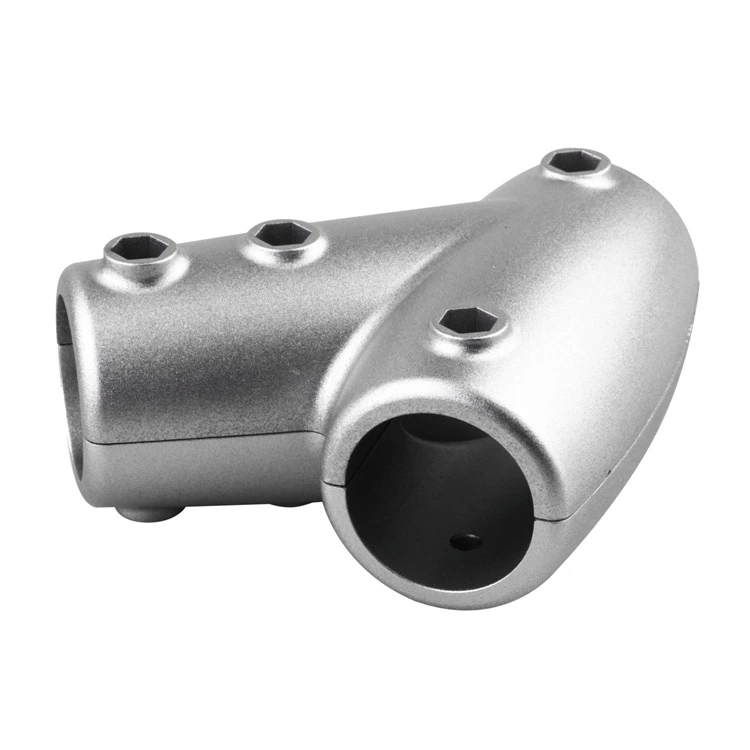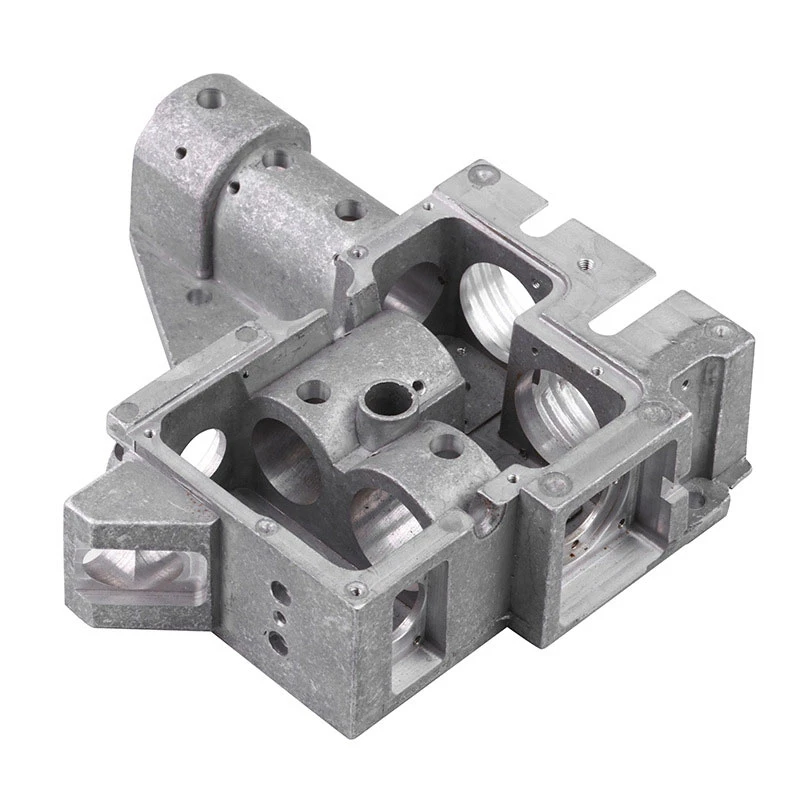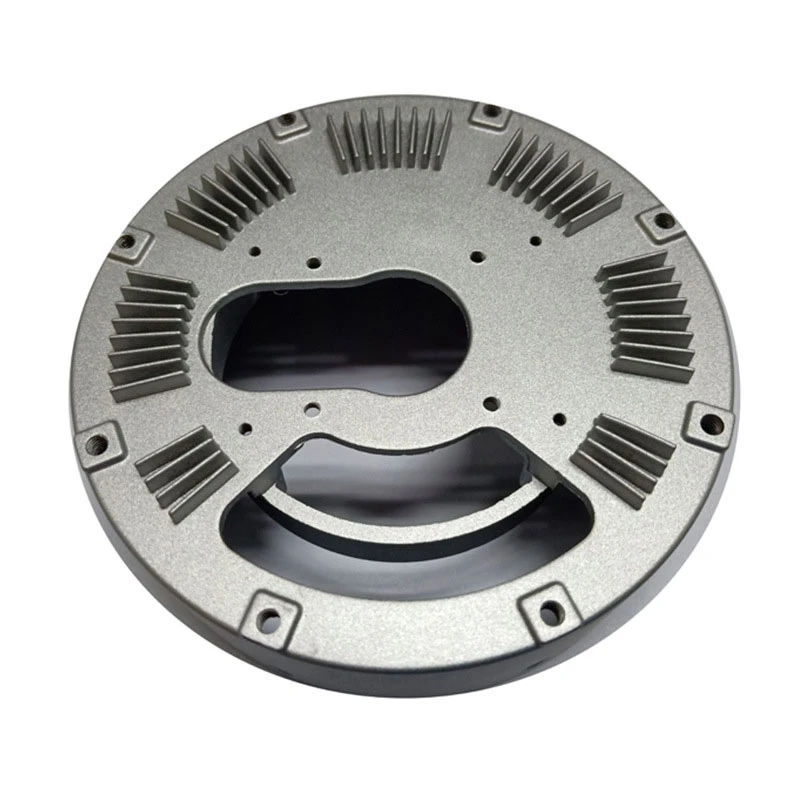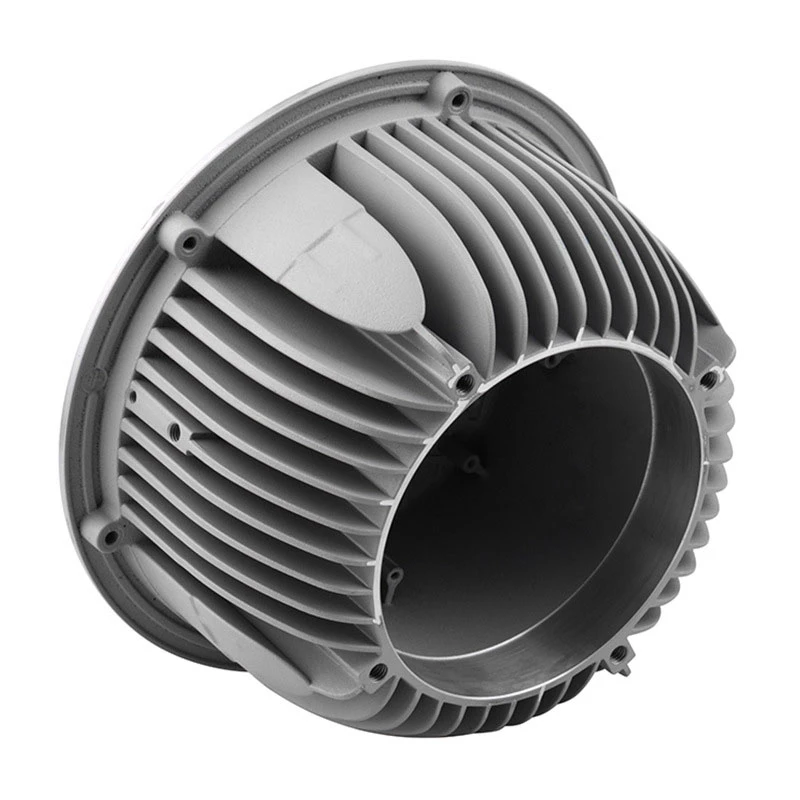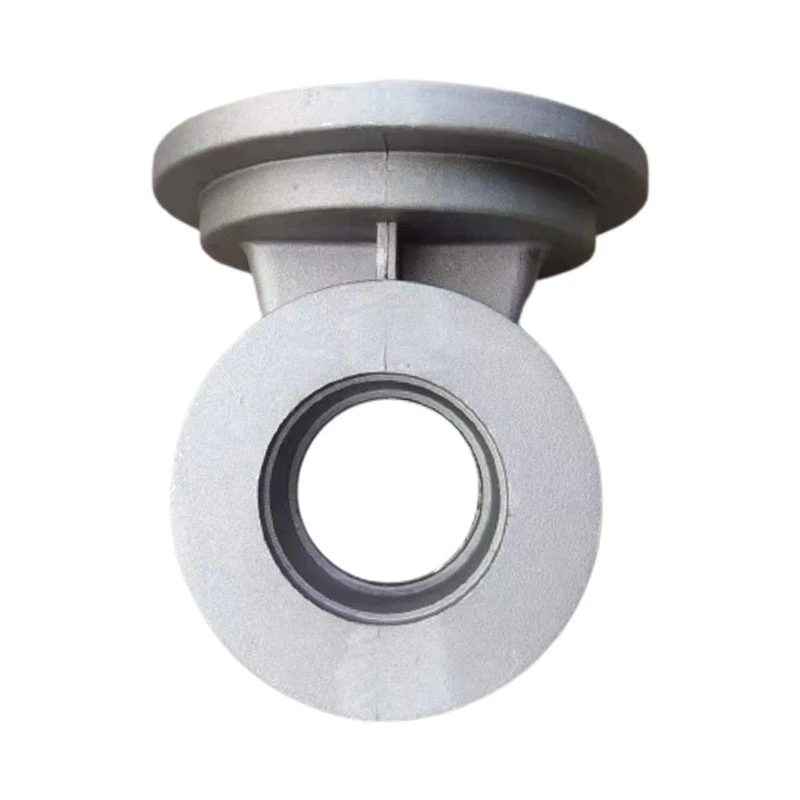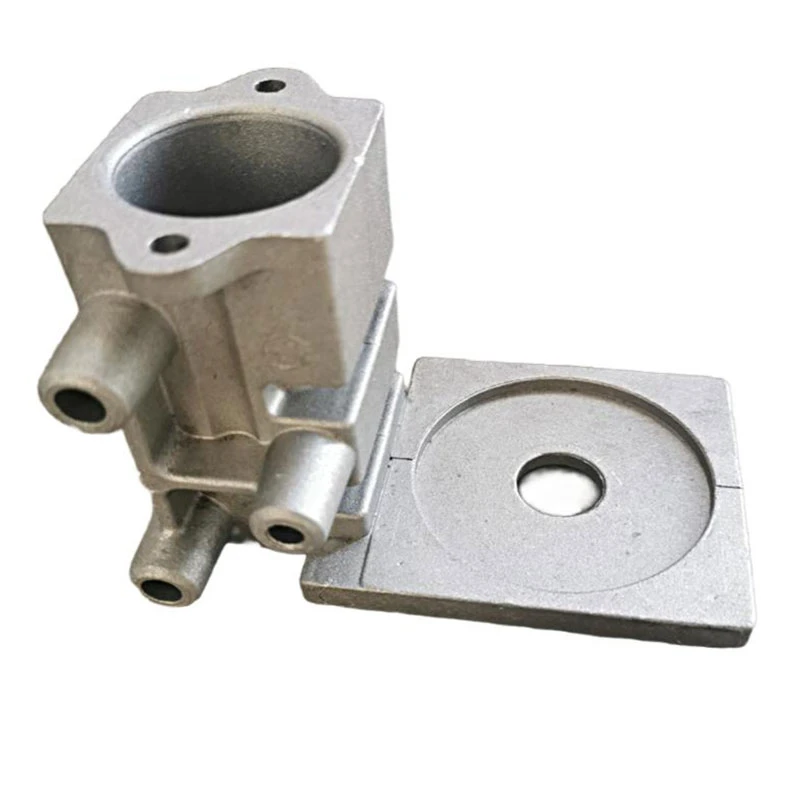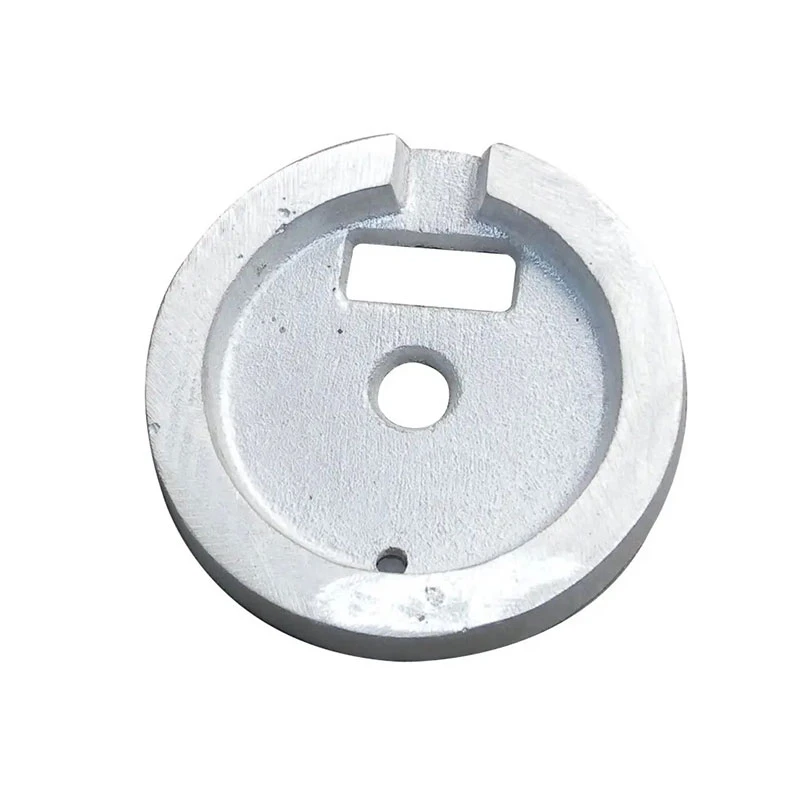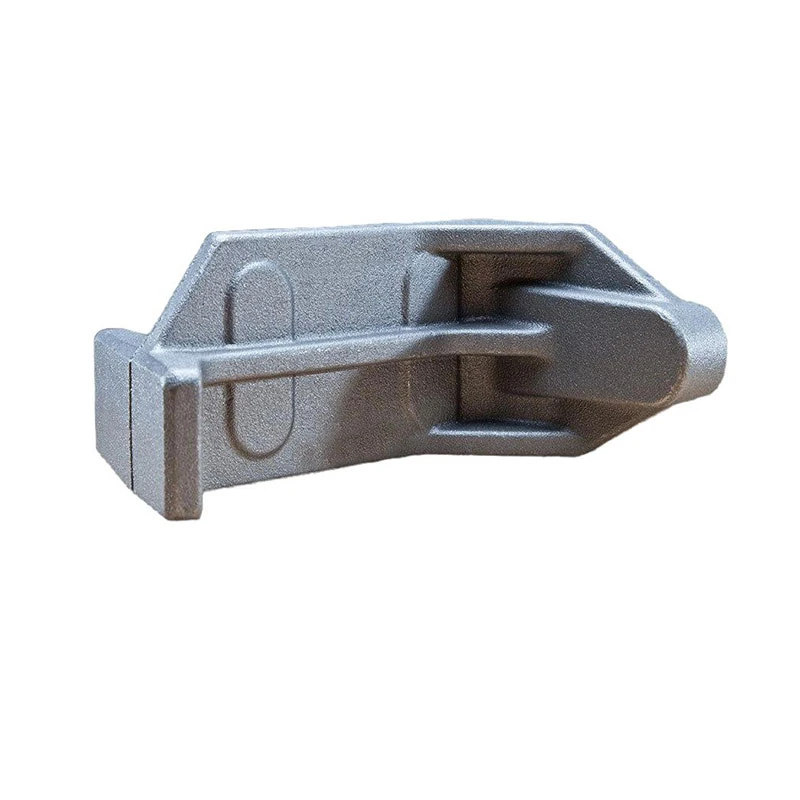



Auto Parts Carbon Steel Investment Precision Casting Mfr
auto parts carbon steel investment precision casting manufacturer: field notes from the shop floor
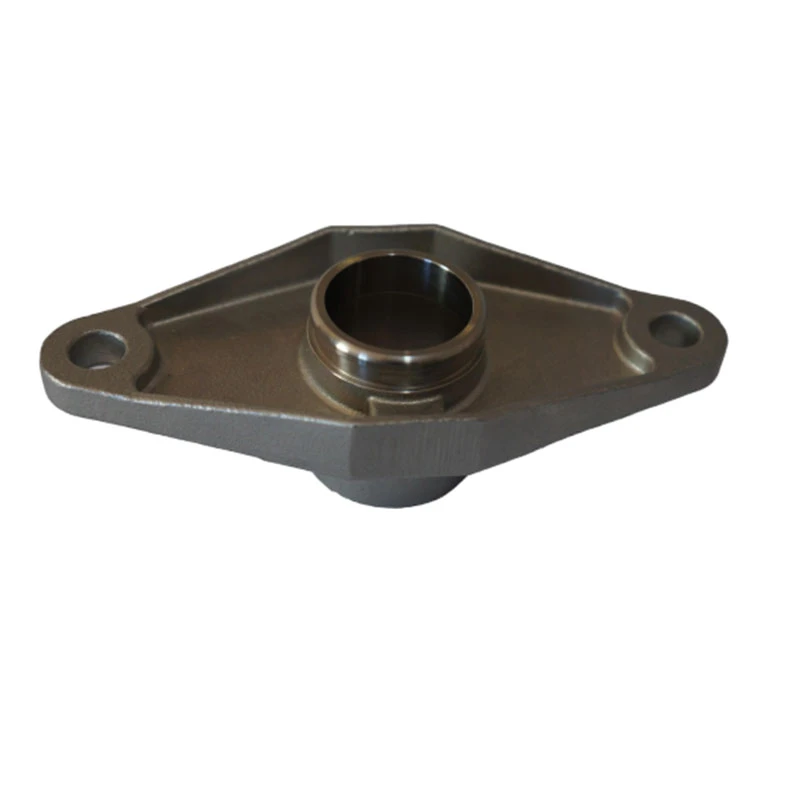
I’ve toured more foundries than I can count, and the best ones share a certain quiet confidence. They don’t brag; they hand you parts. That’s the feeling I got at Hairun Sourcing in Baoding—makers of Oem Precision Castings Stainless Steel Bearing Housings who also run carbon steel and alloy steel like it’s second nature. The auto sector’s mood right now? Lean, data-heavy, and increasingly picky about surface finish, traceability, and sustainability. To be honest, that pressure has improved the castings coming out of shops like this one.
What’s trending now
Actually, the big three trends I keep hearing from purchasing teams are: near-net-shape to shave machining minutes, tighter CT grades (CT6–CT7 becoming standard for critical geometry), and lot-level digital traceability. Many customers say they’re swapping sand-cast brackets for investment-cast equivalents to cut weight and reduce NVH—surprisingly effective when paired with heat treatment.
Product snapshot: Oem Precision Castings Stainless Steel Bearing Housings
| Materials | Stainless, alloy steel, carbon steel; ductile iron, grey iron (per drawing) |
| Size / Unit weight | Based on customer drawings; ≈ 0.2–25 kg typical, real-world use may vary |
| Dimensional tolerance | ISO 8062-3 CT6–CT8; machining to ±0.02–0.05 mm on critical bores |
| Surface finish | Ra ≈ 3.2–6.3 μm as-cast; Ra ≤ 1.6 μm post-machining/polish |
| Heat treatment | Solution, Q&T, normalizing; custom specs per material standard |
| Testing | 100% visual; UT/RT per criticality; hardness; tensile from separately cast bars |
| Certifications | ISO 9001; IATF 16949 alignment for automotive APQP/PPAP |
| Customization | Yes—tooling, alloys, secondary ops, coatings |
Process flow (nutshell)
Wax pattern (multi-cavity) → ceramic shell building (6–9 dips) → dewax/autoclave → shell firing → pour (argon-shrouded for reactive alloys) → knockout/shot-blast → gate grind → heat treat → CNC finish (if needed) → surface treatment → dimensional and NDT inspection → PPAP docs. For carbon steel grades (e.g., WCB/1025/1045), I’ve seen typical yield ≈ 320–420 MPa after normalization, hardness HB 160–210, with impact values meeting automotive subframe brackets.
Applications & service life
Wheel-end bearing housings, steering knuckle inserts, differential yokes, engine accessory brackets, and e-axle mounting bosses. In fleet conditions, corrosion-resistant housings paired with proper seals run 5–8 years; carbon steel brackets with zinc-nickel finish clock similar life in moderate climates.
Real test data (sample lot)
Carbon steel bracket, 0.95 kg: UTS 560 MPa, YS 365 MPa, Elong 18%, Charpy 27 J @ 20°C; dye penetrant—no indications; RT Level 2—accepted per ASTM E446 reference. Stainless bearing housing: hardness 185 HB after solution + aging; bore roundness ≤ 0.012 mm.
Vendor comparison at a glance
| Criteria | Hairun Sourcing | Vendor X | Vendor Y |
|---|---|---|---|
| CT grade (typ.) | CT6–CT7 | CT7–CT8 | CT7 |
| PPAP/APQP | Yes (Level 3 on request) | Partial | Yes |
| Material range | Stainless, carbon, alloy, ductile/grey | Stainless only | Carbon + alloy |
| Lead time (tooling) | ≈ 3–5 weeks | 6–8 weeks | 4–6 weeks |
Why teams pick this shop
It seems that buyers like the flexible alloy slate and quick DFM feedback. One powertrain customer told me their scrap rate dropped below 0.8% after switching. And yes, the address is real: 3rd Floor, No. 678 Jinxiu Street, Baoding—worth a visit if you’re auditing suppliers.
If you need a auto parts carbon steel investment precision casting manufacturer to support mixed-material platforms (stainless for corrosion, carbon for cost and stiffness), this lineup hits the brief. Customizable? Absolutely—tooling tweaks, coatings, and post-machining are on the menu.
Standards & compliance
Dimensional per ISO 8062-3; NDT per ASTM E165/E446; material per ASTM A216/A352/A743 as applicable; automotive quality aligned to IATF 16949 core tools with full PPAP when required.
- ISO 8062-3: Geometrical tolerancing for castings.
- ASTM A703/A703M & ASTM A216/A743: Steel castings—general requirements and material grades.
- IATF 16949:2016—Automotive quality management system requirements.
-
Guide to Anodizing Die Cast Aluminum for Industrial ExcellenceNewsApr.16,2026
-
High Quality Precision Aluminum Die Casting Components GuideNewsApr.09,2026
-
Comprehensive Guide to High Quality Aluminium Pressure Die Casting ProductsNewsApr.07,2026
-
Comprehensive Guide to Aluminium Pressure Die Casting Components and SolutionsNewsApr.04,2026
-
Comprehensive Guide to Aluminium HPDC Casting for Global SourcingNewsMar.31,2026
-
Comprehensive Guide to Precision Aluminium Die Castings and Manufacturing SolutionsNewsMar.28,2026