


Custom Precision Casting: Tight Tolerances & Fast Lead Times
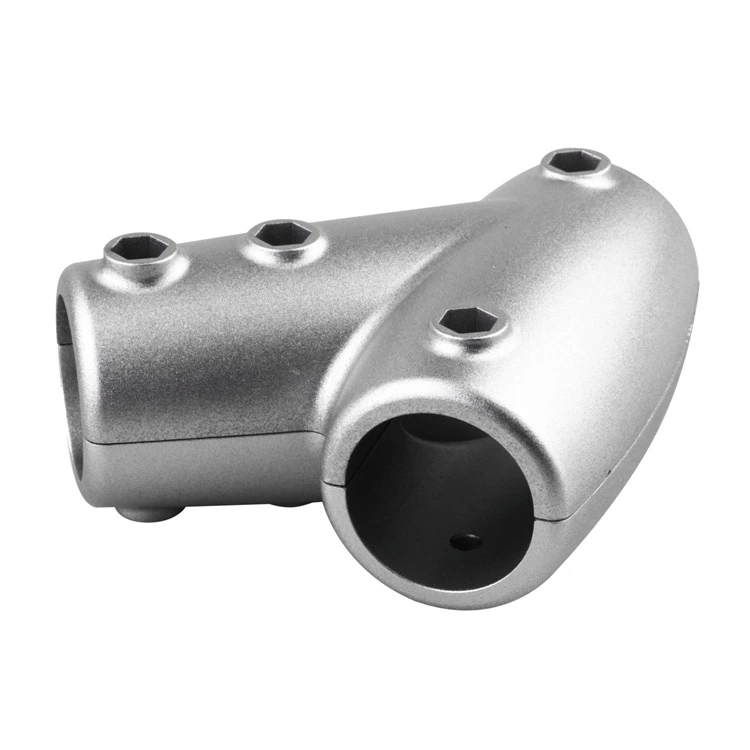
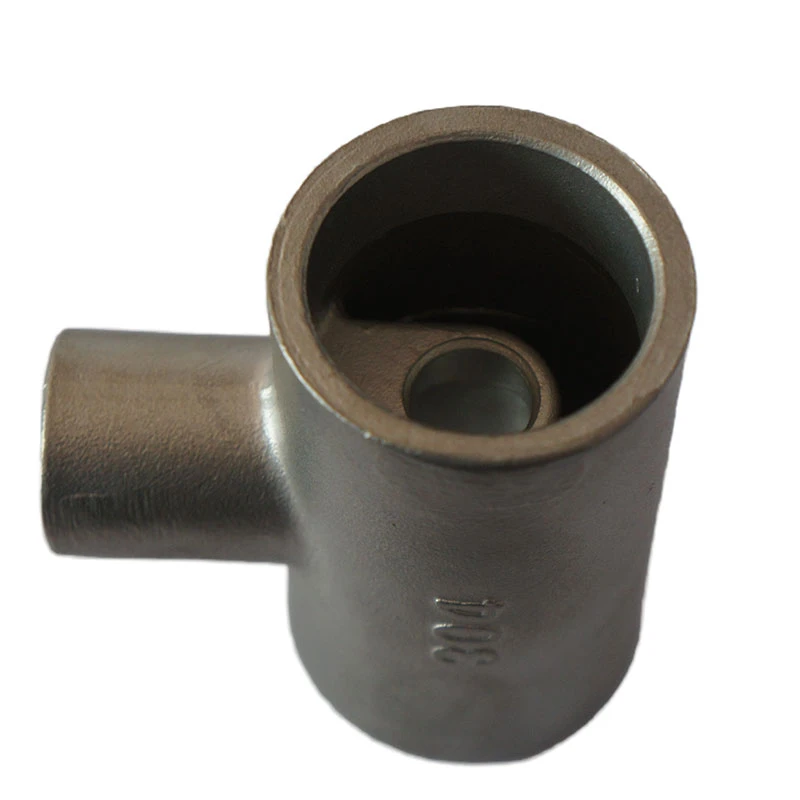
Oem Precision Castings Tee Joints: Notes from the Casting Floor
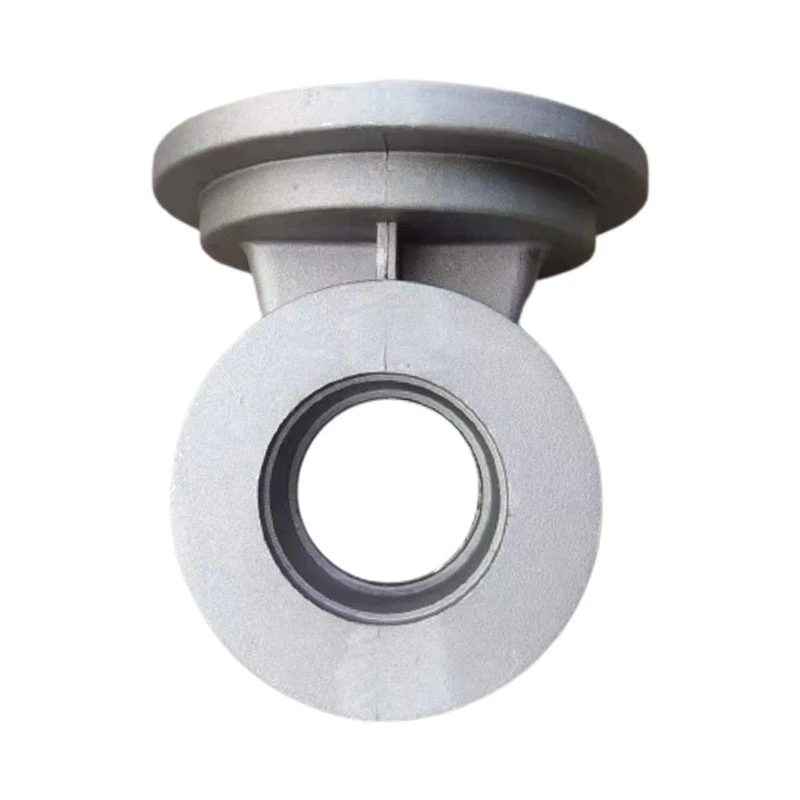
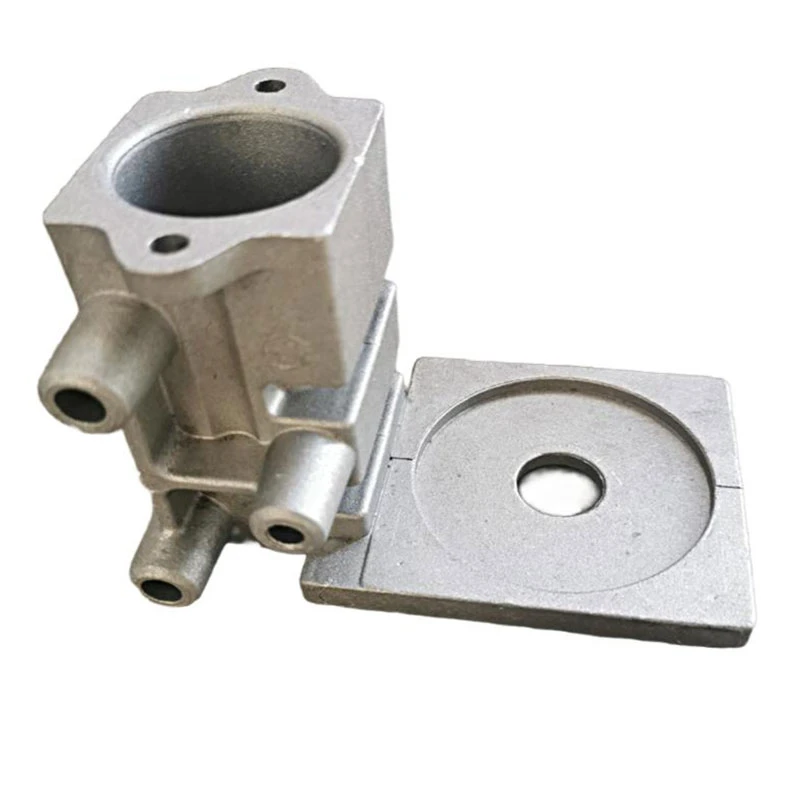
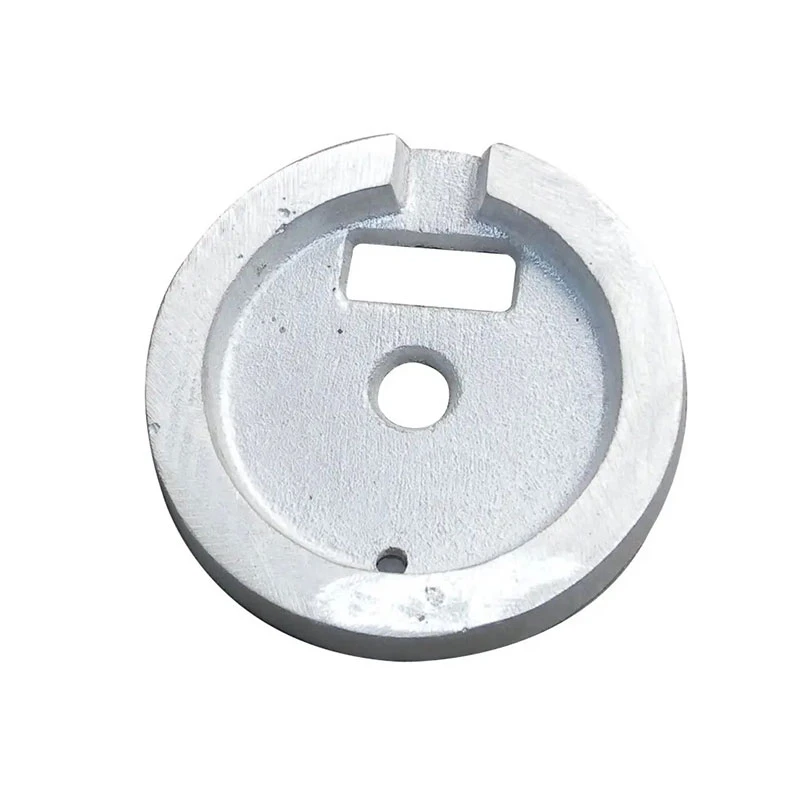
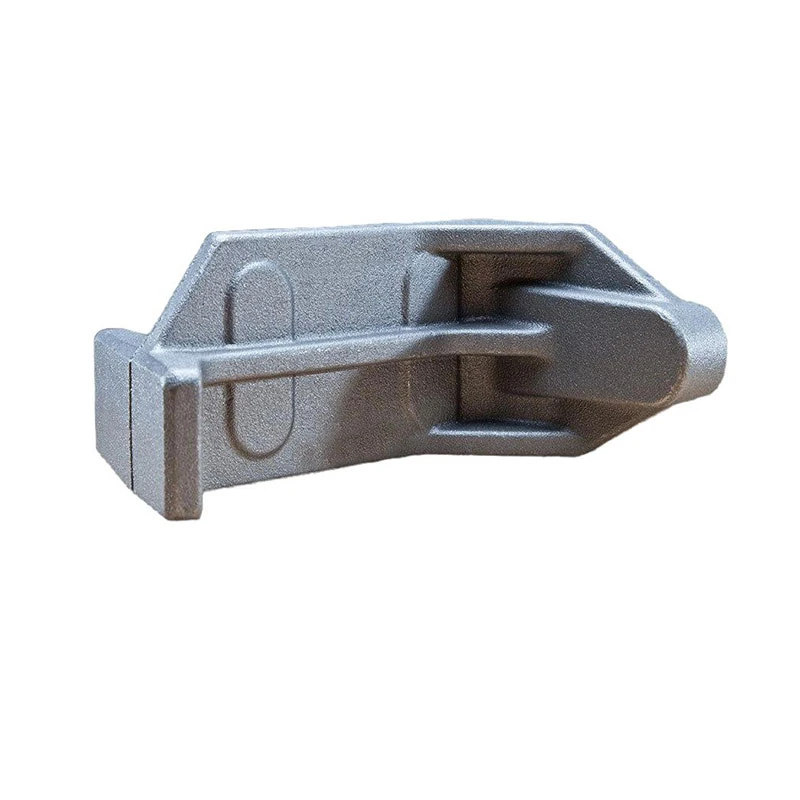
If you’ve ever chased leaks in a pipeline at 2 a.m., you’ll appreciate why custom precision casting still matters. The short version: near-net-shape geometry, tight tolerances, and repeatable metallurgy save both downtime and dignity. Hairun Sourcing’s Oem Precision Castings Tee Joints—made in China, shipped globally from 3rd Floor, No. 678 Jinxiu Street, Baoding—have been making the rounds in my inbox lately. So I dug in.
What’s Trending (and why it matters)
Foundries are quietly getting smarter. Simulation-first gating design, 3D-printed wax patterns, and tighter furnace control are now table stakes. To be honest, the real wins come from NDT discipline—radiography and dye-penetrant on every heat where it counts—plus machining cells tuned for CT6-ish tolerances. Customers tell me they’re seeing fewer weld repairs and better surface integrity, especially on stainless.
Product Snapshot
Model: Oem Precision Castings Tee Joints. Customizable? Yes. Materials: stainless steel, alloy steel, carbon steel, ductile iron, grey iron. Sizing and unit weight: based on your drawing or sample—fair enough. Origin: China.
| Spec | Typical Value/Range (≈, real-world use may vary) |
|---|---|
| Process | Investment casting (lost-wax), optional sand casting for larger tees |
| Tolerances | ISO 8062 CT5–CT7 typical; machining to tighter fits on request |
| Surface finish | Ra ≈ 1.6–3.2 µm (as-cast), Ra ≈ 0.8–1.6 µm (machined) |
| Heat treatment | Solution anneal (SS), normalize/tempering (CS/AS) per ASTM grade |
| NDT | RT per ASTM E446, PT per ASTM E165; UT on thicker hubs |
| Pressure testing | Hydrostatic 1.5× design pressure (e.g., Class 150/300/600 equivalents) |
| Service life | 10–20 years in typical plant duty with proper media compatibility |
Process Flow (the real one)
- DFM review: wall transitions, feed direction, draft; simulation for shrink and hot spots.
- Pattern & shell: wax injection, ceramic shell build, dewax; pour controlled heats.
- Heat treat + blast: grade-specific cycles; surface prep for inspection.
- Machining: bore, face, threads/ports as specified; gauge check fixtures.
- QA & NDT: RT/UT/PT, dimensional per ISO 8062-3; hydro test; material certs (EN 10204 3.1).
Where these tees actually run
Chemical skids, water treatment lines, food and beverage (stainless, obviously), HVAC manifolds, mining slurry loops, ag-machinery hydraulics. One maintenance supervisor said, “surprisingly low rework—threads were clean from the crate.” That’s not nothing.
Why custom precision casting vs. off-the-shelf?
- Geometry freedom: integrate bosses and pads; fewer welds.
- Consistency: repeatable microstructure, better downstream seal performance.
- Cost balance: tooling isn’t free, but piece-price drops on volume.
Vendor landscape (field notes)
| Vendor | Lead Time | Certs | NDT Scope | Notes |
|---|---|---|---|---|
| Hairun Sourcing | 4–8 wks after tooling | ISO 9001 (typically provided) | RT/PT standard; UT on request | Good DFM feedback; flexible alloys |
| Local Foundry | 2–6 wks, shorter for repeats | Varies | Often PT only | Fast iterations; capacity swings |
| Trading House | 6–12 wks | Paperwork-heavy | By sub-supplier | Broader sourcing; variable control |
Customization that actually helps
Options include alloy selection (CF8M/CF3M, WCB, 42CrMo, ductile iron grades), wall optimization, special threads and porting, serialization, and passivation or epoxy coats. I guess the sweet spot is integrating flow bosses so you can drop a fitting and a weld—cleaner and cheaper.
Two quick case notes
- Chemical plant retrofit: Class 300 equivalent tees, RT Level 2 acceptance, hydro at 450 psi for 15 min—no indications. Reported 18% fewer field leaks in six months.
- Ag OEM manifold: consolidated three weldments into one custom precision casting; weight down ≈12%, scrap down ≈30%, cycle time down 17%.
Testing & compliance: materials per ASTM A351/A216 families, dimensional per ISO 8062-3, NDT per ASTM E446/E165, personnel typically ISO 9712 certified. Ask for EN 10204 3.1 certs with heats and mechanicals.
Final take
If your lines can’t afford drama, a well-executed custom precision casting tee is worth the tooling. Just make sure the vendor shows you NDT films, heat treatment charts, and a clean PPAP—or at least a capable FAIR. Many customers say that’s where the pretenders fall off.
Authoritative citations
- ISO 8062-3: Geometrical tolerances for castings.
- ASTM A351/A351M: Castings, Austenitic Steel for Pressure-Containing Parts.
- ASTM E446: Reference Radiographs for Steel Castings.
- ASTM E165/E165M: Liquid Penetrant Testing.
- ISO 9712: Non-destructive testing—Qualification and certification of NDT personnel.
-
Comprehensive Guide to Automotive Die Casting for Enhanced Vehicle PerformanceNewsJan.27,2026
-
Comprehensive Guide to Aluminum Pressure Die Casting Manufacturing ProcessesNewsJan.27,2026
-
Hot Chamber Die Casting vs Cold Chamber Die Casting ExplainedNewsJan.06,2026
-
Hot Chamber And Cold Chamber Die Casting Solutions for Industrial Applications | Hairun SourcingNewsJan.06,2026
-
Hot and Cold Chamber Die Casting: Key Insights from Industry ExpertsNewsJan.06,2026
-
Comprehensive Guide on Graphite Die Casting for B2B Manufacturing | HairunSourcingNewsJan.05,2026