


What Is Aluminium Gravity Die Casting? | Benefits, Applications & Trends
Understanding Aluminium Gravity Die Casting: A Global Perspective
In a world moving quickly toward lighter, stronger, and more sustainable materials, aluminium gravity die casting quietly but critically impacts industries from automotive to aerospace. You might not even realize how often you interact with products shaped by this process — it’s everywhere, shaping the quiet revolution of manufacturing. But why does this matter globally? Simply put, aluminium gravity die casting offers a balance of precision, durability, and cost-effectiveness that increasingly answers today’s demand for greener, smarter production.
The Global Relevance of Aluminium Gravity Die Casting
The global aluminium market is booming: according to the International Aluminium Institute, the demand for aluminium consumption is projected to grow by 5.4% annually through 2030. And with governments and industries pushing for lightweight materials to reduce emissions, gravity die casting for aluminium components plays a huge role. The United Nations also highlights material efficiency and durability as key pillars of sustainable development. Yet, there’s a challenge — how to produce complex, reliable parts while minimizing waste and energy use. And that’s where aluminium gravity die casting steps in, offering an answer to this pressing question.
Quick takeaway: Aluminium gravity die casting meets steadily growing global needs by combining precise manufacturing with sustainable practices.
What is Aluminium Gravity Die Casting?
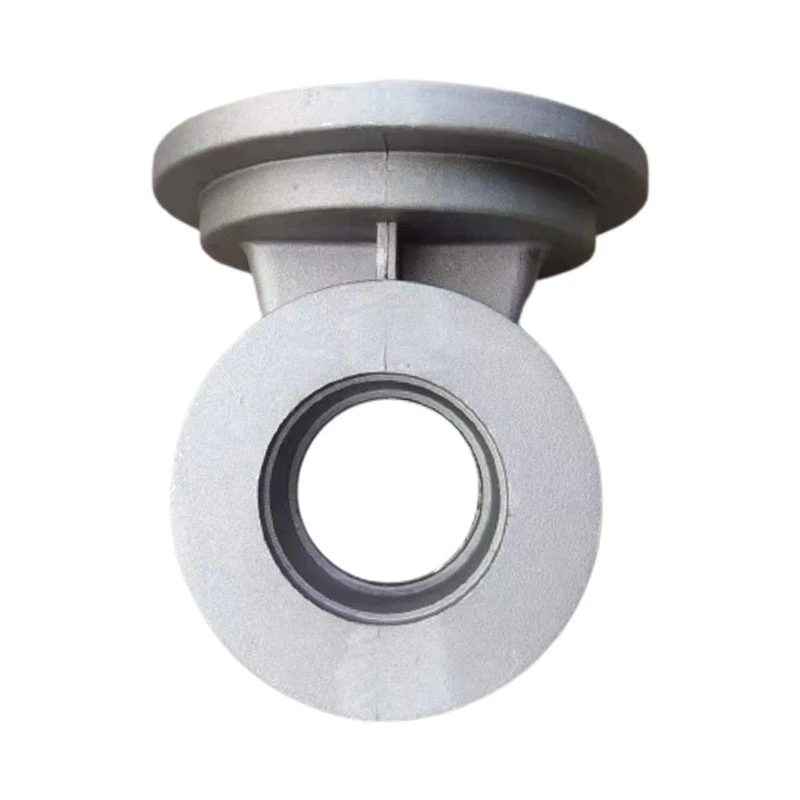
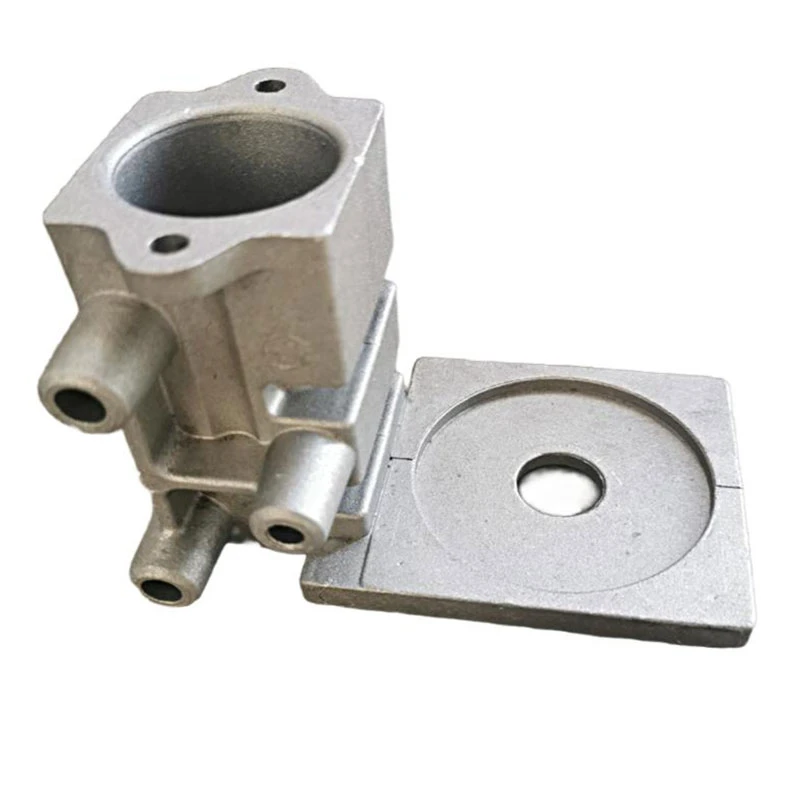
Simply put, aluminium gravity die casting is a metal casting technique where molten aluminium is poured into a permanent metal mold—and it uses gravity (no high pressure involved) to fill the cavity. This controlled approach produces parts with smooth surfaces and tight tolerances, ideal for applications demanding both strength and precision. It’s a subtle but vital technology bridging traditional smelting and modern engineering, relevant not just for factories but also for humanitarian needs like lightweight, durable components in rescue equipment or infrastructure.
Aluminium gravity die casting helps industries manufacture high-quality parts efficiently, reducing the reliance on heavy and wasteful processes.
Key Factors in Aluminium Gravity Die Casting
1. Durability and Strength
The casting process ensures components can withstand mechanical stresses due to the fine grain structure and minimal porosity. For automotive frames or aerospace brackets, this means safety and lifespan integration without hefty weight penalties.
2. Precision and Surface Finish
Gravity die casting yields parts with excellent detail and minimal finishing required, saving costs downstream. This accuracy is crucial for components that fit tightly together or need exact specifications.
3. Cost Efficiency
Unlike high-pressure die casting, gravity die casting uses permanent molds but avoids expensive machinery. Though slower, it balances mold longevity and operational economy — great for medium to large production runs.
4. Environmental Sustainability
Aluminium gravity die casting uses less pressure and energy than alternatives, contributing to a smaller carbon footprint. Recycled aluminium alloys can often be employed, preserving resources and waste.
5. Scalability and Flexibility
The technique adapts well to different production volumes and alloy compositions, making it suitable for prototyping and series manufacturing alike.
Mini takeaway: Gravity die casting uniquely blends durability, cost, precision, and sustainability — a practical toolkit for today’s manufacturing demands.
Applications & Use Cases Across the Globe
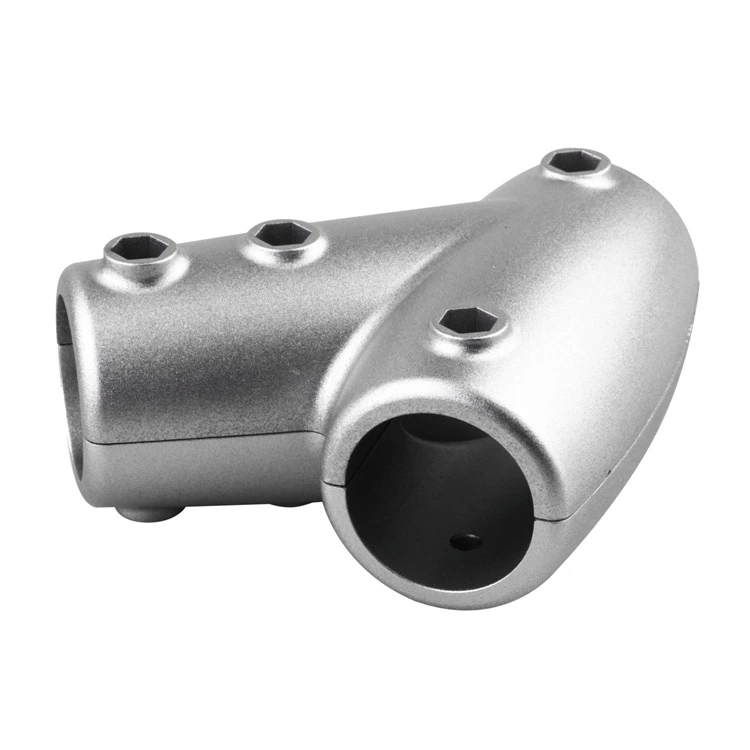
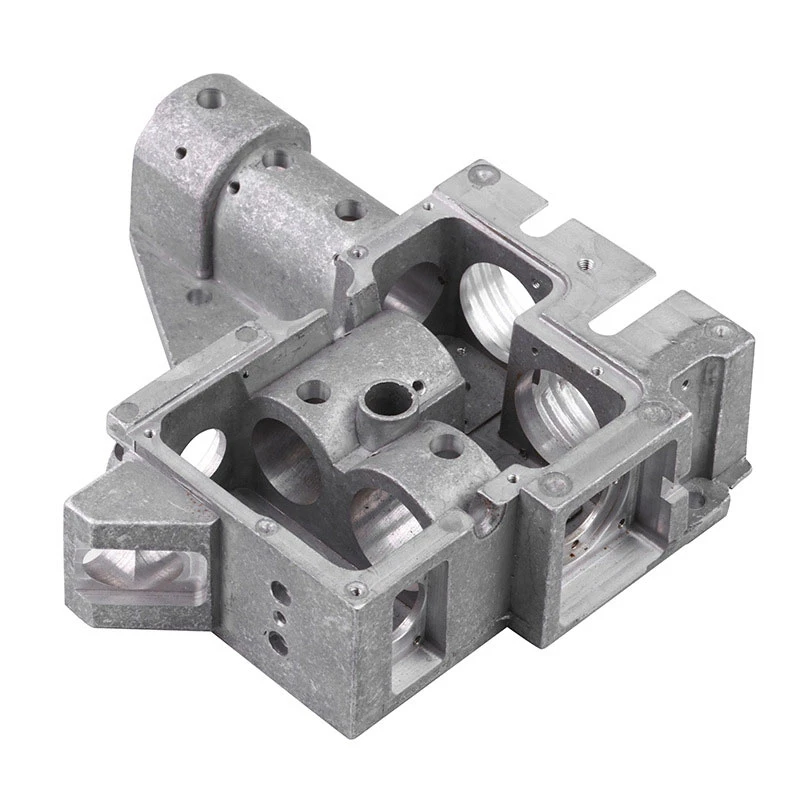
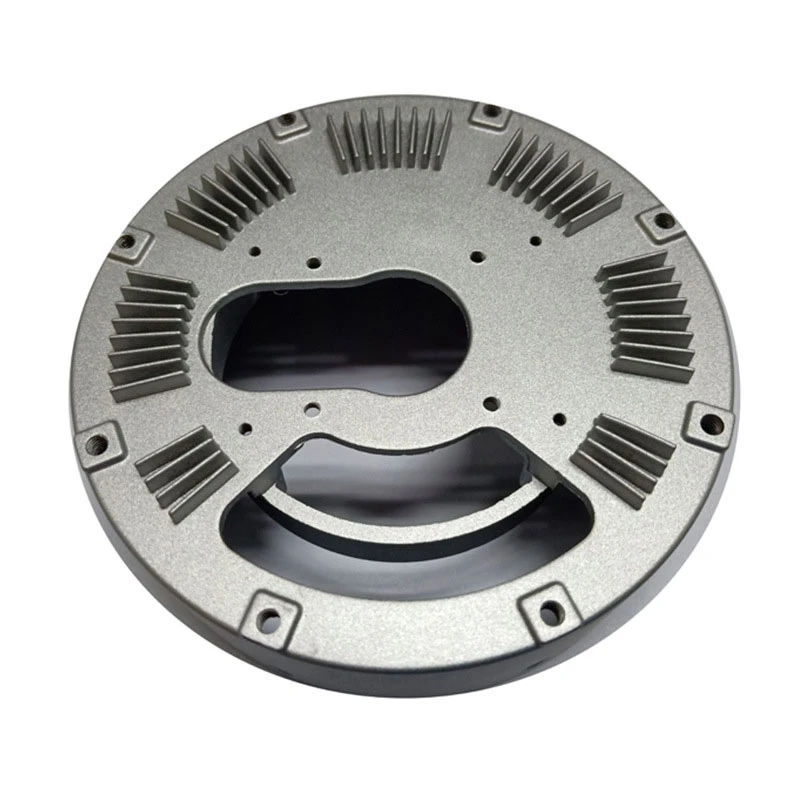
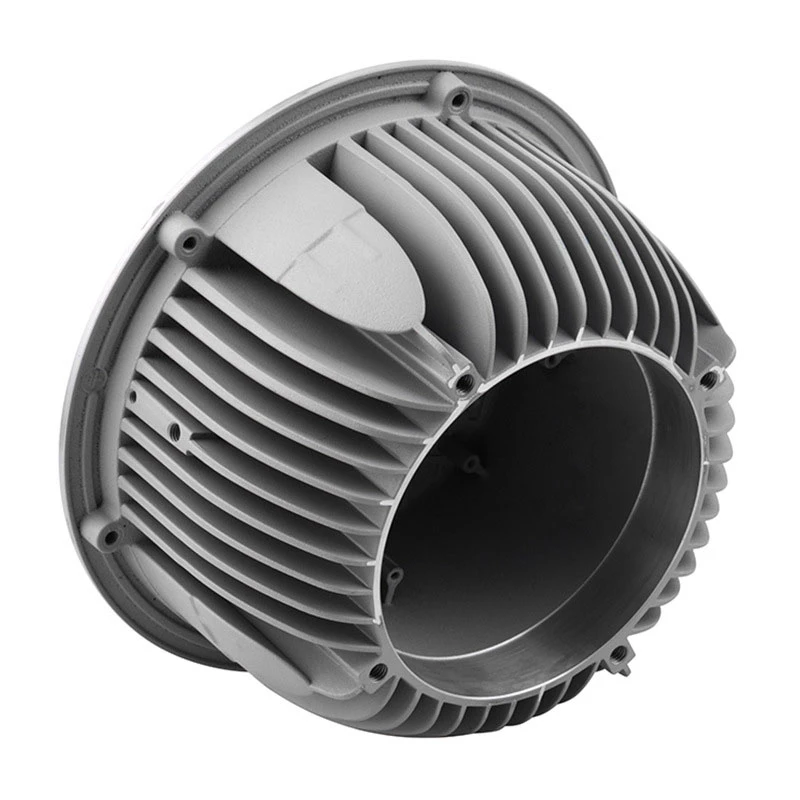
Across Europe’s automotive hubs, aluminium gravity die casting crafts engine brackets and structural parts that reduce vehicle weight and emissions. In Asia’s bustling electronics sector, the process shapes robust housings that protect sensitive devices. Oddly enough, even humanitarian agencies turn to this technology, sourcing lightweight components for field hospitals and disaster-relief machinery—where transportability and durability are life-saving.
Think of rugged modular shelters shipped into remote industrial zones or post-disaster relief operations: the aluminium parts used are often products of gravity die casting — reliable, robust, and lightweight.
| Parameter | Specification |
|---|---|
| Material | Aluminium Alloy (AlSi7Mg, AlSi12, etc.) |
| Typical Wall Thickness | 3-10 mm |
| Dimensional Tolerance | ±0.1 mm to ±0.5 mm |
| Surface Finish | Ra 1.6 to 3.2 μm (can be improved) |
| Production Volume | Thousands to tens of thousands annually |
| Typical Applications | Automotive parts, electrical housings, machinery components |
Advantages and Long-Term Value
Let’s talk benefits. Cost savings come first: gravity die casting minimizes waste and tooling costs. Then, there’s sustainability — aluminium is infinitely recyclable, and when cast with this method, fewer defects reduce scrap. From a social perspective, strong, reliable parts encourage trust in safety-critical applications like transportation and construction. Emotional benefits? Think of innovators crafting lighter, more efficient products, quietly contributing to a safer, greener planet.
Not to mention, the process ensures consistency that manufacturers—and ultimately end users—can rely on, blending innovation with peace of mind.
Future Trends and Innovations
Automation and digitization are reshaping aluminium gravity die casting. Smart foundries use sensors and AI-driven monitoring to minimize defects and optimize energy. There’s growing interest in new alloys tailored for electric vehicles and green energy applications, pushing the envelope on strength-to-weight ratios and recyclability. Hybrid processes combining gravity casting and 3D-printed molds hint at a future where customization and speed coexist.
Overcoming Challenges: Insights from Industry Experts
It’s not all perfect. Gravity die casting can be slower than high-pressure alternatives, and mold costs remain significant. Some engineers voice concerns about porosity and defects when casting large parts. But increasingly sophisticated simulation software and mold advanced cooling techniques mitigate these issues. Also, alloy quality improvements and recycling protocols keep the carbon footprint in check. Frankly, innovation often means juggling trade-offs thoughtfully.
Vendor Comparison: Aluminium Gravity Die Casting Providers
| Feature | Vendor A | Vendor B | Vendor C |
|---|---|---|---|
| Production Capacity | Medium (50k/year) | High (100k/year) | Low (25k/year) |
| Lead Time | 4-6 weeks | 6-8 weeks | 3-5 weeks |
| Customization Options | High | Medium | Low |
| Sustainability Initiatives | Recycling-focused | Energy-efficient molds | Basic compliance |
FAQ: Frequently Asked Questions About Aluminium Gravity Die Casting
- Q: What advantages does aluminium gravity die casting provide over other casting methods?
A: This method offers excellent surface finish and dimensional accuracy without the high-pressure equipment costs. It is well-suited for medium runs and complex shapes, with less porosity than sand casting. - Q: How long do aluminium gravity die cast parts last in harsh environments?
A: With proper alloy choice and surface treatment, these parts can last decades, resisting corrosion and mechanical wear typical in automotive or industrial settings. - Q: Is aluminium gravity die casting environmentally friendly?
A: Yes, it uses less energy compared to high-pressure alternatives and is compatible with recycled aluminium alloys, reducing waste and energy consumption. - Q: Can small companies access aluminium gravity die casting services internationally?
A: Definitely. Many foundries offer prototyping and small series production, and import-export logistics for aluminum parts are well established globally. - Q: How does this method contribute to innovation in electric vehicles?
A: Lightweight yet strong parts reduce vehicle weight, improving battery efficiency and range — critical for EV performance and sustainability.
Conclusion
In the grand scheme, aluminium gravity die casting is more than just a manufacturing process. It’s a bridge to smarter, more sustainable production that answers today’s environmental and economic calls. Its blend of durability, precision, and eco-consciousness continues to reshape industries worldwide. If you’re curious to explore this further or source reliable casting solutions, feel free to visit our website at https://www.hairunsourcing.com.
After all, understanding how these processes work—and where they fit in the big picture—feels like a key step toward innovation and sustainability together.
References:
-
Comprehensive Guide to Automotive Die Casting for Enhanced Vehicle PerformanceNewsJan.27,2026
-
Comprehensive Guide to Aluminum Pressure Die Casting Manufacturing ProcessesNewsJan.27,2026
-
Hot Chamber Die Casting vs Cold Chamber Die Casting ExplainedNewsJan.06,2026
-
Hot Chamber And Cold Chamber Die Casting Solutions for Industrial Applications | Hairun SourcingNewsJan.06,2026
-
Hot and Cold Chamber Die Casting: Key Insights from Industry ExpertsNewsJan.06,2026
-
Comprehensive Guide on Graphite Die Casting for B2B Manufacturing | HairunSourcingNewsJan.05,2026