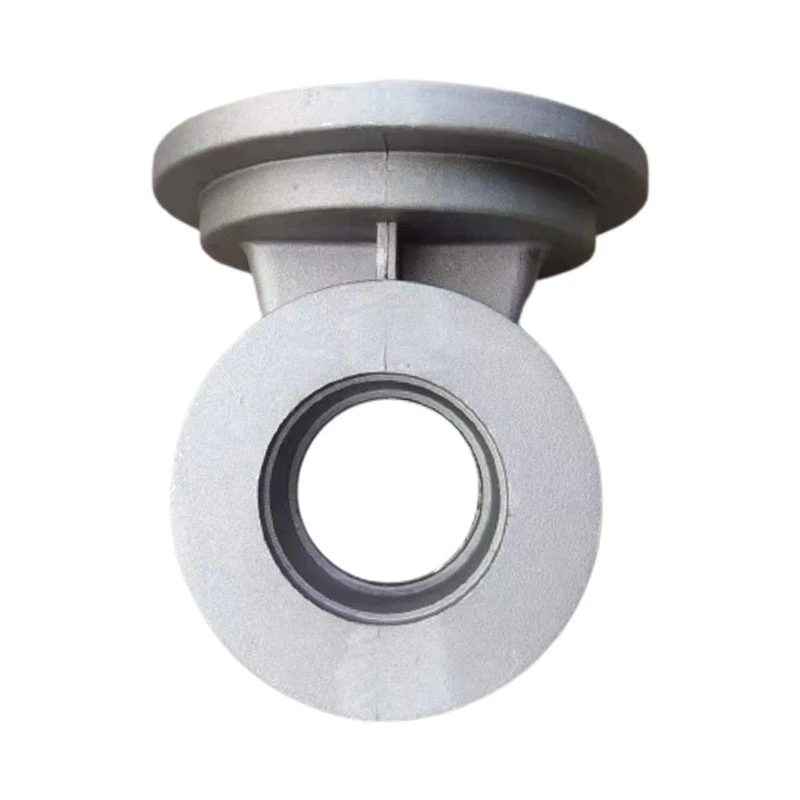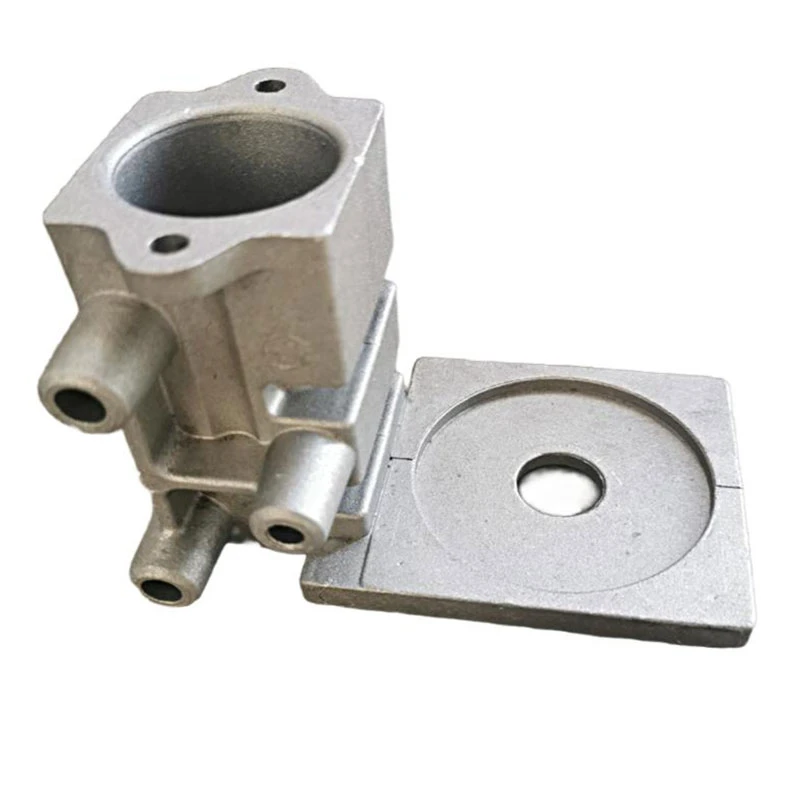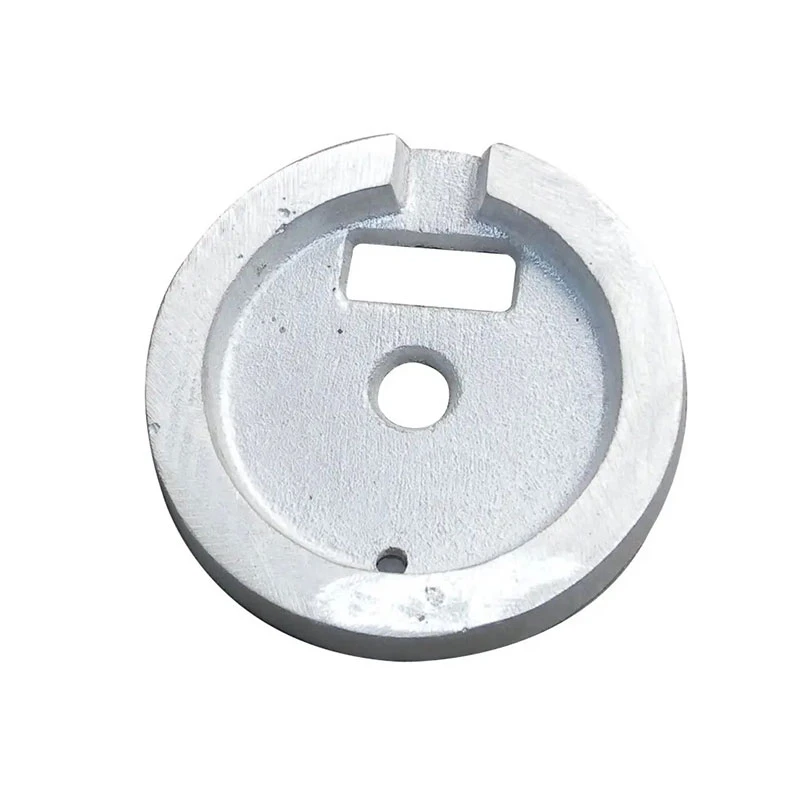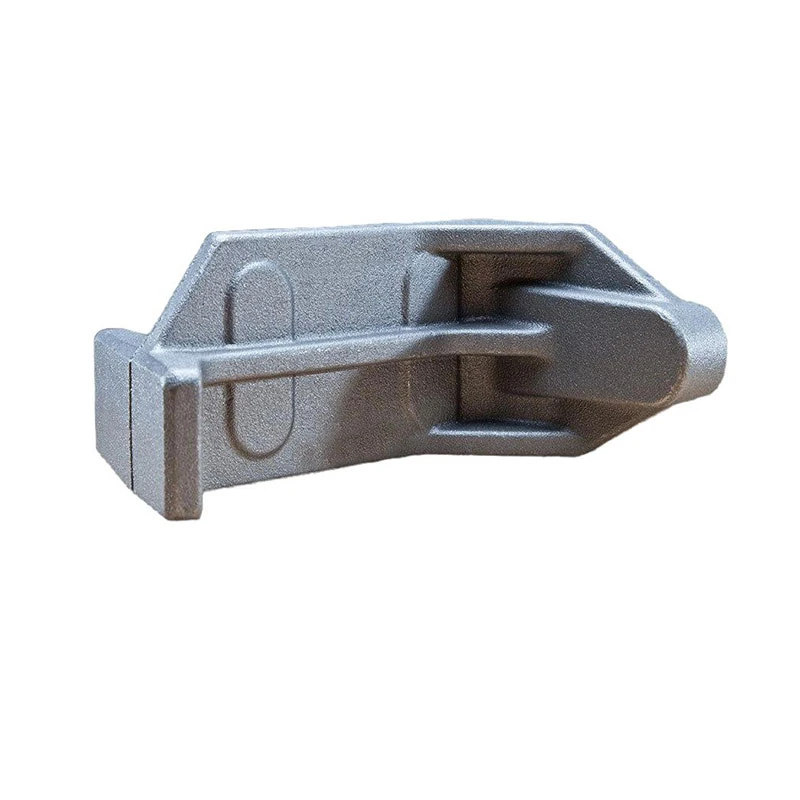



Comprehensive Guide to Aluminum Pressure Die Casting Manufacturing Processes
Aluminum Pressure Die Casting: A Comprehensive Guide
Aluminum pressure die casting is a highly efficient manufacturing process used to produce complex metal parts with high precision and repeatability. It's a popular choice across numerous industries, from automotive and aerospace to electronics and consumer goods. This article provides a detailed overview of the process, its benefits, applications, and what to consider when sourcing aluminum die casting parts. Understanding this process is crucial for engineers, designers, and procurement professionals seeking cost-effective and high-quality manufacturing solutions.
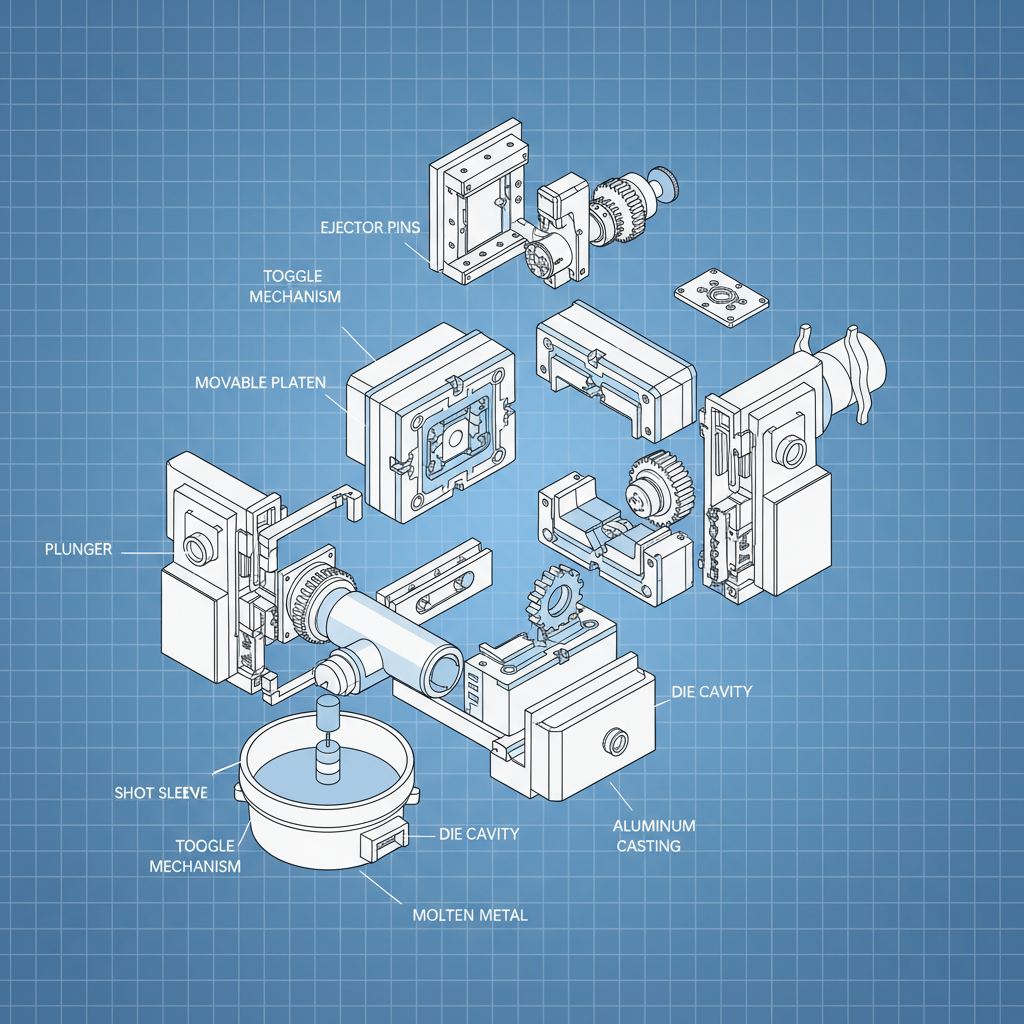
What is Aluminum Pressure Die Casting?
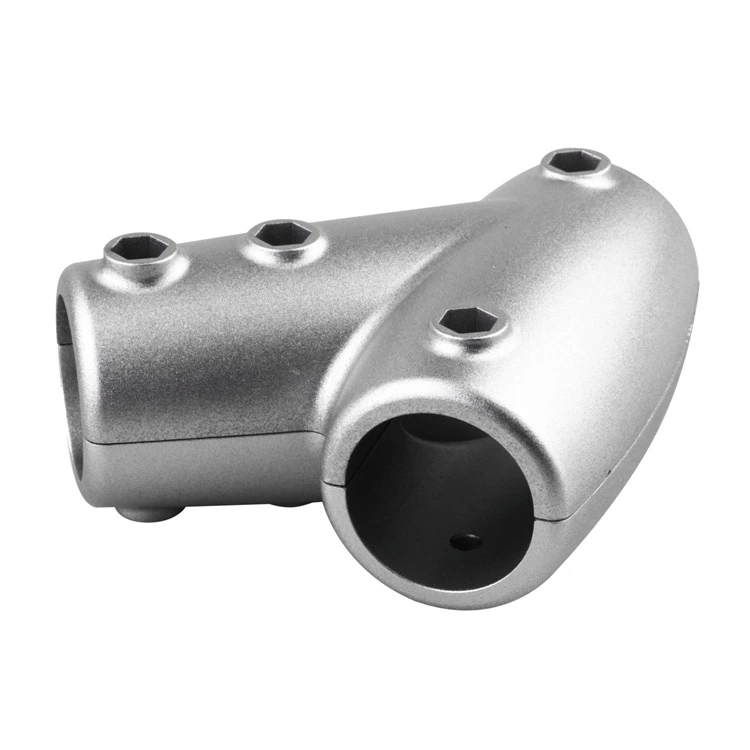
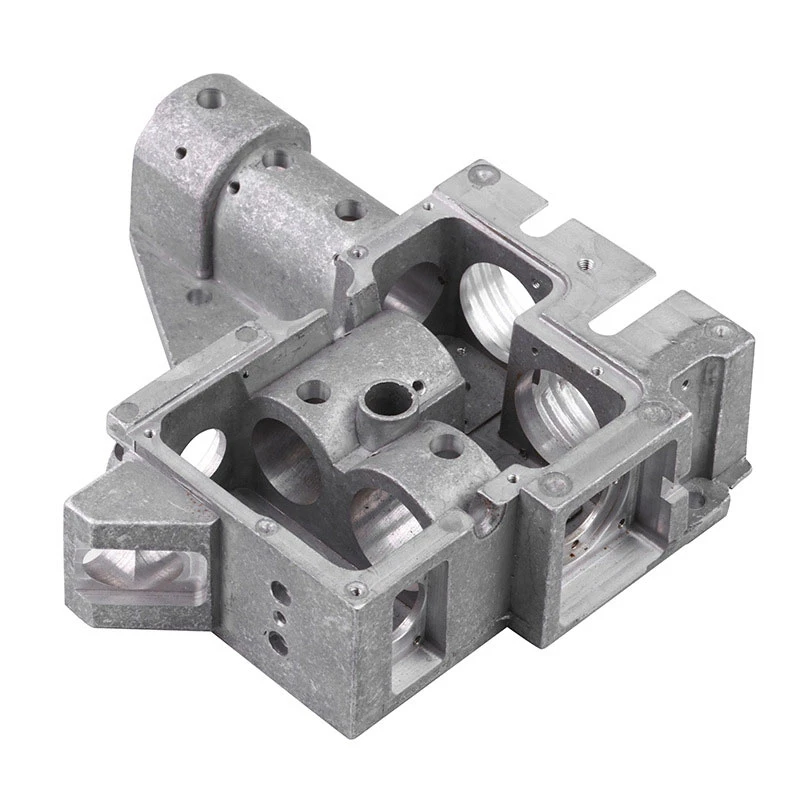
Aluminum pressure die casting involves injecting molten aluminum alloy into a reusable steel mold (die) under high pressure. The metal solidifies rapidly, creating a durable and dimensionally accurate part. The process is known for its speed, efficiency, and ability to produce intricate geometries. It is well suited for large production runs, making it a cost-effective solution for mass manufacturing. The quality and precision achievable with this process are unmatched by many other casting methods.
Key Highlights: High speed, excellent dimensional accuracy, suitable for complex designs, and ideal for high-volume production. The result is strong and reliable components.
The Advantages of Using Aluminum Die Casting
Several factors make aluminum pressure die casting a preferred method for many applications. Firstly, aluminum offers a high strength-to-weight ratio, contributing to lighter and more fuel-efficient products. Secondly, the process allows for thin walls and intricate details, minimizing material waste and enhancing design freedom. Furthermore, aluminum has excellent corrosion resistance and thermal conductivity. Die casting results in consistent part quality and reduced finishing costs, making it an economically viable option for large-scale production.
Advantages Breakdown:
• High strength-to-weight ratio
• Intricate geometries and thin walls
• Excellent corrosion resistance
• Superior thermal conductivity
Aluminum Pressure Die Casting vs. Other Casting Methods
While various casting methods exist, aluminum pressure die casting stands out in several key areas. Compared to sand casting, die casting offers superior dimensional accuracy and surface finish. Unlike investment casting, it is significantly more cost-effective for high-volume production. Compared to gravity die casting, pressure die casting offers faster cycle times and the ability to cast more complex shapes. Selecting the right method depends on factors like part complexity, production volume, and budget. Hairunsourcing.com can help you navigate these choices.
Common Applications of Aluminum Die Casting
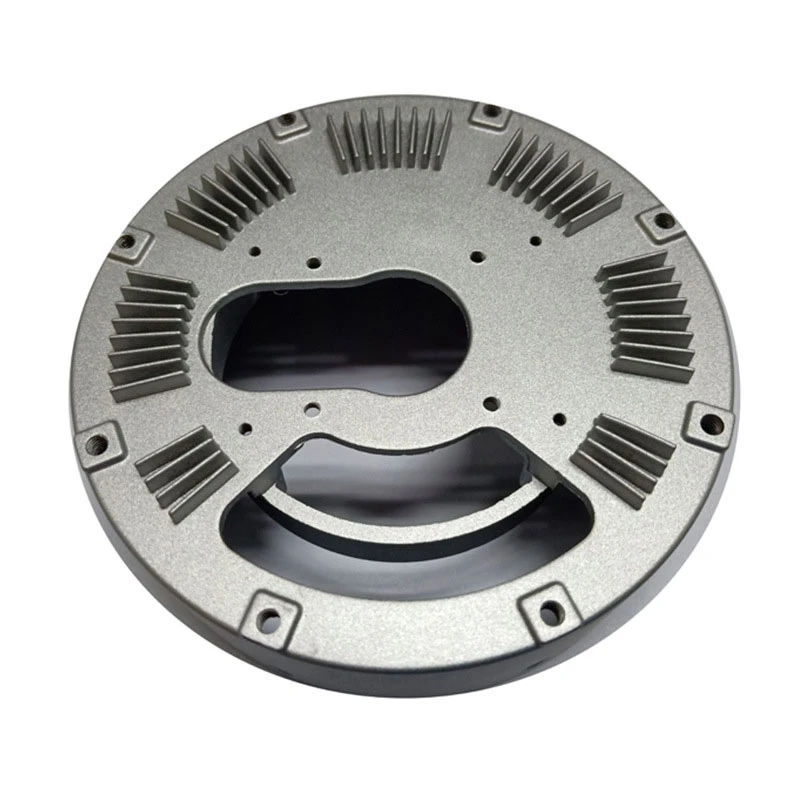
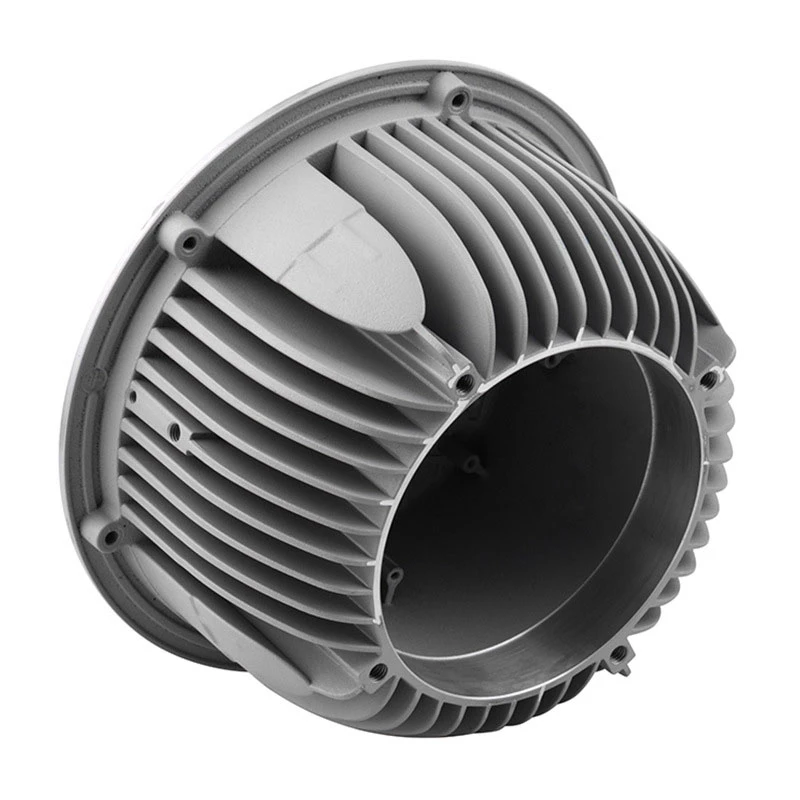
The versatility of aluminum die casting leads to widespread applications across various industries. Automotive manufacturers utilize it for engine components, transmission housings, and structural parts. The electronics industry employs it for heat sinks, connectors, and enclosures. In aerospace, it’s used for structural components requiring lightweight strength. Consumer goods, such as power tools, appliances, and hardware, also benefit from the precision and cost-effectiveness of this process.
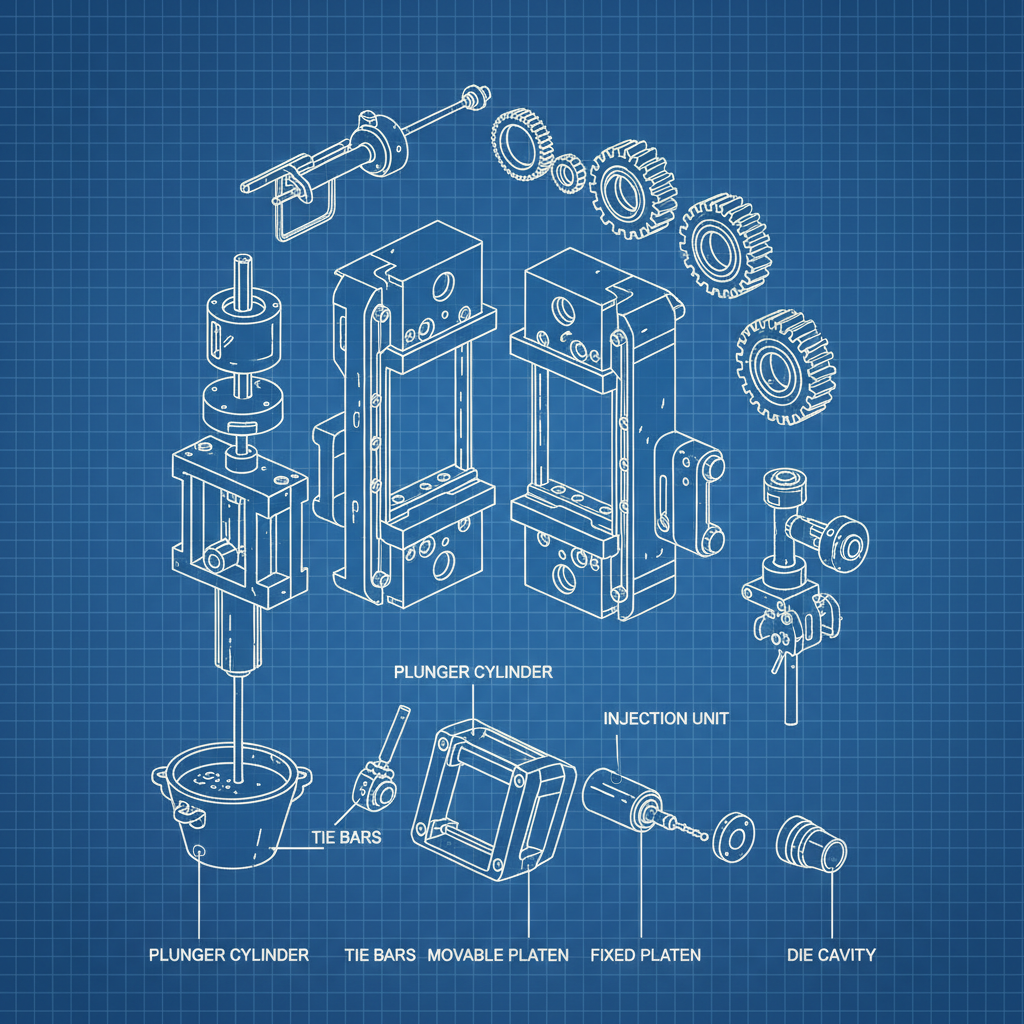
Key Considerations When Sourcing Aluminum Die Casting
When seeking a reliable aluminum die casting supplier, several factors are crucial. Material selection is paramount; different aluminum alloys offer varying properties. Die design and tooling quality directly impact part precision and lifespan. Consider the supplier’s capabilities, quality control processes, and production capacity. Communication and project management are also vital for ensuring a smooth and successful manufacturing process. Prioritize suppliers with a proven track record and a commitment to delivering high-quality parts on time and within budget.
Conclusion: The Power of Precision with Aluminum Die Casting
Aluminum pressure die casting remains a pivotal manufacturing process, offering a blend of efficiency, precision, and cost-effectiveness. By understanding its benefits and carefully considering sourcing factors, businesses can leverage this technology to create high-quality, reliable products. Choosing a capable partner like Hairunsourcing.com will ensure your project’s success.
Frequently Asked Questions (FAQs)
What aluminum alloys are commonly used in die casting?
Several aluminum alloys are popular in die casting, each offering unique properties. A380 is the most widely used, known for its excellent fluidity and mechanical properties. ADC12 (A383) provides higher strength and corrosion resistance. ADC3 (A360) is chosen for its excellent corrosion resistance and pressure tightness. The choice depends on the specific application requirements, such as strength, corrosion resistance, and thermal conductivity. Consulting with a die casting expert is essential for selecting the optimal alloy for your project.
What is the typical lead time for aluminum die casting?
Lead times can vary depending on the complexity of the part, tooling requirements, and the supplier’s production schedule. Generally, tooling can take 4-8 weeks to complete. Once tooling is approved, production lead times range from 2-6 weeks for initial runs, and subsequently shorten for repeat orders. Factors like alloy availability and order volume can also influence lead times. Communication with your supplier is key to establishing realistic delivery expectations.
What surface finishing options are available for die cast parts?
A variety of surface finishing options can enhance the appearance and performance of die cast parts. These include powder coating, painting, anodizing, machining, and plating. Powder coating provides a durable and corrosion-resistant finish. Anodizing enhances corrosion resistance and allows for color variations. Machining improves dimensional accuracy and surface smoothness. The optimal finishing process depends on the specific application requirements and desired aesthetic appeal.
-
Comprehensive Guide to Automotive Die Casting for Enhanced Vehicle PerformanceNewsJan.27,2026
-
Hot Chamber Die Casting vs Cold Chamber Die Casting ExplainedNewsJan.06,2026
-
Hot Chamber And Cold Chamber Die Casting Solutions for Industrial Applications | Hairun SourcingNewsJan.06,2026
-
Hot and Cold Chamber Die Casting: Key Insights from Industry ExpertsNewsJan.06,2026
-
Comprehensive Guide on Graphite Die Casting for B2B Manufacturing | HairunSourcingNewsJan.05,2026