


Comprehensive Guide to Automotive Die Casting for Enhanced Vehicle Performance
Automotive Die Casting: A Comprehensive Guide
Automotive die casting is a crucial manufacturing process for producing high-quality, complex metal parts used extensively in vehicles. From engine components to structural elements, the precision and efficiency of this method are vital to the automotive industry. Hairun Sourcing specializes in delivering exceptional die casting solutions tailored to meet the stringent requirements of automotive manufacturers. This article will explore the intricacies of automotive die casting, its benefits, applications, materials, and the future trends shaping this dynamic field.
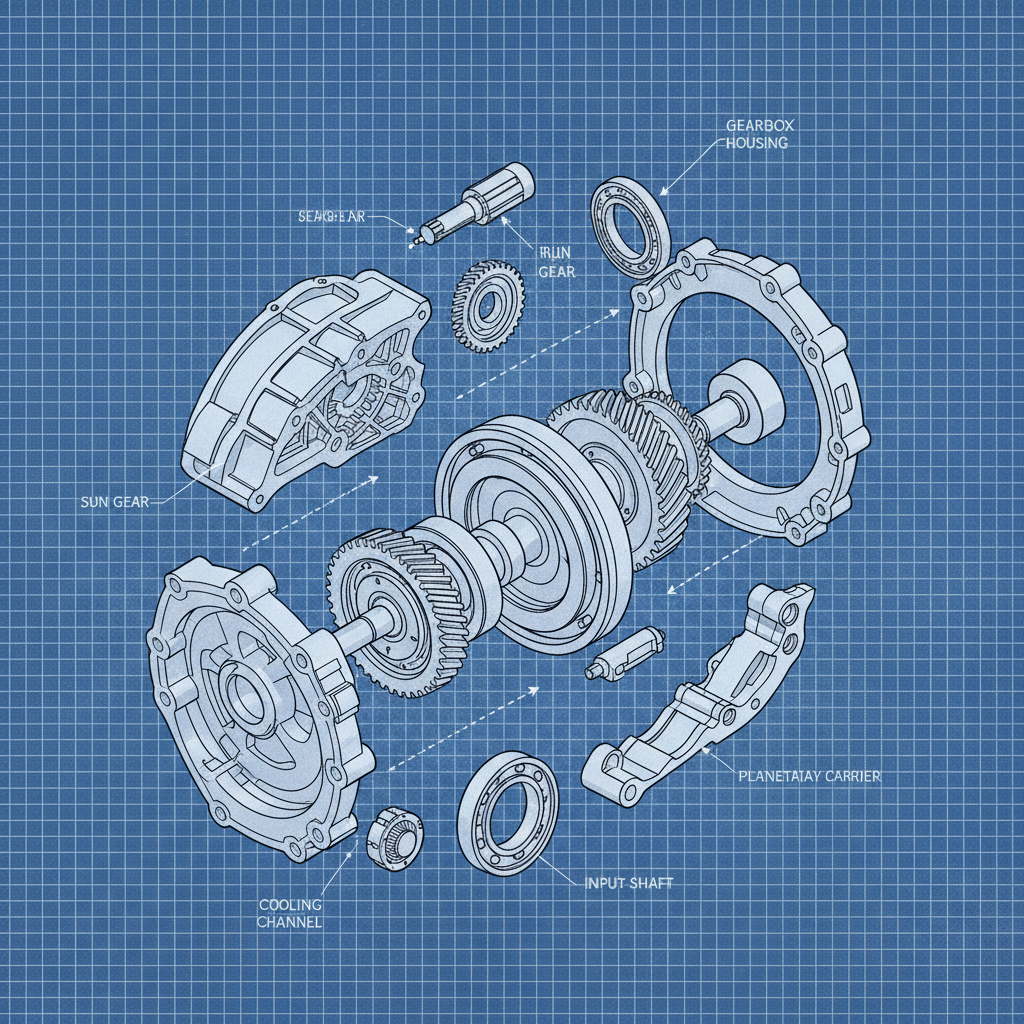
Understanding the Automotive Die Casting Process
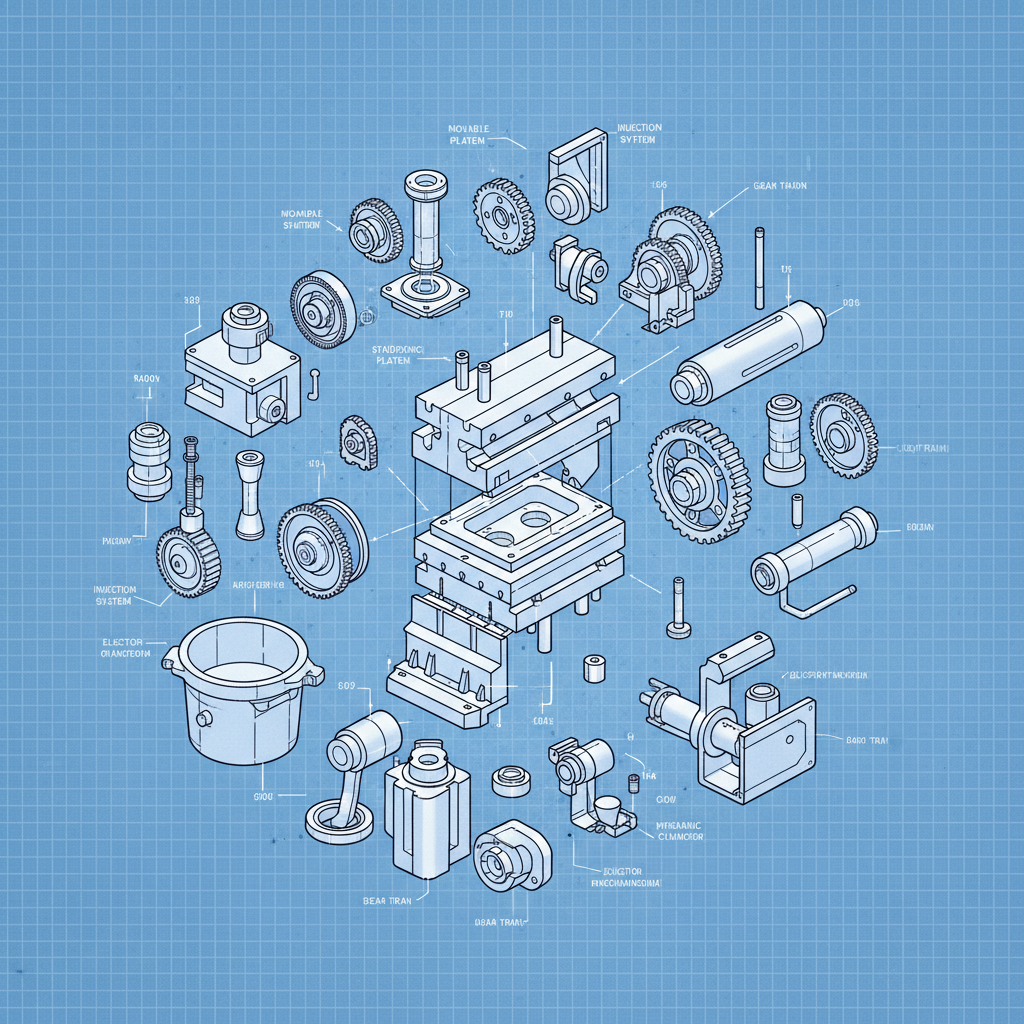
Die casting involves injecting molten metal into a mold cavity under high pressure. This process yields parts with intricate geometries, tight tolerances, and excellent surface finishes. For automotive applications, die casting is particularly favored due to its ability to create lightweight yet strong components, contributing to improved fuel efficiency and vehicle performance. The process typically involves several key stages: mold preparation, metal melting, injection, cooling, and ejection. Quality control measures are integrated throughout the process to ensure parts meet the required specifications. Hairun Sourcing utilizes state-of-the-art die casting equipment and techniques to guarantee precision and consistency.
Key Benefits: High precision, excellent surface finish, ability to create complex shapes, high production rates, and cost-effectiveness for large volumes.
Common Materials Used in Automotive Die Casting
The choice of material is critical in automotive die casting, determined by the specific application and performance requirements. Aluminum alloys are the most commonly used due to their lightweight properties, excellent strength-to-weight ratio, and corrosion resistance. Zinc alloys are favored for parts requiring high dimensional accuracy and good casting characteristics. Magnesium alloys offer even greater weight reduction, making them suitable for high-performance vehicles. Finally, some applications utilize lead and copper alloys, though their use is becoming less frequent due to environmental concerns. Hairun Sourcing offers expertise in working with all these materials, ensuring optimal material selection for each project.
Material Comparison:
• Aluminum: Lightweight, strong, corrosion resistant, cost-effective.
• Zinc: High dimensional accuracy, good casting characteristics.
• Magnesium: Extremely lightweight, high strength-to-weight ratio.
• Lead/Copper: Specialized applications, decreasing usage due to environmental concerns.
Automotive Die Casting Applications: From Engine to Chassis
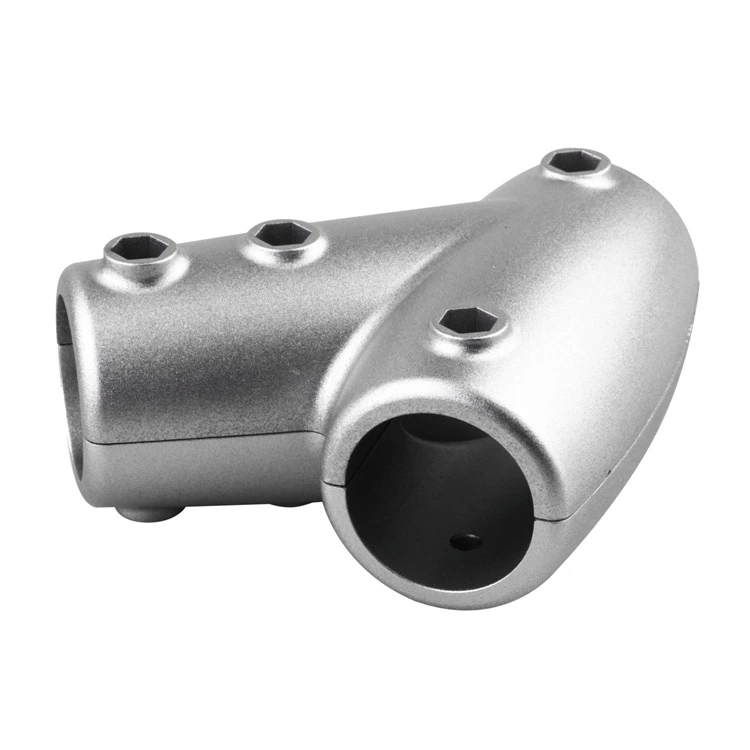
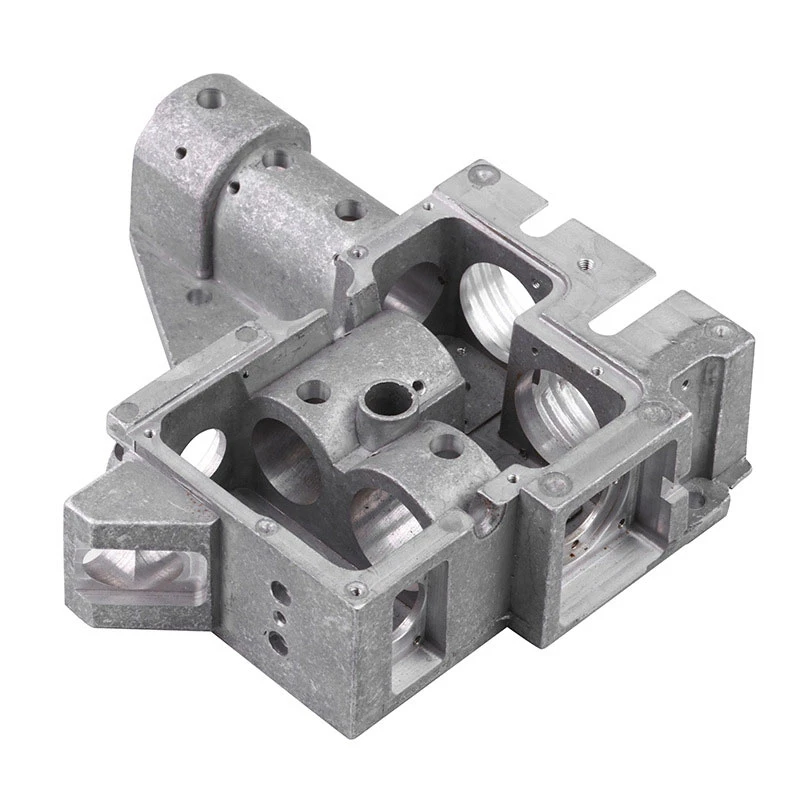
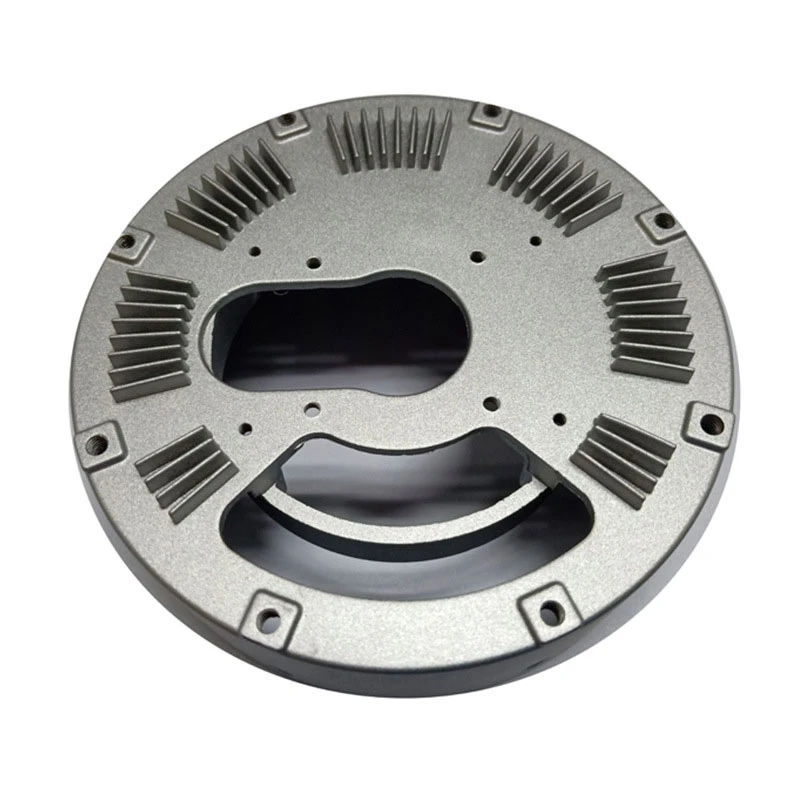
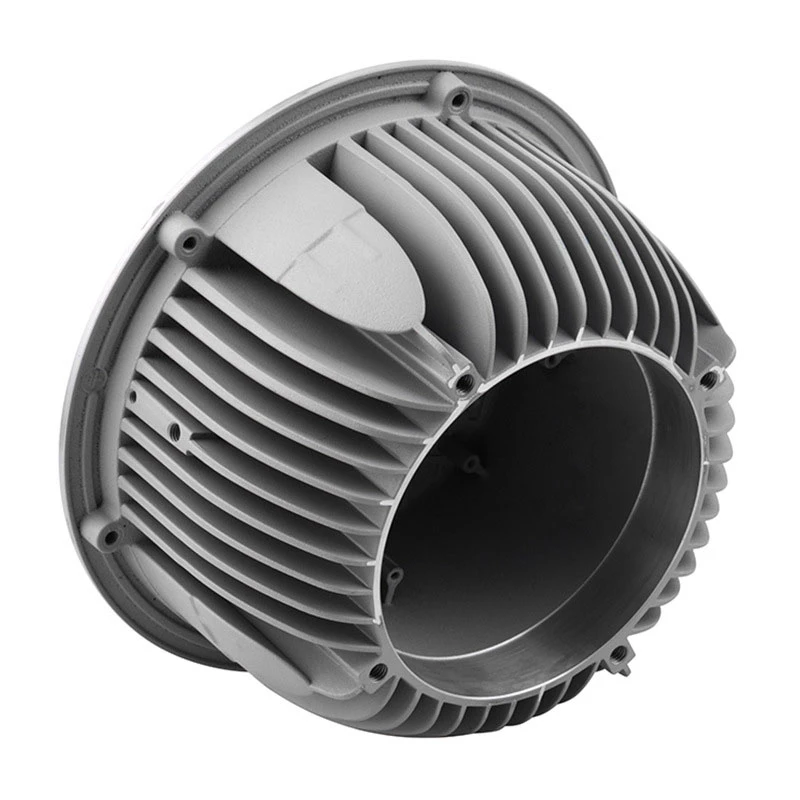
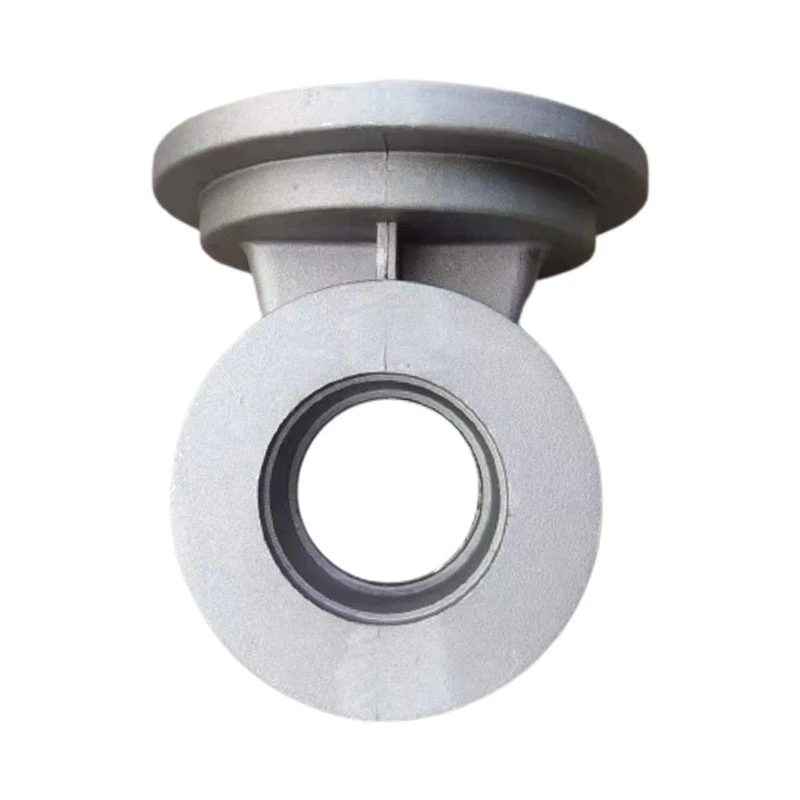
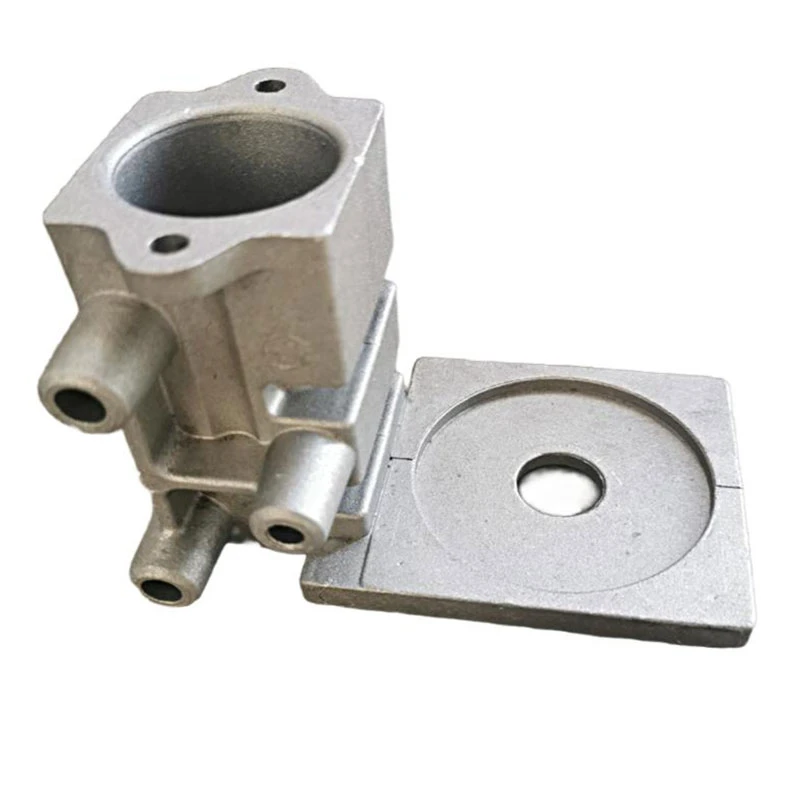
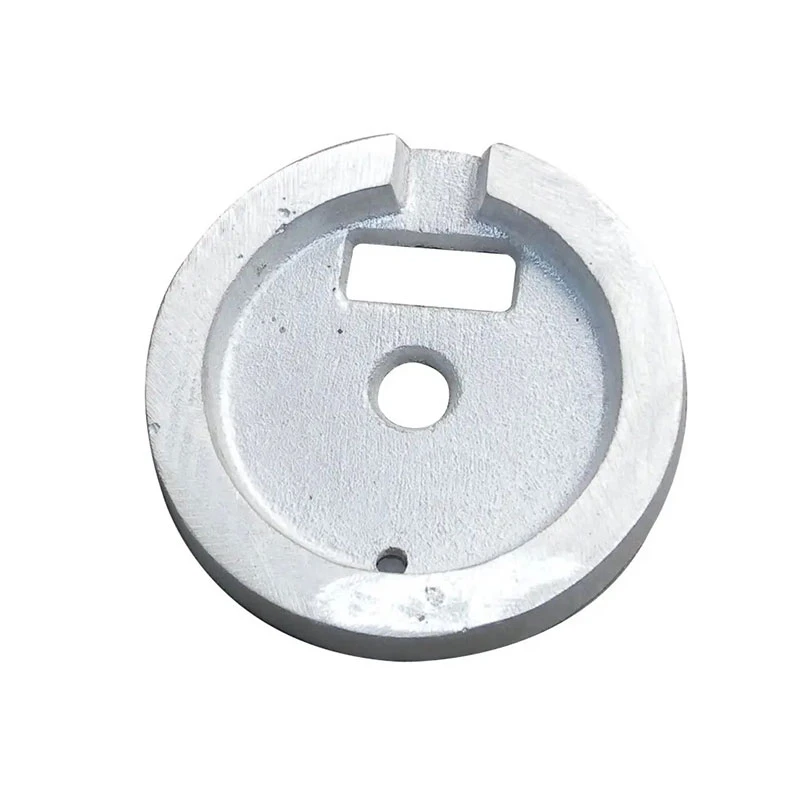
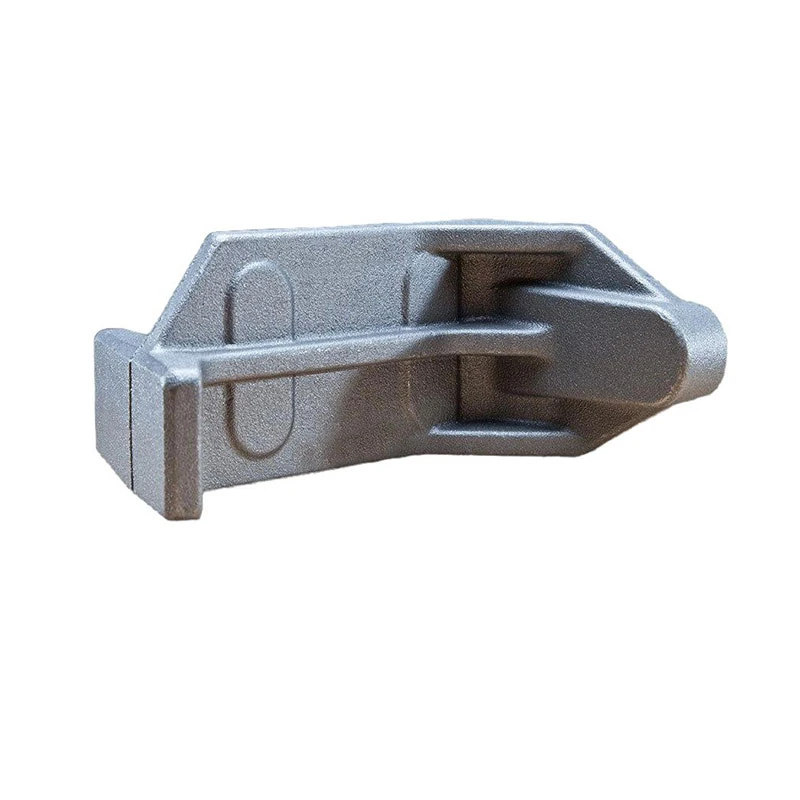
The versatility of automotive die casting allows for a broad range of applications. Common examples include engine blocks, cylinder heads, transmission cases, intake manifolds, fuel pumps, and steering components. Die casting is also employed in producing structural parts such as brackets, housings, and chassis components. Furthermore, it's used in creating smaller, intricate parts like connectors, sensors, and decorative trim. The ability to manufacture complex geometries with tight tolerances makes die casting indispensable for modern automotive design.
Future Trends in Automotive Die Casting
The automotive industry is undergoing rapid transformation, driving innovation in die casting technology. Trends include the increasing use of lightweight materials like magnesium and aluminum-lithium alloys to improve fuel efficiency and reduce emissions. Furthermore, there's a growing focus on optimizing die designs to minimize material waste and reduce cycle times. The integration of Industry 4.0 technologies, such as real-time monitoring and predictive maintenance, is also gaining traction. These advancements will lead to more efficient, sustainable, and cost-effective automotive manufacturing processes. Hairun Sourcing is committed to staying at the forefront of these developments.
Choosing the Right Die Casting Partner
Selecting a reliable and experienced die casting partner is crucial for success. Consider factors such as their technical expertise, manufacturing capabilities, quality control processes, and commitment to on-time delivery. A partner with a proven track record in automotive die casting can provide valuable insights, optimize designs, and ensure the highest quality components. Hairun Sourcing offers comprehensive die casting services, from design and prototyping to mass production, all backed by a commitment to excellence.
Conclusion: Partnering for Automotive Die Casting Success
Automotive die casting is a sophisticated process that demands precision, expertise, and a commitment to quality. Choosing the right partner, like Hairun Sourcing, can significantly impact your project's success. We provide tailored solutions, cutting-edge technology, and a dedication to meeting your specific requirements.
Frequently Asked Questions (FAQs)
What are the advantages of die casting over other metal forming processes for automotive parts?
Die casting offers several key advantages. It allows for the production of complex shapes with tight tolerances and a superior surface finish. Compared to processes like machining or forging, die casting is typically more cost-effective for large production volumes. The high speed of the process and minimal material waste also contribute to its efficiency. Furthermore, the resulting parts are generally stronger and more durable, making them ideal for demanding automotive applications.
What quality control measures are employed during the automotive die casting process?
Rigorous quality control is essential throughout the die casting process. This includes material inspection, mold maintenance, process parameter monitoring, and dimensional checks. Non-destructive testing methods like X-ray inspection and dye penetrant testing are often used to detect internal defects. Statistical process control (SPC) is employed to ensure consistency and identify potential issues early on. Hairun Sourcing adheres to the highest quality standards, with a dedicated quality control team and advanced inspection equipment.
What is the typical lead time for automotive die casting projects?
Lead times vary depending on the complexity of the part, the tooling requirements, and the production volume. Generally, tooling fabrication can take 4-8 weeks. Once tooling is complete, production lead times typically range from 2-6 weeks. Hairun Sourcing works closely with clients to establish realistic timelines and expedite the process whenever possible.
Can die casting be used to produce parts with complex internal geometries?
Yes, die casting is particularly well-suited for producing parts with complex internal geometries, such as cooling channels or intricate core designs. The high injection pressure forces the molten metal into all areas of the mold cavity, even those with intricate details. This capability is a key reason why die casting is widely used in the automotive industry for producing engine blocks, cylinder heads, and other components with complex internal structures.
-
Comprehensive Guide to Aluminum Pressure Die Casting Manufacturing ProcessesNewsJan.27,2026
-
Hot Chamber Die Casting vs Cold Chamber Die Casting ExplainedNewsJan.06,2026
-
Hot Chamber And Cold Chamber Die Casting Solutions for Industrial Applications | Hairun SourcingNewsJan.06,2026
-
Hot and Cold Chamber Die Casting: Key Insights from Industry ExpertsNewsJan.06,2026
-
Comprehensive Guide on Graphite Die Casting for B2B Manufacturing | HairunSourcingNewsJan.05,2026