


Vacuum Die Casting: High-Precision Solutions for Industry Leaders | Hairun Sourcing
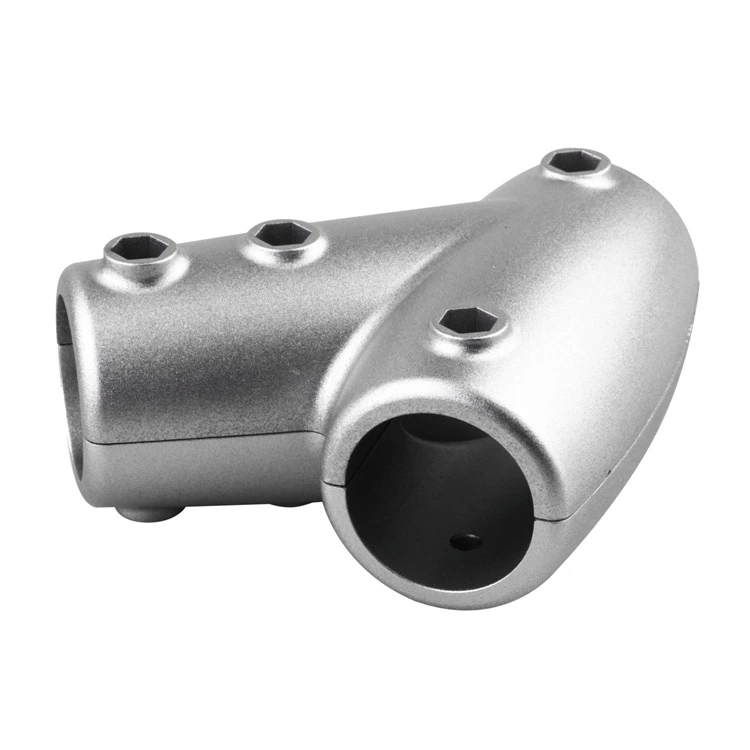
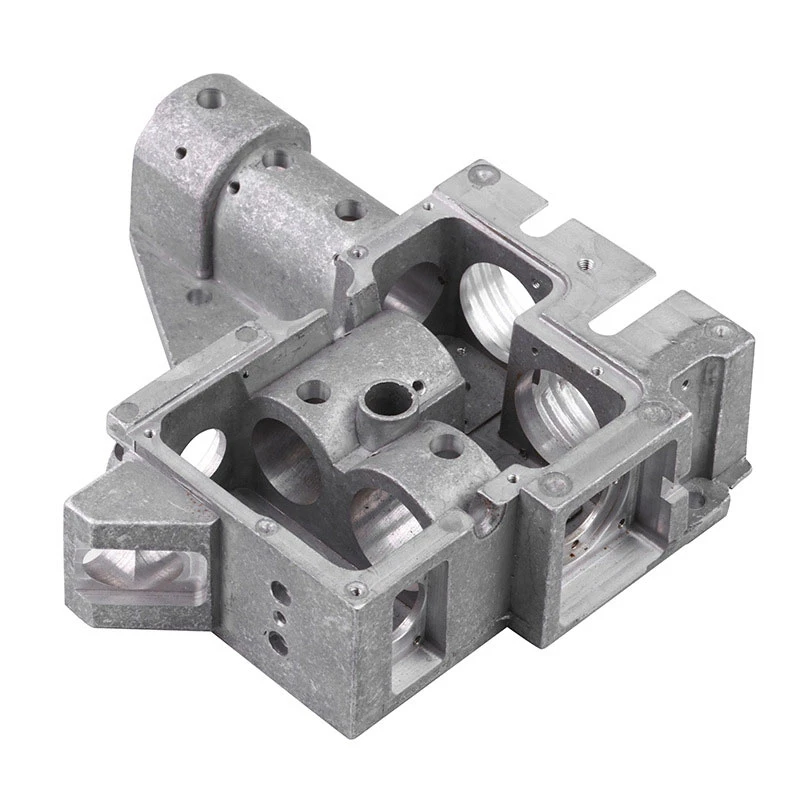
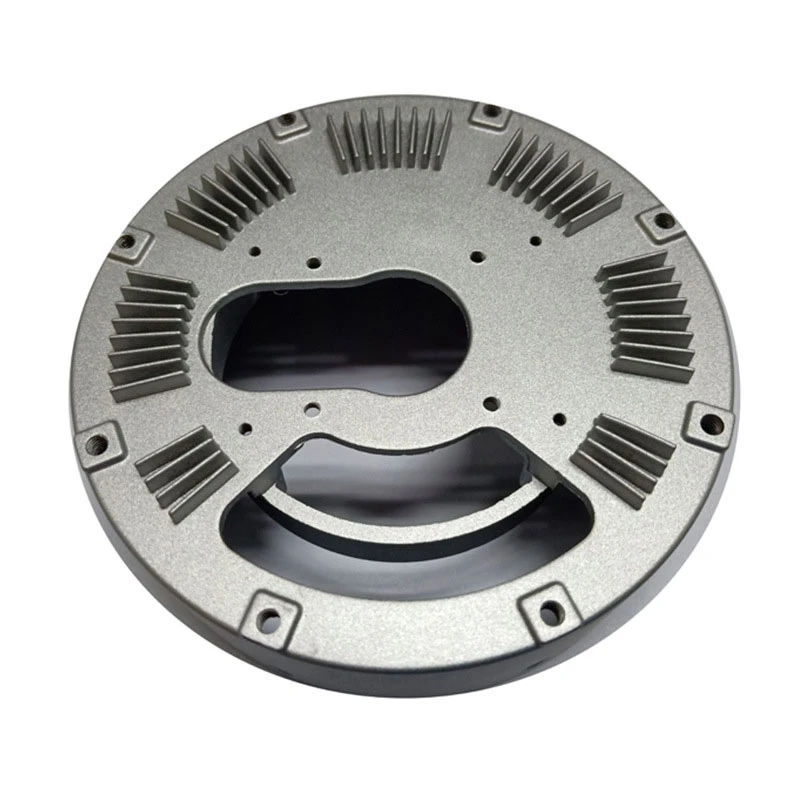
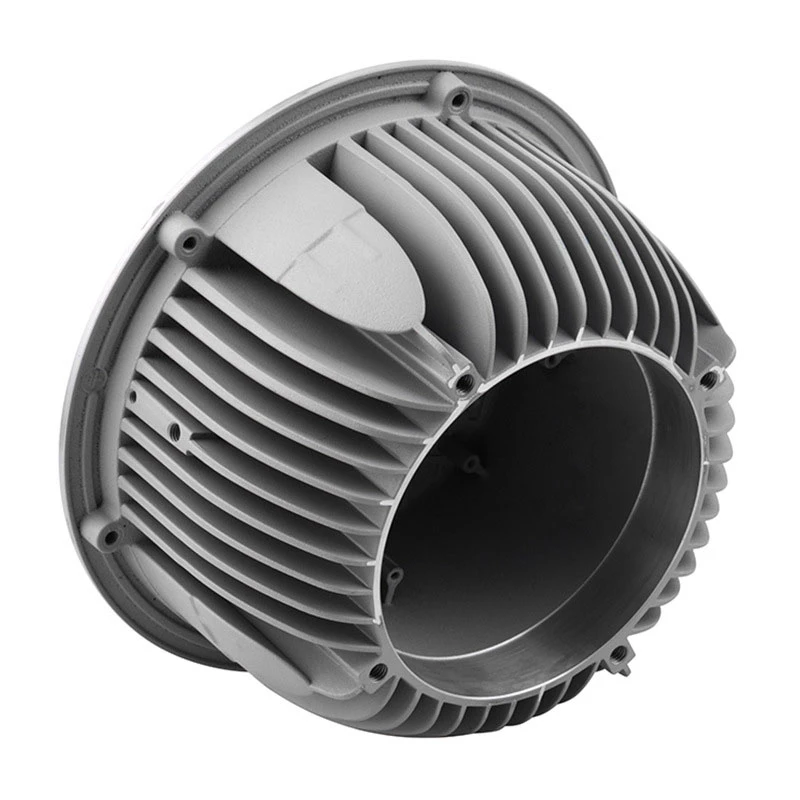
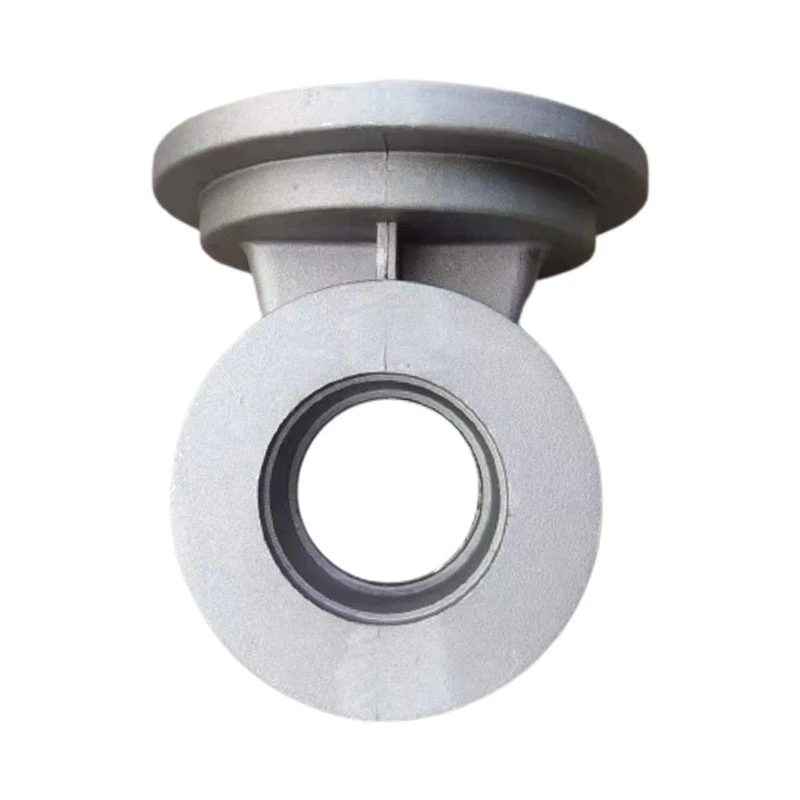
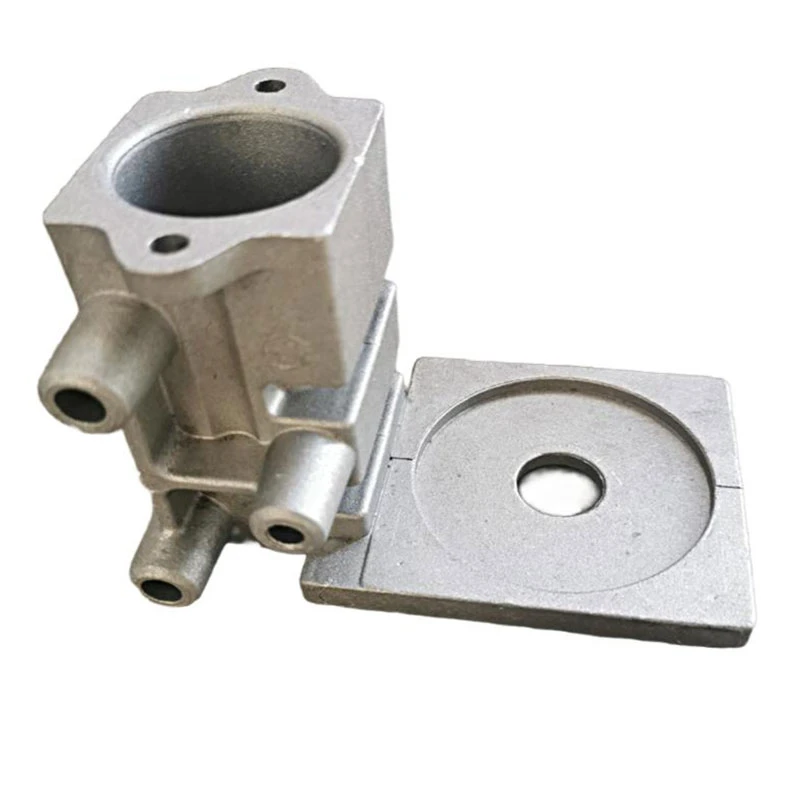
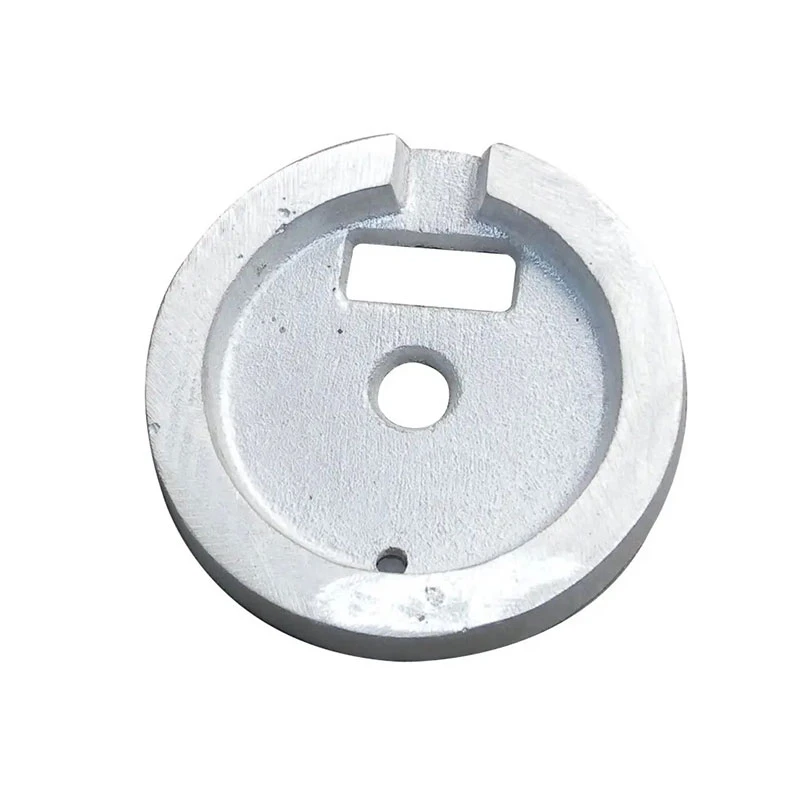
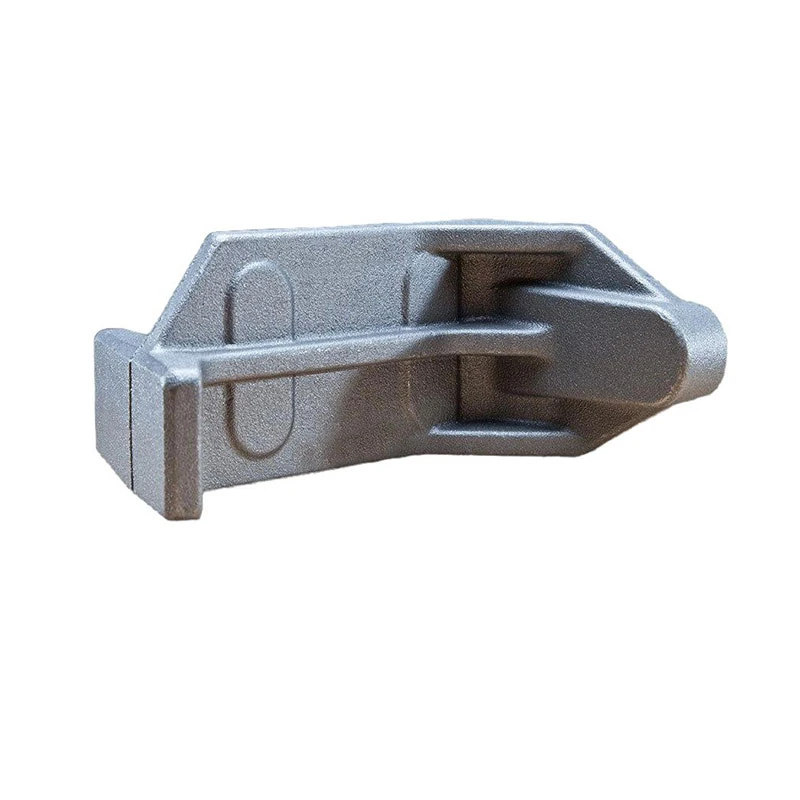
Vacuum die casting, frankly, is a fascinating evolution of traditional die casting. It involves creating metal parts by injecting molten metal into a mold under vacuum conditions, which removes air and gas pockets to produce components with exceptional density and minimal porosity. This technique is particularly prized where both strength and fine surface finish matter — think aerospace, automotive, and electronics manufacturing.
The relevance is clear: by limiting trapped gases, vacuum die casting results in stronger, more reliable parts. For instance, a recent case from Hairun Sourcing showcased aluminum vacuum die cast parts used in automotive turbo housings — they demonstrated improved resistance to pressure and heat. The specs often include wall thicknesses as thin as 1.5 mm and tight dimensional tolerances below 0.1 mm, which is crucial for high-precision applications.
-
Comprehensive Guide to Automotive Die Casting for Enhanced Vehicle PerformanceNewsJan.27,2026
-
Comprehensive Guide to Aluminum Pressure Die Casting Manufacturing ProcessesNewsJan.27,2026
-
Hot Chamber Die Casting vs Cold Chamber Die Casting ExplainedNewsJan.06,2026
-
Hot Chamber And Cold Chamber Die Casting Solutions for Industrial Applications | Hairun SourcingNewsJan.06,2026
-
Hot and Cold Chamber Die Casting: Key Insights from Industry ExpertsNewsJan.06,2026
-
Comprehensive Guide on Graphite Die Casting for B2B Manufacturing | HairunSourcingNewsJan.05,2026