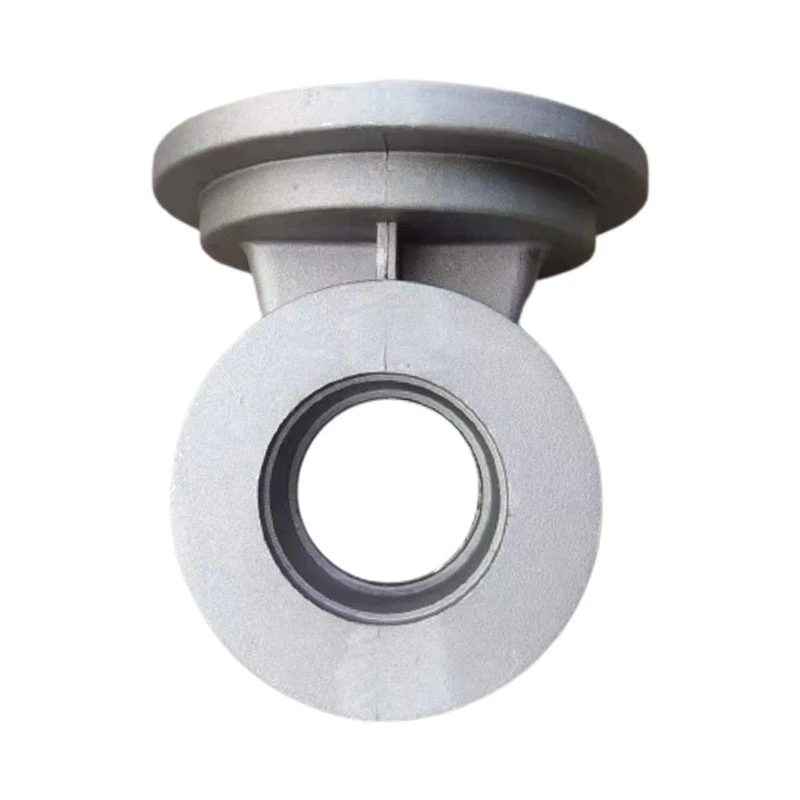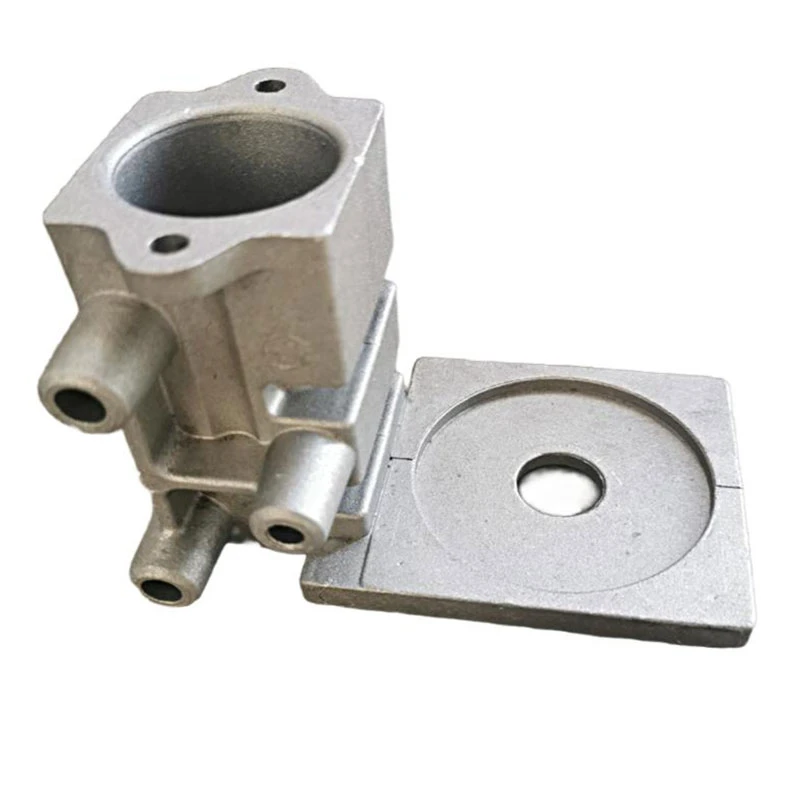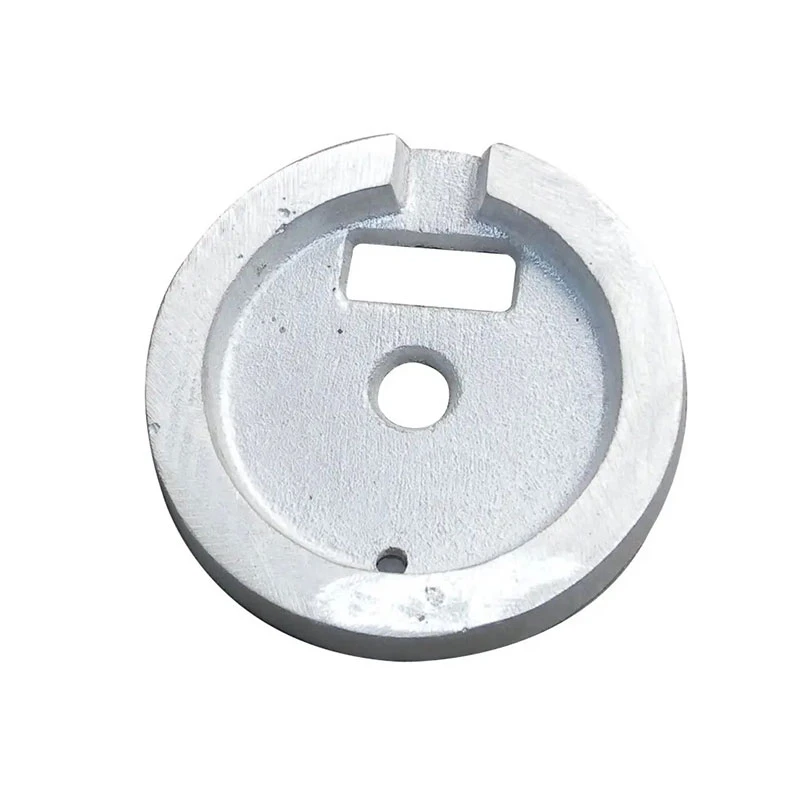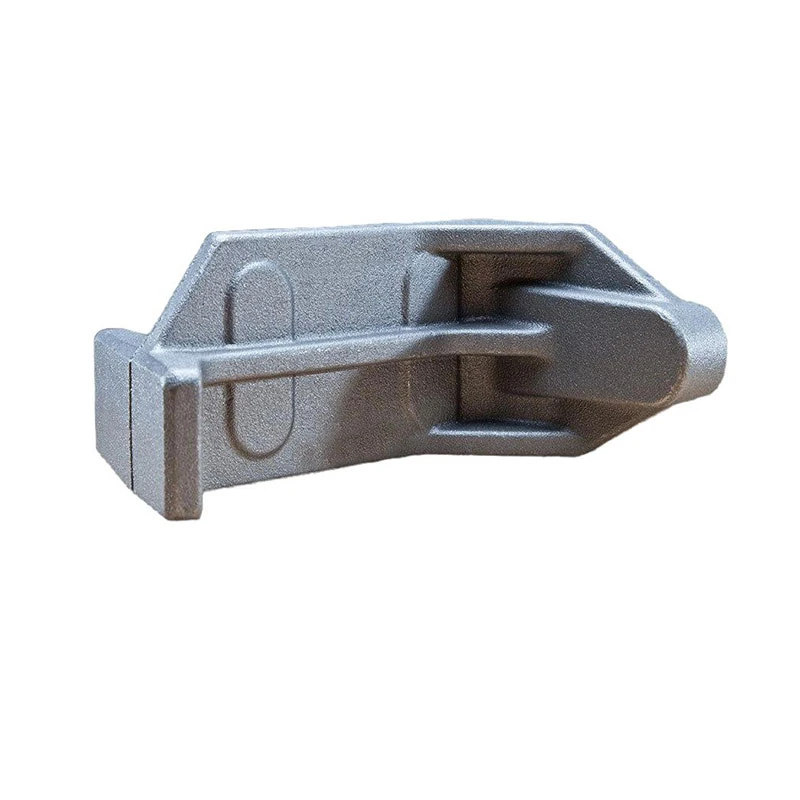



Comprehensive Die Cast Design Guidelines for B2B Manufacturing Solutions
Die Cast Design Guidelines is a key solution in the industry, specifically within manufacturing and industrial design sectors. This article explores how https://www.hairunsourcing.com supports professionals with durable, high-performance products, and explains why this product is an ideal choice for businesses in these sectors.
Table of Contents
- Die Cast Design Guidelines Overview
- Benefits & Use Cases of Die Cast Design Guidelines
- Cost, Maintenance & User Experience
- Sustainability & Market Trends
- FAQ about Die Cast Design Guidelines
- Conclusion on Die Cast Design Guidelines from China
Die Cast Design Guidelines Overview
If you’re involved in designing or manufacturing metal components, you probably know that dialing in the right design parameters for die casting can make or break the final product. The Die Cast Design Guidelines provide a framework for optimizing the process — helping engineers avoid common pitfalls like porosity, warping, or excessive weight.
In real terms, die casting is a manufacturing method where molten metal, often aluminum or zinc alloys, is injected at high pressure into precision steel molds to produce complex shapes with excellent dimension control. While it sounds straightforward, the devil’s in the details — wall thicknesses, draft angles, ribbing, and gate placements all matter. Hairun, a leader in this space, offers design support that’s backed by extensive case studies and material testing.
| Specification | Details |
|---|---|
| Material | Aluminum Alloy (A380), Zinc Alloy (Zamak 3) |
| Wall Thickness | 1.5 mm to 5 mm recommended |
| Dimensional Tolerance | ±0.1 mm (dependent on part size) |
| Max Part Size | Up to 500mm length |
| Surface Finish | Smooth, with options for powder coating, anodizing |
Benefits & Use Cases of Die Cast Design Guidelines
What really excites me about the die cast design guidelines is how they translate into real-world benefits across multiple industries — from automotive to electronics and aerospace. By following best practices, manufacturers reduce defects, improve productivity, and gain material efficiency. It’s not just about building a widget that works; it’s about ensuring the part withstands stress and time.
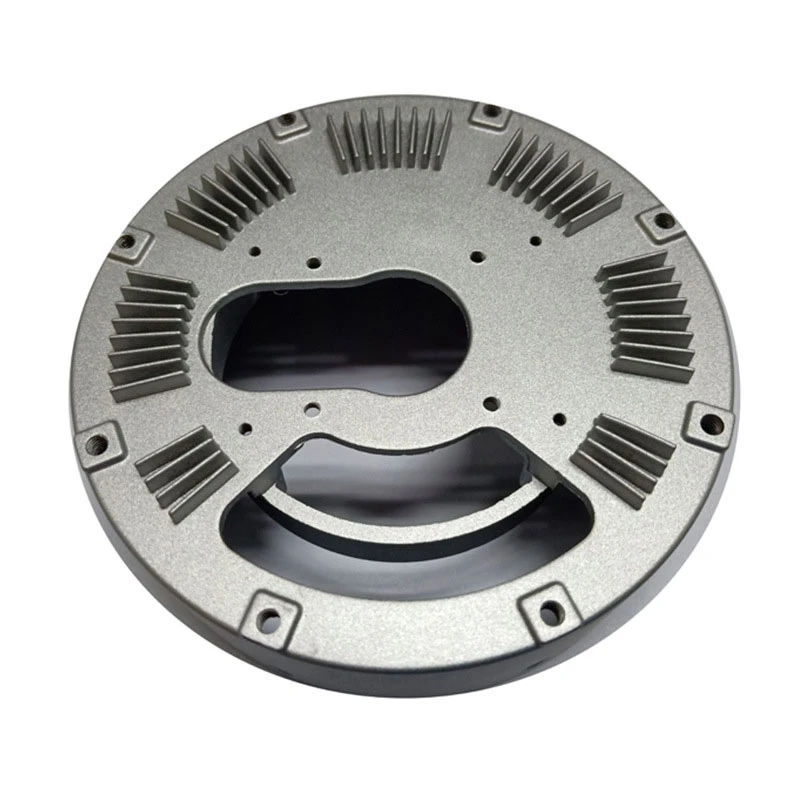
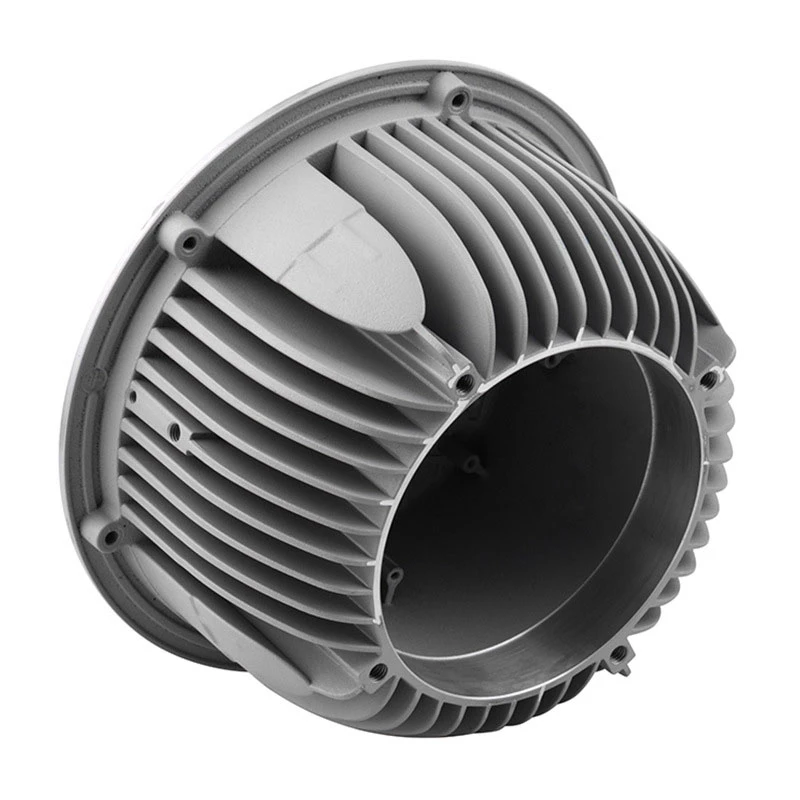
For instance, in automotive sectors, die cast parts are commonly used for engine blocks, transmission cases, and brackets. The guidelines help keep weight down without sacrificing strength, which improves fuel efficiency — a win-win for manufacturers and consumers alike. In electronics, tight tolerances and cooling fins designed per the guidelines enhance device longevity.
- Optimized wall thickness prevents warping and reduces scrap rates.
- Design for manufacturability speeds up production, saving costs.
- Supports complex geometries that traditional casting can’t reliably achieve.
Cost, Maintenance & User Experience
You might think durable, precise die cast parts come with a hefty price tag — and in some cases, they do. But considering the total cost of ownership paints a different picture. The upfront tooling costs are often offset by long-term savings from reduced rework and longer product lifecycles. Hairun’s clients often remark on the predictable budgeting enabled by these guidelines, which helps in sourcing decisions.
I’ve noticed that durability doesn’t just mean lasting parts; it also means fewer breakdowns in the field, less downtime, and happier end-users. One HVAC manufacturer shared that adopting these design recommendations cut their warranty claims by over 30% in two years. It’s the kind of data that comforts engineers and financial officers alike.
Sustainability & Market Trends
Sustainability is no longer just a buzzword — it’s a mandate, influencing die cast component production worldwide. The guidelines increasingly incorporate practices that reduce waste, improve recyclability, and comply with stringent regulations like RoHS and REACH. Aluminum’s high recyclability plays a key role here; ironically, lighter parts mean less energy consumed downstream.
Interestingly, market demand for custom die cast components is growing as industries pivot to electric vehicles, 5G infrastructure, and renewable energy systems. The guidelines evolve accordingly to accommodate newer alloys and hybrid materials. Hairun’s continual R&D in design helps clients stay ahead of these trends rather than just keeping up.
| Feature | Hairun | Competitor A | Competitor B |
|---|---|---|---|
| Material Expertise | Al, Zn alloys + advanced composites | Al alloys only | Limited alloy options |
| Custom Tooling Design | In-house, integrated | Outsourced | Outsourced & slower |
| Lead Time | 4-6 weeks | 6-8 weeks | 8-12 weeks |
| Post-Sale Support | Dedicated & responsive | Standard support | Limited support options |
Frequently Asked Questions about Die Cast Design Guidelines
- What is Die Cast Design Guidelines and how does it work?
- Simply put, these guidelines offer a set of design rules focused on dimensions, materials, and mold construction to streamline the die casting process. By adhering to them, engineers can predict outcomes better and reduce common defects.
- What are the main benefits of using Die Cast Design Guidelines in industrial applications?
- The primary gains are improved product durability, tighter tolerances, and enhanced surface finishes—all while optimizing costs and production time. This translates to stronger, lighter, and more reliable parts for various applications.
- How does Die Cast Design Guidelines compare to traditional alternatives?
- Compared to conventional casting or machining, using these guidelines offers greater precision and repeatability, as well as the ability to incorporate intricate geometries that otherwise would be too costly or impossible.
- What industries can benefit most from Die Cast Design Guidelines implementation?
- Automotive, aerospace, consumer electronics, and HVAC industries stand out, among others. For example, one HVAC client lowered their maintenance expenses thanks to hairun’s precision-aligned design system.
Conclusion on Die Cast Design Guidelines from china
To wrap this up, it’s clear that adhering to the Die Cast Design Guidelines not only improves product quality but also delivers tangible savings and sustainability benefits. For B2B decision makers looking to streamline production while boosting reliability, these guidelines – especially with partners like Hairun – are worth serious consideration.
- Ensure your die cast parts meet industry-leading standards.
- Visit our website: https://www.hairunsourcing.com
In my experience, staying closely aligned with design guidelines makes manufacturing smoother—and frankly, less stressful. Hope this helps you navigate your next project with more confidence.
References:
1. SAE International, “Design Guidelines for Die Casting,” 2021.
2. Journal of Materials Processing Technology, “Optimizing Die Casting Design,” 2023.
3. Hairun Sourcing, “Case Studies in Die Casting Excellence,” 2024.
-
Comprehensive Guide to Automotive Die Casting for Enhanced Vehicle PerformanceNewsJan.27,2026
-
Comprehensive Guide to Aluminum Pressure Die Casting Manufacturing ProcessesNewsJan.27,2026
-
Hot Chamber Die Casting vs Cold Chamber Die Casting ExplainedNewsJan.06,2026
-
Hot Chamber And Cold Chamber Die Casting Solutions for Industrial Applications | Hairun SourcingNewsJan.06,2026
-
Hot and Cold Chamber Die Casting: Key Insights from Industry ExpertsNewsJan.06,2026
-
Comprehensive Guide on Graphite Die Casting for B2B Manufacturing | HairunSourcingNewsJan.05,2026